Finding a place in Europe where your money stretches far without giving up comfort, safety, or culture sounds too good to be true. Surprisingly, it is not.
From sunny Spanish cities to mountain-backed Romanian towns, a growing number of European destinations offer solid healthcare, walkable streets, and vibrant social life at a fraction of what you would pay in Paris or Amsterdam. Whether you are a remote worker, a retiree, or simply someone craving a fresh start, these 14 places prove that living well does not have to cost a fortune.
Valencia, Spain
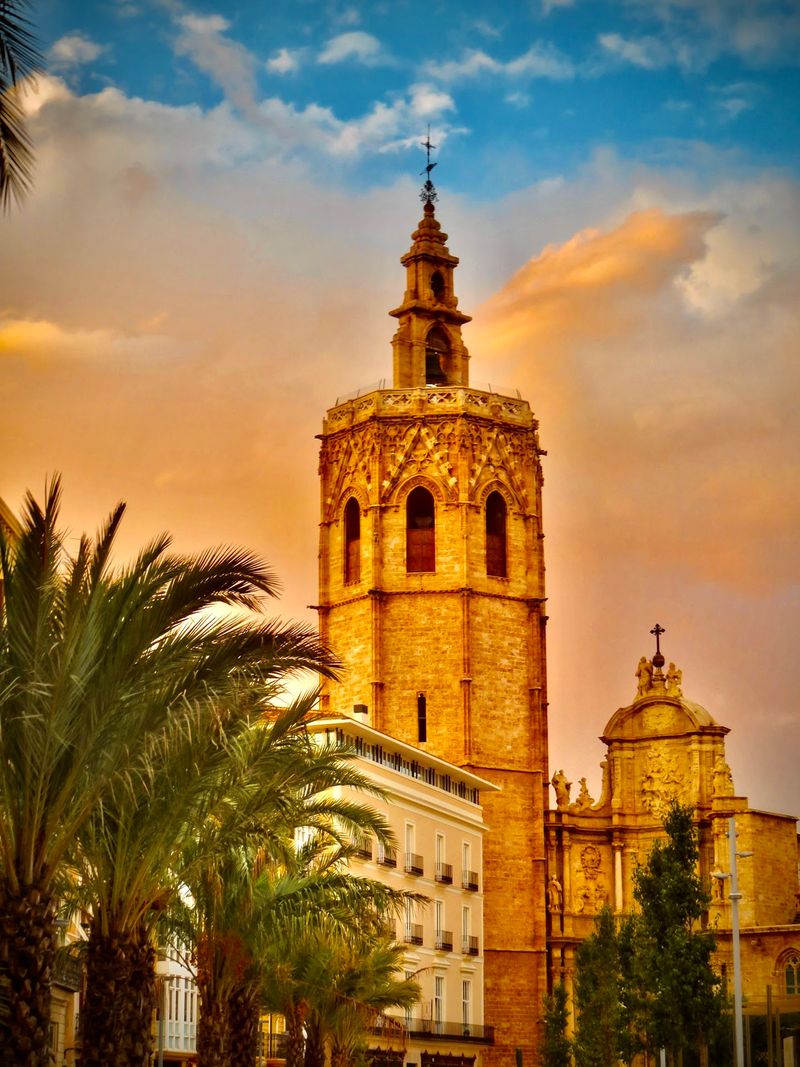
Sunshine, beaches, bike lanes, and world-class paella all in one city – Valencia might just be Europe’s best-kept open secret. Sitting comfortably below the costs of Madrid and Barcelona, it delivers a Mediterranean lifestyle that feels almost unfairly generous for the price tag.
Numbeo’s 2026 data rate its Quality of Life Index at around 189, with standout scores for safety, healthcare, and climate.
The cycling infrastructure here is genuinely impressive. Hundreds of kilometers of dedicated bike paths connect neighborhoods, parks, and the beach without ever forcing you into heavy traffic.
Rent for a one-bedroom outside the center has climbed toward 900 euros per month, so budgeting carefully still matters.
Spain topped InterNations’ 2025 Quality of Life rankings, with expats raving about the food scene, public transportation, and outdoor lifestyle. Valencia earns its spot at the top of this list not because it is the cheapest option, but because it stacks so many advantages in one place.
Few cities anywhere in Europe manage that combination quite as effortlessly.
Oviedo, Spain
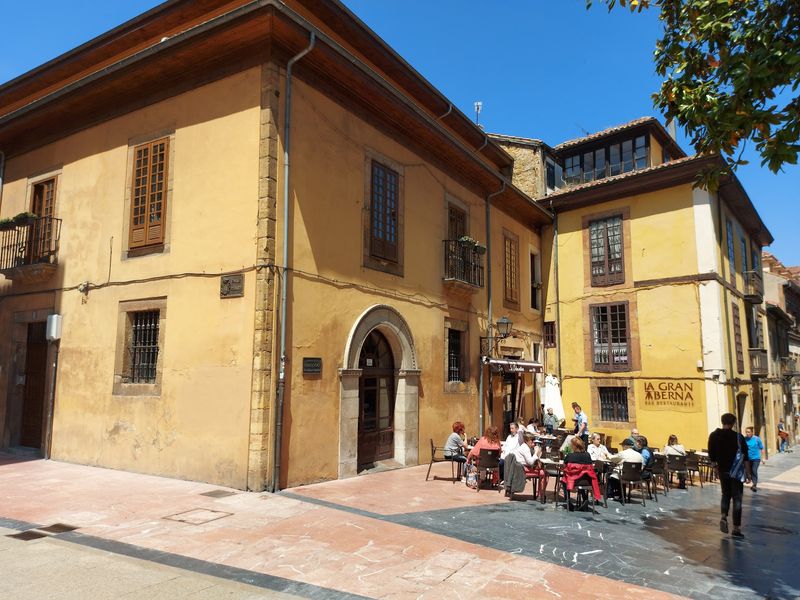
Not every great city needs a beach. Oviedo, tucked into the green hills of Asturias in northern Spain, makes a compelling case for slower living without sacrificing quality.
Its pedestrian-friendly old town, legendary cider culture, and proximity to both mountains and the Cantabrian coast give it a personality that bigger Spanish cities simply cannot replicate.
Apartment purchase prices outside the center sit around 1,610 euros per square meter according to Numbeo’s 2026 figures, with average reported net salaries near 1,700 euros. That property-price-to-income ratio is one of the more manageable you will find in Spain, making homeownership feel less like a fantasy here than in coastal hotspots.
Oviedo is compact enough to walk almost everywhere, which keeps transportation costs low and daily life refreshingly unhurried. The food scene punches well above the city’s size, with excellent seafood, local cheeses, and fabada stew worth writing home about.
For people who want genuine Spanish culture without the tourist crowds or inflated rents of the south, Oviedo is a seriously underrated choice.
Granada, Spain
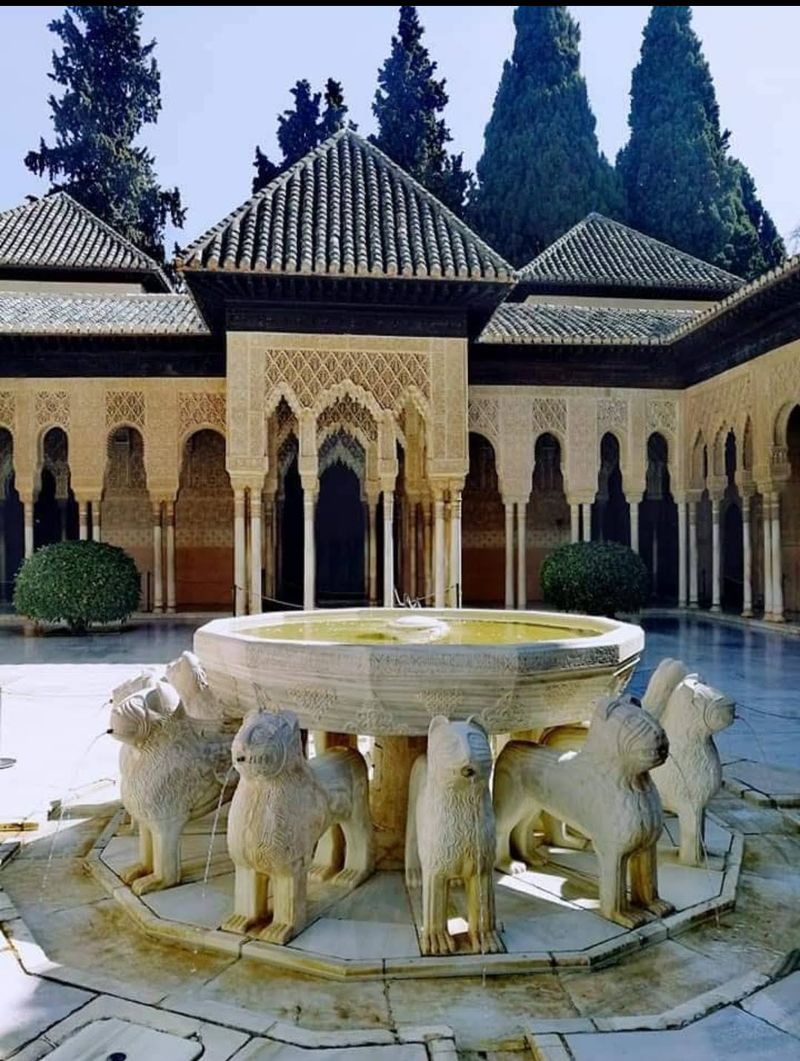
Imagine sipping free tapas with every drink order while gazing up at a UNESCO World Heritage fortress. That is just a Tuesday in Granada.
This southern Spanish city layers extraordinary cultural depth onto an everyday cost structure that consistently ranks among the lowest in the country, with Numbeo’s 2026 Cost of Living Index sitting near 49.
The Alhambra, the winding streets of the Albaicin quarter, and the snow-capped Sierra Nevada create a backdrop that most cities would pay a marketing team millions to invent. A large university population keeps the city energetic and young, with independent cafes, bookshops, and live music venues filling the gaps between historical monuments.
Summers are brutally hot, and job opportunities are narrower than in Spain’s major economic hubs. Remote workers and people with portable income tend to thrive here, while those needing a local salary should research the market carefully before committing.
Granada rewards people who prioritize lifestyle over career ladder-climbing, offering one of the richest cultural environments in Europe at a price point that genuinely surprises first-time visitors.
Alicante, Spain
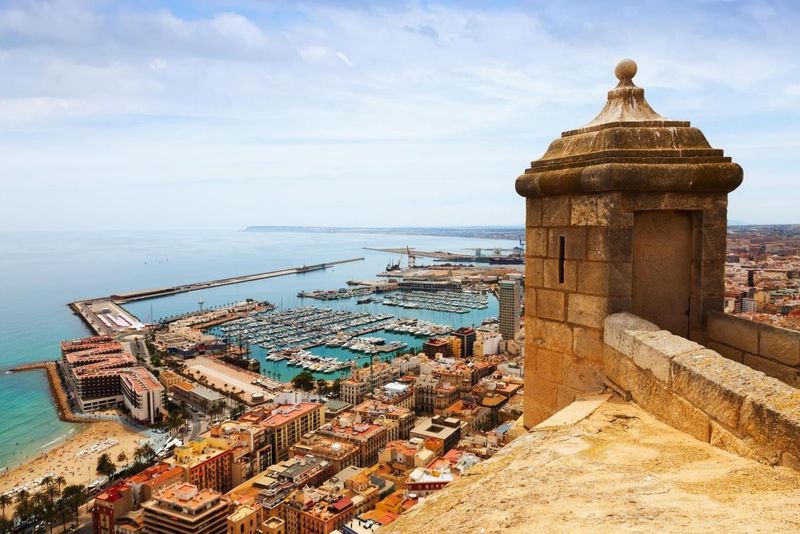
Waking up five minutes from a Mediterranean beach without paying Ibiza prices is the kind of deal Alicante residents quietly enjoy while the rest of Europe pays double elsewhere. The city’s Costa Blanca coastline, reliable sunshine, and relaxed pace attract a mix of international residents, retirees, and younger remote workers who have done the math and liked the results.
Numbeo’s 2026 Southern Europe data place Alicante’s Cost of Living Index around 51, comfortably below many western and northern European cities. A major international airport connects the city to dozens of European destinations, making it practical for frequent travelers or anyone with family spread across the continent.
The smartest value tends to be found a few blocks inland from the waterfront, where rents drop noticeably without sacrificing walkability or access to shops and restaurants. The tram network links Alicante to nearby beach towns, which is handy when you want variety without renting a car.
Santa Barbara Castle looming over the harbor gives the city a dramatic backdrop that postcards barely do justice. Alicante is proof that coastal Mediterranean living does not automatically require a coastal Mediterranean budget.
Braga, Portugal
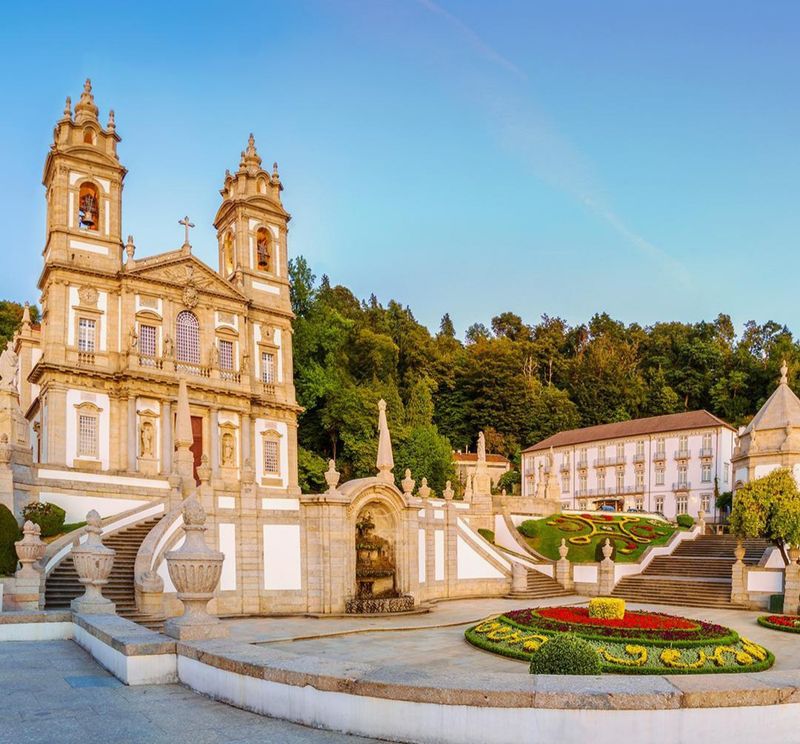
Portugal gets a lot of attention, but most of it lands on Lisbon and Porto. Braga, the country’s third-largest city, quietly offers much of what makes those cities appealing without the same surge in housing prices or tourist foot traffic.
It has a genuine local rhythm that feels refreshingly unperformed.
Universities anchor the city’s population and give it an intellectual energy that keeps the cafe culture lively and the arts scene active. Healthcare infrastructure is solid, historic architecture lines the center, and the surrounding Minho region offers some of Portugal’s most scenic countryside for weekend escapes.
Current Numbeo data continue to place everyday expenses relatively low by Western European standards.
Housing costs have risen as Portugal has grown more internationally popular, so Braga is no longer the budget destination it once was. Still, it remains noticeably more affordable than Lisbon while sharing much of the same climate, food quality, safety record, and cultural appeal.
For people who want Portugal’s lifestyle without Lisbon’s price tag or Porto’s increasingly competitive rental market, Braga offers a genuinely compelling middle path that deserves far more attention than it currently receives.
Ljubljana, Slovenia
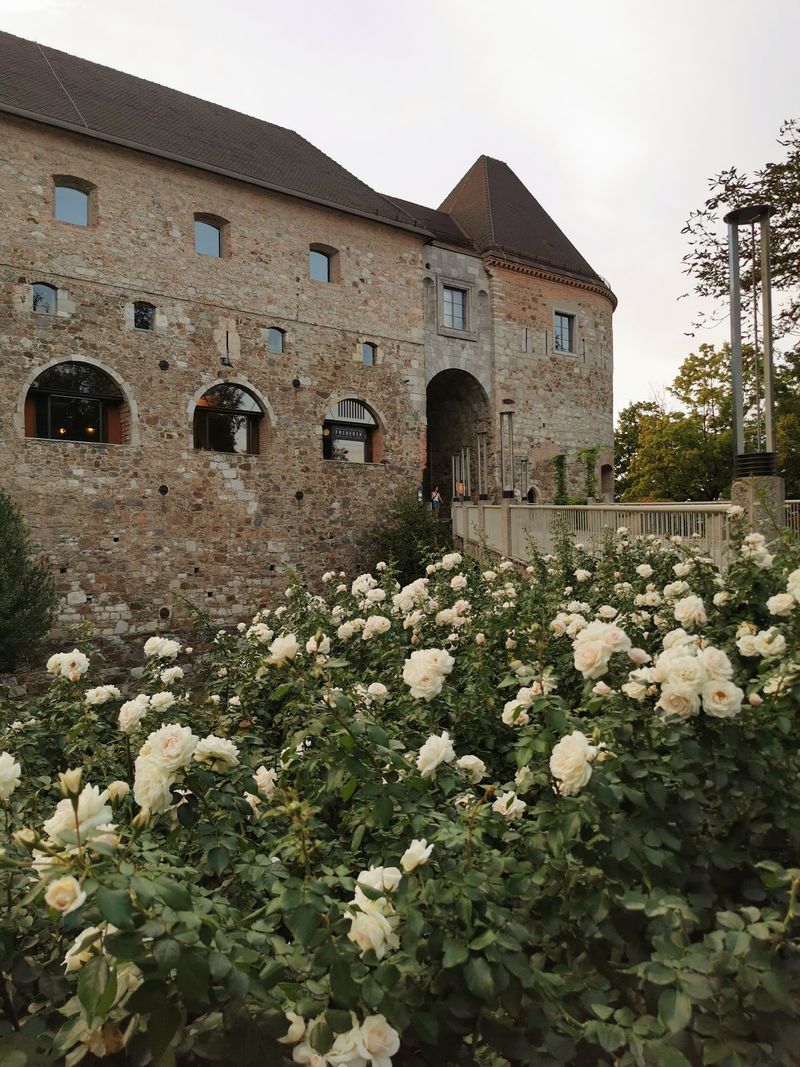
Ljubljana might be Europe’s most livable city that most people struggle to pronounce. The Slovenian capital is compact, almost entirely car-free in the center, lined with riverside cafes, and backed by a castle that looks like it was designed specifically to appear on travel magazine covers.
It is not Eastern Europe-cheap anymore, but it punches well above its price class.
Numbeo’s 2026 Cost of Living Index places Ljubljana around 57, higher than Zagreb or Brno but still dramatically more affordable than Zurich, Oslo, or Copenhagen. The city’s cycling infrastructure is excellent, public transportation works reliably, and the surrounding countryside offers mountains, lakes, and the Adriatic coast all within a short drive.
Triglav National Park, Lake Bled, and the Soča Valley are all accessible as day trips, which means residents effectively get one of Europe’s most beautiful natural playgrounds as part of their backyard. The city has also been recognized in international comparisons for balancing cost and quality of life unusually well.
Ljubljana rewards people who value a calm, green, and walkable urban environment over the buzzing intensity of a major European capital.
Zagreb, Croatia
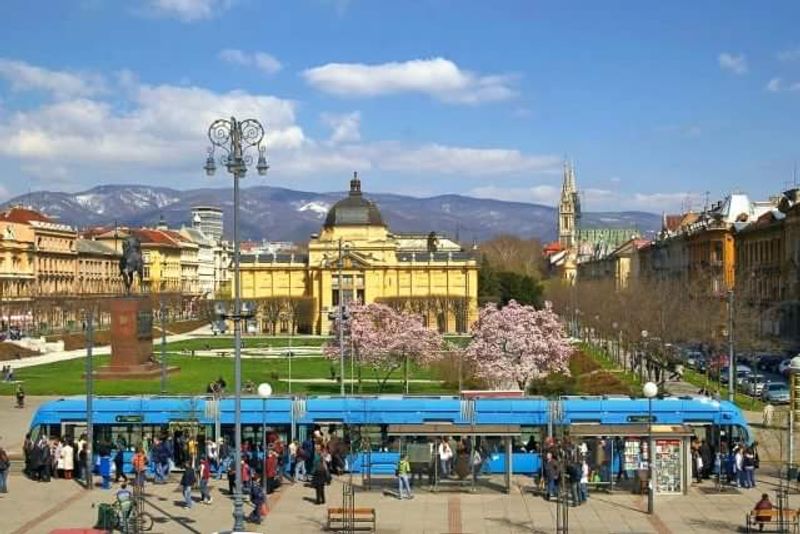
Zagreb has a persistent image problem: it keeps getting skipped in favor of Croatia’s coast. That is genuinely good news for anyone who actually lives there, because the capital remains approachable in ways that Dubrovnik and Split have long since left behind.
Museums, tram lines, farmers’ markets, and a cafe culture built around long conversations give it a depth that beach towns rarely develop.
Numbeo’s 2026 European data record a Cost of Living Index around 54 for Zagreb, with rents running substantially below Ljubljana’s level. Eurostat’s 2024 figures found Croatia’s overall housing costs sitting 44% below the EU average, while just 3% of urban residents experienced housing-cost overburden, one of the lowest rates in the entire EU dataset.
The city’s parks, including Maksimir and Jarun Lake, give residents genuine green space that larger capitals often struggle to provide. Mountain hiking in Medvednica is reachable by tram from the city center, which is the kind of detail that sounds too convenient to be real until you actually try it.
Zagreb rewards residents who look past the tourist trail and discover a capital city still comfortable in its own skin.
Brno, Czechia
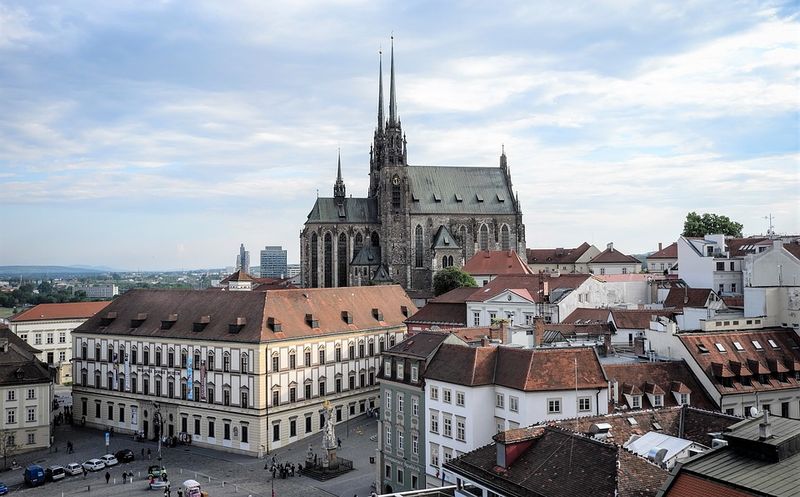
Every country has a second city that locals swear is better than the capital, and in Czechia, they might actually be right. Brno trades Prague’s tourist crowds for a younger, more relaxed atmosphere shaped by its large university population and growing technology sector.
The city has a scrappy creative energy that feels earned rather than manufactured.
Numbeo’s 2026 Eastern European comparison puts Brno’s Cost of Living Index at roughly 53, with local purchasing power that holds up well relative to similarly priced cities in the region. Trams connect the compact center to surrounding neighborhoods efficiently, and the historic center is walkable enough that a car is rarely necessary for daily life.
Vienna, Bratislava, and Prague are all reachable in under two hours by train or bus, making Brno unusually well positioned for weekend travel without the inconvenience of long-haul journeys. The wine region of South Moravia begins almost immediately outside the city, offering vineyards, cycling routes, and cellar tastings at prices that would make French wine tourists weep with envy.
Brno is the kind of city that grows on you slowly and then becomes very difficult to leave.
Wroclaw, Poland
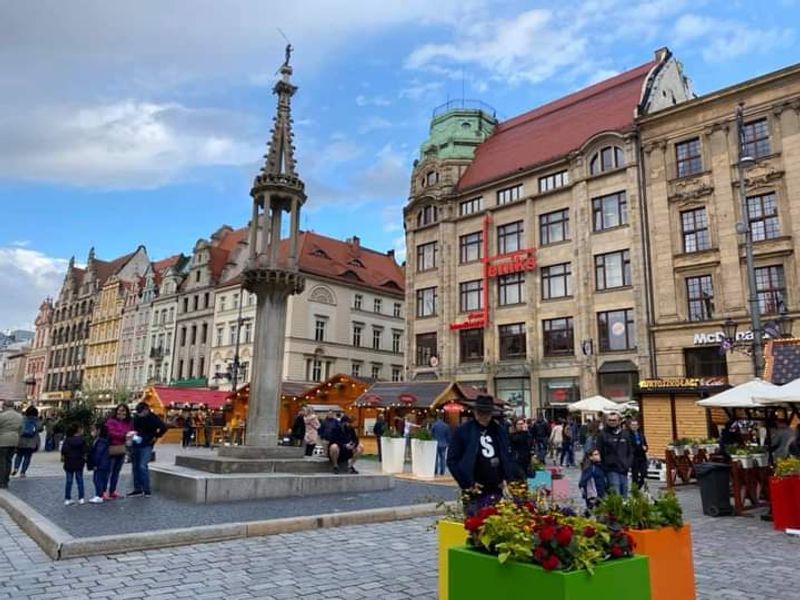
Few cities in Europe can match Wroclaw’s combination of a major job market, a beautifully restored historic center, and a cost of living that still feels refreshingly reasonable by Western European standards. The Market Square, one of the largest and most architecturally varied in Central Europe, sets a tone that the rest of the city works hard to live up to.
Numbeo’s 2026 data place Wroclaw’s Cost of Living Plus Rent Index around 37 in its Eastern European comparison, while local purchasing power sits near 93. Poland recorded housing costs roughly 49% below the EU average in Eurostat’s latest dataset, the lowest national figure in the entire comparison.
Technology companies, universities, and a growing international business community have expanded employment options considerably over the past decade. The Oder River splits into channels around a cluster of islands in the city center, creating a geography of bridges and waterside paths that gives Wroclaw an unexpectedly romantic quality.
Rail connections to Warsaw, Krakow, and Berlin are reliable and reasonably priced. Wroclaw has the economic substance of a serious city and the price structure of a place still figuring out how good it actually is.
Timisoara, Romania
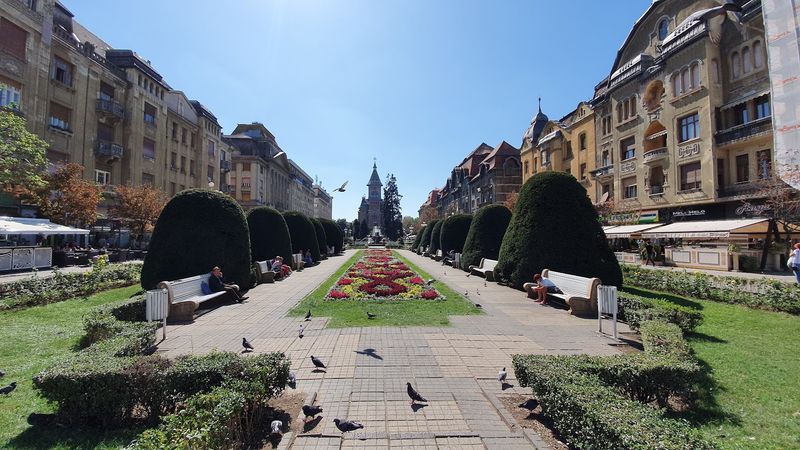
Timisoara earned a place in European history as the city where Romania’s 1989 revolution began, and it carries that legacy with a certain quiet pride. Today it is better known among expats and digital nomads as one of the continent’s most underrated urban bargains, combining Central European architectural elegance with costs that remain genuinely low by any reasonable measure.
Numbeo’s 2026 Eastern Europe data give Timisoara a Cost of Living Plus Rent Index of about 28, while its local purchasing-power score sits near 91. That combination is rare: low costs alongside relatively strong local wages create a quality-of-life balance that many pricier cities fail to achieve.
Three connected central squares lined with Baroque and Art Nouveau buildings give the city a walkable grandeur that surprises visitors expecting something rougher around the edges. A growing technology sector has brought international employers and a younger professional population, which in turn has lifted the restaurant and cultural scene noticeably.
Timisoara held the title of European Capital of Culture in 2023, an experience that left a visible mark on its public spaces and creative infrastructure. For value-conscious city lovers, it is hard to find a more compelling case anywhere in Europe.
Brasov, Romania
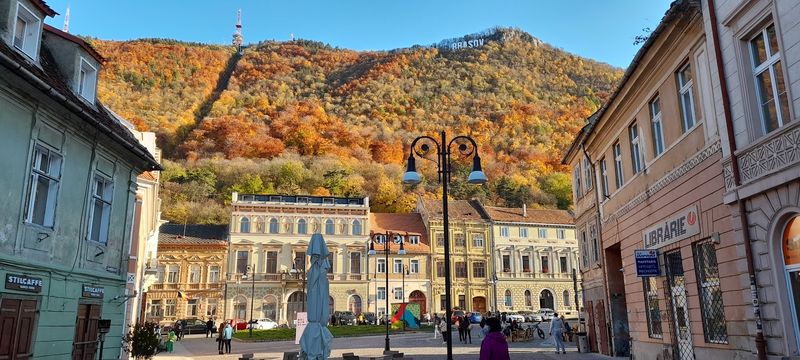
Some cities have mountains nearby. Brasov has mountains on its doorstep, literally rising above the rooftops of the medieval old town in a way that makes even a short walk to the grocery store feel slightly cinematic.
The Carpathians are not a weekend destination from Brasov; they are a permanent backdrop to daily life.
Numbeo’s 2026 data put Brasov’s combined cost-of-living-and-rent measure around 32, which remains exceptionally low in a European context even as the city has grown more popular with tourists and relocating professionals. Hiking trails begin at the edge of the old town, ski resorts are minutes away in winter, and Transylvanian villages with genuine medieval character are scattered throughout the surrounding region.
The historic center, known as the old town, concentrates tourism and pushes prices up in its immediate vicinity. Residents who settle in surrounding neighborhoods typically find better long-term value without sacrificing easy access to the city’s best features.
Brasov also sits on a major rail line connecting Bucharest to the rest of the country, which matters for anyone who needs occasional city access without wanting to live in a capital. Nature lovers and culture seekers rarely have to choose here.
Plovdiv, Bulgaria
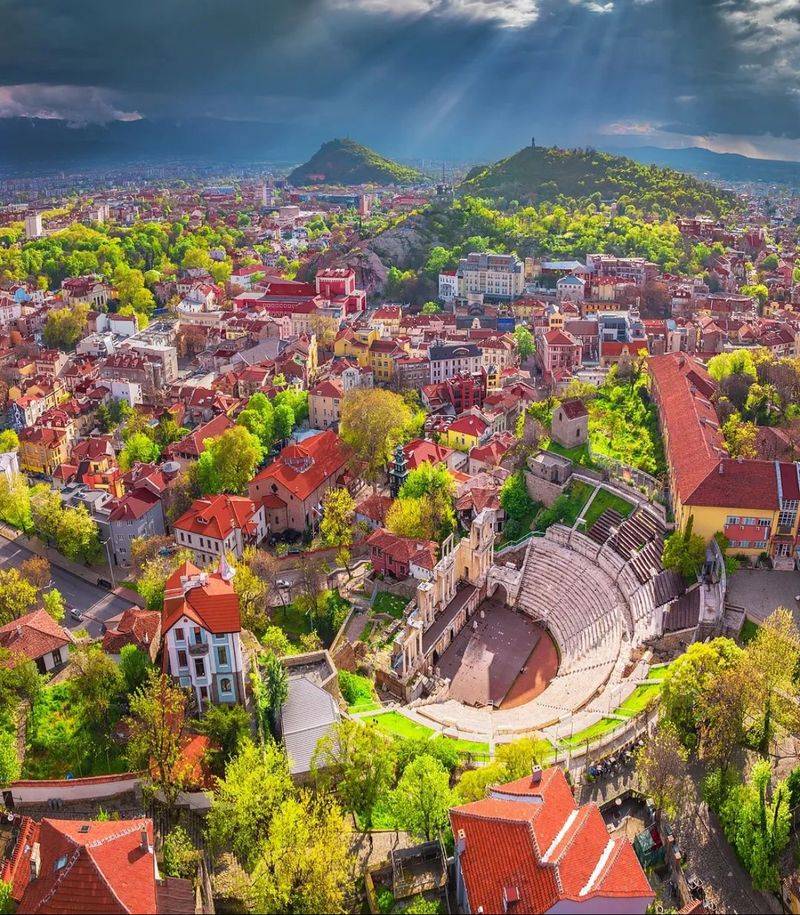
Plovdiv has been inhabited for roughly 8,000 years, which gives it a certain authority when it comes to knowing how to make a place worth living in. Its ancient Roman amphitheater still hosts concerts, its National Revival-era old town drips with color and character, and its Kapana creative district buzzes with galleries, craft beer bars, and independent restaurants.
Numbeo’s 2026 Cost of Living Plus Rent Index for Plovdiv sits around 27.5, with local purchasing power close to 79 in the Eastern European comparison. Bulgaria’s national housing costs were 38% below the EU average in Eurostat’s 2024 figures, which gives the country as a whole one of the most affordable housing environments on the continent.
Local salaries are lower than in wealthier EU capitals, and infrastructure in some areas still reflects decades of underinvestment. Remote workers or people earning income from outside Bulgaria tend to find the value truly exceptional, gaining access to a culturally rich city at a fraction of what comparable living would cost in Western Europe.
Plovdiv was also a European Capital of Culture in 2019, a distinction that accelerated investment in its public spaces and arts scene considerably.
Sofia, Bulgaria
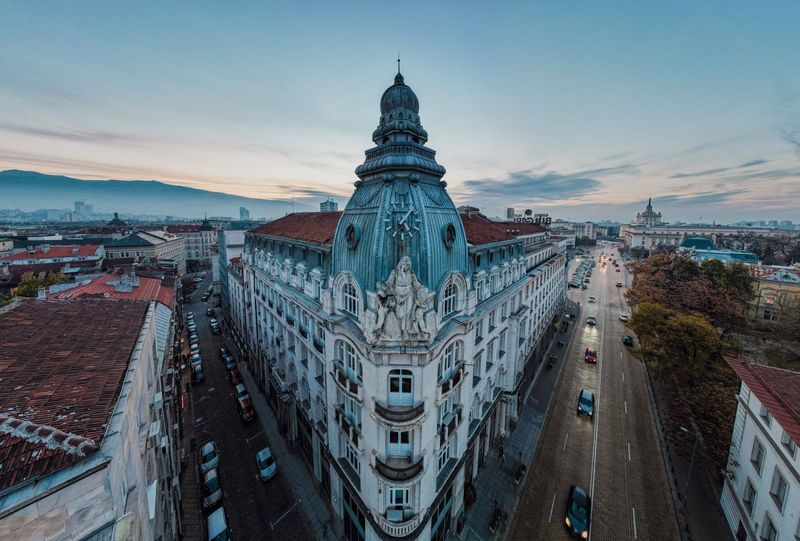
Mount Vitosha sits at the edge of Sofia like a permanent invitation to go hiking, skiing, or simply stare at something beautiful while the rest of the city gets on with its day. Having a 2,290-meter mountain accessible by public transportation from a national capital is the kind of geographic advantage that sounds made up until you check the bus schedule and realize it is completely true.
Numbeo’s 2026 comparison gives Sofia a Cost of Living Plus Rent Index around 34, far below most Western European capitals and offering considerably more urban infrastructure than smaller Bulgarian cities. As the country’s main hub, Sofia provides broader employment options, better healthcare facilities, and more extensive international transport connections than Plovdiv or Brasov.
Traffic congestion and air quality issues, particularly in winter, are genuine quality-of-life drawbacks that residents mention consistently. Neighborhood selection matters more in Sofia than in smaller cities, with some areas offering much better air circulation and green space than others.
The city’s central market halls, mineral spring fountains, and mix of Ottoman, Soviet, and modern architecture create a layered urban character that rewards curious residents willing to explore beyond the obvious tourist spots.
Thessaloniki, Greece
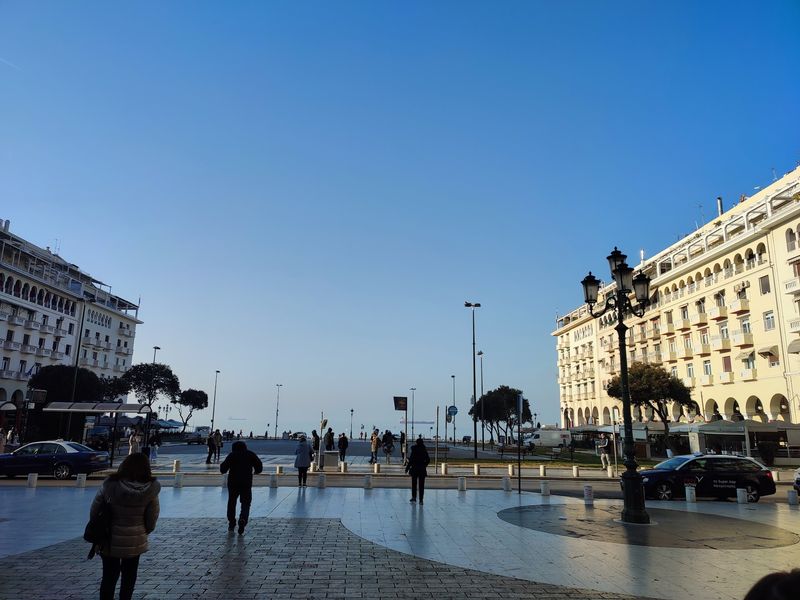
Greeks will tell you that Thessaloniki has better food than Athens, and Athenians will refuse to confirm it publicly while privately agreeing. The city’s food culture, built around fresh seafood, bougatsa pastry, and an obsessive dedication to good coffee, is the kind of thing that quietly restructures your daily priorities within the first week of living there.
Its 2026 Cost of Living Index sits around 57 in Numbeo’s data, still classified as relatively affordable in a Mediterranean context. The waterfront promenade, Byzantine walls, Roman ruins, and a university population that keeps the nightlife genuinely lively give Thessaloniki a cultural richness that smaller budget destinations simply cannot match.
Housing affordability is a more complicated picture than the cost-of-living headline suggests. The city’s property-price-to-income ratio is relatively high, meaning buyers and renters should research specific neighborhoods carefully rather than assuming everything will be cheap.
The historic Ano Poli district, with its Ottoman-era wooden houses and hilltop views over the bay, offers some of the most atmospheric living in any Greek city. Thessaloniki rewards people who take time to learn its rhythms, and those rhythms tend to involve excellent food, late evenings, and a sea view that never gets old.
Share this story