Something shifts in how you travel once you hit your 40s. The frantic race to tick off every landmark fades, replaced by a genuine hunger for good food, comfortable beds, interesting people, and the freedom to stay somewhere just because it feels right.
Solo travel at this stage is not about being brave or proving independence. It is about finally traveling exactly the way you want.
Lisbon, Portugal
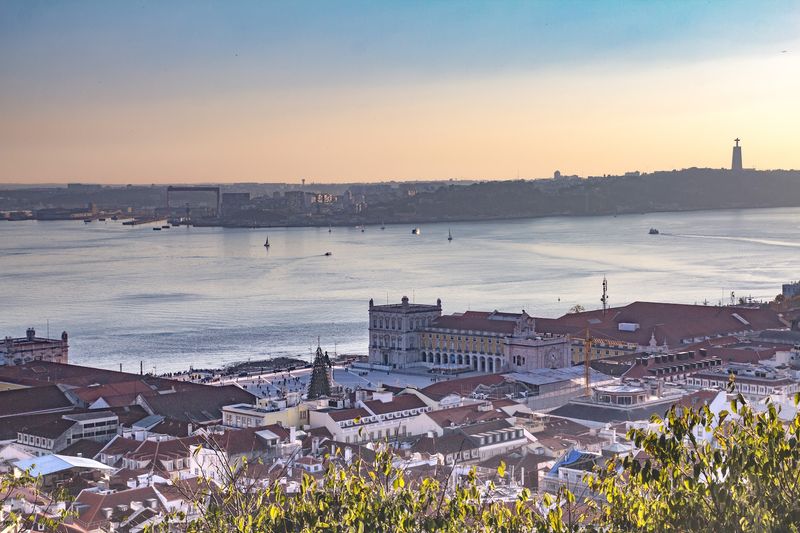
There is a particular joy in boarding a creaky old tram with no real agenda, watching Lisbon’s tiled neighborhoods scroll past the window like a slow film. The city has a relaxed pace that suits travelers who have outgrown the need to sprint between attractions.
Viewpoints called miradouros are scattered across the hills, and each one is a perfectly good reason to stop and do absolutely nothing for twenty minutes.
Portugal ranks seventh in the 2026 Global Peace Index, making it one of the safest independent travel destinations in the world. Lisbon also has a strong food scene that works naturally for one person.
Pasteis de nata at a bakery counter, fresh seafood at a neighborhood tasca, and a glass of wine at a wine bar all feel completely comfortable solo.
The city is honest about its hills, which can be tiring. After 40, the smart move is to use the funiculars, take a long lunch break, and stop pretending that covering maximum ground equals a better trip.
Day trips to Sintra, Setubal, and the Alentejo coast add variety without requiring complicated planning. Lisbon rewards travelers who let the city set the pace.
Ljubljana and Lake Bled, Slovenia
Ljubljana might be Europe’s most underrated capital for solo travel, and that is partly because nobody is fighting you for space. The old town is compact enough to cover on foot in a morning, but interesting enough to keep you wandering back through the same streets all week.
Street-side cafes line the Ljubljanica River, and the atmosphere is unhurried in a way that feels genuinely rare.
Slovenia ranks fourth in the 2026 Global Peace Index, behind only Iceland, New Zealand, and Switzerland. That safety and stability translates into a travel experience that feels low-stress from the moment you arrive.
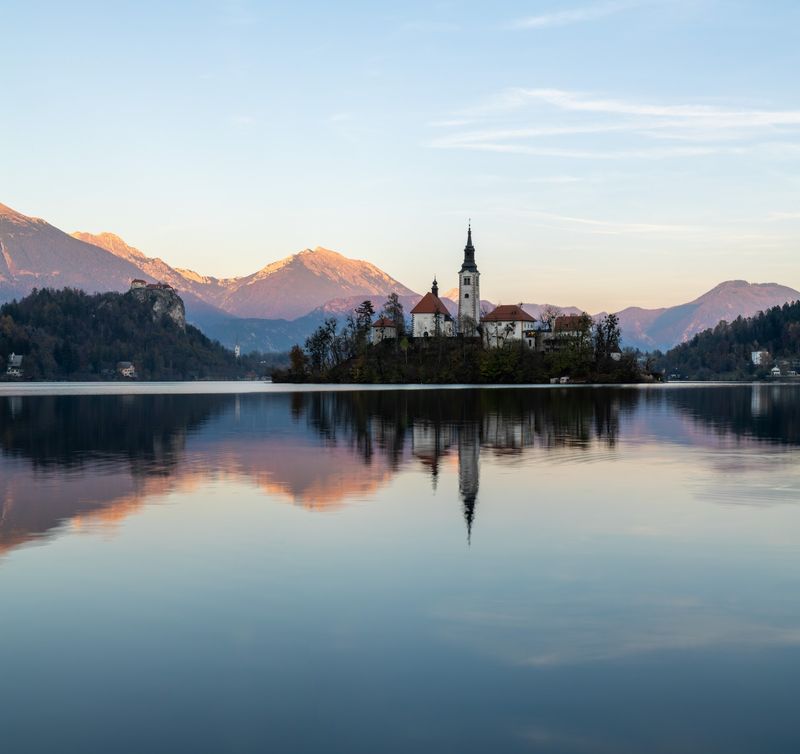
Lake Bled is a short bus ride away and delivers the kind of scenery that looks almost too perfect to be real, with a medieval castle perched above an emerald lake and a tiny island church in the middle.
Beyond Bled, the country offers caves at Postojna, wine regions in the east, the Soca Valley for those who enjoy mountain scenery, and the Adriatic coast at Piran. Slovenia is small enough to explore thoroughly without an overwhelming itinerary.
For solo travelers who want nature and culture in easy reach of each other, this country punches well above its size.
Dublin and Western Ireland
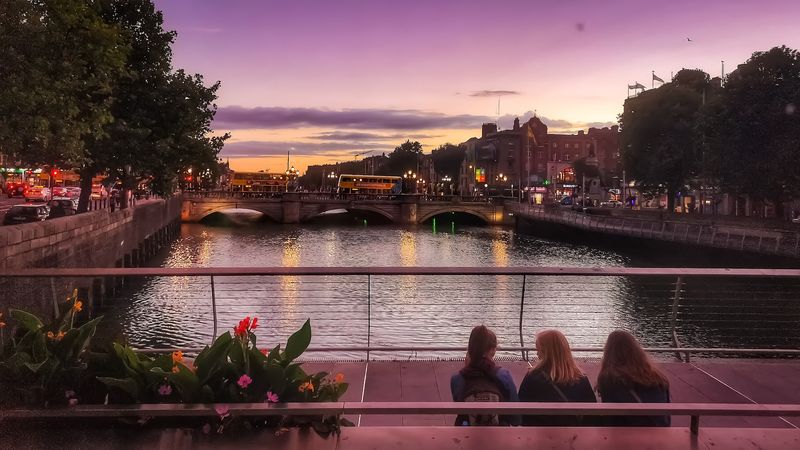
Dublin was named the world’s leading solo-travel city in Tripadvisor’s Travelers’ Choice rankings, and the reason is not complicated: Irish people are genuinely easy to talk to. A solo traveler sitting at a pub bar is not a curiosity here.
Within ten minutes, you will likely have heard someone’s opinion on the weather, the football, and at least one family story you were not expecting.
Ireland ranks fifth in the 2026 Global Peace Index, and its appeal for solo travelers gets stronger once you leave Dublin behind. Galway has a creative, musical energy that feels accessible without being performative.
Connemara offers wild Atlantic coastline, stone walls, and a kind of slow, elemental beauty that requires no tour guide to appreciate.
The Wild Atlantic Way gives solo drivers a ready-made route through Kerry, Clare, Sligo, and Donegal without needing to plan every stop in advance. Traditional music sessions happen organically in small pubs, which means social interaction finds you rather than requiring effort.
Western Ireland is the kind of place where a planned two-night stop quietly turns into five. After 40, that flexibility is exactly the point.
Kyoto, Japan
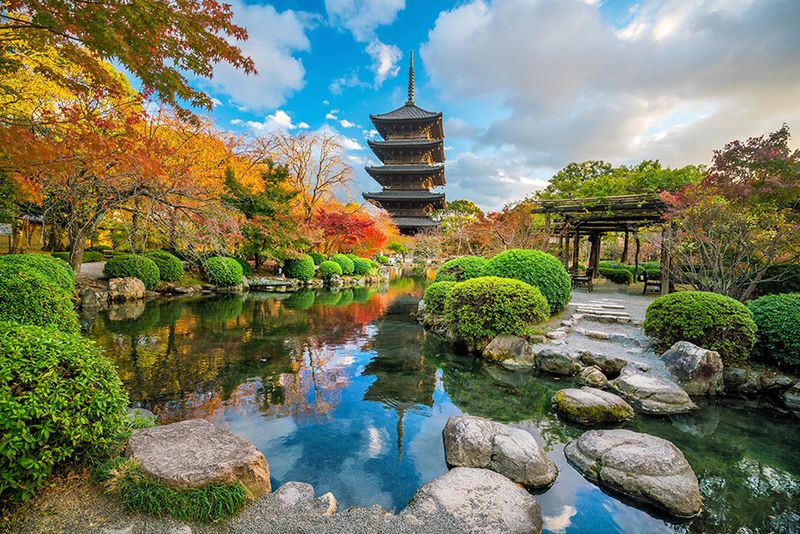
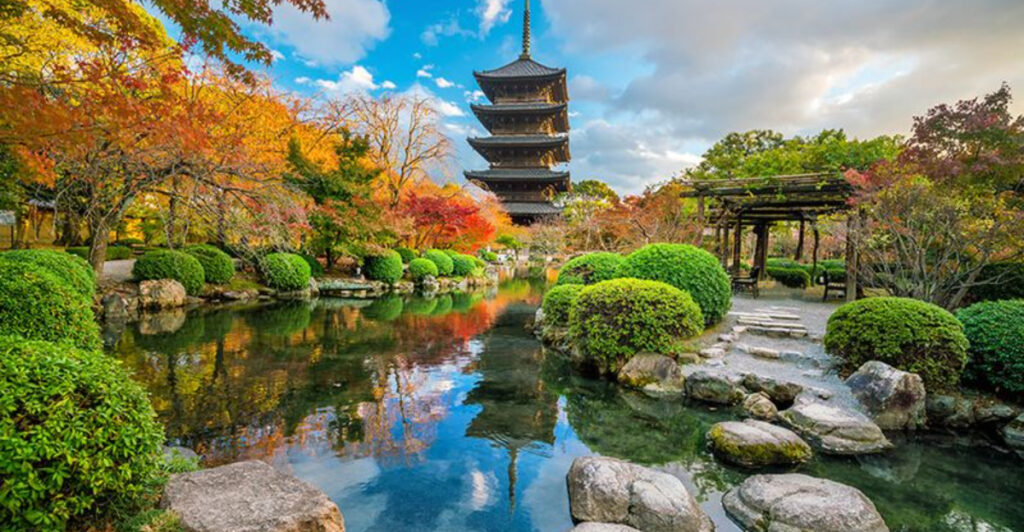
Morning mist still clings to the stone paths of Arashiyama when most tourists are finishing breakfast, and that quiet moment belongs entirely to you. Kyoto rewards people who have stopped rushing.
A single temple garden can hold your attention for an hour without any guilt about what you are missing elsewhere.
Staying in a ryokan changes the whole rhythm of the trip. You wake up to a carefully arranged breakfast, soak in a hot spring bath, and fall asleep on a futon without once checking a group chat.
Japan ranks 10th in the 2026 Global Peace Index, and its rail network makes moving between Kyoto, Nara, Osaka, and Hiroshima feel almost effortless.
The food culture here also works brilliantly for solo travelers. Counter seating is normal and respected, seasonal menus keep things interesting, and even a simple bowl of ramen in a tiny neighborhood shop can feel like the highlight of the day.
Kyoto is not trying to impress you with volume. It earns your attention through quiet, unhurried beauty, which is exactly the kind of travel that starts making sense after 40.
Vienna, Austria
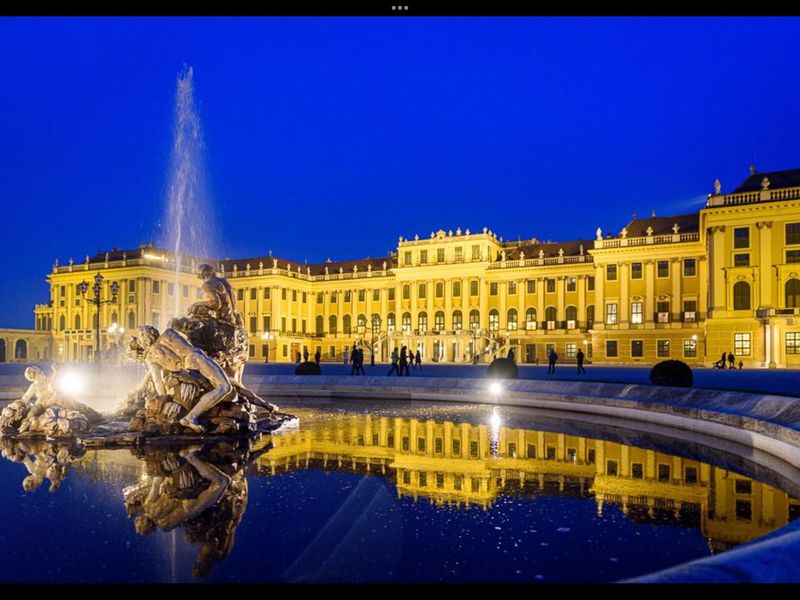
Vienna invented the art of sitting in a cafe for three hours without anyone asking if you need anything else. The Viennese coffeehouse is a cultural institution, not just a place for coffee, and solo travelers fit into it perfectly.
You can read, people-watch, write, or simply exist in a beautiful room without any pressure to move on.
Austria ranks sixth in the 2026 Global Peace Index, and Vienna backs that up with one of Europe’s most reliable public transport systems. Getting around the city independently is simple, predictable, and cheap.
Museums, concert halls, imperial palaces, and outdoor markets are all reachable without ever needing a taxi.
Attending a classical concert alone in Vienna feels entirely natural, unlike some cities where solo attendance at cultural events carries an awkward energy. The city also has a strong neighborhood restaurant culture, with wine taverns called heurigen in the outer districts serving local food and Austrian wines in relaxed, communal settings.
Vienna is genuinely one of those cities that improves with age, both the city’s own accumulated elegance and the age of the traveler walking through it.
Copenhagen, Denmark
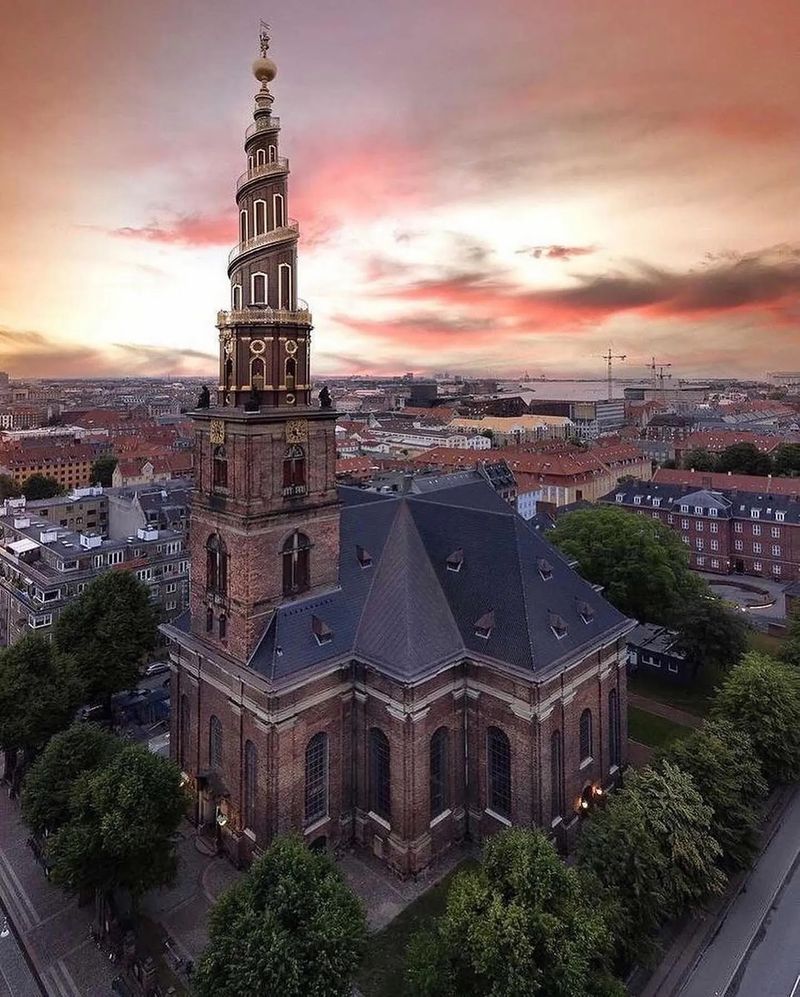
Copenhagen has a quality that is hard to name but easy to feel: everything here seems designed for people who actually live in the city rather than just visiting it. Bakeries open early, cycling infrastructure is world-class, and the food scene has quietly become one of Europe’s most interesting without turning into a theme park version of itself.
For solo travelers, the city’s layout is a gift. Neighborhoods like Noerrebro, Vesterbro, and Frederiksberg each have their own personality, and moving between them by bike or metro takes minutes.
Denmark ranks 11th in the 2026 Global Peace Index, and that stability shows in how relaxed and functional daily life feels for visitors.
Eating alone in Copenhagen requires no bravery. Counter dining, open sandwiches at market stalls, and casual restaurant culture all make single-seat meals feel like a preference rather than a compromise.
The Louisiana Museum of Modern Art north of the city is a half-day trip that combines world-class art with a clifftop walk above the Oresund strait. Copenhagen is a city that rewards travelers who prefer depth over distance, which is a very 40-plus way of traveling.
Reykjavik and South Iceland
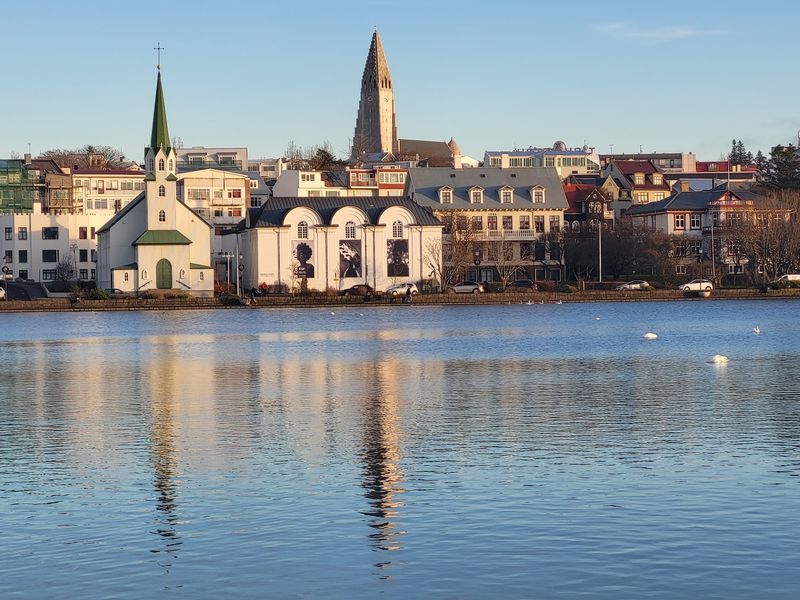
Iceland has held the title of the world’s most peaceful country for 19 consecutive years, which is a remarkable fact for a place that also has active volcanoes, unpredictable weather, and roads that occasionally disappear under snow. The contrast between physical drama and personal safety is part of what makes it so compelling for solo travelers.
Reykjavik is small enough to walk across in a day but has excellent restaurants, geothermal swimming pools, and a genuinely warm cafe culture that makes it easy to settle into. South Iceland begins almost immediately outside the capital, with waterfalls, black sand beaches, glacier lagoons, and lava fields that feel like a different planet.
Solo travel logistics here are helped enormously by small-group day tours, which are widely available and well-organized. You can join a glacier hike or a northern lights tour without owning a car or committing to a group trip.
Iceland also has a natural tendency to create conversation among travelers. Waiting for the northern lights in a field at midnight with a handful of strangers from different countries is one of those travel experiences that genuinely cannot be planned or replicated.
Florence and Tuscany, Italy
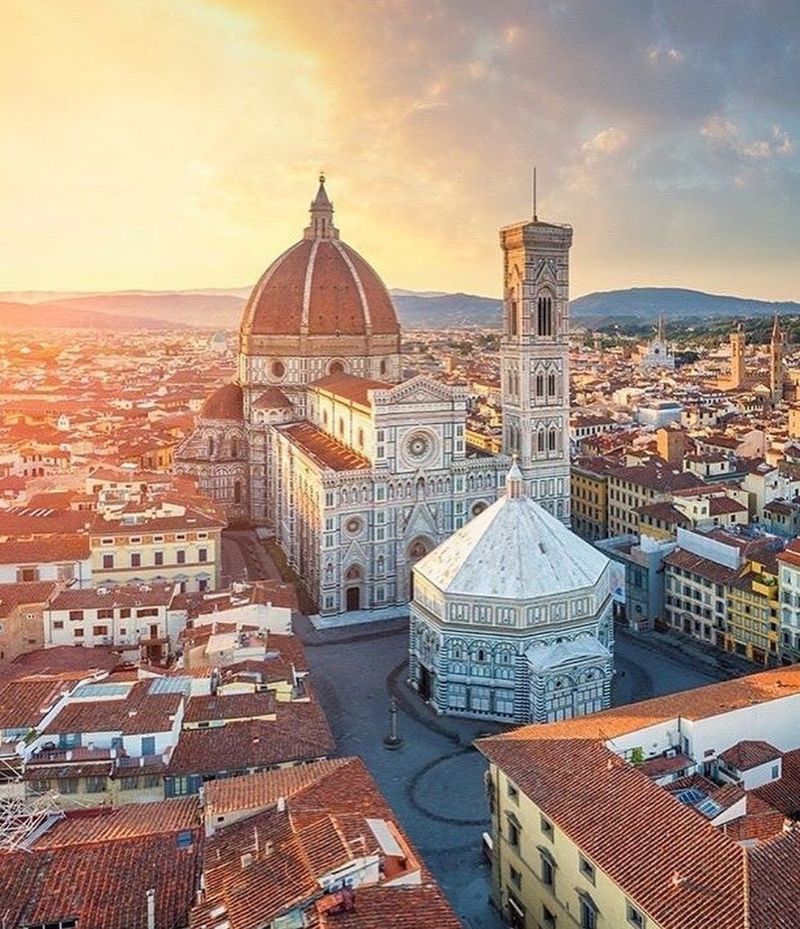
Florence is one of those cities where a single museum can genuinely consume an entire day without apology. The Uffizi alone holds enough art to keep a curious traveler absorbed for hours, and there is no partner waiting outside checking their phone.
Solo travel here means following your own instincts through Renaissance rooms without negotiation.
The real secret is Tuscany beyond the city. Hill towns like Montepulciano, Pienza, and San Gimignano are small enough to explore in a few hours, and the drives between them offer scenery that wine labels have been borrowing for decades.
Local markets, family-run restaurants, and vineyard visits feel perfectly natural for one person.
Italy rewards unhurried eating, and solo travelers can lean into that fully. A two-hour lunch at a trattoria, a slow afternoon in a garden, and an evening glass of Chianti at a wine bar are not self-indulgent choices here.
They are the correct choices. Tuscany is one of those rare places where doing less actually gives you more, and after 40, that philosophy stops feeling like laziness and starts feeling like wisdom.
Queenstown and Central Otago, New Zealand
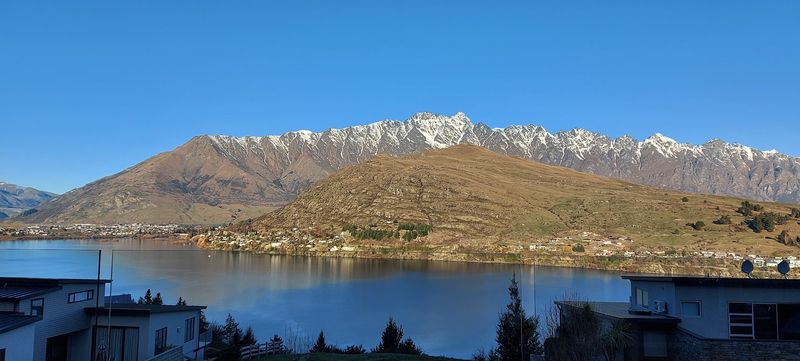
New Zealand ranks second in the 2026 Global Peace Index, and Queenstown has spent decades building a tourism infrastructure that is genuinely excellent for independent travelers. Most people know it for bungee jumping and skydiving, but that is only one layer of what the region offers.
Central Otago is wine country, with pinot noir producers scattered across a dry, golden landscape that looks nothing like the rest of New Zealand. A day cycling between vineyards on the Otago Central Rail Trail is the kind of activity that works perfectly solo.
You go at your own pace, stop when something catches your attention, and arrive at the next tasting room exactly when you feel like it.
Lake Wakatipu is simply beautiful in the way that large mountain lakes surrounded by dramatic peaks tend to be, and sitting on the waterfront with no particular plan feels like a legitimate use of an afternoon. Queenstown also has a strong food and hospitality scene built around visitors, so solo dining is comfortable and well-catered for.
New Zealand is far from most places, but once you are there, it has a way of making the long flight feel like an excellent decision.
San Sebastian, Spain
Eating alone in San Sebastian is not a compromise. It is the correct format.
The pintxos culture of the Basque Country was practically designed for solo travelers: you walk into a bar, point at something that looks good, order a drink, eat standing up, and then move on to the next place. No reservation required, no table for one awkwardness, no problem.
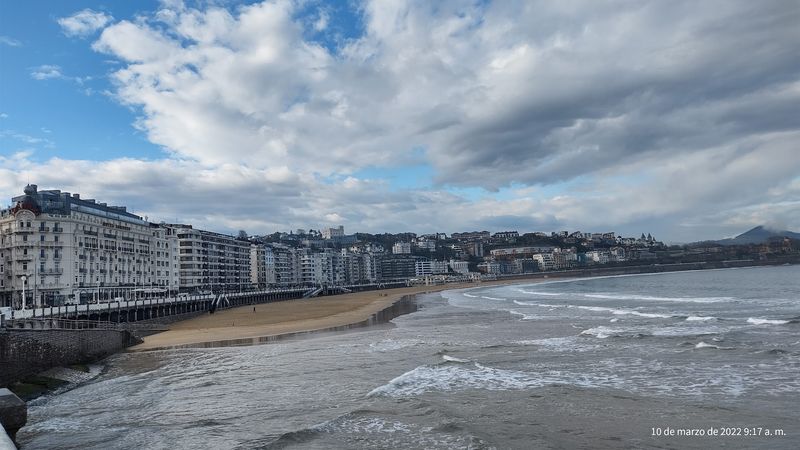
La Concha Bay is one of the most beautiful urban beaches in Europe, and a morning walk along its curved promenade sets a tone for the day that no amount of sightseeing can match. The old town is compact and walkable, with enough to explore that you never feel like you have run out of reasons to wander.
San Sebastian has more Michelin stars per square kilometer than almost anywhere else on earth, but the real pleasure is in the mid-range restaurants and neighborhood bars where Basque cooking feels like a daily practice rather than a special occasion. Day trips to fishing villages like Getaria or Hondarribia add coastal variety without requiring complicated logistics.
For travelers who believe that food is a genuine reason to choose a destination, San Sebastian makes an unanswerable case.
Montreal and Quebec City, Canada
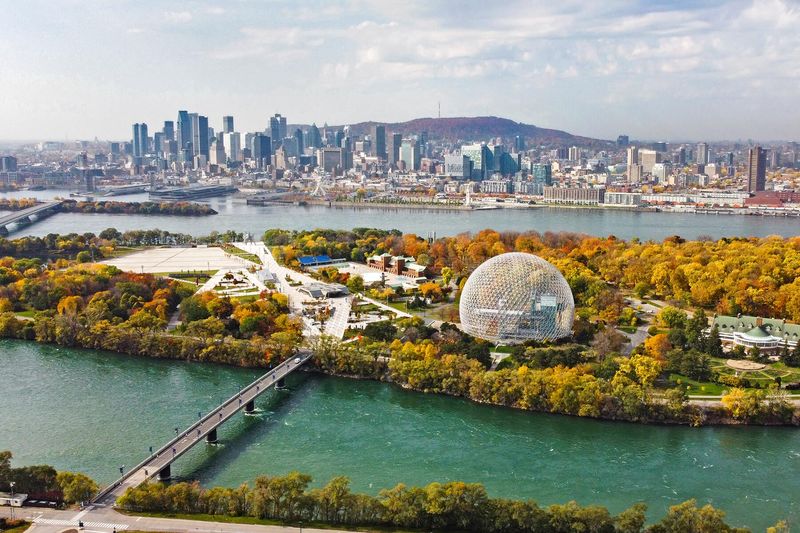
French-speaking Canada offers something genuinely unusual: the cultural texture of a European city without the transatlantic flight. Montreal has a creative, bilingual energy that feels layered and lived-in, with food markets, independent bookshops, jazz festivals, and neighborhoods that shift personality from one block to the next.
Quebec City is smaller and more contained, with a walled historic district that takes you into a version of 17th-century France that somehow survived intact in North America. Walking the ramparts, eating a long dinner in the old town, and watching the St. Lawrence River from a clifftop viewpoint are all activities that feel perfectly suited to solo exploration.
Canada ranks 14th in the 2026 Global Peace Index, and both cities have the kind of functional urban infrastructure that makes independent travel easy. Transit is reliable, English is widely understood even in French-dominant areas, and the food scene in Montreal in particular has reached a level that draws serious food travelers from across the continent.
Autumn is a spectacular time to visit both cities, when the surrounding forests turn orange, red, and gold. Winter has its own appeal, though it requires a serious coat.
Ubud and Central Bali, Indonesia
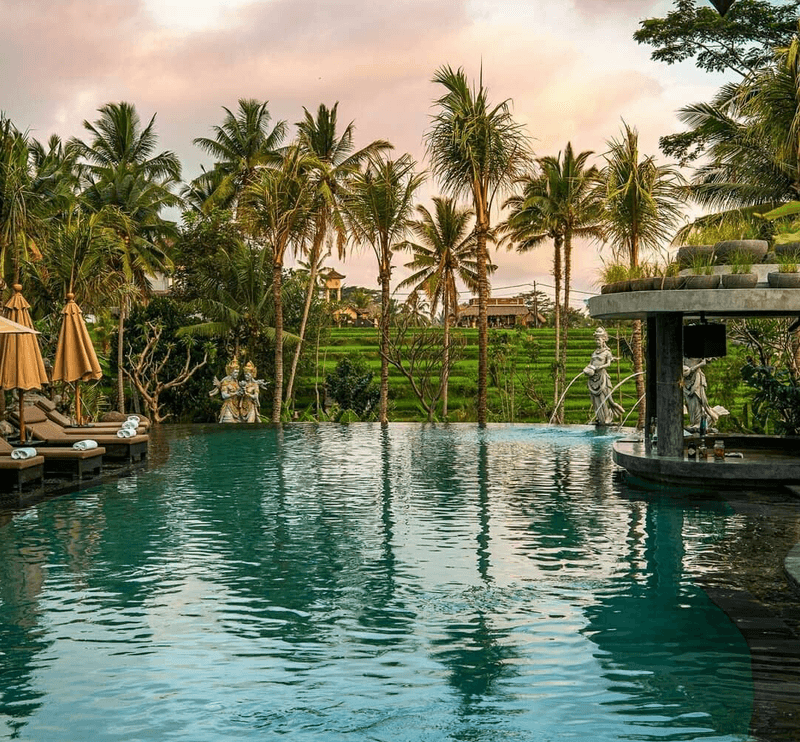
Ubud has a particular talent for making solo travelers feel like they arrived at exactly the right time. The town operates on a rhythm of morning yoga, long lunches, temple visits, and creative workshops that gives structure to the day without any rigidity.
You can fill a week without once consulting a guidebook.
Lonely Planet specifically recommends Bali’s cultural heart for solo travelers looking to slow down and recharge. The combination of yoga studios, cooking classes, art markets, and guided rice terrace walks means social interaction is available whenever you want it, but never forced.
That optional sociability is something experienced solo travelers learn to value.
The food in Ubud is genuinely good and affordable, from warungs serving nasi goreng at roadside tables to modern cafes with thoughtful menus built around local ingredients. Spa treatments are excellent and inexpensive by any international standard.
Guided excursions to Tirta Empul temple, the Tegallalang rice terraces, and Mount Batur at sunrise are all easy to book independently. Ubud is not trying to be hip or trendy.
It has simply been doing its own thing well for a long time, which is exactly the kind of place that makes sense after 40.
Porto and the Douro Valley, Portugal
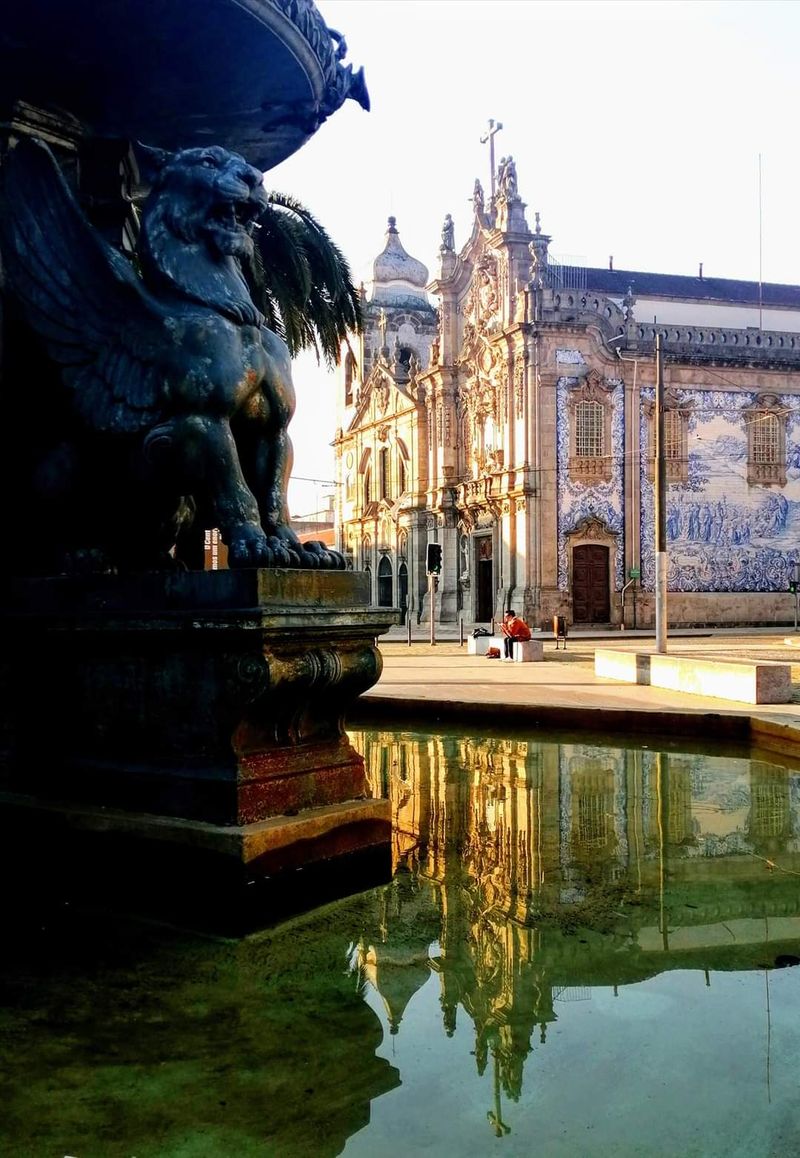
Porto moves at a speed that feels almost conspiratorial, as though the city has quietly agreed that rushing is not worth it. The ribeira waterfront, the tiled facades of Azulejo-covered buildings, the iron bridges, and the wine lodges of Vila Nova de Gaia across the river create a backdrop that makes even an aimless afternoon feel purposeful.
Portugal’s high 2026 peacefulness ranking applies here as much as in Lisbon, but Porto delivers a different experience. The city is smaller, hillier, and arguably more atmospheric.
Wine lodge visits across the Douro are easy to organize independently, and tasting port wine in a cellar that has been producing it for centuries is a very specific pleasure that solo travelers can enjoy entirely on their own terms.
The Douro Valley is one of Europe’s most beautiful wine regions, and river cruises or driving routes through the terraced vineyards are well-suited to independent travelers. Small quintas offer tastings and often accommodation, creating natural stopping points along the valley.
Porto also has excellent bookshops, including the famous Livraria Lello, strong cafe culture, and a food scene built around fresh seafood and honest cooking. It is a city that rewards slow, curious exploration.
Uzbekistan: Samarkand, Bukhara, and Khiva

The Registan in Samarkand is one of those places that stops you mid-step. Three massive madrasas covered in turquoise and gold tilework surround a central plaza, and the scale of it is genuinely hard to process the first time you see it.
Uzbekistan offers this kind of monumental surprise repeatedly, across three of Central Asia’s most historically significant cities.
Lonely Planet identifies Uzbekistan as the strongest all-around solo destination in Central Asia, noting that travelers move easily between Silk Road sites and encounter other visitors naturally along the way. Bukhara has a more intimate feel than Samarkand, with a medieval old town where minarets, bazaars, and caravanserais sit alongside tea houses and small guesthouses.
Khiva is the most preserved of the three, a walled city that functions almost like an open-air museum without feeling sterile or over-managed. New rail improvements reported in 2026 are making connections between cities faster and more comfortable.
Uzbekistan is an excellent choice for solo travelers after 40 who want somewhere that offers genuine cultural depth and architectural drama without requiring extreme logistics. The food is also underrated, with plov, samsa, and shashlik forming a cuisine that is hearty, flavorful, and very affordable.
Tokyo, Japan
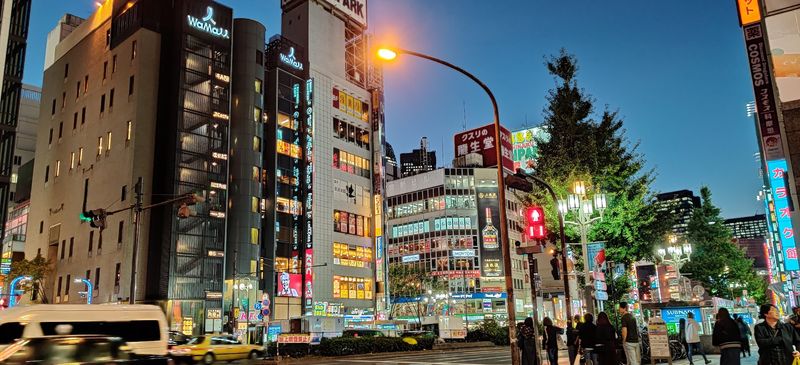
Tokyo has an unofficial policy of making solo travelers feel completely at home, and it starts at the restaurants. Counter seating is built into the design of countless places across the city, from ramen shops and sushi bars to yakitori stalls and tempura counters.
Eating alone is not an afterthought here. It is an option the city actively supports.
Japan ranks 10th in the 2026 Global Peace Index, and Tokyo backs that up with a train network so reliable and comprehensive that navigating a city of 14 million people feels manageable within a day or two. Each neighborhood, from Yanaka to Shimokitazawa to Shinjuku, has its own distinct personality, which means structuring the trip by district rather than landmark works exceptionally well.
Japan’s official tourism organization now publishes dedicated solo-travel inspiration alongside rail guides, regional food recommendations, and hot spring destinations beyond Tokyo. The city also has outstanding bookshops, art museums, gardens, and food markets that suit a slower, more curious pace of exploration.
Tokyo can seem overwhelming at first glance, but it reveals itself gradually and generously to travelers who give it time. After 40, that patient, layered kind of discovery is exactly what travel is supposed to feel like.
Share this story