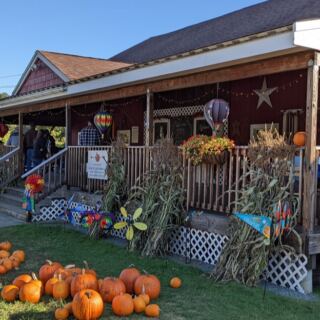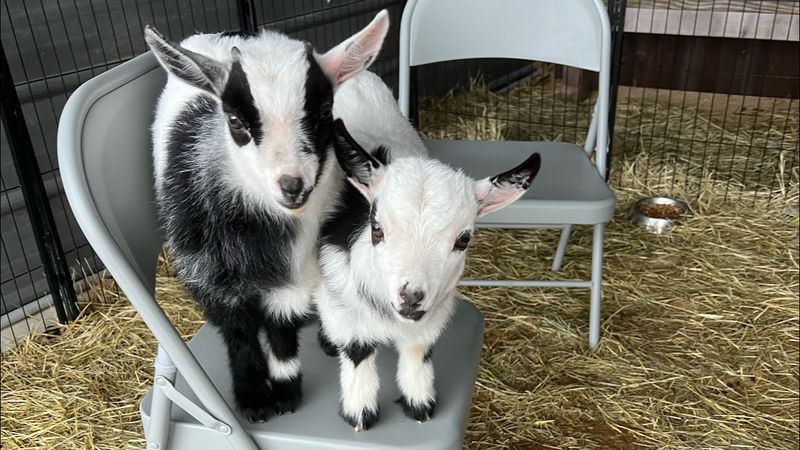
Tucked into rural Pender County, Agape Farm of Watha gives North Carolina families a rare chance to get close to goats, donkeys, cows, and more on a working agritourism farm. The farm offers scheduled tours and events where visitors can meet many of its animals up close, and sometimes feed or pet them when conditions allow.
If you have been looking for an affordable, small-scale outing that trades theme-park noise for actual barnyard charm, this little farm off Camp Kirkwood Road is worth knowing about.
Agape Farm is a rural Pender County agritourism destination
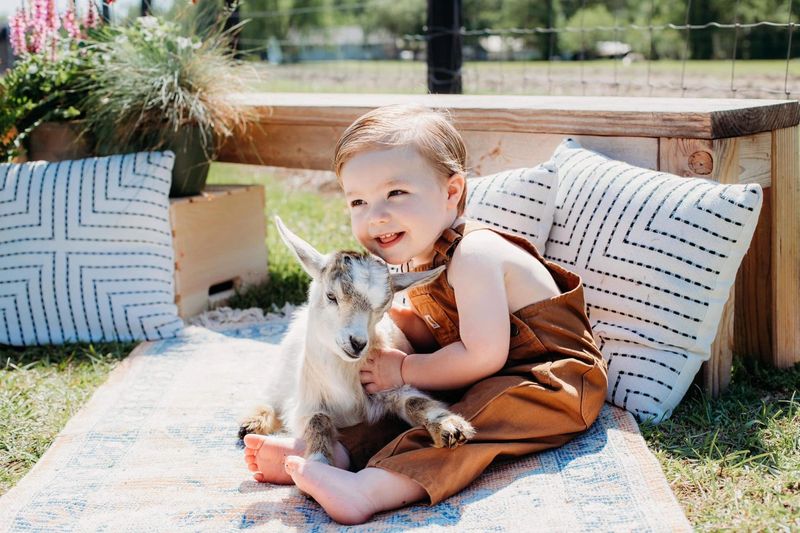
Watha, North Carolina sits in Pender County between the small towns of Burgaw and Wallace, far enough from the interstate that most people drive past without knowing it exists. That relative quiet is part of what makes Agape Farm of Watha, located at 1247 Camp Kirkwood Road, worth the detour for families and day-trippers who want something genuinely rural rather than a packaged attraction.
According to the farm’s own About page, Agape describes itself as an agritourism operation, not a rescue or sanctuary. That distinction matters: the farm’s published materials do not establish that its goats, donkeys, or other animals were rescued from neglect or abuse, so calling it a rescue farm would go beyond what the owners have actually confirmed.
What the farm does confirm is that it welcomes visitors for hands-on animal encounters, tours, and a rotating calendar of events.
The agritourism label is more than a technicality. Agritourism farms in North Carolina operate under a specific legal and agricultural framework, and Agape leans into that identity by offering experiences built around its working animals and land.
The farm’s contact and location page confirms the Camp Kirkwood Road address and positions the property squarely in the kind of small-scale, locally rooted setting that feels increasingly hard to find.
Readers who arrive expecting a large petting zoo or a nonprofit sanctuary may need to adjust their expectations slightly. Agape is a working farm that opens its gates to the public through structured visits.
The appeal is real, but it comes from the farm’s authentic rural character, not from a rescue narrative that the farm itself has not claimed.
Visitors can meet many animals up close, not necessarily every one
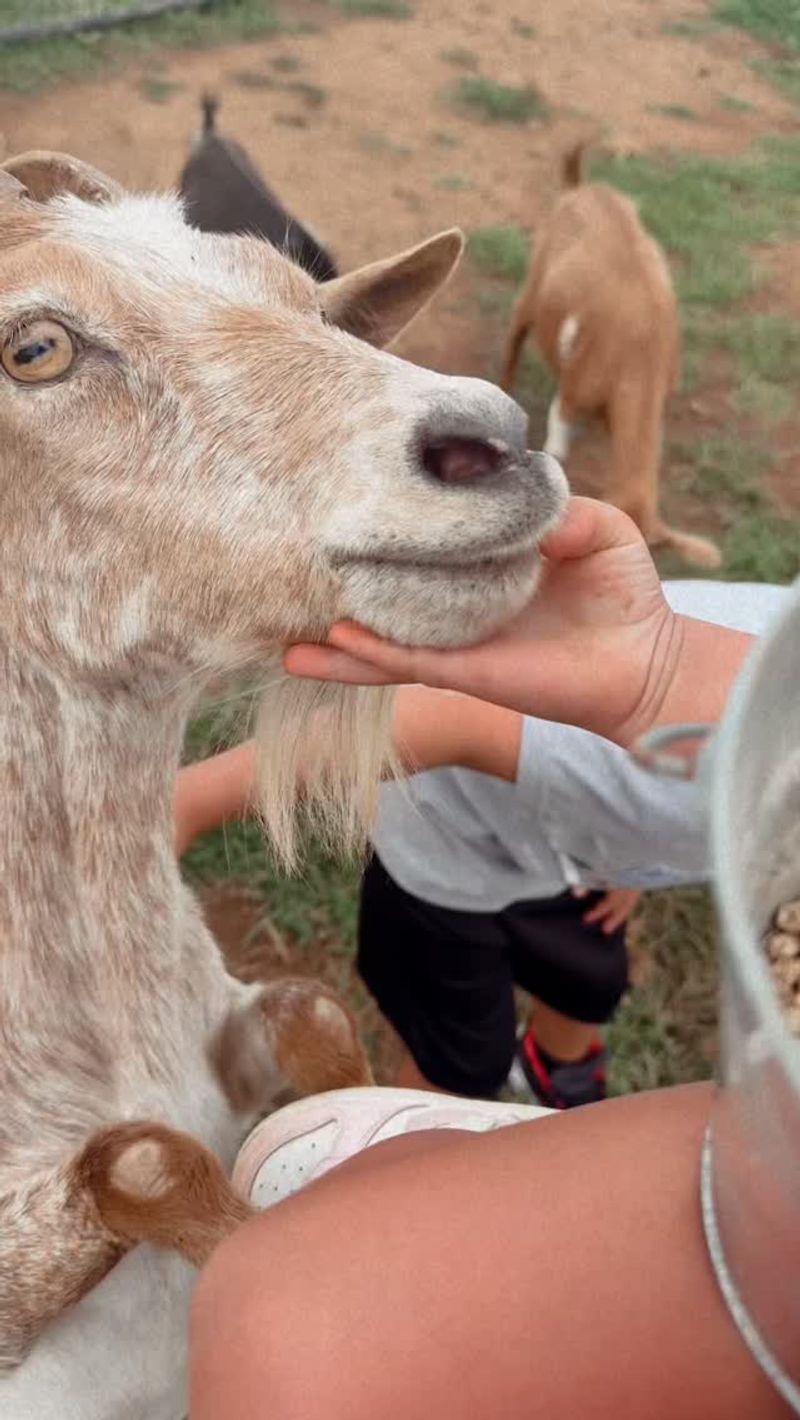
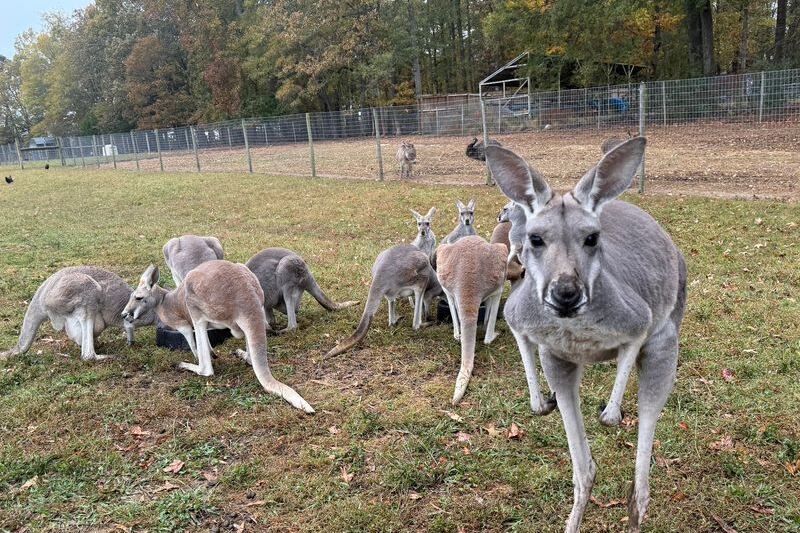
One of the clearest draws at Agape Farm is the variety of animals on the property. The farm’s tour and visit pages list goats, donkeys, cows, Highland cattle, rabbits, chickens, and other farm animals as part of the experience.
That is a genuinely diverse lineup for a small rural operation, and for kids who have only seen these animals in picture books, the chance to stand a few feet away from a full-sized donkey or a shaggy Highland cow carries real weight.
That said, the farm’s tour page is careful to say that tours include most of its animals, not every single one. Weather, stress, health needs, or other welfare considerations can affect which animals are available on any given day.
A goat that is having a rough afternoon or a donkey that needs rest may simply not be part of the tour that day, and that is exactly how a farm that takes animal well-being seriously should operate.
Feeding and petting are part of the experience at Agape, but the farm’s visit page makes clear that those interactions happen when appropriate, with animal safety and well-being taking priority. That phrasing is worth reading carefully before you arrive.
Petting and feeding are not guaranteed for every animal on every visit, and the farm reserves the right to adjust access based on how the animals are doing that day.
Practically speaking, most visitors will likely get close to several animals and may have the chance to feed or pet some of them. Going in with that realistic expectation, rather than a checklist of every species on the property, tends to make for a more relaxed and enjoyable visit.
The animals are the main event; flexibility about which ones you meet is part of the deal.
The regular visit uses a scheduled small-group format
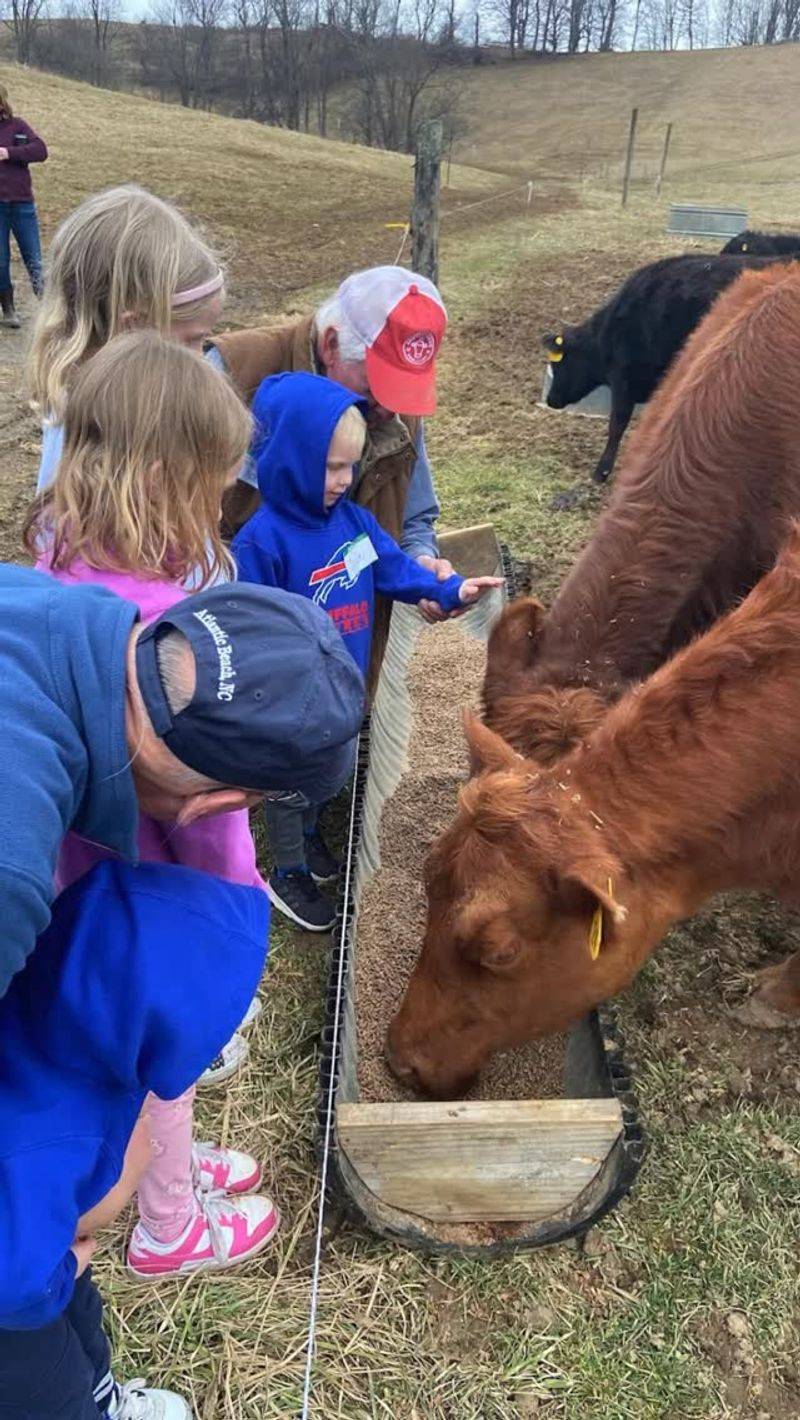
Showing up unannounced at Agape Farm is not the plan. Visits are generally arranged by appointment, so the first step before any trip is checking the farm’s current schedule and getting your group confirmed.
That structure keeps the experience manageable for both the farm and its visitors, and it means you are not competing with a busload of strangers for space near the goat pen.
Regular tours run about an hour and are generally limited to 10 people, according to the farm’s tour page. Whether that format produces an especially intimate experience depends on the group, the animals, and the day, so it is worth thinking of it as a scheduled small-group visit rather than a guaranteed one-on-one moment with every creature on the property.
The format does create a focused, unhurried visit compared to larger attractions, but that is an observation about how small-group tours tend to work, not a promise the farm has made in writing.
Beyond the standard tour, Agape advertises a range of other ways to visit. The farm’s homepage lists goat snuggles, pet-and-paint sessions, birthday parties, and photo opportunities as available offerings.
The farm also offers mobile farm visits, which bring some of the animals off-property to events and gatherings. Each of those formats has its own structure, pricing, and availability, so they are worth exploring separately if the standard tour does not fit your group’s needs.
For most families planning a day trip, the farm’s contact page is the right starting point. Reaching out before you drive gives you a chance to confirm the schedule, ask about what animals will be available, and make sure your group size fits the tour format for that day.
Check the schedule and price before you drive
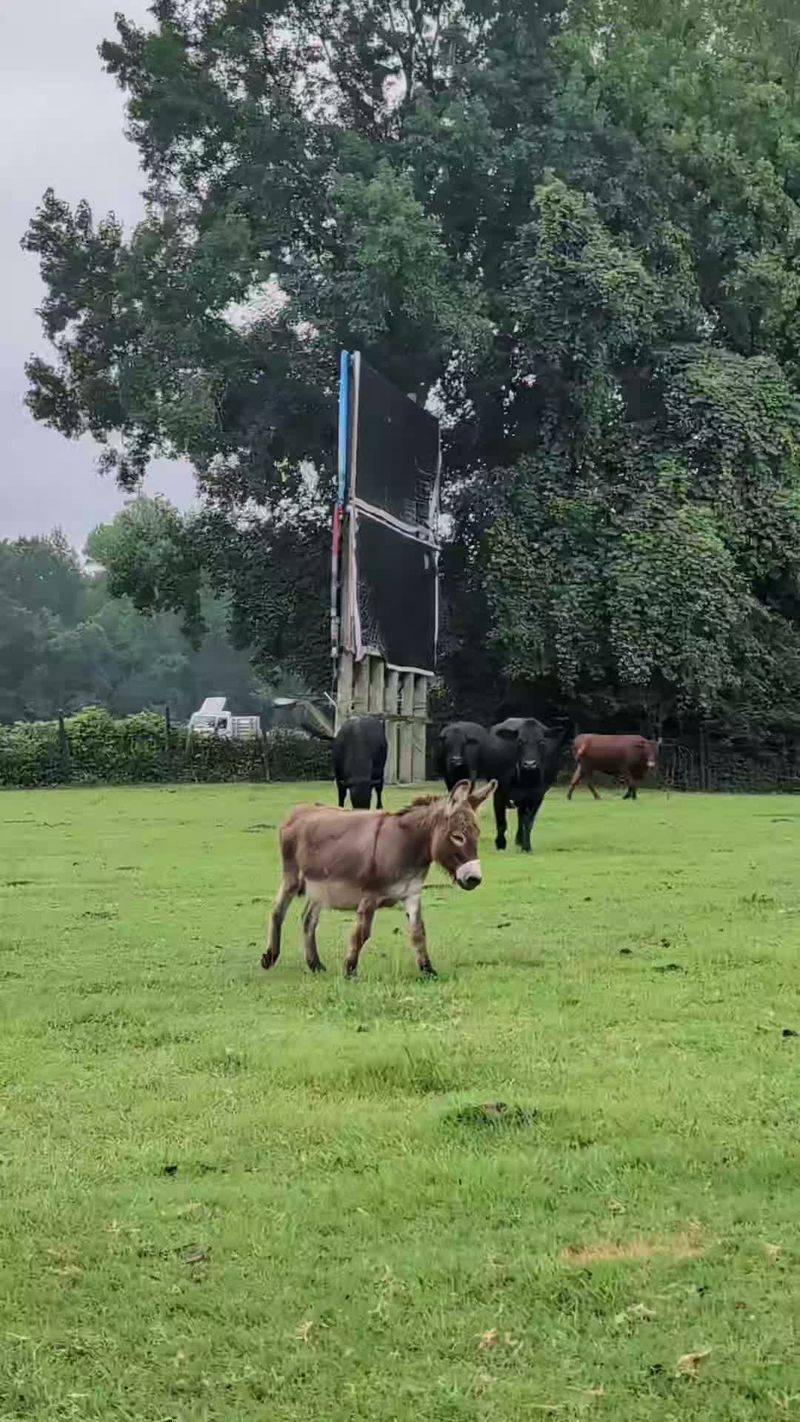
Rural farms run on their own calendars, and Agape is no exception. The farm’s contact and scheduling page shows that weekday tours, Saturday open-farm days, birthday visits, and photo shoots are available, while Sundays are listed as closed.
That schedule can shift around special events, holidays, or farm needs, so treating the posted hours as a starting point rather than a guarantee is smart travel practice.
On pricing, the farm’s tour page currently lists regular tours at $12 per person when paying cash or $14 per person when paying through Venmo. A $24 minimum applies to each booking, and children 12 months old or younger are admitted free.
Those are the current published figures for regular tours, but they may not apply to every event or special session the farm offers. Payment methods, minimums, and per-person rates can all vary depending on the type of visit you book.
Before you load the family into the car, it is worth taking a few minutes to confirm a handful of details directly with the farm. Check that your preferred date is available, that the animals you most want to see will be accessible, and that the price and payment method you are expecting still apply.
Confirm whether the visit requires a formal appointment or whether walk-in access is possible on that particular day.
Driving out to Watha without checking ahead is a gamble that could leave you with a closed gate and a long ride home. Agape is a small operation, and its schedule reflects that.
A quick message or phone call before your trip costs nothing and protects you from a wasted afternoon. Once you have confirmed the details, the drive through Pender County farmland becomes part of the experience rather than a source of anxiety.
Special events may offer different ways to interact
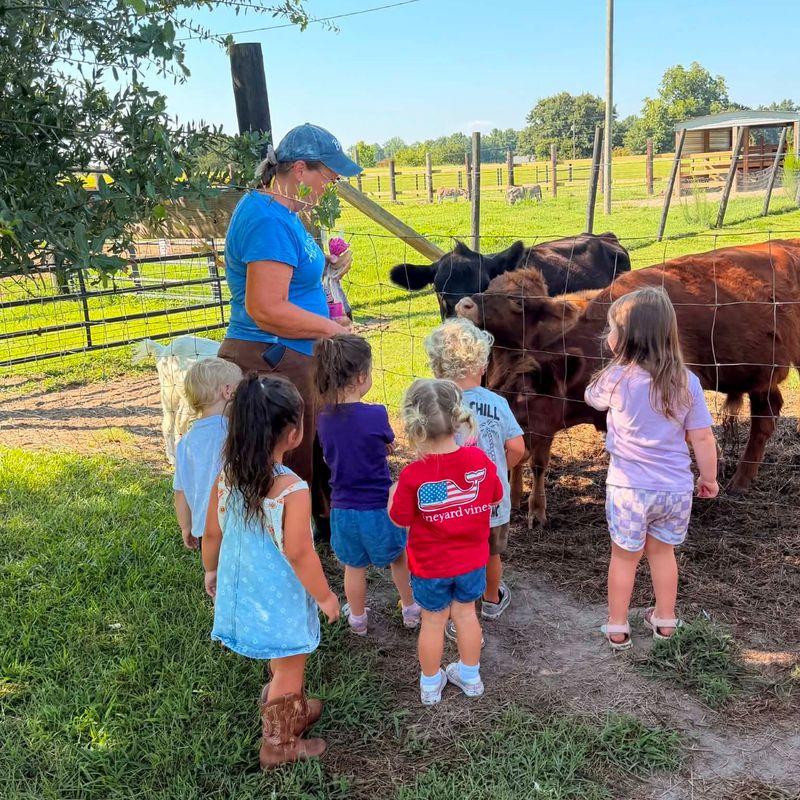
Agape Farm’s regular tours are not the only way to visit. The farm hosts special events throughout the year, and those events can offer a meaningfully different experience from a standard weekday tour.
Reading each event listing carefully before you book is the best way to understand what a particular visit actually includes.
A useful example is the From the Heart Walk at the Farm, a fundraiser listed for August 1 through September 26, 2026. According to the event listing on SimpleTix, participants can walk among Highland cows, goats, sheep, donkeys, chickens, and rabbits, with petting, feeding, and photography listed as part of the experience.
That is a notably broad set of activities for a single event, and it reflects how the farm can shape a visit around a specific theme or fundraising goal.
Another event, the School’s Out! Farm Tour Fun listing, provides details about participation and arrival guidance specific to that occasion.
The School’s Out event page recommends arriving early and includes guidance about comfortable outdoor clothing and enclosed shoes, advice that is tied to that particular event listing rather than confirmed as a universal rule for every regular tour. Visitors attending regular tours should check with the farm directly about what to wear and when to arrive.
The key takeaway is that event offerings at Agape can vary substantially from the standard tour format. An event built around a community walk with feeding stations and photography opportunities is a different product than a one-hour small-group tour.
Ticket prices, animal access, and available activities may all differ. Checking each event listing individually, rather than assuming that what one event advertises applies to every visit, will help you choose the format that fits your group best.
Follow animal-contact and outdoor safety basics
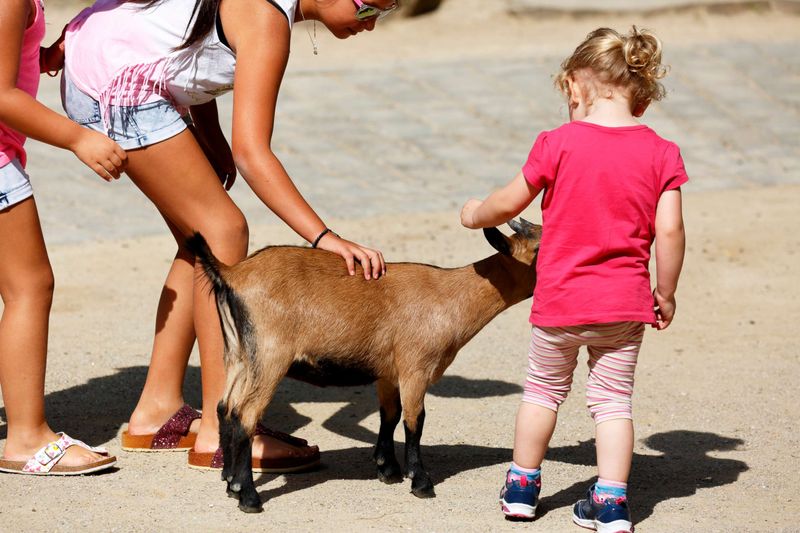
Spending time with farm animals is genuinely enjoyable, and it also comes with ordinary risks that are easy to manage when visitors know what to watch for. The most important habit is handwashing.
CDC guidance on farm animals recommends washing hands thoroughly with soap and running water after touching animals, animal areas, feed, equipment, or waste. That step matters even when animals look healthy, because germs can be present on fur, surfaces, and soil without any visible signs.
Eating and drinking in animal areas is another habit to avoid. Food and hands near your mouth in a barnyard setting can transfer bacteria before you realize it.
CDC tips for staying healthy at animal exhibits also emphasize keeping children away from animals’ mouths and rear ends, and adults should make sure kids are not grabbing tails or reaching toward animals carelessly. Calm, guided contact is safer for both the child and the animal.
Some visitors face higher risk from certain animal-associated infections than others. CDC hygiene guidance around animals notes that children younger than 5, adults 65 and older, pregnant people, and those with weakened immune systems should take extra precautions around farm animals.
If anyone in your group falls into those categories, talking with a healthcare provider before the visit is a reasonable step.
The School’s Out event listing recommends comfortable outdoor clothing and enclosed shoes, guidance tied to that specific event rather than confirmed for every regular tour. Checking with the farm directly about appropriate footwear and attire before your visit is a good habit regardless of which format you book.
North Carolina law under Chapter 99E, Article 4 of the General Statutes recognizes that agritourism activities carry inherent risks, including animal behavior, land conditions, and equipment. That legal framework does not mean the farm is risk-free or exempt from every responsibility.
Following farm instructions, supervising children closely, and using common sense around large animals are the practical steps that keep a fun outing from turning into an unpleasant one.
Expect a flexible farm visit, not a guaranteed animal checklist
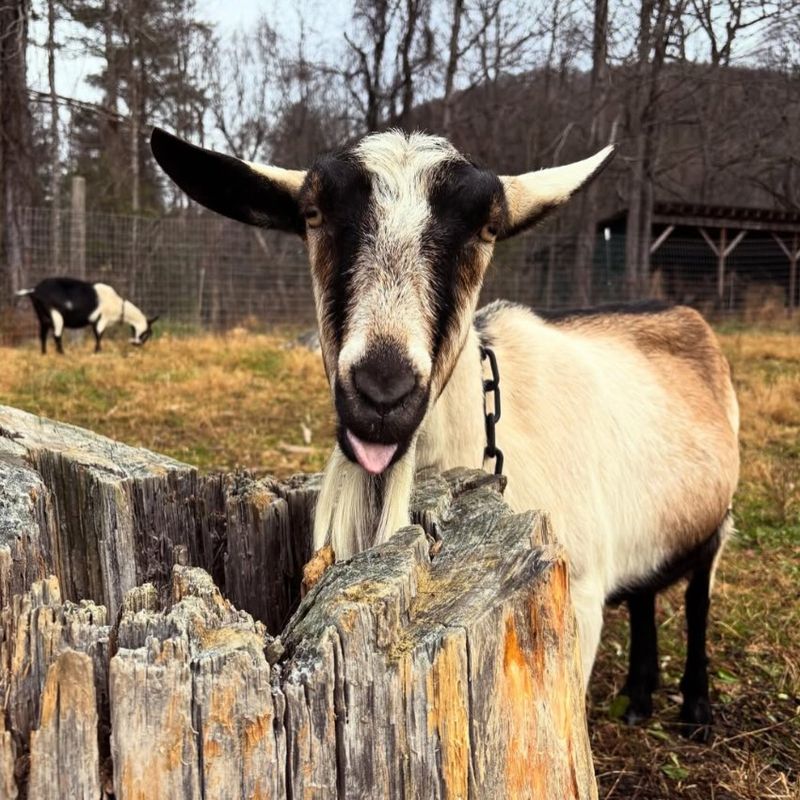
Agape Farm of Watha offers something genuinely worth driving to Pender County for: a scheduled, small-group opportunity to get close to goats, donkeys, cows, rabbits, chickens, and other farm animals in a real rural setting. That is a meaningful experience, especially for families whose kids have never stood next to a Highland cow or offered a handful of feed to a curious goat.
What the visit does not guarantee is a full roster of every animal on the property, petting access to every creature you see, or identical activities across every tour and event. Animal access depends on welfare, weather, and the specific format you book, as the farm’s tour page and visit page both make clear.
Prices, schedules, and available activities can also change, so confirming details through the farm’s contact page before you travel is the single most useful step you can take.
Go in with realistic expectations and a little flexibility, and Agape Farm tends to deliver exactly what a good rural outing should: fresh air, curious animals, and a reminder that some of the best North Carolina experiences are still tucked down roads most people overlook.
Share this story