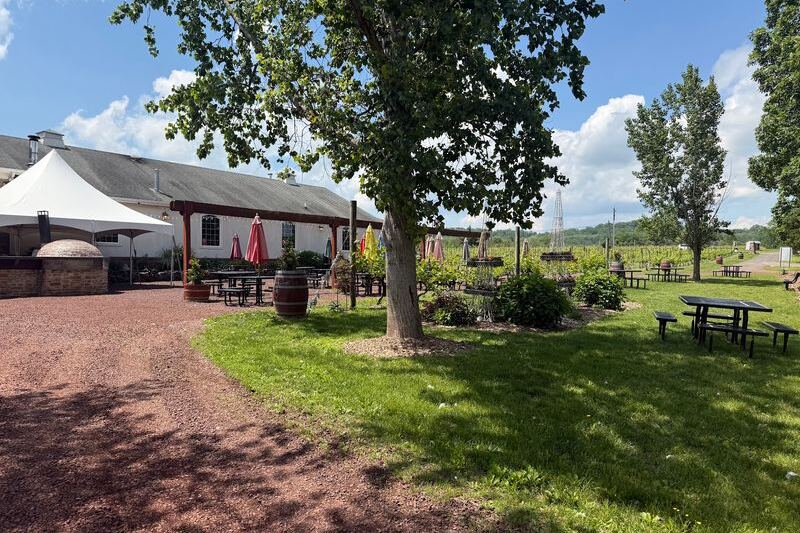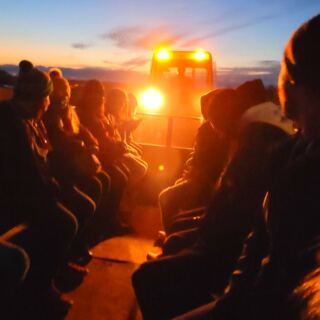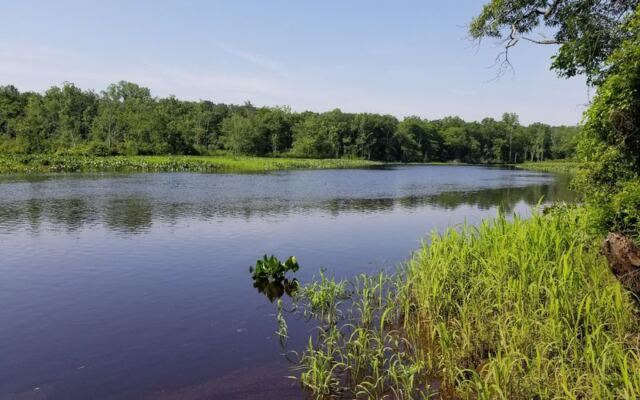
An ordinary walk in New Jersey can turn into a much bigger discovery when trails lead past ponds, through woods, and alongside a creek. At this unassuming nature center, an outdoor outing also comes with animal exhibits, learning spaces, and plenty of reasons to stay curious.
The supplied information confirms a marsh, though it does not establish a boardwalk or a rare wetland designation. What it does reveal is a place worth exploring carefully, with a few practical details to know before heading out.
A Nature Preserve Close to Home
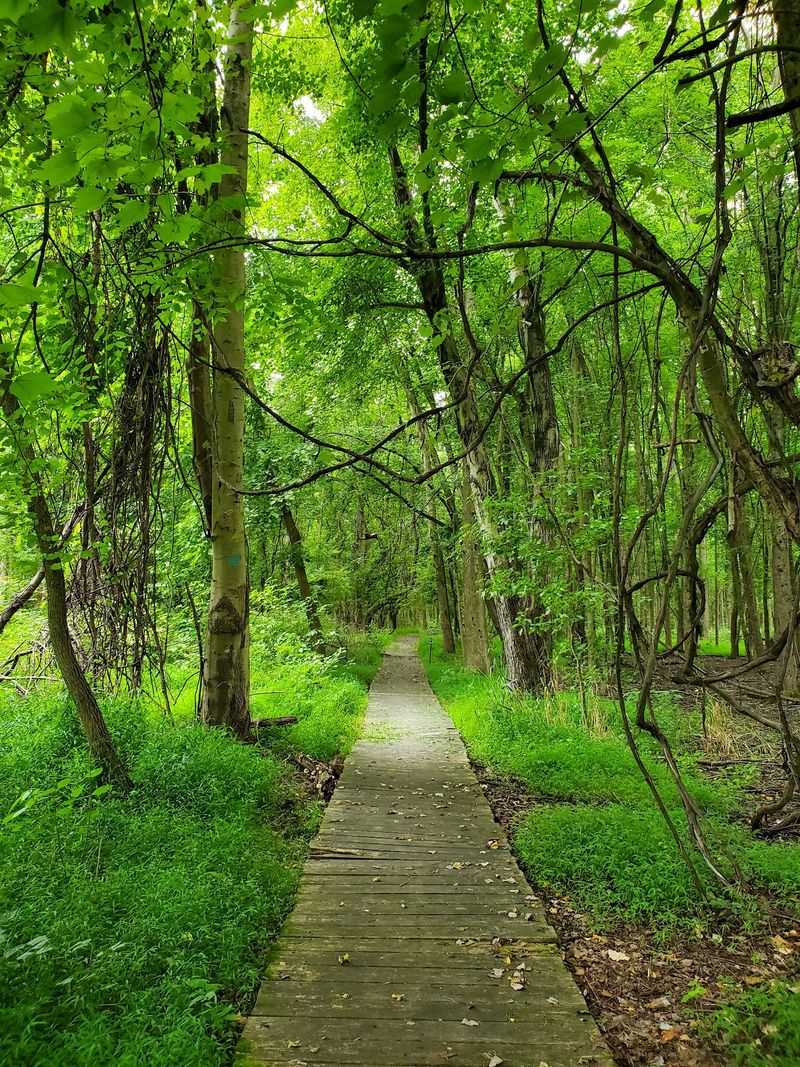
A familiar local road can lead to an outing with more variety than a simple walk suggests. Rancocas Nature Center is a nature preserve at 794 Rancocas Mt Holly Rd, Westampton Township, NJ 08060, United States.
The destination combines outdoor trails with an indoor center, giving a single trip several possible directions. A short walk, an animal exhibit stop, or time spent learning about local habitats can each become the main activity.
Burlington County residents have a practical reason to keep it on their list: the supplied accounts describe easy routes as well as longer options. That flexibility matters when a group includes children or people with different walking preferences.
Start with the building and a trail map rather than choosing a route at random. The appeal here is not a packed schedule, but the freedom to make a manageable outing more interesting without turning it into a major expedition.
The Caretaker’s House With a Teaching Role
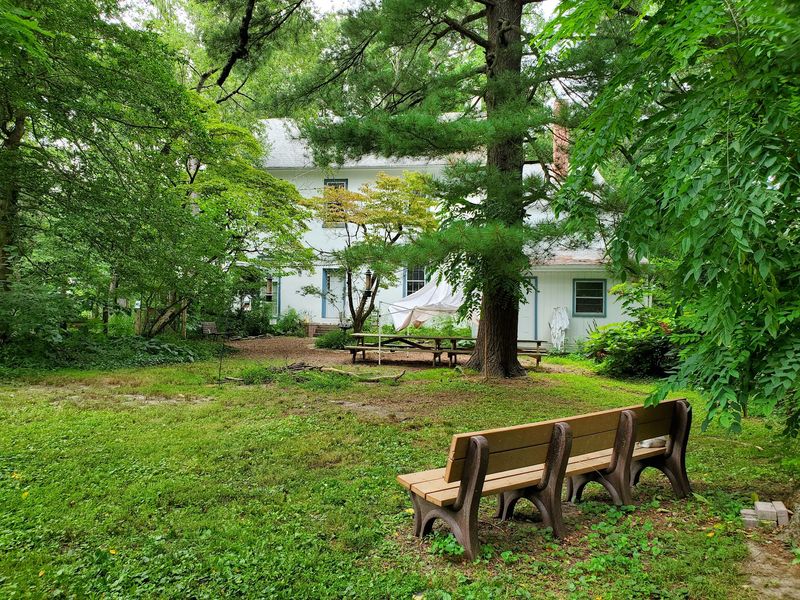
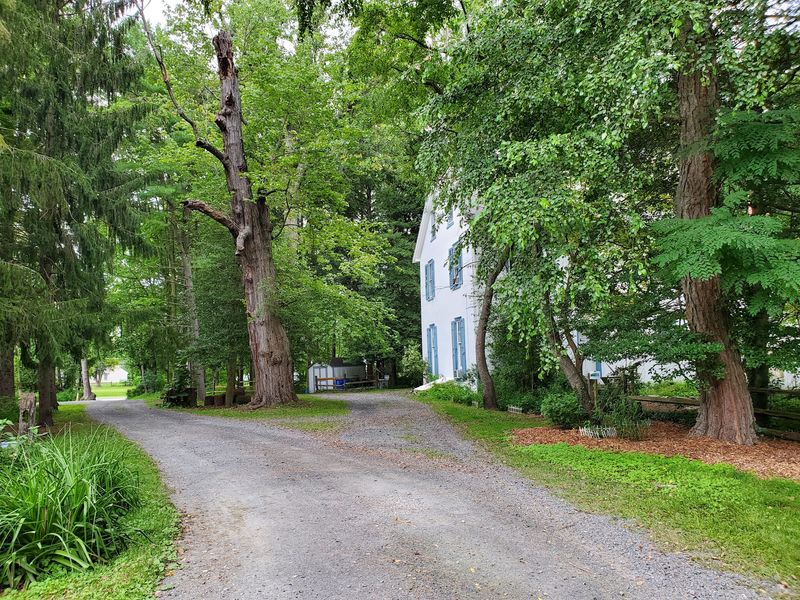
An old caretaker’s house gives the educational side of the property an established home. The supplied information identifies that house as the main building, with classroom space, exhibits, and a small shop inside.
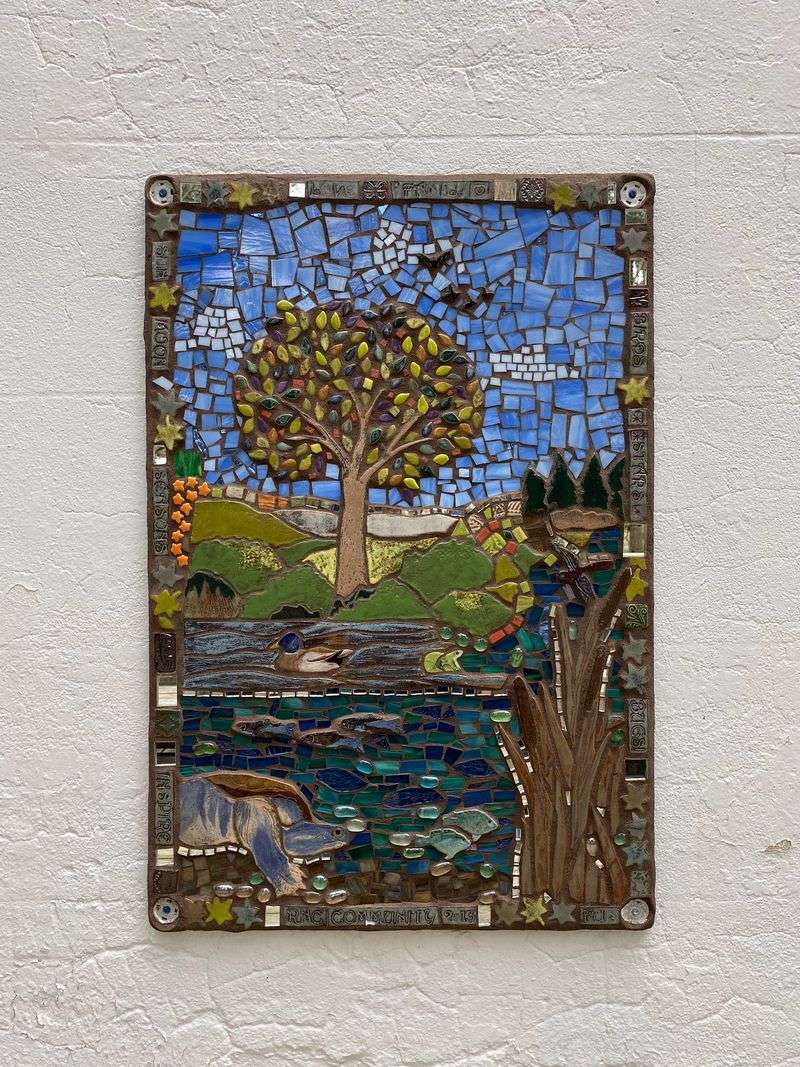
Hand-painted murals and older educational guides add a sense of continuity. One especially specific detail is a classroom ceiling guide showing raptor silhouettes and underside plumage, an unusual way to make identification part of the room itself.
No founding date or complete building history is provided, so the house should not be assigned an invented age. Its documented role is interesting enough: a former residential space now supports nature education.
Allow time for the indoor rooms instead of treating the building only as a starting point. The outdoor routes explain the setting, while the teaching materials offer another way to understand it, especially for children who enjoy connecting a walk with a question they can investigate afterward.
Marshland Without the Extra Claims
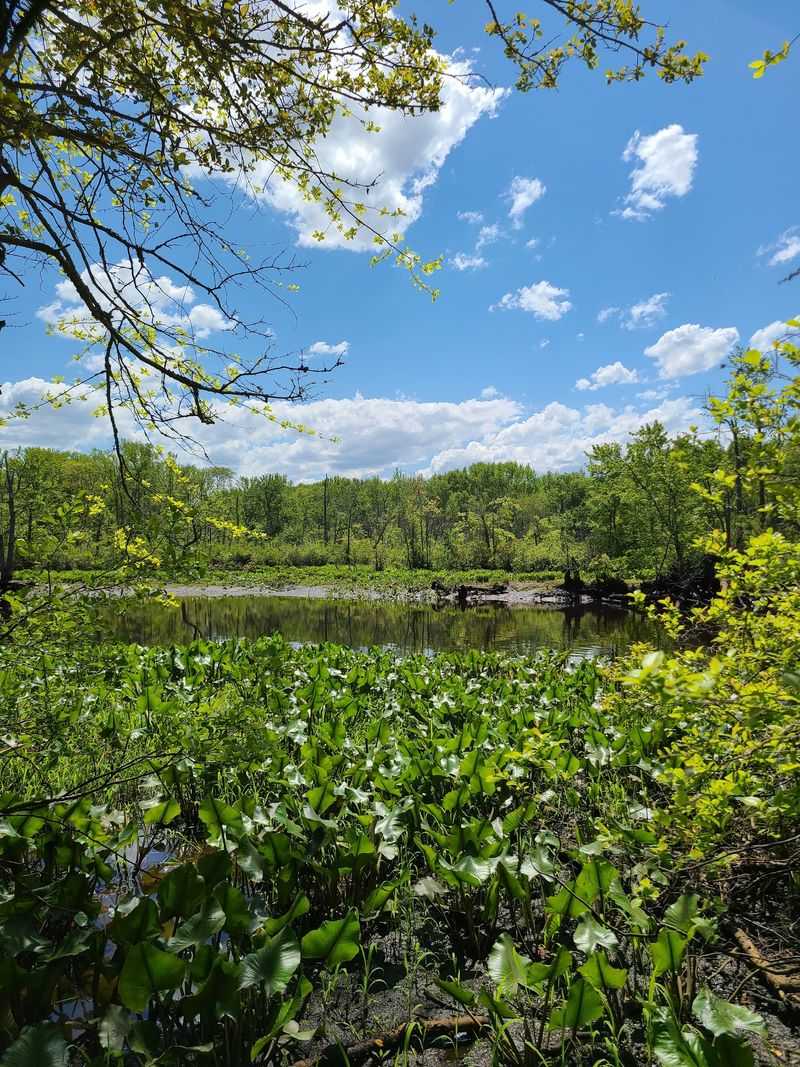
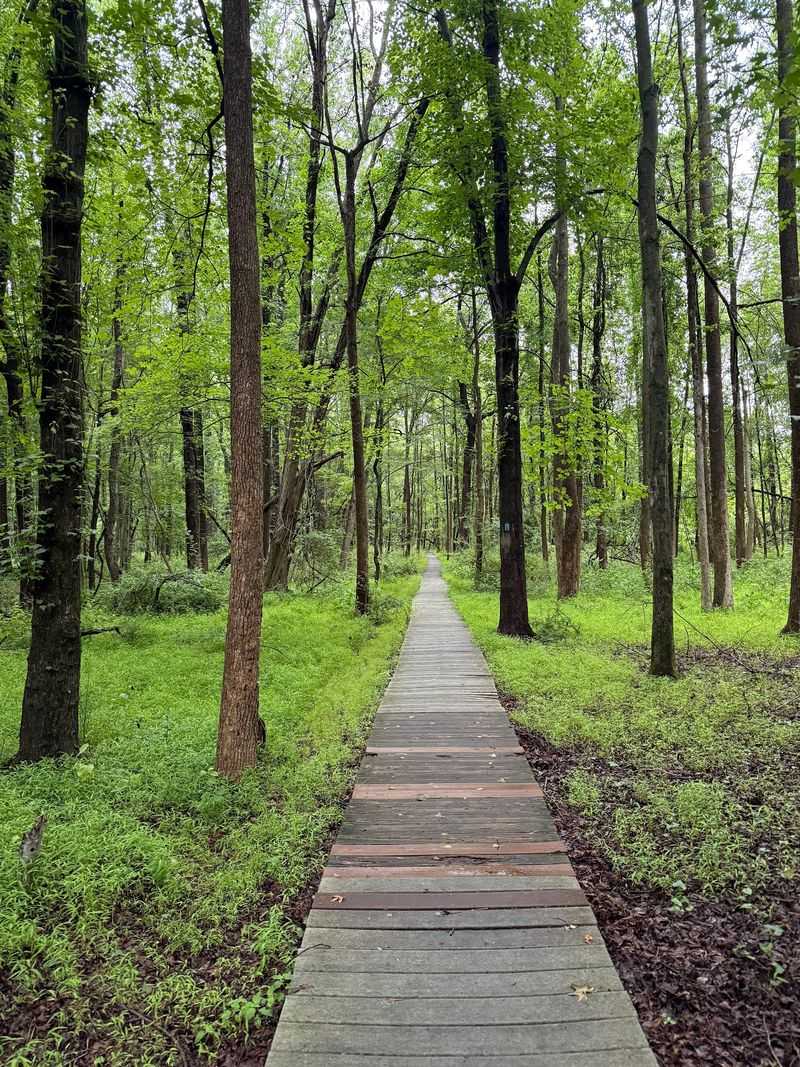
The wetland angle deserves a careful distinction. A marsh appears in the supplied accounts, but those accounts do not confirm a boardwalk, identify a rare wetland type, or establish any special ecological designation.
That leaves a worthwhile experience without the extra claims. The property includes opportunities to explore a marsh setting alongside other habitats, making the walk more varied than a route confined to woodland.
Use the available trail map to work out which route suits the day, and ask staff about access to wetter areas. The information provided does not specify a marsh trail length, surface, or accessibility standard.
Keep feet on the established route and leave plants and animals undisturbed. A wetland does not need a rarity label to deserve attention, and an accurate description gives families a better basis for planning than a promise the available facts cannot support.
Here, curiosity works best when paired with care.
Trail Choices Beyond a Single Loop
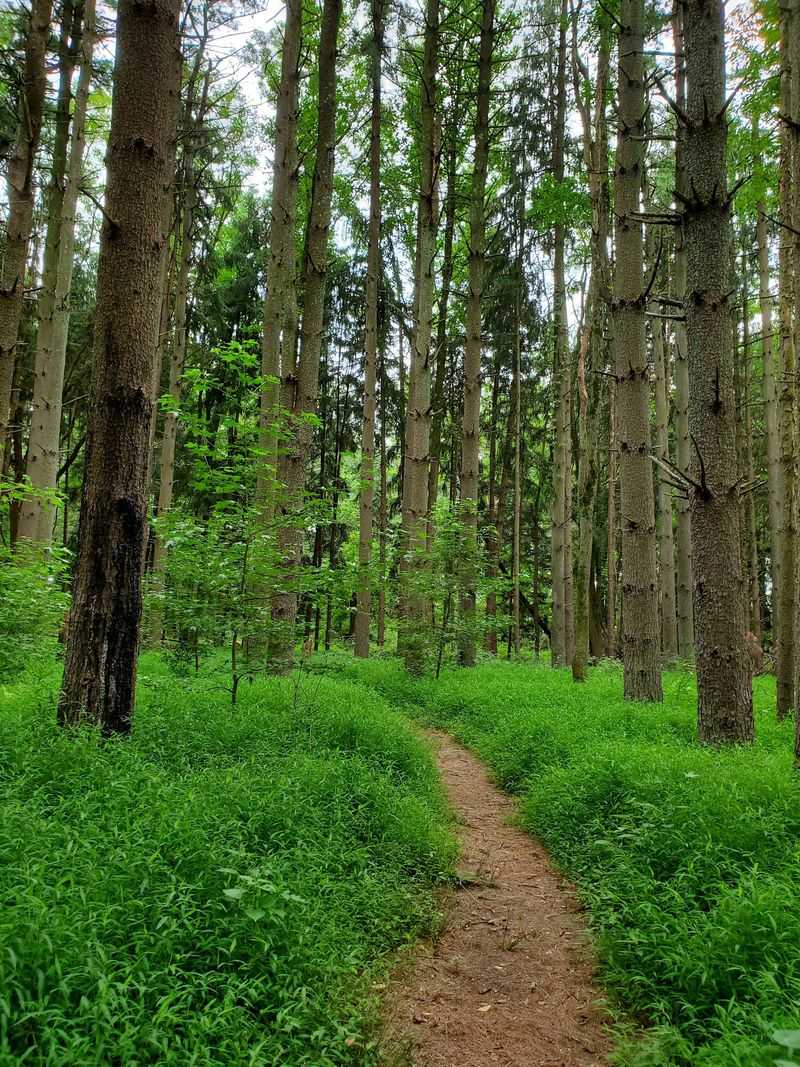
A map earns its place in the day bag here. The trail network includes shorter, easier options and longer walks, with different terrain rather than one uniform route around the property.
Routes near the center are described as well marked and manageable for children. Other supplied accounts mention unclear markings beyond the creek and connecting paths that were not shown on a map, so navigation deserves attention.
Do not read the easier routes as a guarantee that every path suits every ability. One account of a program hike specifically cautioned against bringing a stroller, and no verified wheelchair access details are included.
Choose a route based on the least comfortable walker in the group, then add distance only if conditions allow. That approach keeps the outing flexible without assuming that all sections share the same surface or upkeep.
A shorter walk with time to explore can be the smarter choice.
Creek Routes and Changing Habitats
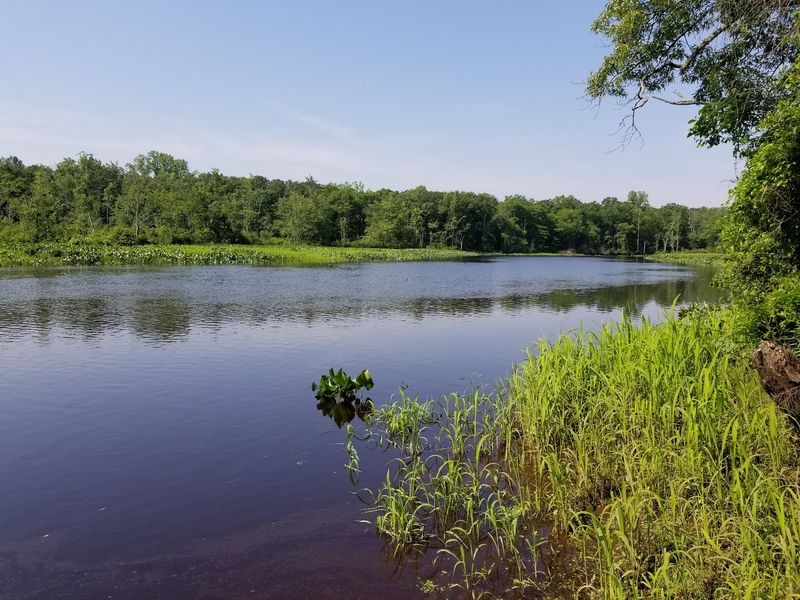
Woodland is only part of the outdoor story. The supplied information also describes meadows, creekside routes, and a pine forest, giving walkers several habitat settings within the same destination.
That variety creates a useful reason to return without promising any particular wildlife encounter. A route can support different questions depending on which habitat becomes the focus of the day.
Along the creek, keep exploration tied to established paths rather than assuming the water is an invitation to enter. No swimming access, water safety guidance, or creek crossing details are established in the provided material.
Families can make habitat changes the organizing idea for their walk: identify where a wooded section gives way to a meadow, or note how a creek influences the route. The activity needs no elaborate equipment and no long checklist.
It simply gives an ordinary walk a clearer purpose while keeping attention on the place itself.
Ponds That Encourage Patient Exploration
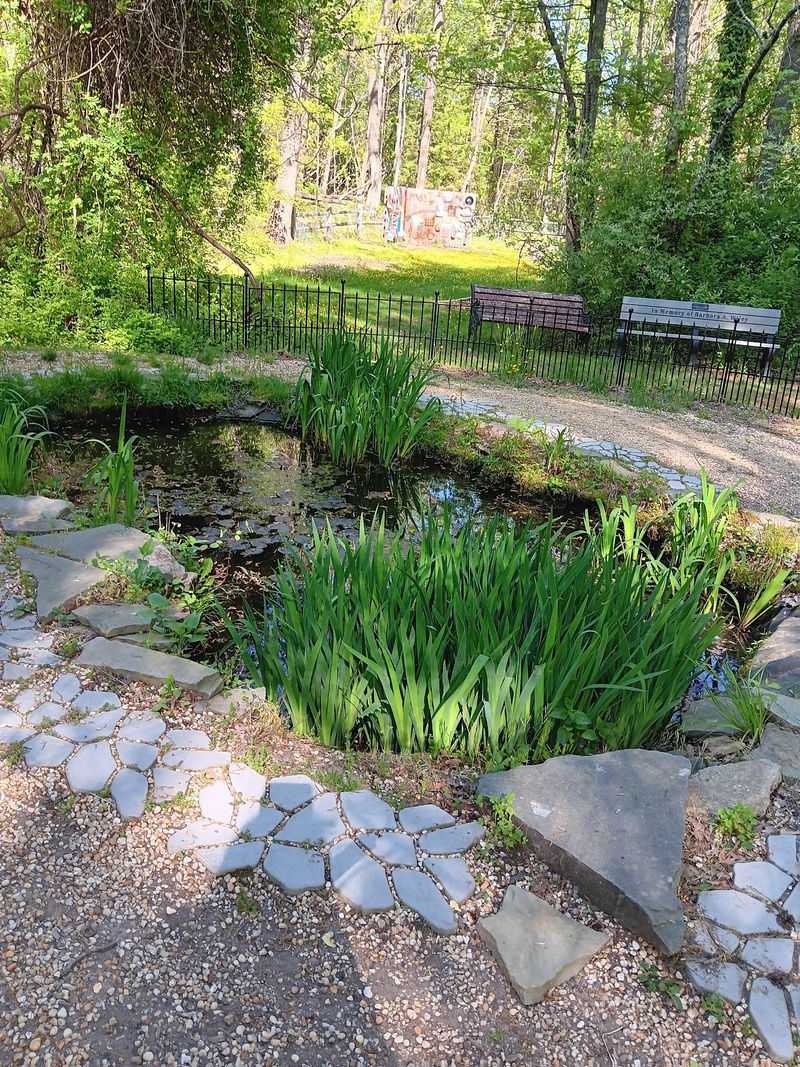
A pond can give a short outing its own destination. Frog ponds and a dragonfly pond are mentioned in the supplied information, adding focused stops to the broader trail experience.
Children do not need to complete a long hike to find something worth investigating. A pause near a pond can lead to questions about animal movement, habitat needs, and the connections between water and surrounding land.
Wildlife activity varies, so frogs or dragonflies should not be promised for a particular date. Leave animals where they are rather than turning the stop into a collecting activity, even when curiosity runs ahead of caution.
After rain or during muggy weather, insect protection becomes a useful part of preparation. Accounts specifically recommend repellent, but do not establish pond access conditions after storms.
Ask about the route before committing to it, and let a manageable pond stop take precedence over covering every available path.
Resident Animals and Useful Questions
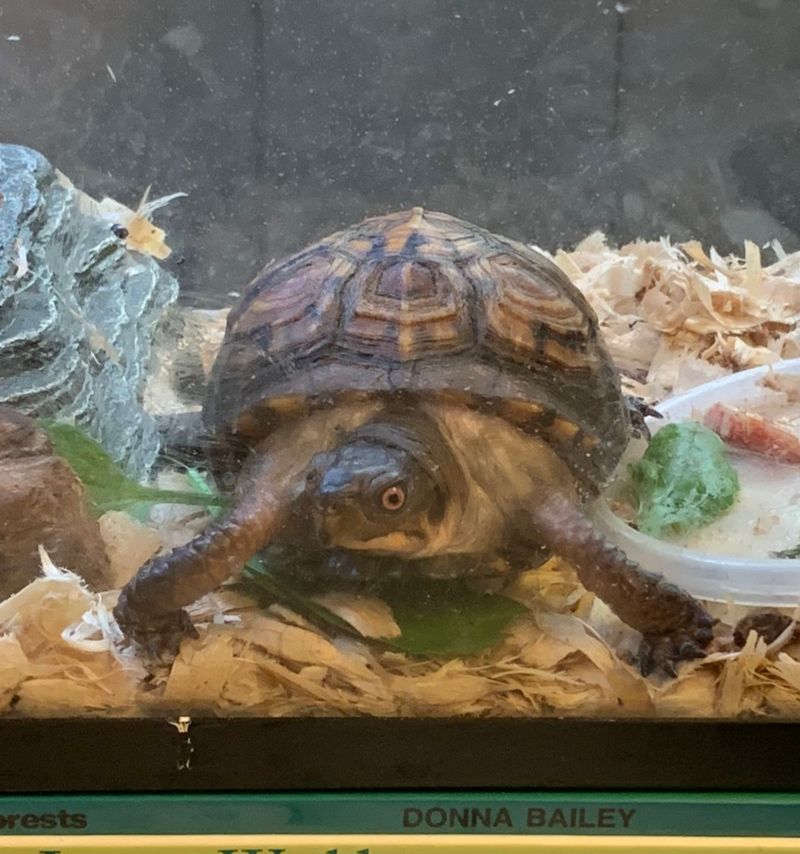
Turtles give the indoor center an immediate point of interest. The supplied accounts also identify frogs, a snake, and hissing cockroaches among the animals kept there for educational encounters.
Several turtle types are mentioned, including painted and musk turtles as well as box turtles. Because animal collections can change, treat that list as documented background rather than a guaranteed inventory for the next trip.
Not all resident animals are native species. Staff discussions can help connect their habitat roles with those of local animals, which makes the exhibits more useful than a simple species checklist.
Feedings may sometimes be observed, but no public feeding schedule is supplied. Ask staff what is available that day and follow the rules around each enclosure.
The strongest takeaway is not how many animals appear, but how their care and needs can turn a child’s quick question into a more thoughtful conversation about nature.
Indoor Learning Beyond the Trail Map
Guidebooks and exhibits extend the outing beyond the next trail junction. Inside, the center has educational displays, a museum room, and a small shop that carries nature guides and some children’s toys.
The supplied information also mentions wild bird seed for sale. No current stock list or item costs are available, so a particular purchase should remain an option rather than part of a fixed plan.
A children’s corner adds another reason to include the building in a family outing. It offers a different pace from walking and can help keep the day useful when attention spans do not match.
Use indoor time to follow up on one question raised outside instead of trying to absorb every display. A map, an animal exhibit, and a relevant guide can form a simple learning sequence.
That gives the building a real role in the outing rather than reducing it to a bathroom stop.
Small Discoveries for Family Outings
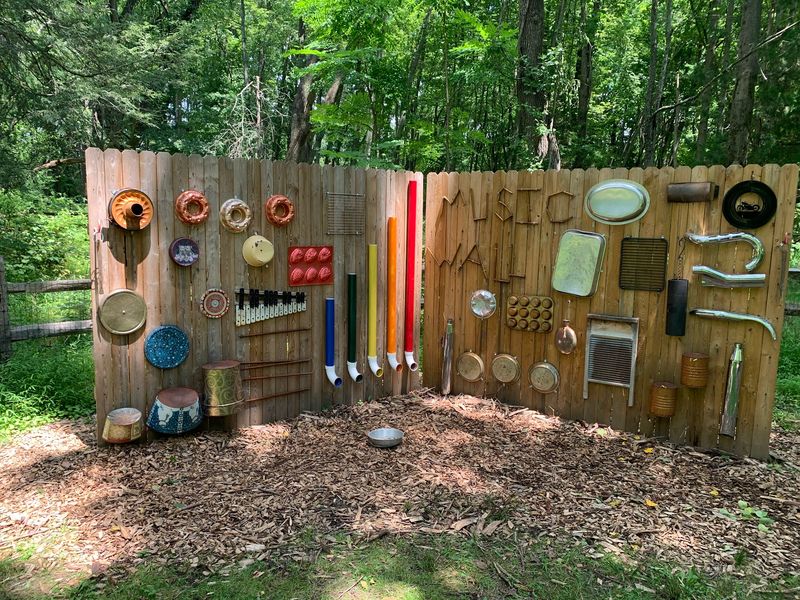
Small goals often work better than a demanding itinerary. A children’s garden, a butterfly house, play areas, and picnic tables are all mentioned in the supplied material, giving families options beyond continuous walking.
No opening schedule for the butterfly house or garden is provided. Confirm access before making either feature the main reason for a trip, especially if a child has a very specific expectation.
The setting suits families who want to alternate movement with learning and breaks. Adults can choose a short trail, allow time inside, and leave another feature for a future outing rather than trying to finish everything.
Field trips are also mentioned, though booking details and group rules are not supplied. Schools and organized groups should contact the center directly before planning attendance.
For an ordinary family day, the useful principle is simpler: leave enough room in the schedule for curiosity to change the order of activities.
Programs With Room for Learning
A planned activity can give the same trails a different purpose. The center occasionally hosts both free and paid programs, and the supplied accounts describe knowledgeable staff who support learning along the way.
Past programming includes a maple sugaring event. That establishes a previous offering, not a current date, annual schedule, or promise that the event will return in the same form.
Check the center’s website, rancocasnaturecenter.org, for current announcements and registration information. Program costs, age requirements, group sizes, and cancellation rules are not included in the provided data.
Ordinary walking access and participation in an organized activity should not be treated as interchangeable. A program may require advance arrangements even when a casual outing does not.
Choose the format that suits the group: independent exploration allows flexibility, while a scheduled educational activity can provide a defined topic and structure. Either choice deserves a quick check before leaving home.
Hours, Costs, and Arrival Details
Noon is the key time for planning an indoor stop. The supplied listing gives center hours of 12 to 4 p.m. on Tuesday, Thursday, Saturday, and Sunday, with Monday, Wednesday, and Friday listed as closed.
Those building hours do not establish separate trail access hours. Confirm current arrangements before planning an early walk or assuming facilities will be available while the center is closed.
Restrooms are inside the building. A gravel parking lot is described as tight during a busy event, but no verified capacity or overflow arrangement is provided.
Accounts describe no-cost outings, while some programs have fees; the data does not supply a current admission policy or fee schedule. Dogs are reported as not allowed on the premises or trails, so check current rules before bringing a pet.
Use the street address for directions and leave extra flexibility when attending an event rather than relying on unverified travel times.
An Everyday Walk With More Purpose
The strongest reason to go is the range of activities within one manageable destination. Trails, ponds, animal exhibits, and teaching spaces let a simple walk become an outing with several directions to follow.
Preparation remains modest but useful: bring a map, choose footwear for uneven terrain, consider insect repellent, and plan restroom needs around building hours. Route conditions and program details deserve a current check.
Some supplied accounts praise trail upkeep, while others describe less consistent sections. That difference supports a flexible plan rather than a blanket promise about every path, every season, or every ability level.
Rancocas rewards an approach built around attention rather than distance. There is no need to attach an unverified rarity claim or boardwalk promise to make the destination worthwhile.
A short route, a pond stop, and one good question inside the center can give an everyday walk enough substance to earn another place on the calendar.
Share this story