Before playlists, streaming services, and unlimited skips, the radio decided what everyone was listening to. And when a song became a hit, there was almost no escaping it. Some records seemed to come on during every car ride, every afternoon at the pool, and every trip to the grocery store. You might have loved them or eventually grown tired of them, but decades later, hearing those opening notes can instantly transport you back.
These 15 radio hits from the 1960s, 1970s, and 1980s once seemed to play every single hour, and the chart numbers prove just how dominant each one really was. Whether you remember them fondly or simply remember them everywhere, their stories are worth revisiting.
1. Night Fever by Bee Gees
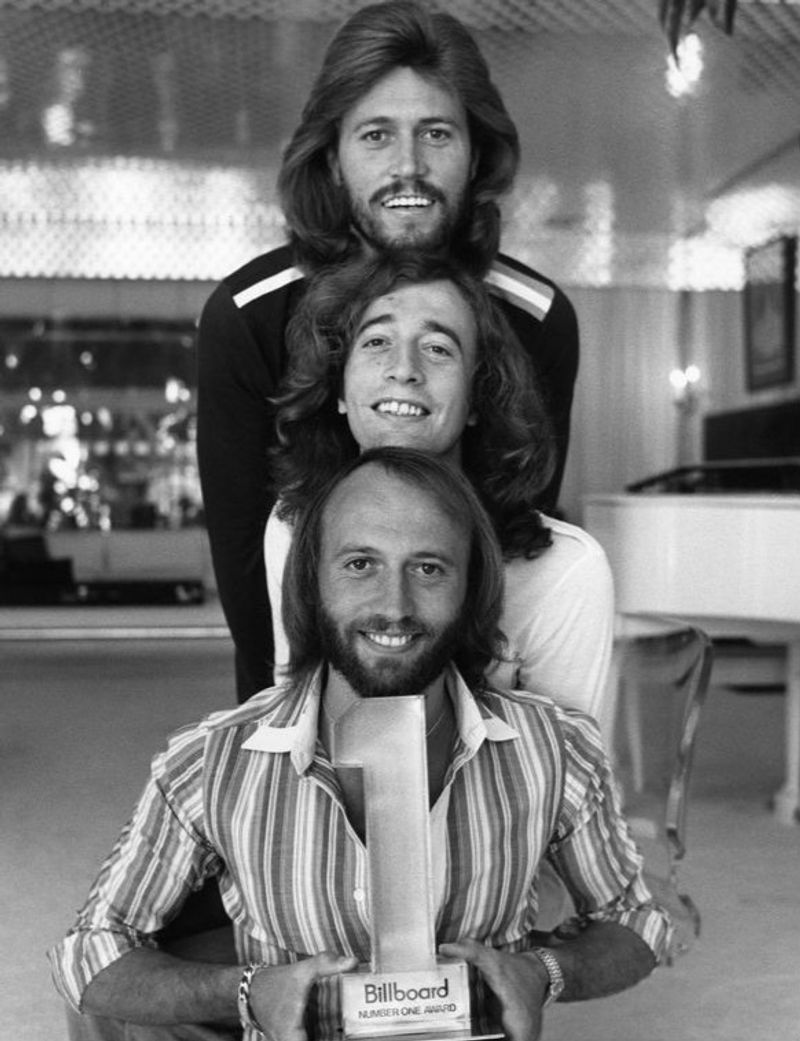
The Saturday Night Fever soundtrack was one of the most commercially dominant albums of the 1970s, and Night Fever was one of its biggest weapons. Released in 1978, it represented the Bee Gees at the absolute peak of their commercial power.
The song spent eight weeks at No. 1 on the Billboard Hot 100 and became a defining document of the disco era. Even radio listeners who claimed no interest in disco knew every note of the chorus by summer’s end.
What made it particularly hard to escape was that it arrived alongside several other massive Bee Gees singles that year. Top 40 radio in 1978 often felt like a rotating showcase for the Gibb brothers, and Night Fever was their most played entry.
2. Every Breath You Take by The Police

Sting wrote Every Breath You Take in roughly 30 minutes while sitting at a piano in Ian Fleming’s former Jamaican estate. He later admitted the song was about surveillance and obsession, not romance, though most radio listeners in 1983 treated it as a love ballad.
That misread actually helped its commercial reach. The song spent eight weeks at No. 1 on the Billboard Hot 100 and became Billboard’s top single for all of 1983, which was a fiercely competitive year for pop music.
Radio stations played it relentlessly through the summer and into the fall. The Police broke up shortly after the album’s release, making Every Breath You Take an unintentional farewell statement that still gets significant airplay more than 40 years later.
3. Maggie May by Rod Stewart
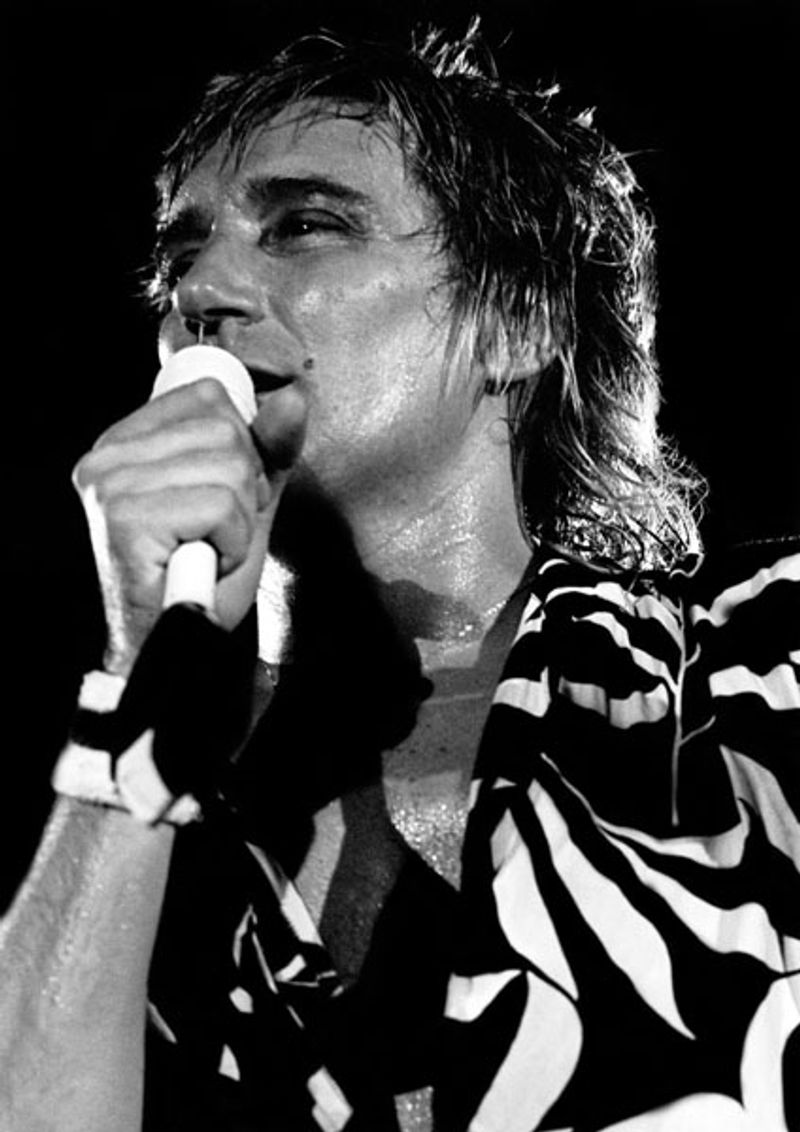
Rod Stewart had been recording for years before Maggie May pushed him to the top of the charts in 1971. The song was originally the B-side of a single, and it only got noticed after a BBC radio DJ flipped the record over and started playing it instead.
Once it caught on, there was no stopping it. Maggie May spent five weeks at No. 1 on the Billboard Hot 100 and topped charts in the UK simultaneously, a combination that turned Stewart from a respected musician into a genuine superstar.
Its folk-rock arrangement, featuring acoustic guitar and a distinctive mandolin line, sounded genuinely different from the polished pop surrounding it on Top 40 radio. More than 50 years later, it remains the song most people associate with Stewart’s name.
4. My Sharona by The Knack
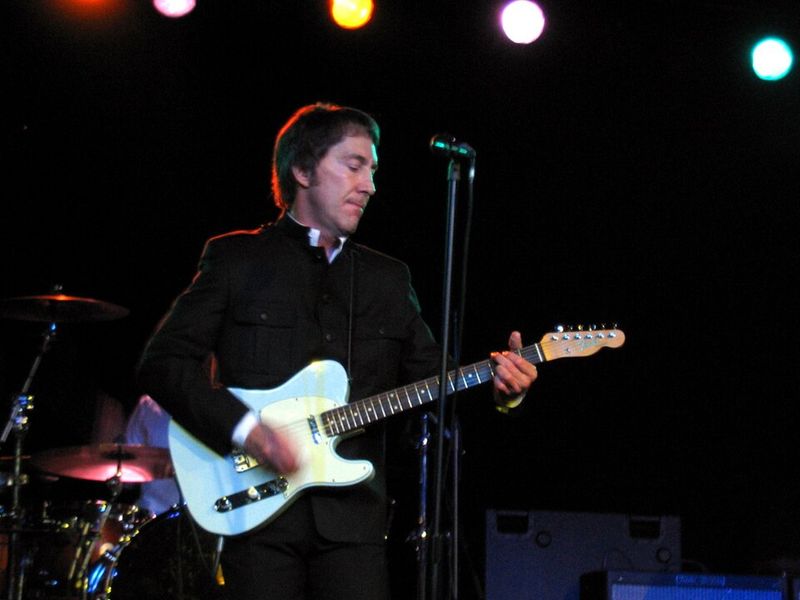
The Knack recorded My Sharona in a single take during their debut album sessions in 1979, and it went on to become one of the most played singles of the entire decade. The song was inspired by a real person, Sharona Alperin, who was 17 at the time guitarist Doug Fieger began pursuing her.
It spent six weeks at No. 1 on the Billboard Hot 100 and ended the year as Billboard’s top pop single of 1979. That same year, it knocked Donna Summer’s Hot Stuff from the top spot, which gave some indication of how forcefully it arrived.
The guitar riff was immediately recognizable on radio, and the song’s energy made it a natural fit for Top 40 formats. Its popularity revived briefly in 1994 when it appeared in the film Reality Bites.
5. I Think I Love You by The Partridge Family
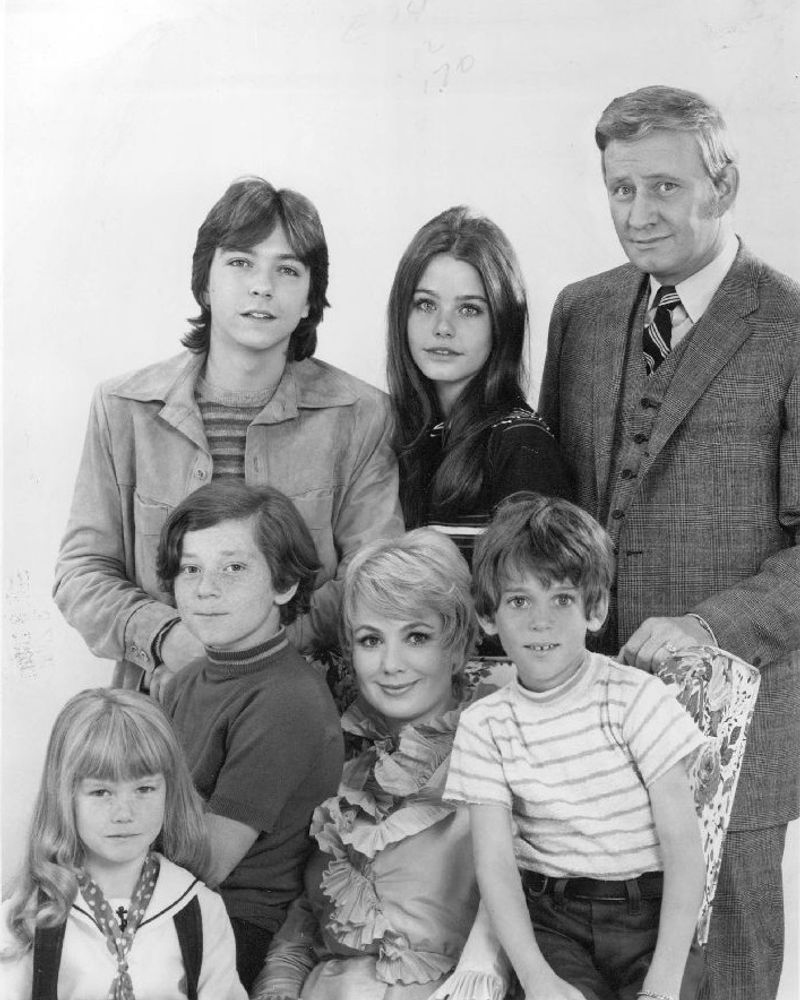
The Partridge Family was a fictional TV band, but I Think I Love You was a very real chart phenomenon. Released in 1970, the song featured David Cassidy on lead vocals and became one of the fastest-selling singles of its era.
It topped the Billboard Hot 100 for three weeks and finished as the best-selling single of 1970. That was a remarkable outcome for a song tied to a television sitcom, and it demonstrated how effectively the entertainment industry could cross-promote music and television in that period.
For teenagers watching the show, hearing Cassidy on the radio only deepened the connection to the character. For everyone else, the song was simply unavoidable. Its bubblegum pop construction made it perfectly suited to AM radio formats that prioritized catchiness above all else.
6. Joy to the World by Three Dog Night
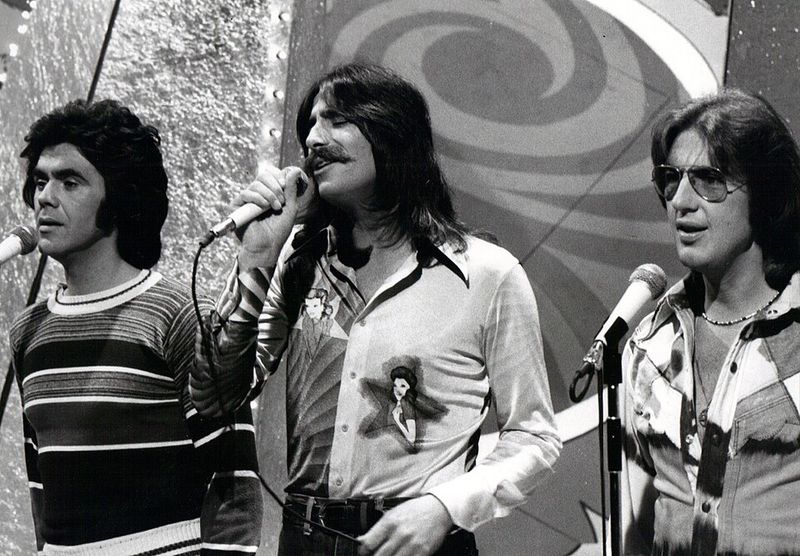
Written by Hoyt Axton and originally turned down by several artists, Joy to the World became one of the most played songs in American radio history after Three Dog Night recorded it in 1971. Its opening line about Jeremiah the bullfrog was nonsensical by design, and that made it almost impossible not to sing along with.
The song spent six weeks at No. 1 on the Billboard Hot 100 and became Billboard’s top single of the entire year. That is a significant achievement for a band that was already considered reliable hitmakers before the song ever aired.
Radio programmers loved it because it worked across formats and age groups. Decades later, that opening note still gets a reaction from people who lived through the spring of 1971.
7. Alone Again Naturally by Gilbert O’Sullivan
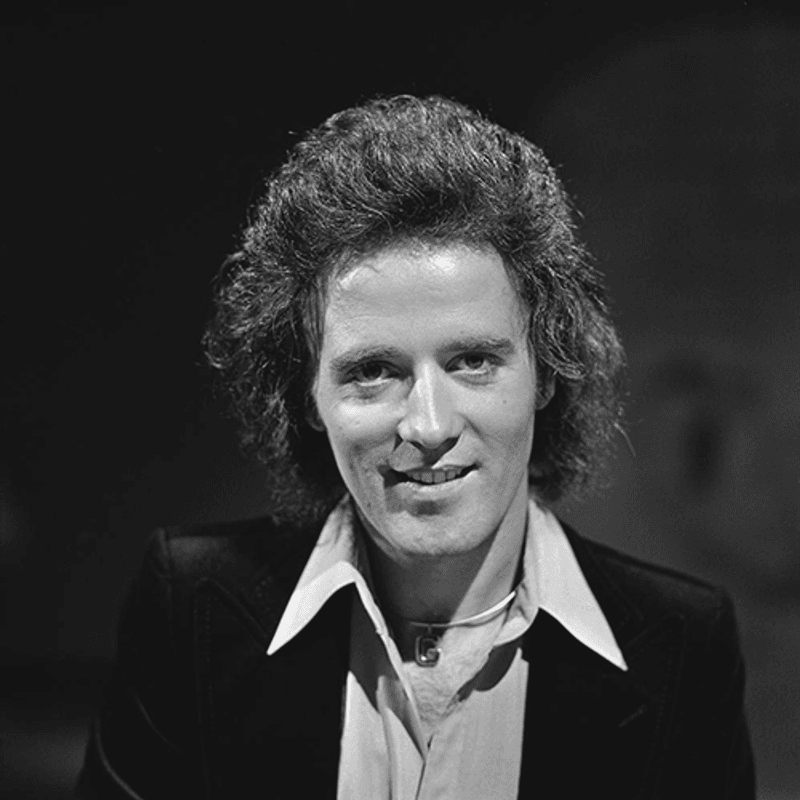
Gilbert O’Sullivan’s Alone Again Naturally presented an unusual challenge for radio programmers in 1972. The song’s melody was cheerful and easy to listen to, but its lyrics dealt with loneliness and personal despair in unusually direct terms. Most listeners focused on the melody.
It spent six non-consecutive weeks at No. 1 on the Billboard Hot 100 during the summer of 1972, which made it one of the year’s most persistent chart presences. AM radio stations played it heavily because it fit the format’s preference for smooth, accessible pop.
O’Sullivan was an Irish-born singer working out of the UK, and Alone Again Naturally gave him a level of American commercial success that few artists from his background had achieved at that point. The contrast between its pleasant sound and sobering content still catches new listeners off guard.
8. Shadow Dancing by Andy Gibb
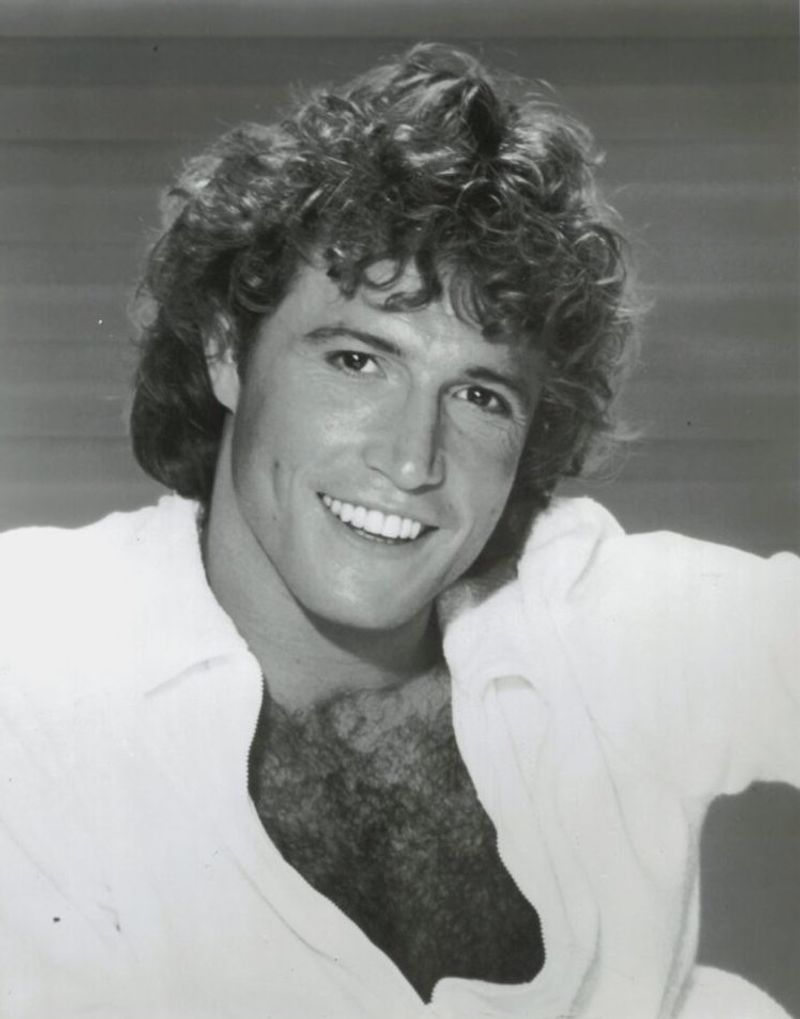
Andy Gibb was the youngest of the Gibb brothers, and by 1978 he had already scored three consecutive No. 1 hits in the United States. Shadow Dancing was his fourth, and it turned out to be his biggest chart performance yet.
The song spent seven consecutive weeks at No. 1 on the Billboard Hot 100 and finished as Billboard’s top single of 1978. That made it the year’s most played record, which was a significant achievement given how many major artists were releasing music during the disco era’s commercial peak.
His older brothers Barry, Robin, and Maurice contributed to the writing and production, which gave the track a sound closely aligned with the Bee Gees’ style. Radio programmers treated it as a natural companion to the Saturday Night Fever wave that had dominated earlier that year.
9. Physical by Olivia Newton-John
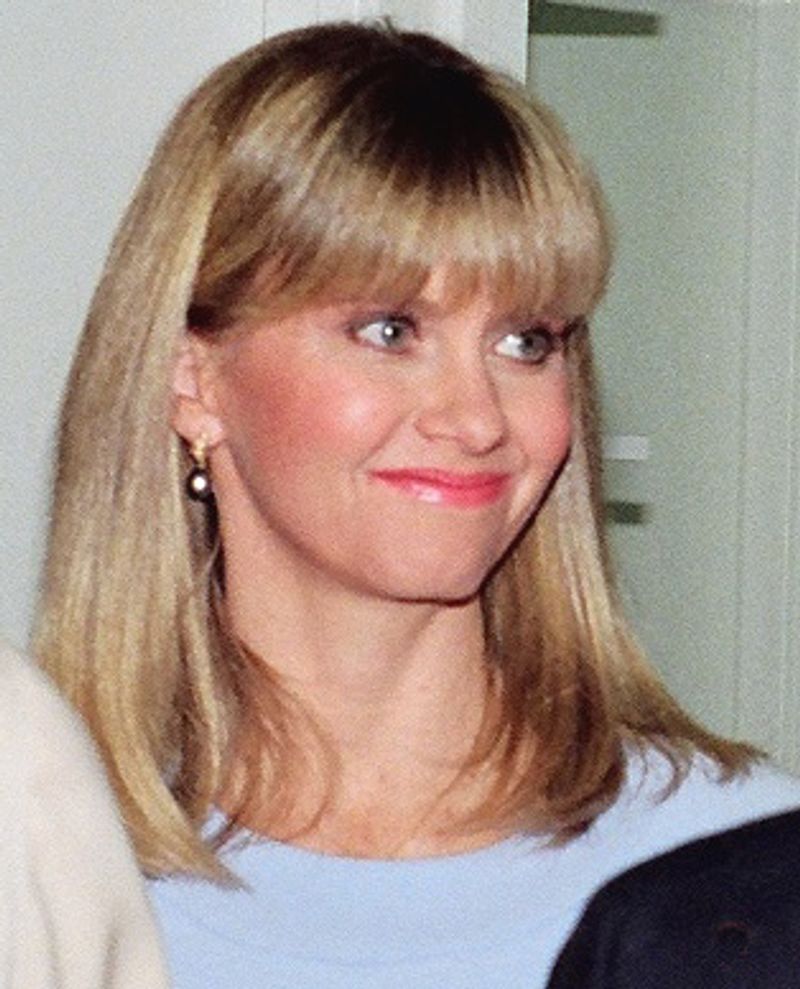
Olivia Newton-John had built her career on a wholesome image, but Physical changed the conversation entirely when it arrived in late 1981. The song’s suggestive lyrics generated controversy and got it banned from some radio stations, which arguably helped it sell more copies.
It spent 10 weeks at No. 1 on the Billboard Hot 100, making it the longest-running No. 1 single of the entire 1980s decade. That record stood for years. The fitness-themed music video arrived at exactly the right cultural moment, as gym memberships and aerobics classes were becoming mainstream American habits.
Newton-John’s willingness to step away from her previous image surprised many fans and industry observers. Physical became not just her biggest hit but a cultural marker for how quickly pop stars could reinvent their public personas in the early MTV era.
10. Silly Love Songs by Wings
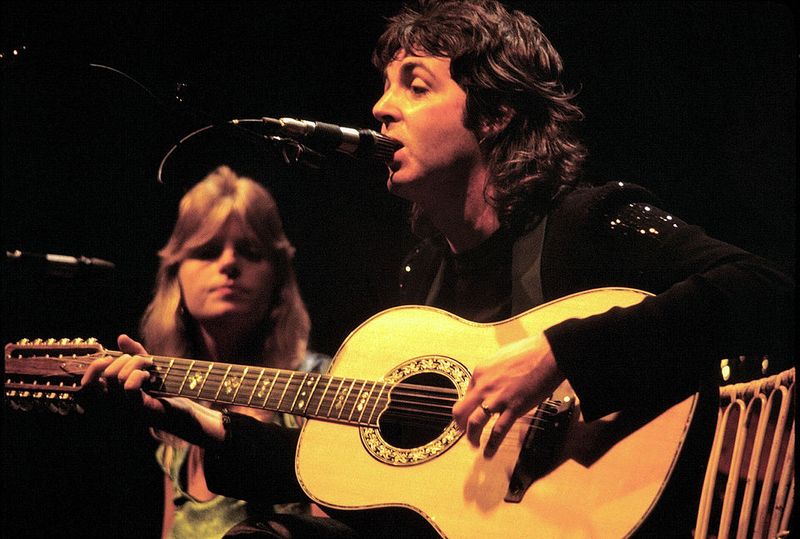
Paul McCartney had been publicly criticized for writing too many lightweight love songs after leaving the Beatles, including pointed comments from John Lennon. His response was to write Silly Love Songs, a track that essentially argued in favor of romantic pop music while simultaneously becoming a massive hit.
The song topped the Billboard Hot 100 for five non-consecutive weeks in 1976 and finished as Billboard’s top pop single of the year. Its layered vocal harmonies and prominent bass line made it well-suited for radio formats that favored clean, polished production.
Critics found it too safe, but audiences disagreed loudly. Wings was one of the most commercially successful acts of the mid-1970s, and Silly Love Songs represented the peak of their American chart dominance. McCartney had effectively turned a critical argument into a No. 1 record.
11. Call Me by Blondie
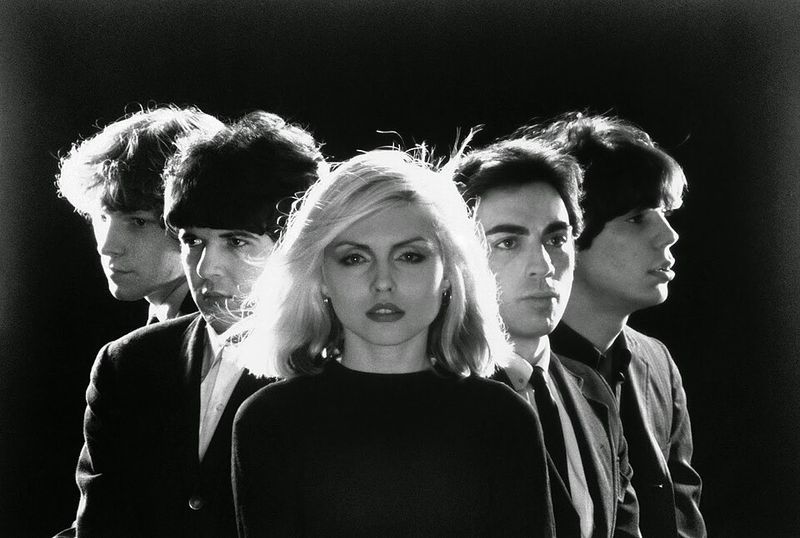
Call Me was written specifically for the 1980 film American Gigolo, with producer Giorgio Moroder creating the music and Debbie Harry writing the lyrics. The collaboration produced something that fit neatly between rock, pop, and the emerging new wave sound that radio stations were beginning to embrace.
The song spent six consecutive weeks at No. 1 on the Billboard Hot 100 and finished as Billboard’s No. 1 single of 1980. That year-end ranking placed it ahead of an unusually competitive field of pop and rock releases.
Blondie was already well-known in rock circles before Call Me arrived, but the song expanded their audience considerably. Harry’s vocal delivery was direct and confident, which made the track immediately recognizable within the first few seconds. It became one of the most defining radio records of the year’s transition into the new decade.
12. Le Freak by Chic

Le Freak has an origin story that almost no one expected. Nile Rodgers and Bernard Edwards reportedly wrote it after being turned away at the door of Studio 54 on New Year’s Eve 1977. The frustration produced one of the most successful disco singles ever recorded.
The song reached No. 1 on the Billboard Hot 100 on three separate occasions during its chart run, a rare achievement that demonstrated how difficult it was for other records to permanently displace it. In total, it spent six non-consecutive weeks at the top position.
Its guitar riff and bass line became some of the most sampled elements in later hip-hop and R&B production. Radio stations in 1978 treated it as a guaranteed crowd-pleaser. The song reportedly became Atlantic Records’ best-selling single at the time of its release.
13. Bette Davis Eyes by Kim Carnes
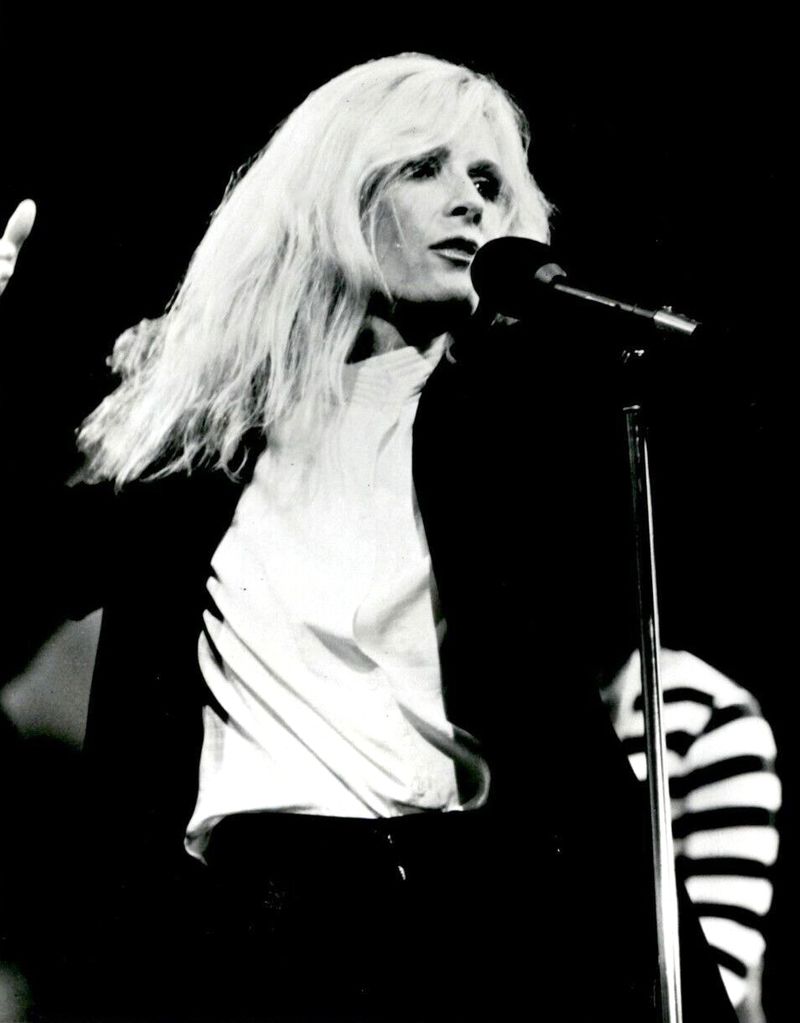
The song was originally written by Donna Weiss and Jackie DeShannon in 1974 and appeared on DeShannon’s album that year without much commercial response. Kim Carnes transformed it entirely when she recorded a new arrangement in 1981 that replaced the original’s soft pop sound with a synthesizer-driven new wave texture.
The result spent nine non-consecutive weeks at No. 1 on the Billboard Hot 100 and became Billboard’s biggest hit of 1981. That year-end distinction made it the most played record of a year that included stiff competition from several major artists.
Carnes had recorded throughout the 1970s without breaking through to mainstream success, which made the song’s achievement particularly notable. Her raspy vocal delivery gave the track a quality that stood out immediately in radio rotation. Bette Davis herself reportedly loved the song and sent Carnes a note of appreciation.
14. Tonight’s the Night by Rod Stewart
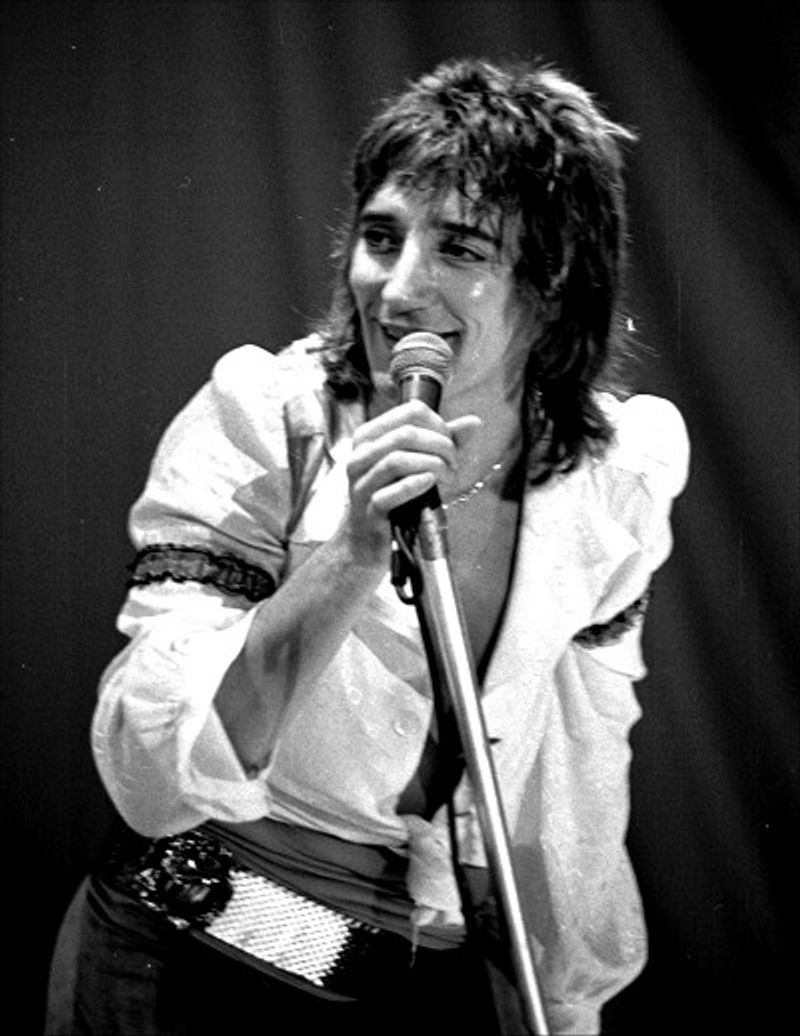
Rod Stewart appears on this list twice, which is fitting given how thoroughly he dominated radio across two separate periods of the 1970s. Tonight’s the Night arrived in 1976 and immediately became controversial for lyrics that several radio stations considered too suggestive for broadcast.
The BBC restricted airplay in the UK, but American radio had fewer reservations. The song spent eight consecutive weeks at No. 1 on the Billboard Hot 100, tying a record at the time for the longest uninterrupted run at the top position.
That stretch covered the end of 1976 and the beginning of 1977, meaning the song essentially bookmarked the new year for millions of American listeners. Stewart’s commercial instincts during this period were remarkably consistent. Between Maggie May in 1971 and Tonight’s the Night five years later, he remained one of radio’s most reliable presences.
15. Endless Love by Diana Ross and Lionel Richie
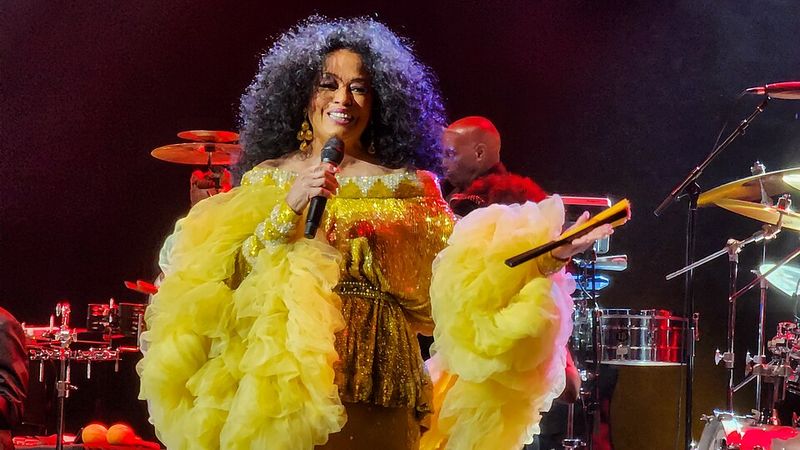
Lionel Richie wrote Endless Love for the 1981 Franco Zeffirelli film of the same name, originally intending it as an instrumental. When the director heard the melody, he asked for lyrics, and Richie quickly completed the song. Diana Ross came on board shortly after, and the combination proved extraordinarily effective.
The duet spent nine consecutive weeks at No. 1 on the Billboard Hot 100 and received an Academy Award nomination for Best Original Song. Billboard later named it the greatest duet of all time in a retrospective ranking.
Soft-rock radio stations treated it as a permanent fixture through the fall of 1981. The song appeared at weddings, in restaurants, and on dedicated love song programs across the country. Even listeners who never purchased the single could recite every lyric by the time its chart run finally ended.
Share this story