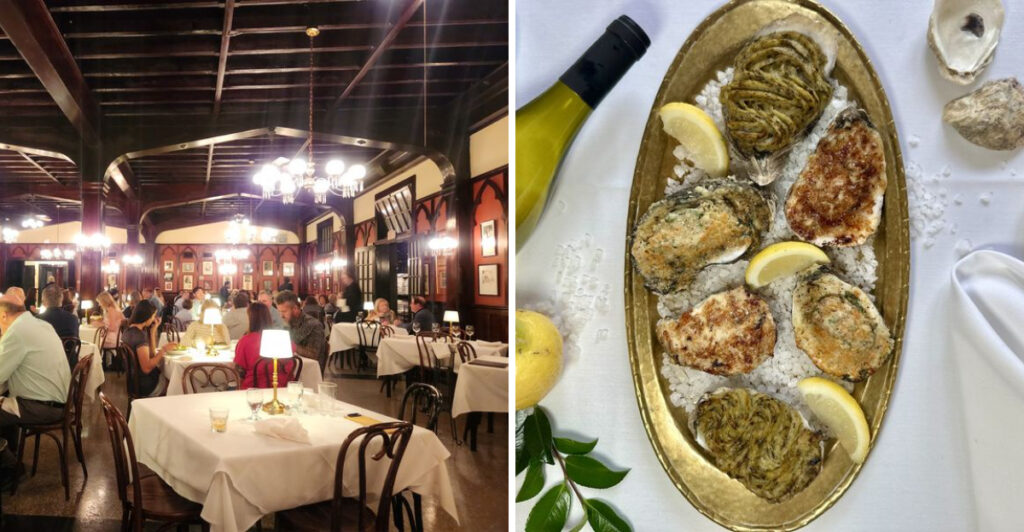
Somewhere in the heart of New Orleans, a restaurant has been keeping a secret for well over a century. The recipe that started it all, a rich, green-sauced oyster dish named after the wealthiest man in America at the time, has never been written down for the public.
The chef who created it took the formula to his grave, and the family that carries on his legacy has guarded it ever since. That dish is Oysters Rockefeller, and the place that invented it is still open, still serving it, and still refusing to tell you exactly what goes into it.
The Restaurant That Started It All
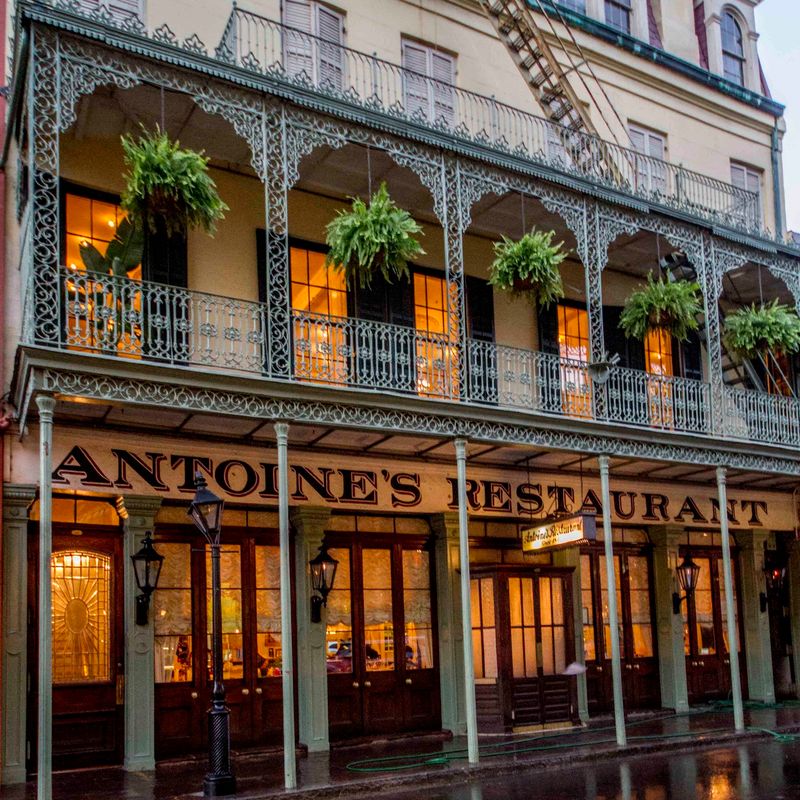
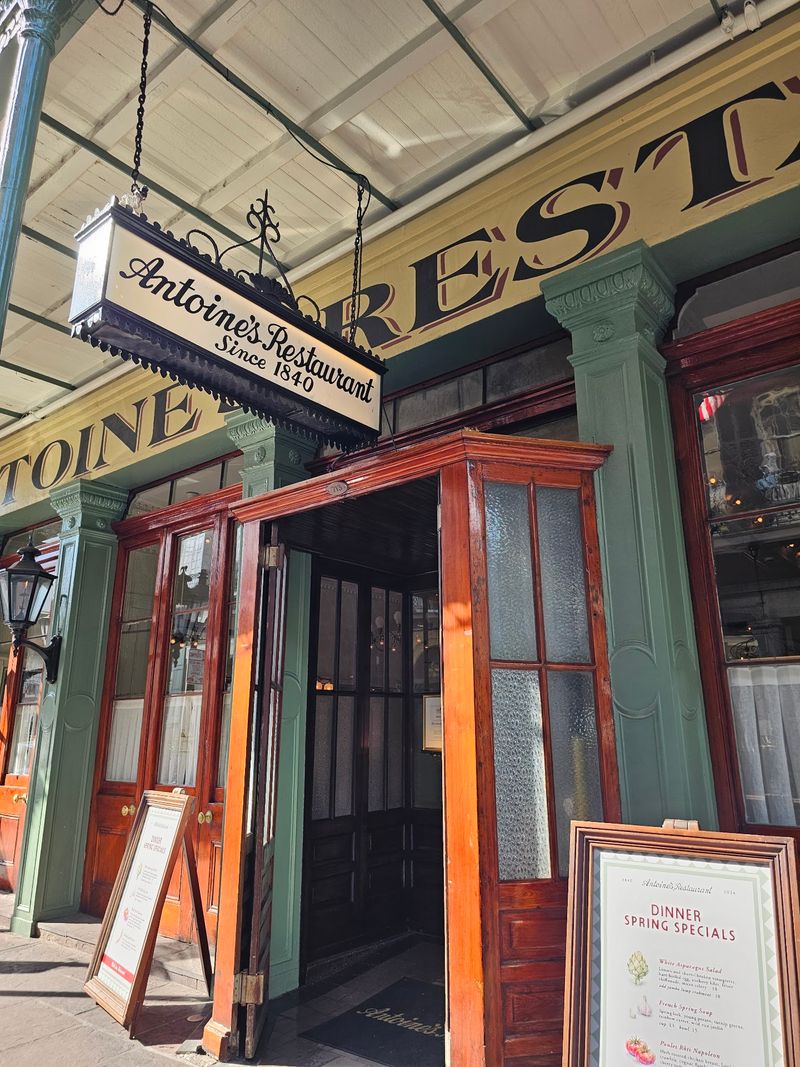
Before we get to the secret sauce, you need to know the address. Antoine’s Restaurant sits at 713 St. Louis Street in New Orleans, Louisiana, United States, right in the heart of the French Quarter.
Founded in 1840 by Antoine Alciatore, a young chef from Marseille, France, it holds the remarkable distinction of being the oldest continuously operating family-run restaurant in the United States.
That is not a small claim. Through the Civil War, two World Wars, and every hurricane season in between, this restaurant has kept its doors open and its kitchen firing.
Five generations of the Alciatore family have carried the torch, each one preserving the traditions the founder established.
Walking up to the building, you immediately sense that something different waits inside. The facade is understated, almost modest, which makes the grandeur inside feel even more surprising.
The Birth of Oysters Rockefeller
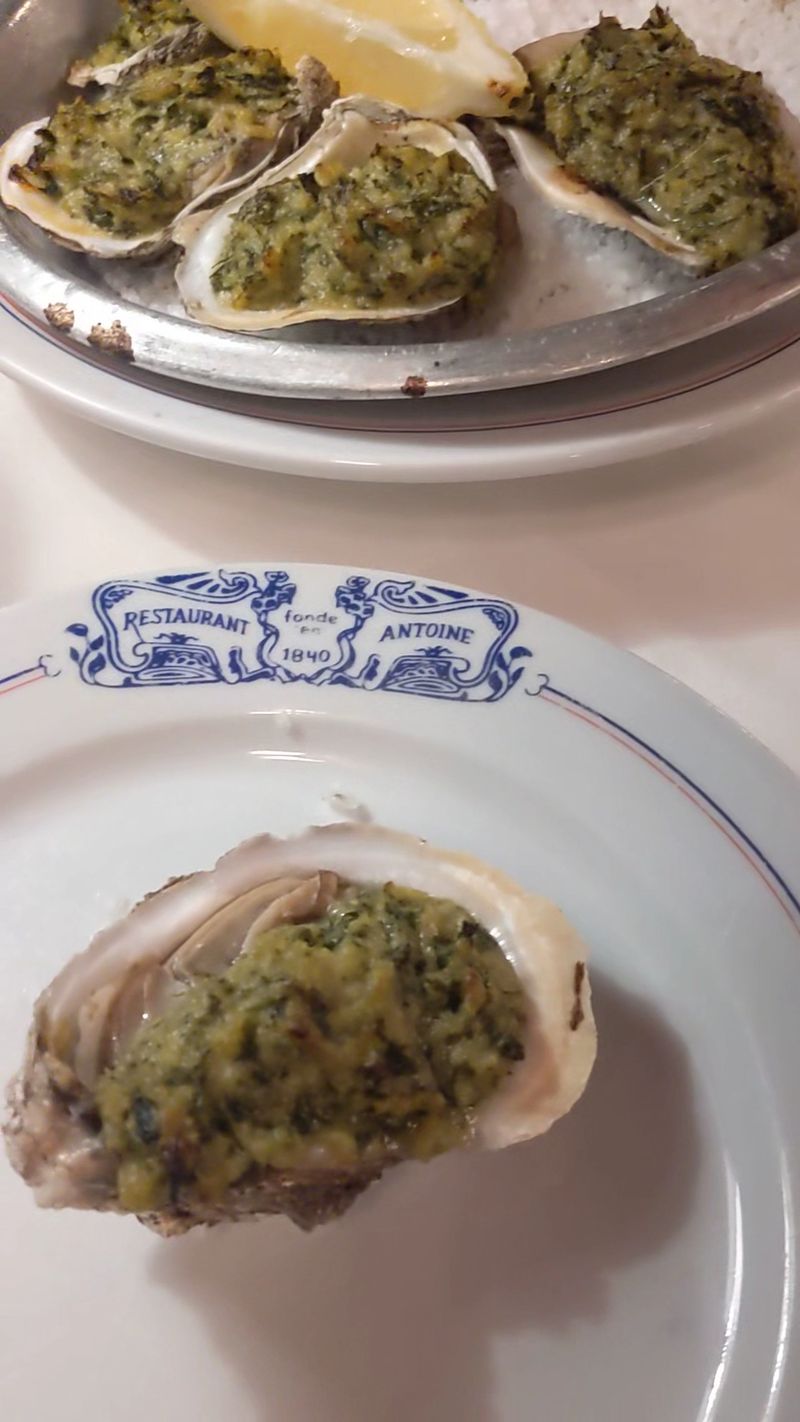
The year was 1899. Jules Alciatore, son of the founder, needed to solve a problem.
Escargot, a French staple on the menu, was in short supply because snails were difficult to import. He looked at the Gulf oysters readily available in Louisiana and decided to create something entirely new.
The dish he invented was so rich, so indulgent, and so unlike anything diners had tasted before that he named it after the wealthiest person in America at the time: John D. Rockefeller.
The name was meant to reflect the richness of the sauce, not the man himself.
What goes into that sauce is the part nobody outside the kitchen fully knows. Antoine’s has always maintained that it contains no spinach, which surprises most people who assume the green color comes from that ingredient.
The actual herbs remain the restaurant’s most closely held culinary secret.
A Recipe Guarded for Generations
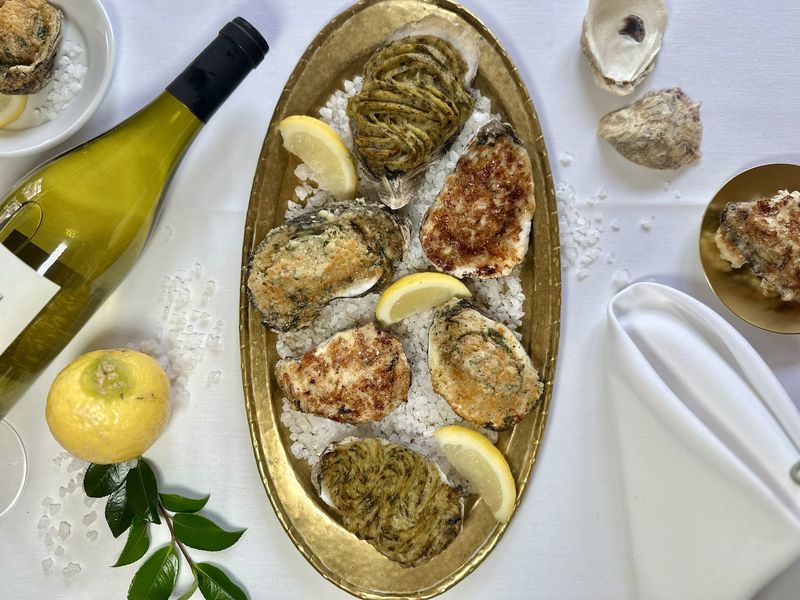
Most restaurants are happy to share at least a rough version of their signature recipes. Antoine’s has never done that with Oysters Rockefeller, and that refusal is part of what makes the dish legendary.
The original recipe has been passed down privately within the family, and the restaurant has consistently pushed back against any published version claiming to be authentic.
Over the decades, food writers, chefs, and curious home cooks have tried to reverse-engineer the sauce. Tarragon, watercress, celery, anise, and various combinations of herbs have all been guessed.
Antoine’s simply smiles and says none of those recipes are quite right.
There is something genuinely thrilling about eating a dish that carries this kind of mystery. You sit there tasting it, trying to identify every flavor, and the restaurant lets you keep guessing.
That experience alone makes the dish worth ordering.
Fifteen Dining Rooms With Stories on Every Wall
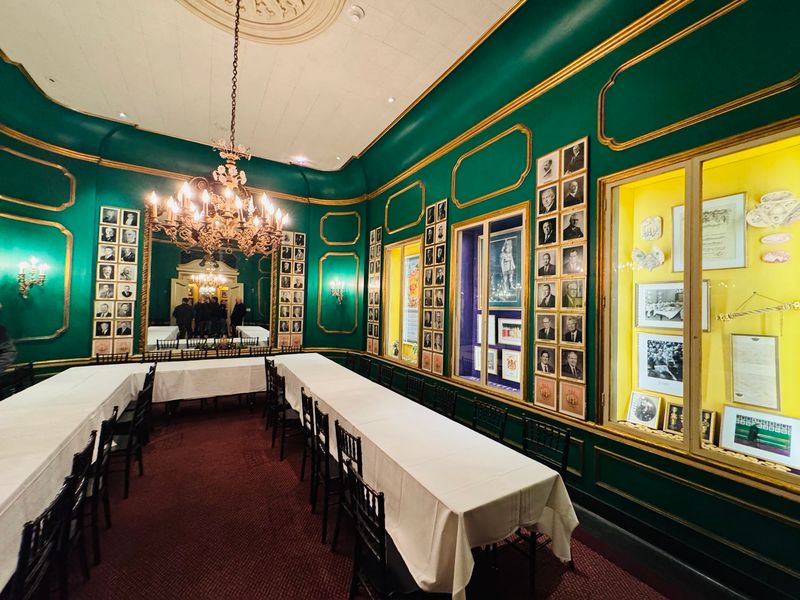
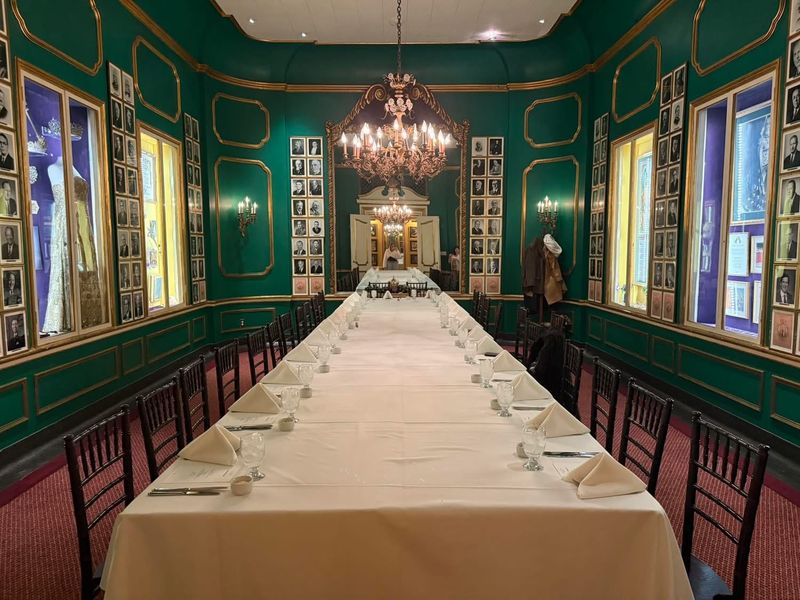
One of the biggest surprises at Antoine’s is the sheer size of the place. The restaurant contains around fourteen distinct dining rooms, each decorated differently and each carrying its own personality.
Signed photographs of famous visitors line the walls, including images of political figures, entertainers, and cultural icons who dined here across the decades.
Signed photos of the Marx Brothers and the Doobie Brothers have been spotted at tables, giving the walls a quality that feels more like a living museum than a typical restaurant. Every corner holds something worth looking at, and it is easy to get lost studying the images between courses.
The rooms range from bright and open to intimate and tucked away. Some guests specifically request certain rooms for their atmosphere alone.
Servers who know the history of the restaurant often take time to share stories about the spaces, which turns dinner into something much closer to an experience.
The Wine Cellar That Stops Guests Cold
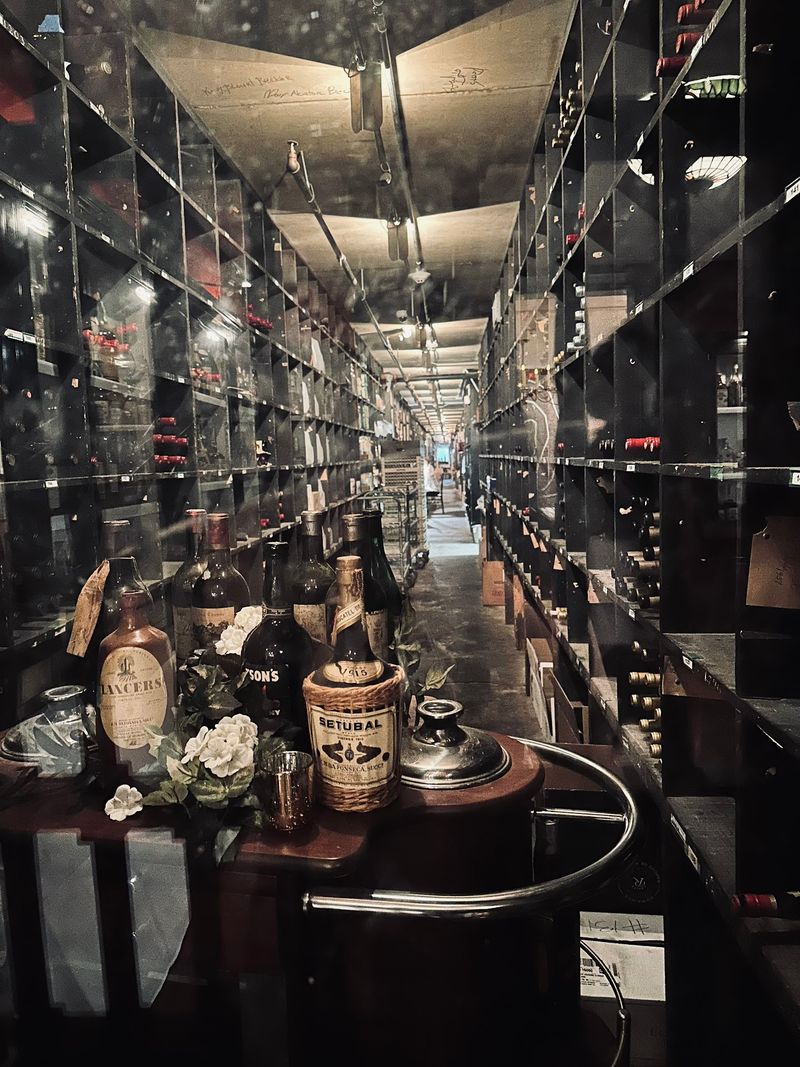
Ask the right person nicely, and you might get a look at the wine cellar. Several guests have mentioned that seeing it was one of the most unexpected highlights of their visit.
The space has a cavernous, almost cinematic quality, with an underground energy that feels completely separate from the dining rooms above.
One visitor described it as reminding them of an underground library, the kind of grand, shadowy space you see in classic films. The cellar holds an impressive collection and has been part of the restaurant’s identity for a very long time.
Getting access is not guaranteed, and it is not a formal tour. Some guests have been lucky enough to have a staff member personally walk them through it after dinner.
If you are the type who appreciates the history layered into a place, asking politely about the cellar is absolutely worth the effort.
The Baked Alaska That Requires Planning Ahead
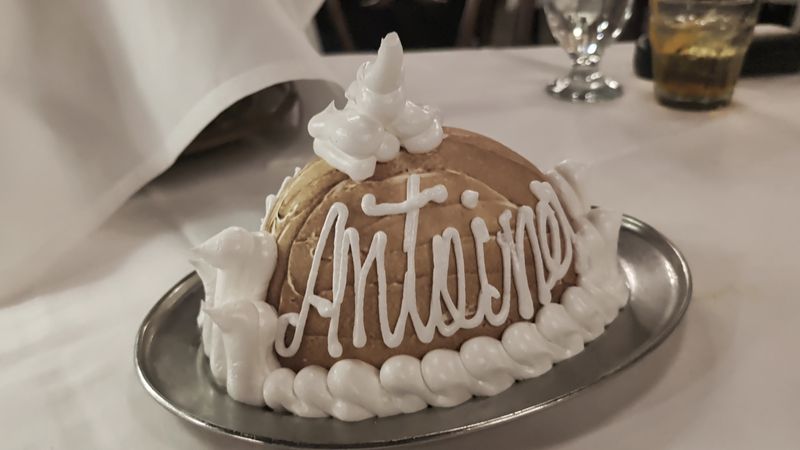
There is one rule at Antoine’s that first-time visitors sometimes learn too late: if you want the Baked Alaska, you must order it at the very start of your meal. The kitchen needs the full length of your dinner to prepare it properly, and no amount of charm at the end of the night will speed that process up.
The dessert itself is a showpiece. French vanilla ice cream sits on a layer of pound cake, all wrapped in torched meringue that arrives at the table golden and dramatic.
Some versions come with chocolate sauce poured over the top tableside.
Guests who have ordered it describe it as one of the best desserts they have ever eaten, and the theatrical presentation is a genuine part of the pleasure. The Baked Alaska has been a house specialty for many years and remains one of the most talked-about finishes to a meal in the entire city.
Lunch Is a Different Kind of Experience
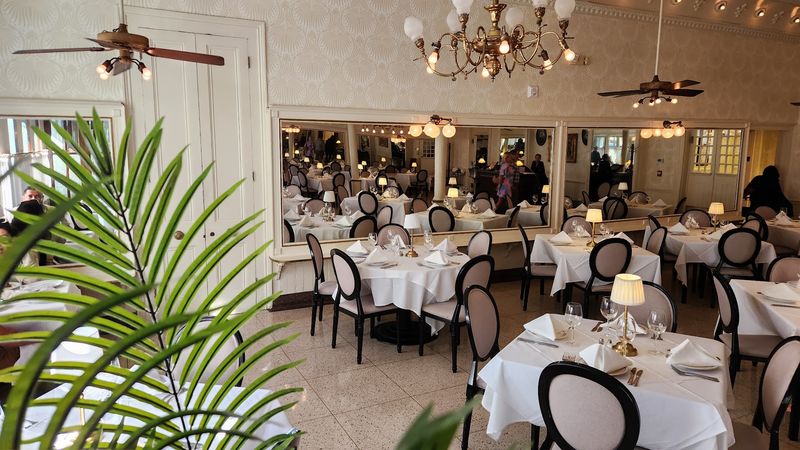
Most people think of Antoine’s as a dinner destination, but the lunch experience has its own distinct charm. The dining room is quieter during midday hours, the light feels softer, and the pace is noticeably more relaxed.
It is a different rhythm entirely from the energy of an evening service.
The restaurant offers a lunch special that includes an appetizer and entree, which gives visitors a chance to experience the kitchen at a more accessible price point. Dishes like broiled oysters, crab cakes with cream, and perfectly cooked swordfish have made strong impressions on guests who came in for a casual midday meal and left genuinely amazed.
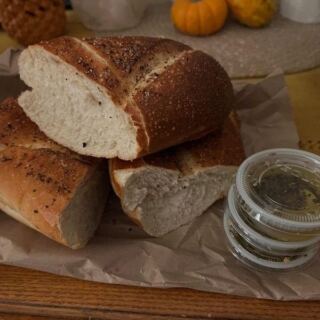
Freshly baked French bread arrives at the table early, warm and excellent, and more than a few guests have asked for a second basket before their appetizers even arrive. Starting a New Orleans afternoon with lunch at Antoine’s is a genuinely good idea.
The Atmosphere That Makes History Feel Real
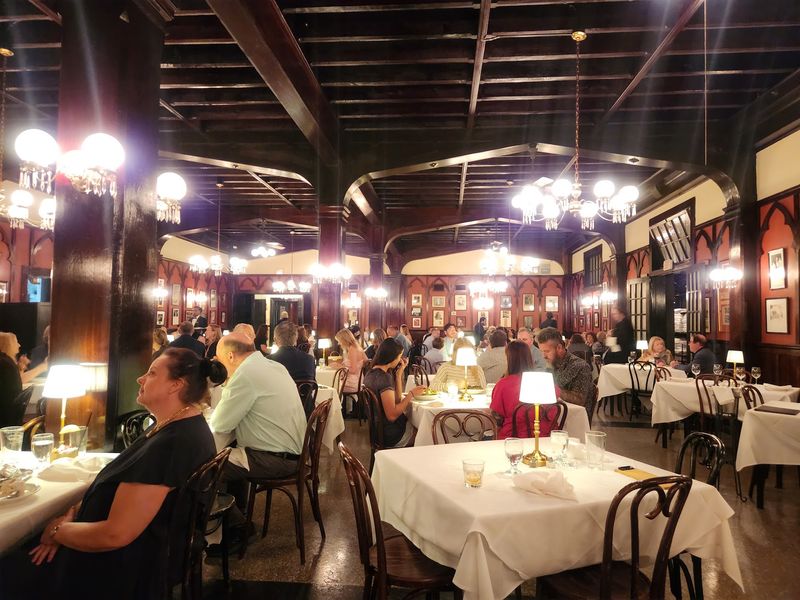
White tablecloths, servers in black suits, dimmed lighting, and walls layered with photographs and memorabilia create an atmosphere that very few restaurants anywhere in the country can replicate. Antoine’s does not feel like a place trying to look historic.
It simply is historic, and that difference registers the moment you walk through the door.
The main dining room carries a formal elegance that still manages to feel warm rather than stiff. Guests celebrating anniversaries, birthdays, and special milestones have described the setting as exactly what they hoped for when they pictured a classic New Orleans fine dining experience.
The restaurant has hosted an extraordinary range of famous visitors over its long history, and their presence is quietly documented on the walls throughout the space. Sitting down at a table here means sitting in the same room where a remarkable number of notable people have eaten, celebrated, and made memories of their own.
Special Occasions Feel Different Here
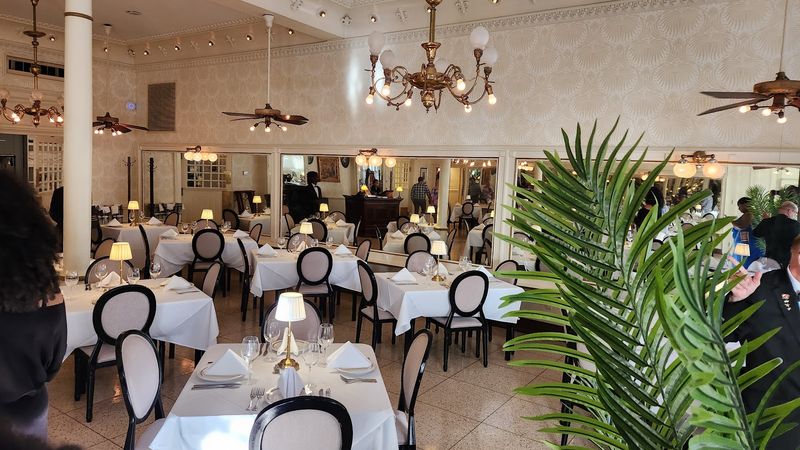
Antoine’s has a long tradition of making milestone moments feel genuinely special. Guests celebrating birthdays have been surprised with complimentary bread pudding and champagne brought out by attentive servers who noticed the occasion.
Wedding anniversaries have been marked with free champagne and warmth from the staff that guests remember long after the meal ends.
The restaurant’s Easter brunch draws families dressed in their finest, with seersucker suits and elegant hats filling the dining rooms while a jazz combo plays nearby. The prix-fixe format on busy holiday weekends offers enough variety to satisfy most tastes, and the kitchen accommodates younger guests with thoughtful flexibility.
There is a generosity of spirit at Antoine’s that goes beyond the food itself. When a server takes a guest on an impromptu tour of the historic dining rooms or shares a piece of the restaurant’s story between courses, the evening becomes something much larger than dinner.
Anthony Bourdain Called It His Favorite
When Anthony Bourdain, one of the most respected and widely traveled food personalities in the world, named Antoine’s his favorite restaurant in New Orleans, it carried real weight. Bourdain was not easily impressed, and he had eaten in virtually every serious dining room the city had to offer.
His endorsement pointed to something that longtime visitors already understood: Antoine’s is not simply coasting on its age and reputation. The kitchen produces food that earns its place on the table, and the overall experience, the rooms, the history, the service, the ritual of ordering the Baked Alaska at the start of the meal, adds up to something that other restaurants simply cannot copy.
New Orleans has no shortage of celebrated restaurants, and the competition for the title of best in the city is fierce. The fact that Bourdain kept coming back to Antoine’s says more than any review could.
Why People Keep Coming Back
Some restaurants earn a single visit out of curiosity. Antoine’s earns return trips.
Guests who come for lunch discover they want to see what dinner looks like. Those who dine in one room wonder what the others feel like.
People who missed the Baked Alaska the first time make sure to order it early the second time around.
The combination of verifiable history, genuine culinary craft, and a recipe mystery that has lasted over a century creates a restaurant experience that is almost impossible to fully exhaust in one visit. There is always something more to notice, taste, or discover.
New Orleans rewards curious visitors, and Antoine’s fits that spirit perfectly. The French Quarter neighborhood surrounding the restaurant offers its own layers of history, music, and food culture worth exploring.
But for a meal that connects you directly to the city’s culinary past, 713 St. Louis Street remains the place to go.
Share this story