Water is everywhere on Earth, yet billions of people struggle to find enough clean, safe water to meet their daily needs. Population growth, climate change, and aging infrastructure are pushing freshwater supplies to their limits across dozens of countries.
From crowded cities to rural farming communities, the pressure on rivers, lakes, and underground aquifers is intensifying every year. These 12 countries show just how serious the global water crisis has become, and why solving it matters for all of us.
Jordan
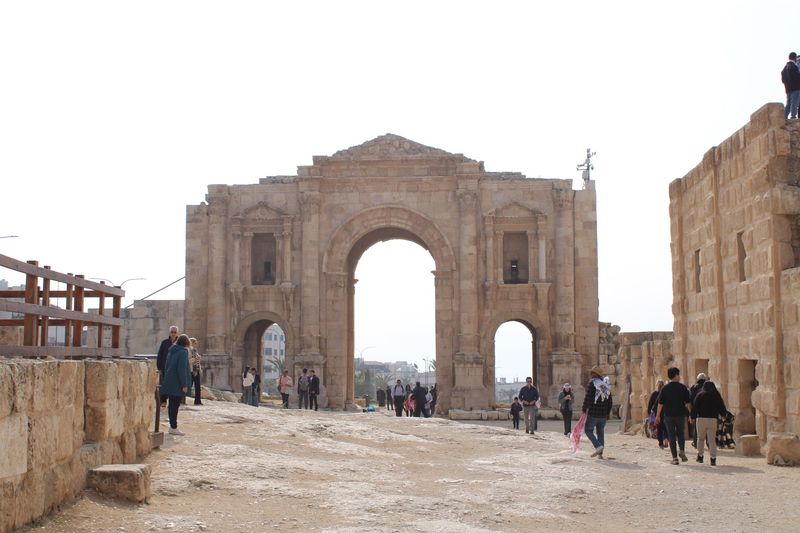
Jordan holds the uncomfortable title of one of the most water-poor countries on the planet, and the numbers back that up hard. Renewable freshwater per person has dropped to roughly 61.6 cubic meters annually, far below the 500-cubic-meter threshold that experts use to define absolute scarcity.
That gap between what nature provides and what people need is not shrinking anytime soon.
A fast-growing population, large refugee communities, and thirsty agricultural sectors all compete for the same limited supply. Climate change is expected to shrink per-capita water availability by another 30% by 2040, which makes an already tight situation feel nearly impossible.
Jordan’s aquifers are ancient and slow to recharge, meaning what gets pumped out today may not come back for generations.
The government is pushing desalination projects, wastewater reuse programs, and infrastructure upgrades to cut water losses from leaky pipes. These efforts show real commitment, but demand keeps outpacing progress.
Jordan’s story is a preview of what water scarcity looks like when geography, politics, and climate all work against you at the same time.
Yemen
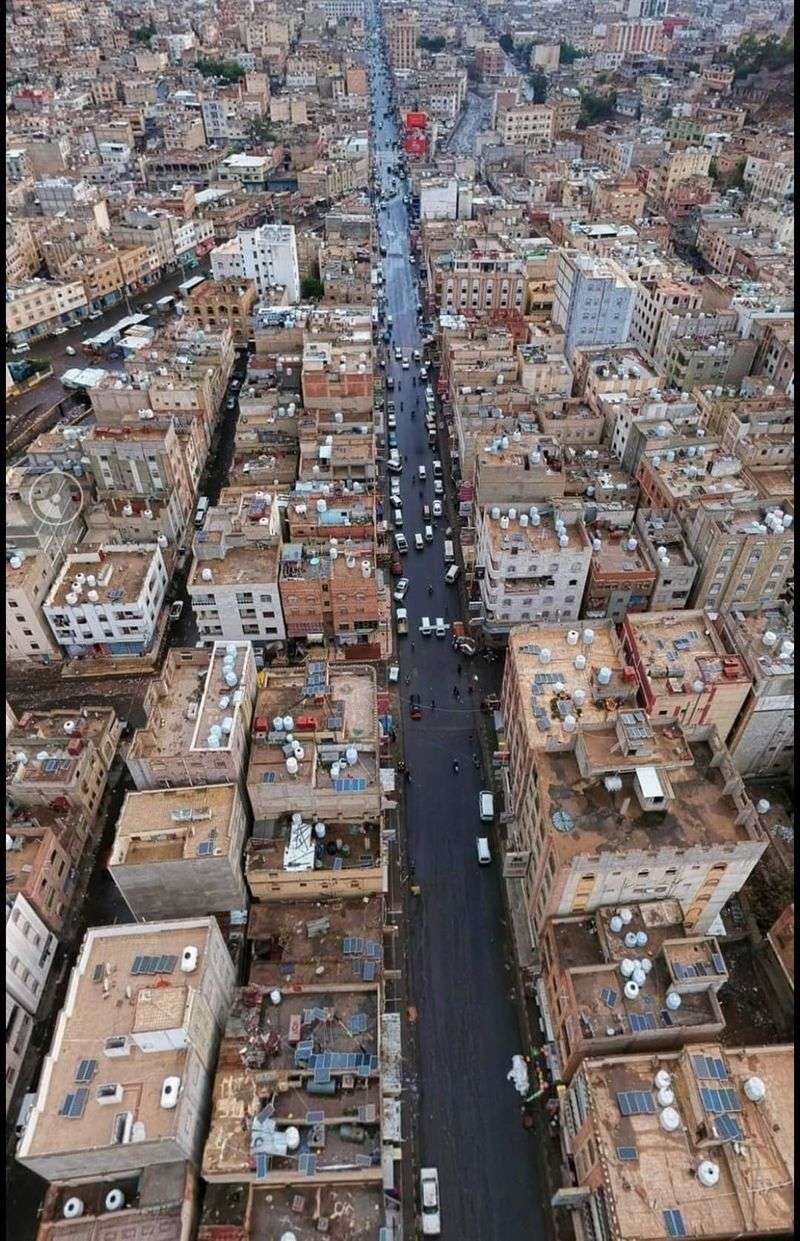
Yemen’s water crisis is not just about rainfall. It is about what happens when conflict tears apart the systems that deliver water to people’s homes.
Fuel shortages mean pumps stop working. Displacement means pipes go unrepaired.
Waterborne disease spreads when sanitation collapses alongside the supply network.
UNICEF reported in 2025 that roughly 15.3 million people, including eight million children, lacked adequate access to safe water, sanitation, and hygiene services. Only about one-third of the population is connected to any kind of piped water network at all.
Those numbers represent real families making impossible choices every single day.
Communities have turned to groundwater pumping as a backup plan, but aquifers cannot keep compensating for weak rainfall and rising demand forever. Once a shallow aquifer is drained, it can take decades to recover.
Yemen’s crisis is a sharp reminder that water security depends on peace and functioning governments just as much as it depends on rain clouds and rivers.
Morocco
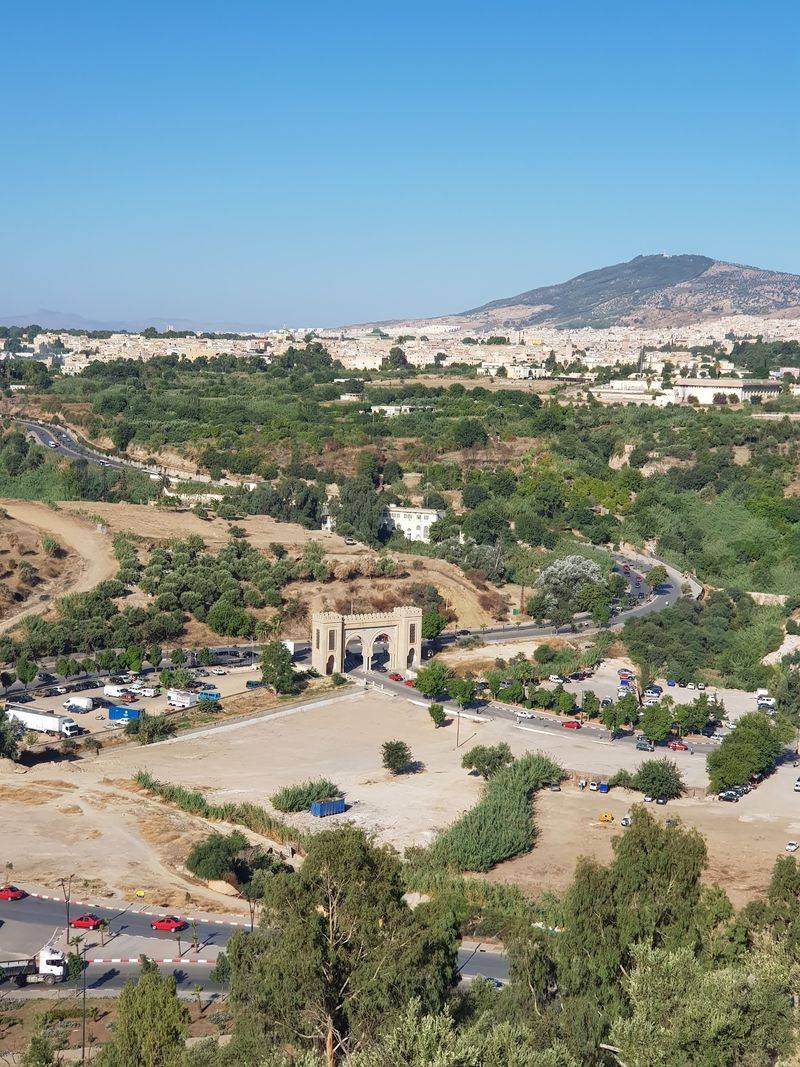
Morocco has been dealing with back-to-back droughts so severe that they have reshaped the country’s entire approach to water management. Farming, which already consumes enormous quantities of water, becomes especially vulnerable when rainfall drops and reservoirs shrink faster than they can refill.
For a country where agriculture supports millions of livelihoods, that vulnerability is deeply personal.
The World Bank has flagged water scarcity and drought as a top climate-development priority for Morocco, noting how prolonged dry spells expose just how fragile the country’s freshwater systems really are. Inter-basin water transfers, new dams, and expanded irrigation efficiency programs are all part of Morocco’s response plan.
These are not small investments, and they signal how seriously officials now treat a problem that once seemed seasonal.
Desalination plants and treated-wastewater reuse programs are also expanding along the coast and in agricultural zones. Morocco is essentially building a new water economy from the ground up, one that can survive hotter, drier conditions.
The ambition is impressive, but the race between infrastructure upgrades and worsening drought conditions remains very much unfinished.
Iraq
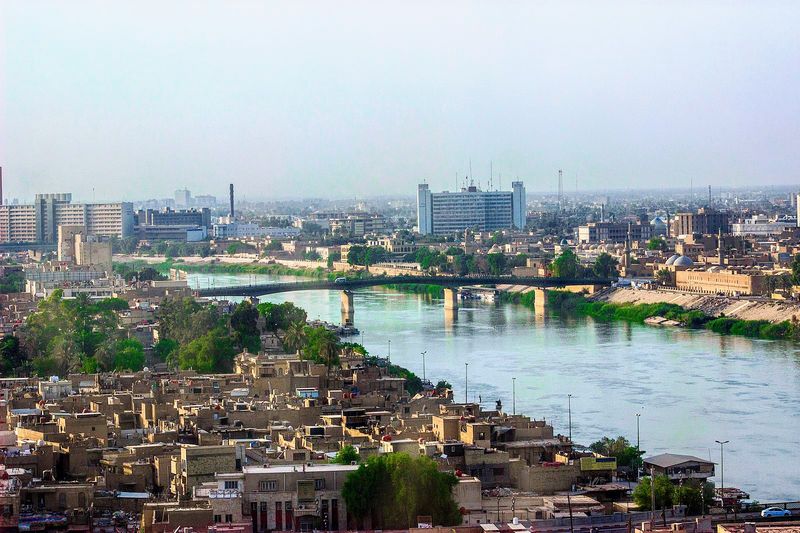
Few places on Earth carry the historical weight of the land between the Tigris and Euphrates rivers. This region fed civilizations for thousands of years, yet in 2025, UNICEF and Iraq’s General Directorate of Water issued urgent warnings about shrinking water resources that require immediate action.
History does not guarantee future supply.
Lower river flows, heavy agricultural demand, pollution, and damaged infrastructure have all combined to stress Iraq’s water system beyond comfortable limits. Climate change amplifies every one of those pressures, making droughts longer and heatwaves more intense.
The World Bank identifies water scarcity as one of Iraq’s most serious climate vulnerabilities going forward.
The consequences ripple far beyond drinking water. Reduced river volumes hurt agriculture, shrink wetlands that support biodiversity, reduce hydroelectric output, and degrade overall water quality.
Iraq’s famous Mesopotamian marshes, once one of the world’s great wetland ecosystems, have already suffered dramatic losses from reduced river flows. Rebuilding water security here will require regional cooperation, major infrastructure investment, and smarter management of every drop that flows through those ancient rivers.
Egypt
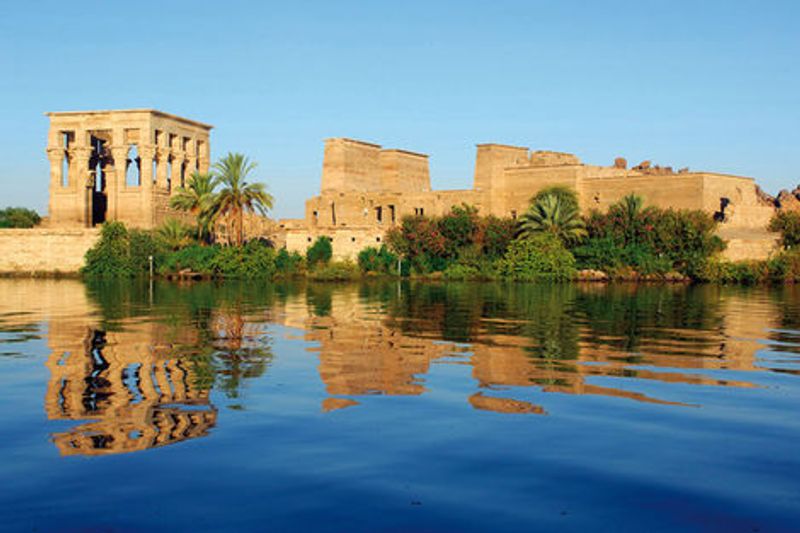
Imagine building an entire civilization around a single river and then watching that river’s future become uncertain. That is exactly where Egypt finds itself today.
The Nile supplies more than 97% of the country’s freshwater, which means Egypt’s water security and the Nile’s water levels are essentially the same conversation.
Population growth has already pushed per-capita water availability to alarming lows, and the World Bank projects that Egypt could cross into extreme water scarcity territory around 2033 if current trends hold. Upstream dam construction, particularly Ethiopia’s Grand Ethiopian Renaissance Dam, adds political and hydrological complexity to an already strained system.
Negotiations over Nile water sharing have been tense and unresolved for years.
Egypt is expanding desalination capacity along its Mediterranean and Red Sea coastlines, improving agricultural irrigation efficiency, and investing in wastewater treatment and reuse. These strategies can help, but they cannot fully replace the Nile’s role in feeding, hydrating, and cooling a country of over 100 million people.
Egypt’s water future depends on both smart domestic policy and productive diplomacy with its upstream neighbors.
Pakistan
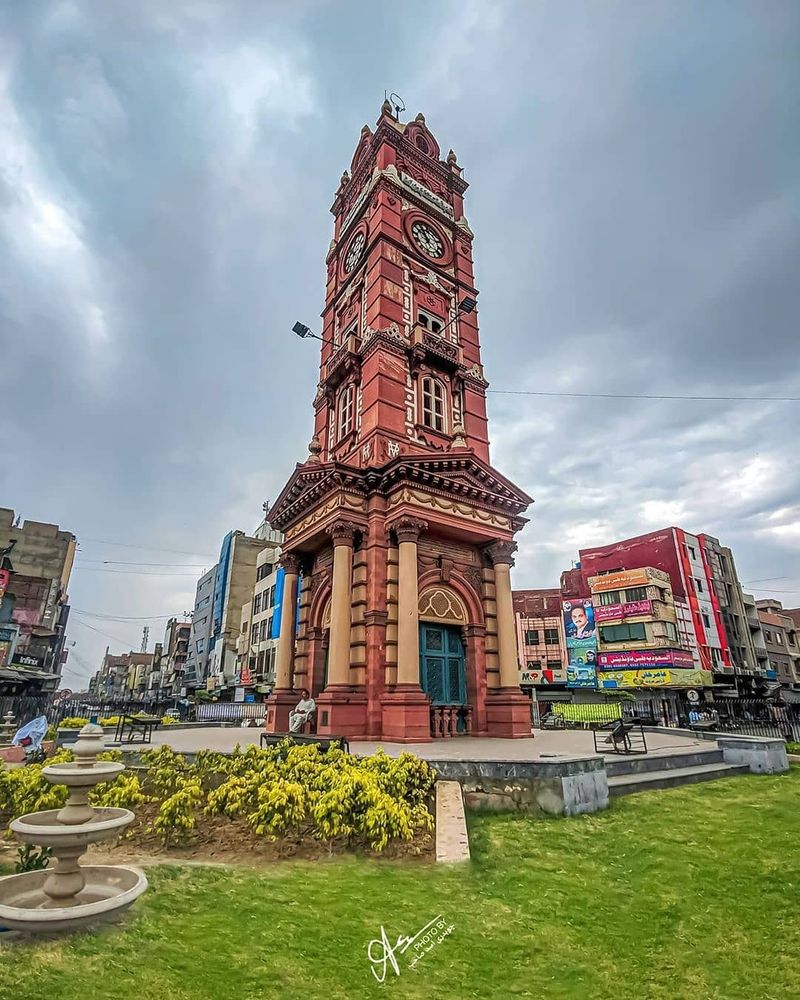
Pakistan sits on one of the world’s largest river systems, yet water scarcity still bites hard. The Indus Basin feeds agriculture across millions of hectares, but groundwater has quietly become the backbone of both farming and household water supply.
The problem is that the groundwater is disappearing faster than rain and snowmelt can replace it.
The World Bank has warned that without serious reforms and stronger demand management, water scarcity could become a major brake on Pakistan’s long-term economic growth. That is a striking warning for a country where agriculture employs a huge share of the workforce.
Inefficient flood irrigation, growing urban populations, and industrial demand are all pulling from the same shrinking reserves.
Pakistan’s water story also has a cruel seasonal twist. Devastating monsoon floods can swamp entire provinces in one year while chronic shortages grip farming communities in another.
Having too much water at the wrong time and too little at the right time is a storage and infrastructure problem as much as a rainfall problem. Solving it will require massive investment in reservoirs, distribution networks, and water-use efficiency across every sector of the economy.
India
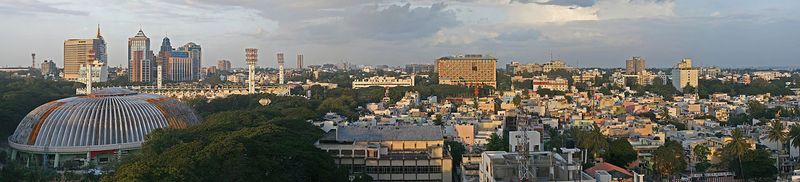
India does not have a simple water shortage. It has a water-distribution nightmare, where rainfall can be plentiful in one region and dangerously scarce in another, sometimes within the same season.
Groundwater powered India’s agricultural revolution, but decades of intensive pumping have pushed aquifer levels to alarming depths across huge swaths of the country.
The World Bank estimates that falling groundwater levels threaten roughly 63% of India’s districts. Northern India has been specifically flagged as a region already facing freshwater scarcity in global monitoring reports.
Add contamination from agricultural runoff, industrial discharge, and poor sanitation, and the quality of available water becomes as serious a problem as the quantity.
Erratic monsoons made worse by climate change, rapid urbanization, and soaring irrigation demand all press down on a system that was already under strain. Some Indian cities have experienced near-complete reservoir failures during drought years, forcing residents to line up for tanker deliveries.
India’s challenge is not just finding more water. It is building the storage, treatment, and distribution systems that can match water supply with water need across a population of 1.4 billion people.
Tunisia
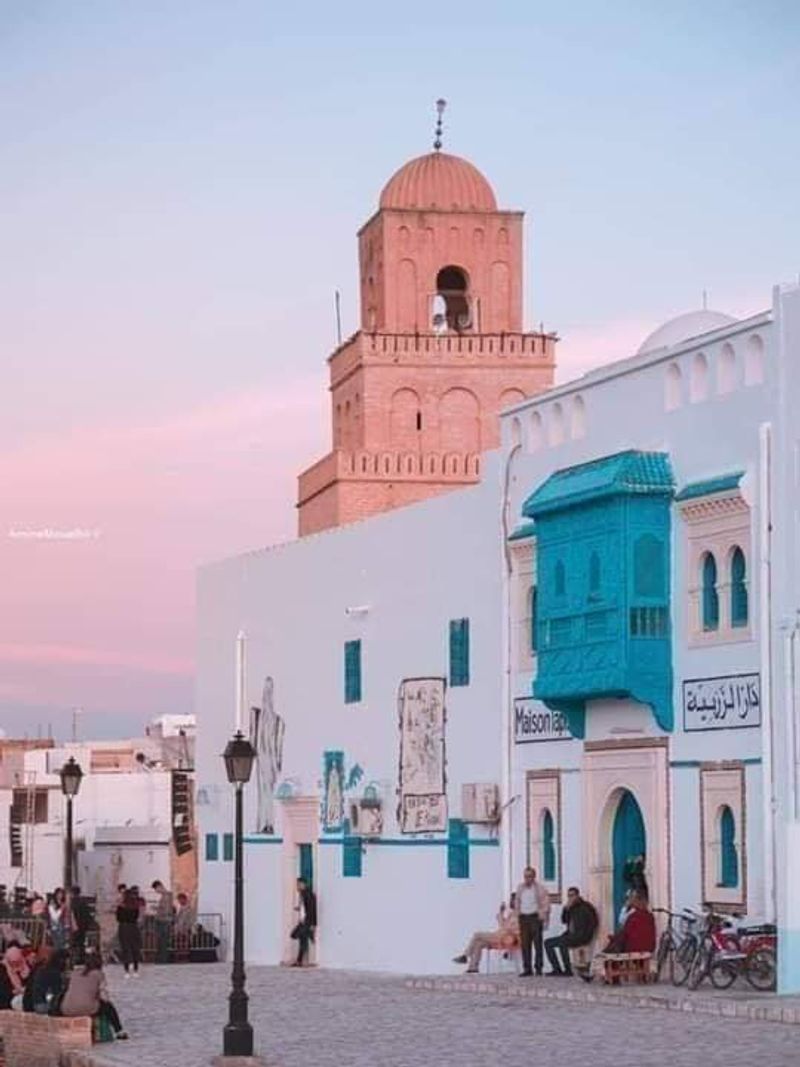
Tunisia receives only about 420 cubic meters of water per person each year, according to FAO data. That figure already falls below the 500-cubic-meter marker that researchers use to define absolute water scarcity, which means Tunisia is not approaching a threshold.
It has already crossed it.
Agriculture accounts for the largest share of water consumption, and much of it draws from underground aquifers that recharge slowly. Drought and declining rainfall intensify competition among farms, cities, industries, and the ecosystems that depend on healthy water flows.
When aquifers drop, shallow wells that rural communities rely on can simply go dry.
Tunisia has been expanding its use of treated wastewater in agriculture as a way to stretch conventional freshwater supplies further. FAO has actively supported those programs, helping develop safe systems for using reclaimed water on crops without creating public health risks.
The approach is practical and increasingly necessary. Tunisia’s situation shows that water scarcity is not always dramatic.
Sometimes it is a slow, steady tightening of available resources that forces communities to rethink how every single liter gets used.
Somalia
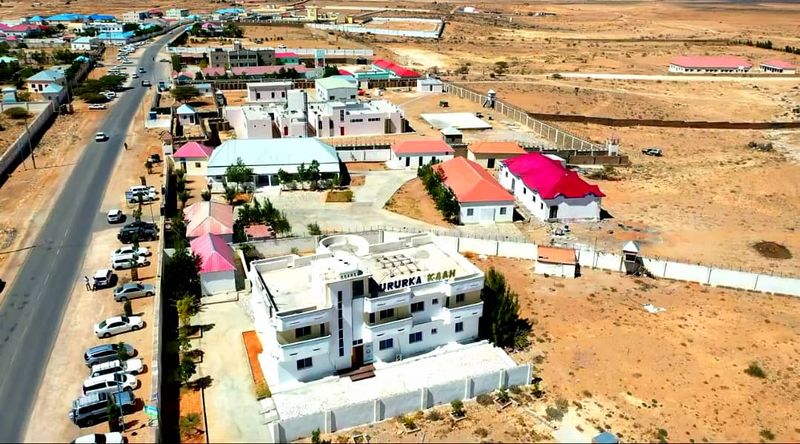
Somalia knows what it feels like when the rains simply do not come. Failed rainy seasons hit wells, livestock, crops, and household water sources all at once, leaving communities with almost no backup options.
In a country where infrastructure is sparse and conflict has damaged what little existed, drought does not stay a weather event for long. It becomes a humanitarian emergency.
UNICEF reported worsening drought and rising water prices across much of Somalia during 2025, with more than five million people projected to need water, sanitation, and hygiene assistance by year’s end. When water becomes scarce, prices spike, and the families least able to pay are always the most exposed.
Children suffer the most, facing dehydration, disease, and malnutrition when clean water disappears.
Conflict and displacement make building and maintaining water infrastructure extraordinarily difficult. Drilling new wells, repairing pipelines, and running water treatment systems all require security, funding, and skilled workers that are hard to sustain in active conflict zones.
Somalia’s water crisis is a compounding problem where climate shocks, political instability, and poverty reinforce each other in ways that make simple solutions almost impossible to implement.
Iran
Lake Urmia used to be one of the largest saltwater lakes in the world. Today it has shrunk to a fraction of its former size, and its slow disappearance has become one of the most visible symbols of Iran’s water crisis.
Decades of over-extraction, intensive irrigation, and drought have drained the basin that once fed it.
WRI identifies Iran among countries where severe water stress is already plainly visible, alongside India, Mexico, and South Africa. Many Iranian river basins depend heavily on groundwater pumping and irrigation systems that have been drawing down aquifers faster than natural recharge can keep up.
Falling water tables, disappearing lakes, and increasingly unreliable river flows are all signs of a system under serious strain.
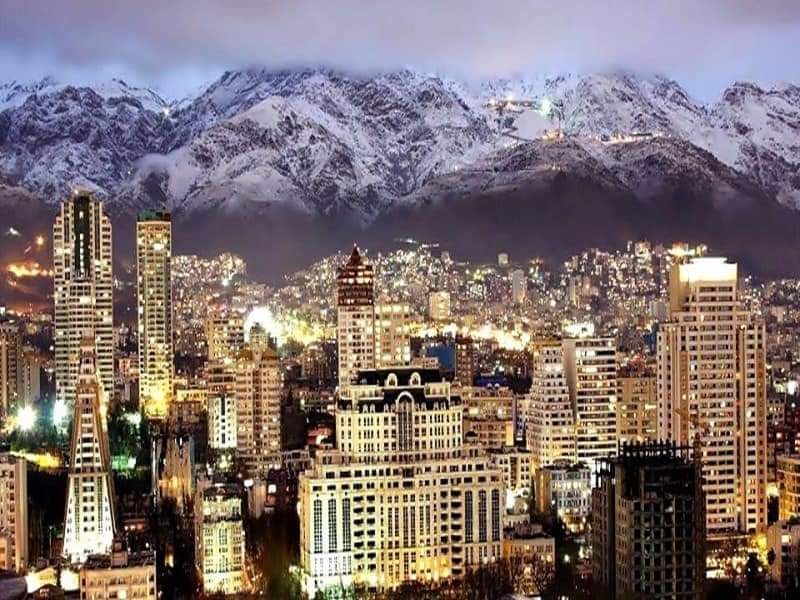
Urban demand adds another layer of pressure. Tehran and other major cities require enormous water supplies, much of which must be piped in from distant sources or pumped from deep underground.
FAO has identified water-resource development and irrigation management as core challenges for Iran’s agricultural sector. Without major reforms in how water is allocated and used, Iran’s naturally dry climate will keep colliding with its enormous demand in ways that are very hard to reverse.
Mexico
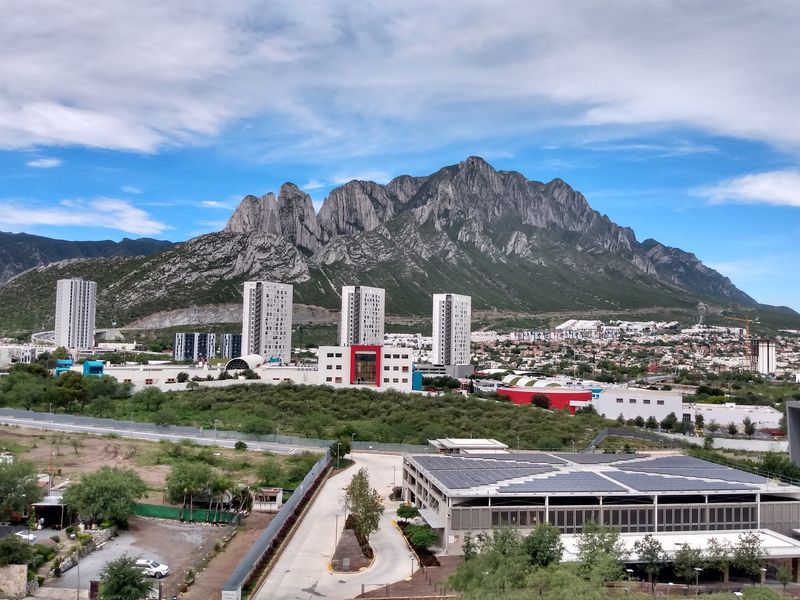
Mexico City is sinking. Literally.
Decades of pumping groundwater from beneath the metropolitan area have caused the city to subside, in some areas by several meters, while the aquifers that were drained are now too compact to ever fully recover. It is one of the more dramatic examples of what groundwater overexploitation looks like in practice.
The country’s water challenges vary wildly by region. The wetter southern states have relatively abundant rainfall, while the dry north and central plateau face intense competition among cities, farms, and industries for limited aquifer and reservoir supplies.
The World Bank has long flagged overexploitation and scarcity in multiple regions as urgent problems requiring structural solutions.
Recent drought cycles have turned reservoir levels and urban water supply into headline political issues. When reservoirs drop and rationing kicks in, ordinary people feel it immediately through low pressure, dry taps, and expensive water deliveries.
Mexico is investing in water recycling, conservation programs, and infrastructure upgrades, but the gap between supply and demand in its most stressed regions remains wide. The combination of a sinking capital city and drying northern states makes Mexico’s water challenge one of the most complex in the Western Hemisphere.
South Africa
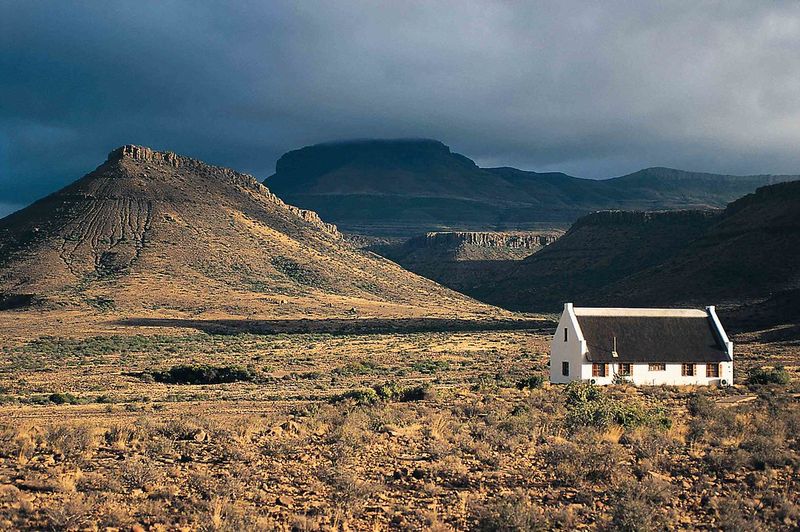
Cape Town came within weeks of becoming the first major modern city to run out of municipal water. Officials called it Day Zero, the point when taps would be shut off and residents would have to queue at distribution points for daily rations.
Aggressive conservation measures, reduced agricultural allocations, and a return of rainfall eventually prevented that outcome, but the close call shook the country.
The structural pressures that created the crisis have not gone away. South Africa’s rainfall is highly variable and concentrated in certain regions, while cities, farms, and industries spread demand far beyond where water naturally falls.
Aging pipes lose enormous volumes to leaks before water ever reaches a tap. Pollution from mining and inadequate sanitation degrades water quality in rivers and groundwater sources across multiple provinces.
WRI includes South Africa among countries where severe water-stress events have already delivered a clear warning about what tightening supply looks like in practice. Inequality makes the problem sharper.
Wealthier households can afford storage tanks and private solutions, while low-income communities bear the heaviest burden when public supply fails. South Africa’s challenge is not just physical scarcity.
It is also about building water systems that work fairly for everyone.
Share this story