Some mountains don’t just test your strength, they test your entire will to keep going. The world’s hardest climbs combine brutal cold, thin air, unstable snow, and technical rock and ice that would stop most people in their tracks.
These routes have humbled some of the best climbers alive, turning back legends and claiming lives along the way. If you want to understand what the absolute edge of human endurance looks like, these fifteen climbs tell that story better than anything else.
K2, Pakistan/China
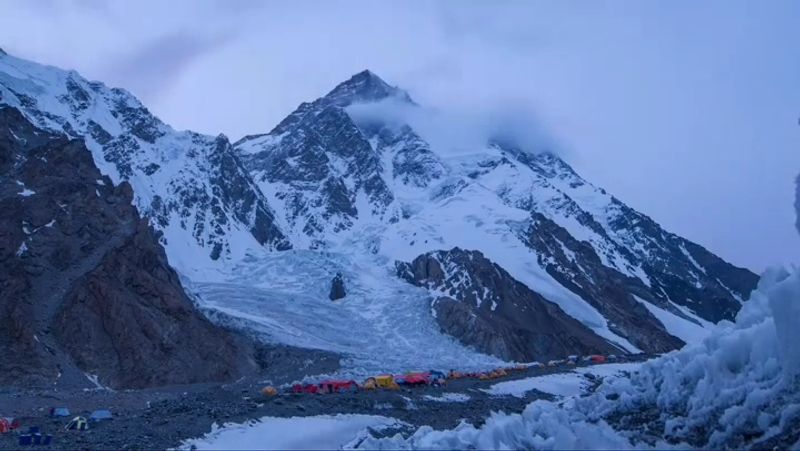
Standing at 8,611 meters, K2 has a reputation that arrives before any climber ever sets foot on its slopes. The UIAA has called it arguably the most difficult mountain in the world, and the statistics back that up without hesitation.
Its summit-to-death ratio is far grimmer than Everest’s, and the mountain rarely offers mercy.
Every established route on K2 involves sustained steep climbing at extreme altitude, where avalanches, rockfall, and crumbling snow can cut off retreat with almost no warning. One major Russian route features a massive mixed rock buttress stretching from roughly 6,600 to 8,050 meters, a section that would be considered seriously hard even at sea level.
Up here, the air holds barely a third of the oxygen you’d breathe at home.
Weather windows on K2 are short and unpredictable. Storms can materialize within hours and trap climbers in conditions that are genuinely unsurvivable without shelter.
The Himalayan Database has tracked decades of expeditions on this peak, and the pattern is consistent: K2 rewards only the most prepared, most patient, and most technically gifted climbers on the planet.
Annapurna I South Face, Nepal
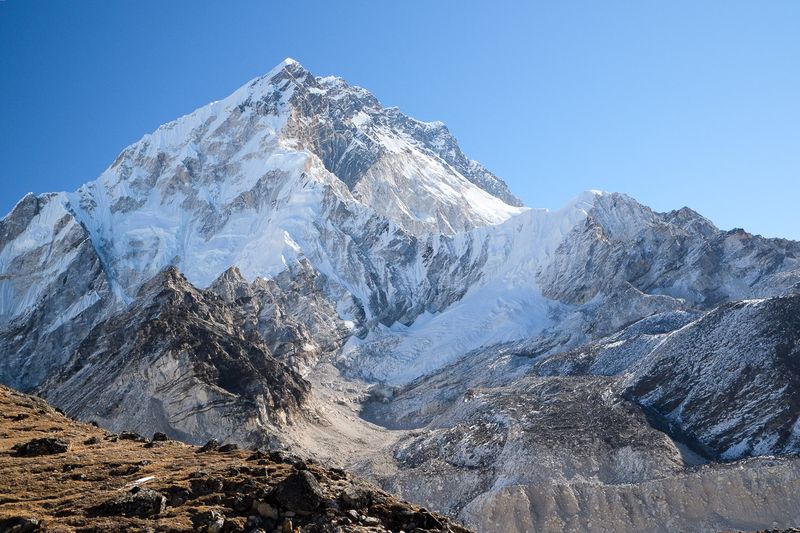
Forget the summit number for a moment. Annapurna I tops out at 8,091 meters, but the South Face is a completely different animal from simply walking a standard route to a high-altitude peak.
The wall rises roughly 10,000 feet of near-continuous technical terrain, and it rewrote what climbers thought was possible when it was first climbed in 1970.
Accounts from that historic first ascent describe steep ice ridges, a brutal bottleneck high on the face, and terrain so demanding that moving supplies upward became a full climbing challenge on its own. Every pitch required real technical skill, not just the endurance grind of a standard expedition.
The face sits at the intersection of big-wall climbing and extreme altitude, which is a combination that leaves very little margin for error.
Today, the South Face remains a benchmark for commitment in Himalayan climbing. Objective hazards here are enormous, including hanging seracs and avalanche paths that can release without warning.
Climbers who have stood beneath it describe a feeling of being genuinely small, which is not a common sensation for people who regularly operate above 7,000 meters.
Nanga Parbat Rupal Face, Pakistan
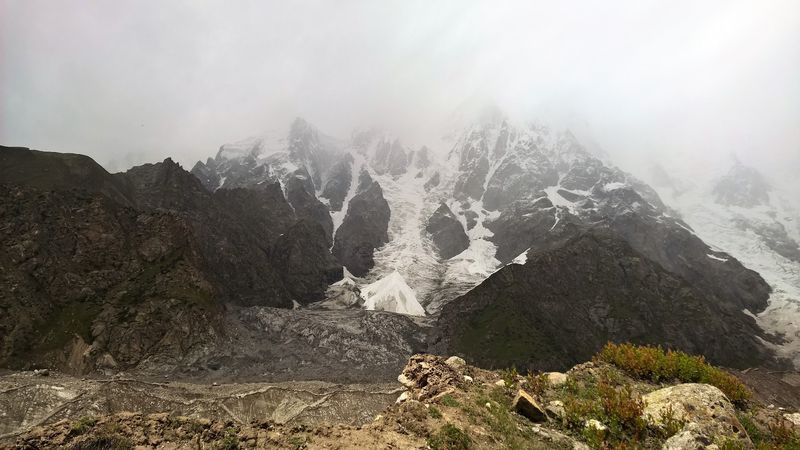
Fifteen thousand feet. That is how tall the Rupal Face of Nanga Parbat is, making it one of the largest mountain walls on the entire planet.
Just looking at it from base camp is enough to make experienced alpinists go quiet for a while. The sheer scale means climbers can spend multiple days exposed to shifting snow, ice, rock, and unpredictable storms before they even reach the upper mountain.
Modern expeditions have continued to prove how unforgiving this face truly is. Prolonged storms have stopped well-equipped teams cold, and difficult snow conditions have turned promising attempts into careful retreats.
Elite climbers have returned to Nanga Parbat’s Rupal Face repeatedly, drawn back by the challenge of establishing new alpine-style lines on terrain that seems almost impossibly big.
The face gained additional notoriety in 2013 when a nighttime attack at base camp killed ten climbers and one guide, adding a tragic human dimension to an already dangerous mountain. Nanga Parbat means “naked mountain” in Urdu, and the name suits it perfectly.
There is nowhere to hide up there, and the mountain has never pretended otherwise.
Kangchenjunga, Nepal/India
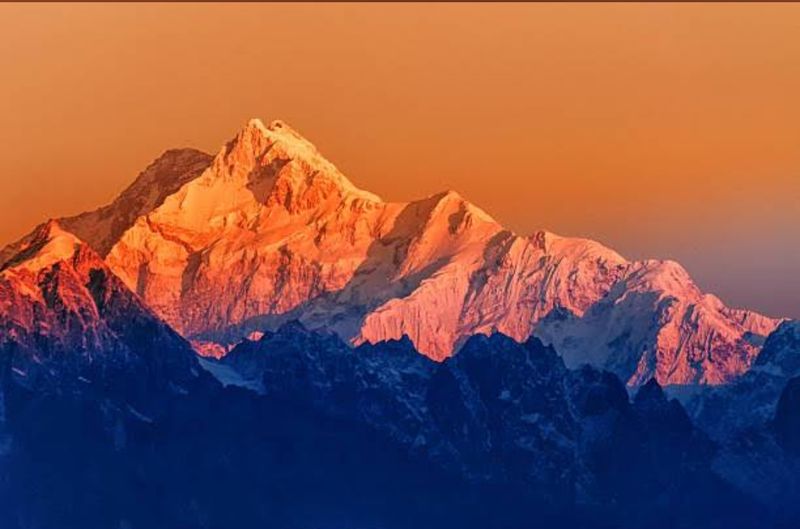
Third-highest mountain on Earth at 8,586 meters, Kangchenjunga is the kind of peak that makes even seasoned Himalayan climbers approach with extra caution. Its ridges are complicated, its glaciers are extensive, and avalanche terrain wraps around the mountain in ways that require constant vigilance from every expedition team.
Historical accounts from early expeditions describe the east face as extremely steep, a mix of rock and ice that was continuously threatened by large avalanches during the approach and ascent. One notable account pointed out that the icefall below was dangerous primarily because of avalanche exposure rather than technical difficulty alone, which highlights just how layered the hazards are on this mountain.
You cannot simply out-climb the objective danger here.
Even for climbers who regularly operate above 8,000 meters, Kangchenjunga demands an unusually broad skill set. Endurance, technical ability, route-finding judgment, and avalanche awareness all need to be firing at the same time.
The Sikkimese people consider the mountain sacred and have asked that climbers stop short of the true summit out of respect, a tradition that most expeditions now honor.
Makalu West Pillar, Nepal
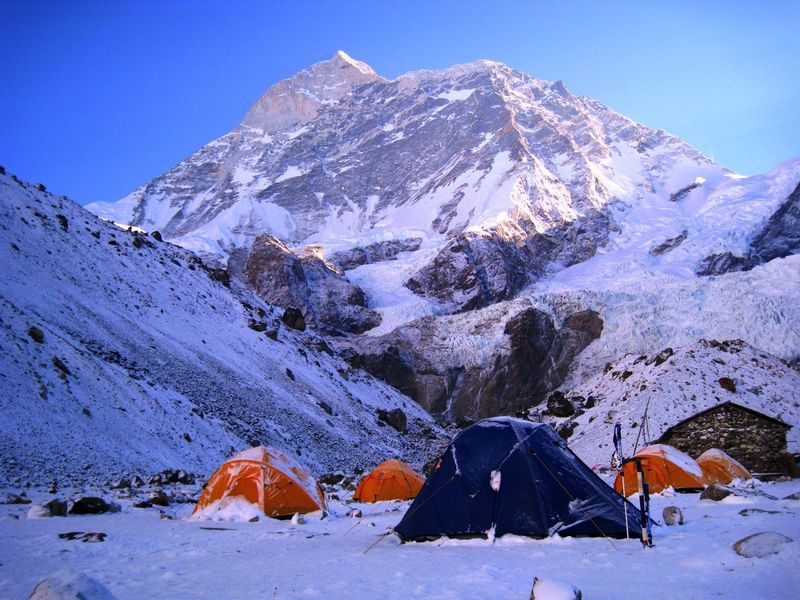
Granite at 8,000 meters is not something most people ever think about, but on Makalu’s West Pillar, it is the defining feature of one of the most technically demanding lines on any 8,000-meter peak. The upper granite pillar is where the real climbing begins, and what waits there is steep slabs and snow-filled cracks at an altitude where your brain and muscles are both operating well below full capacity.
One expedition spent roughly 50 days working the route, fixing ropes as high as 7,700 meters before climbers bivouacked near 8,000 meters. That kind of sustained effort at extreme altitude takes a physical and mental toll that is hard to overstate.
The recovery between hard climbing days is minimal because the body simply cannot repair itself properly when oxygen is this scarce.
The West Pillar sits at the crossroads of big-wall technique and high-altitude survival, and very few climbers possess both skill sets at the required level simultaneously. Makalu itself reaches 8,485 meters and sees far fewer expeditions than its more famous neighbors, partly because the approach is long and the technical demands are genuinely serious from low on the mountain.
Everest West Ridge and Hornbein Couloir, Nepal/Tibet
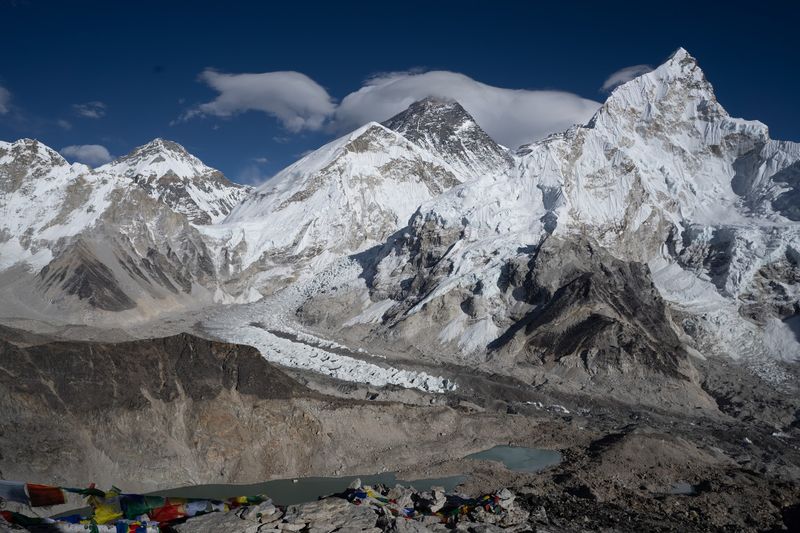
Most people picture Everest as a crowded commercial route, but the West Ridge and Hornbein Couloir belong to a completely different universe of mountaineering. In 1963, Tom Hornbein and Willi Unsoeld pushed through exposed upper-ridge terrain and the steep Hornbein Couloir before completing an unprecedented traverse of the entire mountain.
Nobody had done anything like it before, and very few have matched it since.
Later attempts on the West Ridge repeatedly ran into the same brutal combination: technical ground, extreme altitude, and weather that shuts things down fast. The North Face approach to the Hornbein Couloir involves sustained steep snow climbing far above 7,500 meters, terrain where even elite alpinists are operating near their absolute physiological ceiling.
One wrong step or one bad weather call at that height can end an attempt or worse.
The route demands climbers who are comfortable on technical ground at altitude, which narrows the field dramatically. Everest’s commercial side gets all the headlines, but the West Ridge quietly reminds the mountaineering world that the mountain still holds lines that can stop the very best.
Hornbein himself described the upper couloir as a place where commitment becomes irreversible.
Latok I North Ridge, Pakistan
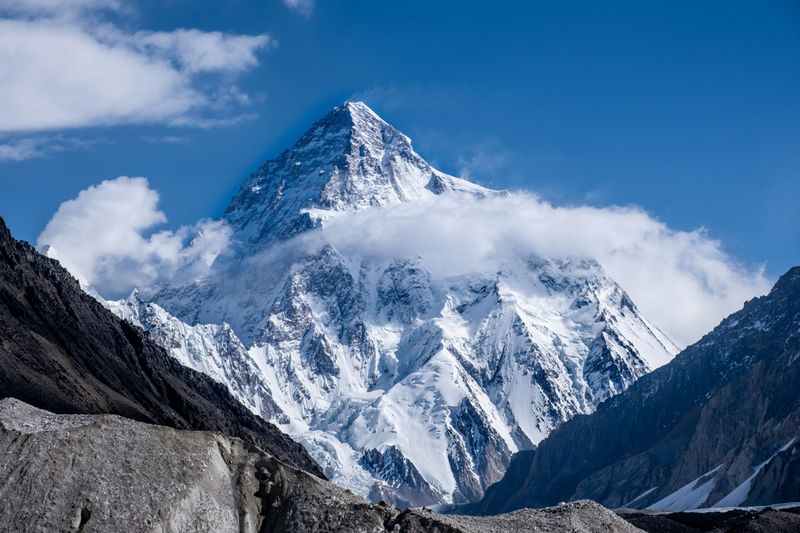
For decades, the North Ridge of Latok I was the great unfinished problem of Karakoram climbing. Elite teams from multiple countries tried and failed repeatedly, turning the route into something of a white whale for the alpinism world.
The ridge rises approximately 2,400 meters and combines complex route finding with sustained technical difficulty at serious altitude.
In 2018, a Russian team reached the top of the north ridge at roughly 7,050 meters, but the expedition ended in heartbreak. Sergey Glazunov died during the descent, and Alexander Gukov was stranded for six days before a dramatic helicopter rescue pulled him off the mountain.
The attempt showed both how close the best climbers in the world could get and how brutally the mountain could respond.
Latok I reaches only 7,145 meters, well below the 8,000-meter club, but that number tells you almost nothing about what the North Ridge actually demands. Technical difficulty, sustained exposure, remote location, and complex descent terrain combine to make this one of alpinism’s most respected challenges.
The mountain proves that elevation is just one part of what makes a climb genuinely hard.
Baintha Brakk – The Ogre, Pakistan
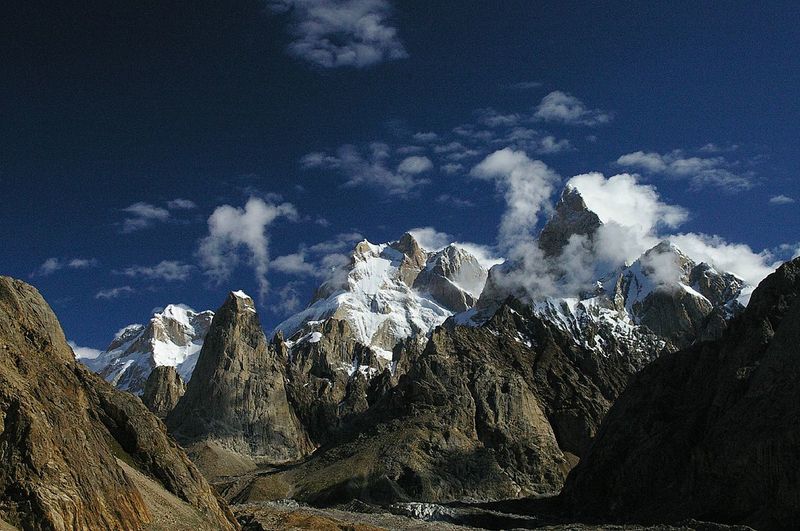
The nickname says everything you need to know before the climbing even starts. Baintha Brakk earned the title “The Ogre” through sheer brutality: steep technical rock, serious mixed climbing, high altitude, and a descent that has become one of the most famous survival stories in mountaineering history.
When Doug Scott broke both legs near the summit during the first ascent in 1977, he crawled down the mountain over several days while badly injured.
Later expeditions found the Ogre no more forgiving. Teams struggled with steep technical walls, highly complicated route finding, and conditions that changed quickly and without much warning.
Attempts on its southeastern side remained unresolved for years, and a 2012 American ascent was only the third time anyone had ever stood on the summit. Three ascents in over three decades tells you something important about this mountain’s character.
At 7,285 meters, the Ogre sits below the famous 8,000-meter peaks but demands technical skills that many of those higher summits do not require. Rock quality on the upper mountain is notoriously poor in places, adding rockfall risk to an already serious list of hazards.
Climbers who have been on it consistently rank it among the most demanding ascents of their careers.
Cerro Torre, Argentina
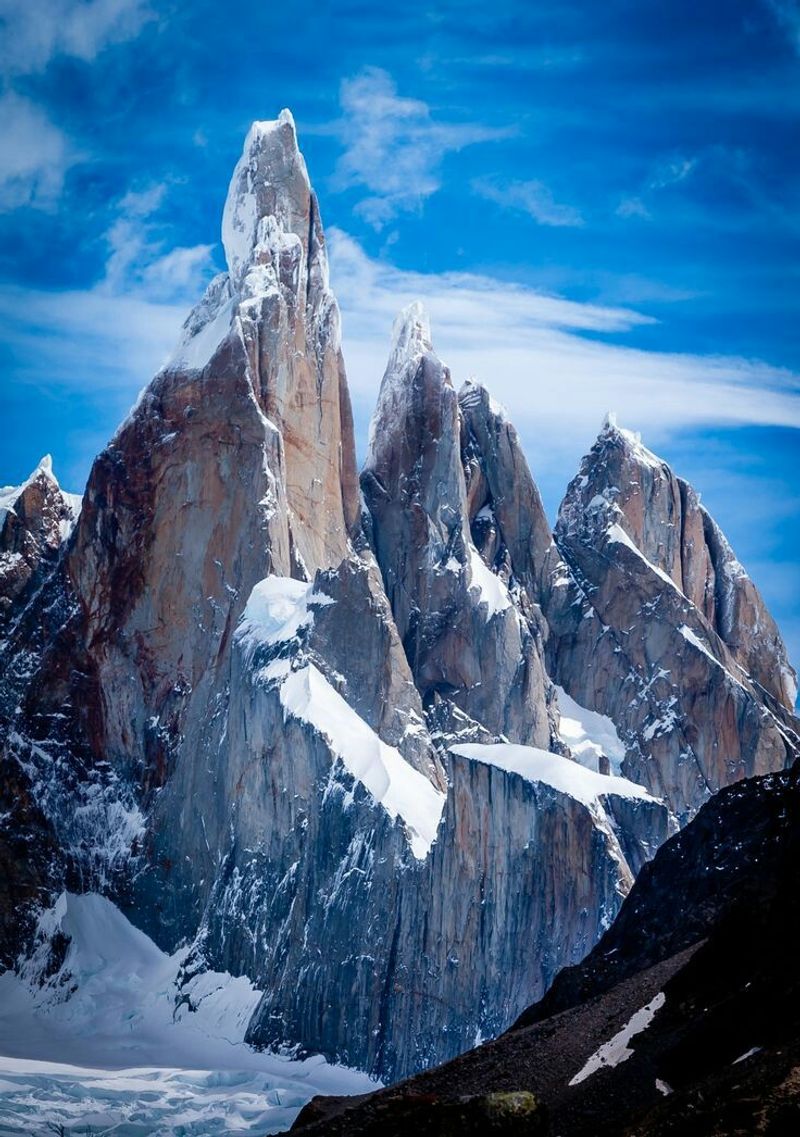
Cerro Torre looks like someone designed a mountain specifically to be impossible. The Patagonian tower combines vertical and overhanging granite with thick rime ice formations, ferocious winds, and weather so unreliable that experienced climbers have camped at its base for weeks waiting for a window that lasts only a few hours.
It is a place where patience is not optional.
Climbers who have attempted the South Face describe it as the hardest climbing they have ever encountered, and these are people with serious resumes. Snow and storms can coat already-difficult rock in fresh ice overnight, turning a known sequence into a completely different and more dangerous puzzle.
Fixed equipment left on the wall can be stripped away or buried by the time a team returns from a rest day.
The mountain’s history is also famously complicated. For years, the first ascent was disputed, with questions swirling around Cesare Maestri’s 1959 claim and his later controversial use of a compressor drill.
That story alone has generated books, films, and passionate debate in climbing circles for decades. Cerro Torre is not just a hard climb; it is a conversation about what climbing even means.
Fitz Roy via the Supercanaleta, Argentina
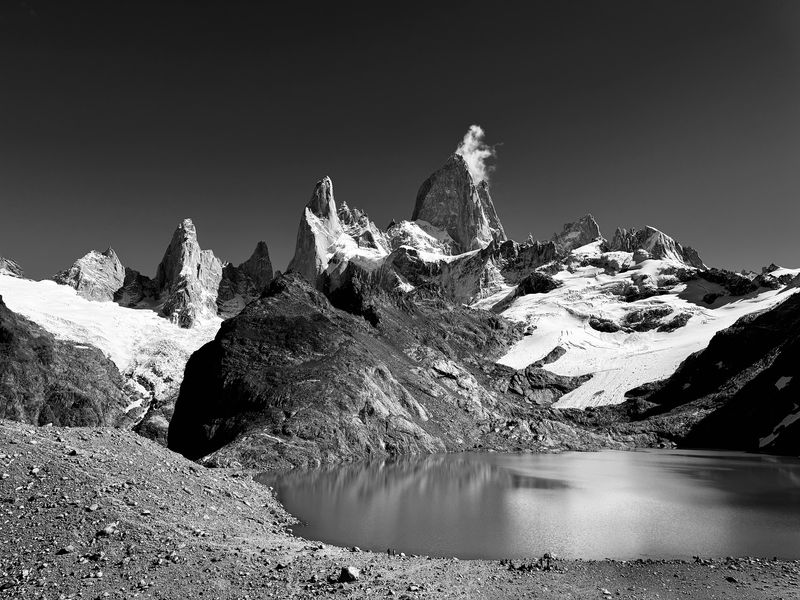
Fitz Roy does not ease you in. The mountain rises abruptly above the Patagonian steppe as a massive granite massif, and the Supercanaleta route follows an enormous couloir system up its western side that demands long sustained climbing before depositing you on a complicated summit ridge.
The approach across the glacier is already serious, and things only get harder from there.
American Alpine Journal accounts of Fitz Roy expeditions read like weather reports as much as climbing narratives, because Patagonian conditions define everything here. Steep snow, exposed rock faces, and a descent that requires careful navigation combine with weather that can go from clear to dangerous within an hour.
Climbers have been pinned in tents for days at a time while storms batter the mountain above them.
The summit sits at 3,405 meters, modest by Himalayan standards, but the technical commitment required to get there is genuinely world class. First climbed in 1952 by Lionel Terray and Guido Magnone, Fitz Roy immediately established itself as one of alpinism’s great prizes.
Modern climbers continue to push faster and bolder ascents on its walls, but the mountain’s essential seriousness has never changed.
Denali Cassin Ridge, Alaska
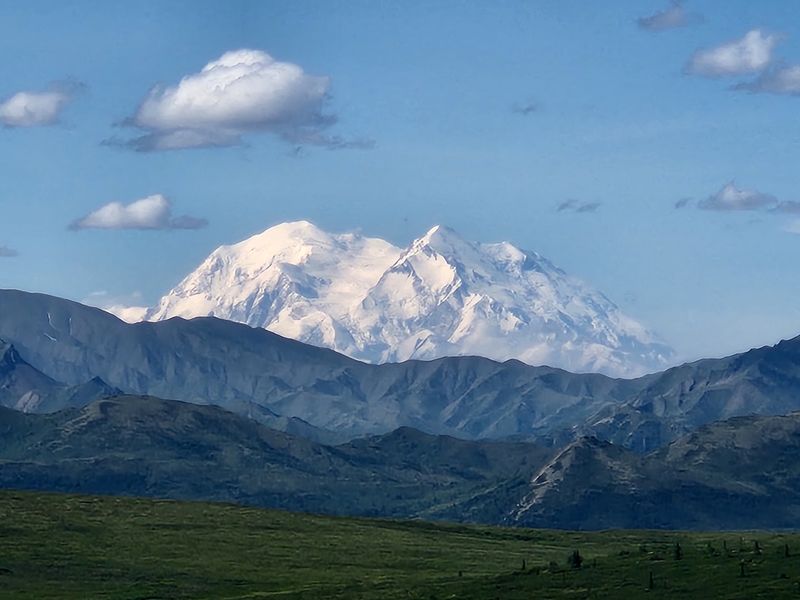
Denali’s standard West Buttress already weeds out a significant number of aspiring climbers every year through cold, crevasse danger, altitude, and storms that arrive fast and hit hard. The Cassin Ridge takes all of that and adds technical climbing that would be challenging anywhere in the world.
This is not the same mountain anymore; this is a different level of commitment entirely.
The U.S. National Park Service describes the Cassin Ridge as a technically difficult route involving a one- to two-day approach followed by roughly three to six days on terrain ranging from 55 to 75 degrees of snow, ice, rock, and mixed ground.
Those angles matter at altitude, in cold, with a heavy pack, and with the knowledge that rescue is complicated and slow in this part of Alaska.
The NPS specifically notes that difficulty on Denali must account for more than technical grade alone, because weather, objective hazards, and the extreme subarctic environment all multiply the challenge. Temperatures can drop below minus 40 degrees Fahrenheit, and storms can last for days.
First climbed in 1961 by Ricardo Cassin’s Italian team, the ridge remains one of North America’s most respected and demanding alpine objectives.
Eiger North Face, Switzerland
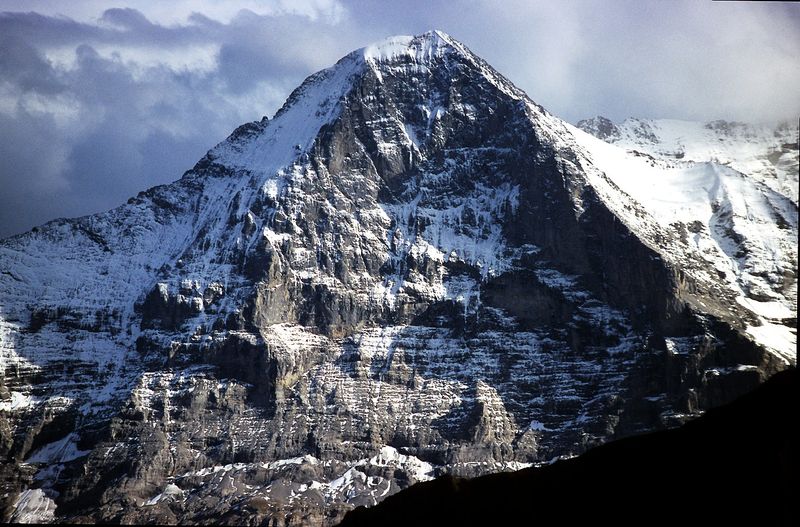
No mountain in the Alps carries more psychological weight than the Eiger. Its North Face, known in German as the Nordwand and grimly nicknamed the Mordwand or “murder wall,” rises 1,800 meters of limestone, ice, and mixed terrain above the village of Grindelwald, where tourists have historically watched climbing dramas unfold through telescopes from hotel terraces below.
The Swiss Alpine Club warns that impatience, overconfidence, or ignoring conditions can still lead to accidents or climbers becoming trapped on the wall. That warning is not just historical caution; it reflects the face’s ongoing ability to punish small errors quickly.
Rockfall, ice, rapidly changing weather, and difficult route finding can all combine within the same day on the Nordwand.
First climbed in 1938 after years of failed attempts and multiple deaths, the Eiger became a symbol of human ambition meeting natural brutality. Unlike the Himalayan giants, the challenge here is compressed into a single enormous Alpine wall where everything happens fast.
Modern speed records on the face are jaw-dropping, but they are set by climbers whose preparation and fitness would astonish most people. The Eiger still demands full respect from anyone who sets foot on it.
Grandes Jorasses North Face, France/Italy
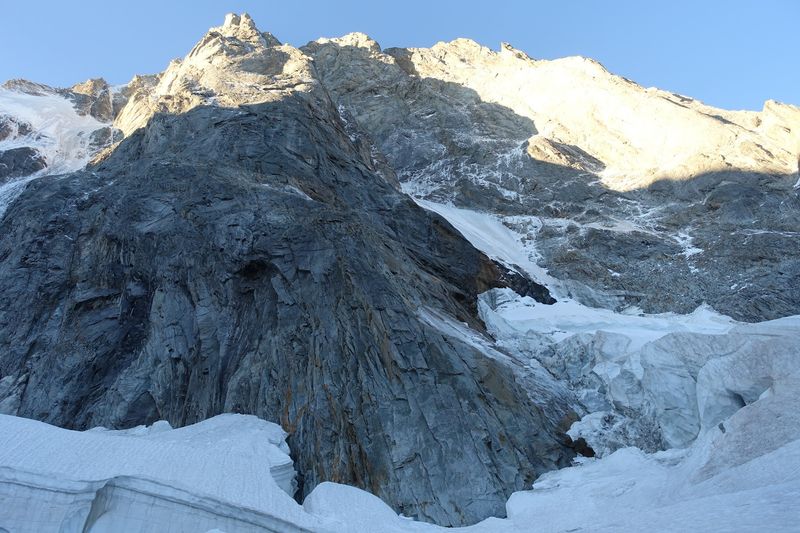
The north wall of the Grandes Jorasses is the kind of place where reputations are either built or quietly abandoned. Routes like the Walker Spur have served as reference points for elite Alpine climbing for generations, and the face continues to challenge the best alpinists in the world with conditions that shift constantly and sometimes violently between seasons and even between days.
The British Mountaineering Council publishes an entire guide devoted solely to the North Face, a fact that reflects the extraordinary density and seriousness of the routes concentrated on this single wall. Ice, snow, rockfall, temperature swings, and storms can radically alter conditions from one week to the next.
A route that was perfectly iced in January might be a waterfall of rockfall by March.
Modern climbers are still establishing difficult new lines on the face, which means its technical possibilities are genuinely far from exhausted. The Grandes Jorasses tops out at 4,208 meters, high enough for serious altitude effects in winter.
First ascent of the Walker Spur came in 1938 by Riccardo Cassin, the same man who would later put his name on Denali’s hardest ridge, which tells you something about the quality of the challenge he was drawn to.
Siula Grande West Face, Peru
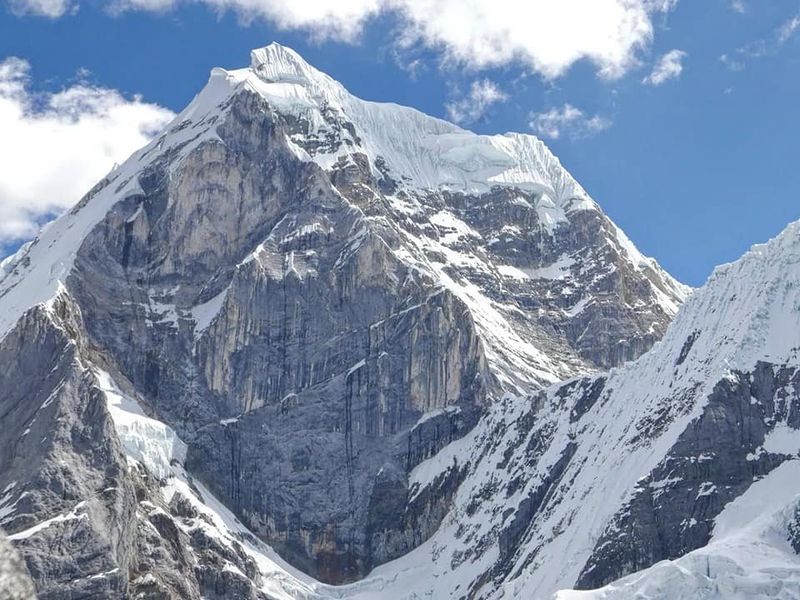
Most people know Siula Grande because of a book and a film, but the West Face has its own story that stands completely apart from the famous survival narrative. The face is genuinely dangerous terrain with steep ice, rotten rock sections, unstable snow, and serac exposure that keeps every team on edge from the moment the climbing gets serious.
The mountain earns its reputation on technical grounds alone.
One expedition climbed terrain graded ED with sections steeper than vertical ice before retreating near the summit ridge because of dangerously unstable snow conditions. On the way down, the team came close to being caught by a massive serac avalanche, the kind of event that ends expeditions permanently.
Another team described desperately steep pitches with overhanging ice and poor rock quality before being forced to turn back.
Siula Grande reaches 6,344 meters in the Huayhuash range, a region of the Peruvian Andes that rewards serious mountaineers with some of the most dramatic scenery on the continent. The approach itself takes days through remote terrain.
What makes the West Face particularly demanding is the combination of technical difficulty and objective hazard at altitude, where decision-making slows and the consequences of mistakes grow larger with every meter gained.
Cerro Torre and Fitz Roy Linkups, Patagonia
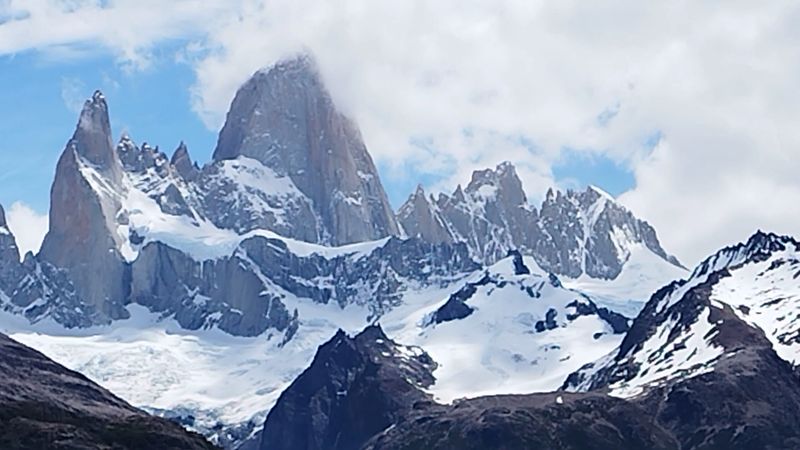
Climbing Cerro Torre is elite-level alpinism. Climbing Fitz Roy is elite-level alpinism.
Linking both in a single push is something that occupies a category that barely has a name yet. To do it, climbers must maintain technical precision, physical output, and sharp decision-making across multiple serious routes while racing weather that Patagonia can change without any notice at all.
American Alpine Journal records include climbers who have soloed both Fitz Roy and Cerro Torre during the same Patagonian season, performances that require an extraordinary combination of technical mastery, exceptional fitness, sound judgment, and conditions that cooperate just enough to make it possible. These are not casual achievements; they represent years of preparation compressed into hours of precise execution.
The challenge of Patagonian linkups illustrates something that pure altitude records never quite capture: elite mountaineering is not always about going higher. Sometimes the real limit is the ability to keep making flawless decisions while cold, tired, exposed, and moving across highly technical terrain with the clock ticking.
These linkups sit at the outer edge of what human beings have shown they can actually do in the mountains, and that edge keeps moving forward with every new generation of climbers who arrive in Patagonia ready to push it further.
Share this story