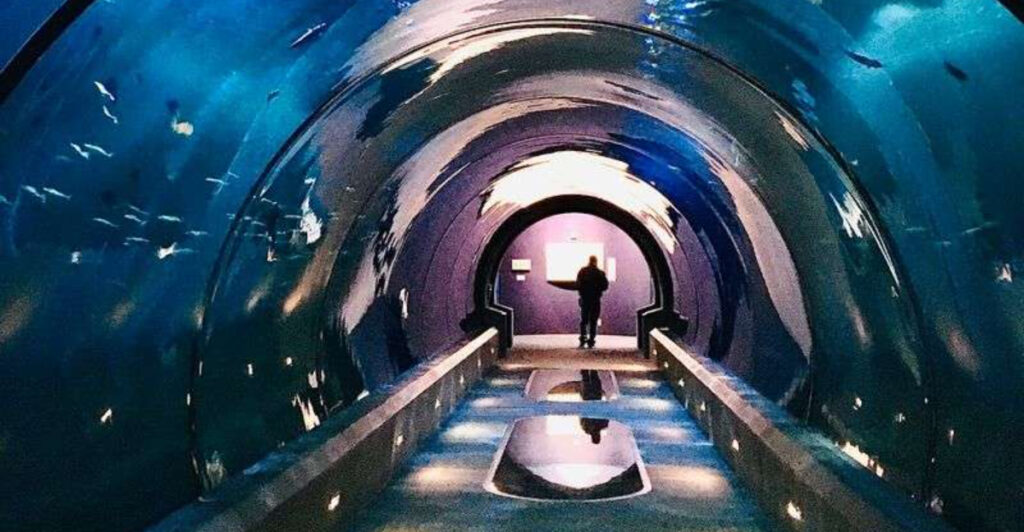
There is a spot on the Oregon coast where the ocean feels close enough to touch, and you do not even need a wetsuit to get there. Tucked along the bay in Newport, this aquarium packs sharks, sea otters, puffins, jellyfish, and an octopus into one surprisingly personal experience.
I visited on a weekday afternoon, and by the time I left, I had walked through an underwater tunnel with sharks gliding overhead and watched a sea otter press its whiskered face right up to the glass. This place earns its reputation one exhibit at a time, and I am here to walk you through exactly why it is worth the drive.
Finding the Place: Address, Location, and First Impressions
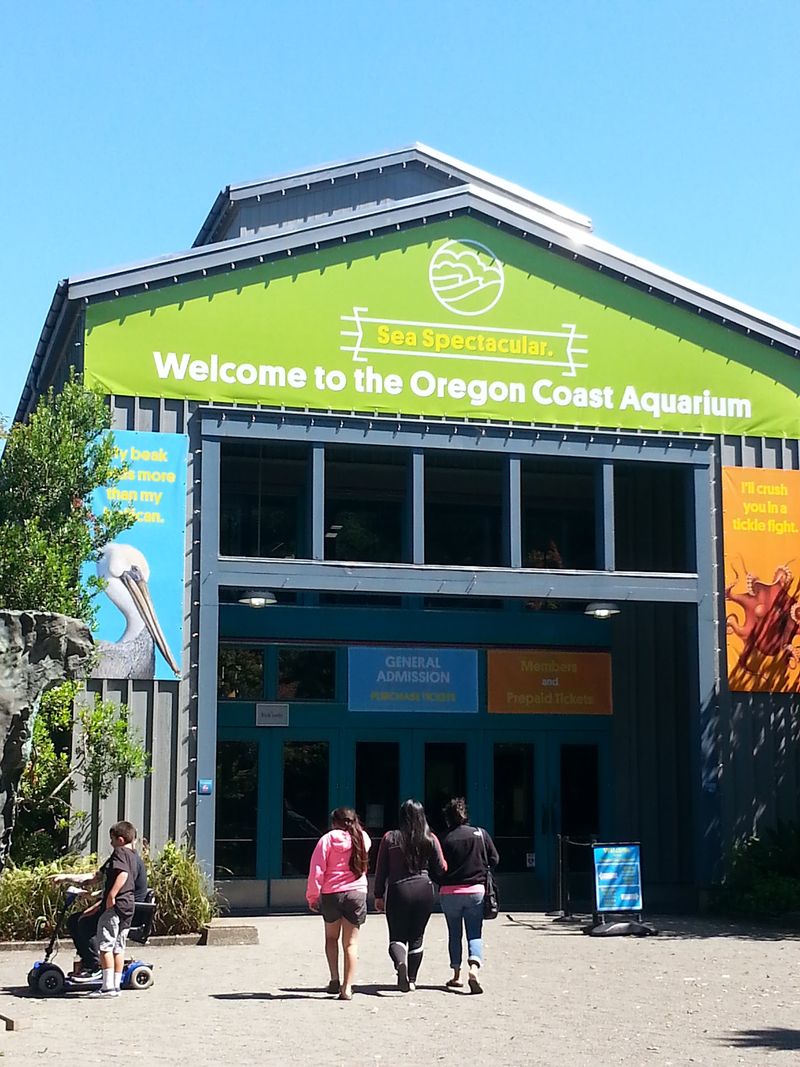
The Oregon Coast Aquarium sits at 2820 SE Ferry Slip Rd, Newport, OR 97365, right along Yaquina Bay. Newport is a classic Oregon coast town, salty and relaxed, and the aquarium fits right into that personality.
Getting there is straightforward. From Highway 101, you follow the signs toward the bay, and the 23-acre facility appears with plenty of free parking out front.
That free parking detail is worth mentioning because coastal attractions do not always make it easy on your wallet before you even get inside.
My first impression was that the place felt well-organized without being corporate. The grounds are tidy, the signage is clear, and there is a sense of genuine care in how everything is laid out.
The building itself has a coastal, natural feel rather than the flashy theme-park aesthetic you might expect.
Hours run from 10 AM to 6 PM every day of the week, which gives you a solid window to explore without feeling rushed. Calling ahead at +1 541-867-3474 or checking aquarium.org before your visit helps you catch feeding times and any special programming on the day you plan to go.
The Shark Tunnel: Walking Beneath the Ocean
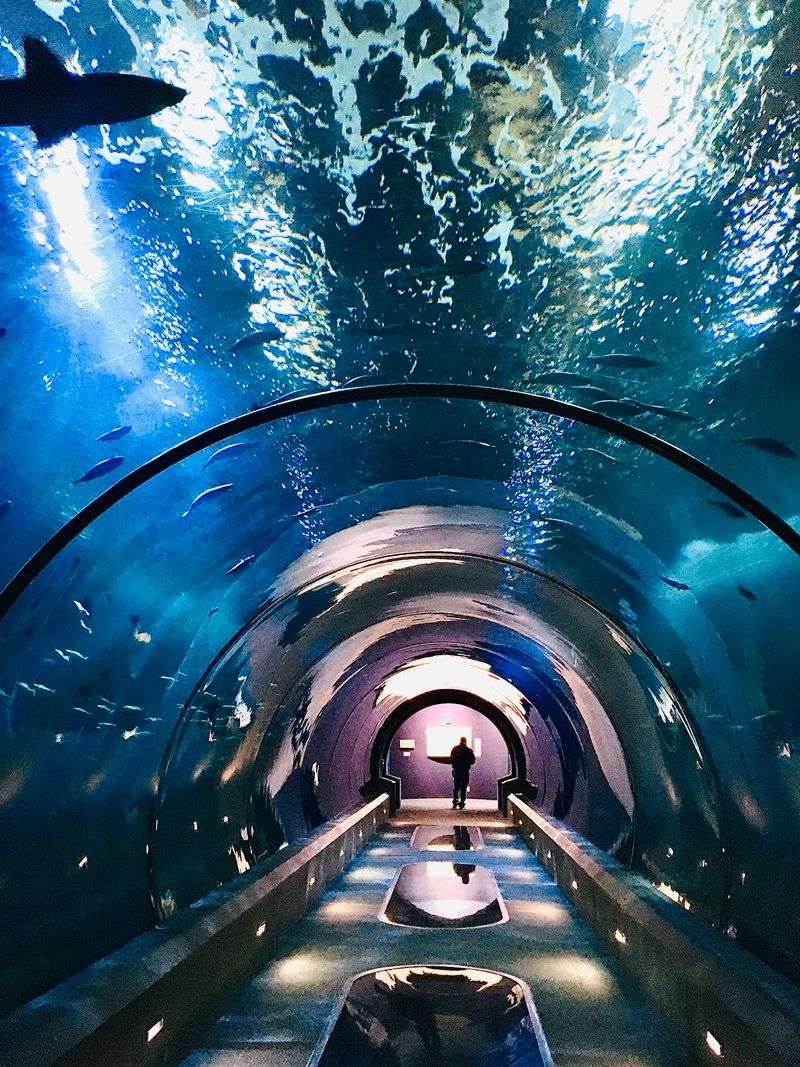
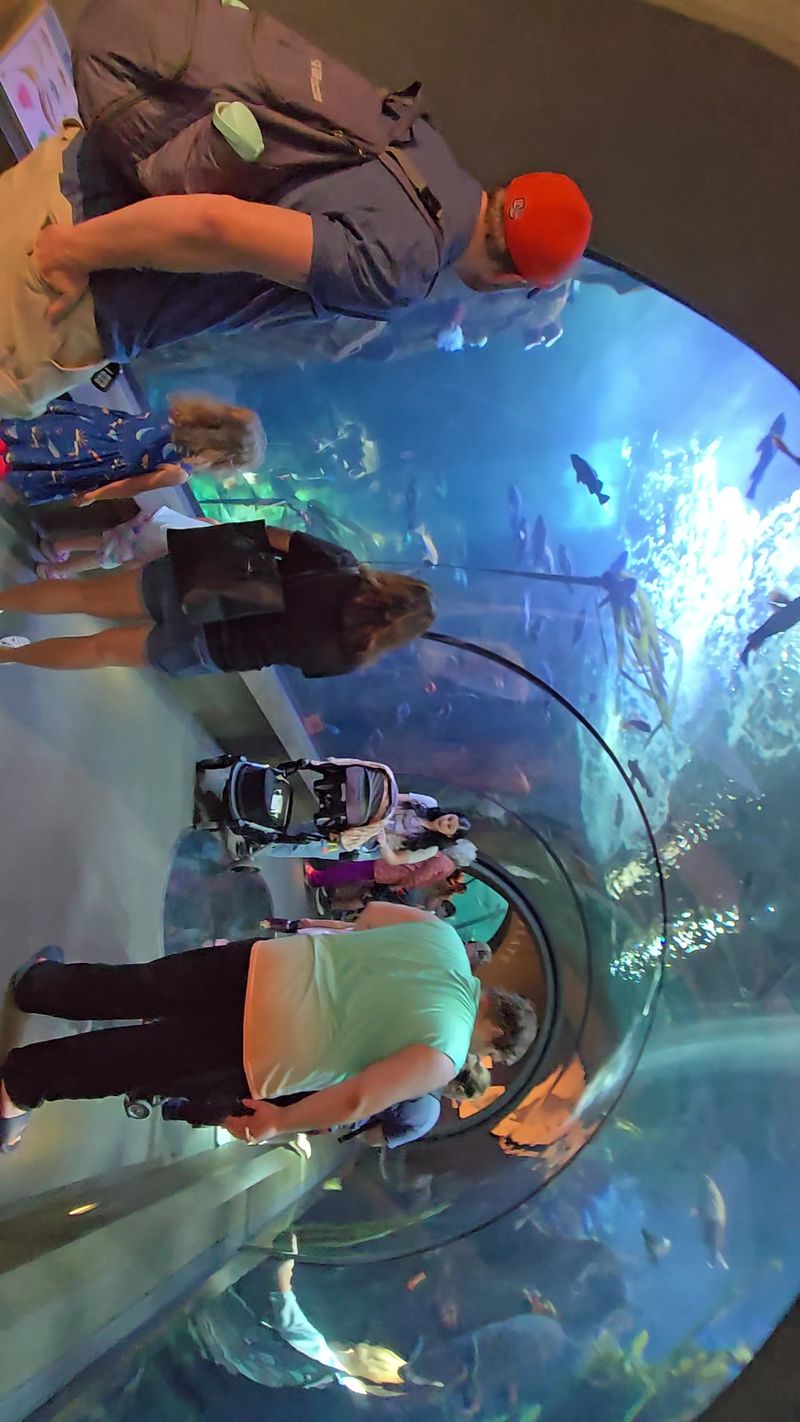
Few things in everyday life prepare you for the moment a shark glides directly above your head, separated from you by only a curved sheet of acrylic. The shark tunnel at this aquarium is the kind of experience that quietly rewires how you think about the ocean.
The tunnel design puts you fully inside the tank environment. Sharks circle from every angle, fish drift past at eye level, and the whole scene moves with a calm, unhurried rhythm that is genuinely mesmerizing.
What makes it work so well is the scale. The space is intimate enough that you never feel like you are watching from a distance.
Every detail of each shark is visible, from the texture of the skin to the slow sweep of the tail.
One group of visitors at the aquarium even booked an overnight “Sleep with the Sharks” program, spending the night right inside the tunnel. That says something about how special the space feels.
For a standard daytime visit, the tunnel alone justifies the trip, and most people linger there far longer than they planned.
Sea Otters Up Close: The Crowd’s Clear Favorite
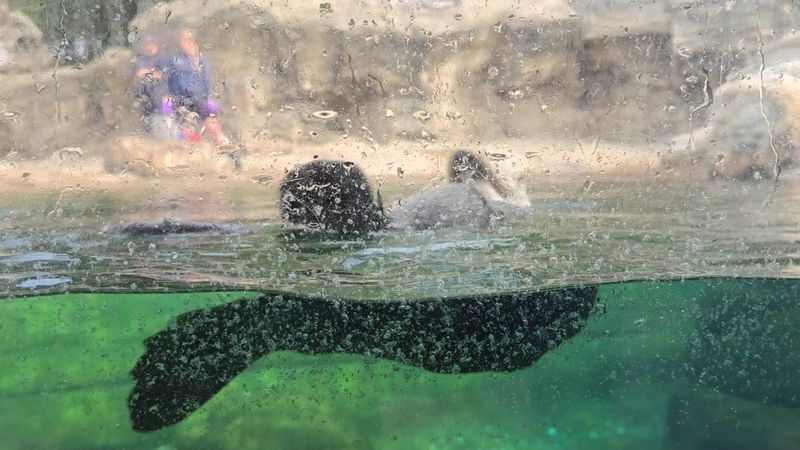
The sea otters here have figured out that the glass wall is the best spot in their habitat, and they use that knowledge shamelessly. On my visit, one otter pressed its entire face against the viewing panel, and the crowd around me collectively lost it in the best way possible.
Watching them during feeding time adds another layer. They handle their food with a kind of focused enthusiasm that is hard not to find entertaining.
Their coordination and dexterity are impressive, and the staff does a good job of narrating what is happening so you actually learn something while you laugh.
Sea otters are one of the most talked-about features at this aquarium, and it is easy to understand why. They have a naturally expressive quality that makes them feel more relatable than most marine animals.
The viewing area is well-designed, with enough glass surface that even shorter visitors and young kids get a clear sightline. If you have a child with you, position them near the lower panels early, because once the otters get active, the crowd thickens fast and the best spots fill up quickly.
Jellyfish Gallery: Slow, Glowing, and Oddly Calming
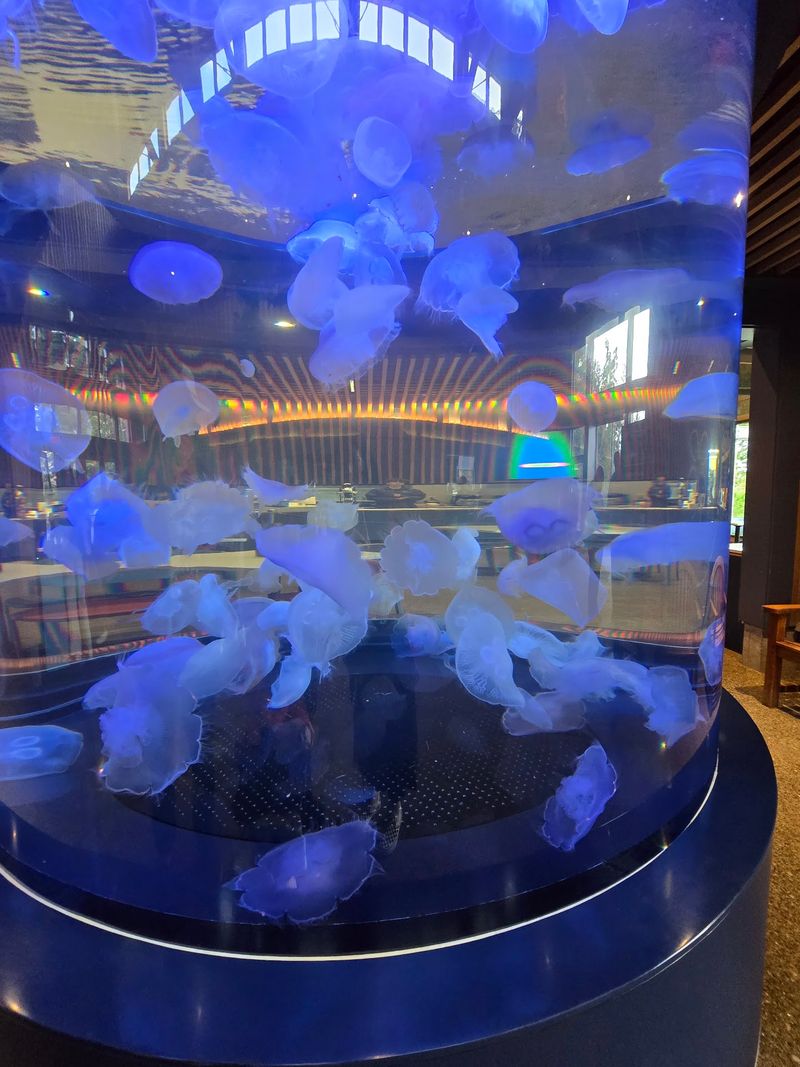
There is something about watching jellyfish that slows your breathing without you even noticing. The jellyfish exhibit at Oregon Coast Aquarium leans into that effect with careful lighting and tanks that let you see every translucent bell and trailing tentacle in full detail.
Jellyfish are among the most-mentioned highlights by visitors, and the exhibit design shows why. The tanks are backlit in ways that make the animals glow softly, creating a visual experience that feels almost meditative compared to the busier parts of the aquarium.
From a scientific standpoint, there is also a lot to absorb here. Information panels explain how jellyfish move, feed, and navigate without a brain or heart, which is the kind of fact that tends to stick with kids long after the visit ends.
Even the youngest visitors get absorbed by this exhibit. A 15-month-old in one family I observed was completely transfixed by the jellyfish, which is about as strong an endorsement as you can get.
The exhibit is one of those quiet corners of the aquarium where time passes without you tracking it, and that is a rare quality in any public attraction.
Puffins and the Aviary: Birds That Steal the Show
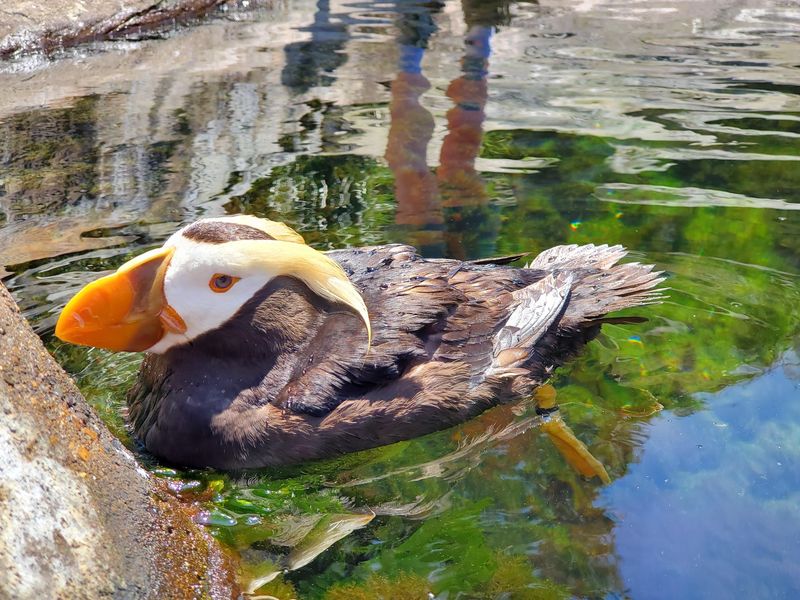
Puffins are genuinely funny birds. They have a waddling, slightly bewildered energy that makes them impossible to watch without smiling, and the aviary at Oregon Coast Aquarium gives them plenty of room to show off that personality.
The bird area is one of the more underrated sections of the aquarium. Visitors who rush past it to get to the marine exhibits are missing something worth slowing down for.
The habitat is spacious and naturalistic, and the puffins move through it with an air of casual confidence that is completely at odds with how small they actually are.
The aviary also houses other seabirds, giving the whole section a coastal ecosystem feel rather than just a collection of individual animals. You get a sense of how these species coexist in the wild, which adds an educational layer that does not feel forced.
One family I spoke with mentioned spending a long stretch of time in the aviary just watching the puffins run around, which tracks with how the exhibit is set up. The viewing angles are generous, and there is enough activity happening at any given moment that you never feel like you are waiting for something to happen.
The Touch Pool: Hands-On Learning for All Ages
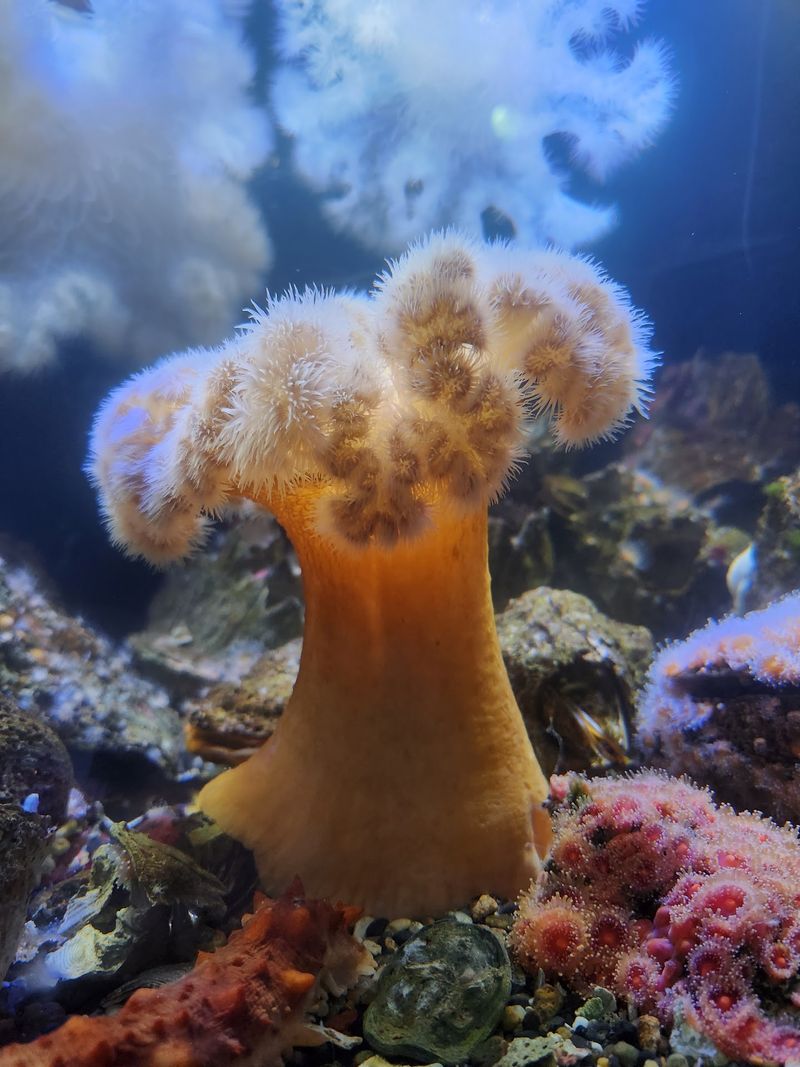
Not every aquarium lets you actually make contact with the ocean, but the touch pool here bridges that gap in a way that feels both accessible and respectful of the animals involved. Starfish, sea anemones, and other intertidal creatures are available for careful handling under staff guidance.
The pool is shallow enough for young children to reach in without any difficulty, and the staff stationed nearby are attentive without being hovering. They offer context about what you are touching, which turns a tactile moment into an actual learning experience rather than just a novelty.
For kids who have only ever seen these animals in books or on screens, making physical contact with a starfish is a genuinely memorable moment. The texture alone tends to surprise people, and that surprise opens up a conversation about how marine life actually works.
Adults enjoy the touch pool too, even if they pretend they are only there for the kids. There is something about the cool water and the slow movement of the animals that pulls you in regardless of your age.
The aquarium does a good job of keeping the pool clean and the animals comfortable, which makes the whole interaction feel ethical rather than exploitative.
The Pacific Octopus: A Surprisingly Charismatic Resident
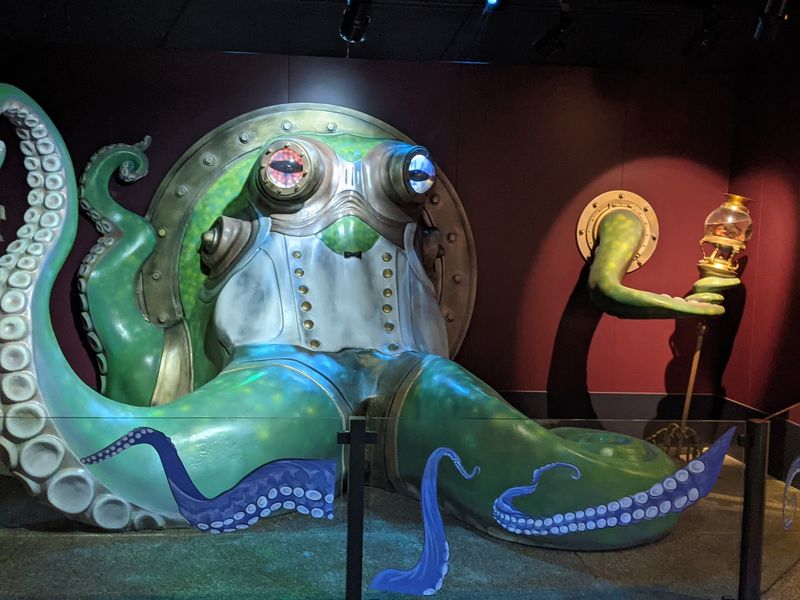
The Giant Pacific octopus has a way of making you feel watched, even when it is the one in the tank. At Oregon Coast Aquarium, the octopus exhibit draws consistent praise from visitors who often list it among their top moments of the day.
Part of what makes the octopus so compelling is its unpredictability. Unlike fish that follow predictable patterns, an octopus might be pressed against the glass one minute and tucked into a corner the next.
That variability keeps people at the exhibit longer than they expected.
The information provided alongside the tank covers octopus intelligence, camouflage, and lifespan in a way that is genuinely interesting rather than dry. Learning that a Giant Pacific octopus can live up to five years and reach arm spans of 14 feet puts the animal in a new perspective even for people who thought they already knew the basics.
My own visit happened to coincide with the octopus being particularly active near the front of the tank. A few people around me had their phones out trying to capture it, but honestly, the live view beats any photo.
Some experiences are better absorbed in real time, and this is one of them.
Seals and Sea Lions: Big Personalities in the Water
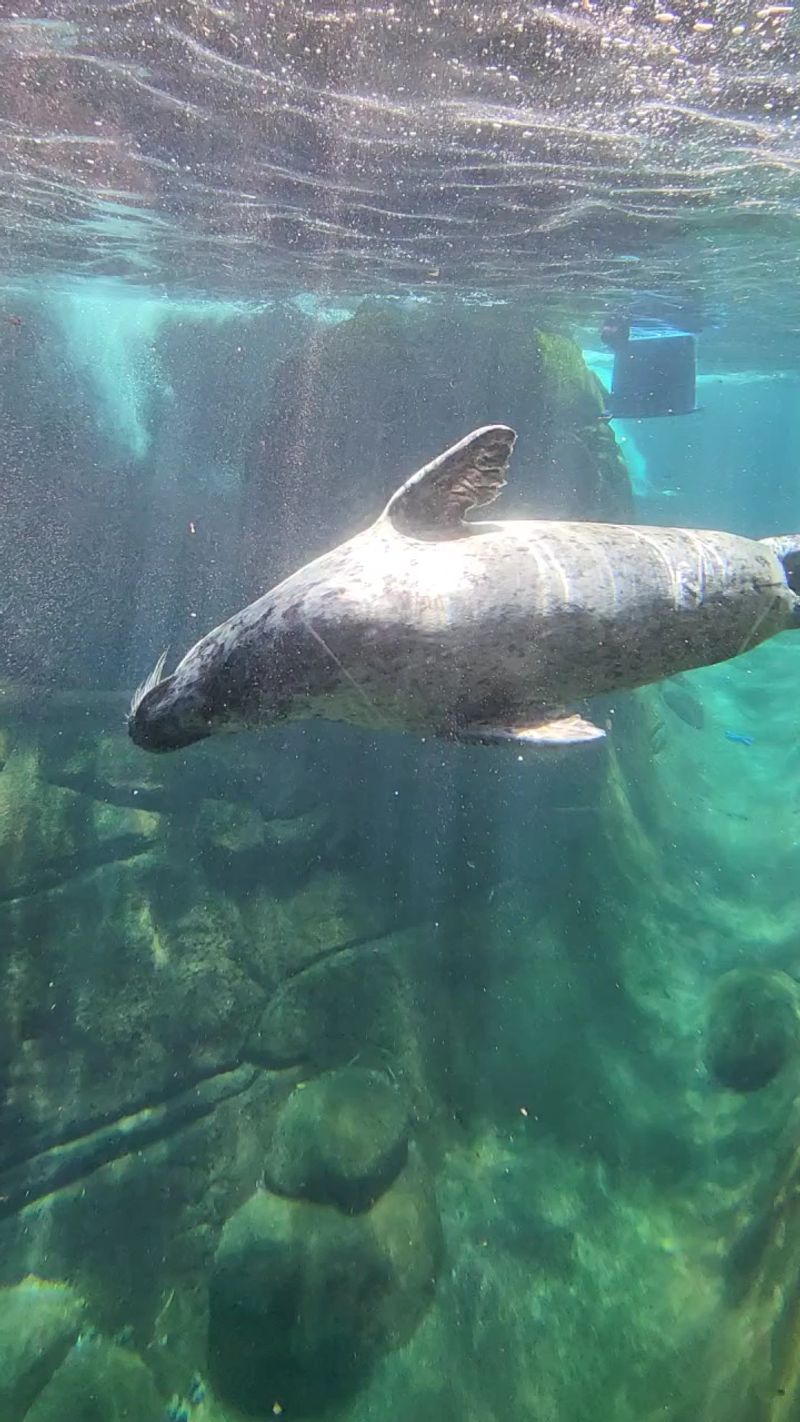
Seals and sea lions are the kind of animals that seem to know they have an audience, and the ones at Oregon Coast Aquarium play to that dynamic without any prompting. Their outdoor habitat sits along the bay, which gives the whole area a natural, open feel.
The difference between seals and sea lions is something most people mix up, and the exhibits here actually help sort that out. Sea lions are louder, more mobile on land, and tend to dominate the rocks near the water’s edge.
Harbor seals are rounder, quieter, and spend more time floating in a way that looks almost lazy but is actually perfectly efficient.
Feeding demonstrations are scheduled throughout the day and listed online, so checking the aquarium’s website before your visit helps you plan around them. The demonstrations are informative without being theatrical, which keeps the focus on the animals rather than the performance.
The outdoor setting means you get natural light and fresh coastal air while you watch, which adds to the experience in a way that indoor exhibits cannot replicate. On a clear day, the views across Yaquina Bay from this section of the aquarium are genuinely beautiful, and worth a few extra minutes of your time.
The Amazon Basin Exhibit: A Temporary Surprise Worth Catching
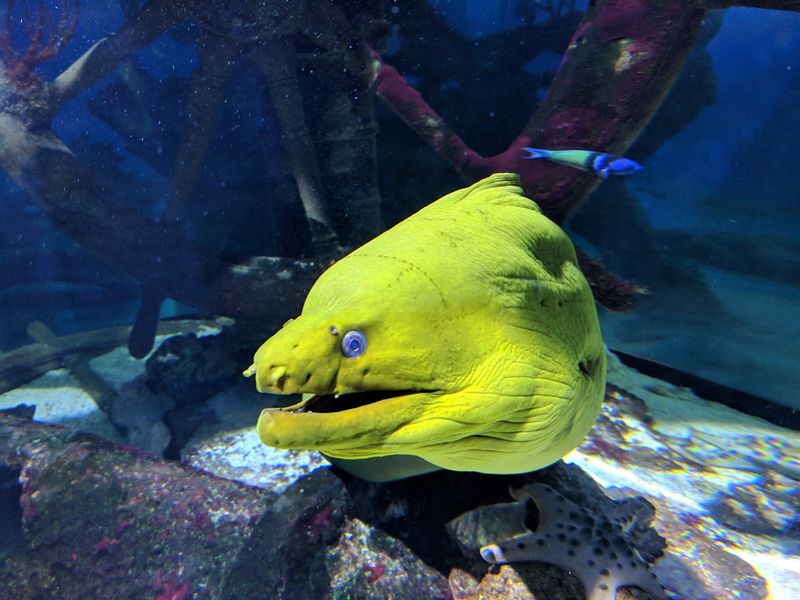
Not every aquarium takes the risk of stepping outside its regional focus, but the Amazon Basin temporary exhibit at Oregon Coast Aquarium is a confident departure that pays off. The exhibit brings in species that most Pacific Northwest visitors would never otherwise see in person.
The contrast with the rest of the aquarium is part of what makes it work. You move from cold-water Pacific species to warm, richly colored tropical animals, and the shift in atmosphere is noticeable.
The lighting and tank design lean into the lush, dense feel of a river ecosystem rather than the open ocean aesthetic of the main exhibits.
Families with kids who visited during the exhibit’s run described it as a special occasion moment, the kind of unexpected bonus that makes a trip feel more memorable than you anticipated. That reaction makes sense because the Amazon Basin is not what most people come to a coastal Oregon aquarium expecting to find.
Since it is a temporary exhibit, availability varies by visit date. Checking the aquarium’s website at aquarium.org before your trip confirms whether it is still running.
If it is open when you go, make time for it rather than treating it as an afterthought at the end of your visit.
Staff and Volunteers: The People Who Make It Work
A well-maintained aquarium with indifferent staff is a completely different experience from one where the people genuinely want to be there. At Oregon Coast Aquarium, the staff and volunteers fall clearly into the second category, and that makes a noticeable difference throughout the visit.
Volunteers are stationed near most major exhibits and are ready to answer questions without making you feel like you are interrupting them. The knowledge level is solid, and the enthusiasm is real rather than rehearsed.
That combination is harder to find than it should be.
The overnight “Sleep with the Sharks” program is a good example of the staff’s approach at its best. Multiple guides led a homeschool group through activities, scavenger hunts, and educational sessions with a patience and energy level that impressed the families involved.
That kind of programming does not happen without people who actually care about the mission.
The aquarium operates as a non-profit, and that context shapes the culture in a meaningful way. The focus stays on animal welfare, education, and visitor experience rather than revenue maximization.
You can feel that priority in how the space is managed, how the animals are housed, and how the staff interacts with everyone who walks through the door.
Practical Tips: Tickets, Timing, and What to Bring
Adult tickets run around $30 to $35 per person, which is the most common point of feedback from visitors. The price is real, and it is worth factoring into your budget before you go.
That said, the aquarium offers reduced pricing for visitors using food assistance benefits, which is a thoughtful policy worth knowing about.
Memberships are available for families who plan to visit more than once during the year and represent solid value if Newport is a regular destination for you. The aquarium’s website at aquarium.org has full pricing details and membership options laid out clearly.
Timing your visit matters more than you might think. Arriving mid-morning gives you access to feeding demonstrations and live programming that wrap up by late afternoon.
A visit around 5 PM means the shows are done for the day, which is a trade-off worth considering when you plan your schedule.
The exhibits are mostly outdoors, so dressing in layers is smart for the Oregon coast regardless of the season. Parking is free and plentiful, which takes one stress off the table.
Allergy sufferers should also note that pollen can be present on the grounds, particularly during warmer months, so antihistamines are worth packing.
The Nature Walk and Surrounding Bay: More Than Just the Aquarium

The experience at Oregon Coast Aquarium does not end at the building’s edge. A nature walk runs along the canal outside the main facility, and it adds a quietly rewarding layer to the visit that many people overlook because they are focused on getting inside.
The walk follows the shoreline of Yaquina Bay, giving you a ground-level view of the same coastal ecosystem you just learned about inside. On a clear day, the water and surrounding landscape make for a genuinely pleasant stretch of time between exhibits or after you finish the main tour.
Newport itself is worth exploring before or after your aquarium visit. The historic bayfront has seafood restaurants, working fishing docks, and a character that feels earned rather than manufactured for tourists.
Combining the aquarium with a couple of hours in town makes for a full and satisfying day on the Oregon coast.
The aquarium’s location at 2820 SE Ferry Slip Rd puts it close enough to the bayfront that getting between the two is simple. Whether you end your visit with a walk along the bay or head straight into town, the surrounding area rewards curiosity, and that is a fitting note to close on for a place built entirely around the idea of looking closer.
Share this story