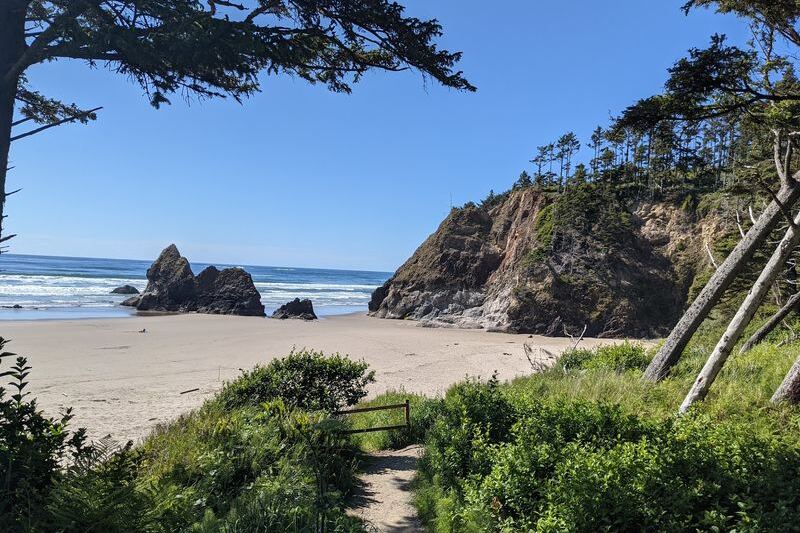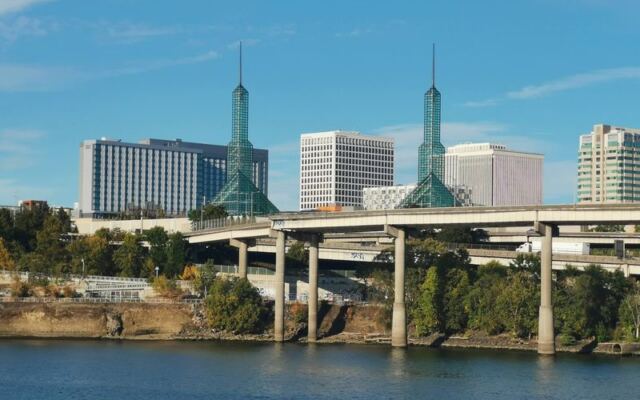
Some places reveal their best side only when you slow down and pay attention. I came to this corner of Oregon expecting a quick stop for coffee and a bridge photo, and I left thinking about how a city can quietly make people feel cared for.
Good health is about more than hospital doors, though strong medical care matters a lot. It also lives in green parks, clean air, busy bike lanes, and the calm that comes from a place built around everyday wellbeing.
A River City Under a Snowy Peak
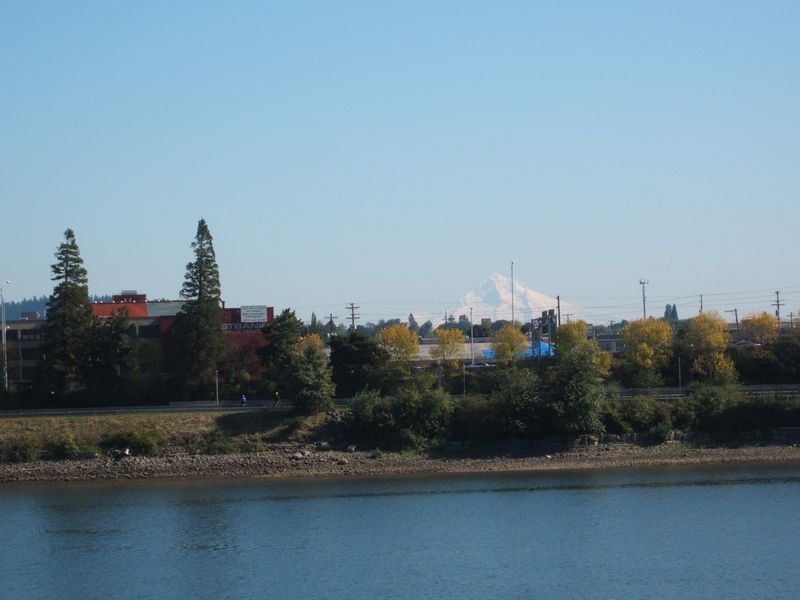
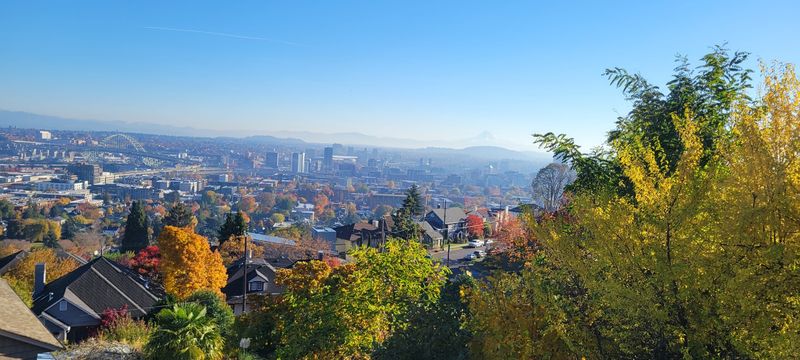
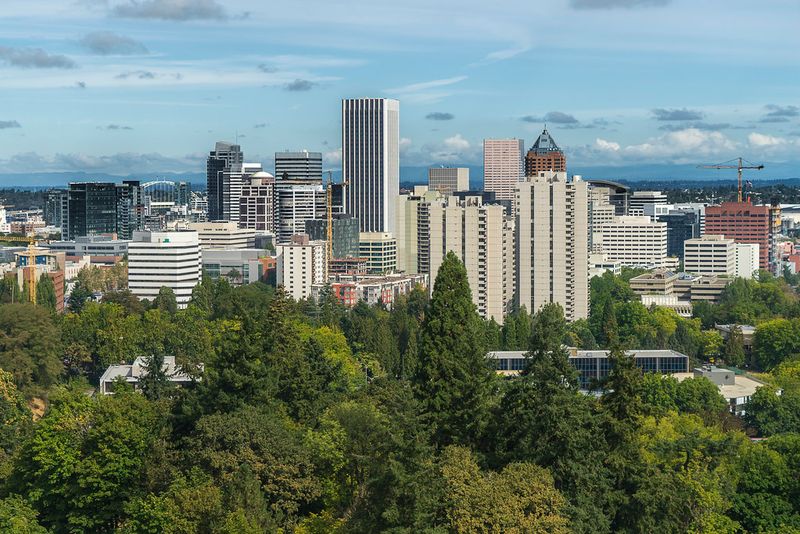
Picture two rivers meeting beneath a mountain wearing a white cap all year. Portland, Oregon’s largest city, sits right where the Columbia and Willamette rivers shape the land, with Mount Hood standing guard in the distance.
For locals, the setting is more than a pretty postcard. Water, mountain views, and open sky help explain why so many people here talk about feeling well, not just being treated well.
A city that puts nature at its doorstep tends to raise people who step outside often, and that habit adds up over the years.
The title of this story points to medical care with a national reputation, and residents certainly value strong hospitals close to home. Yet the deeper picture is about a whole city built for healthier living.
Before we get to parks, trails, gardens, and the arts, it helps to understand the ground everything stands on: rivers, bridges, and that ever-present peak to the east.
Health Care That Shapes Everyday Confidence
Ask a longtime resident what peace of mind feels like, and you might hear something simple. It is knowing that if something goes wrong, good help is not far away.
Portland’s reputation for quality medical care gives locals that quiet sense of security. Families raising kids, older neighbors planning their later years, and newcomers settling in all tend to factor strong hospitals into how they feel about home.
That confidence is hard to measure, but people often describe it as one less thing to worry about.
What makes the city stand out, though, is how care seems to continue outside clinic walls. Clean streets for cycling, wide parks for walking, and a strong eco-friendly streak may help support the kind of daily habits doctors love to recommend.
Medicine and lifestyle seem to work as partners here.
In other words, the hospitals matter, and the city around them helps keep people out of them.
Bridges Linking Neighborhoods and People

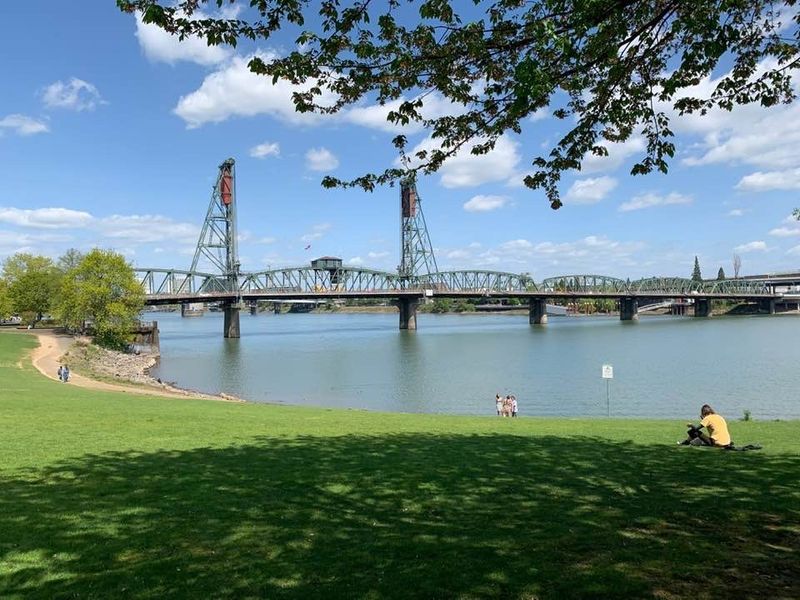
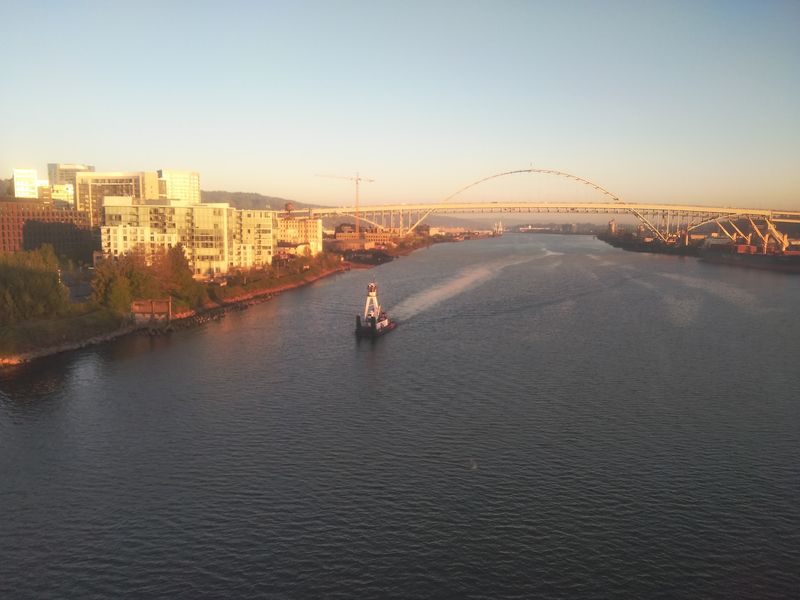
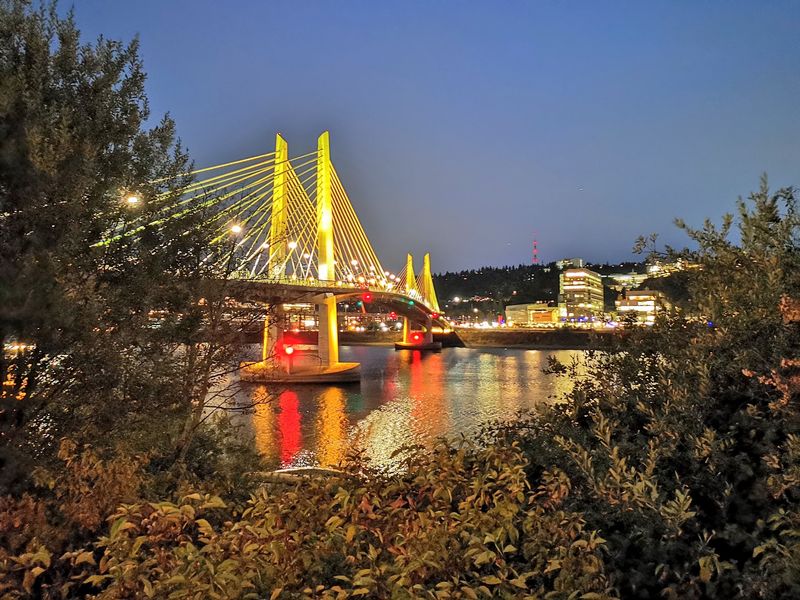
Nicknames come easily when a city has this many crossings over its water. Portland is famous for its bridges, and they do far more than move cars from one bank to another.
Many locals use them as part of their daily routine. Walkers cross for an evening stroll, joggers time their loops by the spans, and cyclists roll over them on the way to work.
Every crossing becomes a small chance to move your body and breathe fresh river air.
There is also a social side to it. Bridges tie neighborhoods together, so getting to a friend, a park, or an appointment rarely means feeling cut off.
A connected city makes it easier for people to stay active and involved, and both of those things tend to help how folks feel.
Try crossing one on foot during a misty fall morning. The city looks softer then, and you will understand why residents love these steel and concrete ribbons.
Pedal Power on Every Corner
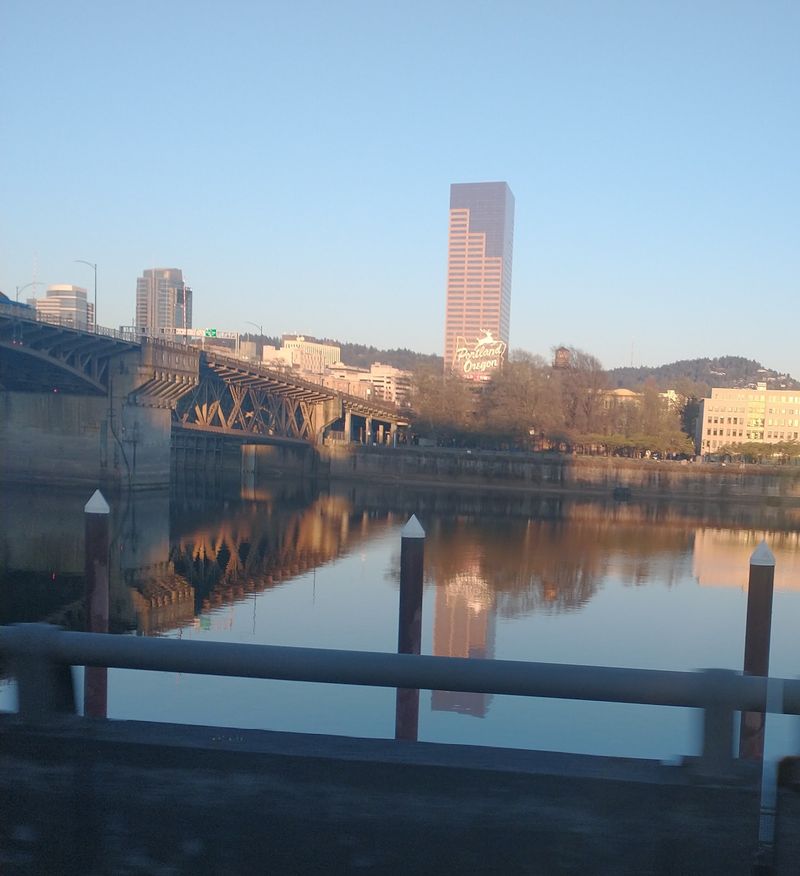
Here is a fun way to spot a Portlander: look for the helmet tucked under an arm at the coffee counter. Bicycle paths are a big part of the city’s identity, and riding is woven into ordinary life.
For health, that matters. Getting exercise while running errands means people do not need to carve out separate gym time just to stay moving.
A short ride to the market or a weekend spin along the river can lift your mood and get your heart working.
Visitors often notice how normal cycling feels here. Kids, commuters, and retirees share the routes, which gives the streets a relaxed, friendly rhythm.
Spring is a wonderful time to try it yourself, when blossoms brighten the paths and crowds have not yet arrived for summer. Rent a bike, pick a quiet route, and see the city at the pace locals prefer.
You may find yourself planning a second ride before the first one ends.
Green Spaces Built for Breathing
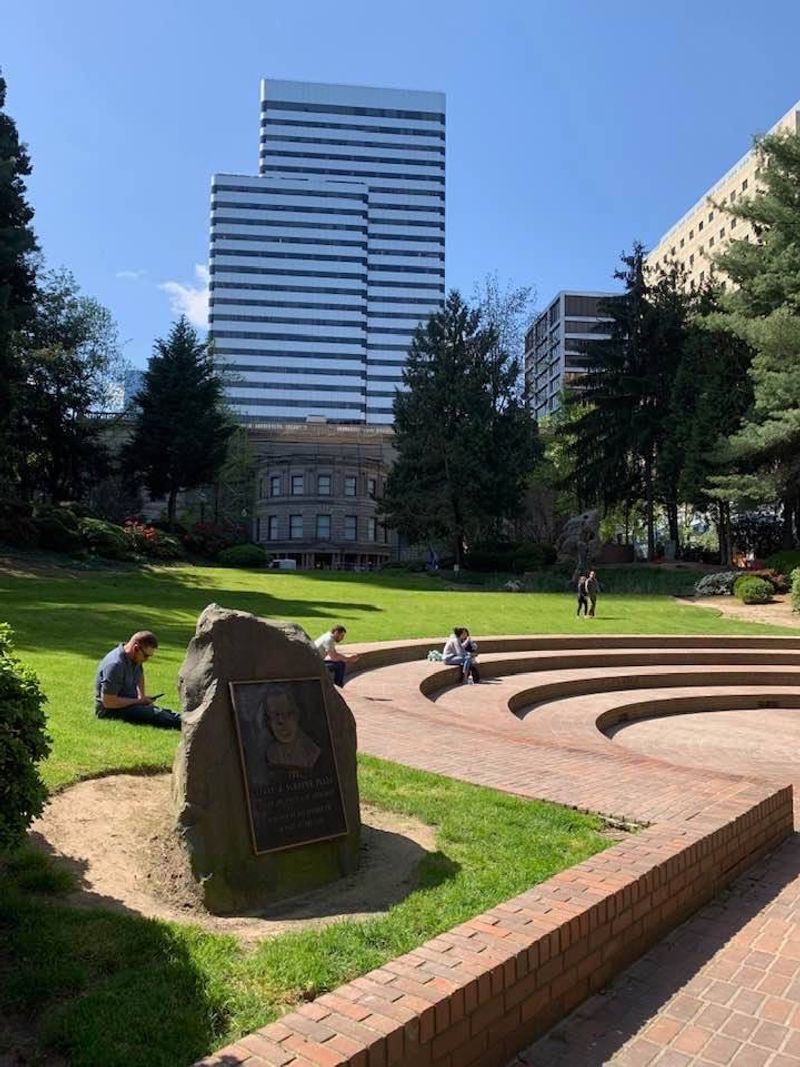
Trees taller than most buildings, trails that start minutes from downtown, lawns where neighbors spread blankets on sunny days. Portland’s parks are one of the main reasons people say the city feels good to live in.
Time outdoors is linked with lower stress, and residents seem to know it instinctively. Lunch breaks happen on benches, dog walks stretch a little longer, and weekends often begin with a hike rather than a lie-in.
Even on a gray, drizzly winter afternoon, the parks keep their charm. Moss glows bright green, the paths go quiet, and you can often have a whole trail almost to yourself.
That off-season calm is one of the city’s best-kept treats.
For anyone thinking about moving here or simply visiting, these green pockets show how health and happiness grow side by side. A city that protects its parks is a city that protects its people, one deep breath at a time.
Washington Park and Its Peaceful Japanese Garden
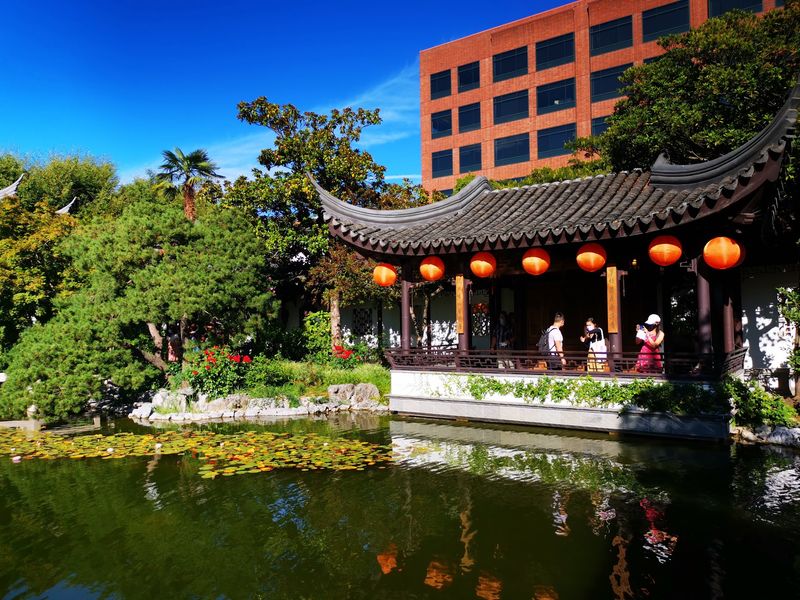
Calm has an address in Portland, and it sits inside iconic Washington Park. Among its treasures is the formal Japanese Garden, a place where raked stones, still ponds, and careful plantings invite you to slow everything down.
Many visitors describe leaving the garden feeling lighter. The quiet paths encourage gentle walking and steady breathing, almost like a meditation you can wander through.
Fall might be the loveliest season to go. Maples burn red and orange, reflections ripple across the water, and a cool breeze makes a warm drink afterward feel well earned.
Washington Park itself is large, so plan to roam. Wooded trails connect different attractions, giving you plenty of steps without feeling like exercise at all.
For locals, a place like this works as a kind of free wellness break. You do not need an appointment, only an hour and a willingness to notice small details like falling leaves and drifting fish.
Oregon Zoo and a Little Railway for Big Smiles
Laughter might be good medicine, and the Oregon Zoo serves up plenty of it. Tucked inside Washington Park, the zoo is a favorite outing for families across the region.
Its railway adds an extra layer of fun. Kids press their faces to the windows, parents relax for a few minutes, and everyone gets a fresh look at the forested park.
Walking the zoo grounds also means a good amount of movement, which sneaks healthy activity into a day that feels like pure play. Grandparents, toddlers, and teens can all enjoy it at their own pace.
For a quieter visit, consider a weekday outside summer. The paths are calmer and you can linger near your favorite animals longer.
Families who live here often mention how easy it is to fill a free afternoon with outings like this. Having joyful, active spaces nearby is part of why the city feels so supportive of everyday wellbeing.
Coffeehouse Culture and Green Living
Rain taps on the window, a warm mug sits between your hands, and a stranger at the next table starts chatting about trail conditions. That scene captures a lot about Portland’s beloved coffeehouses.
These cafes act like neighborhood living rooms. People meet friends, work quietly, or simply warm up after a ride, and that steady social connection may help with feeling grounded and less isolated.
The city’s eco-friendliness shows up in daily choices too. Reusable cups, bike racks out front, and a general care for the environment reflect a mindset that values long-term health for both people and the planet.
Winter is prime coffeehouse season. When fog settles over the rivers and the days run short, a corner seat in a snug cafe becomes a small ritual of comfort.
Locals tend to have a favorite spot they keep close to their chest. Find your own, and you will feel a little more like you belong.
Art, Theater, and Music That Feed the Spirit
Wellness is not only about the body. Portland’s thriving art, theater, and music scenes give people something just as important: inspiration, joy, and a sense of community.
On any given evening, you might catch a play, wander a gallery, or hear live music drifting from a small venue. Creative outlets like these can lift moods and help people unwind after long weeks.
Residents often say the arts make the city feel alive and welcoming. Sharing a performance with a room full of neighbors is a reminder that you are part of something bigger.
Visiting off-peak can make the experience even better. Smaller crowds mean easier tickets and more chances to chat with artists and fellow fans.
Think of it as the heart-healthy side of culture. Strong hospitals care for people when they are sick, while galleries, stages, and songs help keep spirits bright the rest of the time.
Portland seems to understand both needs.
Planning Your Visit and a Final Word
Ready to see it for yourself? Portland is easy to plan around, but hours and prices for spots like the Japanese Garden and the Oregon Zoo can change, so check the official city website at portlandonline.com before you head out.
Getting around is part of the fun. Bike paths and bridges make it simple to link parks, cafes, and cultural stops without rushing, and walking works well in many areas too.
Timing matters as well. Spring brings blossoms and fresh trails, fall paints Washington Park in warm colors, and winter offers misty, quiet days perfect for long cafe visits.
So, is this the healthiest-feeling city in Oregon? That is for you to decide.
What seems clear is that strong care, open green spaces, and a culture of moving and creating come together here in a way locals truly feel. Come curious, go slow, and you might just leave feeling better than when you arrived.
Share this story