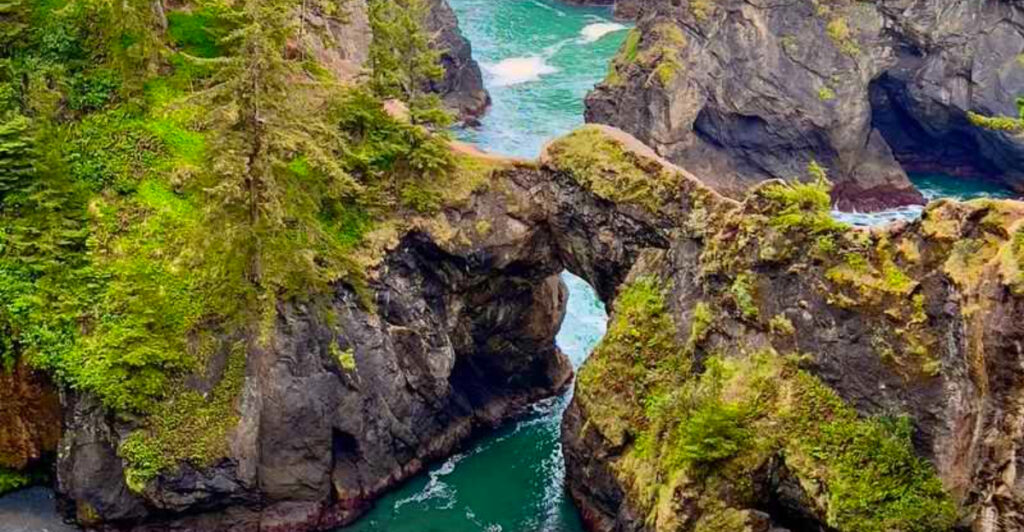
There is a stretch of the southern Oregon Coast where the Pacific Ocean has been slowly carving the cliffs into shapes that seem almost too dramatic to be real. Tucked just off Highway 101 near Brookings, a series of rock formations arch over churning seawater in a way that genuinely stops you in your tracks.
The first time I saw them, I stood at the overlook for a solid ten minutes without saying a word, which, if you know me, is basically a personal record. This article walks you through everything worth knowing before you visit, from the trail conditions and best viewing spots to the ideal time of day and what to bring along.
Where Exactly You Will Find This Place
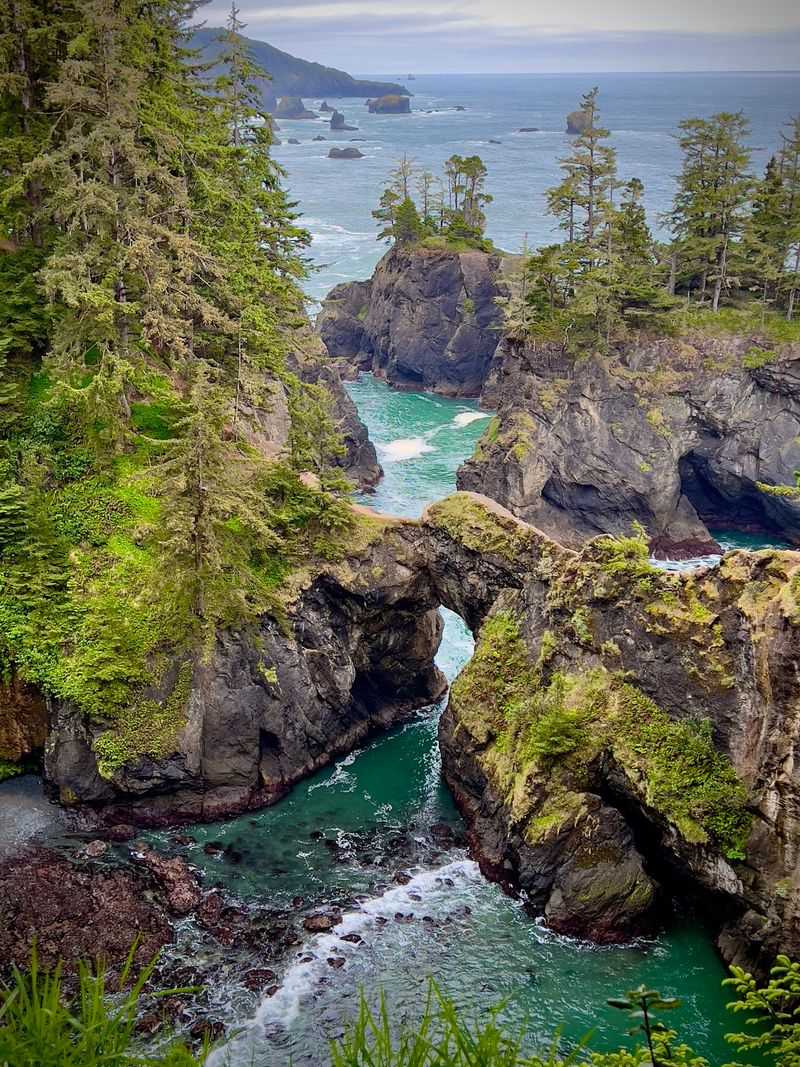
Natural Bridges sits along Highway 101 in Brookings, Oregon 97415, managed under the Samuel H. Boardman State Scenic Corridor, one of the most visually striking stretches of coastline in the entire Pacific Northwest.
The parking area is small, easy to miss, and sits right off the highway with almost no fanfare. There is no grand entrance, no visitor center, and no ticket booth.
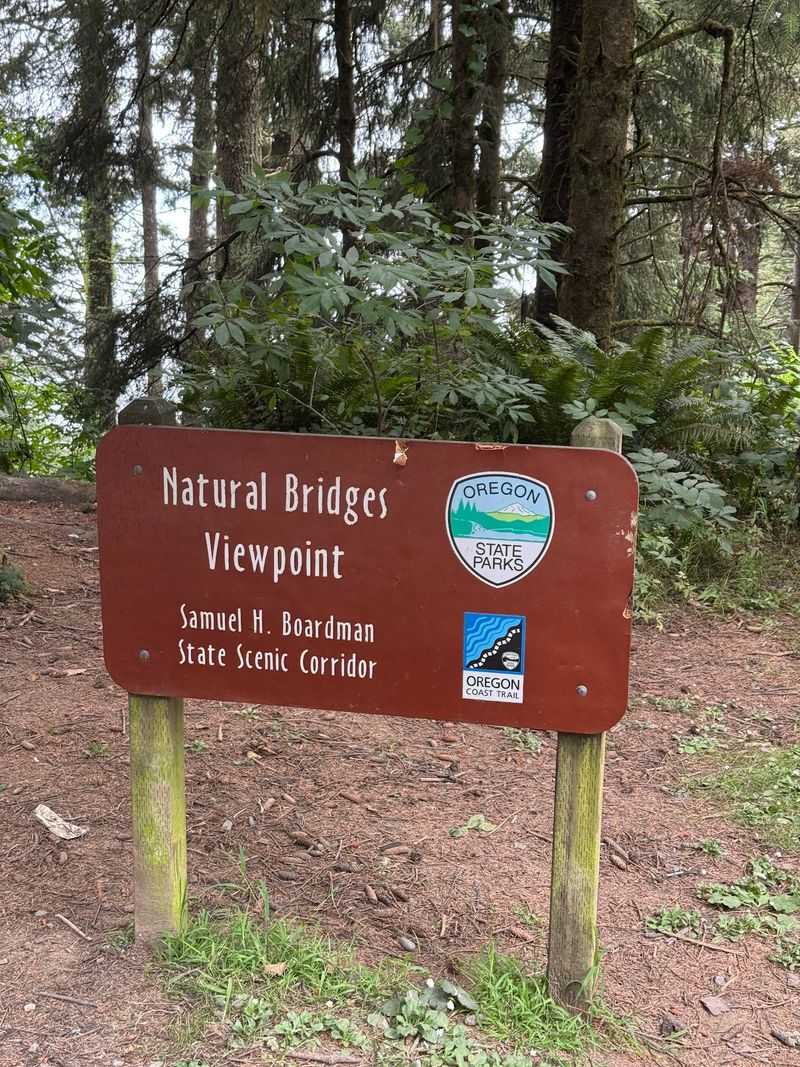
Just a modest pullout, a trail sign, and the sound of waves crashing somewhere below.
The GPS coordinates place it at roughly 42.19 degrees north latitude, and the site is officially open daily from 6 AM to 9 PM. Oregon State Parks manages the area, and you can find more details at the official state parks website.
Getting there from the Brookings town center takes only about ten minutes heading north on 101. Keep your eyes open because the turnoff appears quickly, and the parking lot fills up fast, especially around sunset when the light turns everything golden and everyone suddenly becomes a photographer.
The Story Behind the Rock Arches
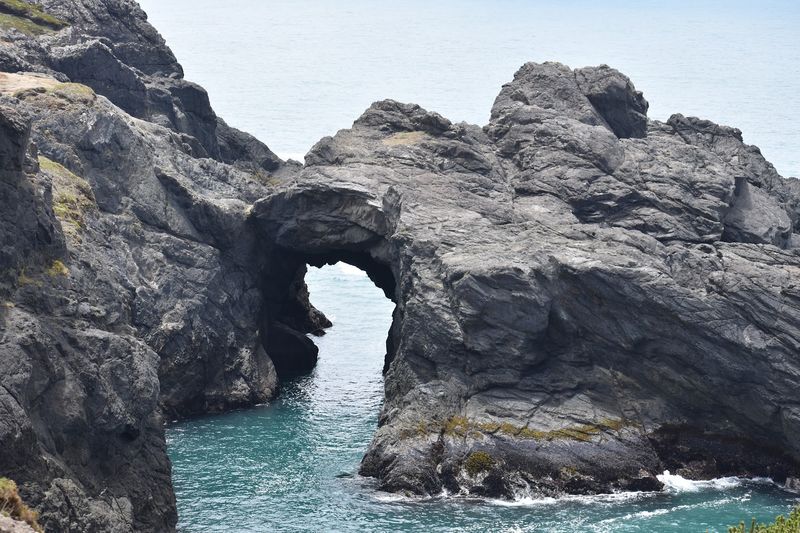
The arches at Natural Bridges did not appear overnight. They formed over thousands of years as the relentless Pacific Ocean wore through headland rock, slowly punching holes through sea cliffs and coastal promontories through a process called marine erosion.
Softer sections of rock gave way first, leaving harder volcanic basalt standing in place. Over time, wave action widened those gaps into tunnels, and tunnels eventually collapsed into open arches.
What you see today is essentially a geological work in progress.
The Samuel H. Boardman State Scenic Corridor, which contains this site, stretches for about 12 miles and protects some of the most geologically rich coastline in Oregon.
The corridor was established in 1950 and named after Oregon’s first state parks superintendent.
Knowing that history makes the view feel even more meaningful. You are not just looking at pretty rocks.
You are watching millions of years of planetary patience playing out in real time, and the ocean is nowhere close to being finished with its work along this coast.
What the View Actually Looks Like
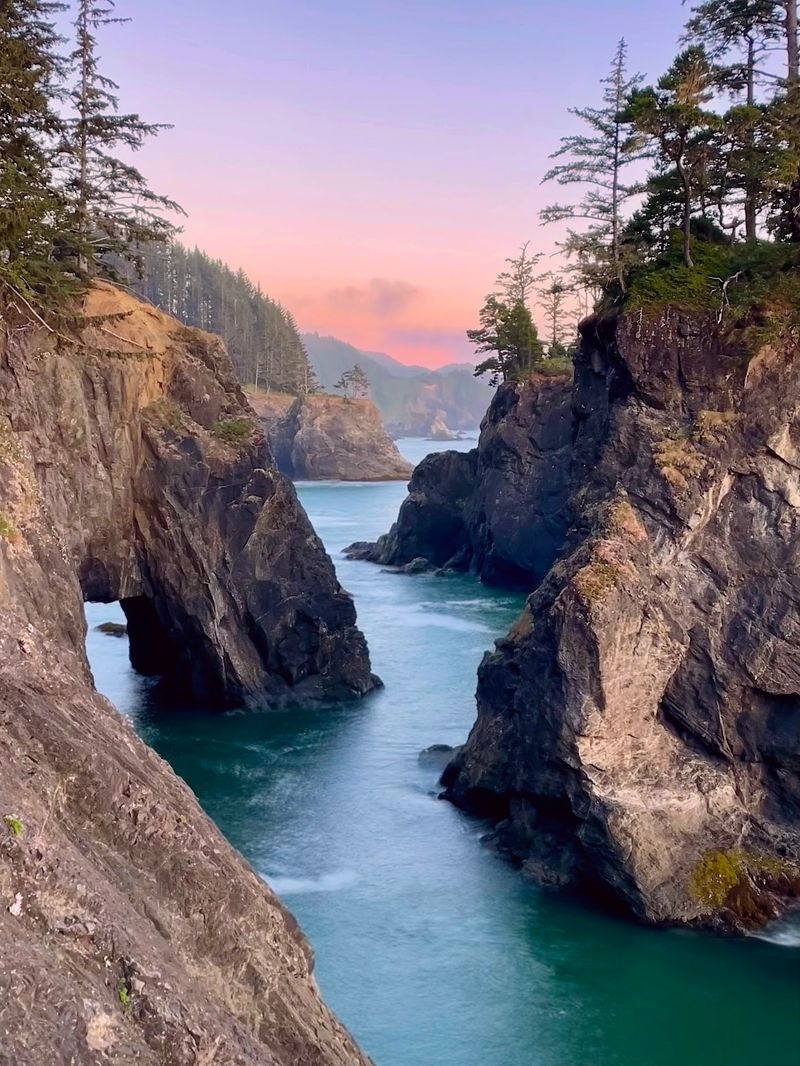
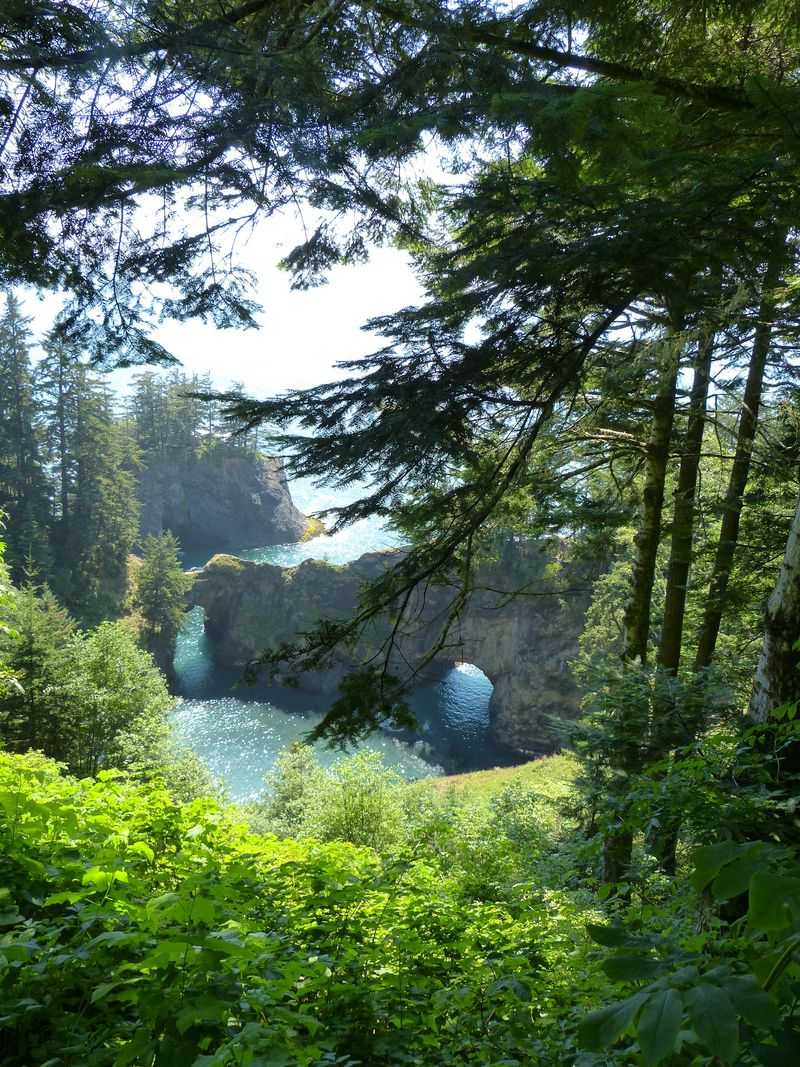
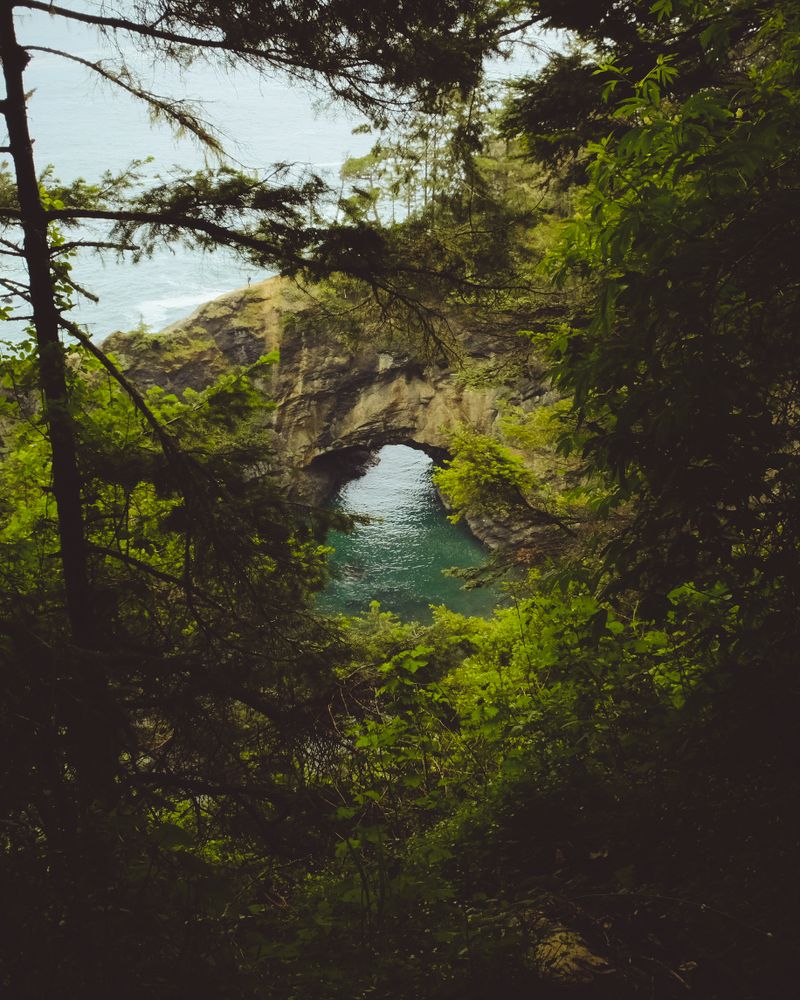
From the main viewing platform, which sits only about 50 yards to the left of the parking area, you get a wide, unobstructed look at multiple rock arches spanning sections of open ocean. The water below shifts between deep navy and bright turquoise depending on the time of day and the weather.
On a calm morning, the surface of the water inside the arches catches the light in a way that almost looks like glass. On rougher days, white foam surges through the openings with surprising force, and the sound carries all the way up to the overlook.
The platform itself has no safety rails, so the open edge gives the view an unfiltered, raw quality that a fenced overlook simply cannot replicate. The arches vary in size, with some wide enough to frame a full ocean horizon and others narrower and more tunnel-like.
Morning visits tend to offer the clearest water color and the softest light for photography. The blue tones the ocean takes on in the early hours are genuinely different from anything you will see at midday.
Navigating the Trail System
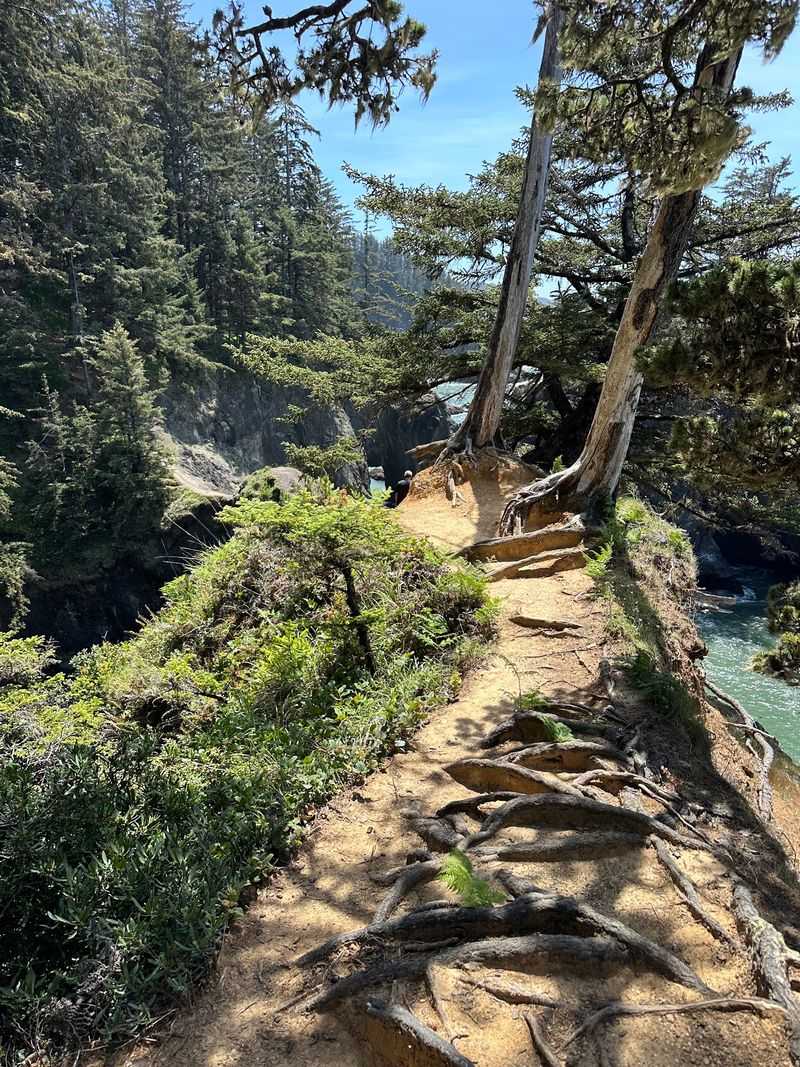
The trail system here offers more than one option, and choosing the right path makes a big difference in what you actually experience. At the main sign near the parking lot, you can head left toward the primary overlook platform, or turn right to access the Coast Trail for closer, lower-elevation views.
The right-hand trail splits into two branches. Staying right and avoiding any path marked with a danger sign leads you down to lower viewpoints that most visitors never reach.
Those lower spots reward the effort with perspectives on the arches that the platform simply cannot provide.
The full loop takes roughly 30 minutes, though that estimate assumes dry conditions and a moderate pace. The trail crosses over significant tree roots in several sections, and some portions have no clearly defined path at all, just a general direction through coastal brush.
Experienced hikers will find it manageable but worthy of full attention. The terrain demands focused footwork throughout, and the reward for that focus is a set of views that genuinely earns the adjective breathtaking without any exaggeration required.
Trail Difficulty and Safety Considerations
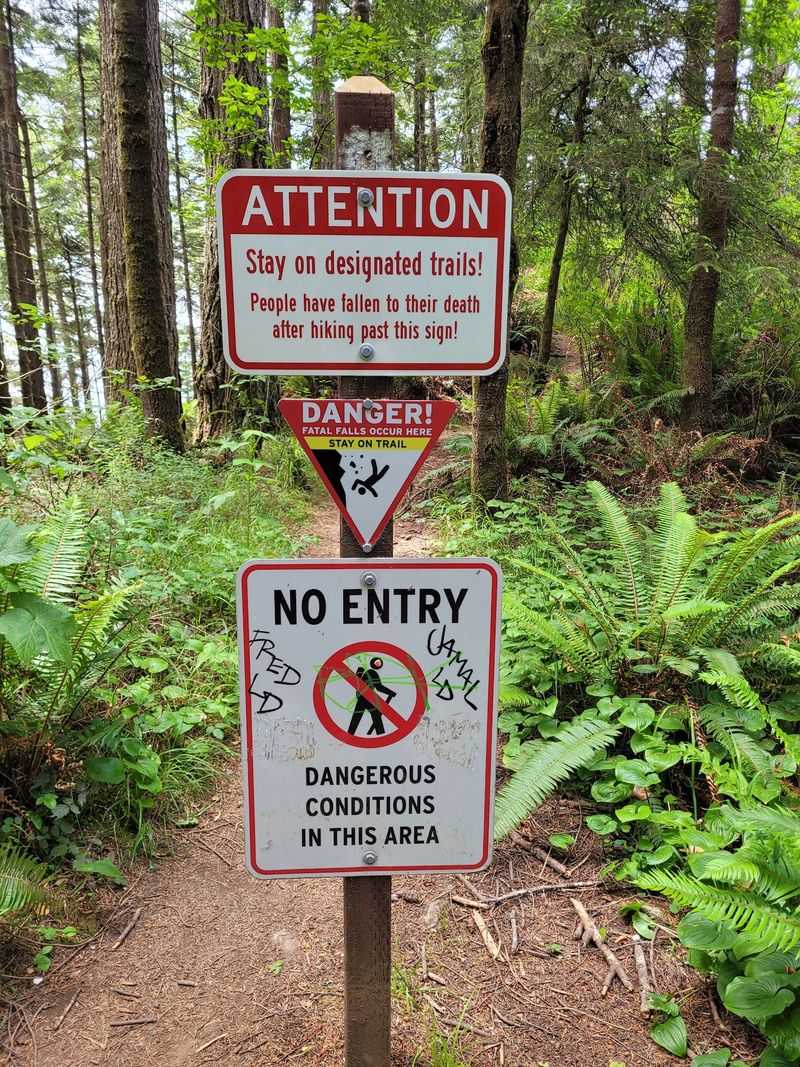
This trail has a reputation for being steeper and more technical than it first appears, and that reputation is completely earned. Several sections drop sharply toward the cliffs, and after rain, the packed soil turns into something closer to a slip-and-slide than a hiking path.
The lack of maintained railings or barriers along the edges means that one careless step in the wrong direction has real consequences. Multiple visitors have reported getting seriously hurt here, particularly during wet conditions when footing becomes unpredictable.
Wearing proper footwear is genuinely non-negotiable. Sandals, flip-flops, and smooth-soled shoes belong back at the car.
Trail shoes or hiking boots with grip make a meaningful difference on the descent, especially on sections where the trail narrows to barely one person wide.
Families with very young children should stick to the main overlook platform, which is accessible with minimal effort. The lower trail is not suitable for anyone with significant knee or hip limitations, and it is not a route for dogs unless they are extremely well-controlled on a short leash.
Give yourself extra time rather than rushing, and always check the weather before heading out.
Best Times to Visit for the Most Rewarding Experience
Timing your visit makes a surprisingly large difference in what you take away from this spot. Sunrise and sunset both deliver spectacular results, but they each offer something distinct from the other.
Morning light hits the arches from the east, casting warm tones across the rock faces and turning the water inside the arches a vivid blue. The early hours also tend to bring fewer visitors, which means you get the overlook mostly to yourself, a luxury that is hard to overstate at a place this photogenic.
Sunset draws larger crowds, and the parking area fills up well before the light peaks. Arriving at least 30 to 45 minutes before golden hour gives you a reasonable chance at finding a spot without having to wait.
The colors during a clear-sky sunset here can be genuinely spectacular, with the arches silhouetted against a layered orange and pink horizon.
Midday visits work fine for seeing the formations clearly, especially once the morning fog burns off. Early afternoon on a weekday is often the sweet spot for combining good visibility with lighter foot traffic and a more relaxed atmosphere overall.
Photography Tips for Capturing the Arches
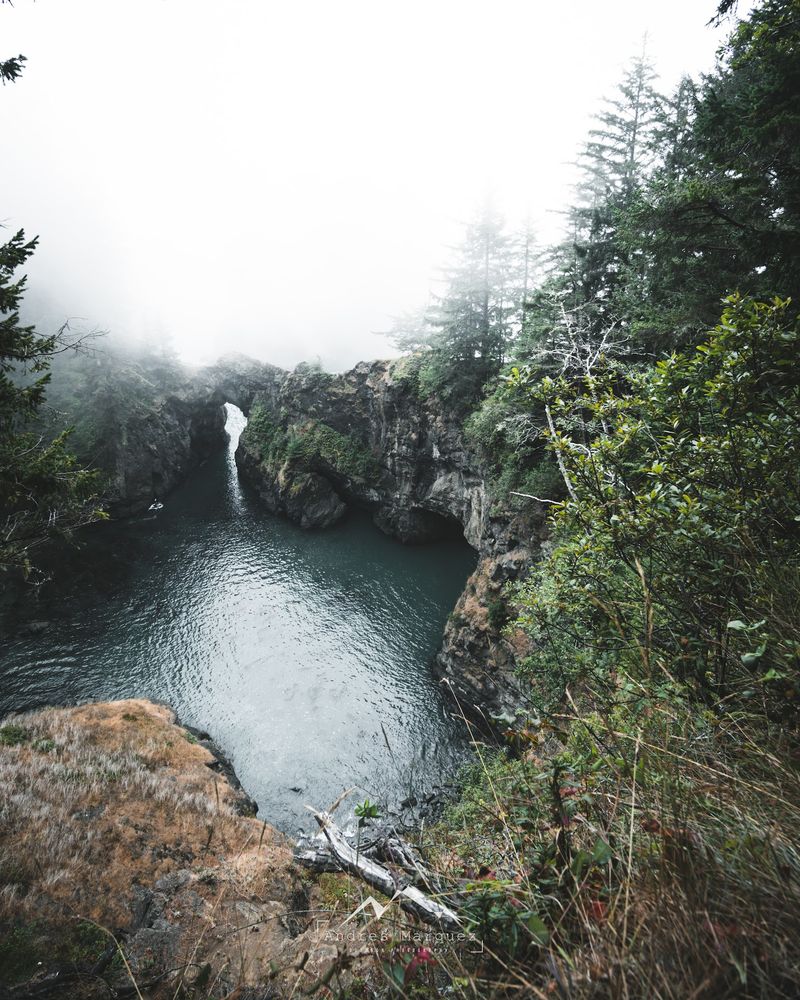
Natural Bridges is the kind of place that makes even a smartphone camera look talented, but a few practical habits will push your shots from good to genuinely memorable. The main overlook gives you a clean wide-angle perspective that works well for capturing multiple arches in a single frame.
For tighter, more dramatic compositions, the lower trail viewpoints offer angles where the arches frame sections of open water or distant headlands. Getting down to that level takes effort, but the resulting images look nothing like the standard overlook shot that fills most social media feeds.
Early morning light produces the most vivid water color, which photographs beautifully in both raw and standard formats. A polarizing filter, if you shoot with a dedicated camera, cuts through surface glare and makes the turquoise tones pop even more.
Patience is genuinely useful here. Waves surge through the arches at irregular intervals, and catching that moment of white water rushing through the opening adds a layer of energy to the composition.
Some visitors spend an hour at a single viewpoint just waiting for the right wave, and most of them leave satisfied with what they captured.
The Surrounding Samuel H. Boardman Corridor
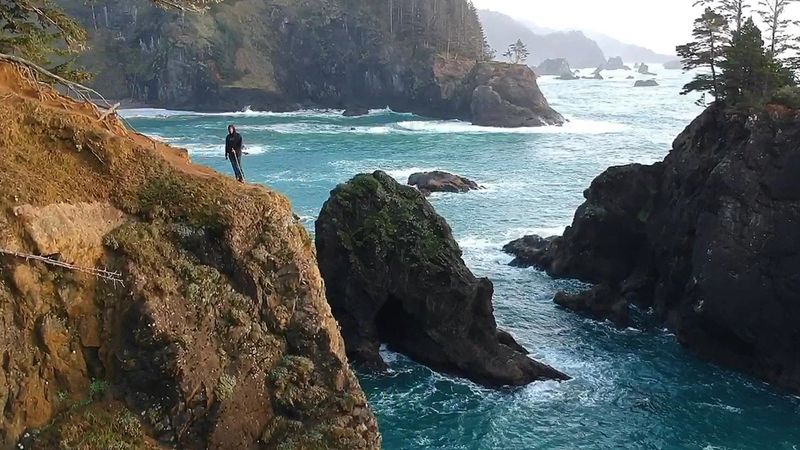
Natural Bridges does not exist in isolation. The site is one highlight within the Samuel H.
Boardman State Scenic Corridor, a 12-mile stretch of protected coastline between Brookings and Gold Beach that contains some of the most dramatic scenery in the American West.
The corridor includes other named viewpoints and short trails, including Arch Rock, Thunder Rock Cove, and House Rock, each offering its own distinct character. Treating Natural Bridges as one stop on a longer corridor drive turns a single visit into a genuinely full day of coastal exploration.
The forest that lines the inland edge of the corridor is dense with Sitka spruce and red alder, and the contrast between that dark green canopy and the open blue ocean below it is one of the defining visual qualities of this stretch of coast.
Wildlife sightings are common throughout the corridor. Harbor seals haul out on the rocks below the cliffs, and gray whales pass close to shore during their migration periods in spring and fall.
Keeping binoculars in the car pays off repeatedly along this stretch of Highway 101.
Parking, Access, and Practical Logistics
The parking situation at Natural Bridges is one of the few genuine frustrations this spot comes with. The lot holds only a handful of vehicles, and it fills up quickly on weekends, holidays, and any afternoon with decent weather.
Arriving early or timing your visit for a weekday significantly reduces the chance of having to wait.
There is no fee to park or access the site, which is a welcome contrast to many other scenic coastal areas that have added entry costs in recent years. Oregon State Parks manages the area, and the facilities are minimal by design, matching the raw, undeveloped character of the location.
The site does not have restroom facilities on-site, so handling that before you arrive is worth adding to your pre-visit checklist. The nearest town with full services is Brookings, roughly ten minutes south on 101.
Cell service can be inconsistent along this stretch of highway. Downloading an offline map before leaving Brookings saves the hassle of trying to navigate with a spotty connection.
The turnoff from 101 appears with little warning, so watching your odometer or setting a GPS waypoint ahead of time helps avoid overshooting the entrance.
Why This Spot Deserves a Place on Your Oregon Coast Itinerary
The Oregon Coast has no shortage of beautiful stops, but Natural Bridges earns its place near the top of the list for a specific reason: it offers something visually distinct from the typical beach or headland viewpoint. The arches themselves are a geological feature that most coastal destinations simply do not have.
The combination of easy access from the highway, a short walk to a genuinely stunning overlook, and the option to push further for more adventurous views makes it one of the more flexible stops along the entire coast. Casual visitors and serious hikers both find something worth their time here.
The 4.8-star rating from over a thousand visitors reflects a consistent pattern of genuine satisfaction, not just passing appreciation. People come back here, sometimes the same day, because one look does not feel like enough.
A road trip along Highway 101 without stopping here is a missed opportunity that is easy to regret in hindsight. The arches will keep forming and eroding over geological time, but your chance to stand at that overlook and watch the ocean move through ancient rock is entirely up to you to take.
Share this story