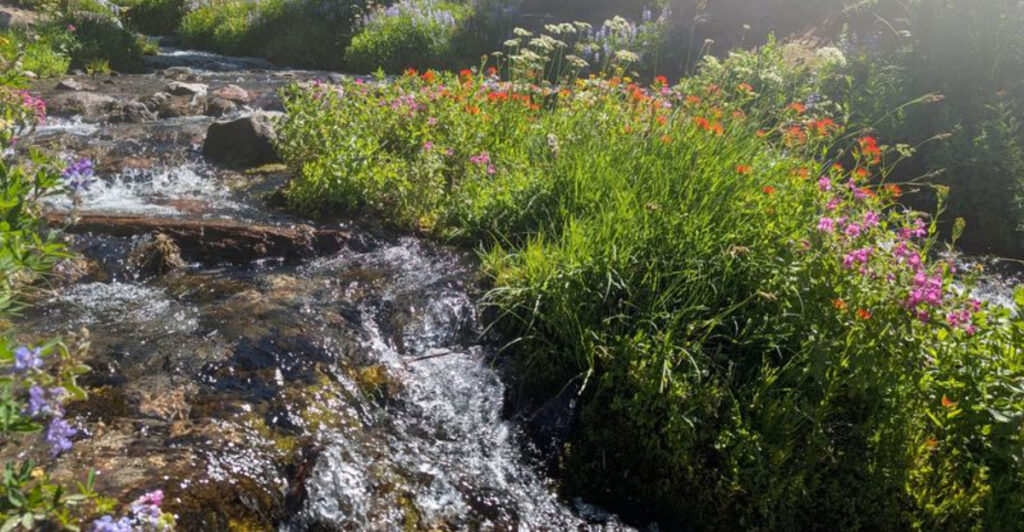
Oregon has a secret superpower, and it blooms every summer across its mountains, forests, and meadows. From the volcanic peaks of the Cascades to the rugged Coast Range, hiking trails transform into colorful corridors packed with lupine, paintbrush, lilies, and dozens of other wildflowers.
Knowing where to go and when to show up makes all the difference. These 10 trails are some of the best places in the state to catch the show at its most spectacular.
Iron Mountain – Near Sweet Home
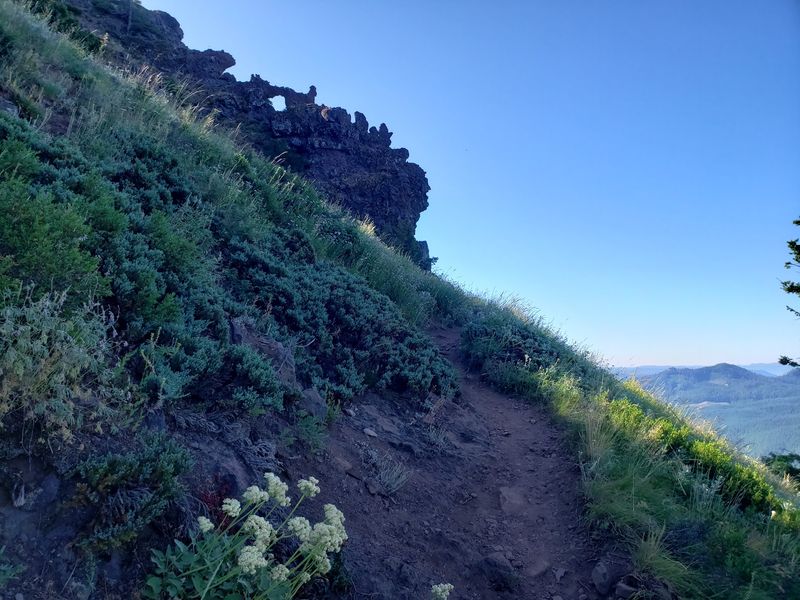
Over 300 species of wildflowers call this mountain home, and that number alone should make any nature lover stop scrolling. Iron Mountain, located near Sweet Home in the western Cascades, is widely considered one of Oregon’s top wildflower destinations.
The variety here is genuinely hard to beat.
Expect flax, yarrow, penstemon, saxifrage, and bold sweeps of lupine covering the slopes during peak season. Hummingbirds occasionally zip through the blooms, adding a little bonus wildlife to the experience.
The hiking season typically runs from June into October, with early summer often delivering the most impressive floral display.
The hike itself is short but gains elevation steadily, rewarding hikers with a summit view overlooking the Cascades. It’s the kind of trail where you plan to walk briskly and end up stopping every five minutes to photograph something.
Bring snacks, charge your camera battery, and set aside more time than the trail length suggests you’ll need.
Cone Peak – Near Sweet Home
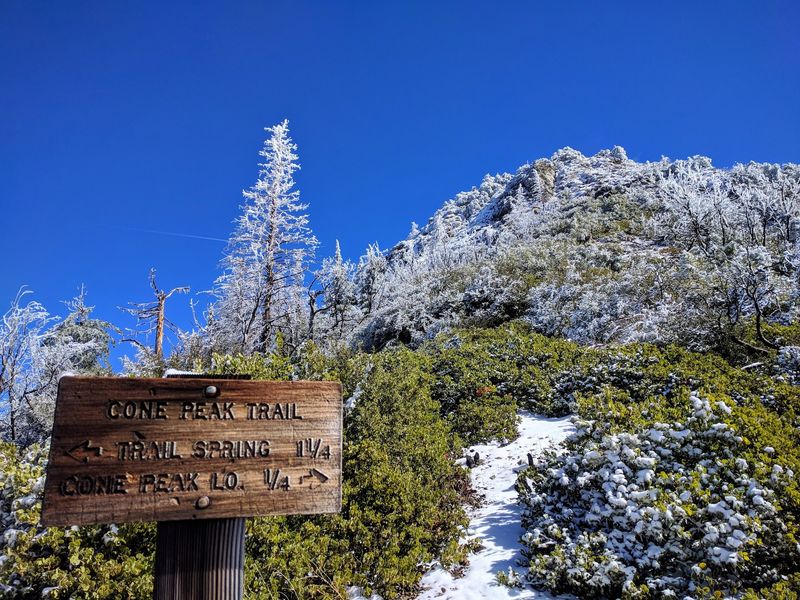
Right next to Iron Mountain sits another botanical gem that hikers sometimes overlook because they’re already tired from the first summit. Cone Peak Trail winds through shaded forest before spilling into open meadows where yellow stonecrop, pink penstemon, and purple larkspur light up the landscape during June and July.
The standard round trip runs about 4.8 miles, which is manageable for most hikers without being too easy to feel rewarding. Ambitious visitors can link Cone Peak directly with Iron Mountain, creating a longer loop that tours one of the most flower-rich corners of the Oregon Cascades.
That combination is hard to argue with.
What makes Cone Peak especially enjoyable is the constant change in scenery. Cool forest shade gives way to rocky outcroppings, then opens into meadow views stretching toward Cascade peaks.
The shift keeps the walk interesting from start to finish. Pack a real lunch, not just a granola bar, because you will want to sit somewhere beautiful and eat it slowly while wildflowers wave around you in the breeze.
Green Lakes Trail – Three Sisters Wilderness
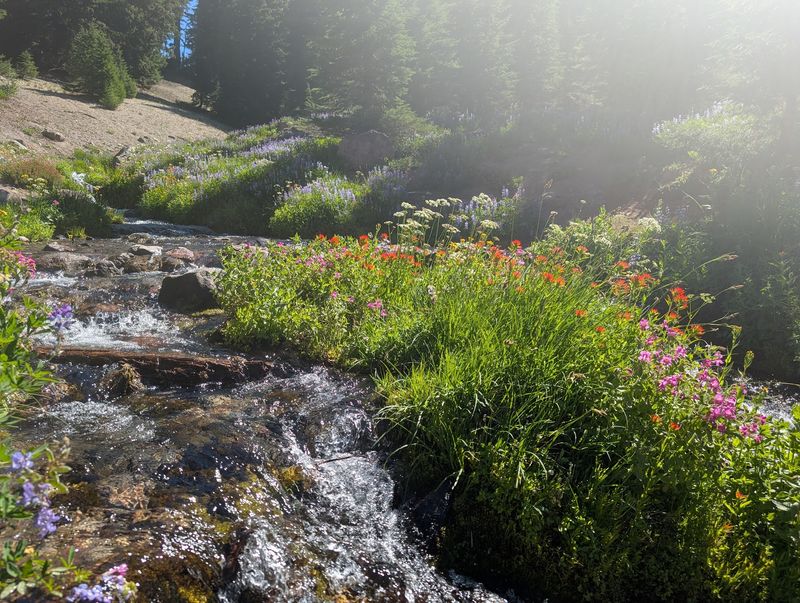
Turquoise alpine lakes, twin volcanic peaks, and wildflowers blooming at their feet – Green Lakes Trail delivers a scenery combination that photographers dream about. Located west of Bend, this roughly 9- to 11-mile hike follows Fall Creek deep into the Three Sisters Wilderness before arriving at a series of stunning mountain lakes.
Magenta paintbrush, lupine, and Lewis monkeyflower are among the species that bloom along the route during late summer. The flower colors popping against the volcanic rock and blue-green water create a visual contrast that feels almost too dramatic to be real.
It is real, though, and it’s absolutely worth the mileage.
Popularity comes with the territory here. A Central Cascades Wilderness Permit is required for entry between June 15 and October 15, and dogs must be leashed from July 15 through September 15.
Book your permit well in advance, because this trail fills up fast during peak wildflower season. Showing up without a plan and hoping for the best is a gamble that rarely pays off at one of Oregon’s most visited wilderness destinations.
Paradise Park – Mount Hood
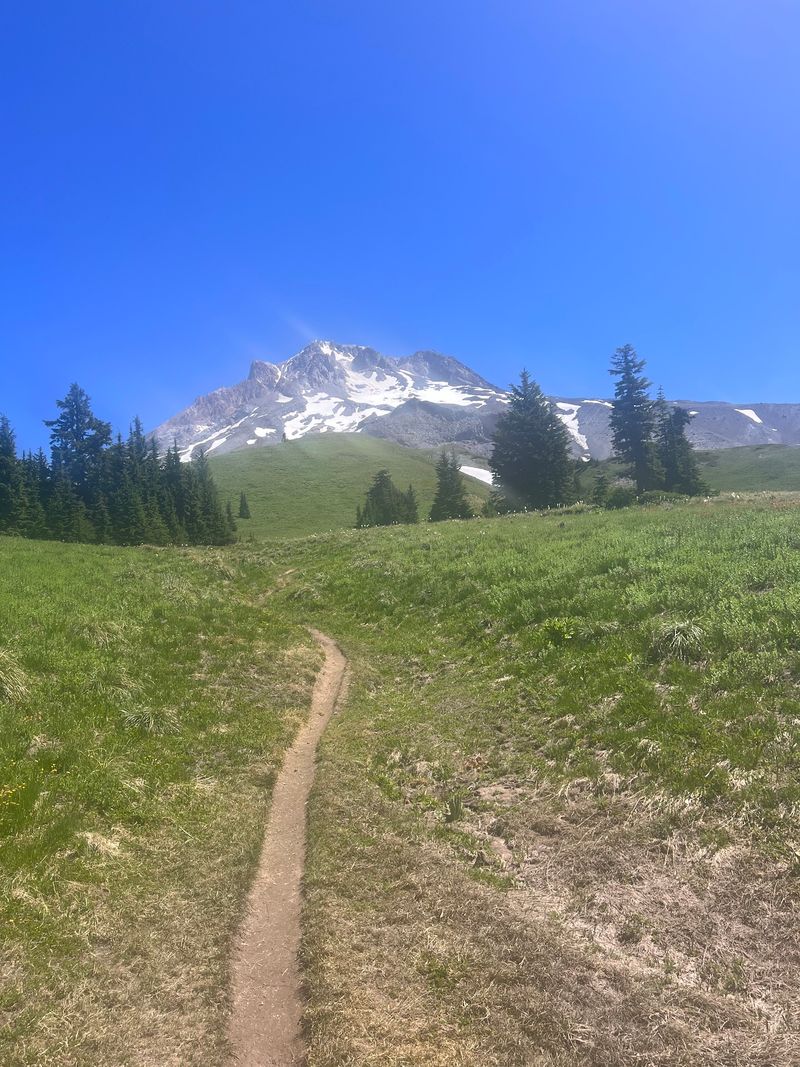
Few places in Oregon live up to a name as boldly as Paradise Park does on a clear July morning. Perched on Mount Hood’s southwestern flank, this subalpine meadow area delivers exactly the kind of scenery the name promises: wide-open flower fields with Oregon’s tallest volcano towering above.
When summer arrives in the high country, the meadows fill with lupine, paintbrush, and a rotating cast of other wildflowers that shift as the season progresses. The visual setup is classic Pacific Northwest mountain photography: bright blooms in the foreground, dark forest below, and Hood filling the upper half of every frame.
It’s nearly impossible to take a bad photo here.
Paradise Park connects with the Timberline Trail, meaning hikers can customize their route depending on fitness and ambition. The approach involves real elevation gain, so this is not an outing for brand-new hikers in flip-flops.
Good boots, plenty of water, and an early start are all smart choices. When the flowers are peaking beneath Hood, the effort of getting there quickly becomes the least memorable part of the day.
Lookout Mountain – Mount Hood National Forest
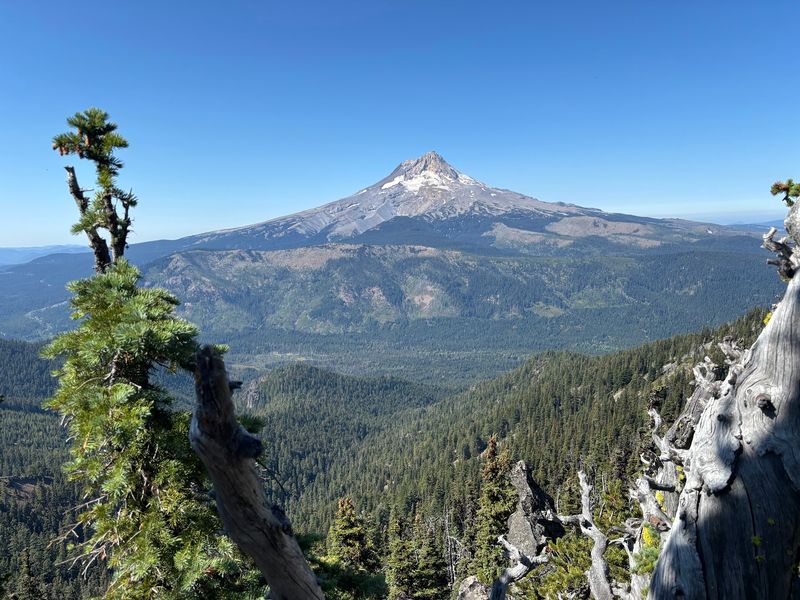
Hikers who visit Mount Hood’s western side often miss what’s happening on the other side of the mountain. Lookout Mountain sits in the drier, eastern portion of the national forest, where the landscape opens up dramatically and the views stretch farther than most people expect.
Open slopes and sunny meadow pockets create excellent growing conditions for summer wildflowers, and the blooms here pair naturally with some of the best Cascade panoramas in the region. On a clear day, distant peaks seem to line up along the horizon like they’re posing for a group photo.
Adding wildflowers to that foreground turns a great view into a genuinely memorable one.
The eastern Cascade environment feels noticeably different from the dense, wet forests on Hood’s western side. There’s more sky, more open terrain, and a different mix of plant species that rewards hikers who enjoy comparing ecosystems.
Timing a visit for peak summer bloom means combining impressive floral color with those wide, sweeping mountain views. It’s a combination that makes Lookout Mountain a worthwhile detour for anyone spending time around Mount Hood National Forest.
Tam McArthur Rim – Near Sisters
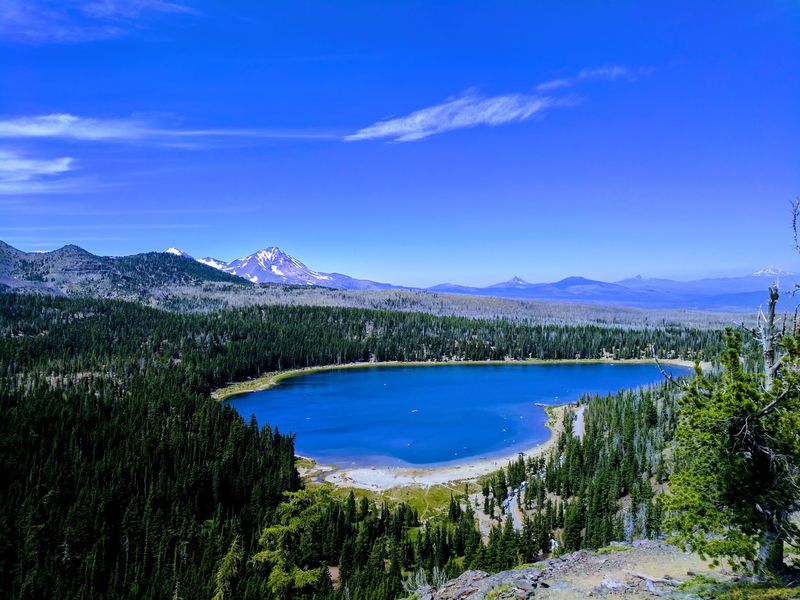
Standing on the rim and looking out over Three Creek Lake below, it’s easy to understand why people drive hours to reach this trail. Tam McArthur Rim, located just outside the town of Sisters, climbs steadily toward a volcanic rim with views that sweep across Central Oregon’s high country in every direction.
Summer brings mountain wildflowers to the rocky slopes and open sections of the trail, adding splashes of color to a landscape already dominated by dramatic geology and Cascade peaks. The elevation here means snow can hang around long after lower-elevation trails have dried out, so timing matters.
Checking trail conditions before heading out saves a lot of frustration.
This trail sits within the popular Central Cascades region, which operates a permit system from June 15 through October 15 to protect wilderness areas and manage crowds. Reserving a permit early is the move.
Arriving without one during peak season is a quick way to turn an exciting day trip into a disappointing parking lot experience. Get the permit sorted, pack extra layers for the exposed rim, and enjoy one of the more dramatic wildflower hikes in Central Oregon.
Marys Peak – Near Corvallis
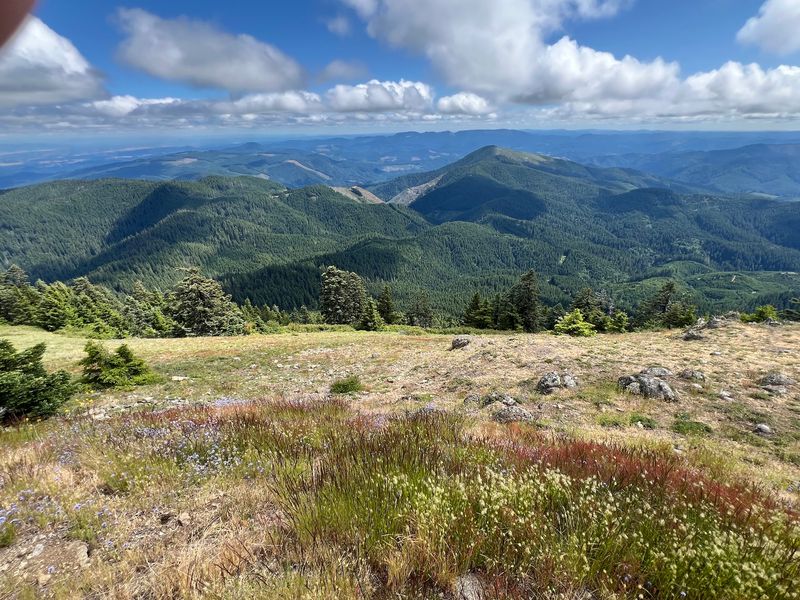
At 4,097 feet, Marys Peak is the highest point in Oregon’s Coast Range, and it punches well above its weight when it comes to wildflower variety. Most hikers expect a nice view.
They don’t always expect the botanical surprise waiting near the summit.
Glacier lilies, scalloped onion, harsh Indian paintbrush, Cardwell’s penstemon, and spreading phlox are among the species that bloom on the upper slopes and rocky gardens from late spring through summer. Several of these plants are more commonly associated with high Cascade environments, making Marys Peak an unexpectedly interesting botanical stop for anyone who pays attention to what’s growing underfoot.
The views don’t disappoint either. On a clear day, hikers can see toward the Pacific Ocean in one direction and across the entire Willamette Valley toward Cascade peaks in the other.
Multiple trail options let visitors tailor the hike to their energy level and available time. Marys Peak works as a quick summit dash or a more leisurely wildflower wander depending on what kind of day you’re after.
Either way, the flowers make it worth the trip from Corvallis.
Eight Dollar Mountain – Near Grants Pass
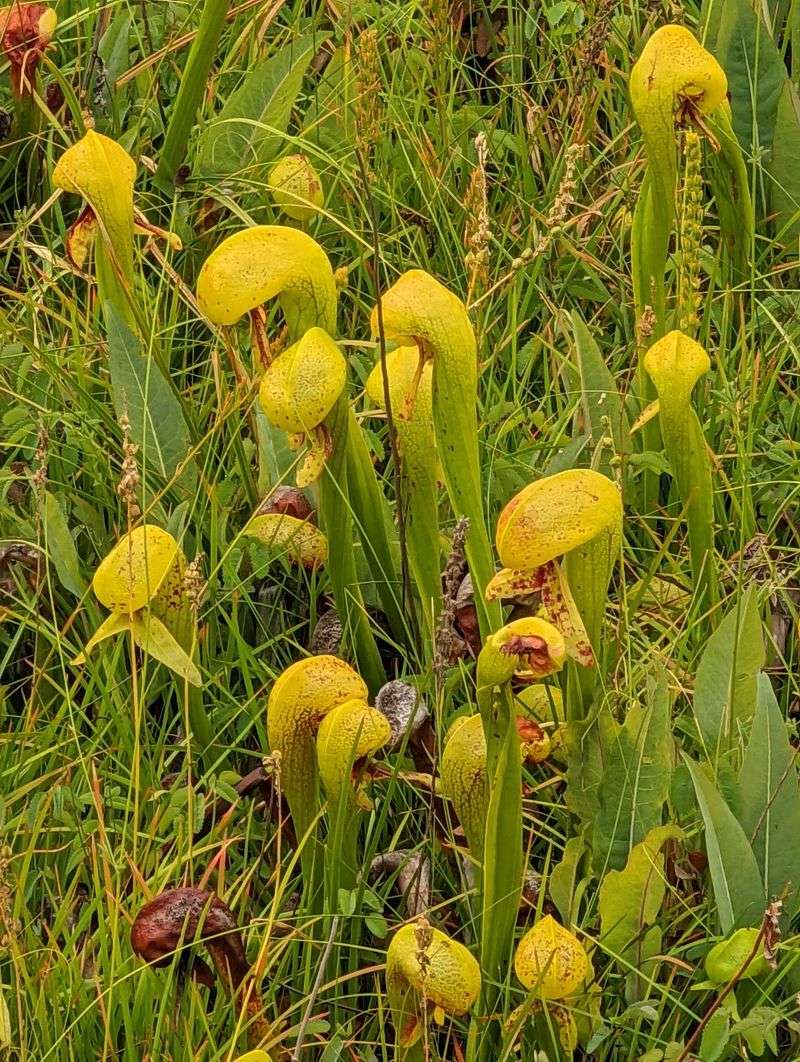
Carnivorous plants and wildflowers in the same spot – Eight Dollar Mountain is not your average trail. Located in southwestern Oregon near Grants Pass, this botanical area is famous for its unusual serpentine soils, which support plant communities found almost nowhere else in the state.
The star of the show is Darlingtonia californica, better known as the cobra lily. Its green-and-red-speckled leaves spiral upward in a shape that genuinely resembles a cobra ready to strike.
It’s also a carnivorous plant, which means it traps and digests insects for nutrients. Finding one growing wild along a hiking trail feels like stumbling into a nature documentary.
Beyond the cobra lily, other wildflowers along the trail can bloom well into August, extending the season past what many higher-elevation hikes offer. A wheelchair-accessible boardwalk provides entry into the protected Darlingtonia habitat, making this one of the more inclusive wildflower experiences in Oregon.
No punishing climb required to reach the good stuff. Eight Dollar Mountain proves that Oregon’s most interesting botanical moments don’t always happen at 6,000 feet, and that weird plants deserve just as much appreciation as pretty ones.
Kings Mountain – Coast Range
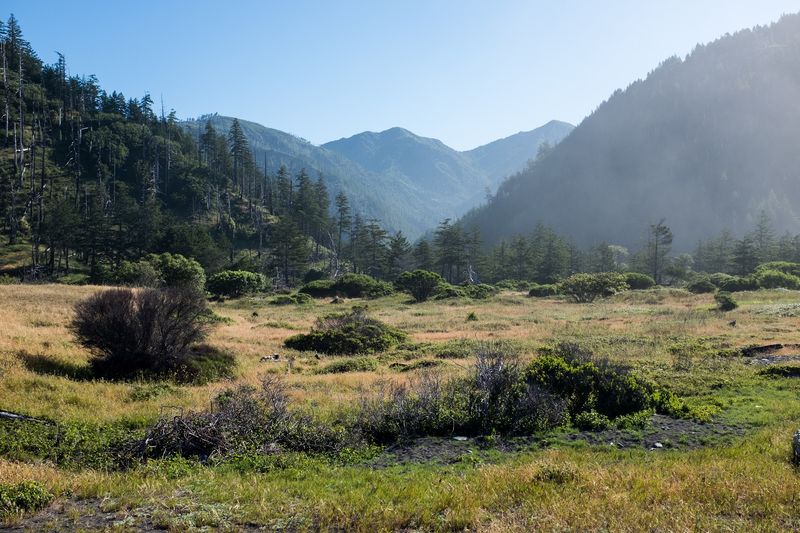
Beargrass, penstemon, phlox, and the rare phantom orchid – Kings Mountain brings some genuinely unusual wildflower guests to a trail that already earns respect for its difficulty. Located inland from Tillamook in the Coast Range, this 5-mile round-trip hike is not shy about the elevation it asks hikers to gain.
The climb is steep and honest from the start, which filters out casual visitors and rewards those who push through. Upper slopes open up with views over surrounding forest country, and that’s where the wildflowers tend to concentrate during summer.
Reaching a flower-covered ridgeline after a hard climb produces a specific kind of satisfaction that a flat meadow walk simply cannot replicate.
Good footwear is not optional here. The trail can be slippery, the grade is relentless, and underestimating it leads to miserable descents on tired legs.
Bring more water than you think you’ll need and set realistic expectations about pace. The phantom orchid alone – a rare, ghostly white plant that lacks chlorophyll – makes Kings Mountain worth the research before you go.
On a clear summer day, the combination of unusual wildflowers and Coast Range views makes every difficult step feel completely justified.
Share this story