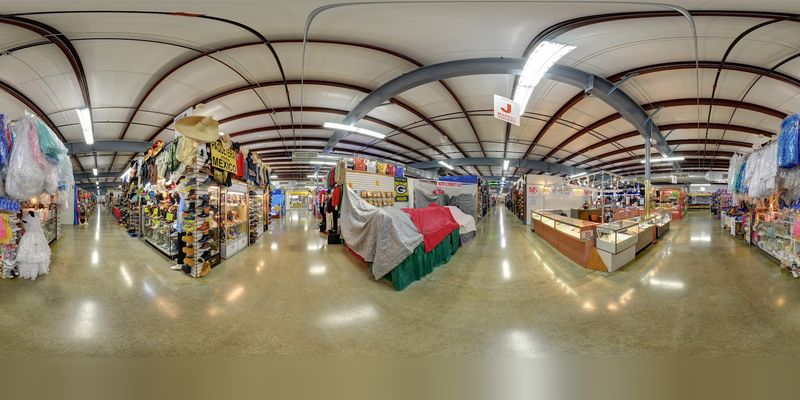
Weekends in southeastern Wisconsin have a not-so-secret shopping ritual, and it involves hundreds of vendor booths spread across a property so large that two hours barely scratches the surface. There is fresh corn stacked beside sturdy tools, old gaming consoles priced far below the internet, and puppies waiting for gentle hands to pet them.
Bargain hunters wander the rows all day, haggling over rosaries and hunting for antiques while the smell of grilled snacks drifts through the crowd. Families keep coming back because there is always something new to find, and the variety turns a simple errand into an all-day outing.
Curious where all this happens and what makes it worth the drive? Keep reading, because the details ahead might just fill your Saturday plans.
Where the Bargains Begin
Set at 2720 W 7 Mile Rd in Caledonia, Wisconsin, this sprawling weekend market answers to a simpler name: 7 Mile Fair. It sits within easy reach of Interstate 94, making it a familiar stop for shoppers driving in from Milwaukee, Kenosha, and even farther afield.
The property is huge, combining indoor buildings with wide outdoor lanes packed with vendor booths. Regulars describe it as a place where you can find just about anything, from tires and socks to art and fresh vegetables.
Weekend-only hours give the fair a distinct rhythm. Doors open at 9 AM on Saturday and Sunday and close at 5 PM, leaving Monday through Friday quiet.
With more than 5,800 opinions logged and a 4.2-star standing, the fair has clearly earned a loyal following. It draws a wide mix of shoppers, many of whom treat a visit as their standing weekend tradition.
Part treasure hunt, part community gathering, the fair has become a fixture in the region. That reputation is exactly why it deserves a closer look.
A Longtime Weekend Institution
Some places quietly build history one weekend at a time, and this market is one of them. Shoppers mention returning after gaps of seven, even fifteen years, which speaks to how long the fair has been part of local routines.
Longtime patrons compare it to markets they have seen in Michigan, Florida, and California, noting that this style of sprawling weekend bazaar exists across the country. Yet many still single out this one as a favorite worth revisiting.
The staying power comes from constant variety. Booths change, vendors rotate, and the mix of goods keeps shifting, so no two trips feel identical.
Families pass the tradition down through generations, with parents bringing children who later bring their own. That continuity gives the fair a comfortable, familiar feel even for first-timers.
Endurance like this is rare for any retail spot. The fair has managed it by staying dependable and endlessly changeable at the same time.
Indoor Halls and Outdoor Lanes
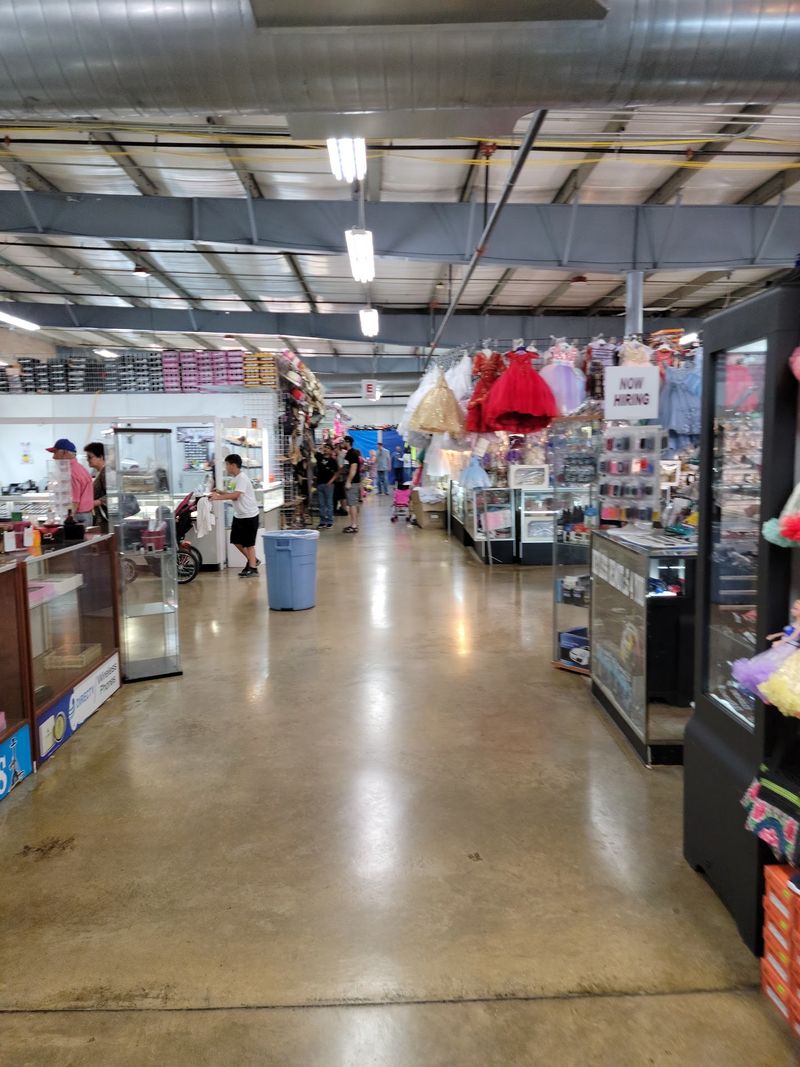
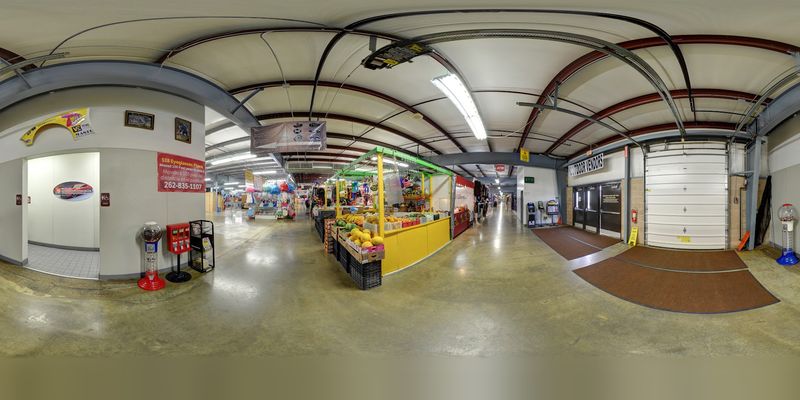
Layout is half the adventure here. The fair splits itself between enclosed buildings and open-air rows, so shoppers can browse indoor stores and outdoor booths in a single visit.
Indoors, you might find gardening supplies, tools, and specialty goods tucked into permanent-feeling stalls. Step outside and the lanes open up with fresh fruit stands, plants, and vendors selling from tables and vans.
The two zones give the market a flexible personality. On pleasant days the outdoor section hums with activity, while the indoor halls offer a steady backup no matter the weather.
That combination is exactly what the article title promises: indoor and outdoor vendors under one broad umbrella. It means a trip rarely gets cut short by a passing cloud.
Comfortable footwear is a smart call, since covering both areas involves plenty of walking. Regulars who plan their route tend to see far more than those who wander aimlessly.
Fresh Produce Piled High
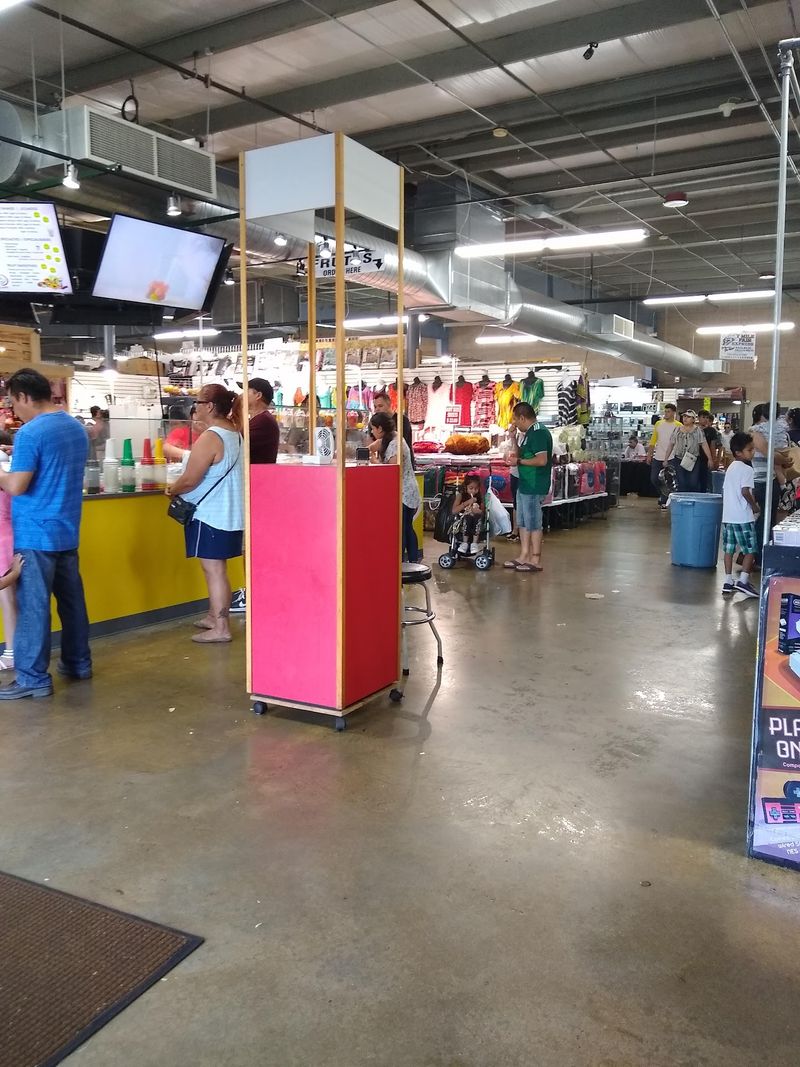
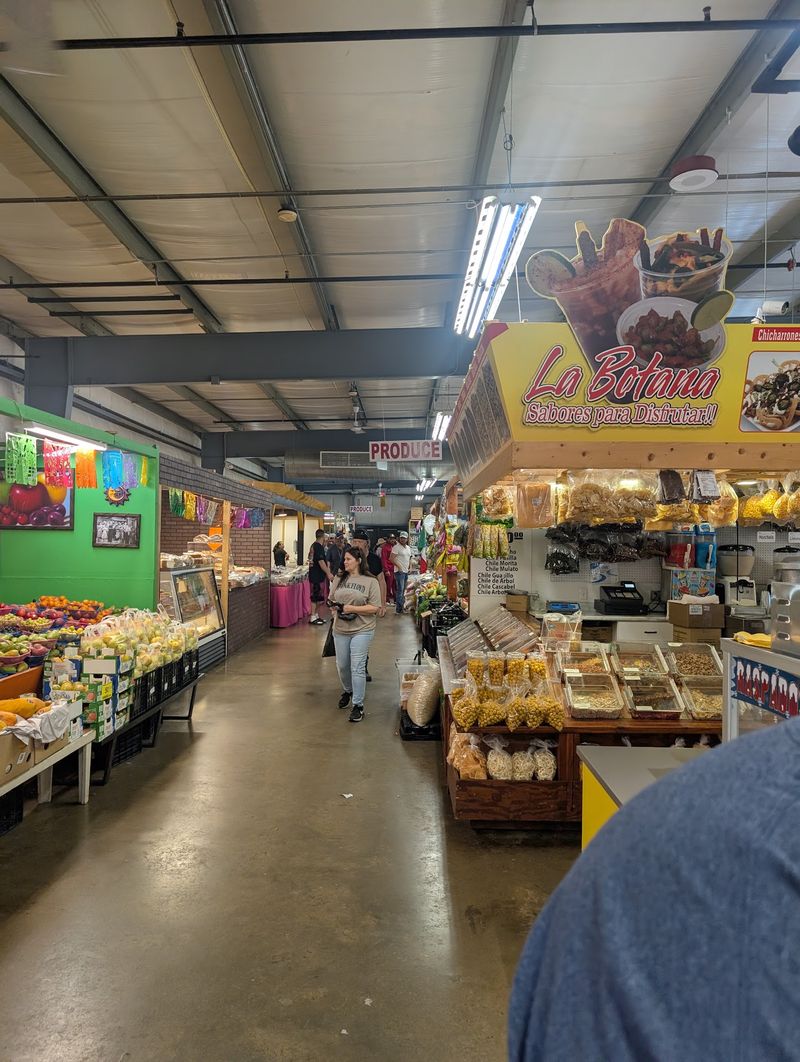
Produce is one of the market’s biggest draws, and it shows. Shoppers rave about crazy-cheap fresh fruit and stands loaded with vegetables that rival any grocery run.
Corn earns its own spotlight here, mentioned again and again by those who make the trip. Whether raw for cooking at home or prepared Mexican-style at a food stall, it is practically a signature of the place.
Beyond the basics, vendors offer plants, dry foods, and specialty ingredients like Mexican spices and chilies. That range lets a single visit double as a full pantry restock.
The prices on fresh items tend to win people over, with many pointing out how far a small budget stretches. It is one of the most reliably praised parts of the whole experience.
For anyone who loves cooking, the produce lanes alone justify the drive. Filling a bag with fruit for a few dollars has a satisfying appeal all its own.
Antique Finds and Secondhand Scores
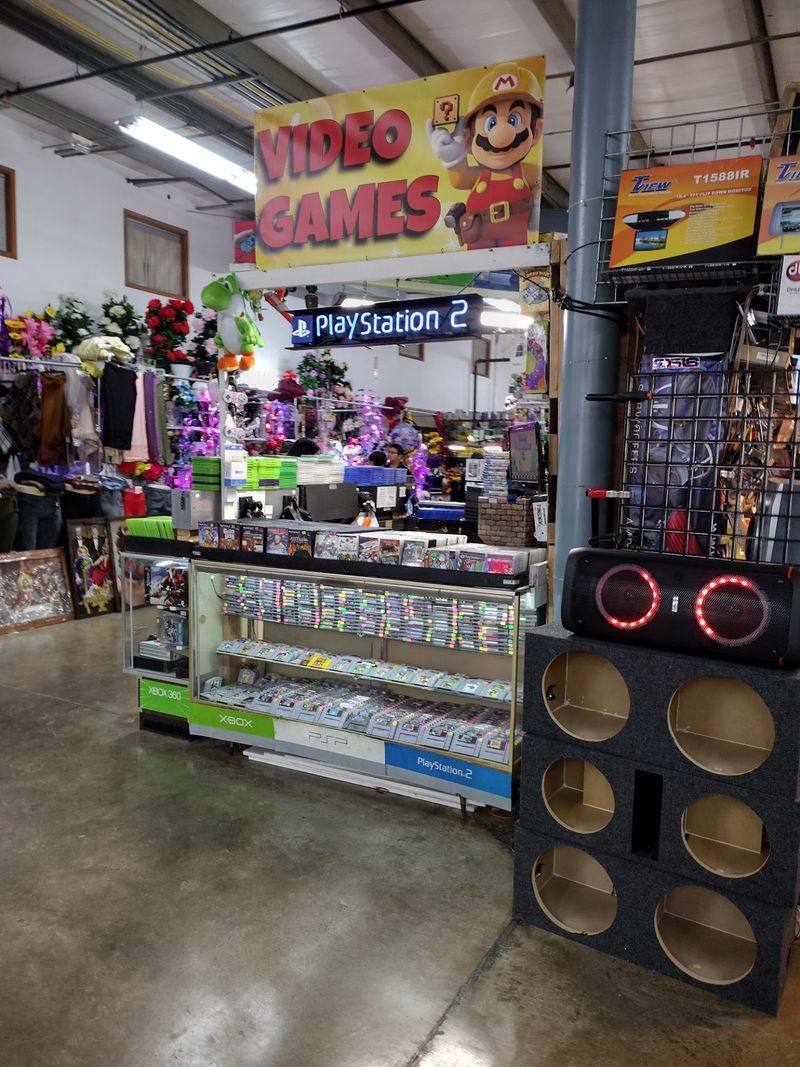
Treasure hunters have plenty to sift through in the aisles. The fair rewards patient browsing with antique finds, sturdy tools, and secondhand items priced to move.
Sharp deals surface for those who look, including inexpensive knives that hold up better than expected and stoves waiting for a new home. Old gaming consoles also turn up, often cheaper than what you would pay online.
Not every corner is packed with genuine antiques, and some shoppers who hunt specifically for them note the selection can be thin. Managing expectations helps, since the strength here is variety more than curated vintage.
Still, the thrill of stumbling onto an unexpected bargain keeps collectors coming back. A ten-dollar knife or a discounted console can make an entire trip feel worthwhile.
Digging through the mix is part of the fun. The best finds usually go to those willing to slow down and really look.
An Ocean of Vendors and Goods
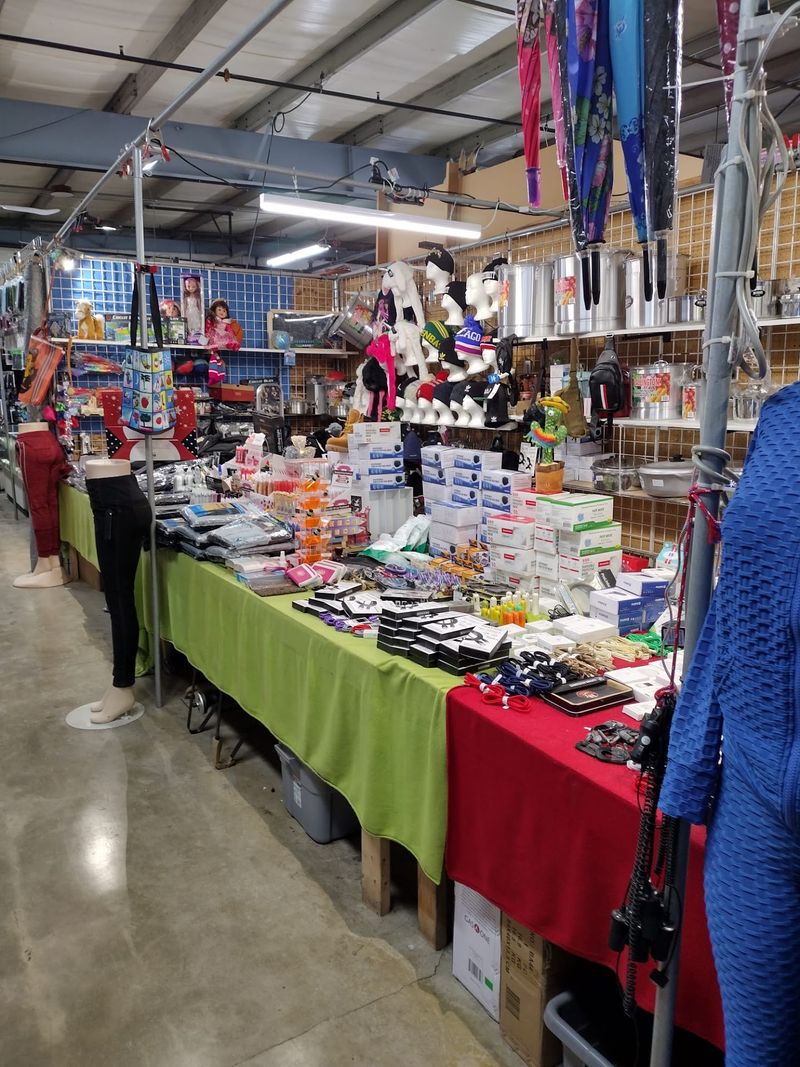
Scale is where this market truly flexes. With vendors mentioned in the hundreds, the sheer number of booths means the inventory feels almost limitless.
Walk the rows and you will pass bracelets, tires, purses, socks, hats, rugs, soap, vases, and art, often within a few steps of each other. The running joke among regulars is that if you need something, you can probably find it here.
That variety turns shopping into a kind of scavenger hunt. Cosmetics sit near tools, clothing near household goods, and each turn reveals a fresh category.
The trade-off is time. Many admit you could spend all day and still not see everything, which is either a warning or an invitation depending on your patience.
For shoppers who love the unexpected, the abundance is the whole point. Few markets pack this much under a single sprawling footprint.
The Animal Section
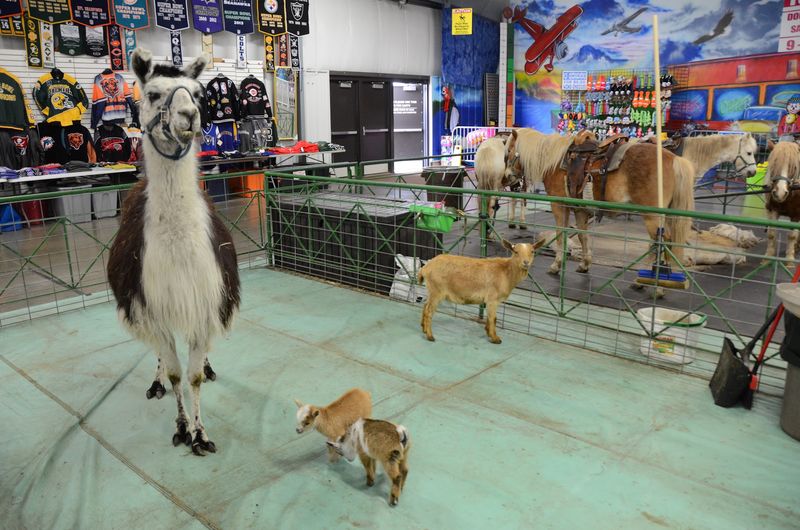
Kids gravitate toward one particular corner more than any other. The fair keeps an animal section, tucked into an enclosed area, where puppies and pets are offered for sale.
Families often stop to pet and play with the animals, turning a shopping trip into an impromptu petting visit. For younger children, it is frequently the highlight of the day.
The section has drawn mixed feelings, though. While many enjoy it, some shoppers have raised concerns about the care and conditions of the animals on offer.
Anyone considering a purchase here would do well to look closely and ask questions. As with any market, the buyer benefits from paying attention.
Even so, the animals add a lively, family-friendly dimension. It is one more reason the fair appeals to shoppers of every age.
Food Stalls and Live Music
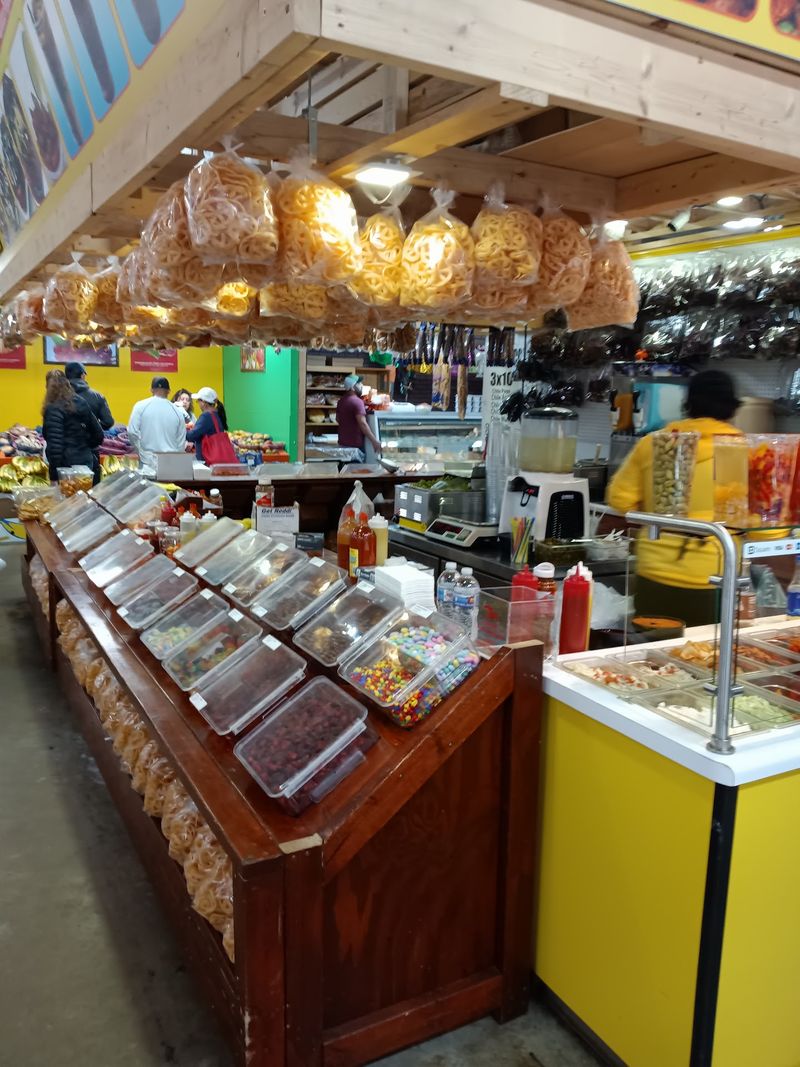
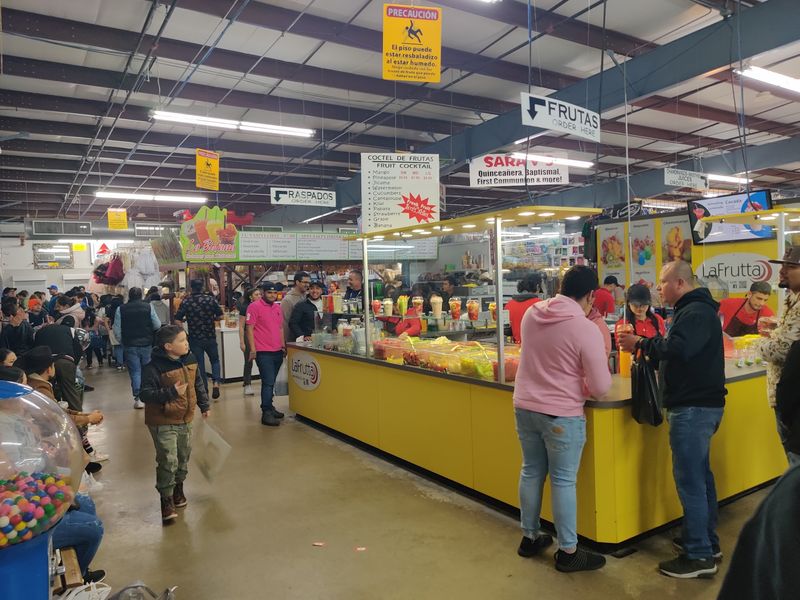
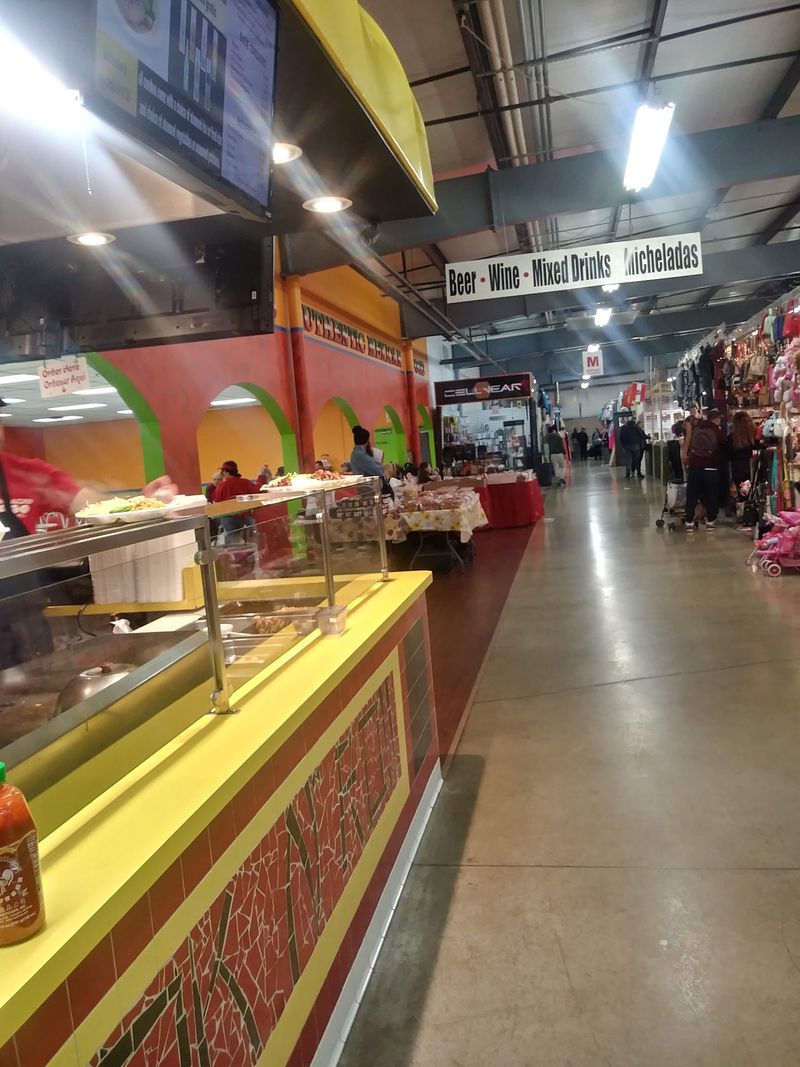
Shopping works up an appetite, and the fair is ready for it. Food stalls scattered throughout serve everything from grilled corn done Mexican-style to churros, crepes, and hearty plates.
The cafeteria-style options get plenty of love, with families making full meals out of their visit. Fresh lemonade and sweet treats round out the offerings for a proper break between browsing.
Adding to the atmosphere, live music plays in one of the buildings. The combination of food and entertainment gives the market the feel of a weekend event rather than a simple errand.
One standout is the Mexican bread, praised so highly that shoppers from as far as Chicago have asked where to find it again. That kind of devotion says a lot.
Between the eats and the music, it is easy to linger. Many treat the food as a main attraction all on its own.
A Market with Cultural Flavor
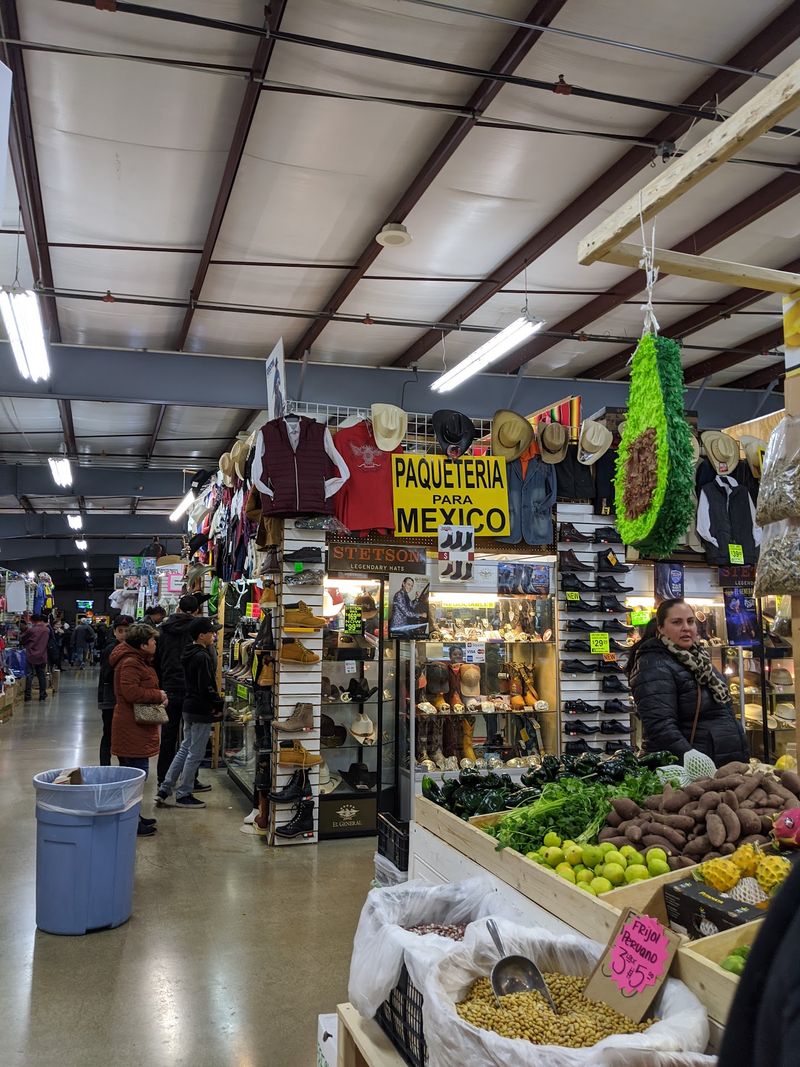
Culture runs through this market in a way that shapes the whole experience. Much of the fair leans toward a Hispanic clientele, and it shows in the goods and food on offer.
Vendors sell traditional Mexican dresses and outfits, spices, dried chilies, and specialty breads alongside the usual flea market fare. The result is a vibrant, culturally rich shopping trip.
Food reinforces that identity, with Mexican-style corn, tacos, burritos, and fresh churros drawing steady crowds. For many, the flavors are as much a reason to visit as the bargains.
The crowd itself is a genuine mix of backgrounds, giving the fair a welcoming, community feel. Shoppers of all kinds find their way through the lanes together.
That cultural character sets the market apart from a generic bargain lot. It gives the place personality that keeps people returning.
The Art of Haggling and Cash Only
Bargaining is basically the house sport at this market, and knowing the rules helps. Cash gets mentioned often, so arriving with bills in your pocket keeps things smooth.
Prices are not always fixed, and vendors frequently expect a little back-and-forth. A savvy approach is to know what an item is worth and be ready to negotiate toward it.
The wisdom passed around the aisles is simple: if a seller will not budge, walk away. With so many booths, there is usually another one selling something similar just down the row.
Some shoppers caution about uneven prices and encourage checking items carefully before buying. Comparing across booths is the best defense against overpaying.
Handled well, the haggling becomes half the entertainment. Landing a fair deal on something you wanted is a small victory that keeps the hunt fun.
Planning Your Visit
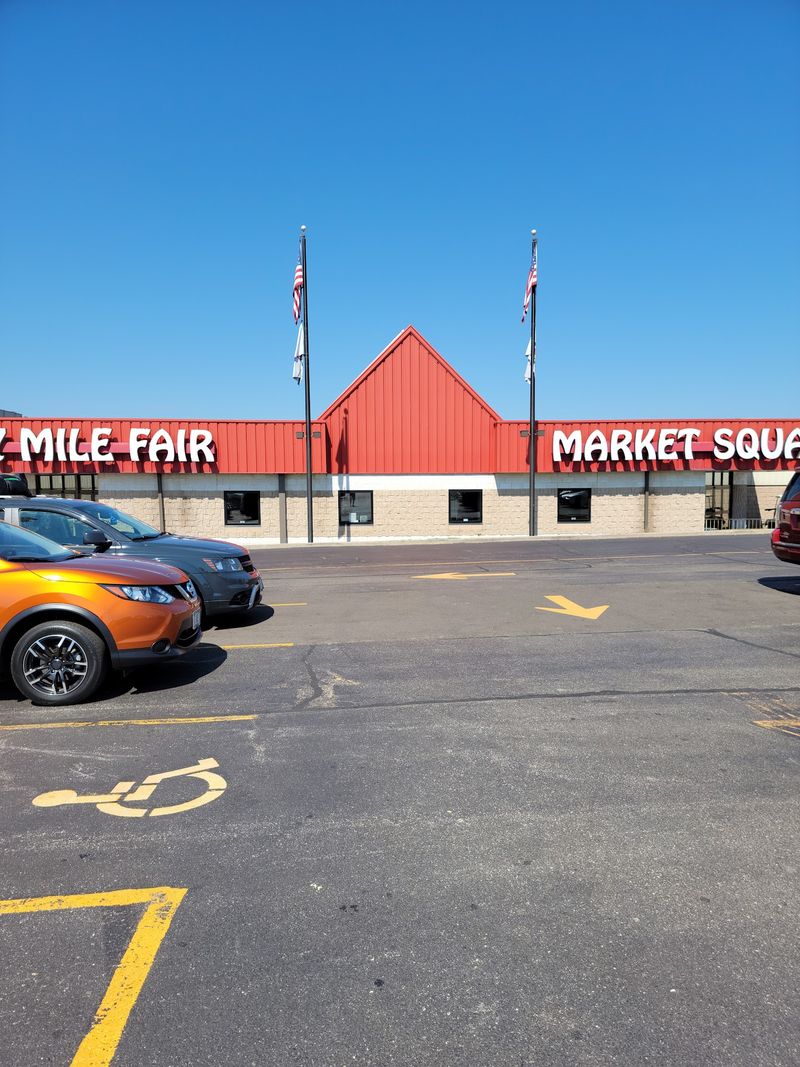
A little planning goes a long way at a market this size. The fair runs Saturday and Sunday only, from 9 AM to 5 PM, and stays closed the rest of the week.
There is a small admission fee at the gate, though coupons can let early birds get in free. Checking for those deals ahead of time is a smart move.
Parking is ample by the numbers, but the lot can get busy and finding a spot sometimes takes patience. Arriving earlier in the day tends to ease the crunch.
Comfortable shoes are practically required, given how much ground there is to cover. Bringing cash also smooths out purchases, since many vendors prefer it.
The fair sits just off Interstate 94, keeping it convenient for road-trippers. A bit of preparation turns a big, busy market into a genuinely enjoyable outing.
Is the Trip Worth It
So does all this add up to a weekend well spent? For most who make the trip, the answer leans yes, reflected in a solid 4.2-star standing across thousands of opinions.
The strengths are clear: endless variety, cheap fresh produce, cultural flavor, family-friendly fun, and the thrill of the occasional great find. Many shoppers count it among their favorite markets and return again and again.
It is not flawless, and honesty matters here. Some point to higher prices than other flea markets, busy parking, and the need to shop carefully to avoid a bad deal.
Going in with a plan and a bit of savvy makes the difference. Those who browse patiently and haggle wisely tend to walk away happiest.
For a low-cost weekend outing with something for nearly everyone, 7 Mile Fair earns its loyal following. Bring cash, comfortable shoes, and a sense of adventure, and the rows will do the rest.
Share this story