Some road trips are about covering ground. Others are about uncovering history.
This route through central and eastern Oregon does both, threading together nine small towns where gold rushes, wool booms, and fossil beds left behind a landscape that feels wonderfully out of step with the modern world. Pack snacks, top off the tank, and get ready to drive through some of the most quietly remarkable country in the Pacific Northwest.
Shaniko
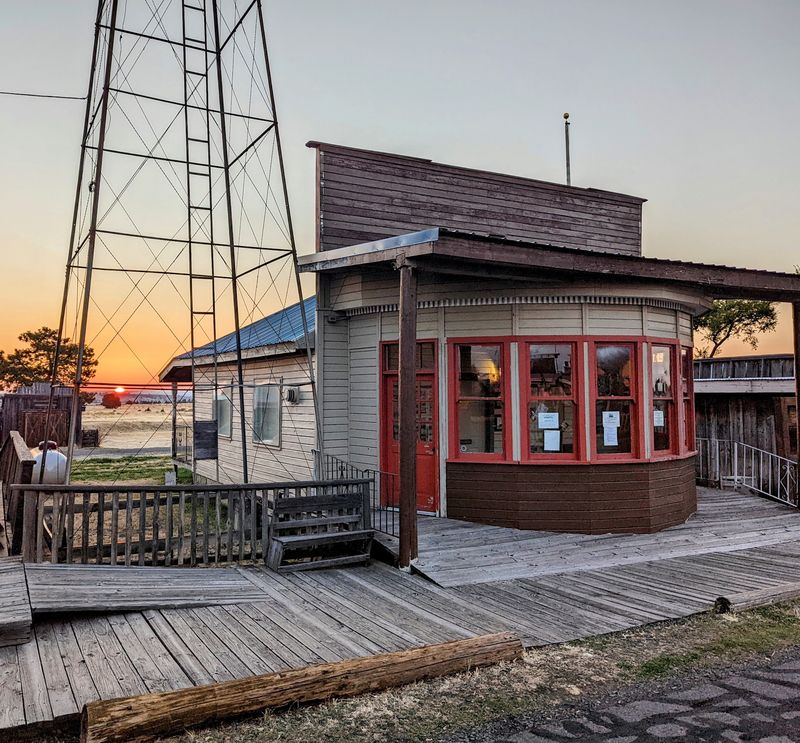
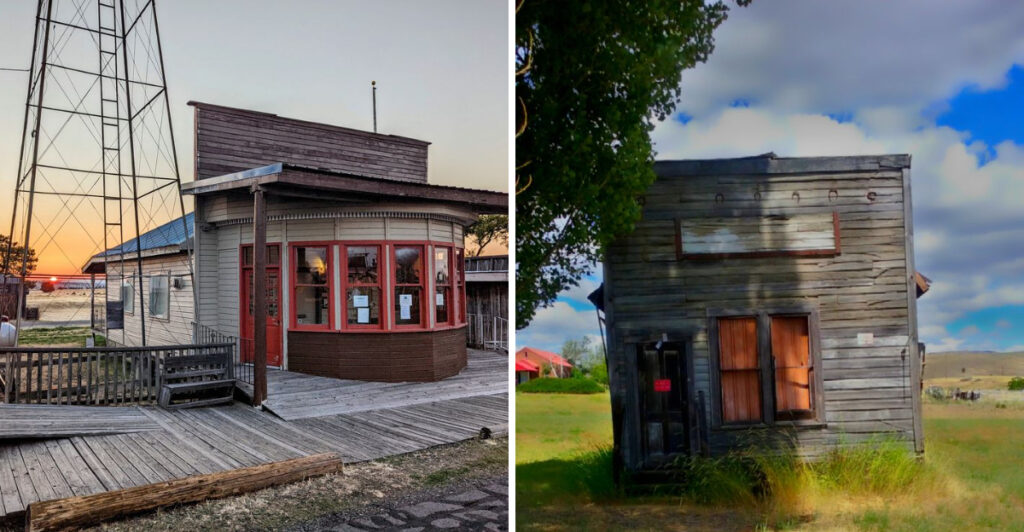
Step out of your car in Shaniko and the silence hits you first. No traffic noise, no shopping center hum, just wind moving through a grid of streets that once buzzed with the energy of a booming economy.
Shaniko became the world’s leading wool-shipping center during its peak years, sending enormous quantities of livestock and wool out by rail from this otherwise unremarkable spot on the high desert.
The old hotel, jail, and schoolhouse still stand as quiet proof of what the town once was. A small number of residents still live here, which technically makes Shaniko a living community rather than a true ghost town.
That distinction gives the place a different kind of energy than a fully abandoned site would.
Walking slowly around the streets is the right approach. Rushing through misses the details: the faded paint on wooden facades, the scale of buildings designed for a much busier era, the way the sagebrush presses right up against the edge of town.
Shaniko is the perfect opening chapter for this road trip, setting the tone before the route heads south toward stranger and older stories.
Antelope
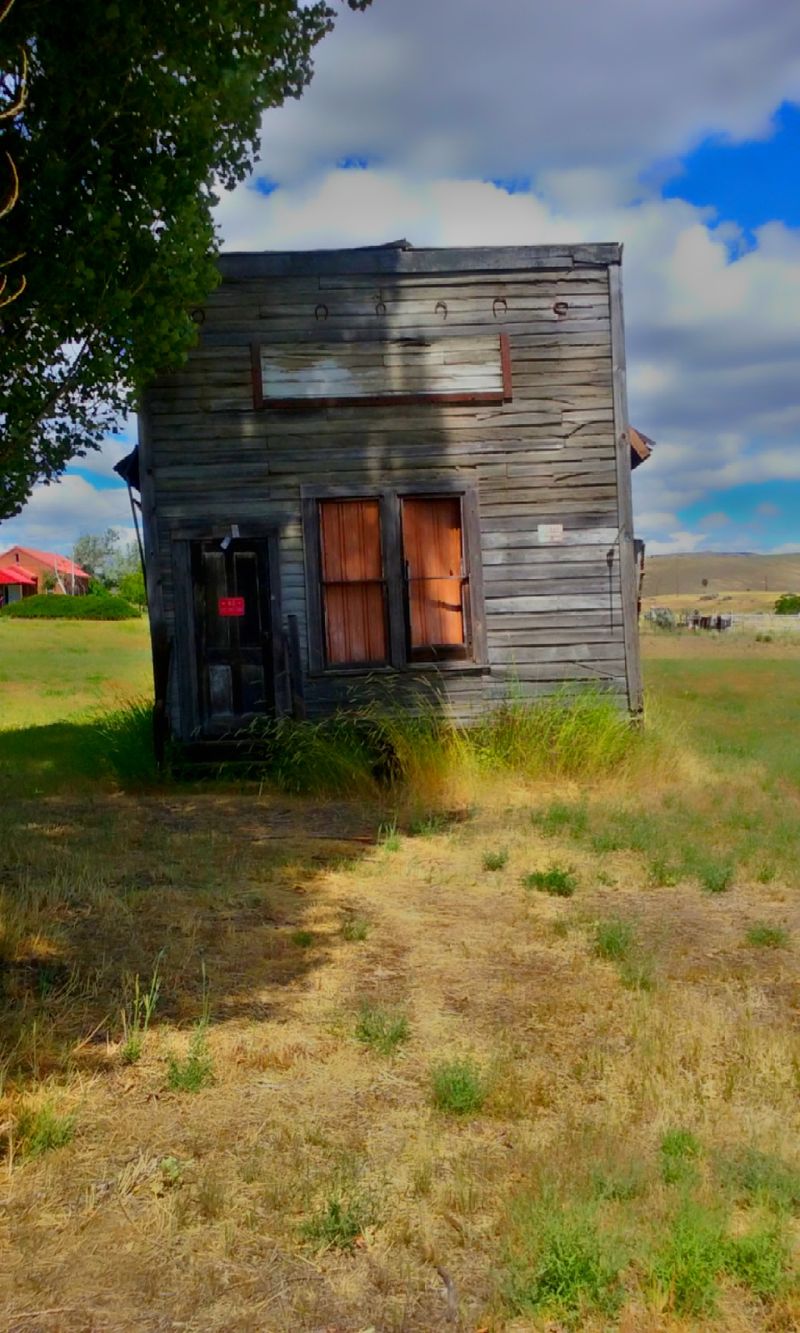
Antelope looks so peaceful today that first-time visitors might assume nothing particularly dramatic ever happened here. That assumption would be spectacularly wrong.
This small community, established as a 19th-century stage stop between the Columbia River and gold-mining country, became internationally famous during the 1980s for reasons that had nothing to do with stagecoaches.
Followers of Bhagwan Shree Rajneesh moved into the surrounding area, gained influence in local politics, and eventually renamed the town Rajneesh. After the movement collapsed under a wave of legal troubles and international headlines, residents voted to restore the original Antelope name.
The whole episode inspired documentaries, books, and ongoing fascination from people who still find the story almost unbelievable.
The town was incorporated in 1901 and had been quietly going about its business for decades before any of that happened. Now it’s quiet again, the streets calm and the population tiny.
Driving through without knowing the backstory, you might simply see a charming little ranching community. Knowing the backstory makes every ordinary-looking building feel like it carries a secret.
Stop long enough to appreciate both versions of Antelope at once.
Fossil
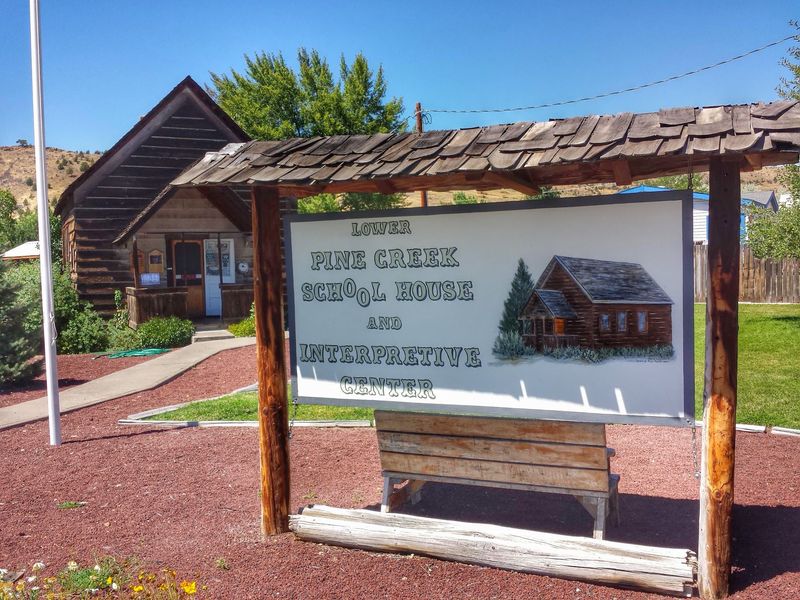
Not every town gets a name this literally accurate. Fossil sits in Wheeler County along the Journey Through Time Scenic Byway, surrounded by landscapes that have been quietly preserving evidence of life from millions of years ago.
The name isn’t creative branding. It’s just geography being honest about itself.
Visitors here can actually search for fossils at the public fossil bed located behind Wheeler High School, making this one of the more hands-on geology experiences available anywhere along the route. The Oregon Paleo Lands Center adds context and exhibits for anyone who wants to understand what they’re looking at out in those rocky hills.
Nearby, the Clarno Unit of John Day Fossil Beds National Monument offers more dramatic scenery and geological storytelling.
The town itself is small and unhurried. Historic buildings line the streets, the surrounding emptiness feels enormous, and the nearest city feels very far away.
That remoteness is part of the appeal. Fossil rewards travelers who slow down enough to actually look at what surrounds them.
Spend an afternoon digging carefully through the fossil bed behind the school, and you might leave carrying a leaf impression that’s older than anything you’ve ever held before.
Spray
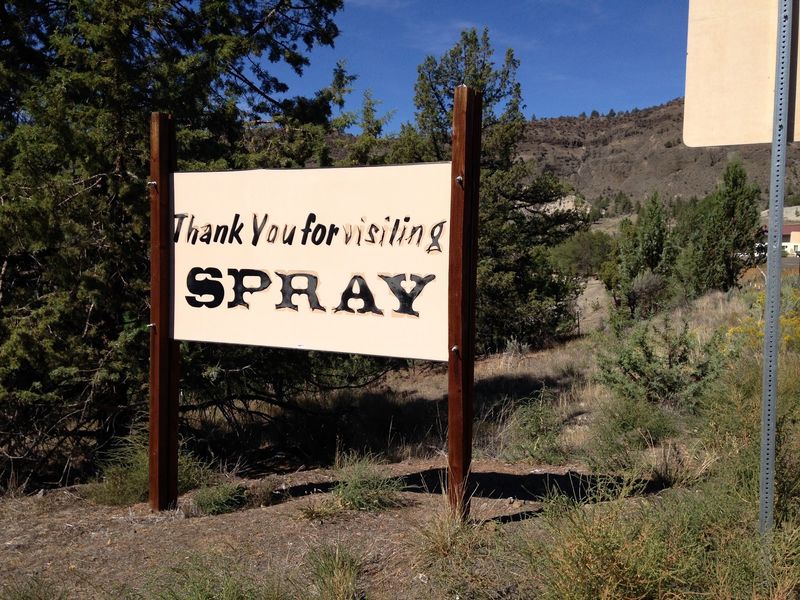
Postage stamp-size is how Travel Oregon describes Spray, and the description fits. This tiny community sits deep in John Day River country, named after John Fremont Spray, the town’s first postmaster, which is exactly the kind of origin detail that makes small-town history so enjoyable.
The landscape around Spray is enormous in every direction, making the community feel like a small anchor dropped into a very wide open sea.
The annual Spray Rodeo keeps Western heritage alive here, while the Spray Museum occupies a former Baptist church built in 1912, giving visitors a compact but genuine window into the region’s past. The John Day River winds nearby, and rocky hills rise around the edges of town in every direction.
On a quiet weekday, you might have the streets almost entirely to yourself.
Stopping for 30 minutes in Spray makes far more sense than simply watching it blur past through the windshield. Get out, stretch your legs, and pay attention to the scale of the country surrounding this little dot on the map.
The emptiness between towns is part of the experience on this road trip, and Spray sits right at the heart of some of the most dramatic open country the route passes through.
Mitchell
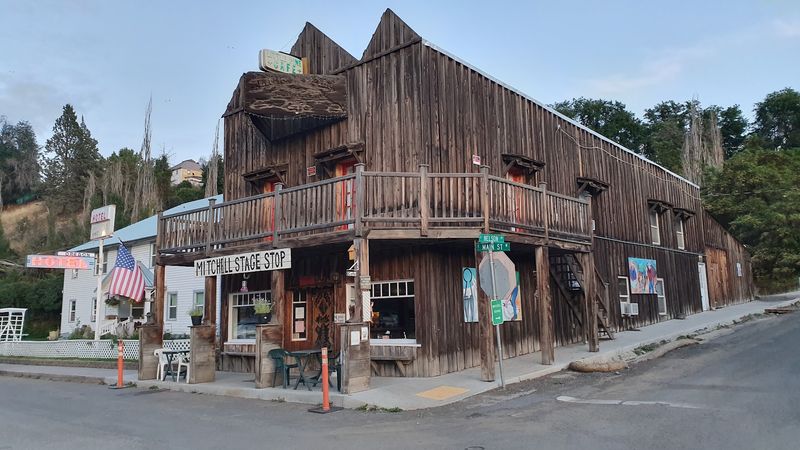
Tucked into a rugged canyon just off U.S. Highway 26, Mitchell is the kind of town you could easily drive past without realizing it’s there.
Mitchell Rock looms above the entrance, Black Butte and White Butte rise nearby, and the whole setting has a dramatic, slightly theatrical quality that makes the town feel like it was placed there on purpose for scenic effect.
Practically speaking, Mitchell punches well above its weight for such a tiny community. Travelers can find food, lodging, fuel, and camping options here, which matters considerably when you realize that the Painted Hills Unit of John Day Fossil Beds National Monument sits only about nine miles away.
The Painted Hills are extraordinary, with millions of years of geological history visible in rolling bands of red, gold, black, and yellow earth that become especially vivid in late-afternoon light.
Mitchell provides the human counterpoint to that ancient landscape. While the Painted Hills measure time in geological epochs, this small Western town measures it in generations of families who settled and stayed in a canyon most people never find.
The combination of accessible services and spectacular nearby scenery makes Mitchell one of the most useful stops along the entire route. Plan to arrive with enough daylight left to catch the hills at golden hour.
Prairie City
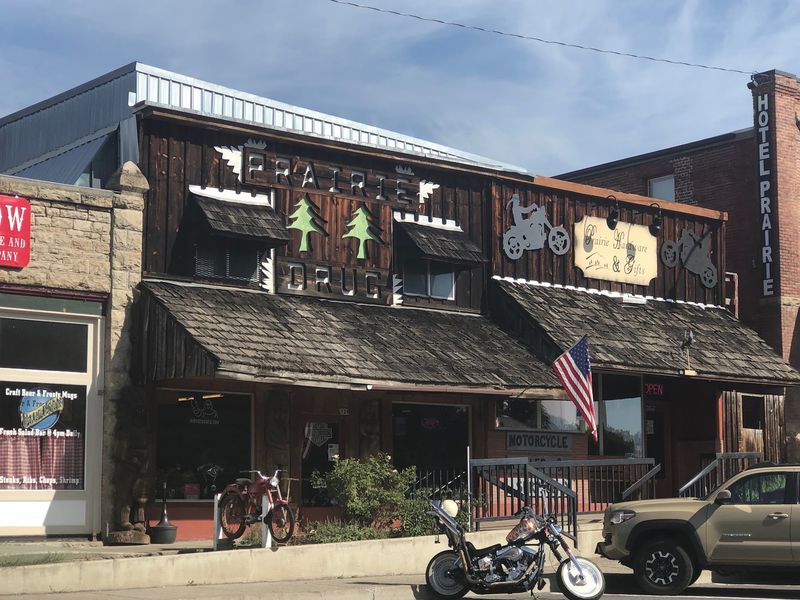
The Strawberry Mountains never really leave your sight in Prairie City. They sit on the southern horizon like a permanent reminder that this community exists at the edge of genuinely wild country, even though the town itself has been incorporated since 1887 and has roughly 600 residents going about their daily routines.
That combination of settled history and mountain wilderness gives Prairie City its particular character.
Historic Front Street still functions as the commercial heart of town, with local businesses occupying buildings that have been serving the community for generations. Railroad history survives at the DeWitt Museum, which occupies the old Sumpter Valley Railway depot and holds artifacts connected with both the railroad and the broader story of how this corner of Oregon developed.
It’s a small museum with a lot of local pride packed into it.
Prairie City isn’t a ghost town, and that’s exactly why it belongs on this road trip. People live here, raise kids here, and run businesses here at a pace that feels genuinely different from the rhythm of Oregon’s growing cities.
Park the car and walk Front Street before continuing east toward gold country. The mountains will still be watching from the south when you leave, which feels like a proper send-off.
Sumpter
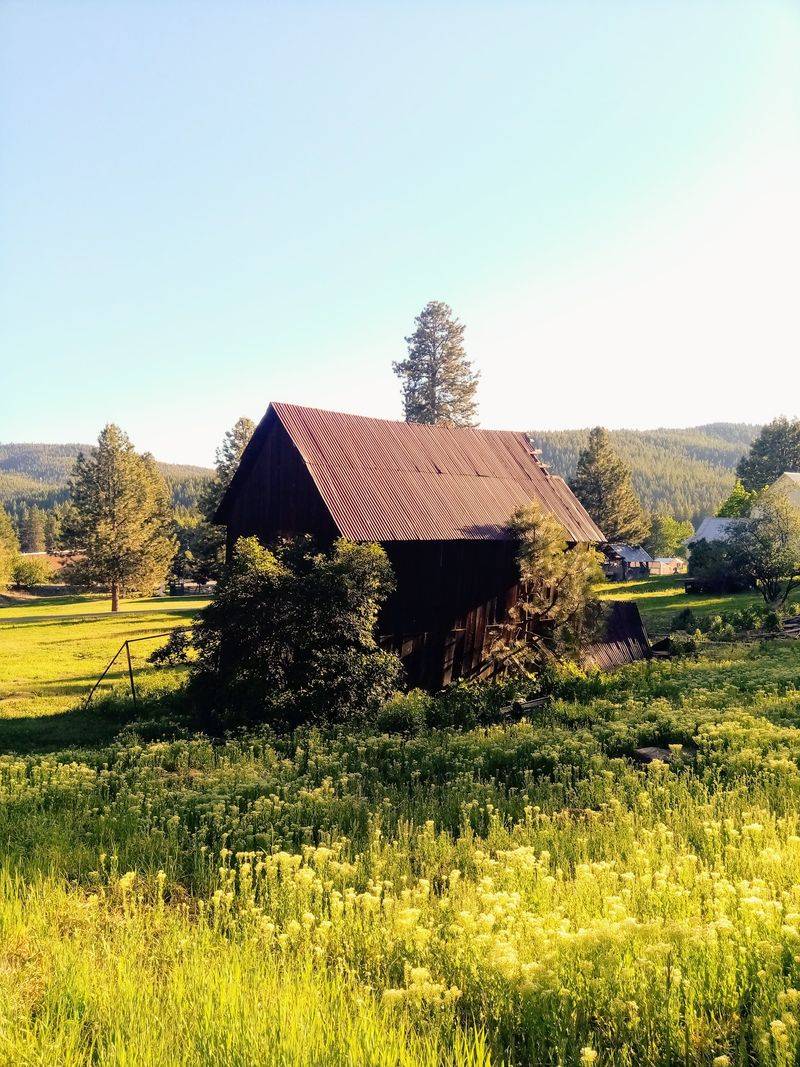
Nothing quite prepares you for the gold dredge. You can read about it in advance, study photographs, and still feel a jolt of surprise when an industrial machine the size of a small apartment building appears in the middle of a mountain valley.
The Sumpter Valley Dredge is preserved as an Oregon State Heritage Area, and seeing it in person is one of the more genuinely strange experiences available on any Oregon road trip.
Gold was discovered in the Blue Mountains and Sumpter Valley in 1862, drawing prospectors into the region during the classic Western rush of optimism and competition. After easily accessible deposits were worked out, enormous dredges processed riverbed material to extract smaller traces of gold that individual miners couldn’t efficiently recover.
The hulking machine left behind is essentially a floating factory that processed an entire valley floor.
Around the dredge, Sumpter retains the atmosphere of a community that went through the full Western cycle: boom, disaster, and slow decline. Travel Oregon includes it among featured ghost-town destinations, and the combination of surviving buildings and that impossible dredge makes the town memorable long after you’ve driven away.
For anyone fascinated by mining history, Sumpter might be the single most unforgettable stop of the whole journey.
Granite
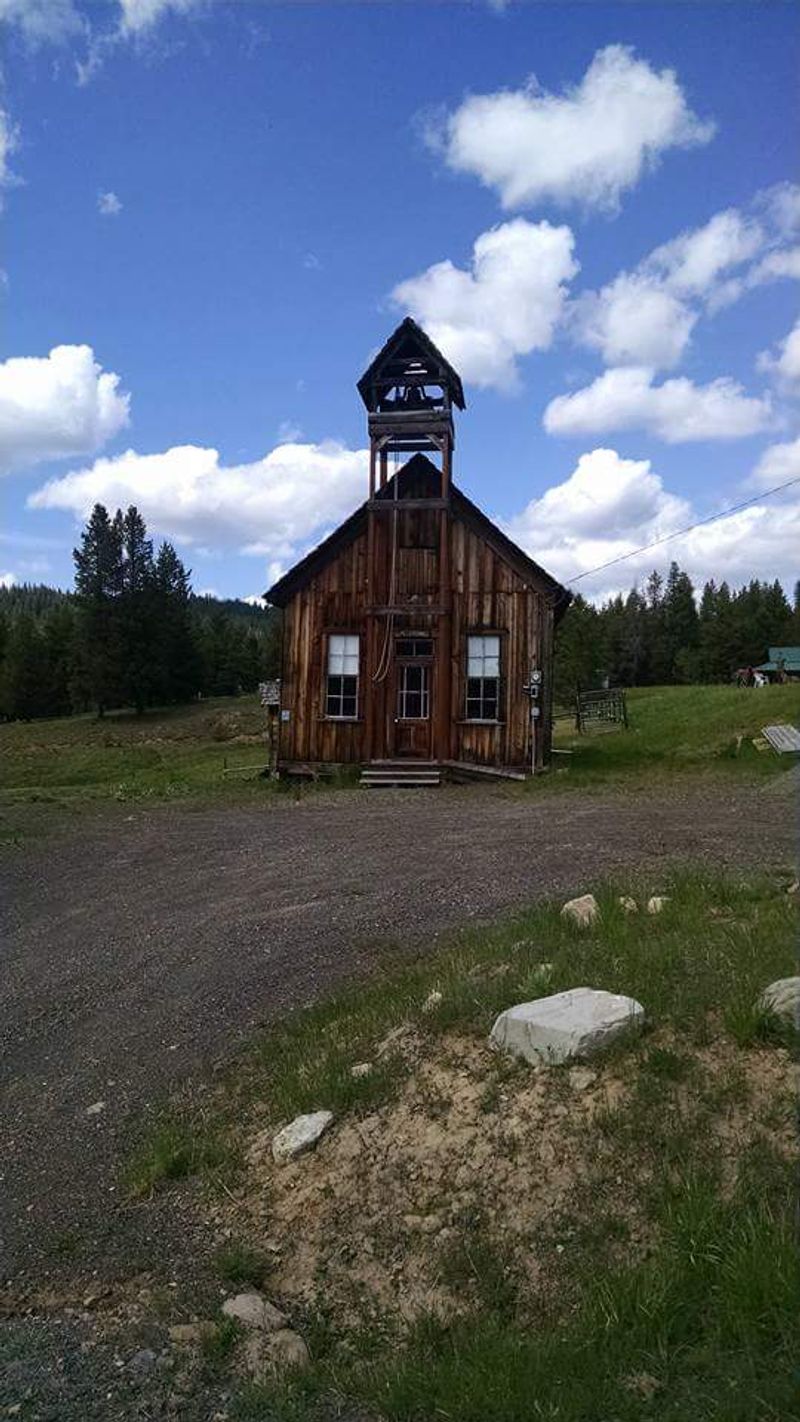
Granite is for travelers who thought Sumpter felt a little too accessible. Pushing north from Sumpter into the Blue Mountains, the roads narrow, the trees thicken, and the sense of genuine remoteness builds steadily with every mile.
Granite was another product of Eastern Oregon’s gold rush, and Travel Oregon notes that abandoned buildings from its mining era still survive, weathering quietly in the mountain air.
Nearby, the Ah Hee Diggings Interpretive Site tells a chapter of Oregon history that doesn’t always get enough attention. Piles of rock along Granite Creek remain exactly where Chinese miners moved them by hand while working the streambed for gold.
The physical evidence of that labor is still there, which makes the site unusually powerful as a historical experience.
Planning matters more here than at any previous stop. Mountain roads around Granite can be dramatically different from the highways used earlier in the route.
Cell service is unreliable, gas stations are scarce, and conditions in the surrounding national forest can change quickly. Check road conditions before departing, bring water, carry extra fuel, and pack a paper map.
The reward for that preparation is a level of quiet and isolation that most Oregon travelers never find. Granite earns its remoteness.
Baker City
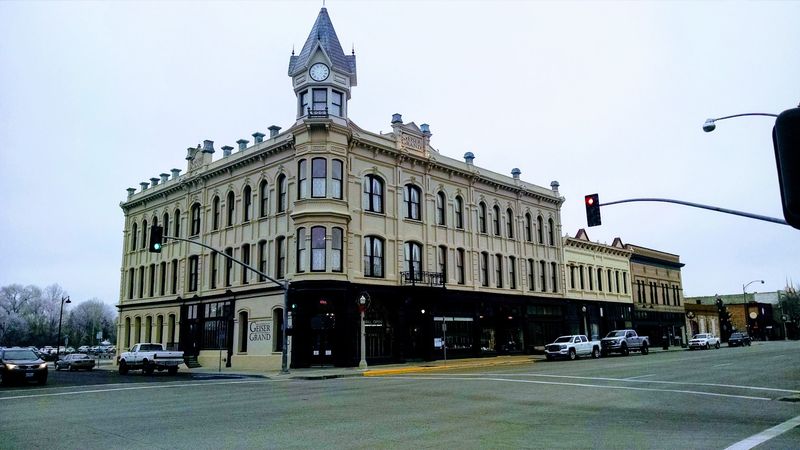
After days among isolated mining camps and tiny ranching towns, Baker City arrives like a well-deserved reward. The city’s historic center contains more than 100 surviving buildings from its boom era, including the magnificent Geiser Grand Hotel, built in 1889, making it one of the largest and most intact turn-of-the-20th-century downtowns in the entire Pacific Northwest.
That’s not local pride talking; Travel Oregon confirms the distinction.
The wealth that built all of this architecture came from the same forces that created every previous stop on this road trip. Mining, ranching, railroads, and westward expansion generated enormous amounts of money in the surrounding region, and that money eventually flowed into Baker City in the form of hotels, commercial buildings, and civic structures grander than anything you’d expect to find this deep into Eastern Oregon.
Today those same buildings contain restaurants, galleries, shops, and businesses that keep the historic core genuinely alive rather than simply preserved for tourism. Baker City isn’t frozen in amber.
It’s a working Western city that managed to carry most of its original architecture into the present without losing the ability to function as a real community. Walking the downtown after a week on backroads and ghost-town streets, you’ll feel the whole road trip suddenly clicking into perfect, satisfying focus.
Share this story