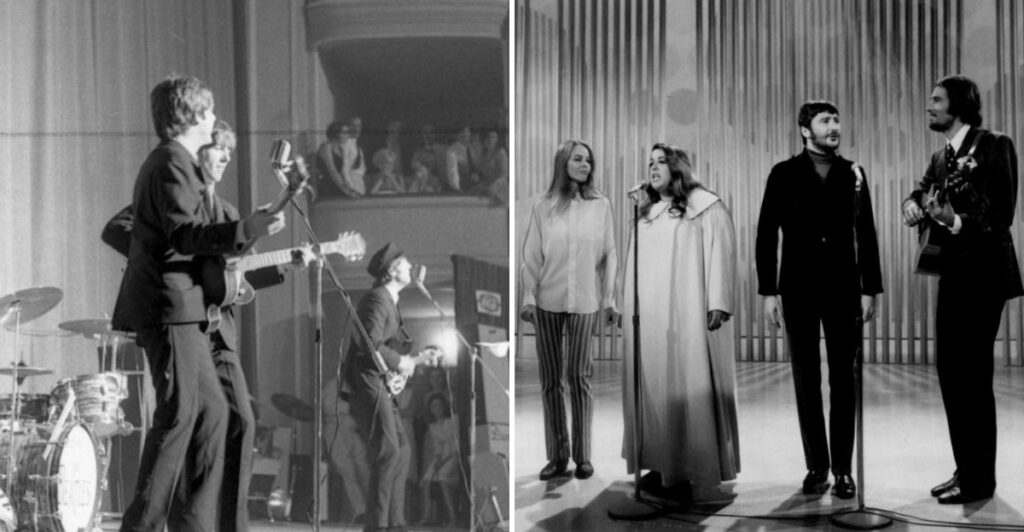
Few years in music history can match what 1965 delivered. In just twelve months, artists across rock, soul, folk, and R&B pushed their craft in directions that permanently changed what popular music could be. Radio playlists that year featured everything from six-minute rock epics to gospel-infused soul anthems, and the songs that emerged weren’t just hits, they were cultural turning points. Whether you lived through it or discovered these recordings decades later, the class of 1965 holds up in a way that rewards every listen.
The 15 songs ahead represent some of the boldest, most inventive, and most enduring recordings of the entire decade, each one a snapshot of a music world that was moving faster than anyone could have predicted.
1. Like a Rolling Stone by Bob Dylan
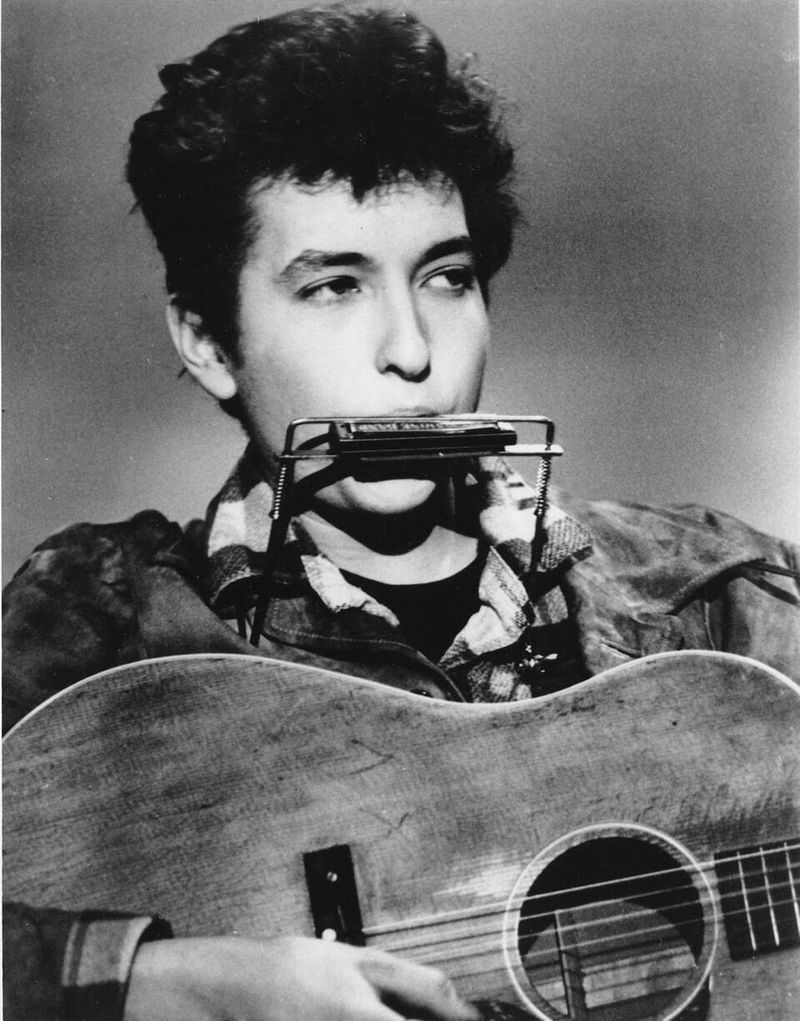
Columbia Records almost didn’t release it. The label was skeptical about putting out a six-minute-and-thirteen-second track when average singles ran half that length, but a leaked copy reached New York DJs and audiences made the decision for them.
Recording sessions took place on June 15 and 16, 1965, at Columbia’s Studio A in New York City. Session musician Al Kooper, who had slipped into the studio uninvited, improvised a Hammond organ part that became one of the most recognizable instrumental moments in rock history.
The song reached number two on the U.S. Billboard charts. Dylan had just returned from a grueling England tour and channeled that exhaustion into some of the sharpest lyrics of his career. Rock music’s possibilities expanded significantly on the day this track played for the first time.
2. (I Can’t Get No) Satisfaction by The Rolling Stones
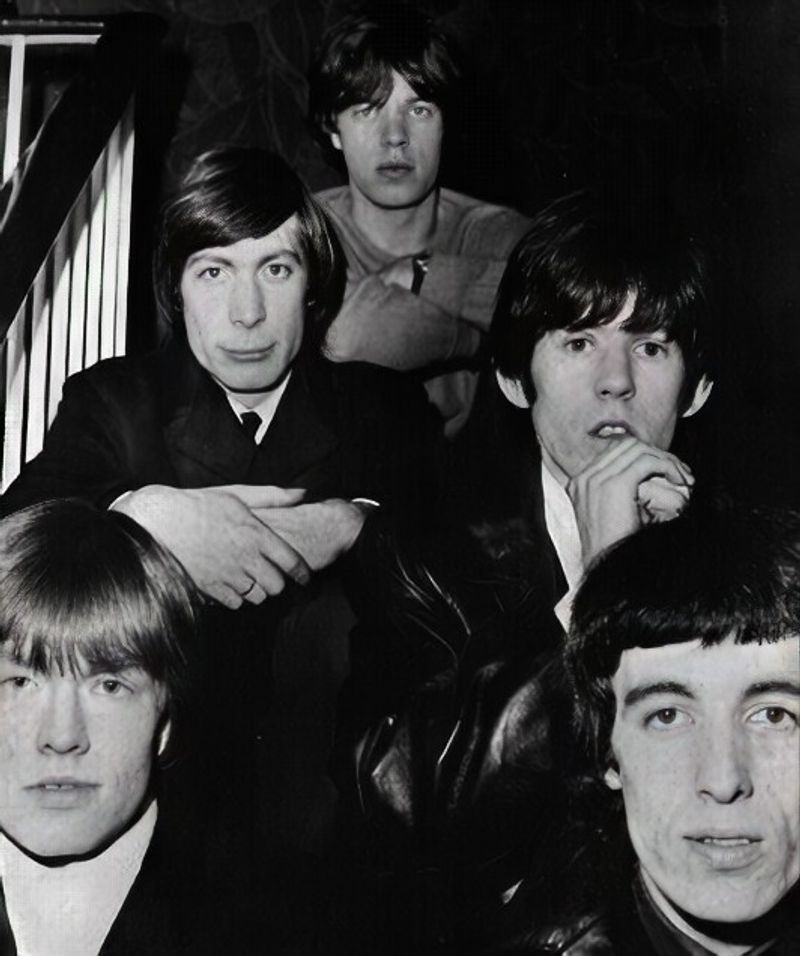
Keith Richards woke up in a Florida motel room in the early hours of May 7, 1965, grabbed a cassette recorder, laid down an eight-note riff and the phrase that would become the song’s title, then fell back asleep. He later described the tape as two minutes of music followed by forty minutes of snoring.
The Rolling Stones recorded the definitive version at RCA Studios in Hollywood on May 12, 1965. Richards connected a Gibson Maestro fuzzbox to his guitar during an eighteen-hour session, producing the distorted tone that became the riff’s signature quality. The entire stock of Gibson fuzzboxes sold out by the end of 1965.
Released on May 27, 1965, the song hit number one on the Billboard Hot 100 on July 10 and held that position for four weeks, cementing the band’s reputation as rock’s most credible alternative to cleaner pop acts.
3. Yesterday by The Beatles
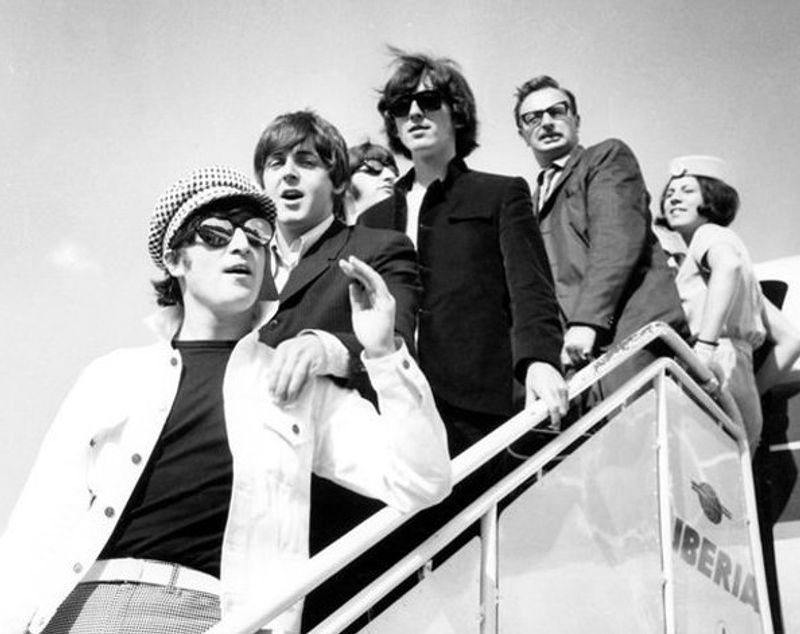
The melody arrived in a dream. Paul McCartney woke up in 1964 at Jane Asher’s London home with a complete tune already formed in his head, rushed to a piano to play it before it faded, and then spent weeks playing it for friends and industry contacts to confirm he hadn’t accidentally borrowed it from an existing song.
The final recording, completed on June 14, 1965, features only McCartney from the group, accompanied by his acoustic guitar and a string quartet arranged by producer George Martin. McCartney initially resisted the idea of strings, concerned it would sound too formal, but Martin’s arrangement for two violins, a viola, and a cello gave the track its distinctive character.
Released in the United States in September 1965, it reached number one and quickly became one of the most covered songs in recorded music history, with hundreds of versions released within just a few years.
4. My Girl by The Temptations
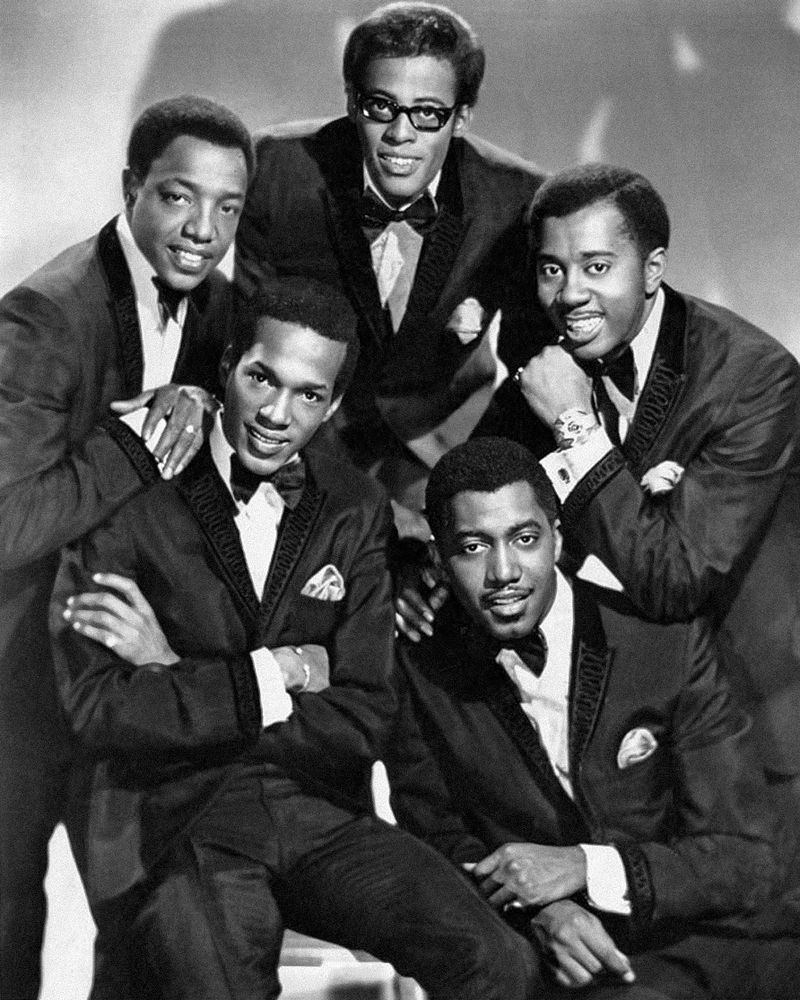
Smokey Robinson wrote the song for his wife, Claudette Rogers Robinson, but it was David Ruffin’s voice that made it a landmark recording. Robinson had watched Ruffin perform a solo number during a Motortown Revue tour and recognized his distinctive blend of warmth and grit as something that deserved a showcase of its own.
James Jamerson played the iconic opening bass line, while Robert White of the Funk Brothers contributed the ascending guitar riff. Paul Riser’s arrangement kept the focus on the vocals throughout, ensuring the lyrics carried every verse cleanly. The Temptations added their own background harmonies, including the signature “hey hey hey” call.
Released in late 1964, the single climbed to the top of the Billboard Hot 100 in early 1965, becoming The Temptations’ first number one hit on that chart and establishing a template for the group’s future recordings.
5. California Dreamin’ by The Mamas & the Papas
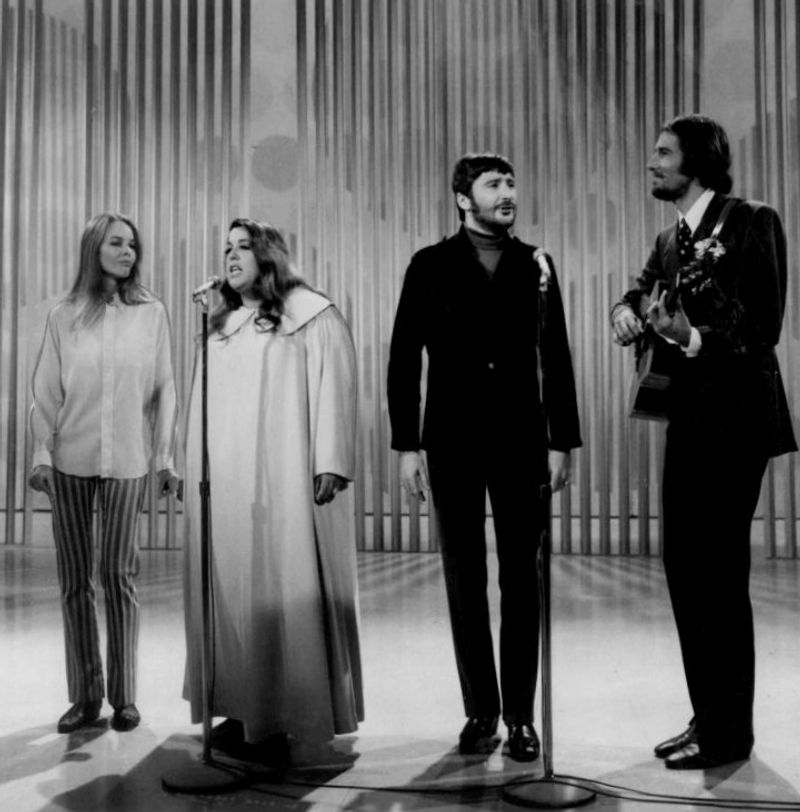
John and Michelle Phillips wrote the song in 1963 while enduring a particularly bitter New York City winter. Michelle was deeply homesick for California, and John built the song’s first verse from that frustration. Michelle later added a second verse inspired by a visit to St. Patrick’s Cathedral, which caused some creative friction because John was reluctant to include overtly religious imagery.
The track started as a Barry McGuire recording, with The Mamas and the Papas providing backing vocals. Lou Adler at Dunhill Records then replaced McGuire’s lead vocal with Denny Doherty’s while keeping the original instrumental track. The alto flute solo was played by Bud Shank, reportedly improvised on the spot.
Released as a single in December 1965, the song peaked at number four on the Billboard Hot 100 in March 1966 after a Boston radio station’s heavy rotation pushed it into national awareness. It became the top single of 1966 on the Cashbox year-end survey.
6. Help! by The Beatles
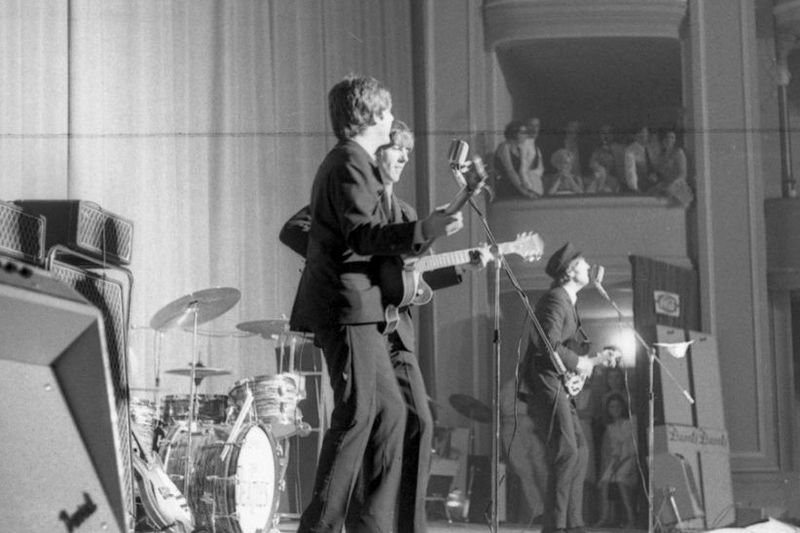
John Lennon admitted years later that the song was a genuine cry for support disguised inside an upbeat rock arrangement. The constant demands of Beatlemania had taken a real toll, and Lennon described the period as one of significant personal difficulty that he struggled to communicate publicly.
The Beatles recorded the track in twelve takes on April 13, 1965, at EMI Studios in London. George Harrison’s descending lead guitar riff proved difficult to nail and was overdubbed after the basic track was complete. Lennon’s vocals were double-tracked, and Ringo Starr added a tambourine during the choruses to reinforce the song’s driving momentum.
Released in July 1965, it reached number one in both the United States and the United Kingdom. The contrast between its energetic delivery and its genuinely vulnerable lyrics made it one of the more complex recordings the band had produced to that point in their career.
7. The Tracks of My Tears by The Miracles
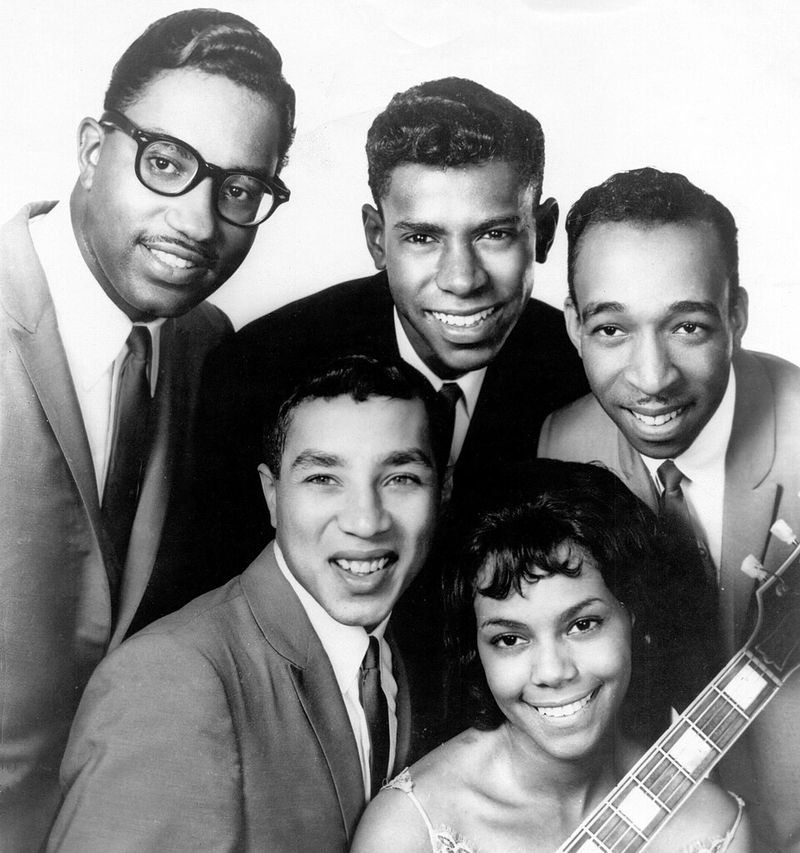
Marv Tarplin, The Miracles’ guitarist, developed the initial musical riff by drawing inspiration from a calypso style he had been experimenting with. Smokey Robinson then built the song’s narrative around an image he found compelling: the visible marks that tears leave on a person’s face after they’ve been quietly crying for a long time.
Robinson spent several weeks refining the lyrics alongside bandmates Pete Moore and Tarplin before the group was satisfied with the final version. The song’s central idea, a person wearing a public smile while privately heartbroken, gave Robinson room to demonstrate the kind of layered emotional storytelling that set his writing apart from his contemporaries.
The original 1965 recording reached number two on the Billboard R&B chart and number 16 on the Hot 100. Motown founder Berry Gordy later cited it as Robinson’s finest work. The song was inducted into the Grammy Hall of Fame and appeared on Rolling Stone’s list of the 500 Greatest Songs of All Time.
8. Mr. Tambourine Man by The Byrds
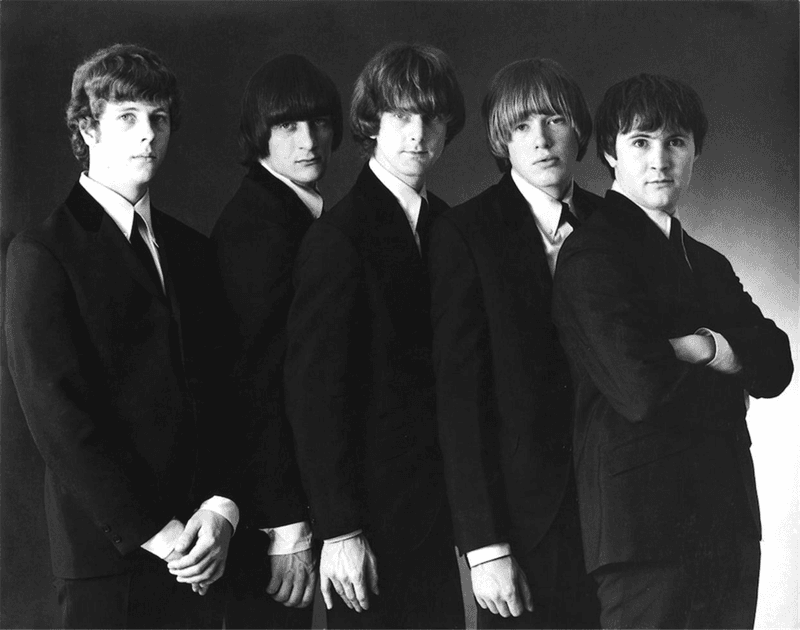
Bob Dylan was reportedly impressed when he heard what The Byrds had done with his composition. “Wow, you can dance to that,” he said, a reaction that summed up exactly what the band had accomplished by fusing his poetic lyrics with a rock-band arrangement and Roger McGuinn’s jangly 12-string Rickenbacker guitar.
Recorded on January 20, 1965, at Columbia Studios in Hollywood, the track relied heavily on session musicians from The Wrecking Crew for the backing. McGuinn was the only Byrd to play on the recording itself. Producer Terry Melcher lacked confidence in the full band’s collective musicianship at that early stage, though the group’s vocal harmonies were entirely their own.
Released in April 1965, it hit number one on both the Billboard Hot 100 and the UK Singles Chart. The Byrds had effectively created a new genre in a single recording session, and folk rock became a dominant chart trend almost immediately afterward.
9. Stop! In the Name of Love by The Supremes
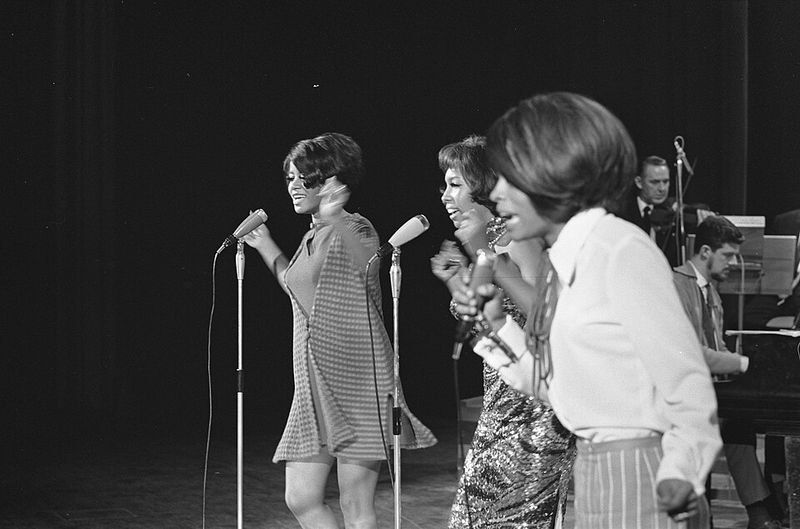
The inspiration reportedly came from a real argument. Lamont Dozier of the Holland-Dozier-Holland songwriting team was pleading with his girlfriend during a disagreement and found himself saying, “Baby, please stop. In the name of love, before you break my heart.” He recognized the phrase immediately as a song.
The Supremes recorded it in January 1965, and Motown’s production team used baffles to separate musicians with dedicated microphones, giving the track a powerful, layered sound. The Funk Brothers played on the session, as they did on virtually every major Motown release of the era.
The famous hand-stop choreography was taught to Diana Ross, Mary Wilson, and Florence Ballard backstage in London by Paul Williams and Melvin Franklin of The Temptations, just before the group’s first televised performance of the song. It reached number one on the Billboard pop singles chart on March 21, 1965, and was later inducted into the Grammy Hall of Fame in 2001.
10. In the Midnight Hour by Wilson Pickett
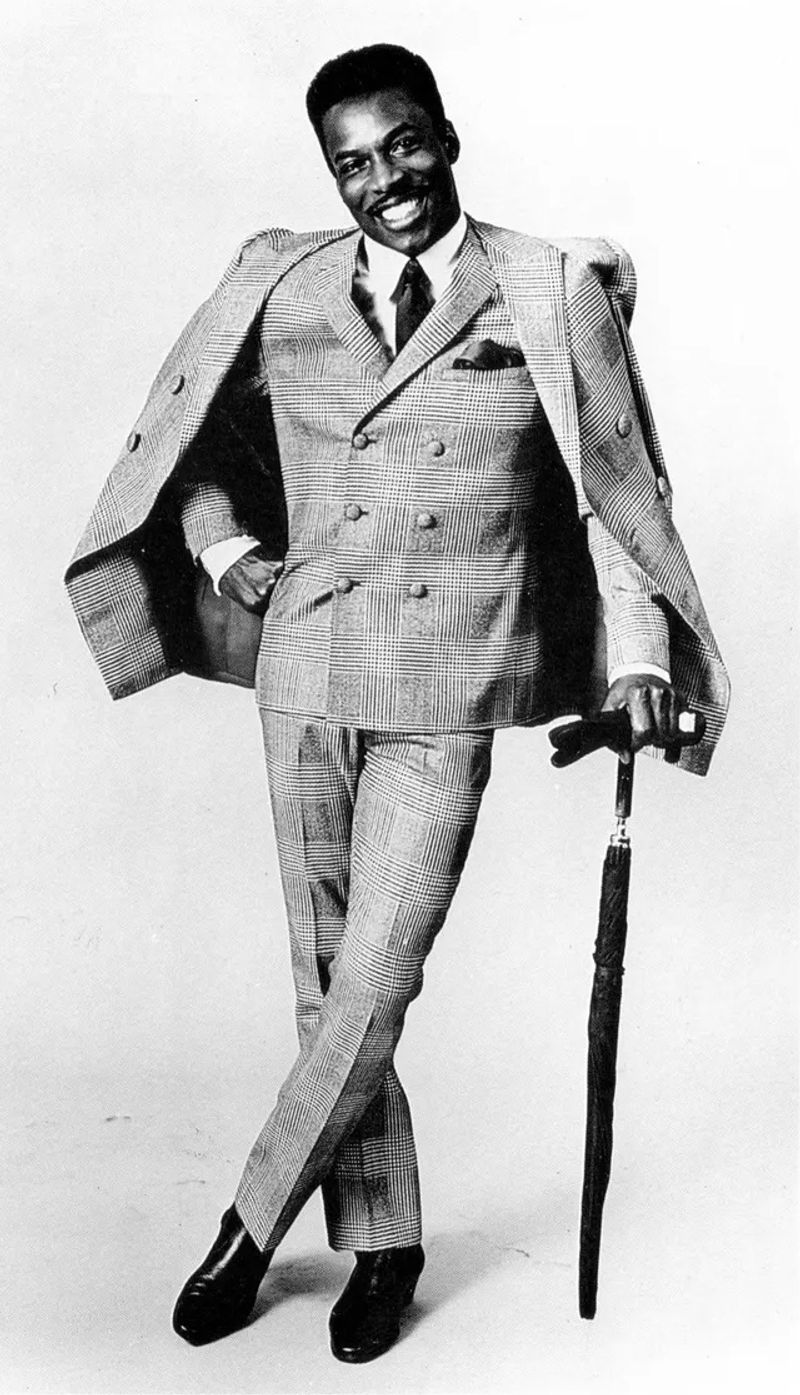
Wilson Pickett and guitarist Steve Cropper wrote the song together at the Lorraine Motel in Memphis, and they did it fast. Cropper had been listening to earlier Pickett recordings and suggested building around a phrase Pickett had used before. The track reportedly came together within an hour of the two sitting down to write.
Producer Jerry Wexler played a key role in shaping the recording’s rhythm. During the session at Stax Records, Wexler demonstrated a specific dance move to Cropper and drummer Al Jackson, pushing them toward a delayed backbeat that made the track ideal for a popular dance called “the jerk.” The groove that resulted became one of the defining rhythmic signatures of Southern soul.
Released in 1965, the song topped Billboard’s R&B chart on August 7 and held the position for several weeks. It became Pickett’s first major hit on Atlantic Records and was inducted into the Grammy Hall of Fame in 1999.
11. I Got You (I Feel Good) by James Brown
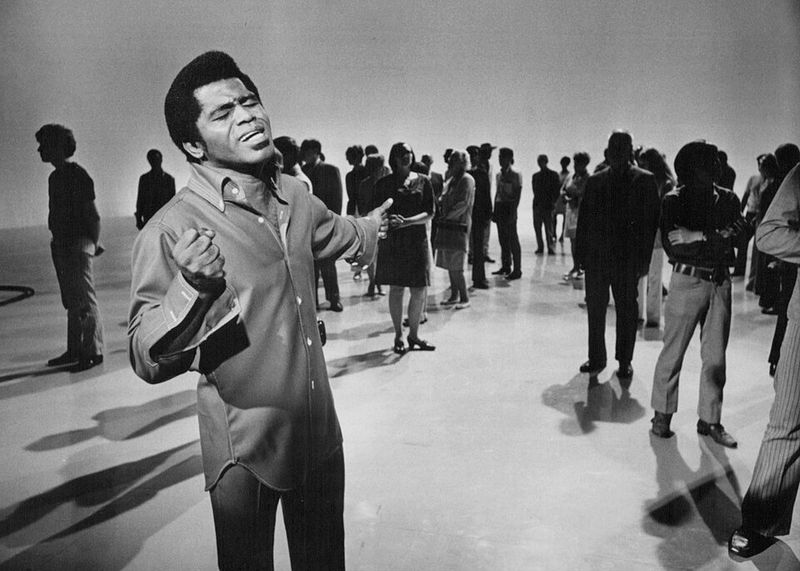
The opening scream tells you everything you need to know about what follows. James Brown’s “I Got You (I Feel Good)” traces back to an earlier composition he wrote called “I Found You,” which backup singer Yvonne Fair recorded in 1962. Brown reworked the arrangement and lyrics significantly before recording his own version.
The definitive 1965 recording was made on May 6 at Criteria Studios in Miami, after King Records owner Syd Nathan was impressed by the studio’s custom console. The track features Maceo Parker on sax, Melvin Parker on drums, and a brass-heavy arrangement that placed heavy emphasis on the first beat of each measure, a key element of Brown’s developing funk approach.
Released in October 1965, it peaked at number three on the Billboard Hot 100 and spent six non-consecutive weeks at the top of the R&B chart. It remains Brown’s highest-charting Hot 100 single and one of the most instantly recognizable recordings in American music.
12. People Get Ready by The Impressions
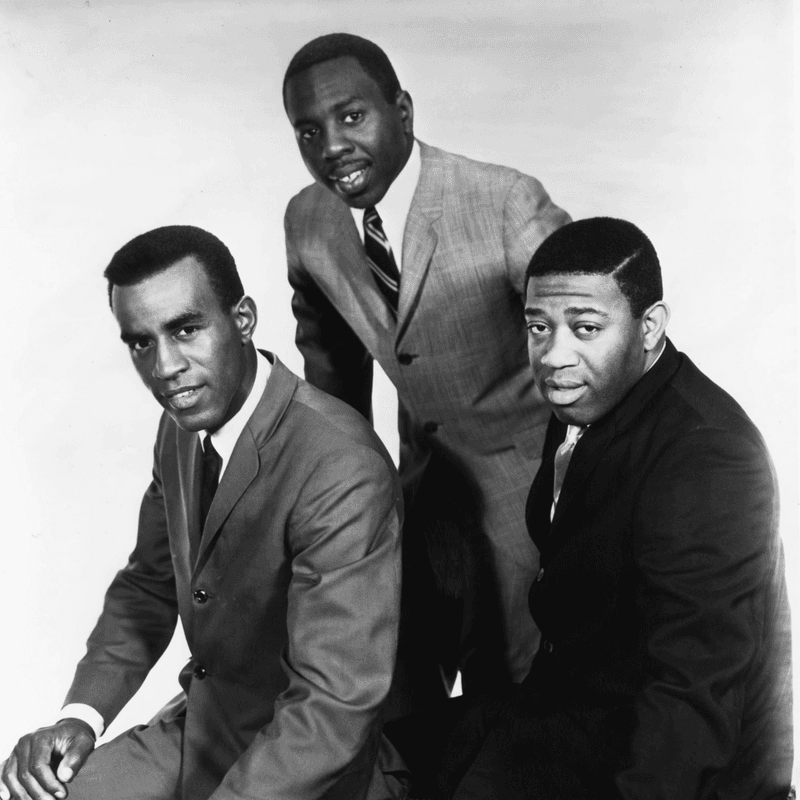
Curtis Mayfield said the song’s inspiration “came directly from the pulpit,” and anyone familiar with gospel music can hear exactly what he meant. The imagery of boarding a train toward a better future carried a meaning that went well beyond the spiritual for African American audiences in 1965, a year of significant civil rights activity across the United States.
Martin Luther King Jr. recognized the song’s power and called it the unofficial anthem of the Civil Rights Movement, using it to inspire marchers and provide comfort during difficult moments. The lyrics, including the line “You don’t need no baggage, you just get on board,” offered an open, inclusive message that resonated across generations and backgrounds.
Released as a single in 1965, the track reached number three on the Billboard R&B chart and number 14 on the Hot 100. It was inducted into the Grammy Hall of Fame in 1998 and appeared on the Rock and Roll Hall of Fame’s list of 500 Songs that Shaped Rock and Roll.
13. Unchained Melody by The Righteous Brothers
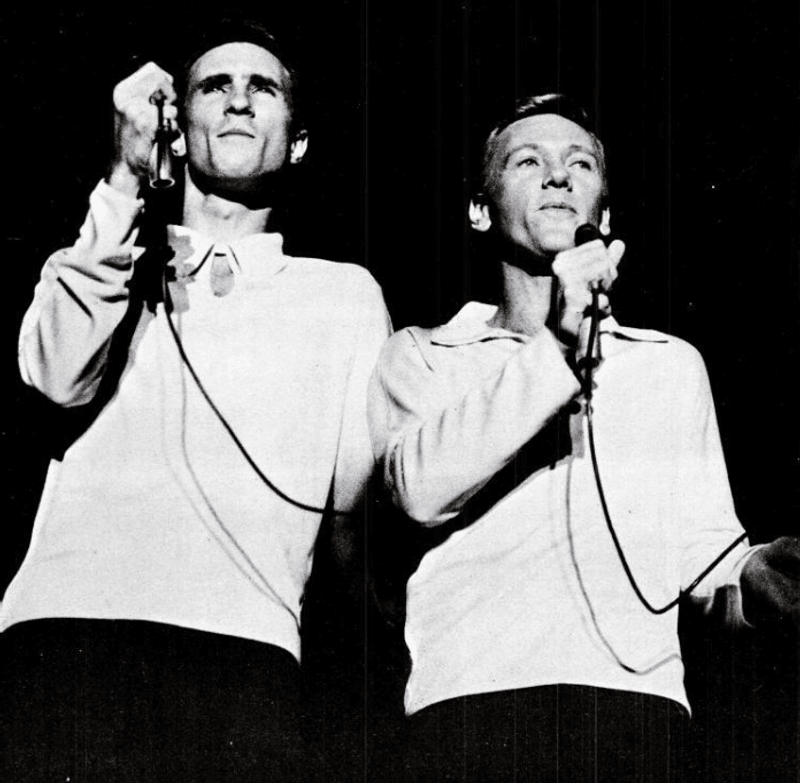
Bobby Hatfield won a coin toss to sing lead on this track, and the result is one of the most celebrated vocal performances of the entire decade. His partner Bill Medley also wanted the song, which gives some sense of how strongly both men felt about the material before a single note was recorded.
The composition itself dated back to 1955, written by Alex North with lyrics by Hy Zaret as the theme for a prison film called “Unchained.” A decade later, Hatfield’s powerful tenor gave it an entirely new identity. The Righteous Brothers’ version was recorded for Philles Records and initially placed as the B-side to “Hung on You.”
Audiences flipped the record immediately, and “Unchained Melody” became the side everyone wanted. Over 1,500 recordings of the song have been made by more than 670 artists, but the Righteous Brothers’ version is widely considered the definitive one, a status that was reinforced when it returned to number one in the UK following its use in the 1990 film “Ghost.”
14. Turn! Turn! Turn! by The Byrds
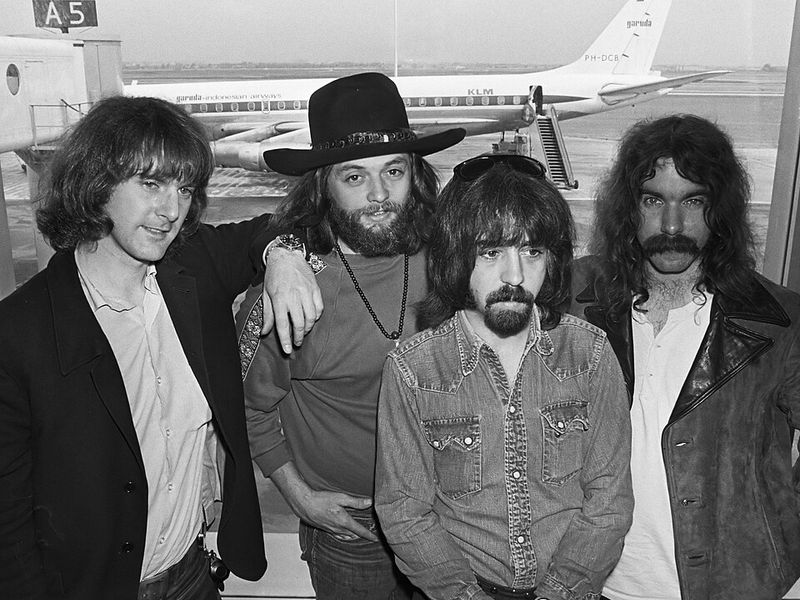
Pete Seeger wrote the song in 1959 by drawing almost entirely from the third chapter of the Book of Ecclesiastes, adding only the closing line “a time for peace, I swear it’s not too late” as his own contribution. Roger McGuinn had previously arranged it in a chamber-folk style for Judy Collins in 1963, but the idea of recording it as a Byrds single came to him during a July 1965 tour.
The recording process was demanding. The master take reportedly required 78 attempts over five days, a striking contrast to the effortless feel the finished track projects. McGuinn described aiming for a “samba beat” that would make the song feel natural as a rock single rather than a folk museum piece.
Released on October 1, 1965, it reached number one on the Billboard Hot 100 on December 4, 1965. The song’s message of balance and peace found a particularly receptive audience as American involvement in Vietnam was deepening, and it became another defining moment in the folk rock movement The Byrds were helping to build.
15. Papa’s Got a Brand New Bag by James Brown
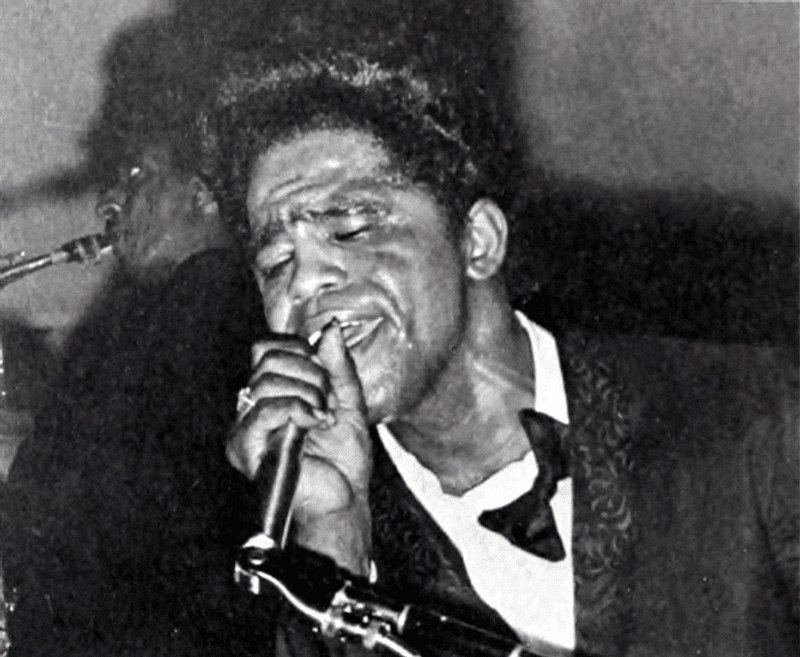
Recorded in February 1965 at Arthur Smith Studios in Charlotte, North Carolina, this track introduced guitarist Jimmy Nolen to James Brown’s recordings. Nolen’s sharp, clipped playing style, later described as “chicken scratch,” became a defining sound of funk guitar and showed up on Brown’s records for years afterward.
The original session produced nearly seven minutes of music. For the single release, the track was edited and sped up, raising both the tempo and the pitch. That raw, unedited version sat unreleased until 1991, when it appeared on the box set “Star Time.” Engineer Ron Lenhoff recalled that Brown often expected the first complete take to be captured immediately, and the song reportedly came together with remarkable speed.
Released as a two-part single in 1965, it became Brown’s first Top Ten entry on the Billboard Hot 100, peaking at number eight, and topped the R&B charts for eight weeks. It also earned Brown his first Grammy Award for Best Rhythm and Blues Recording, a formal acknowledgment of the new musical territory he was staking out.
Share this story