Europe is one of the most traveled continents on Earth, yet it still holds places that most tourists never think to visit. Beyond the famous cities and crowded coastlines, there are medieval villages, mountain regions, and lake districts that feel almost untouched by mass tourism.
These hidden corners offer something increasingly hard to find: genuine local atmosphere, open landscapes, and the quiet thrill of exploring somewhere that has not yet been packaged for the masses. Whether you love history, nature, food, or simply wandering without a crowd, Europe still has plenty left to surprise you.
Setomaa, Estonia
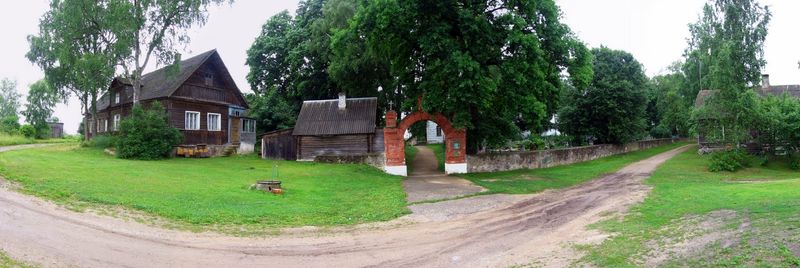
Forget everything you think you know about Estonian tourism, because Setomaa plays by entirely different rules. Tucked into the southeastern corner of the country, this region is the traditional home of the Seto people, an ethnic minority with their own music, language, food, and spiritual customs that set them apart from the rest of Estonia.
The best way to explore the area is by following the Seto Külävüü, or Seto Village Belt, a scenic route connecting villages, churches, cafes, museums, and cultural landmarks. Värska is one of the main hubs, while smaller villages like Obinitsa offer a quieter window into Seto traditions.
You can sample sõir, a fresh cheese flavored with caraway seeds, at local farms and markets.
Cycling is a popular way to cover the gentle countryside between settlements. Folk festivals bring the region to life in summer, with traditional singing called leelo taking center stage.
Setomaa is not a place you rush through. It rewards slow travelers who are genuinely curious about a culture that has survived on the edge of a small nation for centuries.
Kuldiga, Latvia
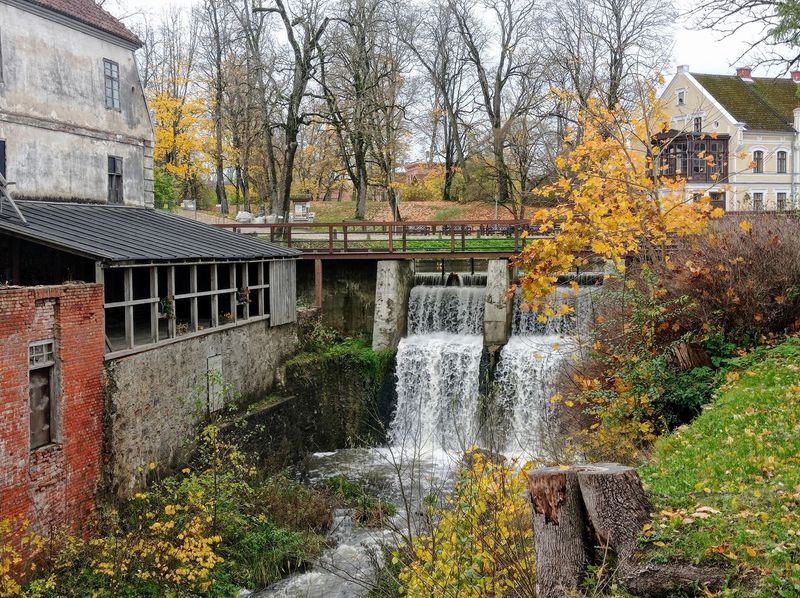
Picture a small Baltic town with cobblestone lanes, timber buildings, a handsome brick bridge, and a natural waterfall wide enough to walk across in summer. That is Kuldiga, and the remarkable thing is that it still feels like a genuine discovery rather than a tourist hotspot.
The town’s historic center is now a UNESCO World Heritage Site, recognized for its extraordinarily well-preserved urban fabric. The Venta Rapid is one of the widest natural waterfalls in Europe, and watching locals fish from its edge in traditional style is one of those quietly memorable travel moments.
Latvia’s tourism resources describe Kuldiga as a highlight of the Courland region, yet international visitor numbers remain modest.
The old town is compact enough to explore on foot in an afternoon, but staying overnight lets you experience the place after the day-trippers have gone. Restaurants around the river serve fresh local food, and the atmosphere after dark is genuinely relaxed.
Kuldiga is the kind of town that makes you wonder why it is not more famous, and then quietly feel glad that it is not.
Zemaitija, Lithuania
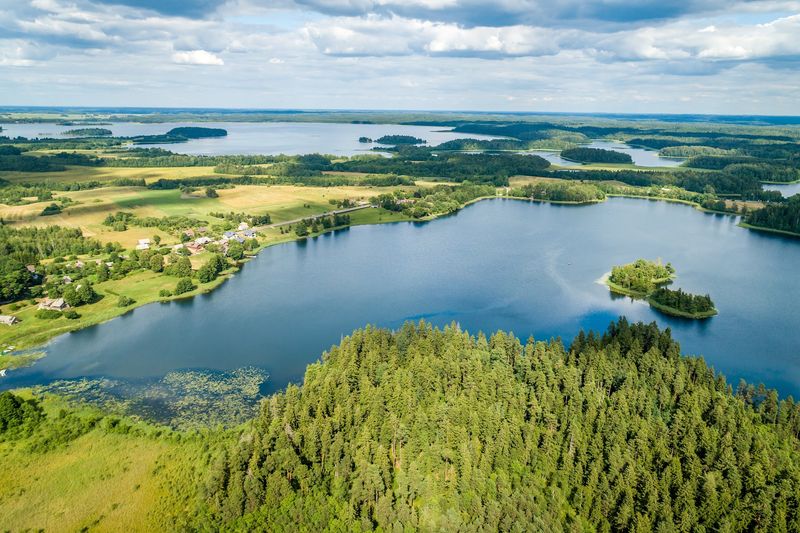
Lithuania’s tourism authority calls Zemaitija, also known as Samogitia, perhaps the most distinctive ethnographic region in the entire country. That is a bold claim, but spend a few days in this western corner of Lithuania and you will understand why.
The region has its own dialect, its own food traditions, its own religious customs, and a personality that feels proudly separate from the rest of the country.
Zemaitija National Park surrounds Lake Plateliai, where forest trails and observation towers open onto a landscape that barely registers on the international tourism radar. Cyclists can follow long routes through the countryside, while pilgrims travel a Samogitian branch of the Way of St. James, adding an unexpected spiritual dimension to the region.
Small towns and villages along the way serve traditional dishes rooted in local agriculture, and the pace of life slows noticeably once you leave the main roads. Zemaitija suits travelers who enjoy combining outdoor activity with cultural curiosity.
Come for the forests and the lake, stay for the food, and leave with a much richer understanding of what the Baltic states actually look like beyond their capital cities.
Podlaskie, Poland
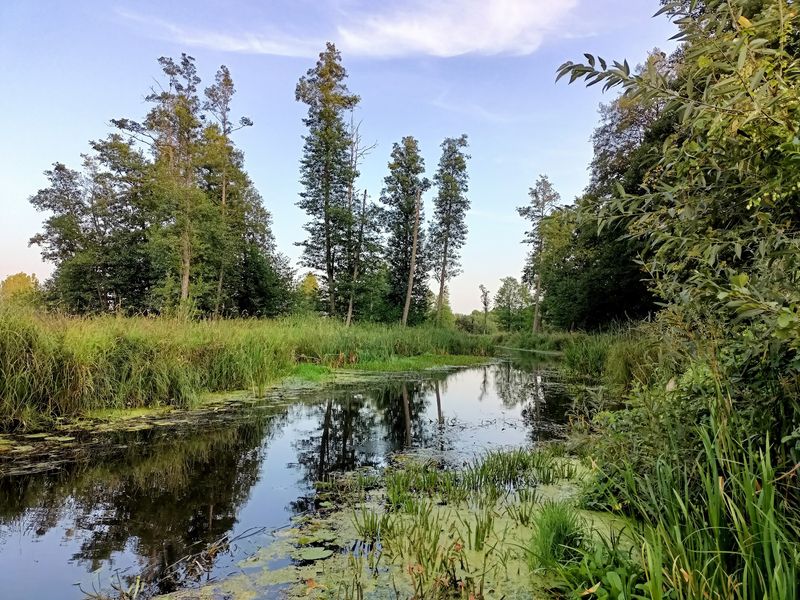
Poland’s northeastern corner feels like a different country compared to Krakow or Warsaw. Podlaskie is the country’s least urbanized region and contains four national parks, making it one of the most ecologically significant areas in all of Central Europe.
Bialowieza Forest alone is enough to justify the journey.
One of Europe’s last surviving primeval forest ecosystems, Bialowieza is the habitat most closely associated with the European bison, a species that was once extinct in the wild before a careful reintroduction program brought it back. The most protected sections of the forest can only be entered with an authorized guide, which actually adds to the sense of entering somewhere genuinely special.
Beyond the forest, Podlaskie offers a cultural landscape shaped by centuries of coexistence between Polish, Belarusian, Jewish, and Orthodox communities.
Wooden cottages with painted shutters, Orthodox churches with golden domes, and regional food traditions give the area a richness that goes far beyond natural scenery. The Biebrza Marshes are a paradise for birdwatchers, particularly in spring.
For travelers who assumed they already knew Poland, Podlaskie is a genuinely humbling surprise.
Znojmo, Czechia
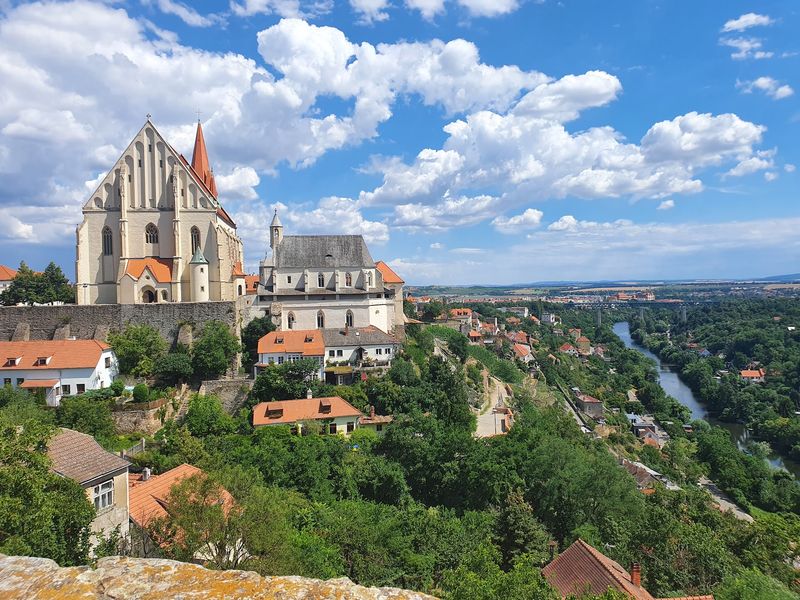
Southern Moravia is one of the Czech Republic’s best-kept secrets, and Znojmo is its quietly confident capital. While Prague collects the crowds, Znojmo gets the vineyards, the underground labyrinth, and the national park, which is a pretty good deal by any measure.
Beneath the city streets lies an extensive network of tunnels stretching for roughly 30 kilometers across multiple levels. The underground complex was used for storage and shelter over the centuries and is now one of the town’s most unusual attractions.
Above ground, the Romanesque rotunda of St. Catherine is among the oldest surviving structures in Bohemia.
The surrounding region rewards exploration by car. Vranov nad Dyji has a dramatic hilltop chateau that rises above the Dyje River, while Podyjí National Park protects a winding river valley that runs along the Austrian border.
The vineyards around Novy Saldorf are particularly scenic and well worth a stop. Znojmo gives travelers much of what they love about Central European destinations, including architecture, wine, history, and beautiful countryside, without the queues and souvenir shops that come with more internationally famous addresses.
Orava, Slovakia
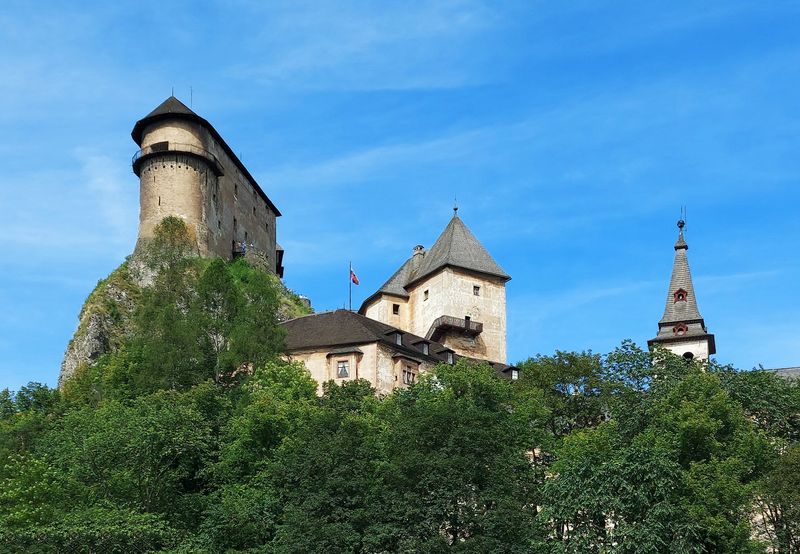
Orava Castle looks like something a fantasy novelist would invent. Perched on a sheer rocky outcrop above the Orava River in northwestern Slovakia, it rises in stages up the cliff face, each tier added over centuries of medieval expansion.
Few castles anywhere in Central Europe make such an immediate visual impact, and yet Orava rarely appears on international travelers’ radar.
The surrounding region is just as rewarding. Orava Reservoir stretches toward the Polish border, and in its waters sits Slanica Island, where a surviving church now houses an art exhibition accessible by boat during summer.
The lake is popular with locals for swimming, cycling along its shores, and simply enjoying the mountain backdrop.
Traditional villages scattered through the Orava valley give the region a rural character that feels entirely authentic. Hiking trails extend into the Little Fatra and Orava Beskids ranges, making the area a solid choice for travelers who like to mix cultural sightseeing with outdoor activity.
Slovakia is already underrated by European standards, and Orava is underrated even within Slovakia. That combination makes it one of the continent’s most satisfying under-the-radar discoveries for anyone willing to head north from Bratislava.
Bela Krajina, Slovenia
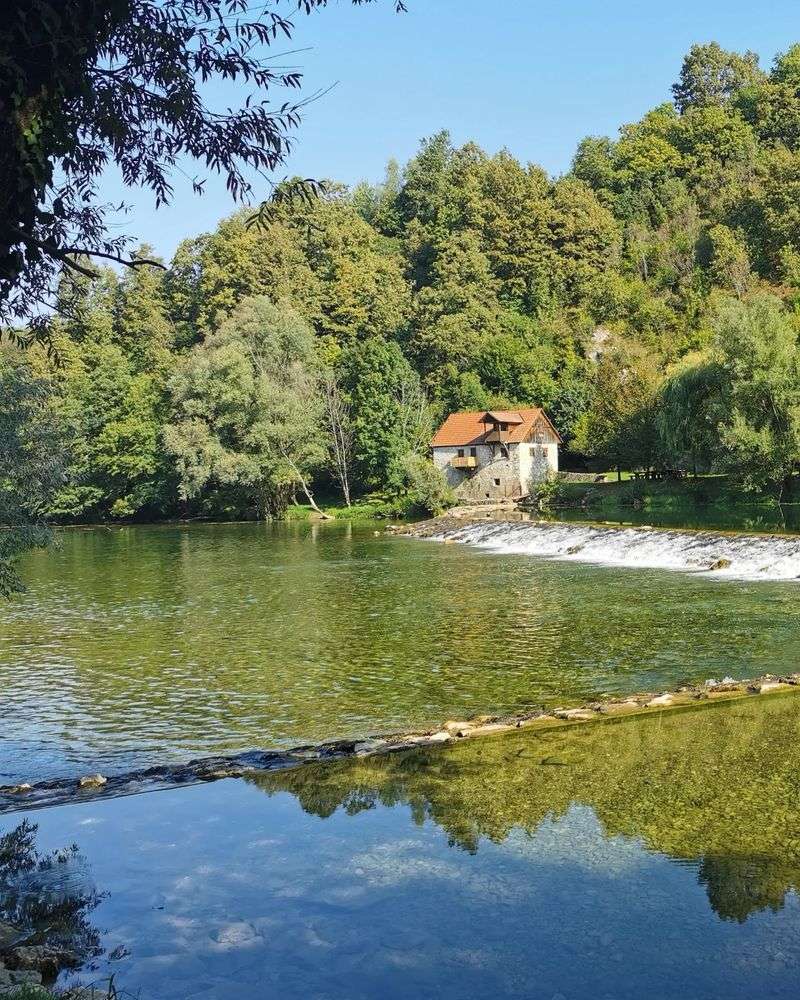
Lake Bled gets the Instagram posts. Bela Krajina gets the birch forests, the river, and the kind of peaceful afternoon that reminds you why you travel in the first place.
Located in Slovenia’s far south along the Croatian border, this quiet region is named for the white birch trees that give its landscape a distinctive, almost dreamy quality.
The Kolpa River is the heart of summer life here. Visitors swim, kayak, and hike along its banks while the surrounding hills offer cycling routes through vineyards and traditional villages.
The region’s towns, including Crnomelj, Metlika, and Semic, each have their own character and are small enough to explore without a map.
Slovenia’s tourism board also points to Bela Krajina’s unusual natural heritage, including a locally endemic form of the olm, the pale cave-dwelling amphibian that has become one of the country’s most talked-about wildlife curiosities. On the food side, belokranjska pogaca is a traditional flatbread topped with salt and caraway that you will find at local bakeries and festivals.
Bela Krajina feels like Slovenia before the rest of Europe caught on, and that is precisely what makes it worth the detour.
Zagori, Greece
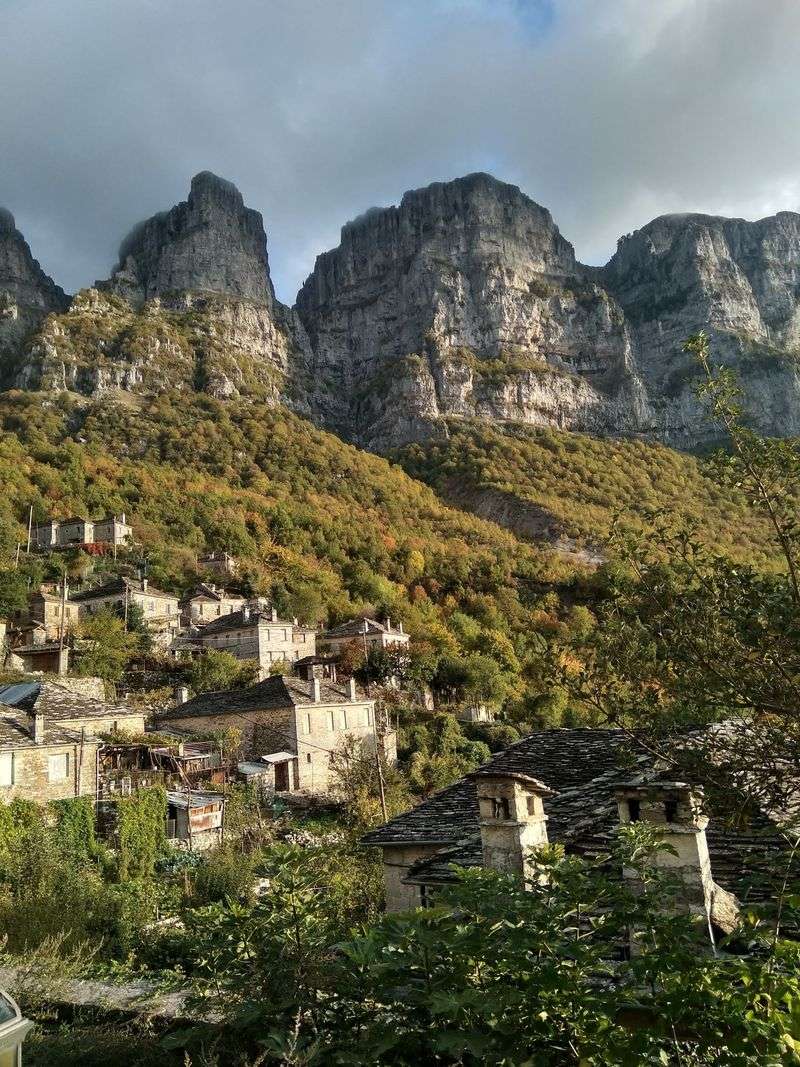
Most people think of Greece and picture the sea. Zagori asks you to look up instead.
Spread across the Pindus Mountains in the northwestern region of Epirus, this collection of traditional stone villages sits in one of the most dramatically beautiful landscapes in all of Europe, and it has nothing to do with beaches or island ferries.
The villages are linked by cobbled paths and beautifully preserved arched stone bridges, many built during the Ottoman period. At the center of the region lies Vikos-Aoös National Park, where Vikos Gorge drops to extraordinary depths and the Voidomatis River runs with water so clear it looks almost artificial.
Hiking, rafting, cycling, and mountaineering are the main draws for active travelers.
Places like Monodendri and the twin villages of Papingo are increasingly familiar to adventurous travelers, but dozens of smaller settlements remain genuinely quiet. Traditional guesthouses serve hearty mountain food, including pies, grilled meats, and local cheeses that have nothing in common with tourist-menu staples.
Zagori is one of the best arguments for the idea that Greece is just as magnificent when you head inland as it is when you head for the shore.
Monsaraz, Portugal
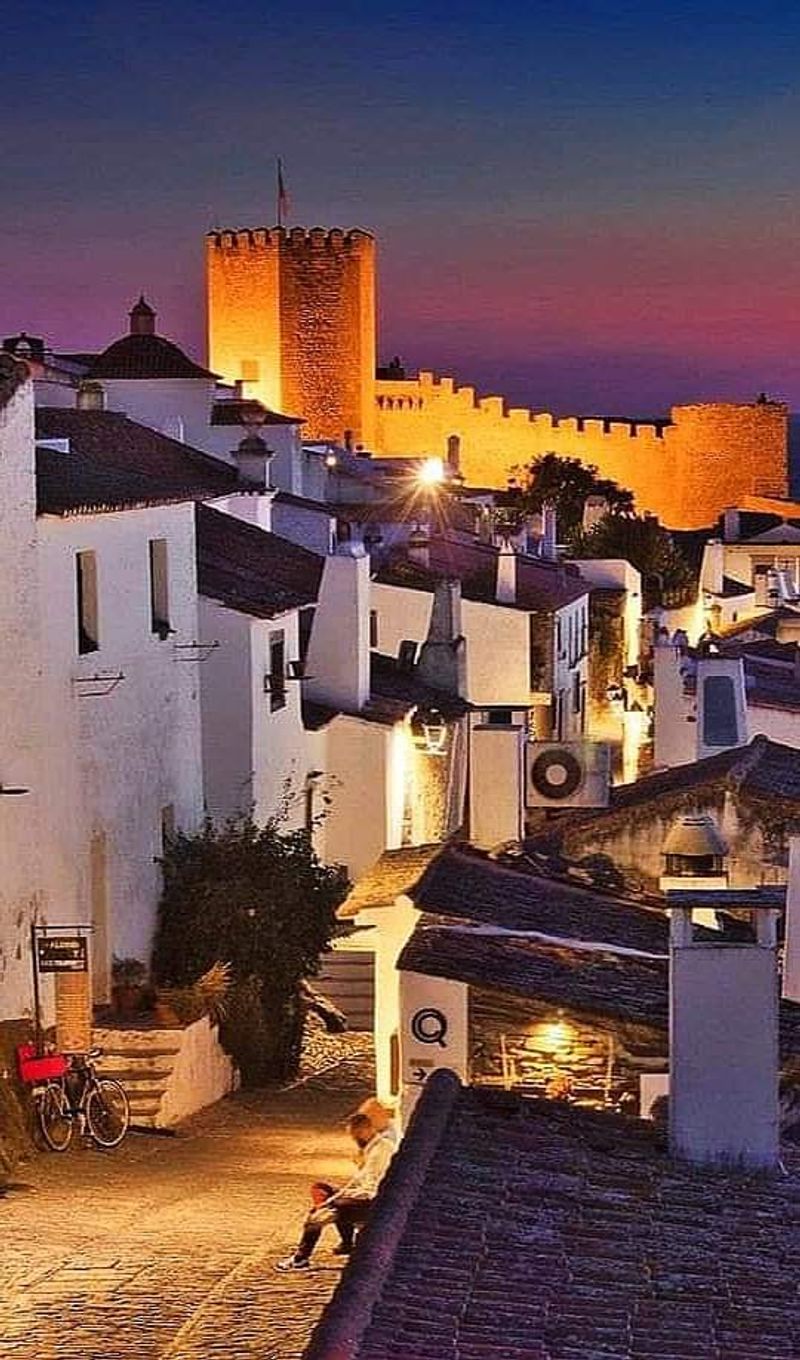
Perched on a hilltop above the flat Alentejo plains, Monsaraz is the kind of place that stops you in your tracks the moment you see it from the road below. The entire village is enclosed within medieval walls, and walking through its single main street feels genuinely like stepping back several centuries.
Portugal’s tourism organization describes it in almost exactly those terms, and for once, that is not an exaggeration.
A 12th-century castle anchors one end of the settlement, and from its battlements the view extends across Lake Alqueva, one of the largest artificial lakes in Western Europe. The surrounding plains are dotted with megalithic monuments, some dating back more than 5,000 years, which adds an unexpected prehistoric layer to the visit.
After dark, Monsaraz becomes even more memorable. The Alqueva region holds international certification for its exceptionally dark skies, and stargazing experiences operate around the reservoir throughout the year.
The nearest major city is Evora, about an hour away, which makes Monsaraz a very manageable day trip or overnight stay. Anyone who loves Portugal but wants to escape the well-worn path between Lisbon and Porto will find Monsaraz quietly unforgettable.
El Hierro, Spain
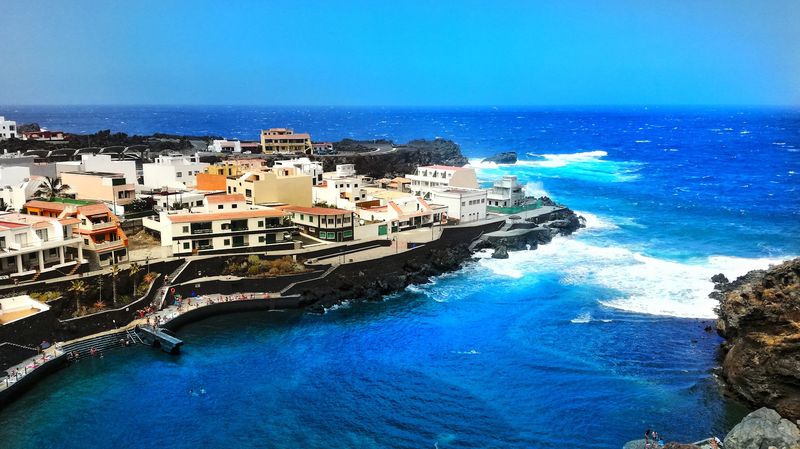
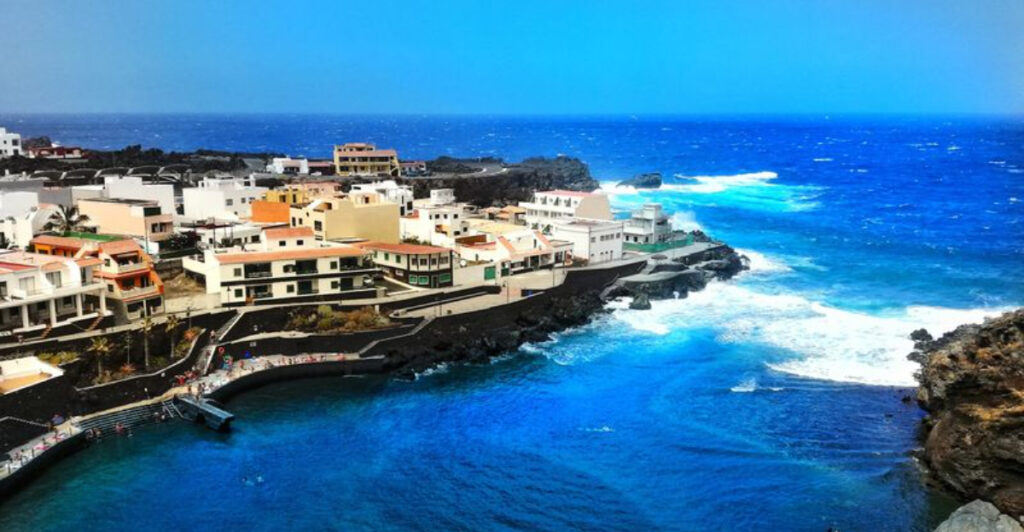
The smallest and least visited of Spain’s Canary Islands, El Hierro has quietly built a reputation among travelers who want something more than a sun lounger and a resort buffet. Measuring less than 50 kilometers from end to end, the island packs volcanic terrain, ancient laurel forests, dramatic sea cliffs, and natural swimming pools into a space that takes just a few days to explore properly.
Spain’s official tourism organization calls El Hierro a haven of peace in the Atlantic, and UNESCO has designated it a Biosphere Reserve. Natural pools like Charco Azul provide sheltered swimming spots along an otherwise rugged coastline, while La Restinga has become a well-known destination for divers drawn to the island’s exceptionally clear waters and rich marine life.
Getting there is straightforward. Daily flights connect El Hierro with Tenerife and Gran Canaria, and ferries provide a more scenic but longer alternative.
The island has a small local food scene centered on fresh fish, goat cheese, and the local wine produced from vines grown on volcanic soil. For anyone who loves the Canaries but finds the main islands too busy, El Hierro is the honest, unhurried version of what the archipelago could be.
Molise, Italy
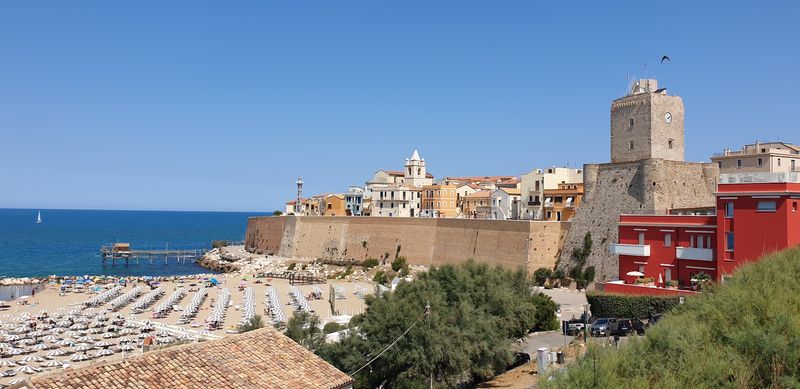
Italy has so many celebrated regions that it is easy to forget one of them is almost entirely overlooked. Molise is so under the radar that Italy’s own official tourism website acknowledges its landscapes, artistic heritage, food, and wine remain largely unknown to mass tourism.
That is a remarkable admission from a country that markets itself brilliantly, and it is also a very good reason to pay attention.
Wedged between Abruzzo to the north and Puglia to the south, Molise contains mountain landscapes, quiet hill towns, Roman archaeological sites, and a short stretch of Adriatic coastline. The tratturi are ancient shepherding routes that cross the region, and walking sections of them is one of the most atmospheric ways to experience the countryside.
Termoli, the main coastal town, has a compact old quarter that projects into the sea on a small headland.
Inland, the pace is slow and the food is exceptional. Pasta traditions here are deeply rooted, and local products like caciocavallo cheese and truffle-laced dishes appear on menus without any tourist markup.
For travelers who love Italy but want to experience it without the queues and the prices, Molise is the honest, unpolished version that the country’s most famous regions used to be.
Jura Mountains, France
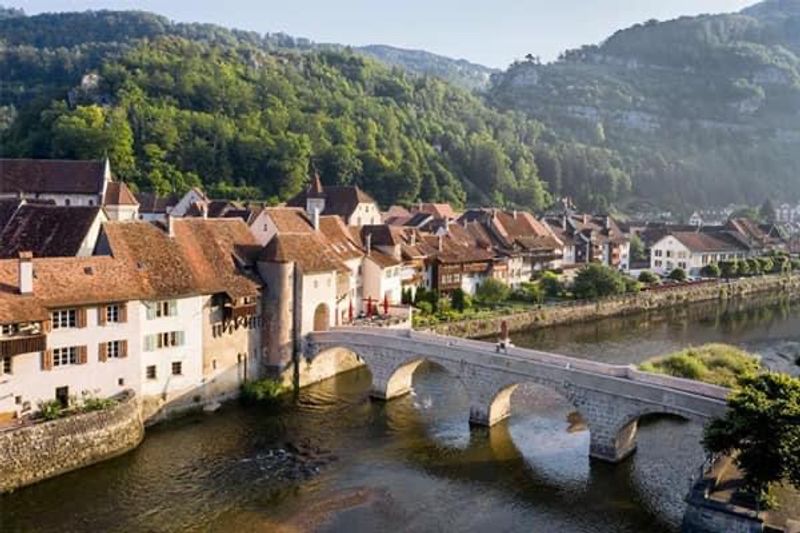
France has so many beautiful regions that even the French sometimes overlook their own backyard. The Jura Mountains, running along the Swiss border in eastern France, are a perfect example.
While the Alps attract ski resorts and celebrity chalets, the Jura quietly gets on with being extraordinary in a much more understated way.
France’s tourism organization describes the Jura as a landscape of thick forests, lakes, waterfalls, and distinctive geological formations shaped by millions of years of tectonic pressure. The region is also the birthplace of Comte cheese and Vin Jaune, a golden wine aged in barrels for a minimum of six years and unlike anything produced elsewhere in France.
Dole, the birthplace of Louis Pasteur, provides a cultural anchor between outdoor excursions.
Hiking and cycling routes cross the region in summer, while winter brings a quieter kind of magic. Cross-country skiing trails wind through snow-covered forests, and the villages feel genuinely removed from the international ski-resort circuit.
France.fr specifically recommends the Jura for travelers seeking a summer trip off the beaten track, describing it as a haven for outdoor recharging. The Jura rewards travelers who are willing to trade glamour for authenticity, and the trade is very much worth making.
Mullerthal, Luxembourg
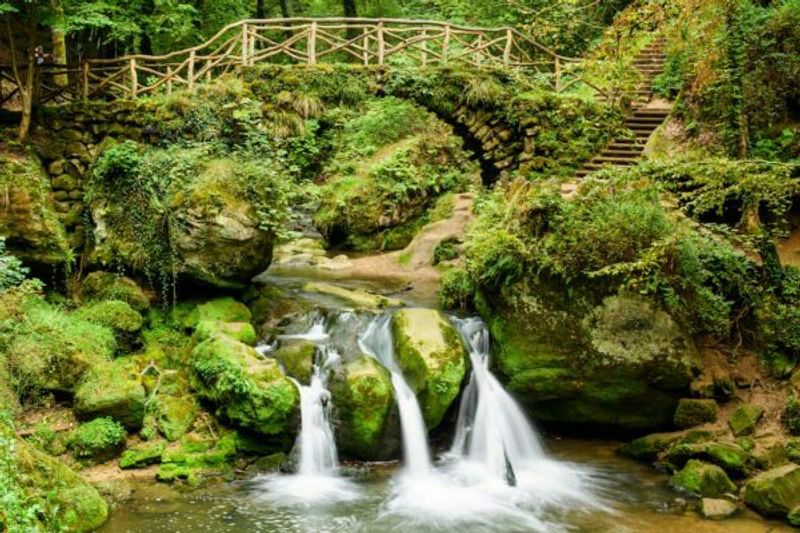
Luxembourg is one of Europe’s smallest countries, and most visitors spend their entire trip in the capital without realizing that the countryside east of the city looks like something from a fairy tale. The Mullerthal region, nicknamed Luxembourg’s Little Switzerland, is a landscape of sandstone formations, narrow ravines, wooded valleys, caves, and streams that feels completely out of proportion with the country’s modest size.
The Mullerthal Trail is the region’s signature experience. One of its most photographed sections passes the Schiessentumpel waterfall and its stone arch bridge before continuing through tunnels of rock and ancient beech forest.
The trail is well-marked and suitable for reasonably fit walkers, with sections ranging from easy riverside paths to more demanding rocky climbs. Echternach, one of Luxembourg’s oldest towns and a place of medieval pilgrimage, serves as a practical and culturally interesting base.
The region is compact enough to explore over a long weekend, making it an ideal addition to a Luxembourg City visit rather than a separate trip. Guesthouses and small hotels in the villages provide a comfortable base, and the local food scene leans toward hearty Luxembourg classics like judd mat gaardebounen, a smoked pork dish served with broad beans.
Mullerthal is where Luxembourg starts to genuinely surprise people.
Prespa, North Macedonia
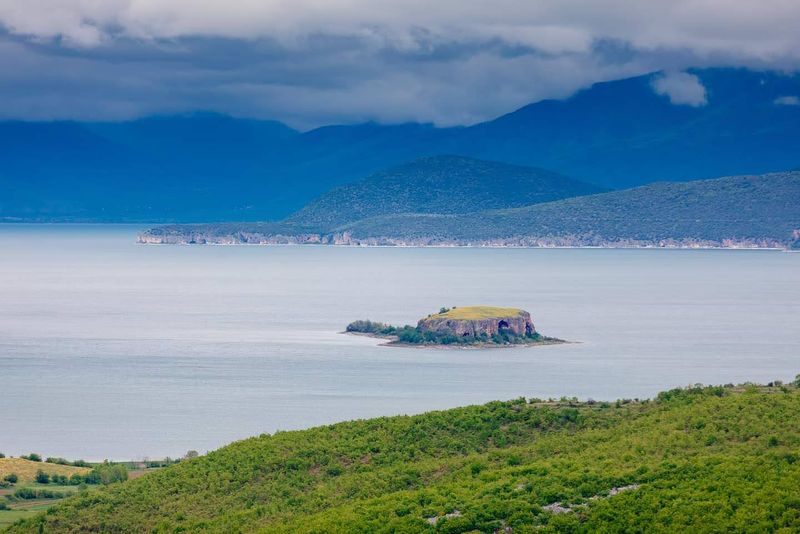
Ohrid gets all the postcards in southwestern North Macedonia, and deservedly so. But travel a little farther east and another vast lake appears beneath the mountains, quieter, less visited, and in many ways even more striking.
Prespa Lake sits at an elevation of around 853 meters and is shared between North Macedonia, Albania, and Greece, making it one of the most geopolitically interesting bodies of water in the Balkans.
The North Macedonian side of the lake offers access to Golem Grad, the country’s only island, accessible by boat from the village of Konjsko. The island is known for its archaeological remains, cormorant colonies, and the remains of early Christian basilicas half-hidden by vegetation.
It is the kind of place that rewards slow exploration rather than a quick tick on a sightseeing list.
Nearby Brajcino is a village that has been developed for ecological and rural tourism, with hiking trails climbing toward Mount Baba and views stretching across the water. The village feels genuinely lived-in rather than curated for visitors.
If Ohrid is the Balkan lake everyone has already discovered, Prespa is the one that travelers tend to mention in quiet, slightly possessive tones when they get home. That alone makes it worth finding.
Cilento, Italy
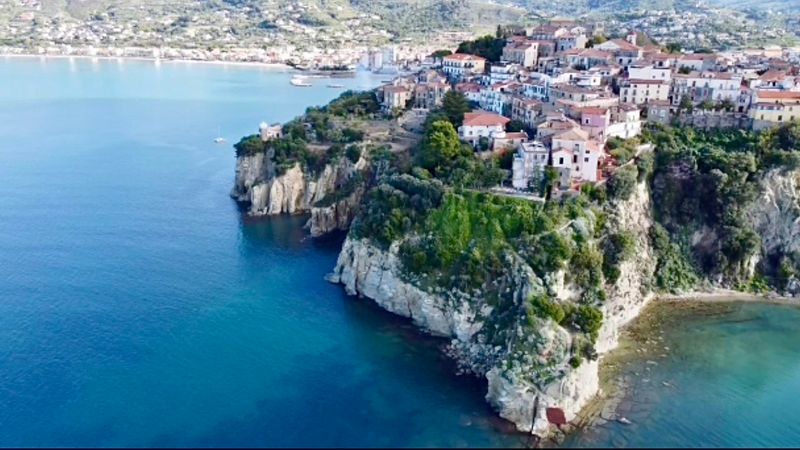
Most travelers who make it as far south as Salerno turn around and head back to the Amalfi Coast. The ones who keep going discover Cilento, and those people rarely regret the decision.
Italy’s official tourism site describes the region as a combination of unspoiled beaches, wild landscapes, small villages, and significant archaeological heritage, and that summary does not even scratch the surface.
The wider Cilento and Vallo di Diano area is UNESCO-listed and includes Paestum, home to some of the best-preserved Greek temples anywhere in the world, and Velia, a lesser-known but equally fascinating ancient Greek settlement. The coastline stretches for more than 100 kilometers and contains coves, sea caves, and small fishing villages that see a fraction of the visitors crowding the famous stretch of water to the north.
Inland, the landscape opens into mountains, forests, and tiny hilltop communities where the rhythm of daily life has changed very little in generations. Local food traditions are tied closely to the land, with buffalo mozzarella, anchovies from Menaica fishing, and local olive oils among the regional specialties worth seeking out.
Cilento is not a quick extension of an Amalfi trip. Treat it as its own destination, give it several days, and it will reward you generously.
Share this story