One quiet Arkansas state park preserves what remains of a riverport town that was once important enough to attract five Civil War generals. Thousands of soldiers also gathered here in 1865 for a surrender that marked the end of organized Confederate military operations in Arkansas.
But war was not what ultimately brought the town down. Years later, residents were given a choice: pay $25,000 to bring the railroad through town or let the tracks go somewhere else. They refused.
What happened next transformed a booming commercial center into a near-forgotten river community. Today, a restored 1872 courthouse, Civil War artifacts, riverfront trails, and the same waterways that once carried steamboats preserve the story of its dramatic rise and fall.
Where the White River and Black River Converge
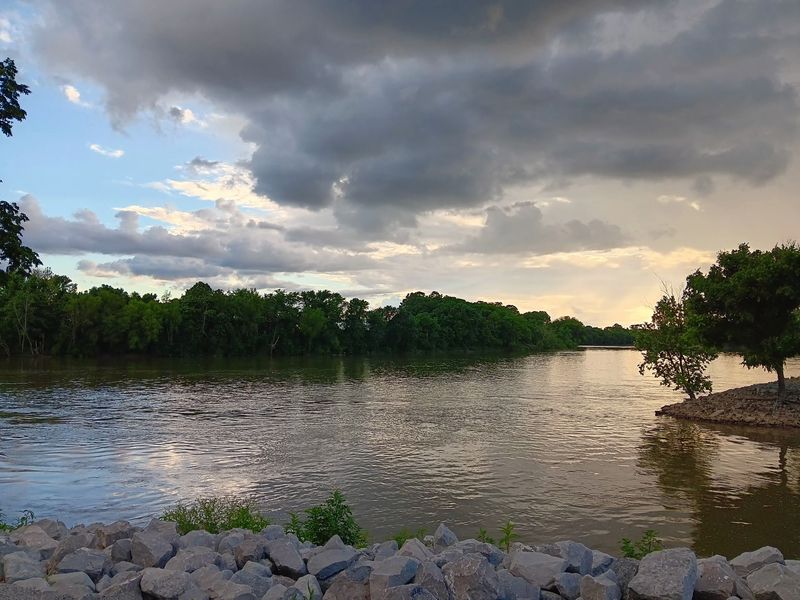
Few geographic features shape a town’s destiny as powerfully as a river junction, and at Jacksonport State Park, two rivers quite literally built a civilization. The park sits at 111 Avenue Street, Newport, Arkansas, right at the point where the White River and Black River meet in Jackson County.
This convergence made Jacksonport the northernmost reliable shipping point on the White River for much of the year, connecting the region to the Mississippi River and the wider world beyond. Steamboats loaded with cotton, timber, and goods churned through these waters with impressive regularity throughout the mid-1800s.
Established as a state park in 1965, the 164.7-acre property preserves what remains of a once-thriving 19th-century riverport community. The rivers that powered Jacksonport’s rise still flow past the park today, wide and unhurried, as if they have all the time in the world to reflect on the history they helped create.
A Riverport Town at Its Bustling Peak
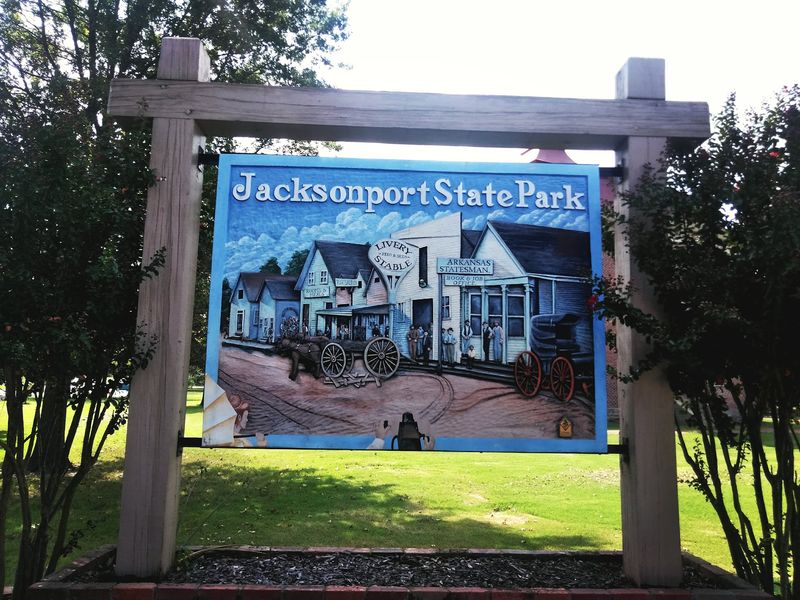
By the early 1850s, Jacksonport was not a sleepy backwater but a humming commercial nerve center for northern Arkansas and southern Missouri. The town formally incorporated in 1852 and became the Jackson County seat just one year later in 1853, a clear sign of its growing economic and political clout.
Steamboats arrived constantly, offloading manufactured goods and loading local products bound for markets downriver. The energy of those landings, with merchants haggling, laborers hauling crates, and passengers disembarking onto muddy docks, would have been something to witness firsthand.
Farmers across the region depended on Jacksonport as their commercial lifeline, shipping crops and receiving supplies through a port that felt, in those years, absolutely indispensable. The town’s rapid rise from a small river landing to a county seat within just one year speaks to how urgently the region needed exactly what Jacksonport offered: reliable, river-powered connection to the outside world.
Five Generals and a Town Caught in the Crossfire
When the Civil War erupted, Jacksonport’s geographic advantage instantly made it a military prize. The confluence of two navigable rivers meant troops, supplies, and weaponry could move efficiently in multiple directions, which is exactly what both Union and Confederate commanders wanted.
Control of the town changed hands multiple times throughout the conflict, and no fewer than five generals from opposing sides established their headquarters within Jacksonport’s boundaries at various points during the war. That level of military attention speaks volumes about how strategically vital this small river town truly was.
Civilian life during those years was understandably tense and difficult. Exhibits inside the park’s historic courthouse museum recount what ordinary residents experienced as armies moved through their streets, commandeered their buildings, and disrupted daily routines for years on end. The human cost of that military significance, felt by the families who simply tried to live their lives, is one of the most moving threads running through the park’s storytelling.
The Surrender That Ended Arkansas’s Civil War
On June 5, 1865, a moment of enormous historical weight unfolded right at the Jacksonport steamboat landing. Confederate General M. Jeff Thompson, known widely as the Swamp Fox of the Confederacy, formally surrendered his command to Union forces on that date, marking the official end of organized Confederate military operations in Arkansas.
Thousands of soldiers gathered at this very spot to witness and participate in that surrender, a moment charged with exhaustion, relief, and the heavy uncertainty of what came next for a shattered region. Standing on those same grounds today, even on an ordinary Tuesday afternoon, carries a quiet gravity that is hard to shake.
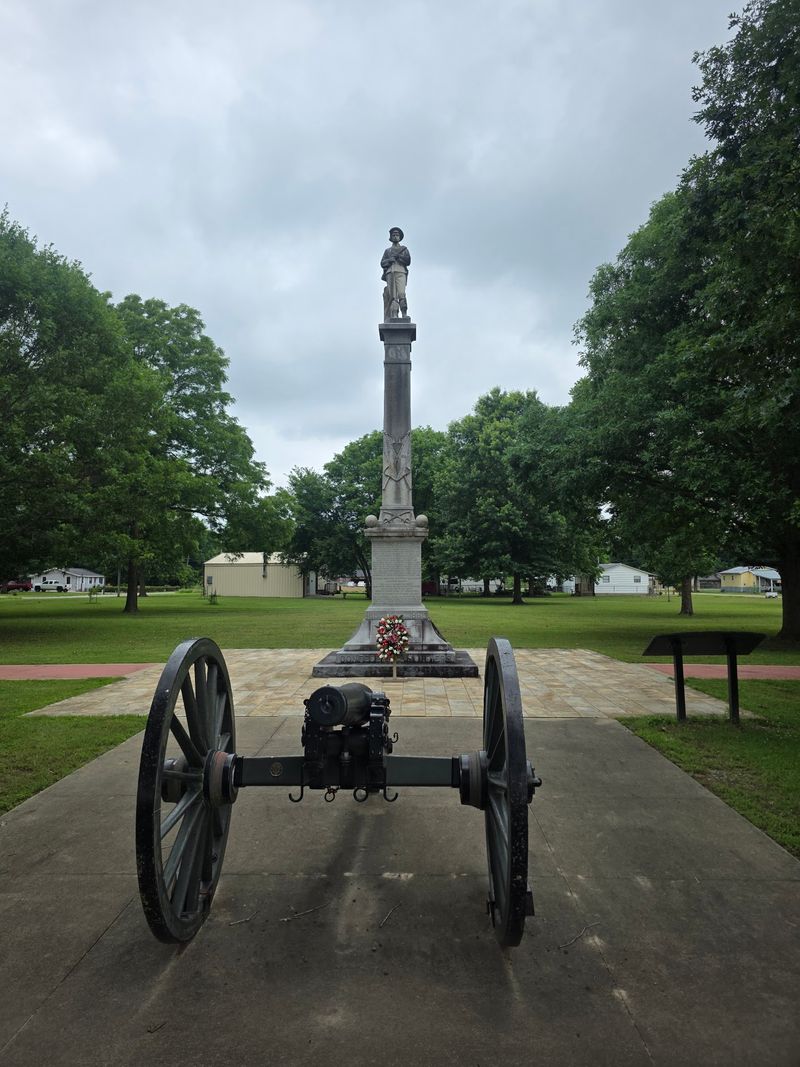
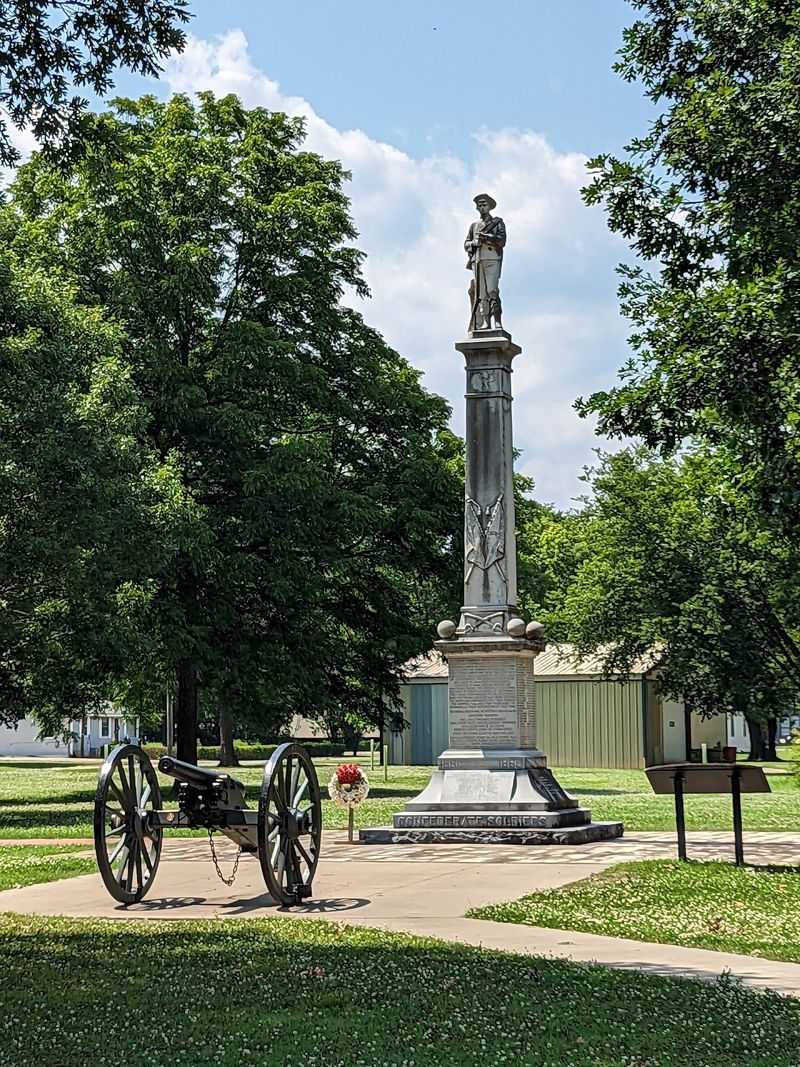
A monument in the park’s courtyard honors the Jackson Guards, a local Confederate company, and a Civil War cannon stands nearby as a tangible relic of those years. Wayside exhibits throughout the courtyard provide detailed context about the occupations the town endured and the circumstances surrounding that final, defining surrender on the riverbank.
The 1872 Courthouse: From Ruin to Restoration
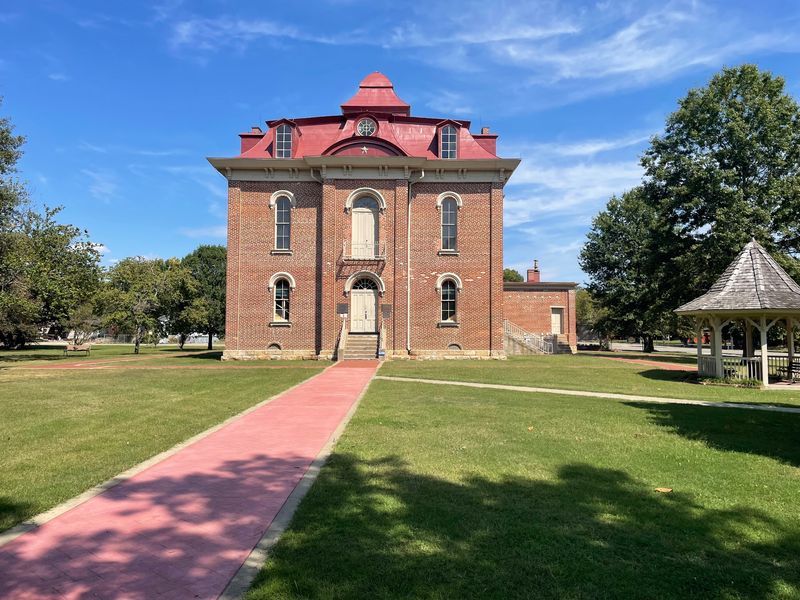
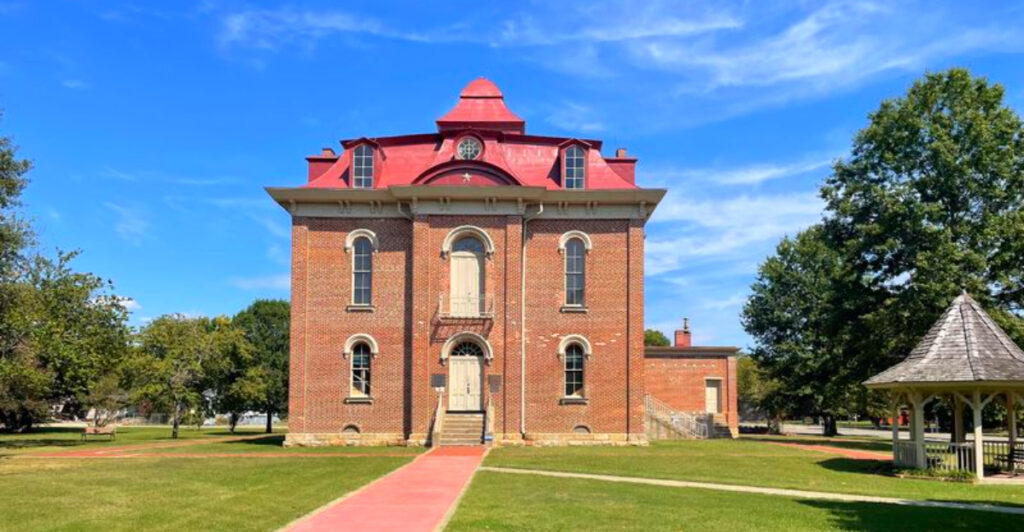
The 1872 Jacksonport Courthouse is the kind of building that seems almost too grand for a town that had already begun its decline by the time it was completed. Designed in the Second Empire style, it features nine-foot double doorways, fanlight windows, and elegant wrought-iron balconies that hint at a community still full of ambition even as the railroads began pulling prosperity elsewhere.
The building’s later years were far less dignified. It served as a county home, reportedly functioned as a grain silo at one point, and suffered serious damage from a tornado before standing abandoned and facing demolition. The Jackson County Historical Society rescued it in 1962, initiating a restoration effort that eventually brought the courthouse into the state park system as its centerpiece museum.
Today its rooms hold artifacts spanning the 1840s through the 1920s, each carefully preserved and displayed to tell the layered story of Jackson County. The building’s own survival story, from courthouse to grain silo to beloved museum, is almost as compelling as the history it now houses.
The Railroad Snub That Erased a Boomtown
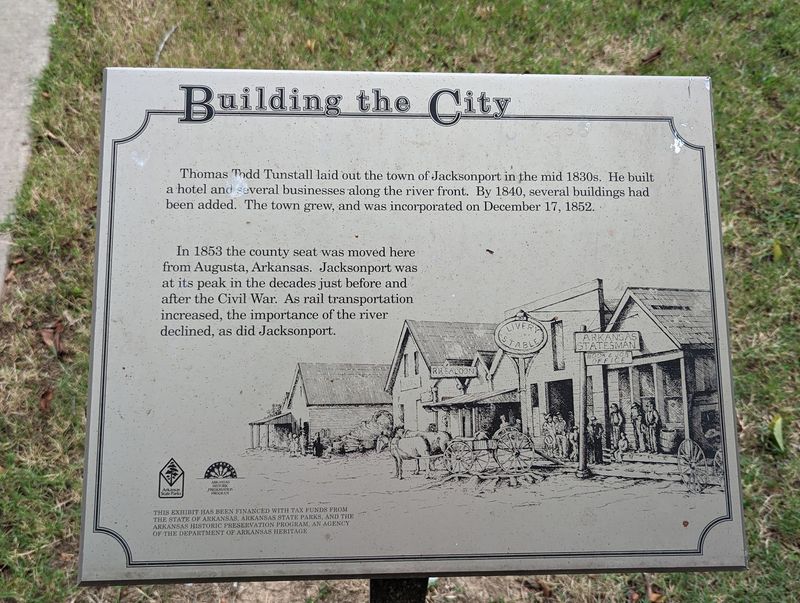
In 1872, the Iron Mountain and Southern Railroad arrived in Jackson County and presented Jacksonport with an offer: pay $25,000 to bring a spur line through town, or watch the tracks go elsewhere. The town’s residents declined, perhaps confident that steamboat traffic would always sustain them, perhaps simply resistant to the disruption and noise a railroad would bring.
It was a miscalculation of spectacular proportions. The railroad built its bridge three miles downstream, established a depot at a smaller river landing, and that landing rapidly grew into the city of Newport. Within two decades, businesses and residents had migrated, and by 1891 the county seat itself relocated to Newport, officially sealing Jacksonport’s transformation from regional hub to quiet backwater.
The story of that $25,000 refusal has become almost legendary in local historical circles, a cautionary tale about the cost of resisting change. The park tells this story honestly and without softening the blow, which makes it all the more fascinating to absorb.
Pearls, Mussels, and a River Stripped Bare
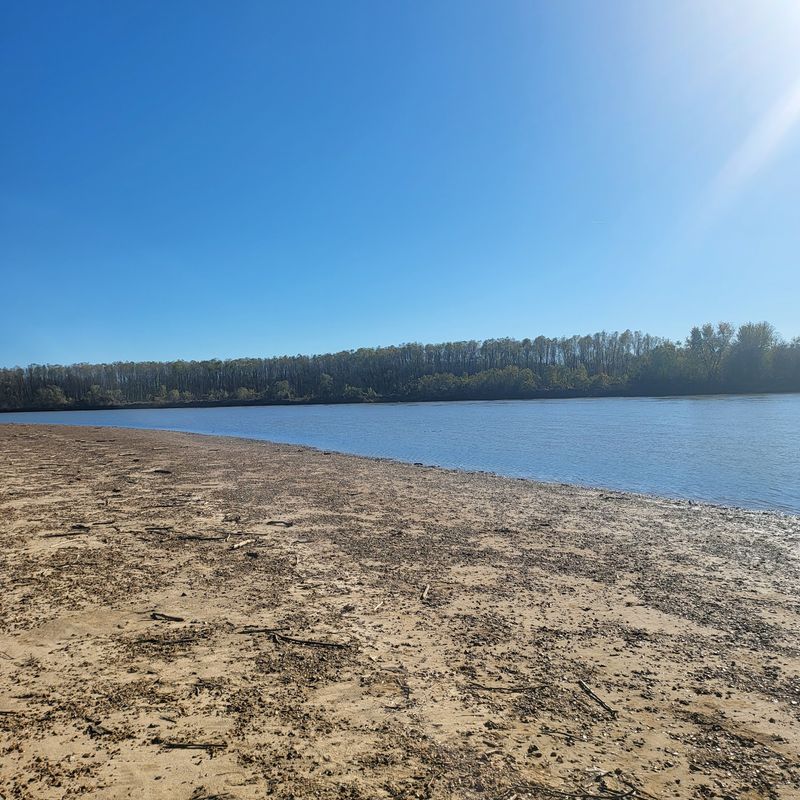
Tucked within Jacksonport’s economic history is a chapter that most people never expect: a genuine pearl rush. Freshwater mussels discovered in the White and Black Rivers contained both pearls and mother-of-pearl, sparking a harvesting frenzy in the mid-1800s that brought a different kind of prosperity to the riverport alongside its steamboat trade.
Arkansas’s freshwater mussel populations were believed to be among the largest in the world at the time, making the rivers an irresistible target for pearl traders eager to cash in. The problem was that the relentless dredging disrupted river bottoms, altered water flow, and created sandbars that made steamboat navigation increasingly treacherous.
The mussel populations collapsed quickly under that pressure, and the pearl industry faded almost as fast as it had appeared. Combined with the railroad’s arrival and the steamboats’ decline, this environmental toll helped accelerate Jacksonport’s unraveling. The park’s exhibits connect these threads clearly, showing how the pursuit of quick wealth contributed directly to a community’s undoing.
The Tunstall Riverwalk Trail: Wildflowers and Woodpeckers
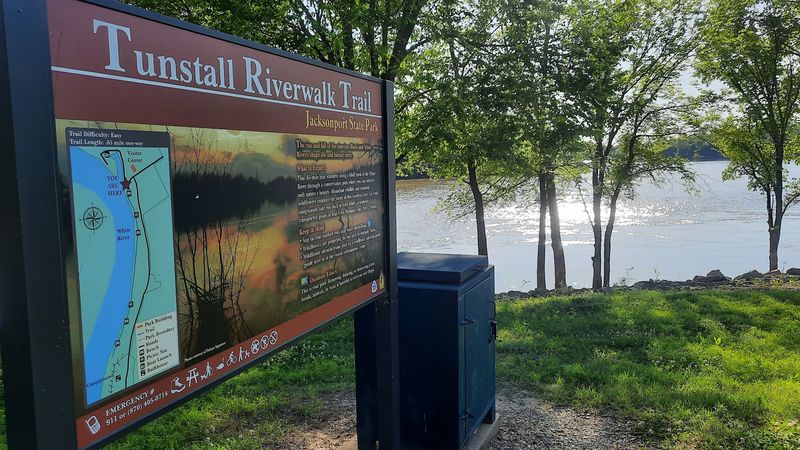
The Tunstall Riverwalk Trail might be only half a mile long, but it delivers a surprisingly rich experience for such a short stretch of path. Paved and largely flat, it runs directly along the banks of the White River, making it accessible and enjoyable for visitors of all ages and fitness levels.
Spring and early summer bring the Tunstall Riverwalk Conservation Area to life with wildflowers that line the path in cheerful bursts of color. Birdwatchers tend to linger here longer than they plan to, scanning the canopy for pileated woodpeckers, orioles, herons, and hawks that regularly patrol the riverbank habitat.
The surrounding bottomland hardwood forest features bald cypress, cottonwood, sycamore, and white oak trees that create a shaded, atmospheric corridor between the visitor center area near the boat launch and the campground at the trail’s far end. On a calm morning with the river catching early light through the branches, this trail feels like a reward in itself, not just a path between destinations.
The 2019 Visitor Center: Where Old Stories Meet Modern Design
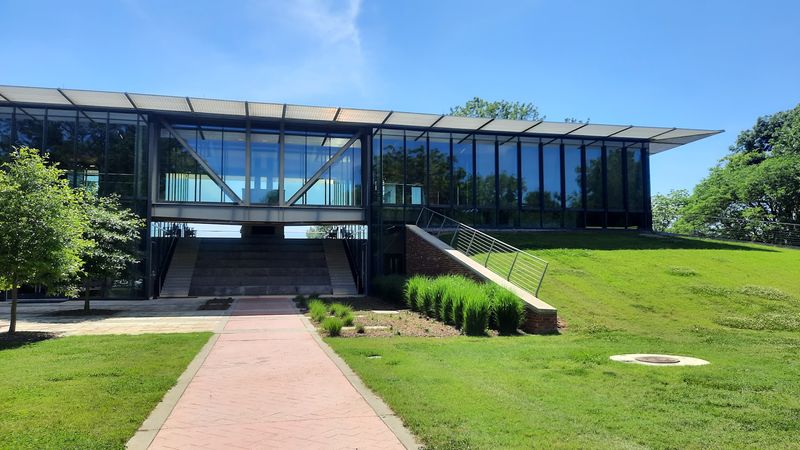
Opened in 2019, the Jacksonport State Park Visitor Center was designed with a specific problem in mind: for years, the historic core of the park felt visually disconnected from the river that gave the town its reason for existing. The new building addresses that directly, with gallery levels offering sweeping views of both the river and the historic courthouse grounds.
Inside, exhibits trace the full arc of Jacksonport’s story, from the Native Americans and French fur traders who first shaped this landscape to the steamboat era, the Civil War years, and the eventual decline. Artifacts, photographs, and interactive displays bring each chapter to life in a way that feels engaging rather than overwhelming.
Three distinct exhibit experiences occupy the upper level: a river gallery with port views, a town gallery overlooking the park and courthouse, and an inner gallery protecting light-sensitive displays. An audio description tour is available for visitors with low vision, ensuring the full story reaches everyone who walks through the door. The building is as thoughtful as the history it houses.
Fishing, Swimming, and Lazy Days by the White River

History is the main draw at Jacksonport, but the park makes a convincing case for simply showing up, spreading a blanket, and doing absolutely nothing productive for a few hours. The White River provides the backdrop for a surprisingly full menu of recreational options that balance nicely with all the museum-going.
Anglers can cast for crappie and catfish from the riverbanks or launch a boat from the convenient ramp. The park even offers a tackle loaner station with free fishing poles available for use, a genuinely thoughtful touch that removes one barrier for families who want to try their luck without hauling gear.
A swim beach invites visitors to cool off on warm Arkansas days, and multiple shaded picnic sites with a standard pavilion make the park an easy choice for a family outing that mixes education with relaxation. A playground ensures younger visitors have their own reasons to love the place. The river view from a picnic table here, especially in late afternoon light, is the kind of simple pleasure that tends to stick with you.
Camping Under the Stars Along the River
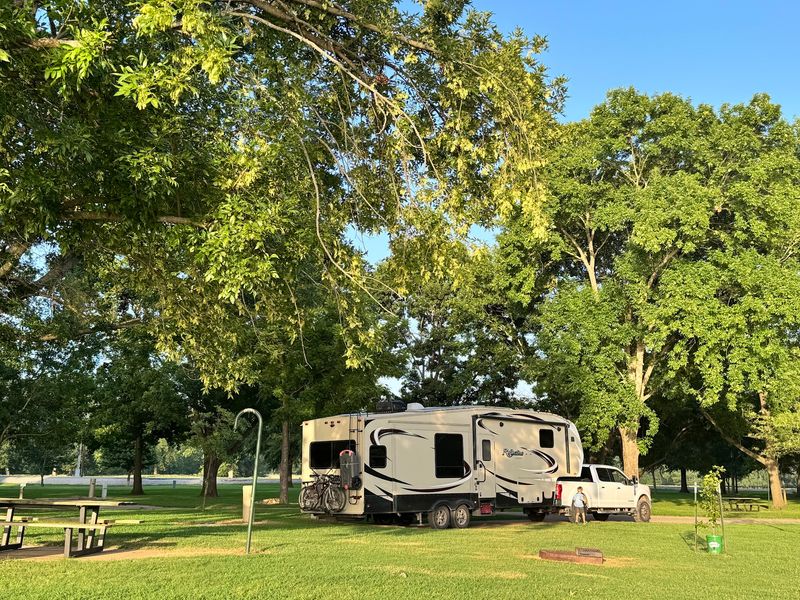
Spending a night or two at Jacksonport’s campground transforms a day trip into something much more immersive. The campground offers 20 Class A campsites, each with electric and water hookups, spread far enough apart to feel private without being isolated. An RV length limit of 45 feet accommodates most rigs comfortably.
Several campsites sit close enough to the White River that the sound of moving water becomes a natural soundtrack for the evening. ADA accessible sites are available, and the bathhouse provides clean, hot showers that multiple visitors have noted with genuine appreciation. Pets are welcome on leash throughout the park, provided owners clean up responsibly.
One practical note worth knowing: trains run nearby through the night, roughly on the hour, and large trucks occasionally Jake brake on the adjacent road. Light sleepers may want to bring earplugs, but the overall campground atmosphere, well-maintained grounds, manicured grass, and friendly staff who check in personally with campers, more than compensates for the occasional overnight rumble from the tracks.
Share this story