Queenstown gets a lot of attention, and honestly, it earns it. But New Zealand is a country that keeps surprising you the further you explore.
From volcanic geothermal fields in the North Island to remote wildlife sanctuaries at the bottom of the South Island, there is a remarkable amount of variety packed into a relatively small landmass. Whether you are planning your first trip or your fifth, these destinations offer experiences that are completely different from what Queenstown delivers, and in many cases, just as unforgettable.
This list covers 13 real, currently operating destinations worth building an itinerary around, each with its own character, landscape, and reasons to visit.
Milford Sound / Piopiotahi
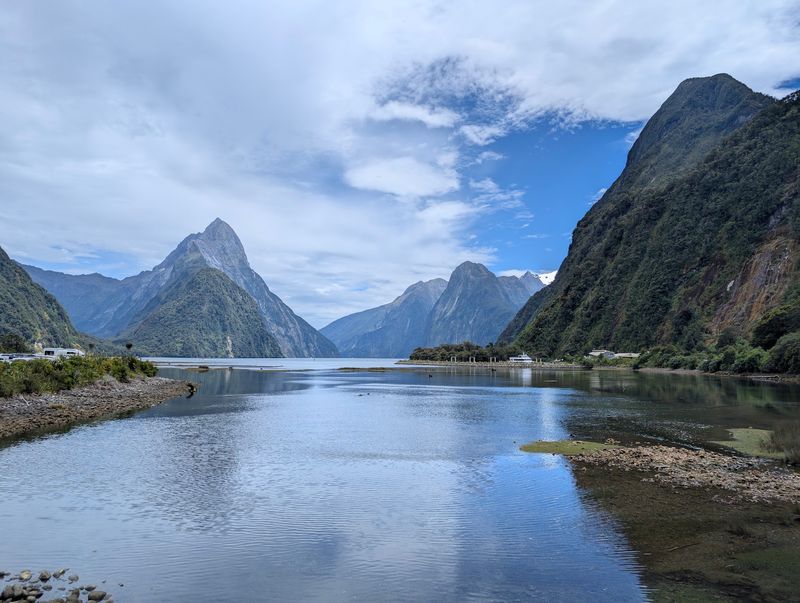
Photographs of Milford Sound are everywhere, but nothing quite prepares you for how vertical everything feels when you are actually there. The mountains rise almost straight up from the water, and the scale of it is genuinely difficult to process from a viewpoint or a boat deck.
Boat cruises remain the most popular way to experience the fiord, with operators including RealNZ and Southern Discoveries currently running departures. Guided kayaking trips are also available for a closer look at the rock faces and waterfalls.
After heavy rain, temporary waterfalls appear across the cliffs, adding another layer to the scenery.
Mitre Peak, Lady Bowen Falls, and Stirling Falls are among the fiord’s best-known landmarks. Wildlife including dolphins, fur seals, and penguins can sometimes be spotted, though sightings are never guaranteed.
Many travelers base themselves in Te Anau rather than rushing the experience as a day trip from Queenstown.
Aoraki / Mount Cook National Park
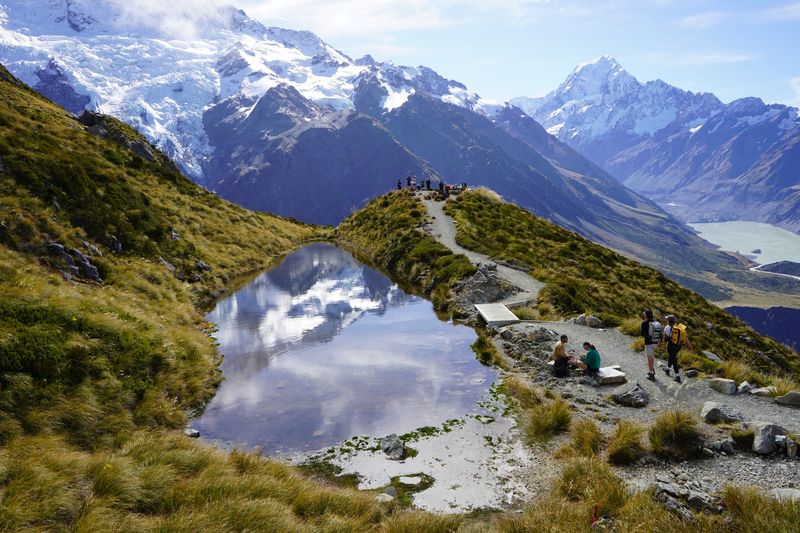
New Zealand’s highest mountain sits at the center of a national park that covers some of the country’s most dramatic alpine terrain. Glaciers cover roughly 40 percent of the park, and the combination of ice, glacial lakes, and towering peaks creates a landscape that feels genuinely vast.
You do not need mountaineering experience to explore it. Shorter walking tracks like Kea Point and the Tasman Glacier area give visitors strong views without requiring technical skills.
Scenic flights over the park provide a broader perspective on the glacial landscape, and guided glacier experiences are available through current operators.
The national park is open year-round, though the Department of Conservation recommends checking weather and track conditions before heading out. As part of the Aoraki Mackenzie International Dark Sky Reserve, the park also offers some of the clearest stargazing in the Southern Hemisphere.
It is an excellent extension if mountain scenery was the original reason for visiting New Zealand.
Abel Tasman National Park
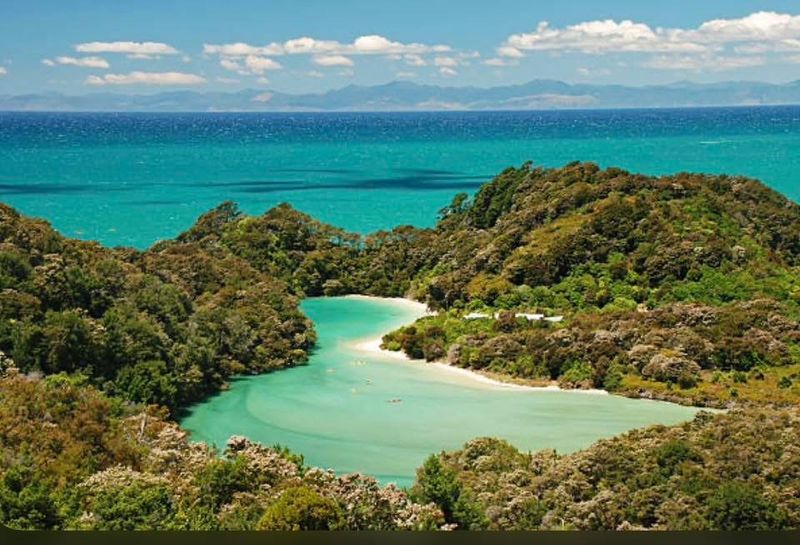
New Zealand’s smallest national park manages to pack in golden beaches, turquoise coastal water, native forest, and sheltered coves within a surprisingly compact area. The contrast with the alpine landscapes further south is striking, and it draws a completely different kind of visitor energy.
The Abel Tasman Coast Track stretches approximately 60 kilometers and takes three to five days to complete end to end. For those with less time, water taxis make it straightforward to access shorter sections of the trail and combine walking with a boat journey.
Kayaking is another well-established way to explore the coastline at your own pace.
The Department of Conservation confirms that bookings for the 2026-27 season are open, with access points at Mārahau, Wainui, Tōtaranui, and Kaiteriteri. Day visitors can also experience the park without committing to a multi-day track.
Few places in New Zealand shift the atmosphere so completely from wilderness hiking to relaxed coastal exploration.
Rotorua
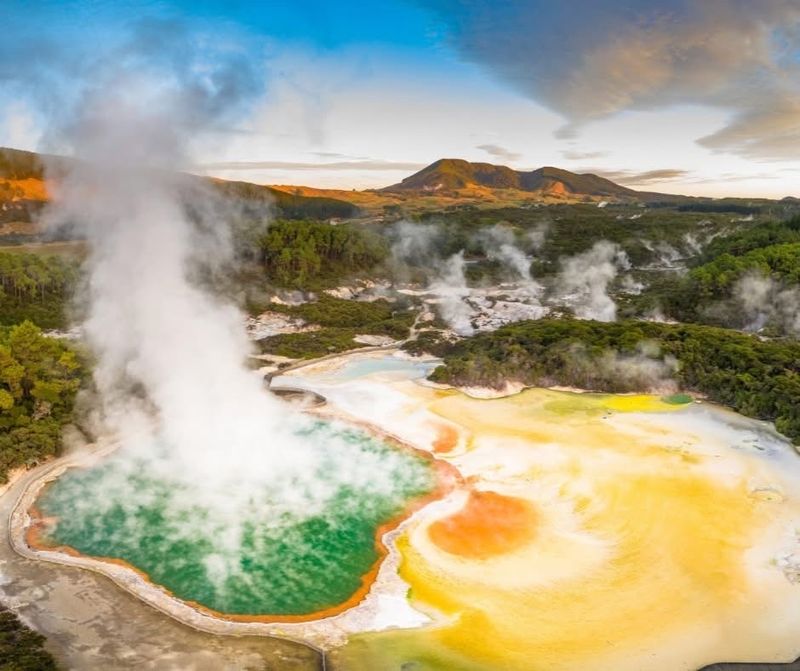
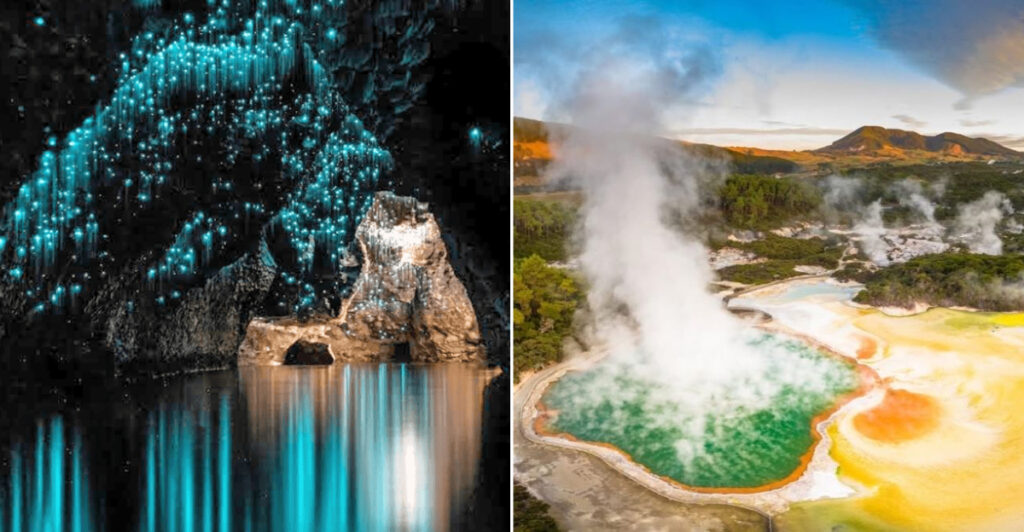
Steam rising from the ground in the middle of a city is not something you see every day, and Rotorua makes it feel completely normal. The geothermal activity here is constant and very real, with geysers, bubbling mud pools, and hot springs scattered across multiple attractions within easy reach of the town center.
Te Puia is one of the most visited sites, combining a view of the famous Pōhutu Geyser with Māori cultural experiences including carving and weaving demonstrations. Waimangu Volcanic Valley, Wai-O-Tapu Thermal Wonderland, and Hell’s Gate each offer their own distinct geothermal landscapes worth exploring separately.
Beyond the volcanic sights, Whakarewarewa Forest has well-maintained mountain biking and walking trails, and Rotorua Canopy Tours runs zipline experiences through native bush. Geothermal spas provide a quieter way to spend an afternoon.
Tourism New Zealand lists Rotorua as a year-round destination with consistent access to all major attractions.
Wellington
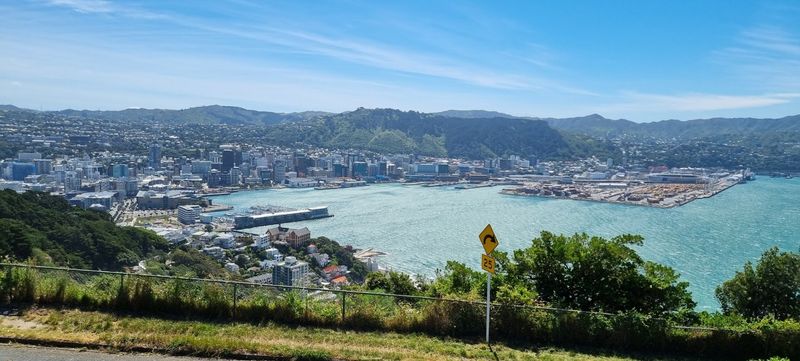
Not every great New Zealand destination involves a mountain or a coastline. Wellington proves that a compact, walkable capital city can hold its own against the country’s more scenic outdoor attractions, especially for travelers who want a change of pace between hiking days.
The Museum of New Zealand Te Papa Tongarewa is one of the country’s best free museums, covering natural history, Māori culture, art, and national identity across multiple floors. The famous red cable car connects the city center to the Botanic Garden, and Zealandia wildlife sanctuary sits just minutes from downtown.
Wētā Workshop, known internationally for its film and television work, offers guided tours of its creative facilities.
Tourism New Zealand’s current Wellington listings feature all of these attractions alongside a strong restaurant and café culture. The city’s compact layout makes it genuinely easy to cover a lot of ground on foot.
For travelers mid-itinerary, Wellington works well as a reset between bigger outdoor adventures.
Bay of Islands
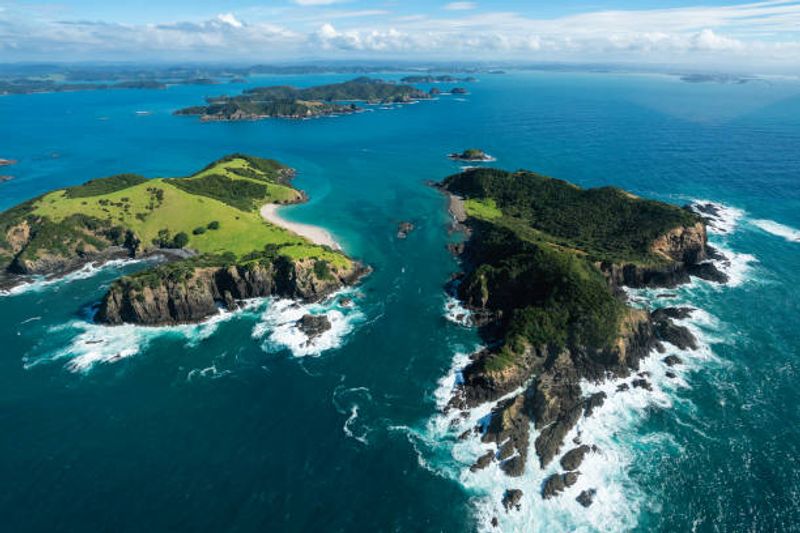
North of Auckland, New Zealand starts to feel noticeably warmer and more subtropical. The Bay of Islands contains 144 islands spread between Cape Brett and the Purerua Peninsula, creating a sheltered, island-dotted environment that draws sailors, kayakers, and history enthusiasts in equal measure.
Paihia is one of the most practical bases for the region, with daily cruises, fishing trips, sailing excursions, and boat journeys toward Cape Brett and the famous Hole in the Rock available from the waterfront. Passenger ferries connect Paihia with historic Russell across the water.
The region carries significant historical weight as well. Waitangi Treaty Grounds, located just minutes from Paihia, is where the Treaty of Waitangi was signed in 1840, making it one of New Zealand’s most important cultural and historical sites.
Guided tours are available on-site. The combination of beaches, boating, wildlife, and history makes the Bay of Islands one of the North Island’s most complete destinations.
Wānaka
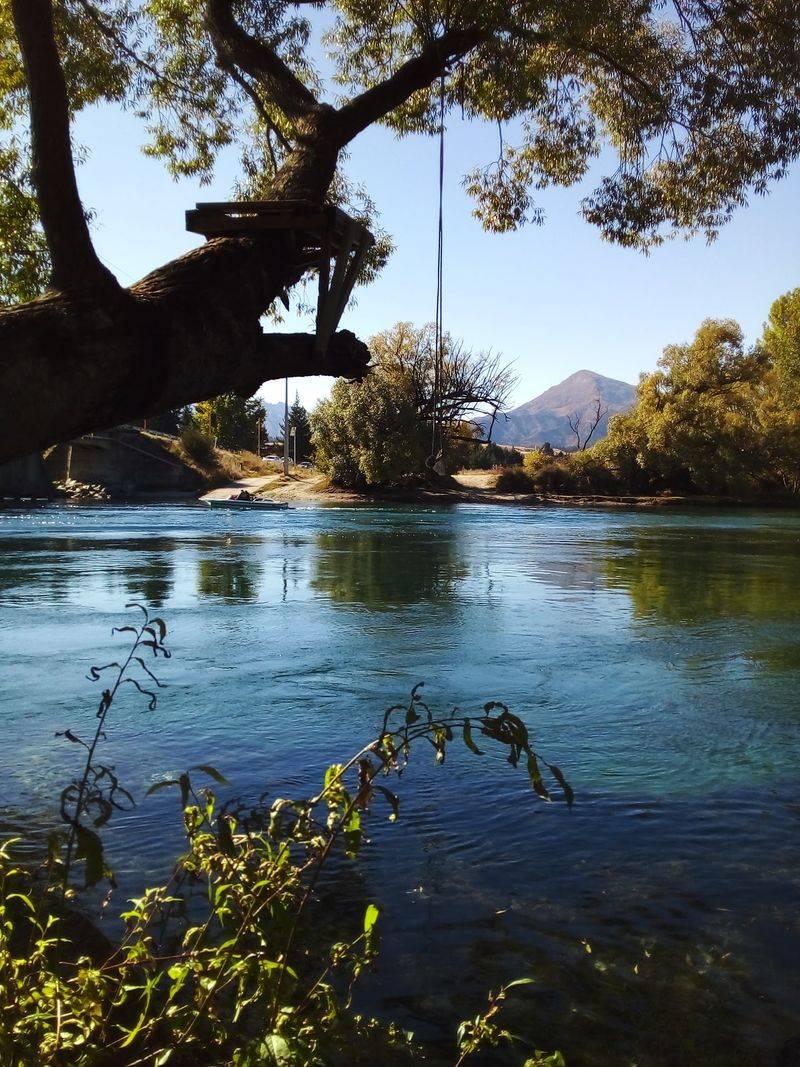
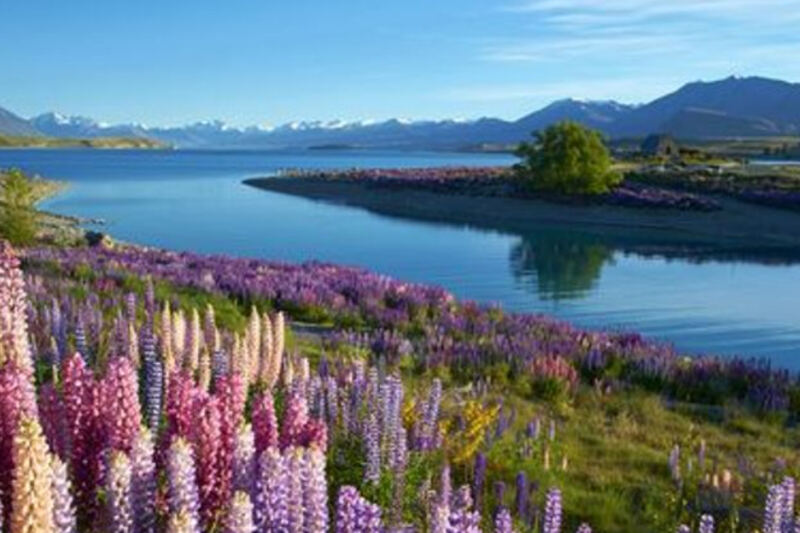
Wānaka sits beside one of New Zealand’s most photogenic lakes, with the Southern Alps rising behind it and Mount Aspiring National Park accessible from town. It has a different character from Queenstown, quieter in pace and less dominated by large-scale tourism infrastructure, while still offering a wide range of activities.
In winter, the region supports skiing and snowboarding at nearby fields. During warmer months, hiking, cycling, climbing, kayaking, and scenic flights take over the activity calendar.
The lakefront walk is one of the simplest and most rewarding things to do here, eventually leading to the frequently photographed willow known as That Wānaka Tree.
Tourism New Zealand’s current Wānaka listings also cover Mount Iron, vineyard visits, river journeys, and a range of guided outdoor experiences available year-round. The town has enough restaurants and cafes to keep things comfortable between adventures.
Wānaka earns its place as a destination in its own right rather than just a quieter alternative to its more famous neighbor.
Taupō
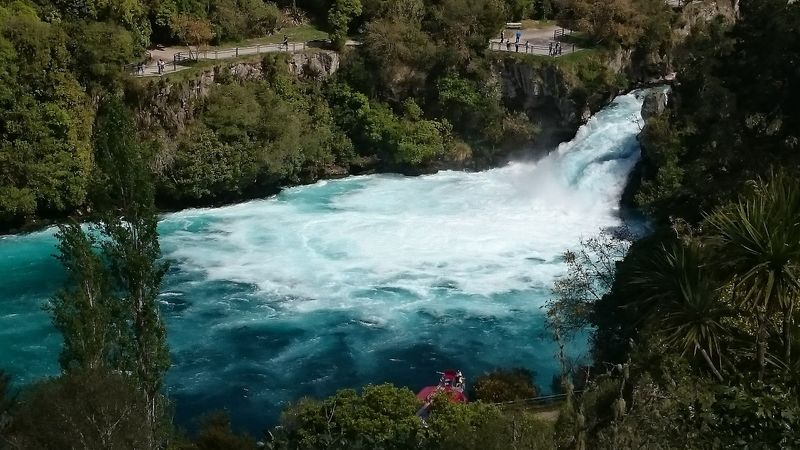
Lake Taupō is the largest lake in New Zealand and sits inside a volcanic caldera, which gives the surrounding landscape an energy that goes well beyond typical lake scenery. The region’s most dramatic single sight is Huka Falls, where the Waikato River narrows sharply before pushing through a gorge in a powerful rush of turquoise water.
Viewing platforms make the falls easy to access, and jet-boat excursions on the river provide a closer and considerably louder experience. Boat trips and kayaking tours can also take visitors across the lake to the Ngātoroirangi Māori rock carvings at Mine Bay, which are only accessible by water.
Fishing, cycling, geothermal attractions, and water sports round out the options for a multi-day stay. Taupō also fits naturally into a North Island road trip connecting Rotorua, Waitomo, and Napier without adding unnecessary distance.
For a destination sometimes overlooked in favor of its neighbors, the lake and its surroundings offer a lot of variety.
Napier and Hawke’s Bay
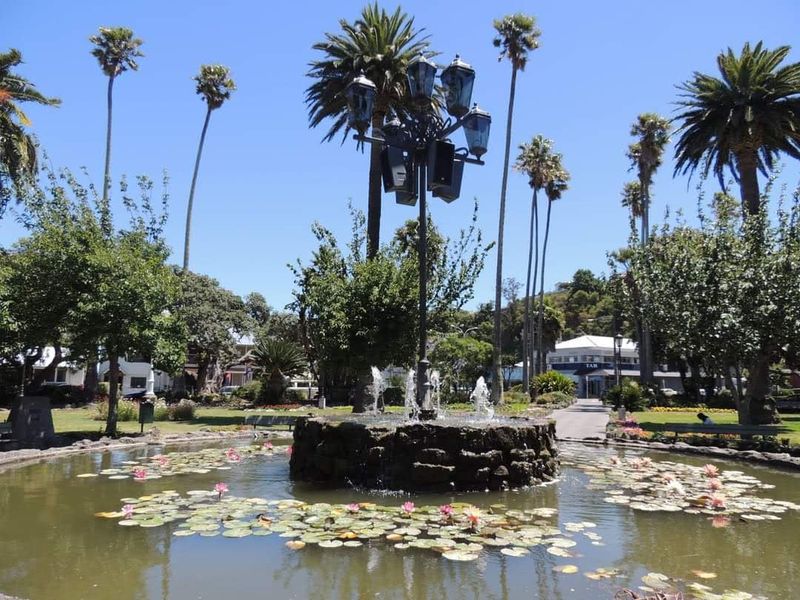
Napier has one of the most unusual origin stories of any New Zealand city. Following the devastating 1931 earthquake, the city was rebuilt almost entirely in the Art Deco style that was fashionable at the time, leaving behind one of the most concentrated collections of that architecture found anywhere in the world.
Walking tours and guided experiences make the architecture the city’s signature activity, and the streets around the central area hold up remarkably well as an outdoor gallery. Beyond the city, Hawke’s Bay is one of New Zealand’s major wine regions, with more than 30 cellar doors currently open for tasting according to Tourism New Zealand listings.
Cycling routes connect many of the vineyards, making it easy to explore the region without a car.
Te Mata Peak, Cape Kidnappers/Te Kauwae-a-Māui, farmers markets, and coastal beaches fill out the wider region. Napier and Hawke’s Bay work particularly well for travelers who want a slower, food-focused itinerary alongside genuine cultural sightseeing.
Dunedin and the Otago Peninsula
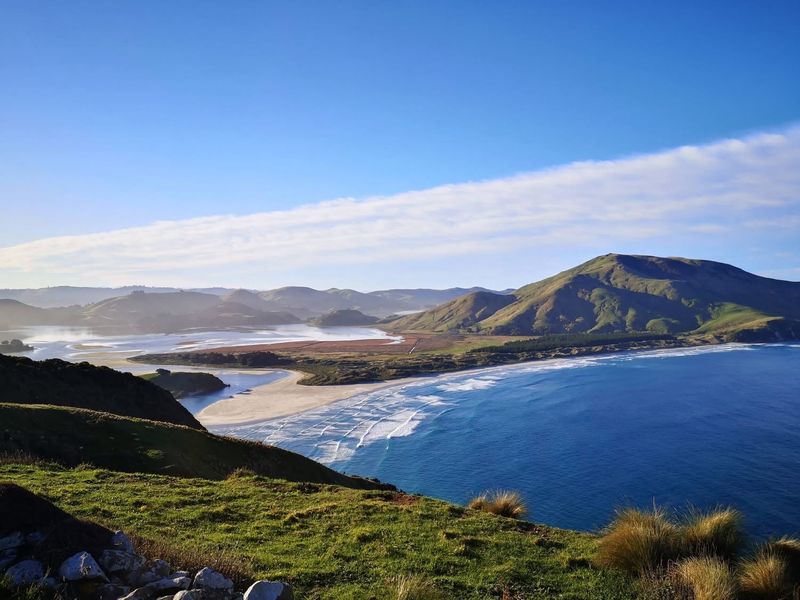
Dunedin is the kind of city that surprises people. The ornate Victorian and Edwardian architecture, the university-town atmosphere, and the proximity to some of New Zealand’s most accessible wildlife make it a genuinely interesting stop that does not feel like anywhere else in the country.
The Otago Peninsula is where the wildlife experience gets serious. Fur seals, sea lions, little blue penguins, and yellow-eyed penguins can all potentially be encountered along the peninsula.
Pukekura/Taiaroa Head is home to the world’s only mainland breeding colony of northern royal albatross, and the Royal Albatross Centre runs guided viewing sessions that put you remarkably close to these birds.
Back in the city, the Dunedin Street Art Trail, the Botanic Garden, and several museums provide a full day of urban exploration. The practical structure here is simple: one day for city culture, one day for the peninsula.
That split makes Dunedin one of the most well-rounded stops on a South Island itinerary.
Stewart Island / Rakiura
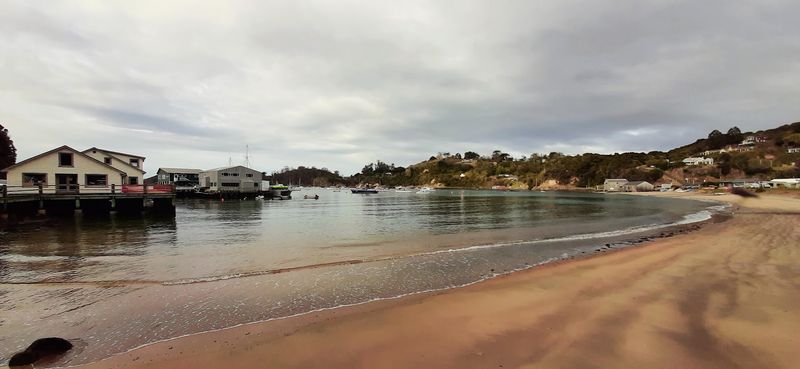
About 85 percent of Stewart Island / Rakiura is protected as Rakiura National Park, which tells you a lot about what kind of destination this is. The island sits roughly 30 kilometers south of the South Island, and the sense of remoteness is real from the moment you arrive.
The island has only around 25 kilometers of sealed roads, but hundreds of kilometers of walking tracks wind through native bush. The three-day Rakiura Track is one of New Zealand’s official Great Walks, while shorter hikes around Oban, the island’s only town, suit visitors with less time.
Ulva Island, a predator-free open sanctuary a short boat ride from Oban, offers some of the most rewarding birdwatching in the country.
Stewart Island is also one of the more reliable places in New Zealand to encounter wild kiwi, particularly at dusk. Regular ferry services run from Bluff, and flights operate from Invercargill.
For travelers seeking genuine wilderness without a crowd, Rakiura delivers consistently.
Waitomo Caves
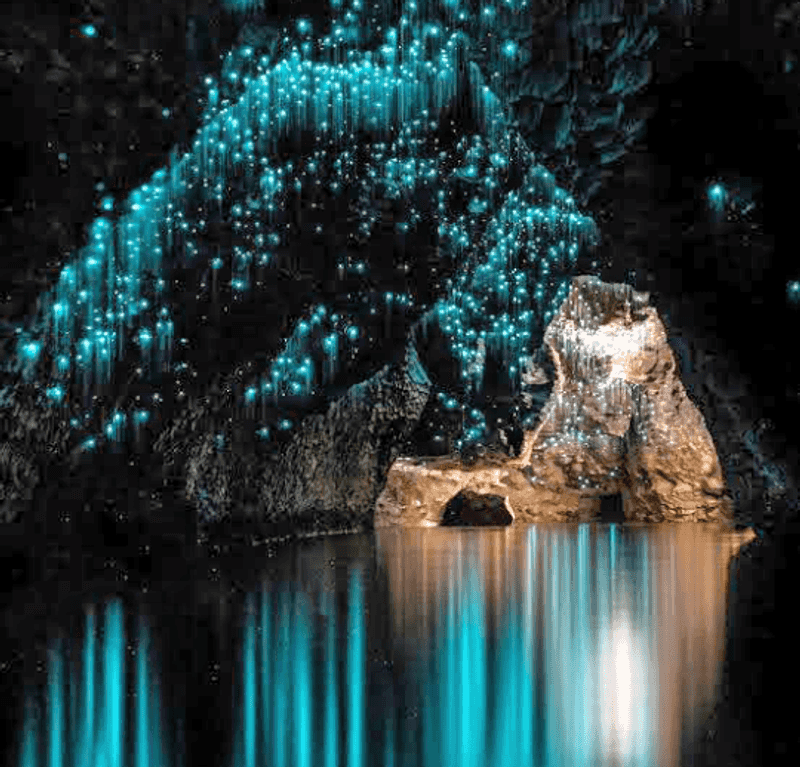
Some of New Zealand’s most extraordinary scenery exists entirely underground. The Waitomo cave system runs beneath the countryside of the Waikato region, featuring limestone formations, underground rivers, and the glowworms that have made this area internationally recognized.
The Waitomo Glowworm Caves have been welcoming visitors for more than a century. Guided tours include a boat journey through a section of the cave while thousands of tiny glowworms illuminate the ceiling above.
As of mid-2026, the attraction operates seven days a week with tours available to book online. Ruakuri Cave and Aranui Cave offer additional underground experiences with different geological features.
For visitors who want something more physically active, black-water rafting takes participants underground on inner tubes to float through cave rivers in the dark. It is one of the more genuinely unusual activities available anywhere in New Zealand.
Waitomo fits naturally into a North Island itinerary and pairs well with a stop at Taupō or Rotorua.
Marlborough and the Marlborough Sounds
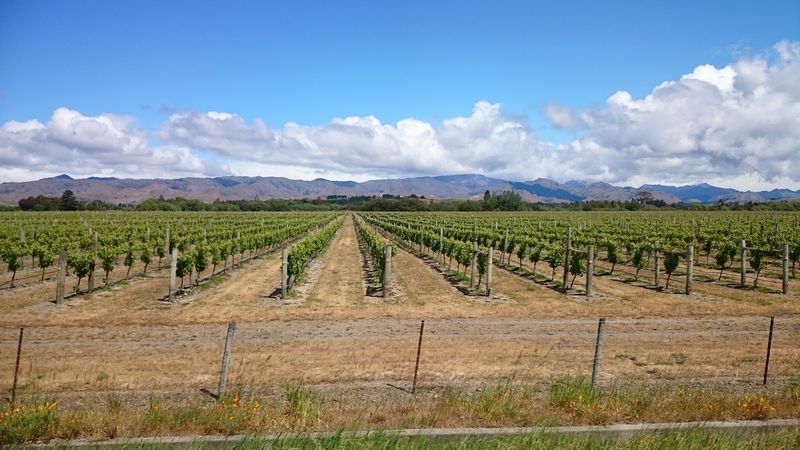
Marlborough manages to offer two very different landscapes within a short drive of each other, which makes it one of the more versatile destinations on the South Island. The region is New Zealand’s largest wine-growing area and is particularly well known for Sauvignon Blanc, with more than 30 cellar doors currently open for tasting and vineyard restaurants operating across the region.
Exploring by bicycle is one of the more enjoyable ways to move between cellar doors, and organized wine tours are also available for those who prefer a guide. Then, only a short drive away, the scenery shifts entirely to coastal wilderness.
The Marlborough Sounds contain roughly 1,500 kilometers of winding coastline broken up by secluded bays and forested ridges. The 70-kilometer Queen Charlotte Track follows ridgelines with views over Queen Charlotte and Kenepuru Sounds, and water taxis support walkers along the route.
Picton, the regional hub, also serves as the South Island terminal for Cook Strait ferry crossings to Wellington.
Share this story