Tucked inside an old cotton mill town, there is a place where thread and fabric turn into something that hangs on gallery walls like paintings. Stitch by stitch, quilters piece together stories, history, and bold color that pull people in from across the region.
Some makers plan their whole day around a single visit, then circle the block hoping for a parking spot. What they find is a small museum with a big heart, and exhibits that change often enough to bring folks back season after season.
Here is why this humble Lowell spot has quietly become a favorite for anyone who appreciates handmade art.
When Fabric Earns a Spot on the Wall
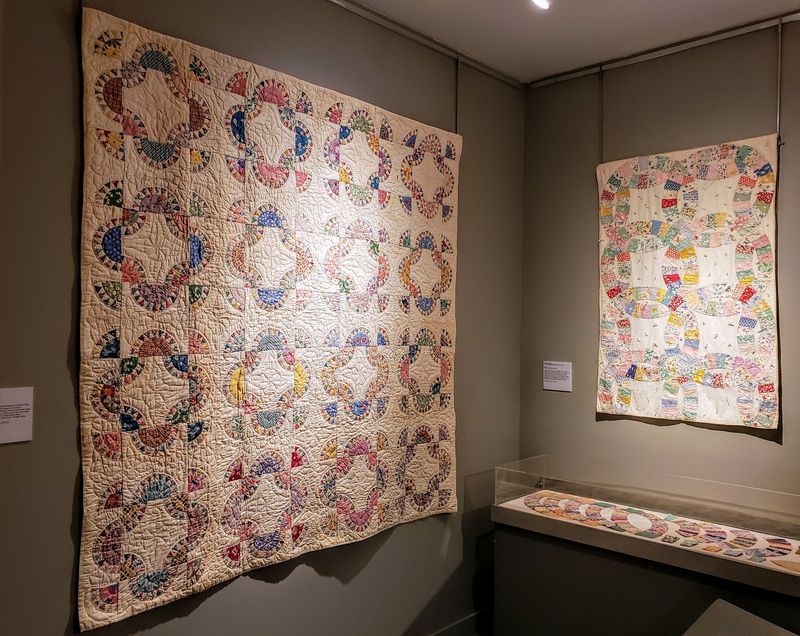
Calling a quilt art might raise an eyebrow, until you see these pieces hanging under proper gallery lighting. The craftsmanship on display makes the case all on its own.
These are not the blankets folded at the foot of a bed. Many pieces use fiber techniques to tell a full story, layering symbolism and color in ways that reward a close look.
People walk in casual sewers and leave inspired to try quilting themselves. The work honors a craft that too often gets overlooked or forgotten.
Antique quilts share space with bold, modern fiber art, so both traditionalists and contemporary art fans find something to admire. The detail and time poured into each piece becomes obvious the longer you linger.
It really is true art in a fabric medium, and the museum treats it with the respect it deserves.
Exhibits That Never Sit Still
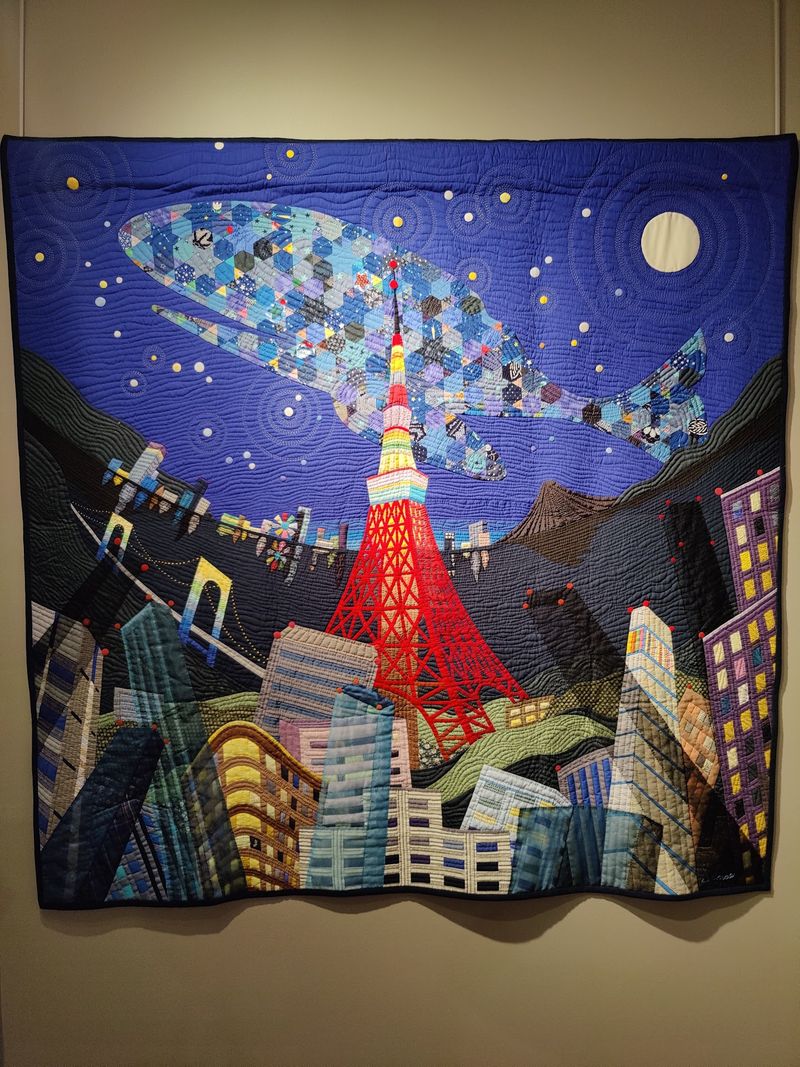
Return visitors know the golden rule here: check online before you go, because the walls rarely look the same twice. Collections rotate every couple of months, keeping the experience fresh.
Over the years, exhibits have spanned everything from a striking Japan showcase to woodland art, water themes, and even a thought-provoking display touching on difficult subjects. Miniature quilts have made appearances too.
That constant change is exactly why some folks come back year after year. A few make a March tradition of it, seeking bright color to break up a gray stretch of winter.
The museum recently opened with three brand new exhibitions, a reminder that there is almost always a reason to plan another trip. A large exhibit on the entry floor often anchors the visit with a full narrative.
No two visits feel identical, and that keeps the place worth revisiting.
A Second-Floor Space Built for Slow Looking
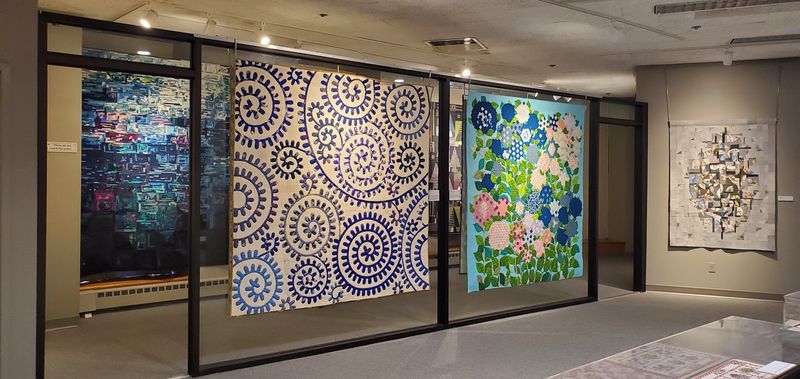
Once you pass through the shop and head upstairs, the galleries open up more than the modest exterior suggests. The layout is designed for people who want to take their time.
Quilts hang easy to view and well lit, a detail that quilters especially appreciate when studying stitching and piecing techniques up close. The halls stay roomy enough to hold a wide variety of pieces.
That balance matters. A dedicated quilter can pore over the fine details, while someone with zero sewing experience still finds plenty to enjoy.
Photos are welcome as long as you skip the flash, so you can capture what catches your eye. Magnifying glasses are even available for the truly curious.
Enjoy it at your own pace, because nobody here is rushing you along.
The Staff Who Make It Feel Personal
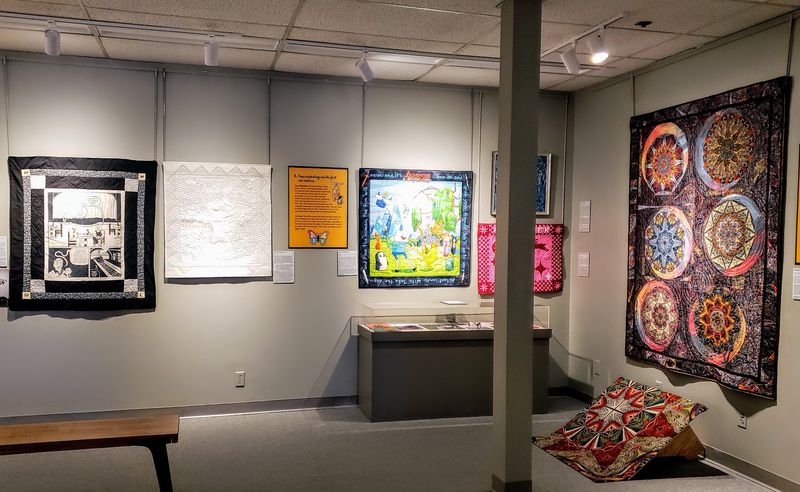
Warmth shows up here in a way that keeps people talking long after they leave. Friendly staff came up again and again, mentioned in dozens of comments.
Knowledgeable volunteer docents often roam the galleries, ready to explain the exhibits and share the stories behind each piece. On a Saturday around late morning, you will likely find them among the displays.
The curator has been known to greet guests directly, answering questions and joining in the shared appreciation of the work. That kind of engagement turns a quick stop into a real conversation.
Families feel the welcome too, with young visitors treated kindly and made to feel included. It is the sort of hospitality that makes a small museum punch above its size.
You leave feeling like you learned something from people who genuinely love the craft.
A Gift Shop Worth Lingering In
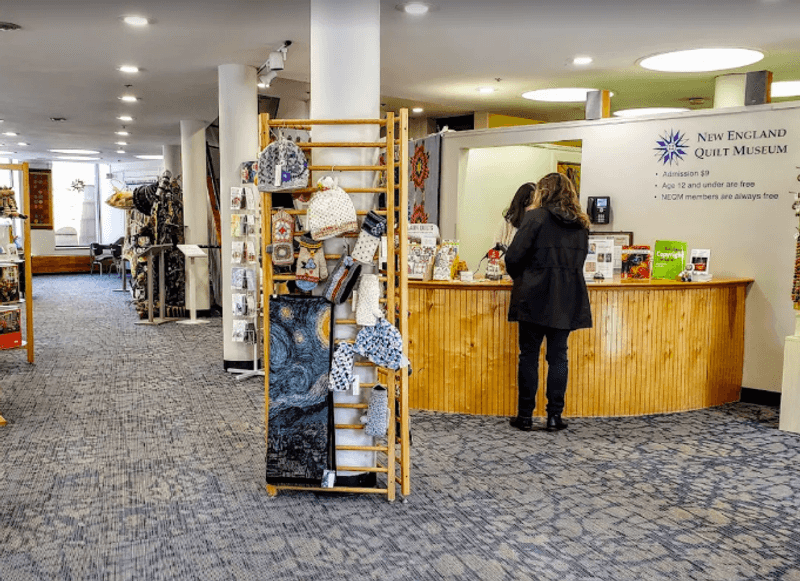
Most people expect a gift shop to empty their wallet, so this one comes as a pleasant twist. It sits right at the entrance and turns out to be surprisingly affordable.
Shelves hold a variety of quilt and sewing related gifts, plus handmade goods that make thoughtful presents. Crafters can even dig up bags of fabric remnants at prices that feel almost too good.
One shopper walked away with several cumulative yards of fabric for just a few dollars, a small win that sewers love to brag about. For non-sewers, there are still plenty of nice items to treat yourself or someone else.
It is the rare museum shop that people actually recommend as part of the visit. Save a little time and browse before you head out.
Consider it the sweet finish to the whole experience.
Learning the Long Story of Quilting
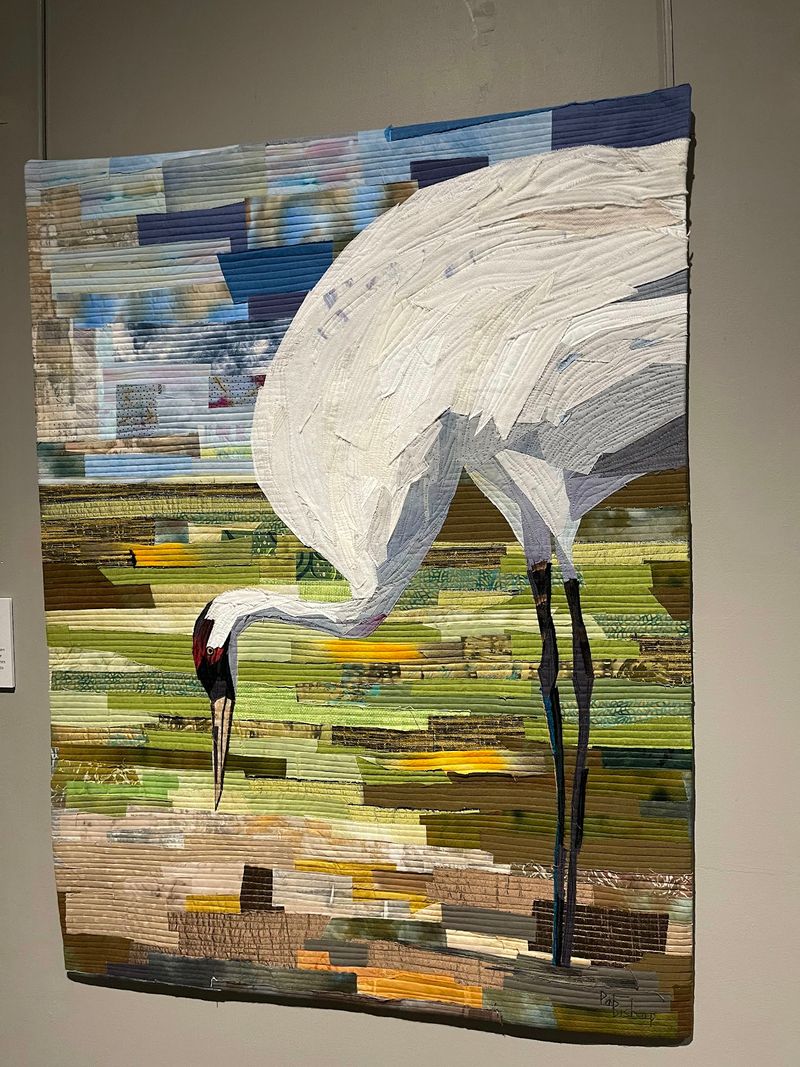
Beyond the pretty patterns, there is real history stitched into these walls. The museum invites you to learn how quilting evolved over generations.
Traditional quilts from the 1800s and early 1900s sit alongside modern fiber art, drawing a line from past to present. Informative exhibits fill in the context, so you understand what you are looking at.
Symbolic pieces reveal the stories of the artists and what drove them to create. That depth is what makes visitors say there is far more here than the name suggests.
The museum sees itself as a place that honors, celebrates, and preserves the craft. Every piece comes with a bit of background, making the whole visit feel educational without being dull.
Curious minds leave with a new appreciation for a tradition that runs deep in New England.
Who Feels Right at Home Here

You might assume this spot only appeals to dedicated quilters, but that sells it short. The crowd it draws is refreshingly mixed.
Seasoned fiber fans come to study technique, while their companions who have never touched a needle still walk out impressed. That combination gets mentioned often, one person a quilter and the other not, both enjoying the day.
It also works well as part of a larger Lowell outing, pairing naturally with the city’s other historical sites. Families with kids find a welcoming atmosphere, and the pace suits anyone who likes a relaxed visit.
The vibe reads colorful, eclectic, and genuinely wonderful. Nobody feels out of place, whether they came for the art or just curiosity.
Simply put, it suits both the hobbyist and the wandering explorer.
Hours, Cost, and Getting a Parking Spot
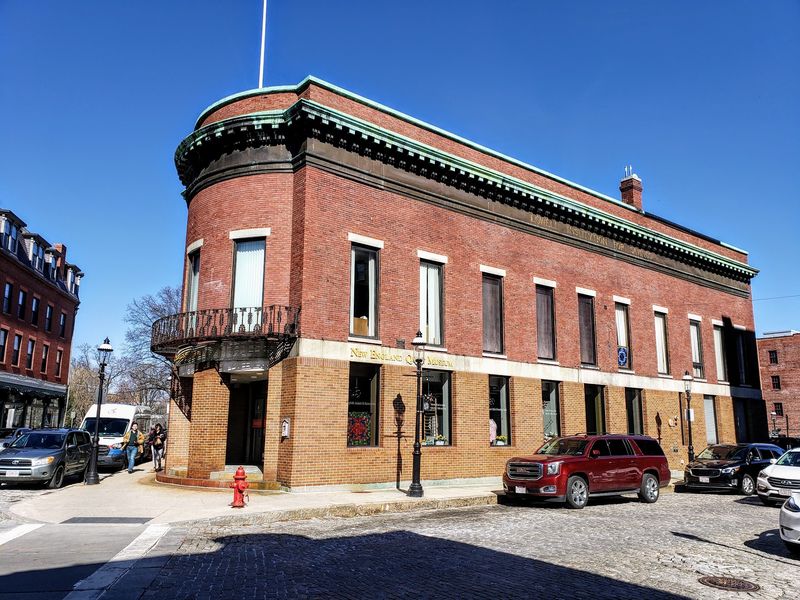
Planning ahead pays off, starting with the schedule. The museum runs Tuesday through Saturday from 10 AM to 4 PM, and stays closed on Sunday and Monday.
Admission has been noted at around nine dollars per adult, which people consistently call reasonable. For the amount of art packed inside, it is an easy yes.
Parking takes a little strategy. On-street spots are available but fill up fast, often by late morning, so arriving early gives you the best shot.
A few folks admit to circling the block more than once.
The building offers helpful comforts too, including air conditioning, an elevator, and a restroom. Reaching the museum is straightforward once you are in the Shattuck Street area of downtown Lowell.
A weekday visit tends to be quieter, if you prefer a calmer walk through the galleries.
Why This Little Museum Keeps Winning People Over
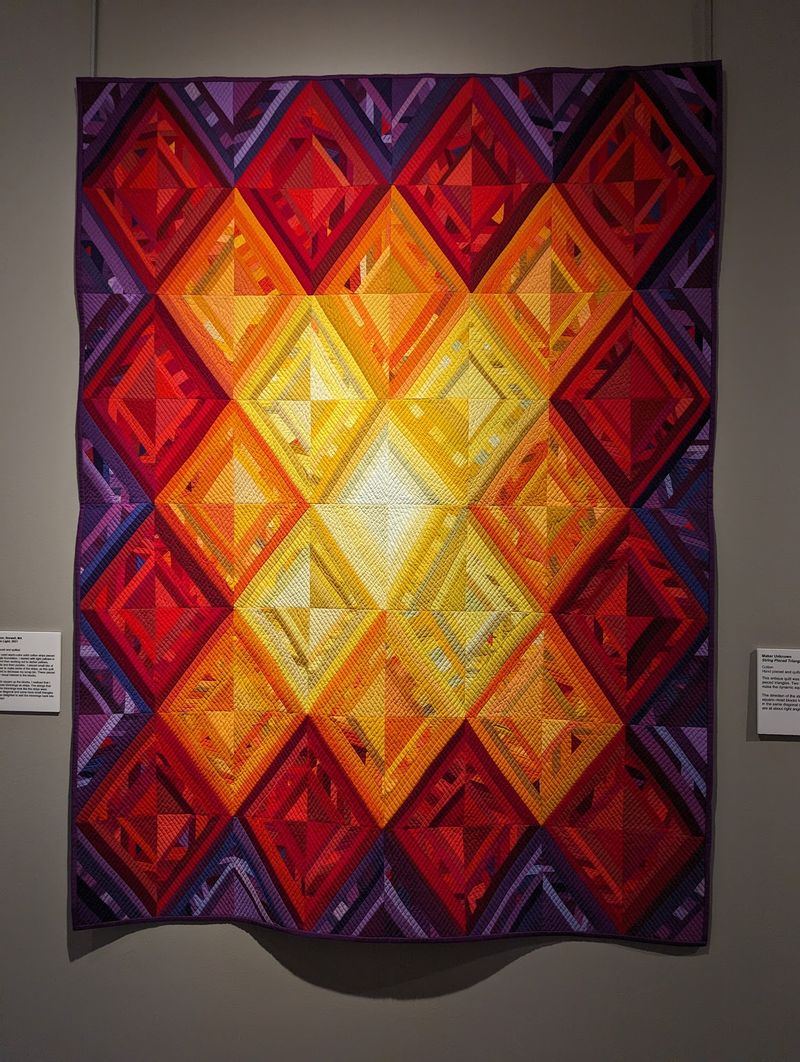
Small does not mean forgettable, and this place proves it every day. You can see the whole collection in about thirty minutes, yet people leave feeling it was well worth the trip.
A short visit still delivers beauty, history, and a fresh appreciation for a craft that hides in plain sight. That is a rare return on such a modest amount of time.
Set inside a sleepy mill town with plenty of nearby history, it makes a satisfying stop on its own or part of a bigger day out. Makers really do drive in from far away, and they rarely regret the miles.
Between the changing exhibits and the welcoming faces, there is always a reason to come back. If you have never given quilts a second thought, this museum might just change your mind.
Keep it on your list, and maybe keep it your little secret too.
A Textile Treasure in the Heart of Lowell
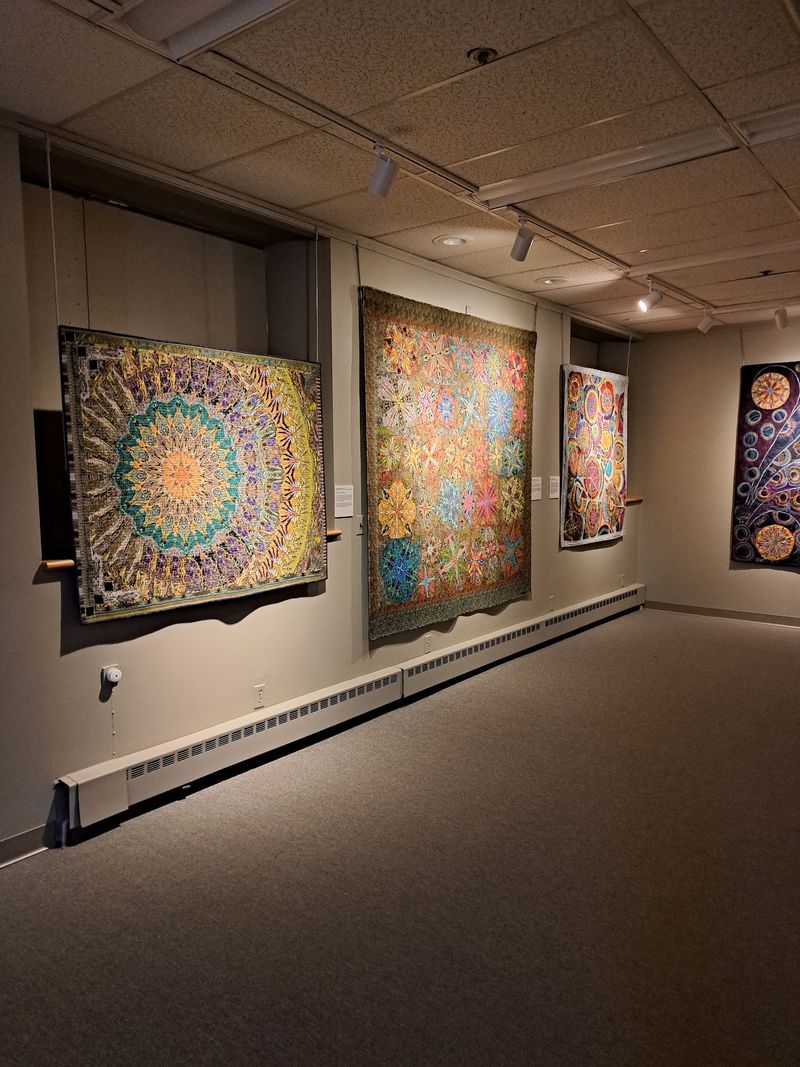
Right at 18 Shattuck St in Lowell, Massachusetts, sits a museum that surprises nearly everyone who walks through the door. The address puts you in the middle of a historic mill district, where old cotton buildings have found new purpose.
The New England Quilt Museum leans into that heritage in the best way. A town built on textiles now houses a museum devoted to fabric as an art form.
Small in footprint but rich in content, the space presents both traditional and modern textile art. The gift shop doubles as the entrance, and the galleries wait upstairs on the second floor.
With a 4.7 star rating across more than 200 reviews, it has clearly earned a loyal following. Folks describe it as a great discovery, the kind of place you did not expect to find so close to home.
For a city already packed with historic sites, this museum stands out as a highlight worth planning around.
Share this story