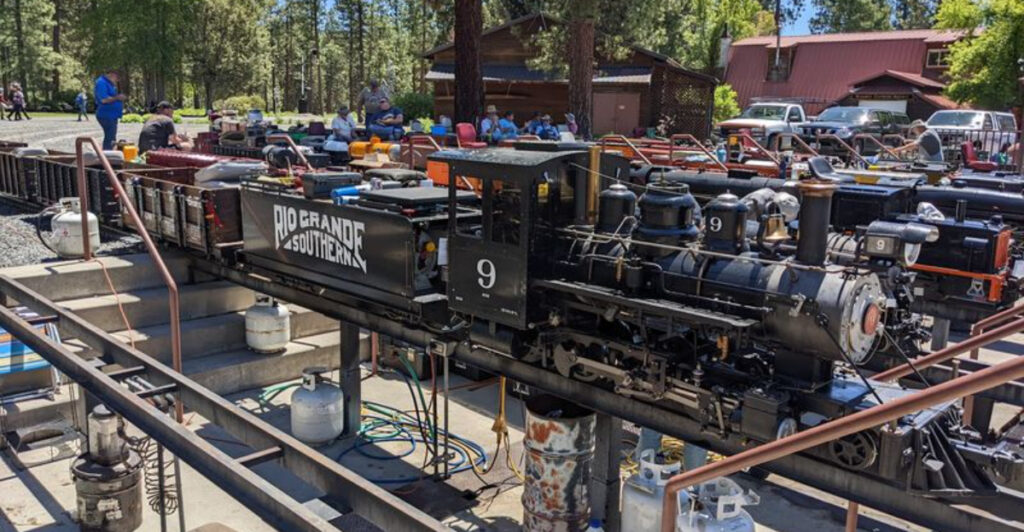
Tucked away in a quiet corner of southern Oregon, there is a place where full-grown adults happily squeeze onto tiny train cars and ride through miniature mountain villages with giant grins on their faces. The Guinness World Records officially recognizes it as the largest model railroad in the world, yet it sits along a rural highway that most travelers zoom right past.
With 37 miles of 7.5-inch gauge track winding across a sprawling property, this museum is not just a display case of old trains. It is a living, breathing railroad community run almost entirely by passionate volunteers who genuinely love what they do.
From the moment you arrive, the scale of the operation surprises you in the best possible way, and the friendliness of everyone you meet makes you feel like a longtime regular rather than a first-time visitor.
Where to Find This Record-Breaking Railroad
The address is 36941 S Chiloquin Rd, Chiloquin, OR 97624, and getting there is half the fun because the drive through Klamath County’s high desert landscape is genuinely beautiful. Chiloquin is a small town nestled between Crater Lake and the Klamath Basin, and the museum sits just outside of it along a rural stretch of road that feels far removed from the usual tourist circuit.
The property opens daily from 9 AM to 3 PM, which gives visitors a solid window of time to explore without feeling rushed. You can reach the museum by phone at 541-783-3030 or check out their website at trainmountain.org for updates on special events and operating schedules.
Parking is easy and free, and the check-in process at the visitor center is friendly and low-key. The staff will walk you through what is available that day, get you on the schedule for a guided train ride, and point you toward everything worth seeing on the property.
First-timers often describe the check-in experience as surprisingly personal, more like being welcomed into someone’s backyard than signing into a formal attraction.
The Guinness World Record That Most People Have Never Heard Of
Most world records involve something flashy or extreme, but Train Mountain’s claim to fame is quietly extraordinary. The Guinness World Records has certified it as the longest model railroad on Earth, with 37 miles of 7.5-inch gauge track crisscrossing the property in an elaborate network that took decades of volunteer labor to build and maintain.
To put that number in perspective, 37 miles of track means you could theoretically ride from one end to the other and cover a distance longer than many city subway lines. The track system includes bridges, tunnels, switchyards, and carefully landscaped terrain that changes character as you move through different sections of the property.
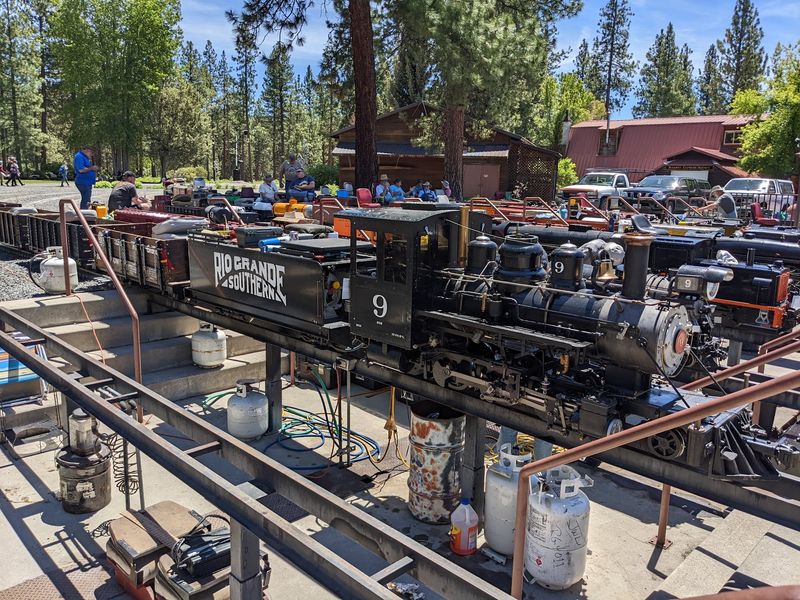
What makes this record genuinely impressive is that it was not built by a corporation or a government agency. It was assembled piece by piece by club members who haul their own locomotives out to the property, run them on the shared track, and contribute their time and skills to keeping the whole system operational.
The record is a byproduct of real passion, not a marketing strategy, and that distinction makes it feel earned rather than manufactured.
The Scale of the Trains and Why It Feels Just Right
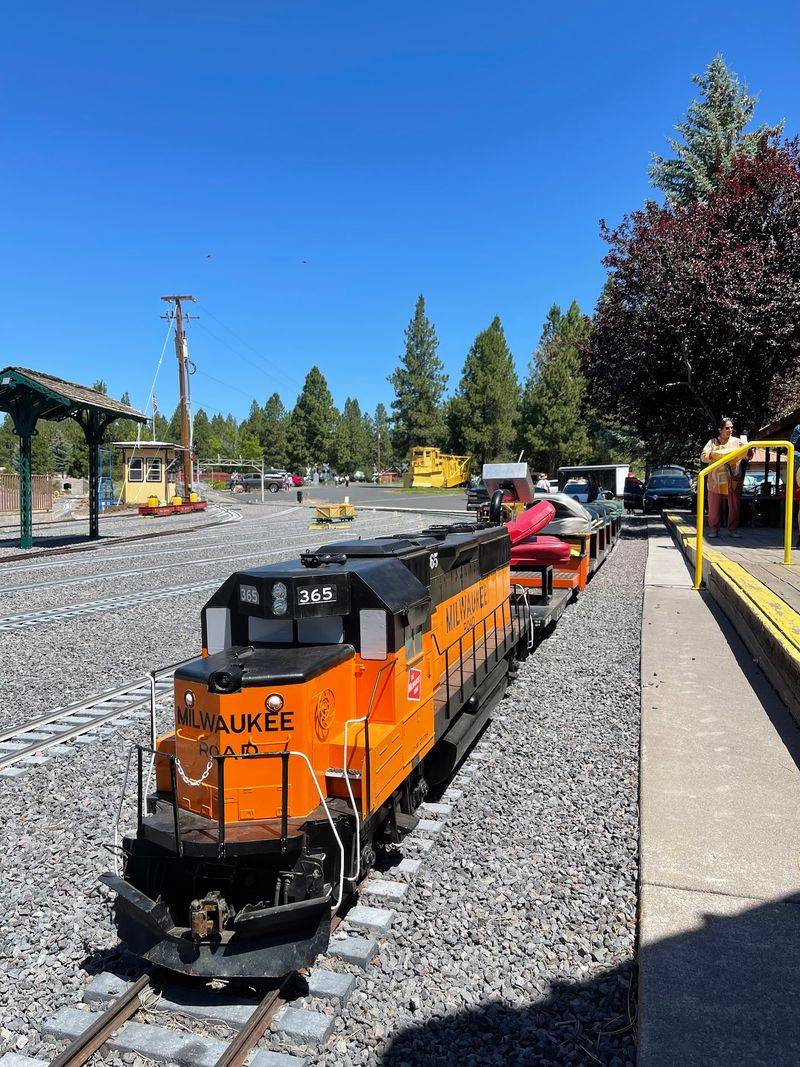
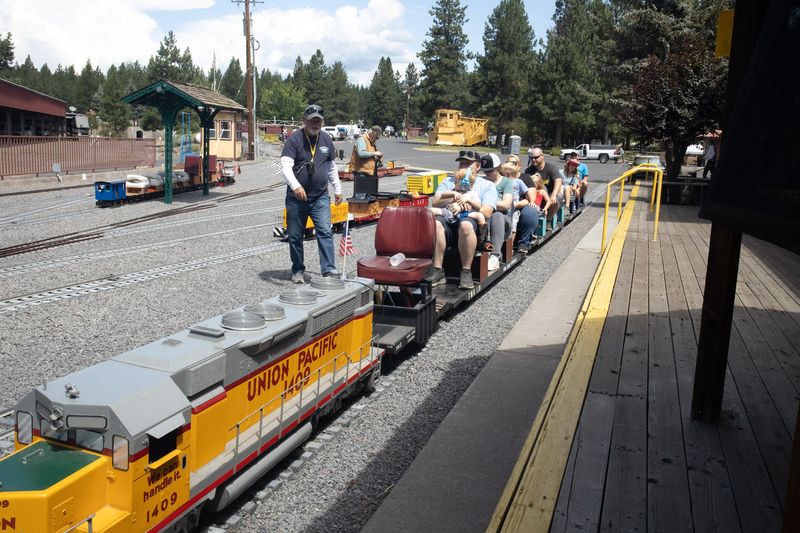
The trains at this museum run on 7.5-inch gauge track, which means the rails are 7.5 inches apart. The locomotives and cars are built to 1/8 scale, which is large enough to actually ride but small enough to feel genuinely miniature.
Adults sit with their knees up and their smiles wide, and kids look like they have discovered the best thing that has ever existed.
Riding one of these trains is a surprisingly physical experience. You feel the vibration of the wheels on the rails, hear the mechanical sounds of the engine working, and watch the landscape scroll past at a pace that lets you actually notice things.
The trains move at a comfortable speed, not fast enough to be thrilling in a roller-coaster sense, but engaging enough to hold your full attention for the entire ride.
The variety of locomotives on the property is remarkable. Members bring their own hand-built engines, some modeled after historic American railroad equipment and others representing international prototypes.
Each one reflects years of craftsmanship, and the engineers who operate them are usually more than happy to talk about what went into building them.
The Volunteer Community That Keeps It All Running
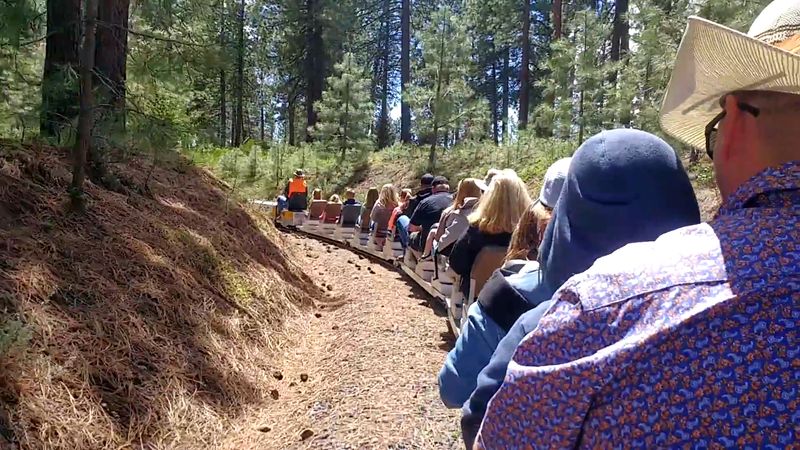
There is something genuinely moving about a place held together entirely by people who just really love what they do. Train Mountain operates through a dedicated club of members who own their own locomotives, maintain sections of the track, and volunteer their time to welcome the public during operating hours.
Without them, none of this would exist.
The volunteers range from retired engineers to hobbyists who have been building model trains since childhood. Many of them have spent years perfecting their locomotives, and they bring those machines out to the property to run them on the shared track.
When you get to talking with one of them, the conversation tends to run long because the stories are genuinely interesting.
Visitors who show up with real enthusiasm for trains often find themselves invited on extended rides that go well beyond the standard tour. Club members have been known to take curious guests on multi-hour trips around the full loop, sharing history, technical details, and personal anecdotes along the way.
The generosity of the community is not a policy or a marketing angle. It is simply the culture of the place, and it makes every visit feel unexpectedly personal.
Full-Size Train Cars You Can Actually Climb Into
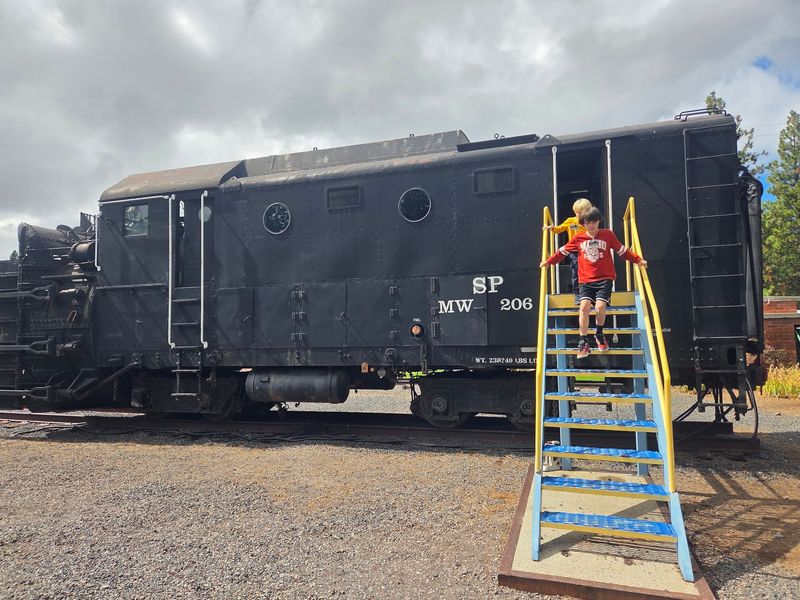
Most train museums keep their full-size equipment behind ropes or behind glass, which is understandable but a little disappointing. Train Mountain takes a different approach.
A collection of full-size historic railroad cars is displayed on the property, and many of them are open for visitors to climb inside and explore at their own pace.
Getting into an old rail car and walking through it changes your understanding of railroad history in a way that reading about it never quite does. You notice the scale of the equipment, the wear on the floors, the details of the interior fittings, and the smell of aged metal and wood that no museum exhibit can replicate.
Some of the cars have a slightly eerie, well-aged quality that makes them feel like time capsules.
The collection includes a variety of rolling stock that tells different chapters of American railroad history. Freight cars, specialty equipment, and passenger cars all have their own stories, and the volunteers on site are usually knowledgeable enough to fill in the context if you ask.
Being able to physically interact with these pieces of history rather than just observe them from a distance is one of the features that sets this museum apart from more conventional rail attractions.
The Miniature Villages That Line the Tracks
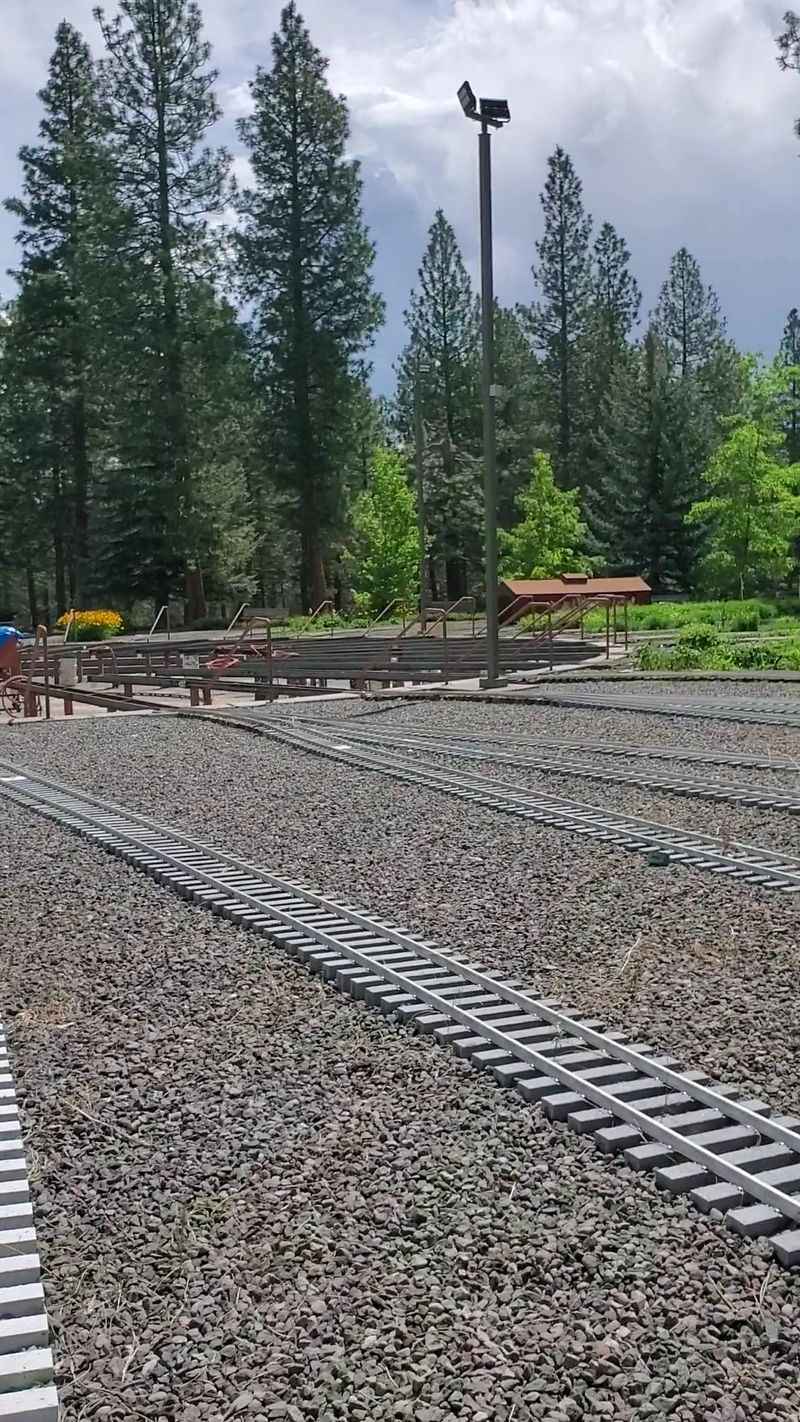
One of the quieter surprises at Train Mountain is the network of miniature villages that members have built along the tracks. These are not simple decorations.
They are carefully crafted scenes with tiny buildings, landscaping, roads, and details that reward close inspection. Some sections look like small American towns from decades past, while others represent more imaginative or whimsical themes.
Wildlife apparently agrees that these little communities are worth a closer look. Visitors have spotted local birds and small animals interacting with the scale scenery in ways that are both funny and charming.
A ground squirrel investigating a miniature train depot or a bird perching on a tiny water tower adds an unexpected layer of life to the already detailed scenes.
The villages are a collective effort, with different club members contributing different sections over the years. That means the overall landscape has a varied, organic quality rather than the uniform look of something designed all at once.
Walking the paths between sections feels like flipping through different chapters of a very long and lovingly illustrated book. Each turn reveals something new, and the cumulative effect is genuinely impressive for anyone who appreciates the craft of model building at this scale.
How the Donation Model Works and Why It Matters
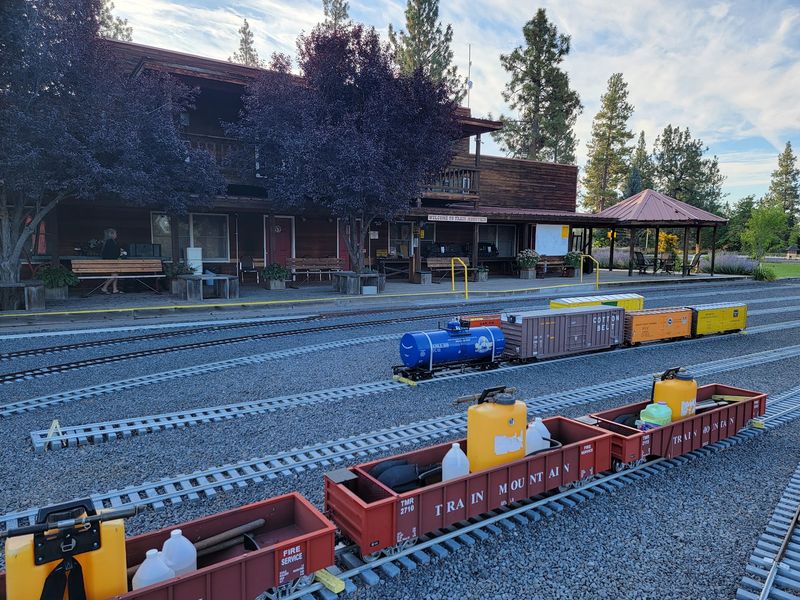
Train Mountain does not charge an admission fee. The train rides are free, the self-guided walking tour is free, and access to the full-size train cars costs nothing.
The museum runs entirely on donations, and that funding model says a lot about the values of the people who built and maintain the place.
Donations go directly toward maintaining the 37 miles of track, keeping the locomotives and equipment in working order, and funding the infrastructure that makes public visits possible. The property is large and the maintenance needs are significant, so the generosity of visitors genuinely makes a difference in keeping the operation running year after year.
Most people who visit end up wanting to contribute after they see what their money would be supporting. The experience has a way of making the donation feel like a natural response rather than an obligation.
There is a gift shop on the property as well, stocked with train-related items, and purchasing something there is another way to support the museum. The combination of free access and a genuine need for community support creates an atmosphere of shared ownership that you do not often find at conventional tourist attractions.
Best Times to Visit and What to Expect Each Season
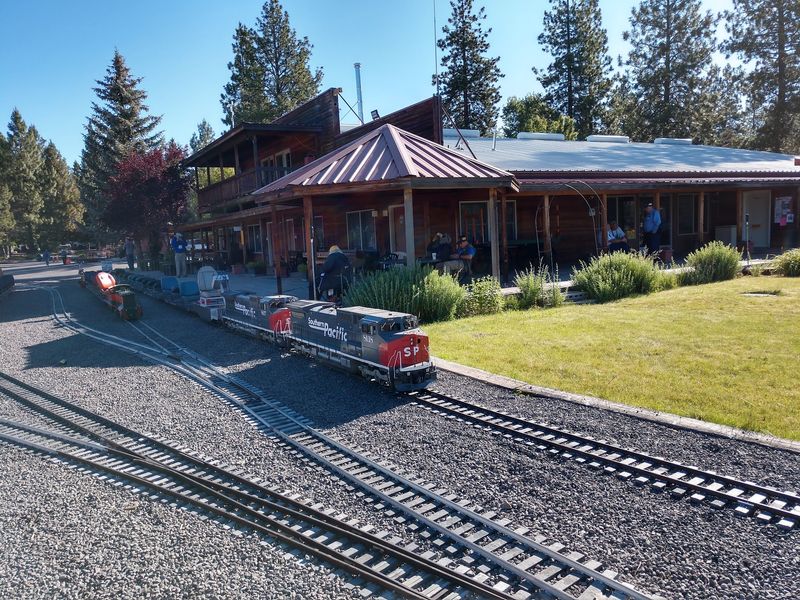
The museum is open seven days a week from 9 AM to 3 PM, which is consistent year-round. However, the experience varies significantly depending on when you show up.
The stretch between Memorial Day and Labor Day is the prime window for getting a guided train ride, because more club members are active and more locomotives are running during that period.
Visiting outside of summer still has its appeal. The property is beautiful in the quieter months, and a self-guided walking tour through the track network and village displays is worthwhile on its own even without a ride.
The landscape around Chiloquin shifts through the seasons in ways that change the mood of the whole property.
Special events called Operations Meets draw large numbers of club members and their locomotives to the property at specific times of year. These events are worth planning around if you can, because the sheer volume of trains running simultaneously creates a level of activity that goes well beyond a typical visit.
Checking the museum’s website before you go is the best way to find out what events are scheduled and to time your visit for maximum impact. Early arrival is always a good idea.
Why This Place Leaves a Lasting Impression on Everyone
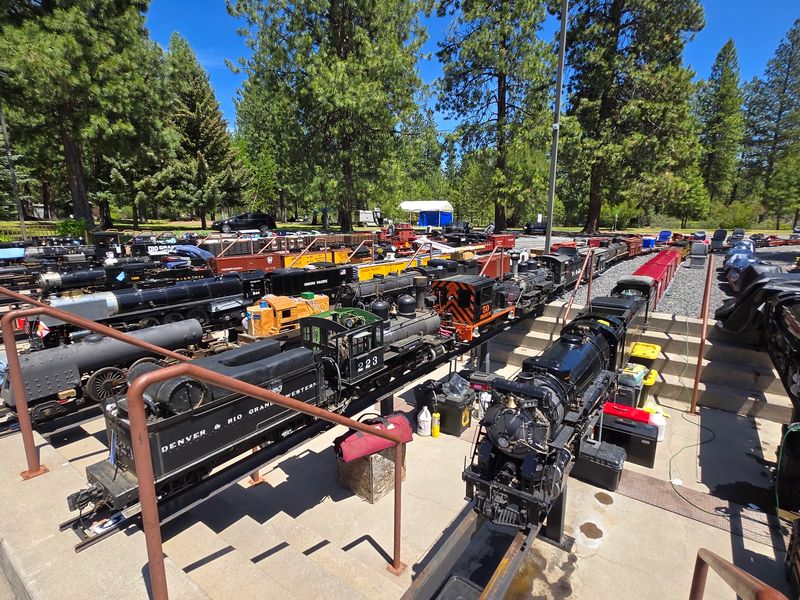
Some places are worth visiting once for the novelty. Train Mountain is the kind of place people talk about for years afterward and genuinely try to return to.
The combination of world-record infrastructure, hands-on access to historic equipment, and a community of people who are visibly passionate about what they do creates an experience that is hard to replicate anywhere else.
Visitors who arrive knowing nothing about trains often leave with a new appreciation for the craft, the history, and the engineering involved in railroading. The museum has a way of making technical subjects feel approachable and interesting without dumbing anything down.
That is largely a credit to the volunteers, who explain things with enthusiasm rather than condescension.
Families, solo travelers, train enthusiasts, and people who just happened to see the sign from the highway all tend to leave with the same general reaction: they wish they had more time. The property rewards slow exploration, and the friendly atmosphere makes it easy to linger.
Whether you spend an hour or most of the day here, Train Mountain delivers the rare satisfaction of a place that turns out to be even better than you expected it to be.
Share this story