In Philadelphia, one pioneering coffee company was treating beans with the care of fine wine long before specialty coffee became mainstream. Founded in 1994, it helped shape America’s modern coffee culture with carefully sourced beans, thoughtful roasting, and a culinary approach to every cup.
Its influence grew even further with the creamy Draft Latte, an innovation that helped reinvent ready-to-drink coffee. Today, visitors can experience that legacy at a striking café overlooking City Hall, where classic espresso drinks meet the creations that helped change American coffee.
Where the Bean Journey Begins: Address, Location, and First Impressions
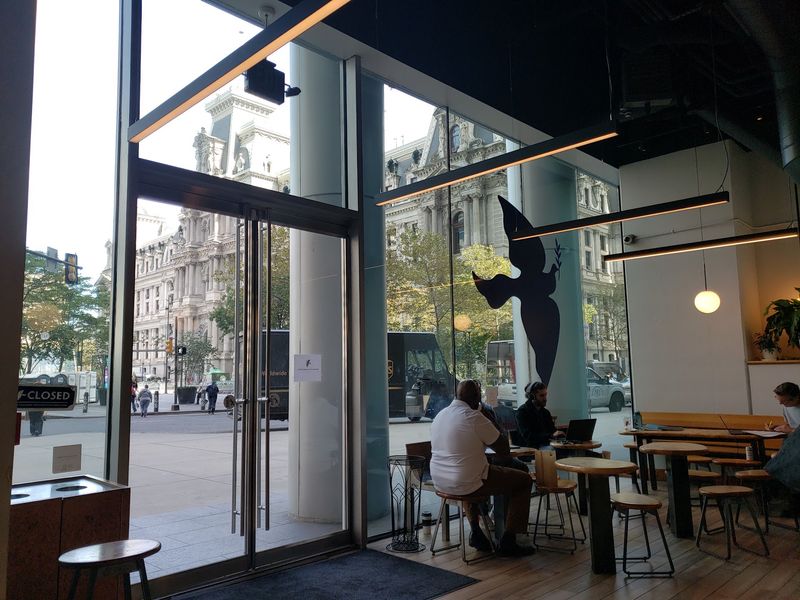
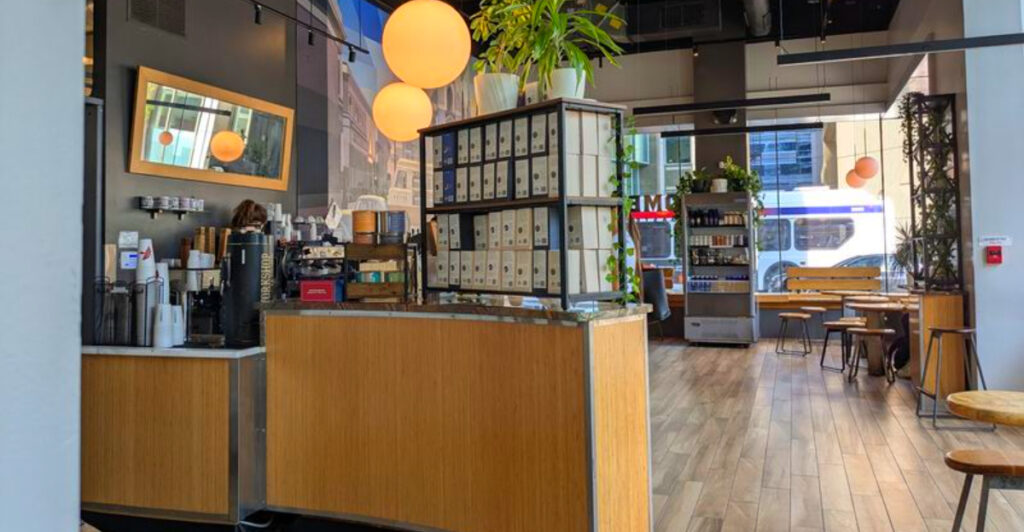
Right across from Philadelphia City Hall, at 1414 S Penn Square, Philadelphia, PA 19102, La Colombe Coffee Workshop occupies a fashionable and airy space that immediately signals you are somewhere worth your time.
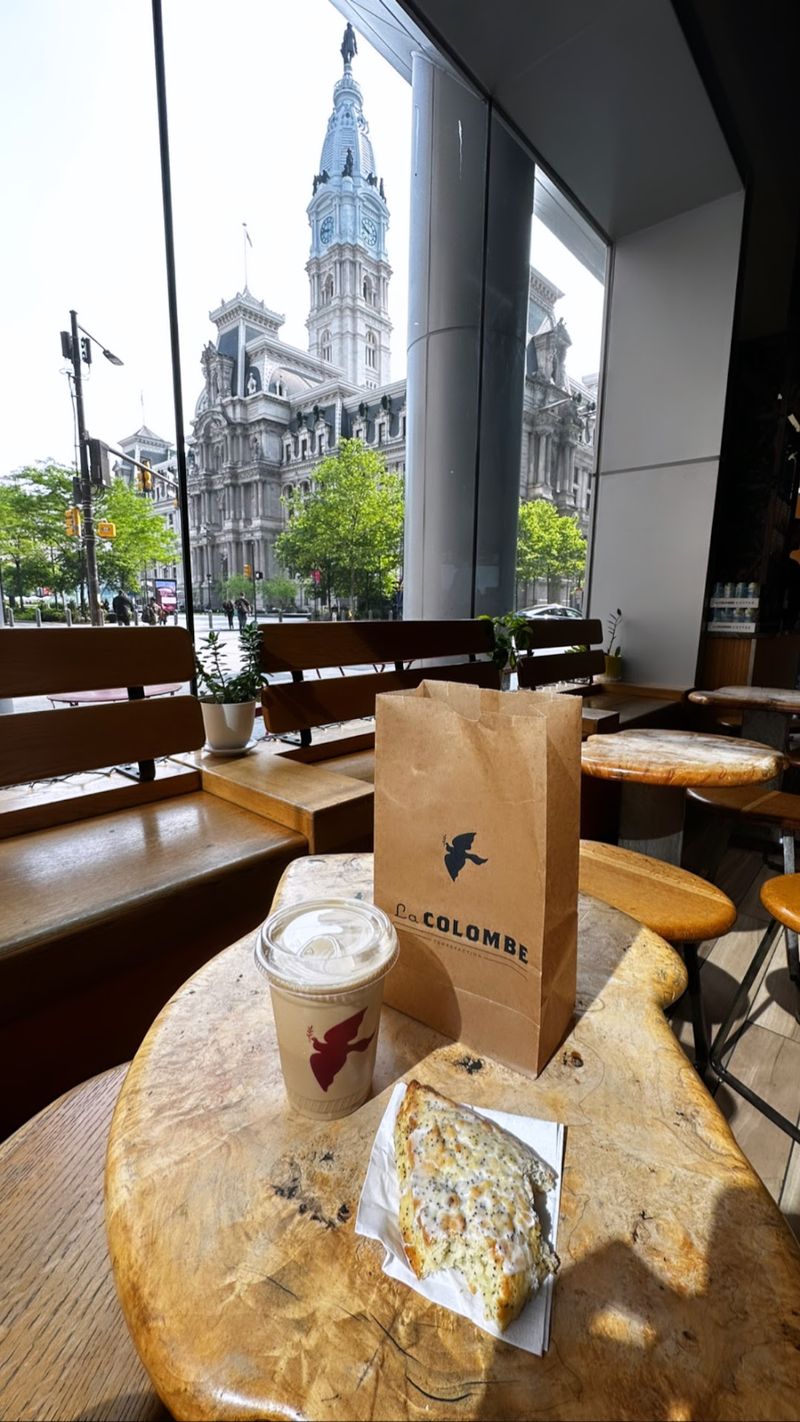
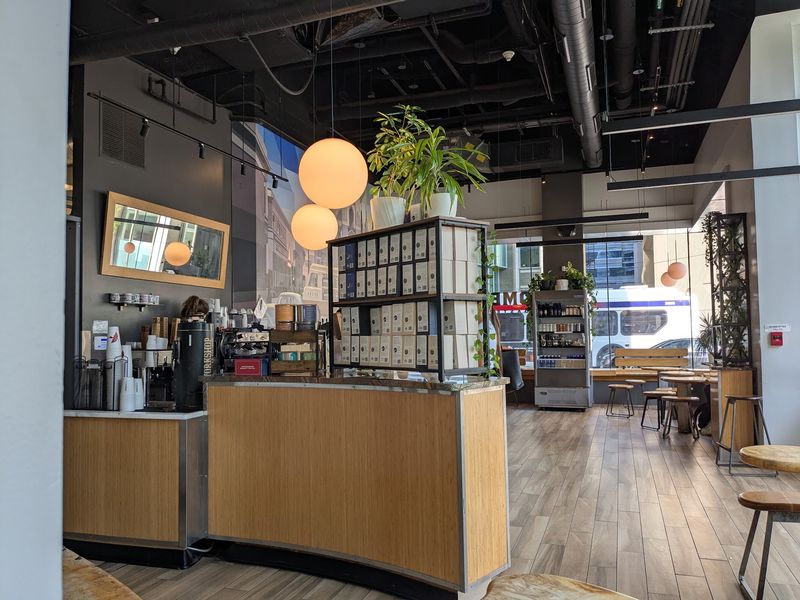
The location inside Dilworth Plaza puts it at the heart of Center City, surrounded by the kind of urban energy that makes a well-made coffee taste even better. Floor-to-ceiling windows frame a front-row view of City Hall, turning a simple morning coffee into something that feels genuinely cinematic.
The interior is clean and modern, with a self-serve station stocked with sweeteners and dairy options so you can fine-tune your drink exactly as you like. Free sparkling water flows from a tap at the counter, a small touch that regulars genuinely appreciate. The line can stretch to the door on weekday mornings, but the staff moves with impressive speed, rarely keeping anyone waiting more than a few minutes.
A Vision Sparked in Seattle, Rooted in Philadelphia
The origin story of La Colombe is not a straightforward Philadelphia tale. Co-founders Todd Carmichael and Jean-Philippe Iberti first connected in Seattle during the late 1980s, when the Pacific Northwest was buzzing with early coffee culture and bold new ideas about what a cup could be.
Their shared dream was something more refined and more intentional than what most American cafes were offering at the time. They envisioned a culinary-grade coffee experience rooted in European sensibility, one that honored the farmers, respected the bean, and elevated the entire ritual of drinking coffee.
Philadelphia became their canvas, and in 1994, their first cafe opened in the Rittenhouse Square neighborhood, quickly earning a loyal following. A year later, they established a full roastery, giving them complete control over the process from green bean to finished cup. That early commitment to owning every step of the journey is what set them apart from the very beginning.
How This Place Helped Brew the Third Wave
Before phrases like “single origin” or “direct trade” became common coffee shop vocabulary, La Colombe was already living by those principles. The brand is widely recognized as a key player in what coffee insiders call the third-wave movement, a period when coffee stopped being a commodity and started being treated as a craft on par with fine food.
That shift meant paying close attention to where beans came from, how they were grown, and what unique flavors each origin could offer. It meant building real relationships with farmers rather than simply purchasing beans through anonymous supply chains.
For everyday coffee drinkers, the result was a noticeably better cup, one with actual nuance and character. La Colombe helped train American palates to expect more, and that expectation eventually rippled outward to influence cafes, roasters, and even large coffee chains across the country. That is a quiet kind of cultural power that is easy to overlook but impossible to overstate.
The Roasting Philosophy That Changed Everything
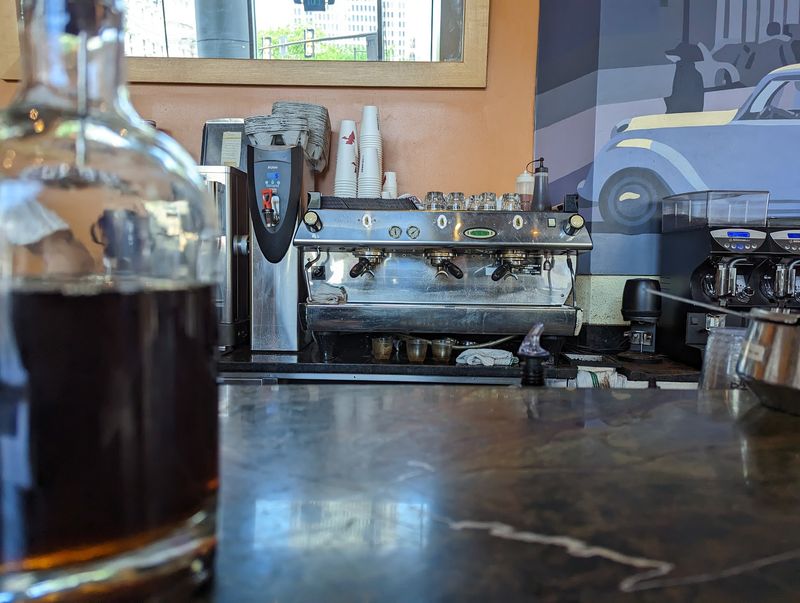
At the core of La Colombe’s identity is a roasting philosophy built entirely around freshness and precision. Green coffee beans arrive from farms around the world and are carefully sorted before being subjected to temperatures that can exceed 385 degrees Fahrenheit inside the roaster.
The goal is never to simply make a dark or light roast for the sake of it. Each bean has a target profile, a specific combination of heat and time designed to coax out its best characteristics, whether that means highlighting fruity brightness from an Ethiopian lot or drawing out the deep chocolate notes in a Central American blend.
Their “Cornerstone” blends like Corsica and Nizza offer consistency and familiarity, while rotating “Workshop” single-origin selections reward curious drinkers with something new and unexpected every season. This dual approach means there is always something for a loyal regular and always something fresh to discover, keeping the experience from ever feeling stale or predictable.
The Draft Latte That Rewrote the Rules of Canned Coffee
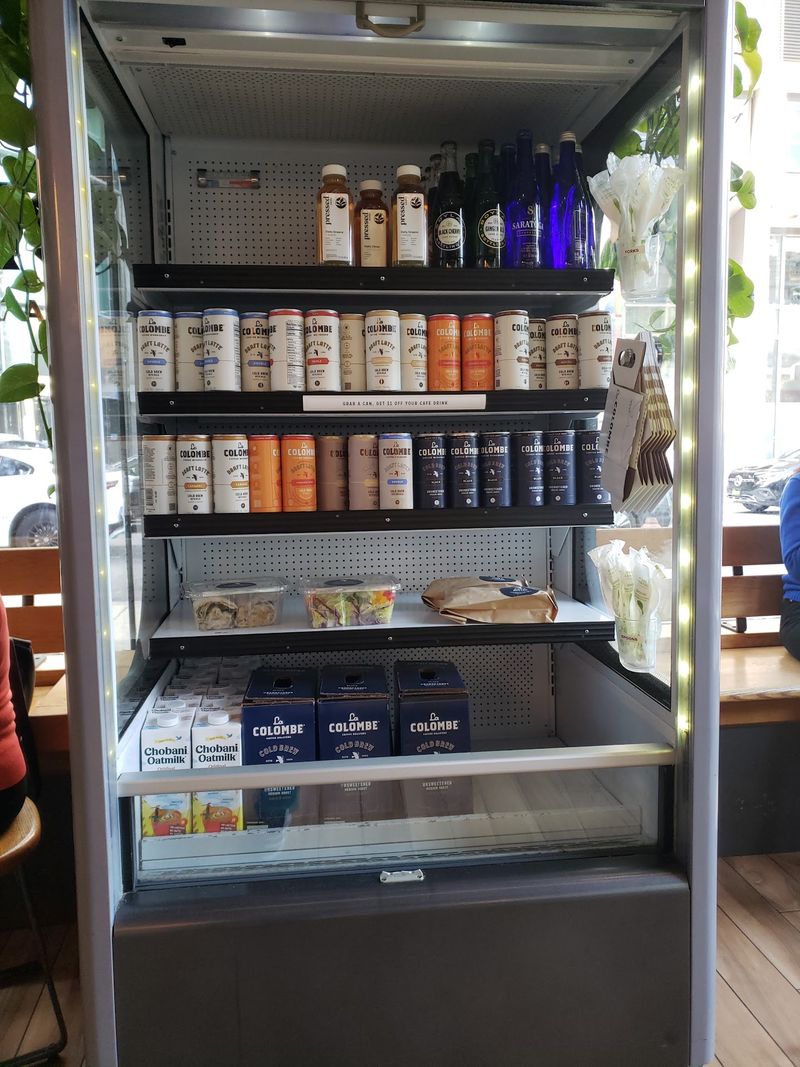
Few innovations in the modern coffee world have been as genuinely surprising as the Draft Latte, and La Colombe invented it. The concept sounds simple in hindsight: a cold espresso and milk beverage infused with nitrous oxide, sealed in a can, and ready to drink anywhere without losing the silky, frothy texture of a freshly pulled cafe latte.
Before this product existed, canned coffee was largely a flat, sugary disappointment. The Draft Latte changed that conversation entirely, proving that quality and convenience did not have to be opposites.
The product contains no artificial ingredients, which was a deliberate choice rooted in the brand’s broader commitment to integrity. Seasonal varieties like a s’mores Draft Latte or a strawberry mocha version keep the lineup exciting throughout the year. Experiencing one fresh on tap at the cafe, however, is a noticeably different and more elevated experience than even the best canned version, with the texture and temperature dialed in to perfection by the barista in front of you.
What Actually Ends Up in Your Cup
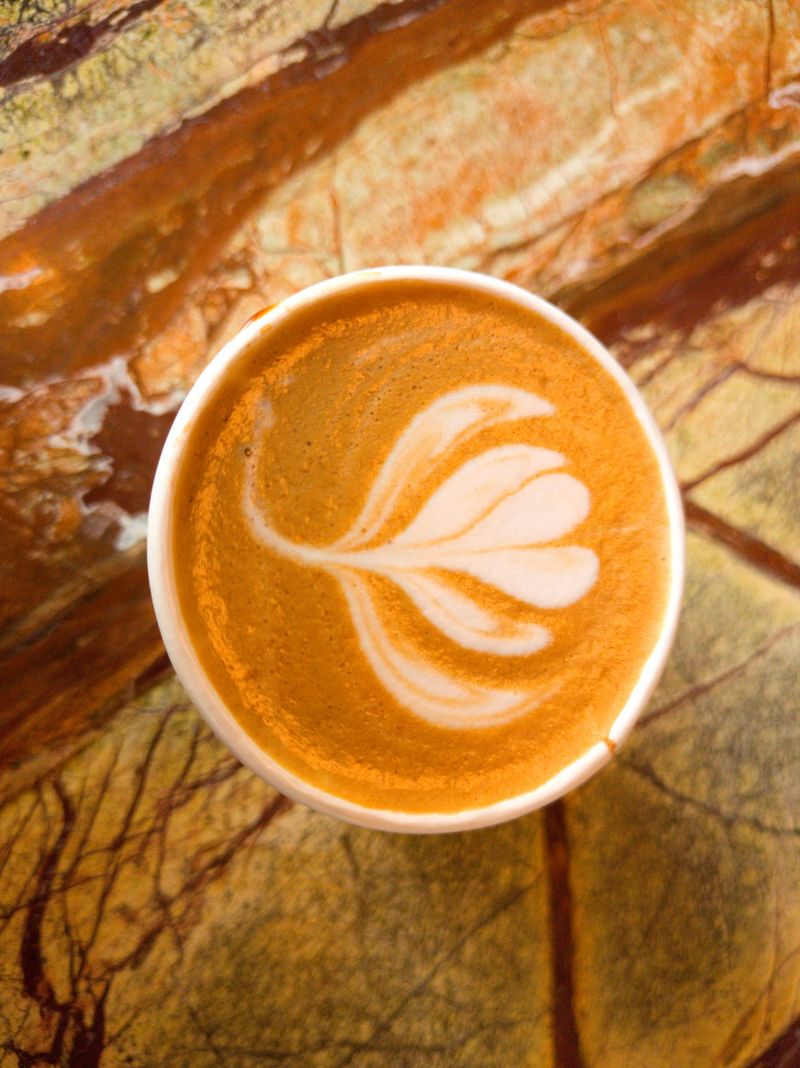
The coffee menu at La Colombe rewards both the decisive regular and the curious newcomer. Espresso drinks are built around carefully selected blends, and the Nizza blend in particular delivers a fragrant, nutty, caramel-forward profile that holds up beautifully in a latte or cappuccino without tasting bitter or harsh.
The cortado has earned a devoted following among those who want something bold but balanced, and the cold brew is clean and smooth without the sometimes harsh edge that cheaper cold brews carry. Pour-over options highlight single-origin beans with a clarity that drip machines simply cannot match.
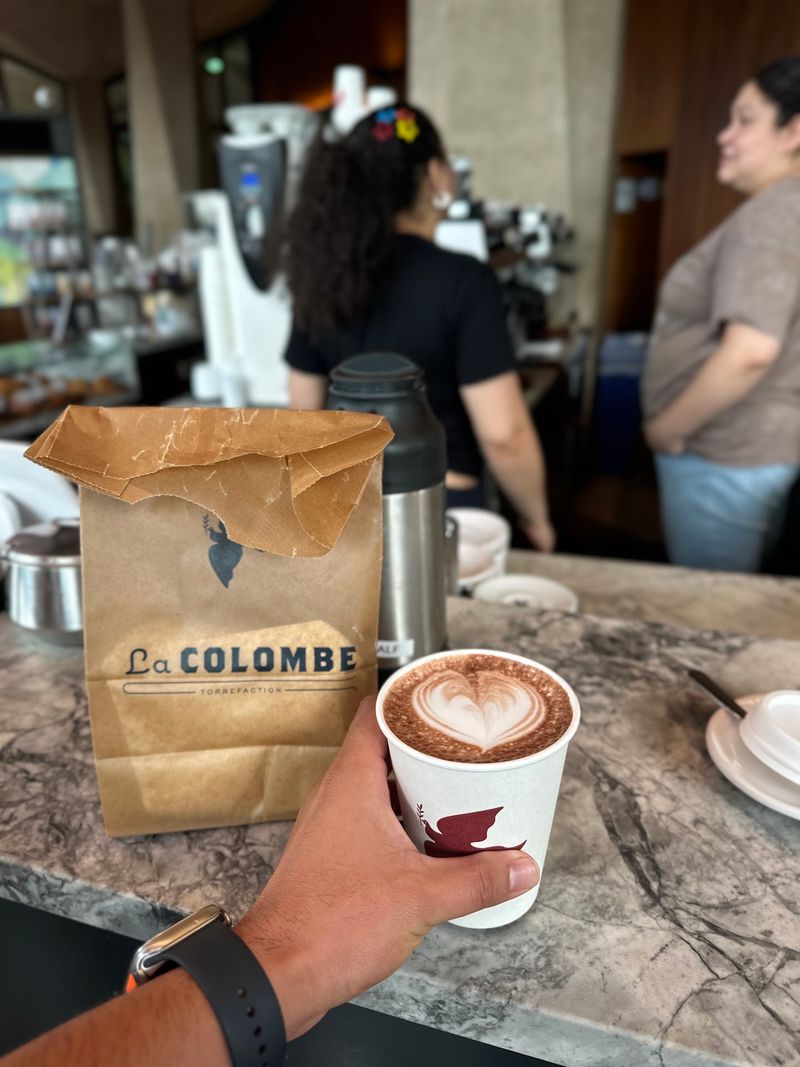
On tap, the Draft Latte is the showstopper, arriving with a creamy, nitro-charged head that makes it look as impressive as it tastes. Seasonal specials rotate frequently, so a peach matcha or a hazelnut oat latte might be waiting for you on your next visit. Each drink is prepared with a level of care that makes the slightly higher price point feel completely reasonable.
Pastries, Bites, and the Food Side of the Menu
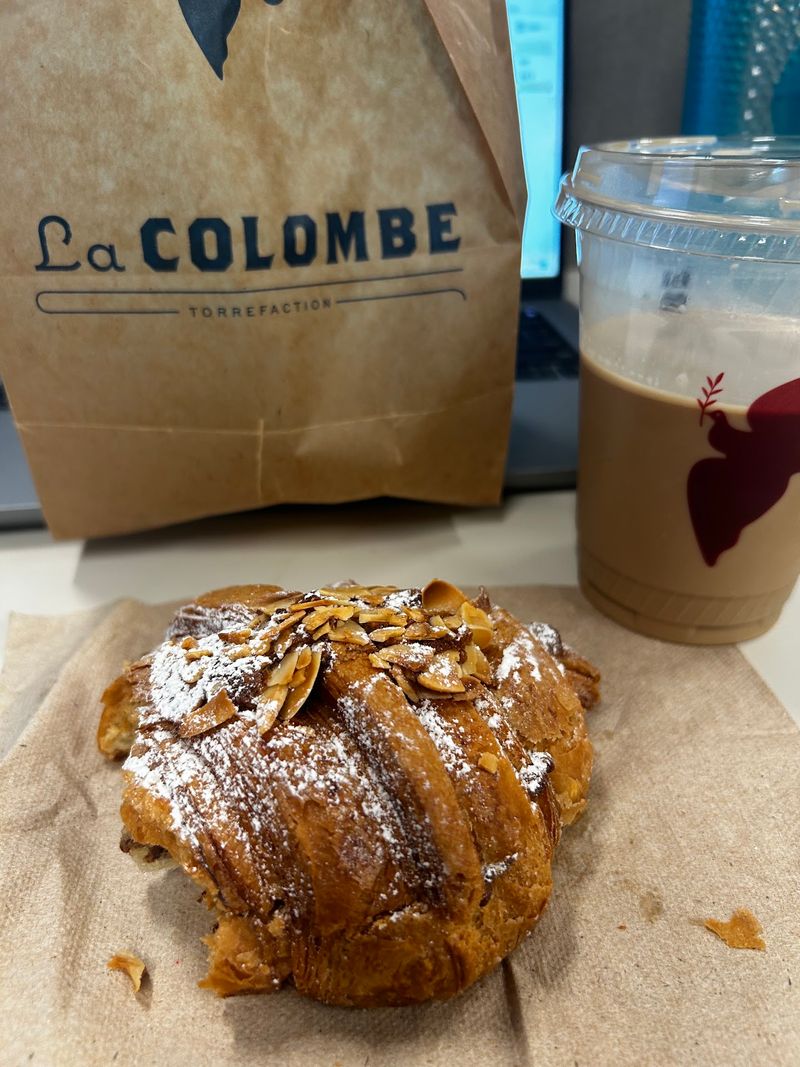
Coffee is the star here, but the food menu holds its own with enough variety to make a full breakfast or a satisfying lunch entirely possible. The pastry case tends to draw eyes immediately, with buttery croissants in classic and filled varieties sitting alongside almond croissants that have developed a loyal fan base among regulars.
Cinnamon rolls, coffee cake muffins, and seasonal options like a lemon blueberry muffin or caramel apple danish round out the sweeter side of things. The overnight oats offer a lighter option for those who want something filling without the sugar rush.
Savory choices include breakfast sandwiches on house potato rolls and more substantial lunch items like a turkey and cheddar sandwich or a chicken Caesar salad. The ham and cheese croissant is a popular order, though its croquette-style filling has divided opinions among visitors. All baked goods are made fresh each morning and served at room temperature, which is worth knowing if you are expecting something warm out of the oven.
The No-Wi-Fi Policy and What It Actually Feels Like Inside
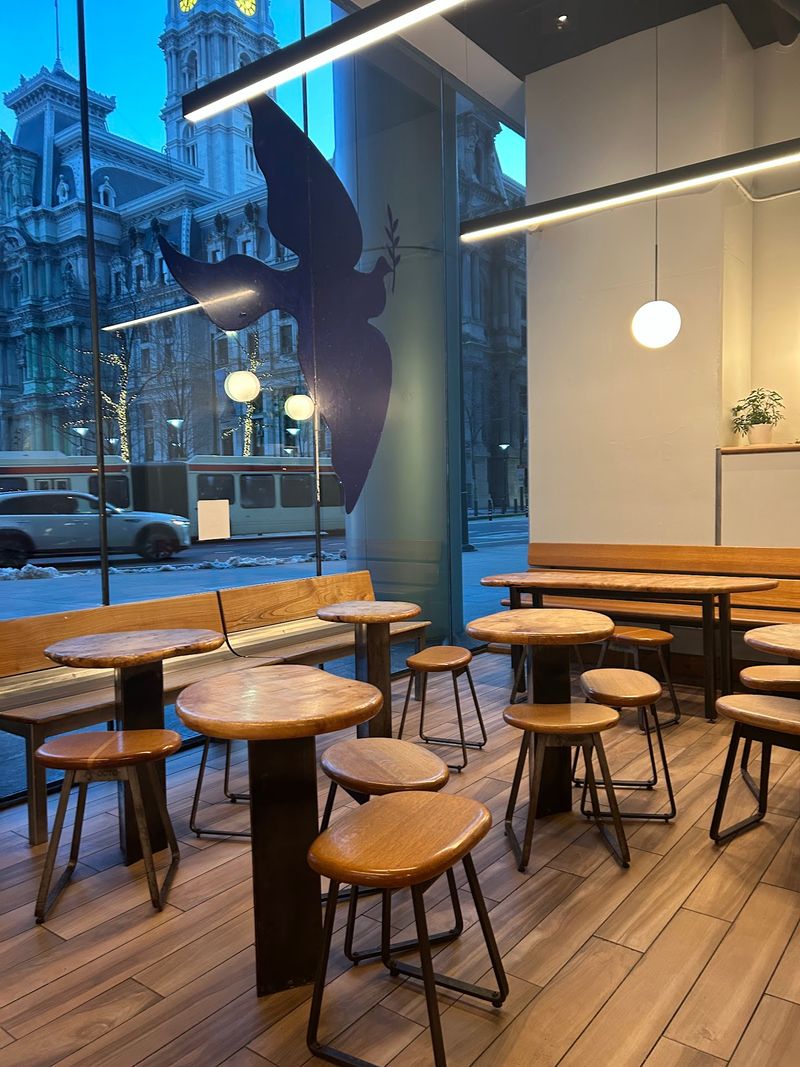
One of the more talked-about quirks of this location is its deliberate decision to skip the Wi-Fi. No password to ask for, no network to connect to, no sea of glowing laptop screens competing with the hum of the espresso machine.
At first that might sound like an inconvenience, but the effect inside the cafe is genuinely refreshing. People are actually talking to each other, reading physical books, sketching in notebooks, or simply sitting with their coffee and looking out at City Hall. The energy feels present and human in a way that many modern cafes have slowly lost.
That said, a recent review noted that Wi-Fi has since been added at this location, so the experience may have shifted slightly. Either way, the atmosphere remains lively and social rather than quietly transactional. The space fills up fast on weekday mornings, so arriving early is a practical move, and the outdoor seating along Dilworth Plaza is a genuinely pleasant option when the weather cooperates.
Direct Trade and the Global Farmers Behind Every Cup
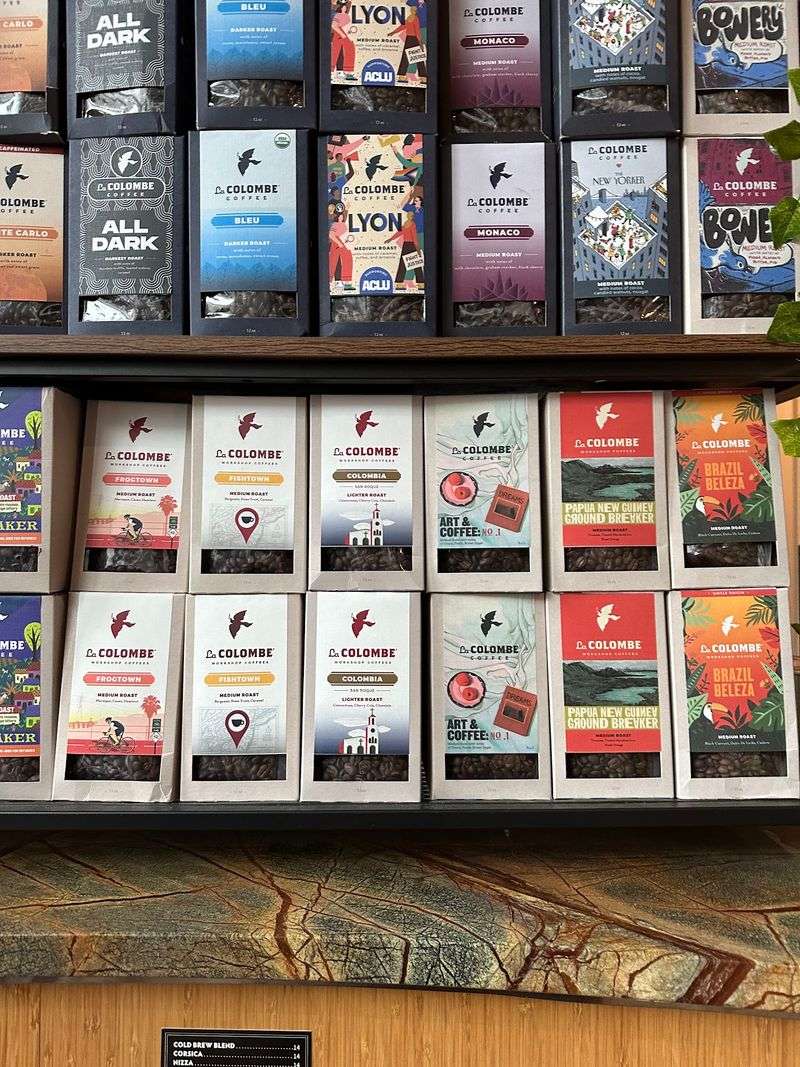
Long before ethical sourcing became a marketing trend, La Colombe was building genuine, long-term relationships with the farmers who grow their beans. The company’s direct-trade model goes well beyond simply paying a fair price, though that matters too.
Their approach involves actively guiding farming practices, visiting growing regions, and working alongside producers to improve quality at the source. This kind of involvement creates a supply chain that is transparent, traceable, and genuinely beneficial to the communities involved.
One of the most striking examples of this commitment is the Haiti Coffee Academy, a nursery, model farm, and training center established to improve the quality of life for Haitian coffee farmers while also raising the standard of the beans they produce. When you order a cup at this Philadelphia location, that cup is connected to a much larger story of human relationships and shared investment. The coffee tastes better when you know where it came from and who grew it with care.
The Neighborhood That Grew Up Around the Brand
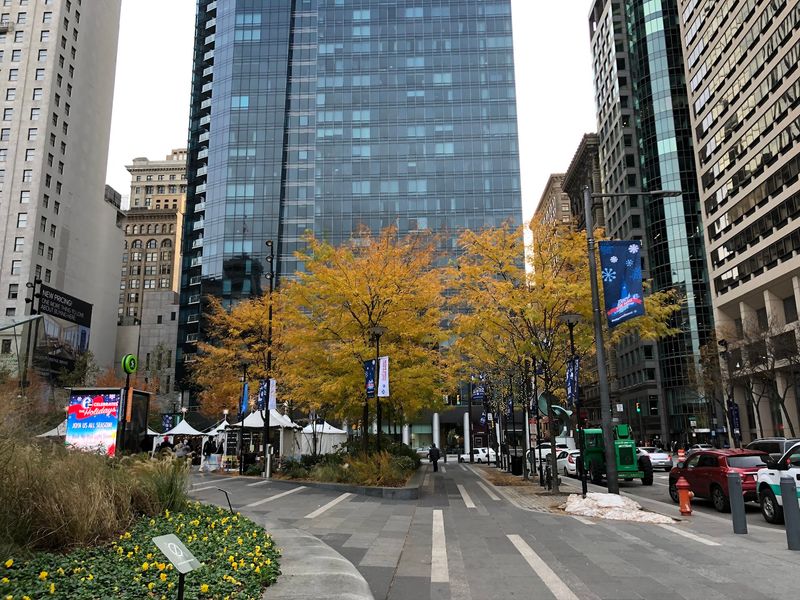
The Penn Square location places La Colombe squarely at the beating heart of Center City Philadelphia, surrounded by office buildings, historic architecture, and the constant movement of a city going about its day. The view of City Hall from the front windows is one of those details that turns an ordinary coffee break into something worth lingering over.
Dilworth Park sits right outside, offering a lively public space that buzzes with activity depending on the season. In warmer months, outdoor seating along the plaza makes for excellent people-watching, which several regulars have pointed out as one of the more underrated pleasures of visiting this specific location.
The surrounding blocks reward a short walk, with Philadelphia’s mix of historic and contemporary architecture providing a compelling backdrop. Whether you are a local grabbing your usual morning order or a visitor exploring the city for the first time, this location functions as both a reliable coffee stop and a genuinely good starting point for a day in Center City. The city feels alive from this corner.
Practical Tips for Getting the Most Out of Your Visit
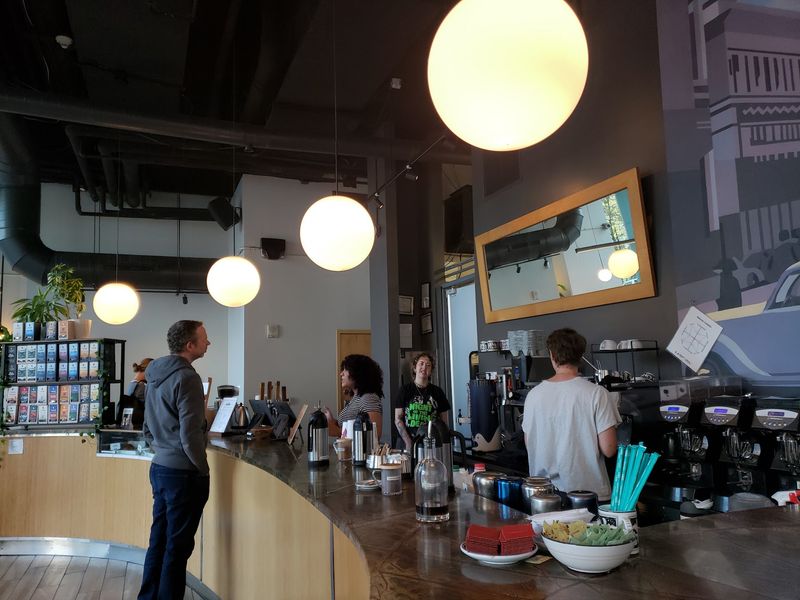
A few practical notes can make the difference between a smooth visit and a frustrating one. The cafe opens at 6 AM on weekdays and 7 AM on weekends, closing at 6 PM every day, which makes it a viable option for both early risers and mid-afternoon coffee seekers.
The line can stretch to the door by 8:30 AM on busy weekday mornings, but the staff handles the rush with impressive efficiency, often clearing a full queue in under five minutes. Arriving just before the morning peak or waiting until mid-morning tends to result in a calmer, more relaxed experience.
There is no public restroom available at this location, which is worth knowing before you settle in for a long stay. Parking in Center City can be expensive, so public transit or walking from a nearby stop is usually the smarter call. The self-serve condiment station is a thoughtful touch that lets you personalize your drink without waiting for extra help. Phone number for any questions is (215) 977-7770.
A Legacy Still Being Written, One Roast at a Time
More than three decades after Todd Carmichael and Jean-Philippe Iberti opened their first Philadelphia cafe, La Colombe continues to evolve without losing the spirit that made it matter in the first place. New seasonal lattes appear regularly, single-origin offerings rotate to reflect what is best from the current harvest, and the brand keeps pushing into new territory with products that challenge expectations.
The company has expanded well beyond Philadelphia, with locations in cities across the country, but the roots remain firmly planted here in Pennsylvania. The flagship roastery and the Penn Square cafe still carry that original sense of purpose, the feeling that coffee is worth taking seriously and that every detail from farm to cup deserves attention.
For anyone curious about where America’s specialty coffee culture found its footing, a visit to La Colombe is less a coffee stop and more a firsthand encounter with a genuinely influential piece of culinary history. The story started here, and it is still unfolding with every carefully crafted cup.
Share this story