Before screens ran the show, a kid’s best day could start with a metal spring, a plastic robot, or a box of wooden logs. Boomers grew up with toys that had no batteries, no apps, and no updates.
Some made noise, some made a mess, and a few came with a real risk of a pinched finger. This list brings back 19 classics, from the Slinky to the Chatter Telephone, and explains what made each one tick.
If you remember them, you will smile. If you do not, you may wonder how anyone had so much fun with so little.
Slinky
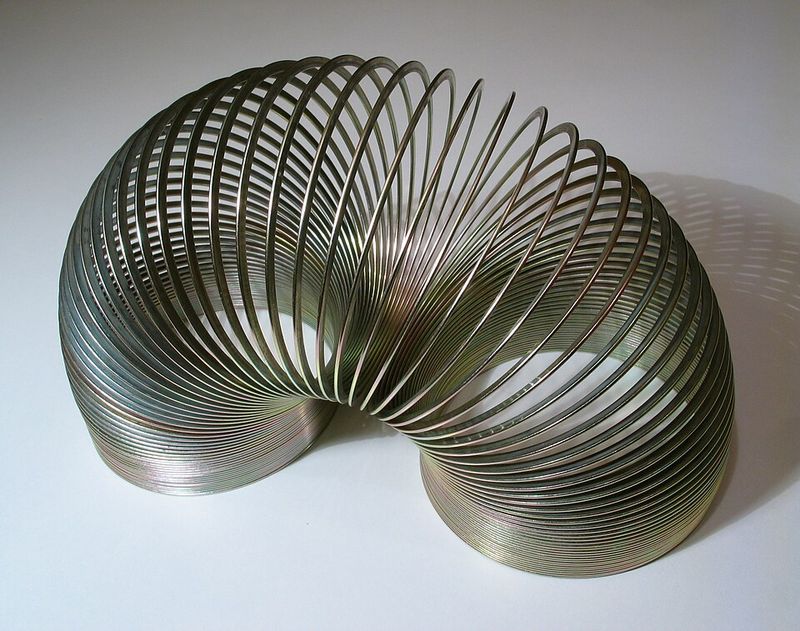
Put a metal spring at the top of a staircase and something odd happens. It flips end over end, one step at a time, as if it has a plan.
That simple trick made the Slinky one of the best-known toys of the twentieth century.
Kids did not need batteries, a manual, or a screen. All they needed was a set of stairs and a little patience.
Part of the fun was the challenge, since the spring did not always cooperate and could stall halfway down.
Many children also stretched it between their hands, passed it from one palm to the other, or raced it against a sibling. Some tried to build the longest possible walk across the house, which usually ended in a tangle.
Today’s kids are used to toys that move on their own with motors and lights. The Slinky offers a different kind of surprise, one that depends on gravity and a bit of luck.
That is exactly why it stuck around for so long.
View-Master
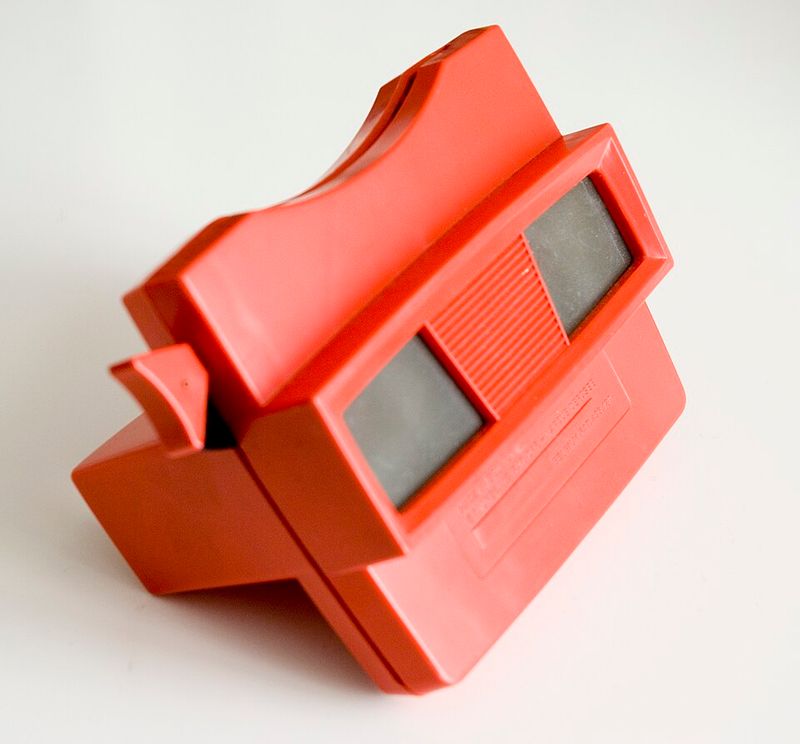
Long before virtual reality headsets, there was a red plastic viewer and a paper reel. The View-Master let kids hold up a pair of lenses and see tiny photographs pop into three dimensions.
One click of the lever moved to the next picture.
Each circular reel held pairs of small images that worked together to create the 3D effect. Reels showed faraway places, favorite cartoon characters, and imaginative scenes that a child could browse for as long as they liked.
Trading reels with friends was part of the routine, and a good collection made a kid popular for an afternoon. The viewer was handheld, simple, and sturdy enough to survive a rough week.
Modern children might look at it and ask where the screen is. The answer is that the magic was in the lenses and the reel.
It was a small window into other worlds, powered by nothing but daylight and curiosity.
Etch A Sketch
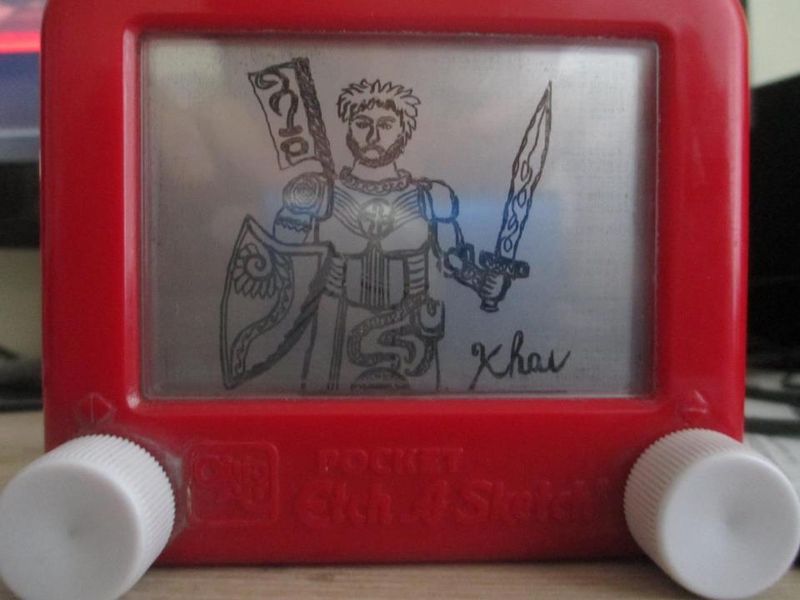
Drawing without a pencil sounds impossible until you pick up an Etch A Sketch. Two white knobs move a stylus behind a gray screen, leaving a dark line wherever it travels.
A bright red frame holds the whole thing together.
The catch is that one knob goes left and right while the other goes up and down. Drawing a curve or a diagonal takes real practice, and a straight house was far easier than a round sun.
Mistakes were not simple to fix. You could not erase a single line, so kids learned to plan ahead or start over.
Starting over was easy, though. A quick shake cleared the screen and gave every young artist a blank canvas.
Today’s kids can undo with a tap, so the idea of living with every line might feel strange. That small challenge is what made the toy so memorable.
Lincoln Logs
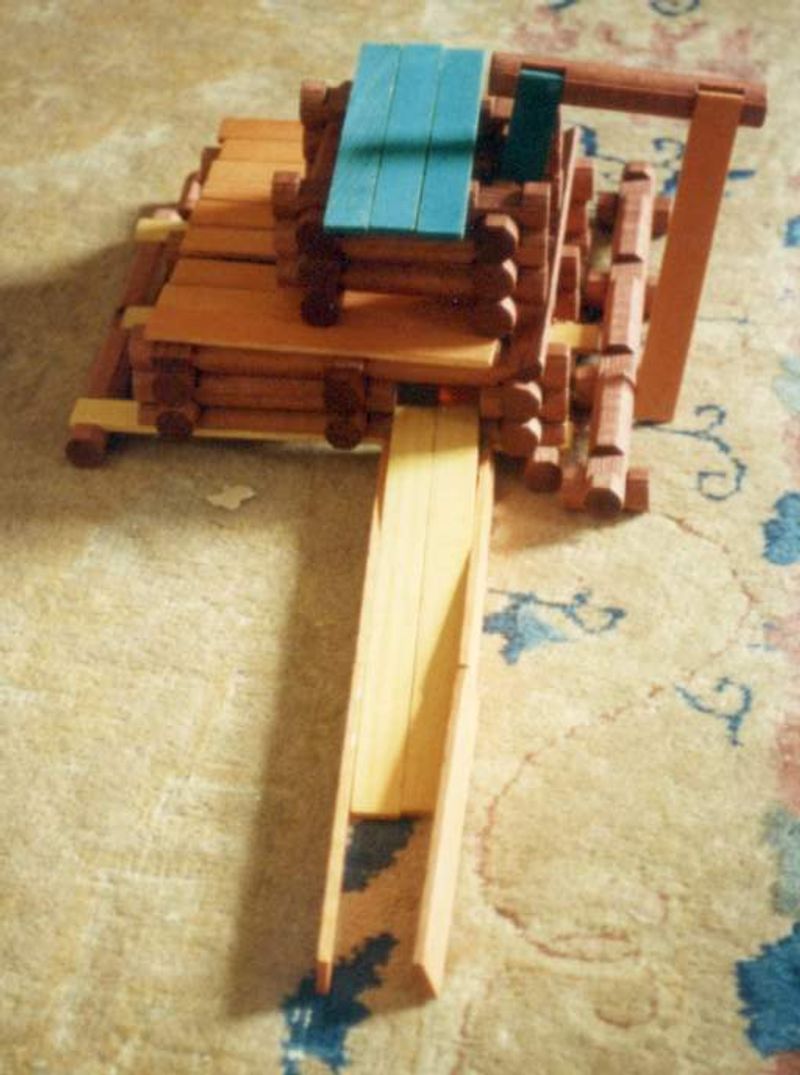
Cabins, forts, and little frontier towns all started with a pile of notched wooden pieces. Lincoln Logs fit together at the corners to form walls, and a roof piece finished the job.
Boomers built these on living room floors long before digital building games existed.
Kids could follow the designs that came with a set or ignore them completely. Some made tall towers, others built long fences, and a few tried to recreate their own street.
Along the way, they picked up basic ideas about how structures stay upright. Wider bases held better, and crooked walls usually did not.
There was also a satisfying feeling in building something real with your hands. Nothing needed charging, and a lost piece could often be replaced with another.
A modern child used to digital blocks may be surprised that something so plain could keep a whole afternoon busy.
Troll Dolls
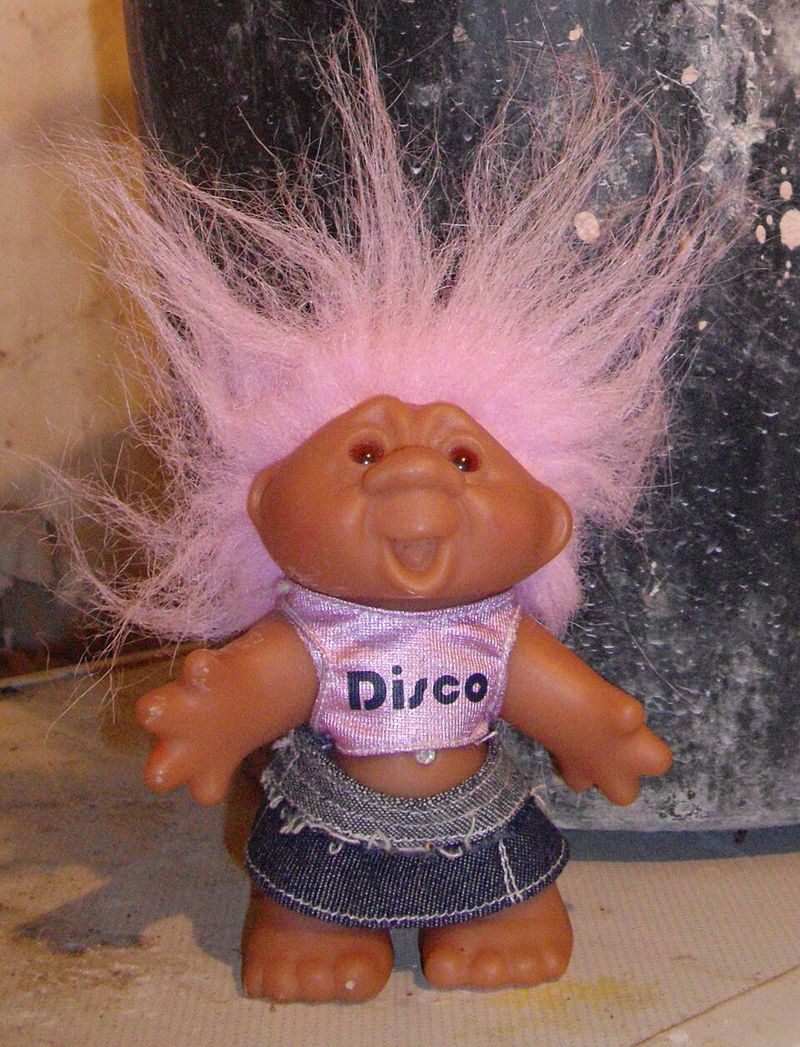
Wild hair, wide eyes, and a grin that looked a little mischievous made Troll Dolls hard to ignore. They were created by Danish woodcarver Thomas Dam, and they became especially popular in the 1960s.
Kids collected them in many sizes and colors, and the hair was a big part of the fun. It stood straight up, which meant every doll looked ready for a surprise party.
Children combed it, styled it, and lined the dolls up on shelves or desks. Some trolls became characters in made-up games with their own names and stories.
Their unusual look is exactly what drew people in. They were not meant to be pretty in a traditional way, and that is why they stood out.
A child today who sees a troll for the first time may laugh, then ask to see another one. That reaction has not changed much.
Rock ‘Em Sock ‘Em Robots
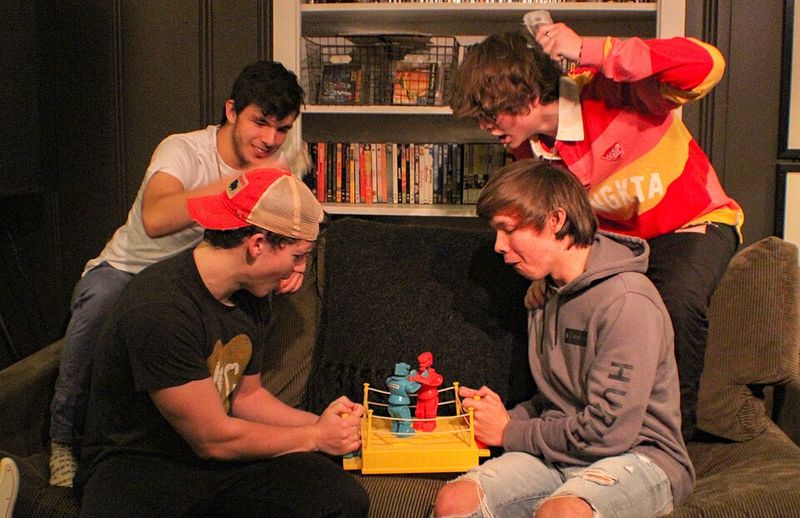
Two plastic robots, one small ring, and a pair of controls were enough to start a battle. Rock ‘Em Sock ‘Em Robots arrived in the 1960s, and siblings have argued over who won ever since.
Each player worked a set of hand controls to swing a robot’s arms. The goal was to land a punch that sent the other robot’s head popping up into the air.
Timing mattered as much as speed. Mash the buttons too fast and you could miss, wait too long and your robot took the hit.
Kids gathered around the ring to cheer, and a rematch usually followed within seconds. The game was loud, simple, and a little silly.
Modern kids may be used to complex video game fighters, but there is something fun about a mechanical contest where every punch is real and every pop is a victory.
Spirograph
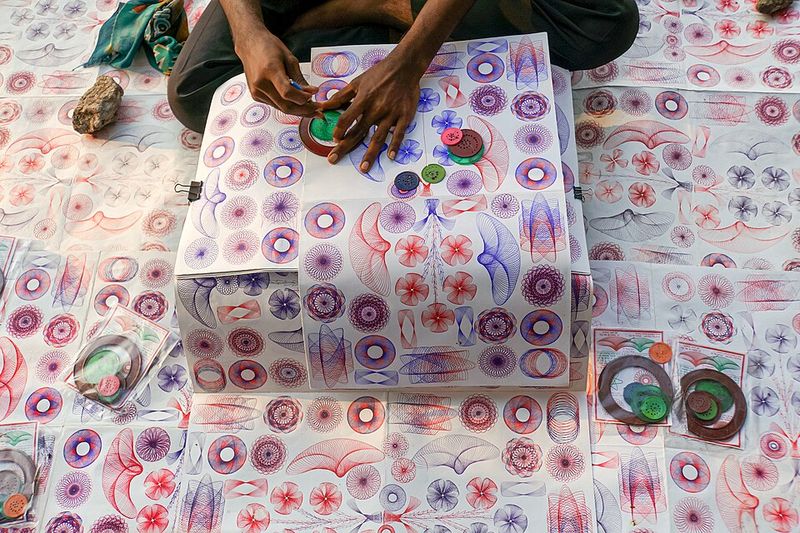
A pen, a plastic gear, and a bit of patience can produce a design that looks like it came from a machine. Spirograph let kids draw swirling geometric patterns without any special art skill.
Children placed a pen through a hole in a small gear and rotated it around a circular guide. Each turn added another loop, and the shapes slowly grew into flowers, stars, and tangled rings.
Beginners could make something impressive on the first try, which made the toy rewarding. Switching pen colors or gear sizes changed the look completely.
It also quietly mixed art with math. Kids saw how circles and ratios could shape a picture, even if they did not call it that.
Today’s children who draw on tablets may enjoy the slower, hands-on process, where every line is made by steady turning and a careful hand.
Easy-Bake Oven
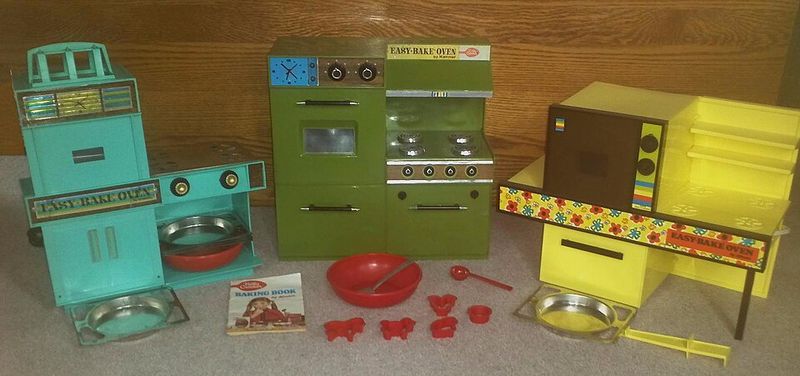
Few toys came with a real snack at the end. The Easy-Bake Oven let young bakers make tiny cakes and other treats, and Kenner introduced it in 1963.
Early versions used an incandescent light bulb as the heat source. That detail fascinated children, who could not believe a bulb could bake a cake.
Kids mixed a packaged blend, poured it into a small pan, and slid it into the oven. Then came the wait, which felt long when a dessert was on the line.
For many families, the oven turned pretend kitchen play into something edible. It also gave children a first taste of following steps, measuring, and being patient.
Modern kids who have seen real ovens and microwaves might find a light-bulb bakery quaint, yet the pride of serving a homemade treat feels timeless.
Mr. Potato Head
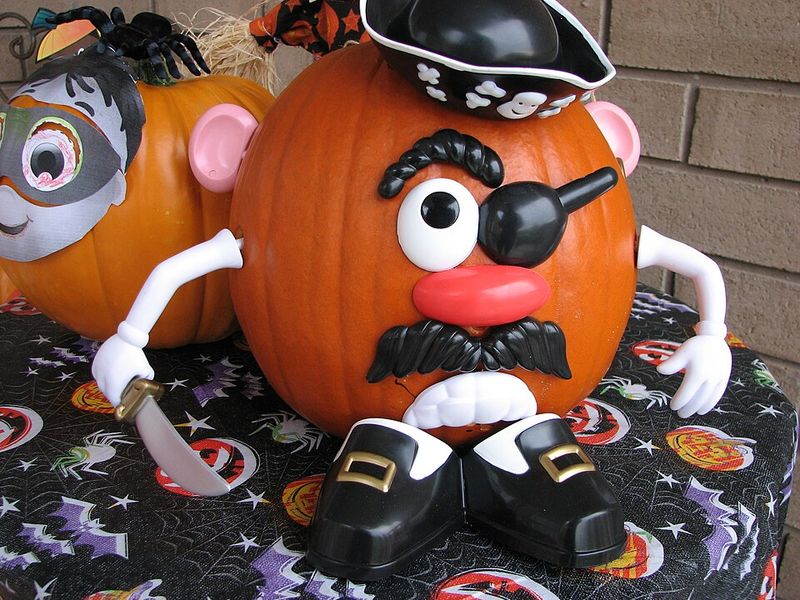
The original Mr. Potato Head came without a potato. The 1952 version was a set of plastic faces, eyes, noses, and mouths meant to be pushed into a real potato or another vegetable.
A plastic potato body arrived later, which made the toy easier to keep around the house. Kids could still swap pieces freely, and silly faces were the whole point.
Some built a serious gentleman with a hat and mustache. Others gave him three ears and a shoe for a nose.
The toy encouraged imagination, and it asked for nothing but a few small parts and a sense of humor. Today’s children may be surprised to learn it once used real vegetables.
The idea of building a character from a pile of pieces, though, still makes sense to any kid who loves to play.
Lite-Brite
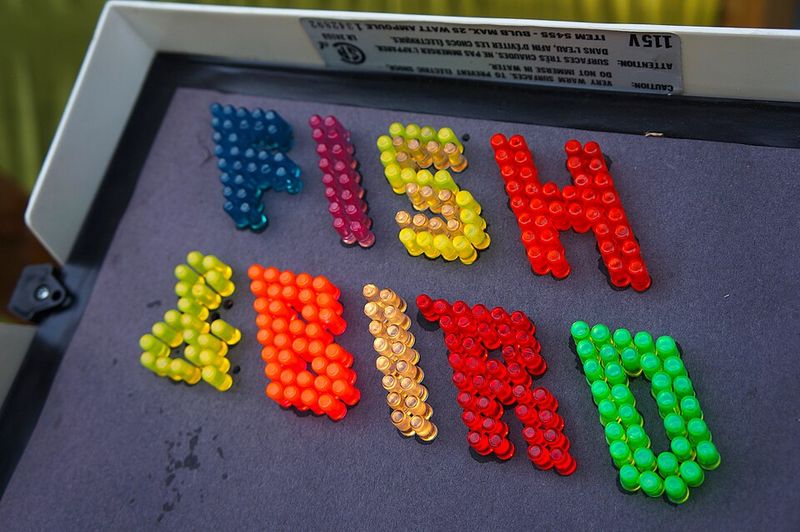
Turn off the lights, plug it in, and a plain black panel became a glowing picture. Lite-Brite was released in 1967, and kids loved seeing their work light up.
Children pushed small colored plastic pegs through a perforated screen. Behind it, a bulb lit each peg, and the design appeared in bright color.
Printed patterns guided those who wanted a clear picture, like a clown or a sailboat. Others invented their own designs and filled the board with whatever came to mind.
Part of the joy was the moment the room went dark. Finishing the last peg and stepping back to see the whole image shine felt like a small victory.
Modern kids see bright screens all day, but a handmade light picture still has a certain charm, especially when every dot was placed by hand.
Yo-Yo
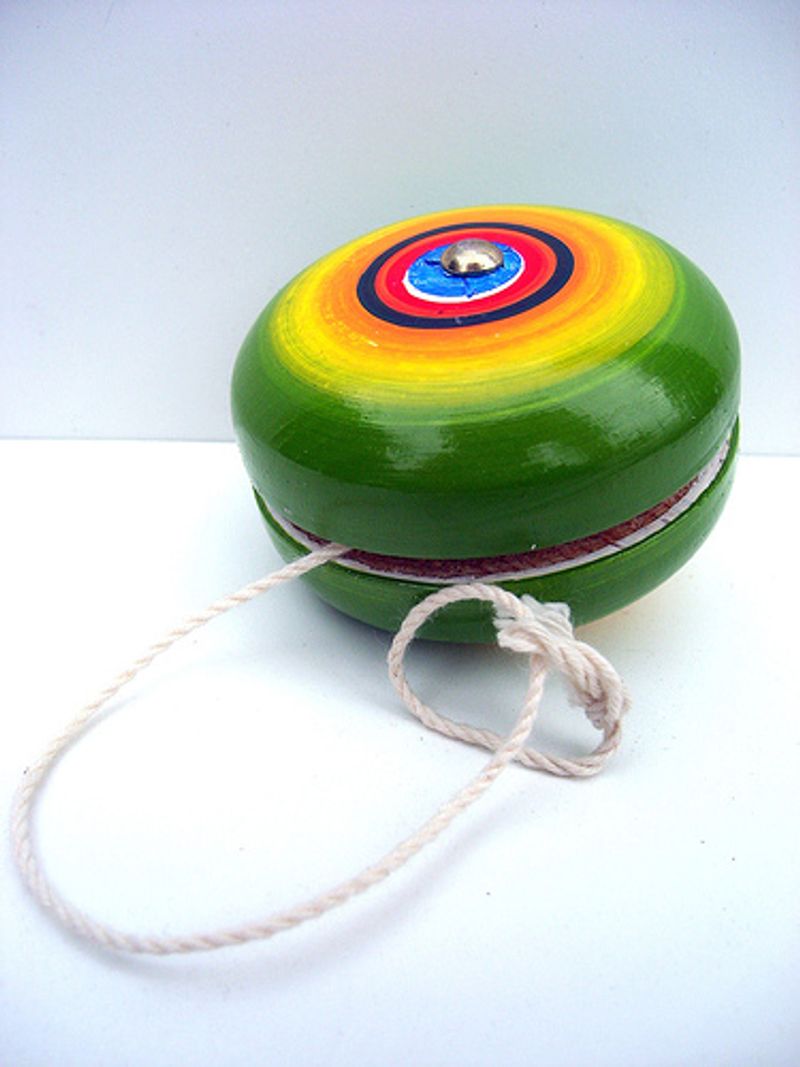
Watch a skilled player and it looks easy. Try it yourself and the string tangles, the yo-yo wobbles, and your knuckles take a hit.
That is the charm of the yo-yo.
Kids spent hours learning basic throws before moving on to tricks. Walk the Dog, Around the World, and Rock the Baby were names every school kid knew.
What looked like a simple spinning toy demanded timing, coordination, and a lot of persistence. It also fit in a pocket, so practice could happen anywhere.
A talented player could draw a crowd at school or in the neighborhood. Friends traded tips, showed off new moves, and challenged each other to harder ones.
Modern children may find a string and a spinning wheel old-fashioned, yet the thrill of finally landing a trick still feels as real as it ever did.
Hula Hoop

In 1958, Wham-O introduced a plastic hoop and America lost its mind in the best way. The Hula Hoop became a giant toy craze almost overnight.
Kids competed to see who could keep the hoop spinning around their waist the longest. Backyards and playgrounds turned into contests, with friends counting out loud.
Some players learned to keep the hoop going around their arms, legs, or even necks. Others tried to spin two or three at once.
Part of the appeal was cost. A hoop was inexpensive, colorful, and needed nothing else, which made it easy for almost any family to buy.
Children today might not see why a ring of plastic caused such excitement. Give one a try, though, and you may find out how tricky and fun it can be.
Rubik’s Cube
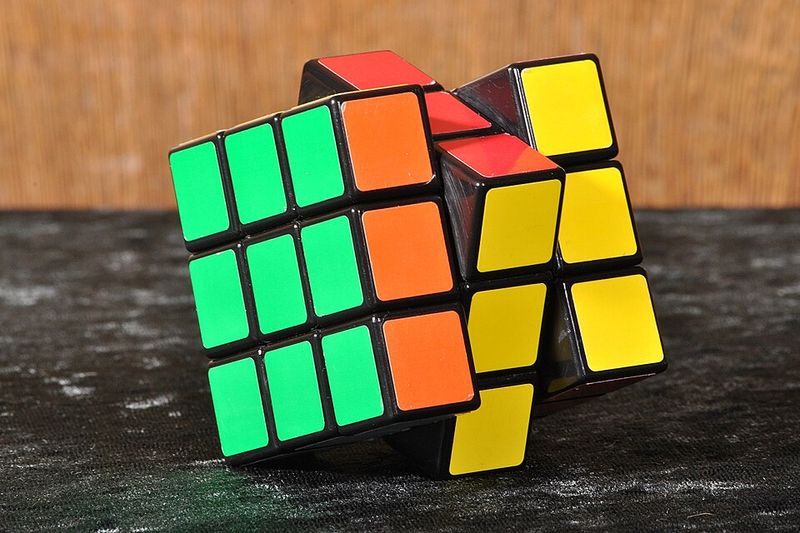
Hungarian architect Ernő Rubik invented the cube in 1974, but the world did not go wild for it until the early 1980s. Millions of people suddenly found themselves twisting and turning a small colorful block.
Each of its six faces starts as a single color. After a few turns, the colors scatter, and the real puzzle begins.
The goal is to restore every side, which looks easy until you try. Many players got one side done and then lost it again.
The craze is usually tied to Generation X, though younger Boomers also met the puzzle. It still shows up on desks and in competitions today.
Modern kids who solve puzzles on a phone might enjoy holding one, because the cube gives no hints and no second chances.
Silly Putty
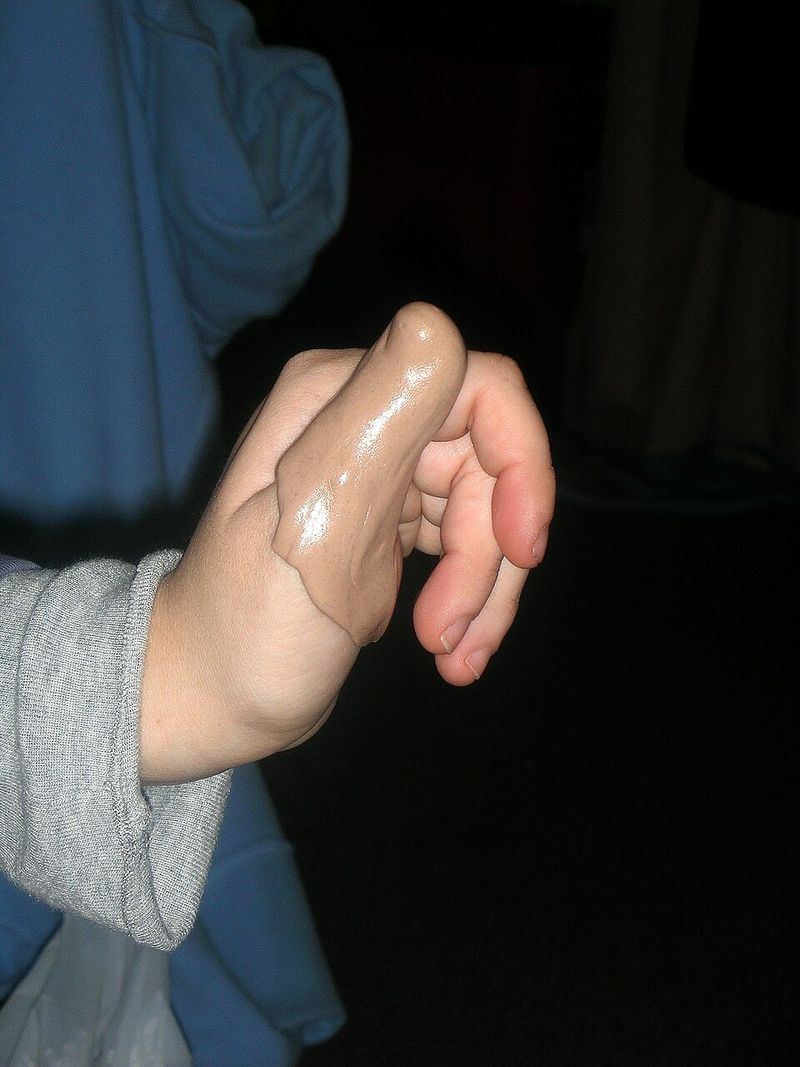
Press it on the Sunday comics, peel it up, and the cartoon appears on the putty. That trick helped make Silly Putty a hit after it arrived in 1950.
The material could stretch, bounce, and be molded into different shapes. It also snapped if pulled quickly, which surprised many first-time users.
There were no instructions or electronics to learn. Kids just poked it, rolled it, and tried to see what else it could do.
Its odd physical behavior was the entertainment. A ball of putty could bounce like rubber one moment and slump like a puddle the next.
Children today who love slime may feel right at home with it. Silly Putty simply got there decades earlier, and it came in a little plastic egg.
Pogo Stick
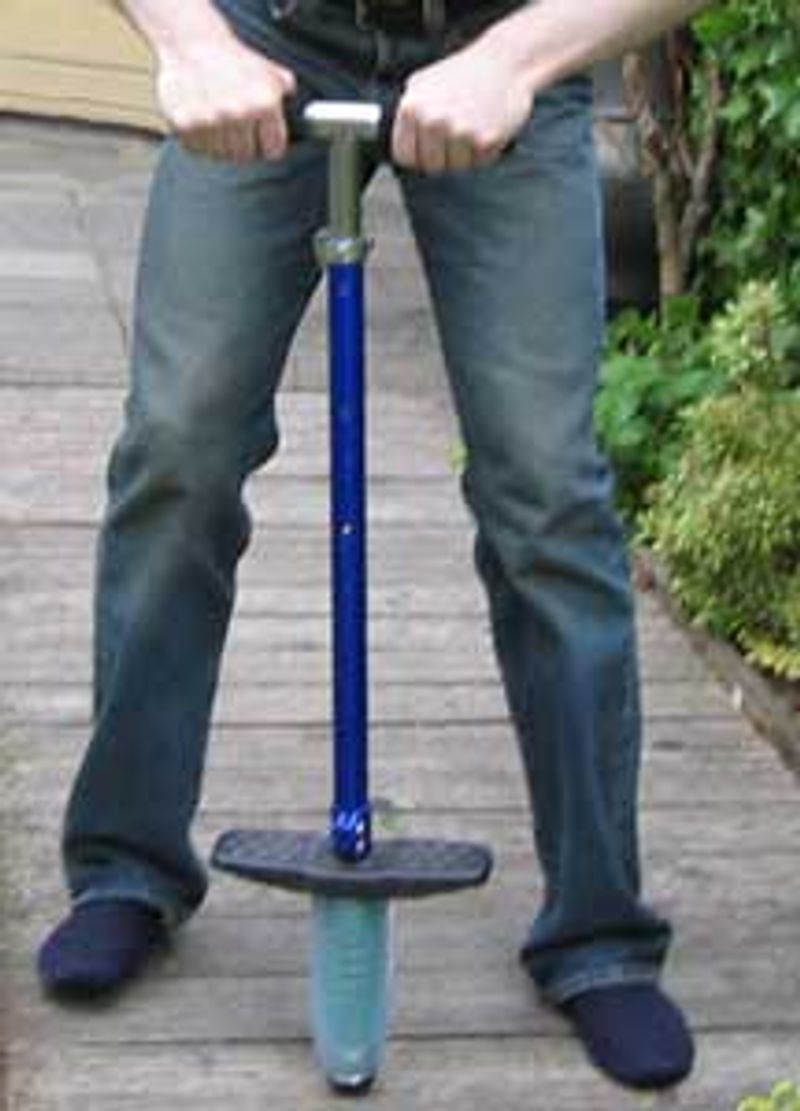
Staying upright on a spring is harder than it looks. The pogo stick asked kids to balance on footrests while gripping a handle, all while bouncing along.
The pole has a spring inside, which pushes back with each jump. With practice, riders learned to find a steady rhythm and stay in control.
The first attempts often ended with a wobble and a quick hop off. That only made children more determined to master it.
Neighborhood contests were common, with kids counting jumps out loud to see who could last the longest. Mastering the toy gave a real sense of accomplishment.
Modern kids who spend more time indoors may find it a fun workout in disguise, since every bounce uses balance, strength, and a bit of courage.
Tiddlywinks
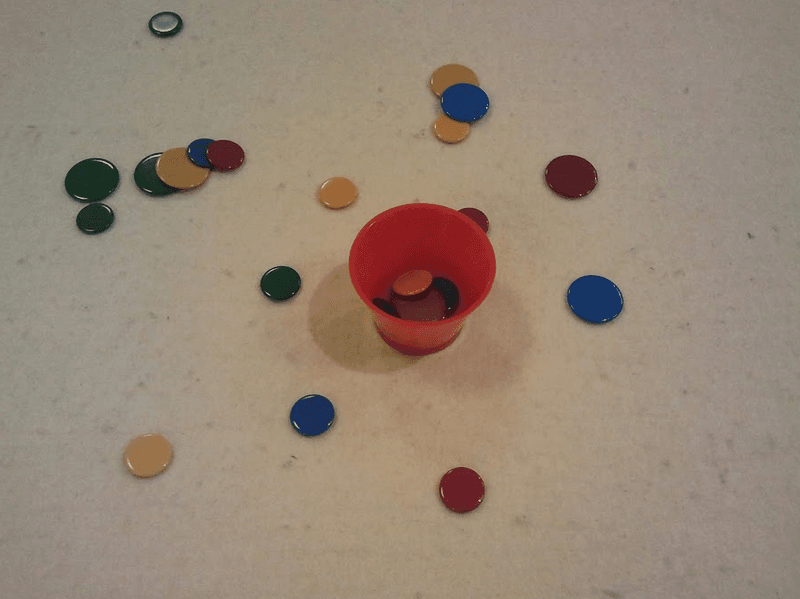
The name sounds made up, but the game has been around since the nineteenth century. Tiddlywinks asks players to flick small discs into a cup, and the tools are just as simple as they sound.
Players press a larger disc called a squidger against a smaller one called a wink. The wink then pops through the air toward a target pot.
Getting the angle and pressure right takes surprising precision. A tiny change in your thumb can send a wink far off course.
Casual versions are easy for children to enjoy at a kitchen table. Competitive versions can involve real strategy and skill.
A modern child might not know the word, but the idea of flicking a disc into a cup makes sense right away, and the game is quite hard to put down.
Creepy Crawlers
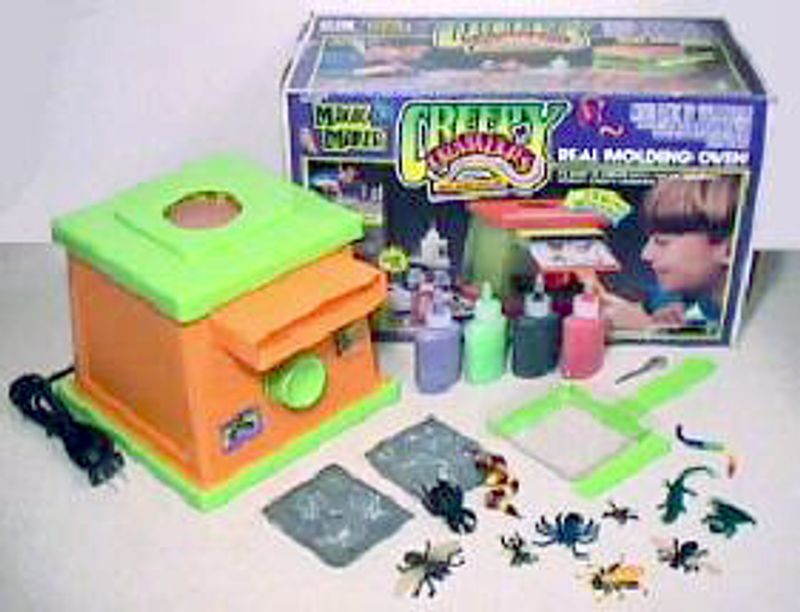
Few toys let kids make their own toys. Creepy Crawlers did exactly that, and Mattel introduced it in the 1960s as part of the Thingmaker line.
Children filled metal molds with a liquid plastic called Plasti-Goop. A heated metal plate then cured the mixture into a flexible bug.
Spiders, worms, and other odd shapes came out of the molds, and many kids made whole collections. Choosing colors was half the fun.
The hot equipment also meant the original version carried burn risks that would raise safety concerns today. Modern toy rules are far stricter, which is why a kit like this feels like a relic.
Even so, the idea of making something from scratch still sounds exciting to anyone who loves crafts.
Pick-Up Sticks
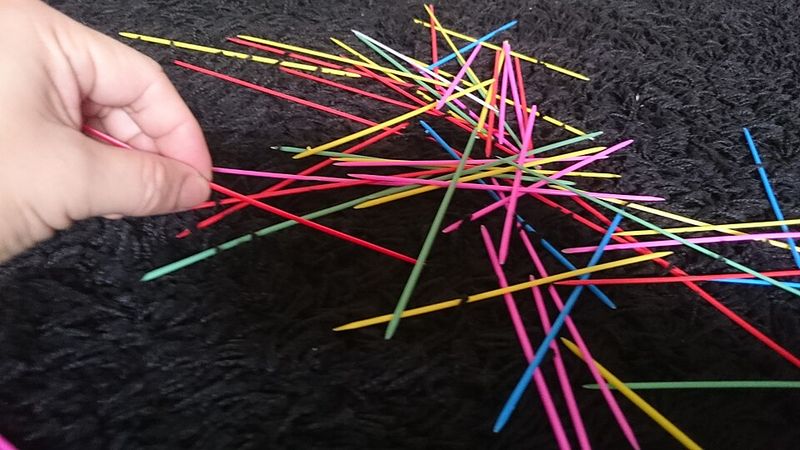
One tiny movement can end your turn. That is the tension in Pick-Up Sticks, a game that turns a handful of thin sticks into a test of nerves.
Players drop the sticks into a tangled pile. They then take turns pulling out single pieces without shifting any others.
Every successful pick takes a steady hand and careful planning. Looking for the loosest stick first was a smart move.
The rules are easy to learn, yet the game is surprisingly suspenseful. Everyone at the table holds their breath when a hand gets close to the pile.
A child used to fast video games may find the slow pace odd at first. Soon, though, the quiet focus becomes part of the fun.
Kerplunk
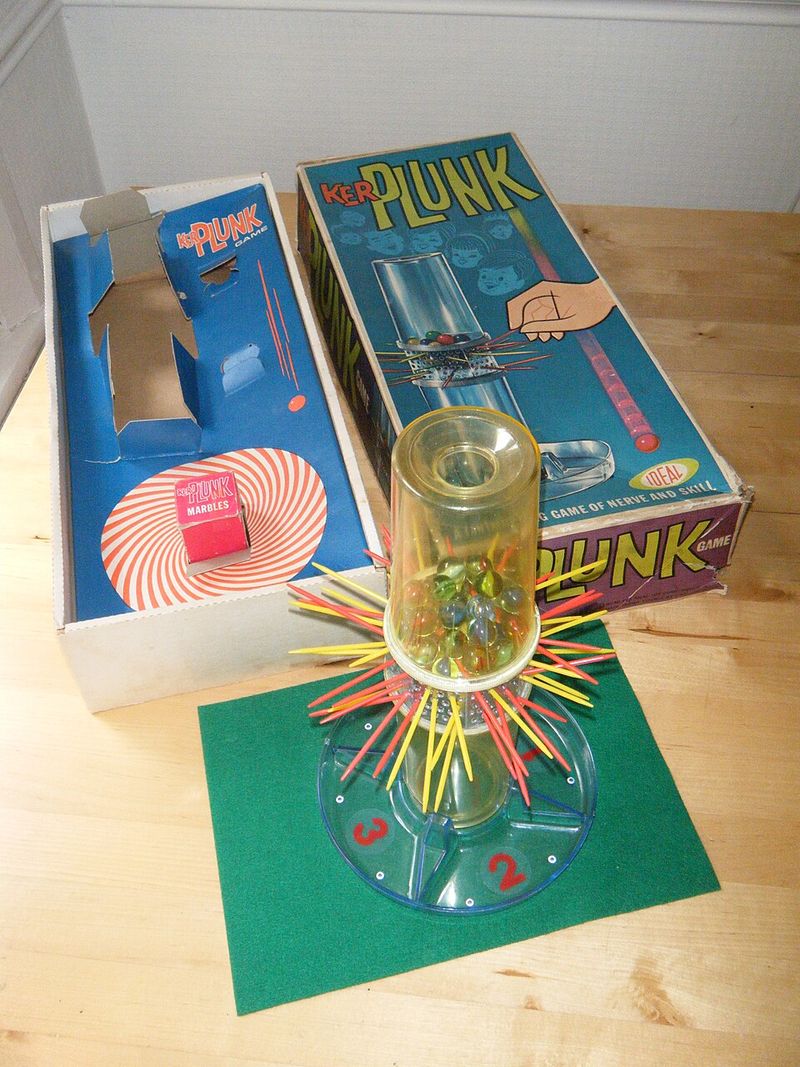
The title says it all. Kerplunk is the game where marbles fall, and everyone at the table braces for the moment it happens.
Players remove plastic sticks from a transparent tube while marbles rest on top of them. The goal is to keep as many marbles in place as possible.
It was introduced during the 1960s, and it mixed luck with careful decisions. Pulling the wrong stick could change the whole game.
Each removed stick made the tower less stable and the suspense higher. The sudden rattle of falling marbles could change the outcome in a second.
Modern kids may recognize similar games with new themes, but the original clear tube and rolling marbles still deliver a very simple kind of drama.
Share this story