There is a stretch of the Oregon Coast where you can stand on solid ground, feel the salt wind on your face, and watch a gray whale surface just a few hundred feet away. No seasickness, no life jackets, no boat tickets required.
This tiny town has built a reputation as one of the best land-based whale watching spots in the entire country, and once you see a spout rise above the Pacific horizon, you will completely understand why. The harbor here is famously described as the world’s smallest navigable harbor, the sea caves shoot water like natural geysers, and the whole place has a wild, dramatic energy that makes you feel genuinely small in the best possible way.
Stick around, because this place is worth every word.
Welcome to Depoe Bay, Oregon
Right along U.S. Route 101 in Lincoln County, Oregon, sits one of the most surprisingly powerful little towns on the entire West Coast.
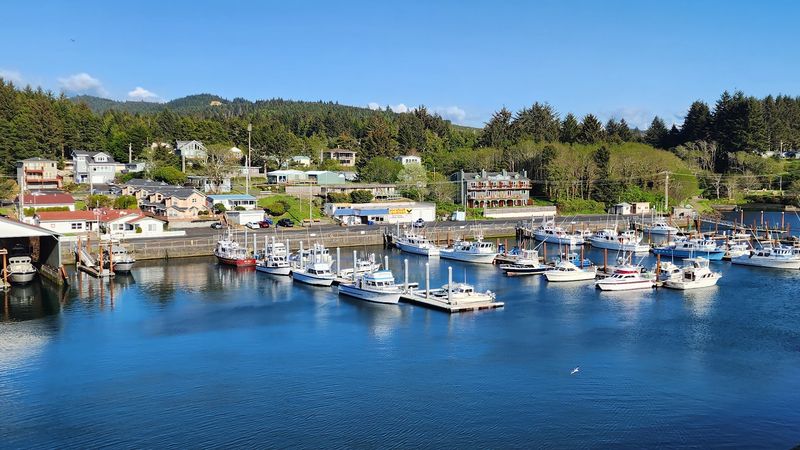
Depoe Bay, Oregon 97341, hugs the Pacific with a confidence that seems almost comical given its size. As of the 2020 census, just 1,515 people call this place home.
The harbor at the center of town covers only six acres, yet it earns the title of the world’s smallest navigable harbor. That is not a local boast cooked up for tourism brochures.
It is a genuine geographical distinction that draws curious travelers from across the country.
The town sits right on the coastline with almost no buffer between the highway and the open ocean. You can park your car, walk ten steps, and suddenly you are staring at the Pacific with nothing between you and Japan.
That kind of immediate, unfiltered access to raw nature is rare, and Depoe Bay delivers it with zero effort required on your part.
The World’s Smallest Navigable Harbor
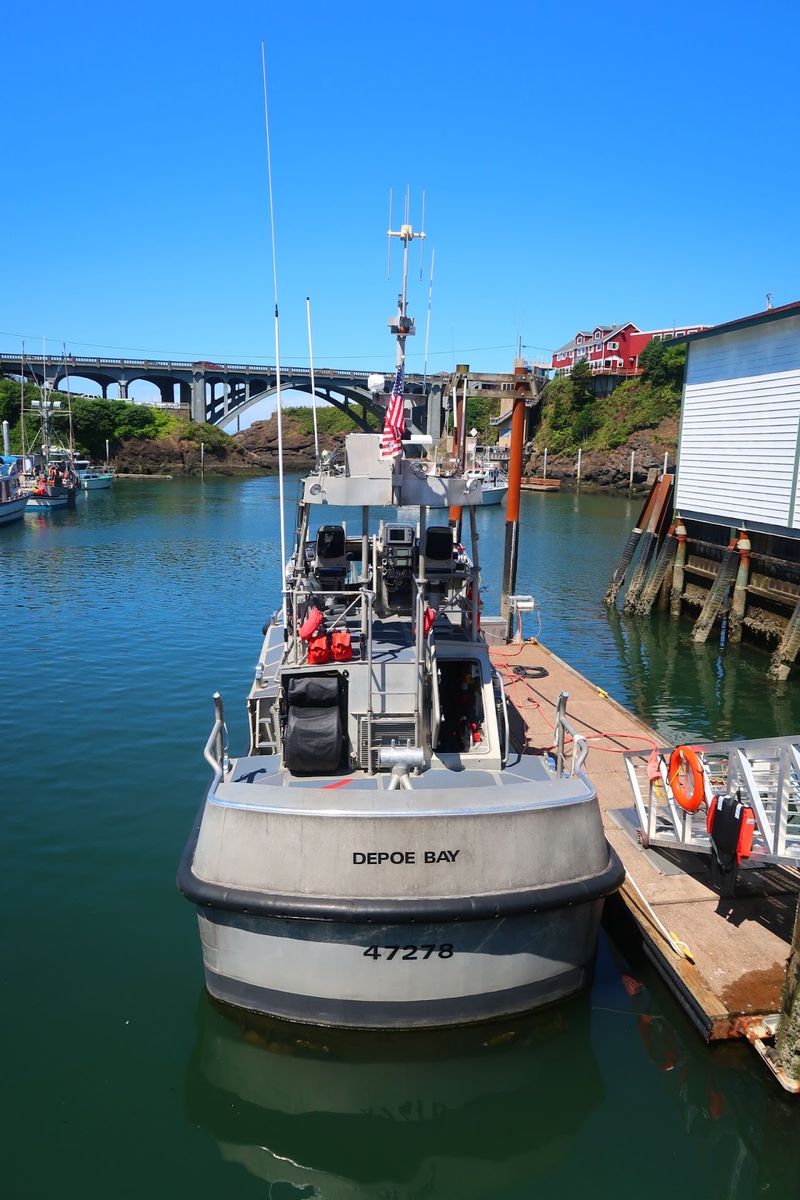
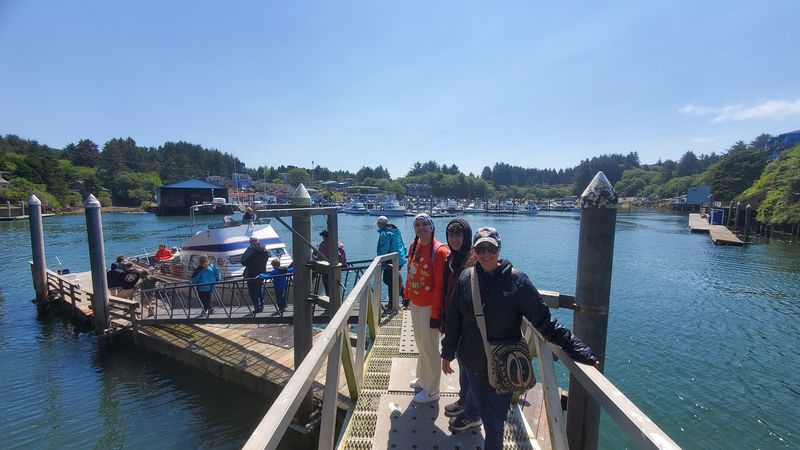
Six acres sounds like a backyard garden when you compare it to the massive commercial harbors up and down the Pacific Coast. Yet boats have been navigating in and out of this snug little basin for generations, which is exactly what earns it the world record title.
The channel entrance is narrow enough that watching a fishing vessel squeeze through feels almost theatrical. The rocky walls on either side leave very little room for error, and the churning Pacific just outside the gap makes the whole maneuver look even more dramatic than it already is.
Local charter operators have mastered this entrance so thoroughly that they make it look routine. For first-time visitors watching from the seawall, though, it never stops being impressive.
The harbor itself stays calm even when the ocean outside is rolling hard, which makes it a genuine working port rather than just a scenic curiosity. Fishermen bring in rockfish, crab, and lingcod with a casual efficiency that reminds you this town has always been about the sea, not just the scenery.
Whale Watching From Dry Land
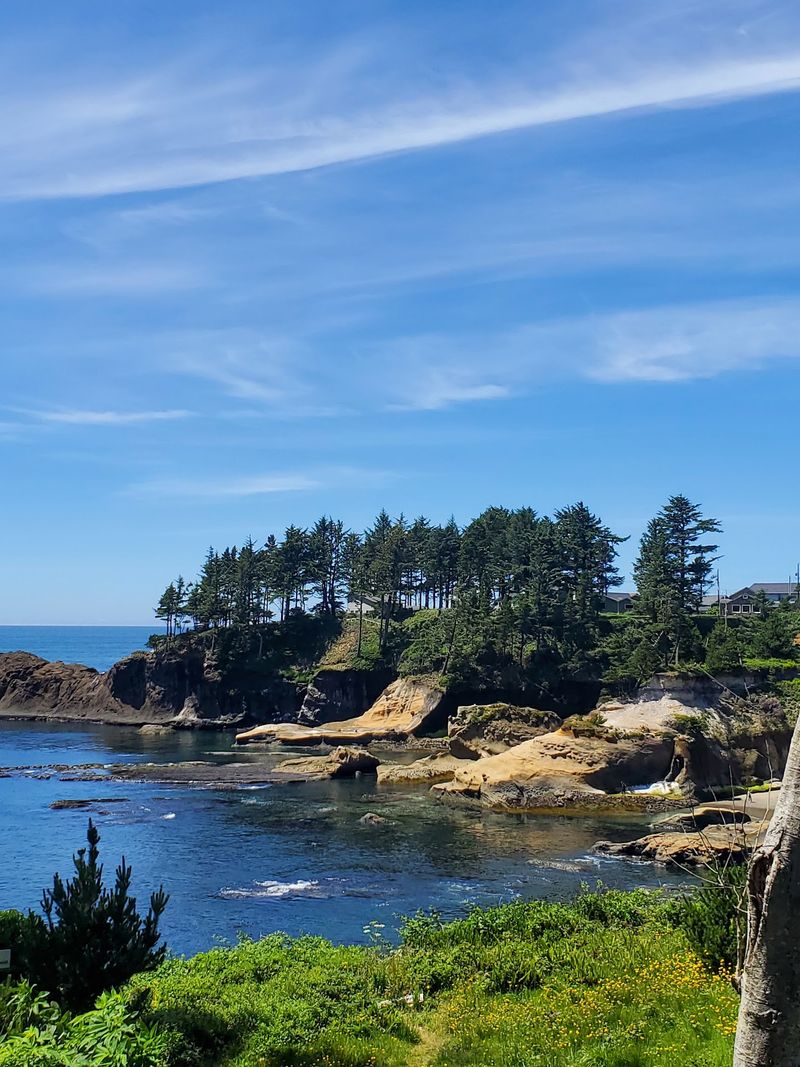
Gray whales pass through this stretch of the Oregon Coast twice a year during their migration, and Depoe Bay happens to sit right in the middle of their highway. Northbound in spring, southbound in late fall, these massive animals travel close enough to shore that binoculars are optional rather than essential.
The town has leaned fully into this natural gift. A dedicated whale watching center operated by Oregon State Parks sits right on the seawall, staffed by trained volunteers who can spot a spout before most visitors even know where to look.
They point, they explain, and they make the whole experience feel like a guided tour without the tour bus.
What makes Depoe Bay genuinely special for whale watching is the rocky shelf just offshore. Whales feed along this underwater ledge, which keeps them close to the surface and close to land longer than they might stay in other spots.
Some years, a small group of gray whales skips the full migration entirely and spends the summer right here, giving the town a resident whale population that locals treat with obvious affection.
The Spouting Horns and Sea Caves
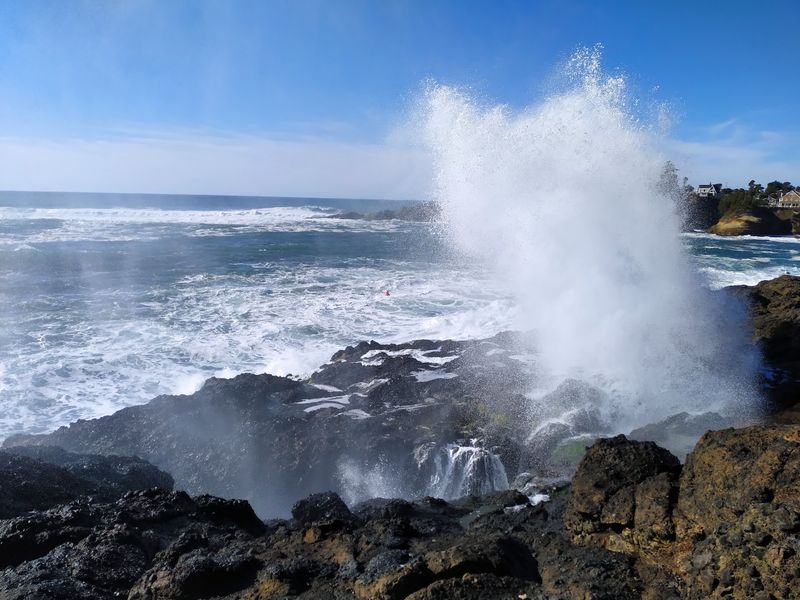
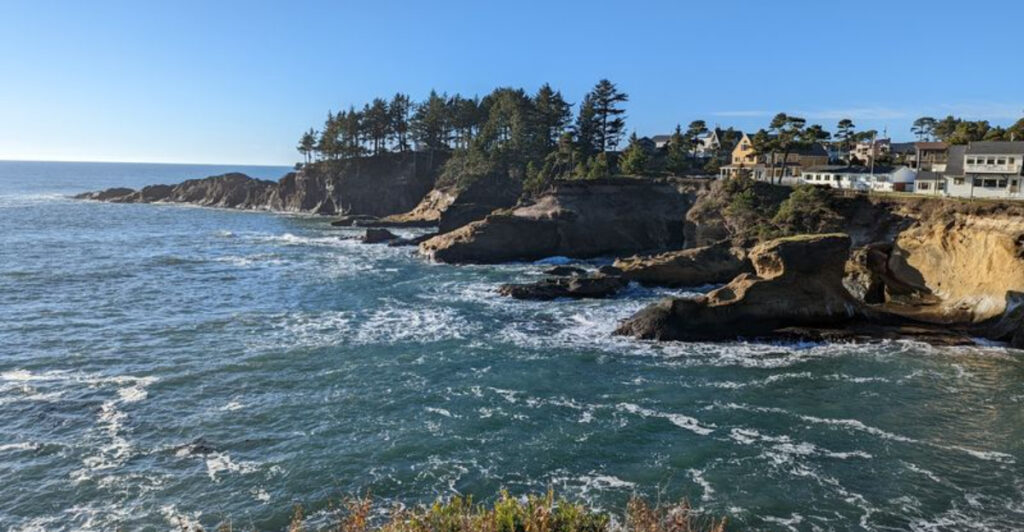
The basalt shelf that lines the edge of Depoe Bay is riddled with cracks, tunnels, and sea caves that the Pacific has been carving for thousands of years. When a wave rolls in at the right angle and with enough force, the water gets funneled into these openings and has nowhere to go but up.
The result is a natural geyser show that erupts without any schedule or warning. Spray can shoot twenty or thirty feet into the air, and on stormy days the whole seawall gets a thorough soaking.
Visitors who stand too close quickly learn why the locals step back a few feet when the swell picks up.
These spouting horns are one of those features that photographs cannot fully capture. The sound is part of it, a deep percussive boom followed by a hiss of white water that you feel in your chest as much as you hear it.
Children lose their minds over this, and honestly, adults are not far behind. The whole display costs nothing and requires nothing except showing up and paying attention.
The Seawall and Bayfront Stroll
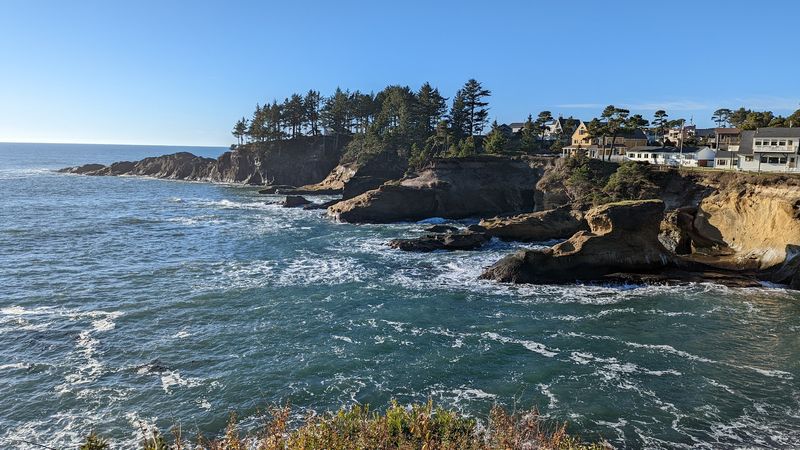
The seawall running through the center of Depoe Bay is probably the most democratically enjoyable stretch of pavement on the Oregon Coast. It is short enough to walk end to end in fifteen minutes, but most people take much longer because there is always something happening on the water side.
On one side you have the open Pacific, raw and unpredictable. On the other side, a row of small shops, charter offices, and seafood spots lines the highway.
The whole strip has a pleasantly unhurried energy that encourages lingering rather than rushing through.
Benches face the ocean at regular intervals, and on any given afternoon you will find a mix of retirees with binoculars, families with sticky hands from the taffy shop, and solo travelers who look like they have no intention of leaving anytime soon. The seawall is also the best spot to watch charter boats thread the harbor entrance, which happens often enough throughout the day to keep things interesting.
A slow walk here clears the head in a way that is hard to explain but very easy to feel.
Charter Fishing on the Pacific
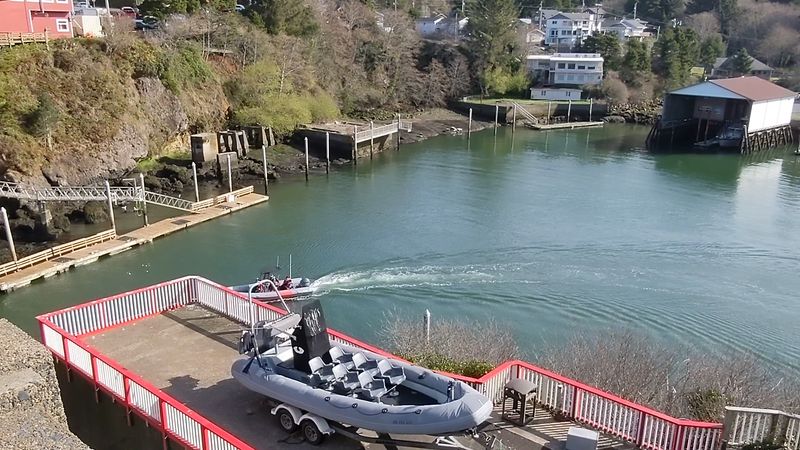
Not everyone is content to watch the ocean from the sidewalk, and Depoe Bay has a long tradition of getting people out onto the water. Charter fishing operations have run out of this harbor for decades, offering half-day and full-day trips targeting rockfish, halibut, tuna, and Dungeness crab depending on the season.
The boats are well-equipped and the captains know these waters with the kind of familiarity that only comes from years of daily runs. First-timers are welcome, and the crews are generally patient with people who have never held a rod over the open ocean before.
Leaving the harbor is an experience in itself. The channel is narrow, the swells outside can be brisk, and the moment you clear the rocky entrance you feel the full weight of the Pacific pushing back.
It is exhilarating in a very honest, very physical way. Coming back in with a cooler full of rockfish while the afternoon sun drops toward the water is one of those simple satisfactions that tends to stick with you long after the trip home.
Oregon State Parks Whale Watching Center
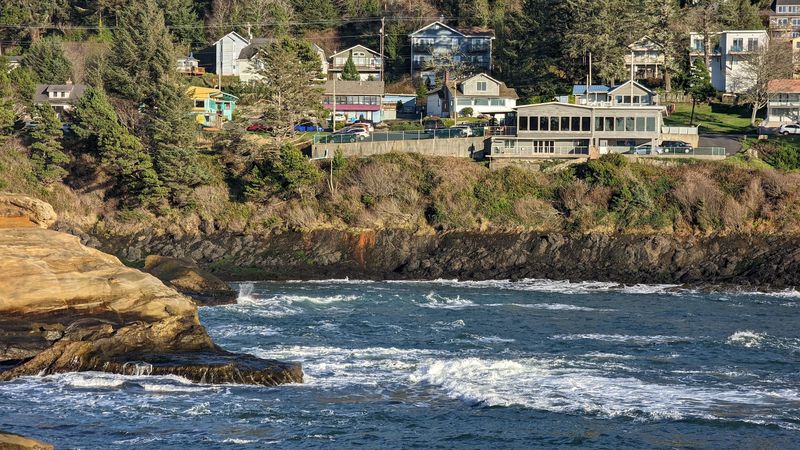
The Whale Watching Center managed by Oregon State Parks is a small building with an outsized impact on the visitor experience in Depoe Bay. Free to enter and staffed by knowledgeable volunteers, it functions as a combination classroom and observation deck right on the seawall.
Inside, interpretive panels cover gray whale biology, migration patterns, and the history of whale watching on the Oregon Coast. The displays are well-designed and genuinely informative without being overwhelming.
Kids tend to spend a surprising amount of time reading them, which is not always easy to accomplish.
Outside on the deck, the volunteers are the real attraction. These are people who have logged hundreds of hours watching this particular stretch of water, and they have a talent for spotting distant spouts that borders on supernatural.
Ask them where to look, and they will not just point. They will explain what you are seeing, why the whale is doing it, and what it might do next.
The center is especially active during the Whale Watch Weeks that Oregon Parks organizes in late December and late March each year.
The Best Time of Year to Visit
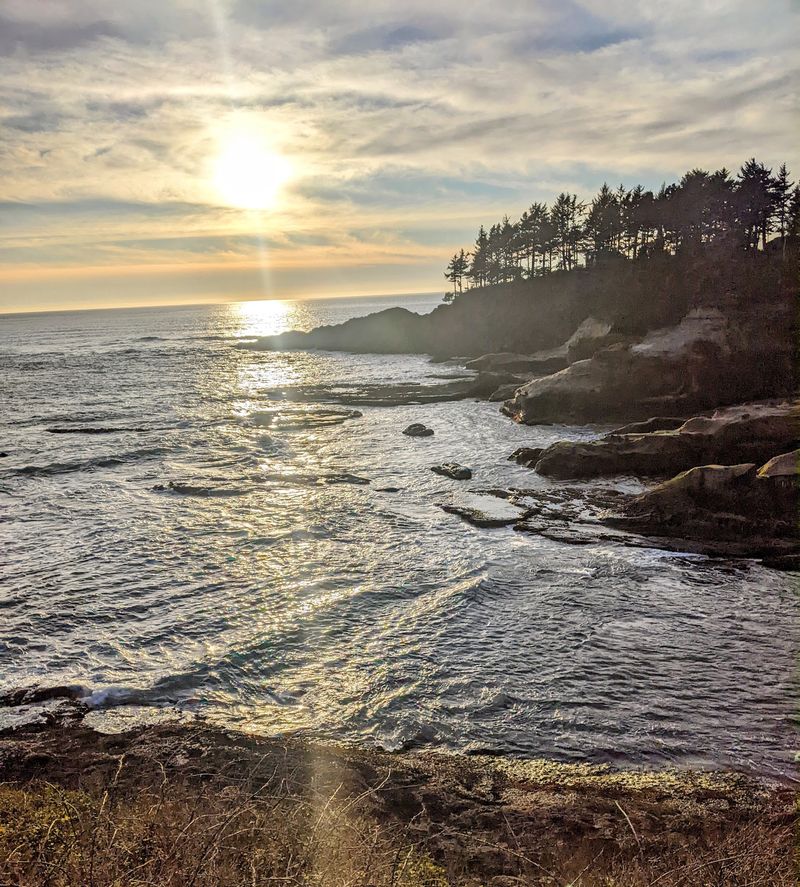
Timing a trip to Depoe Bay well makes a real difference in what you experience. The gray whale migration peaks twice a year, with the southbound run happening roughly from December through January and the northbound run from March through April.
Both windows offer strong chances of sightings from the seawall.
Summer brings a different kind of reward. The feeding whales that stay close to the Oregon Coast through the warmer months are often visible from shore on calm days, and the weather is more cooperative for walking the seawall and spending time outside.
Crowds are heavier in summer, but the town handles them well without feeling overwhelmed.
Winter visits have their own raw appeal. Storm season on the Oregon Coast is genuinely dramatic, and Depoe Bay sits right in the thick of it.
The spouting horns perform at their most spectacular when large swells are running, and there is something deeply satisfying about watching the Pacific throw itself against those basalt rocks while you stand just a few feet away, dry and completely transfixed by the whole performance.
Seafood, Taffy, and Local Flavor
A town this close to the ocean has no excuse for serving mediocre seafood, and Depoe Bay takes that responsibility seriously. Chowder is the thing to order first.
The clam chowder served at the spots along the bayfront is thick, briny, and loaded with clams in a way that reminds you why this dish became an Oregon Coast staple in the first place.
Fish and chips made with freshly caught rockfish show up on almost every menu, and the quality is consistently high. Crab is another strong option when it is in season, served simply with butter and not much else because it does not need anything else.
Depoe Bay Taffy has been a fixture in town for years, and the candy shop on the bayfront is a genuine local institution rather than a tourist gimmick. Watching the taffy being pulled is oddly hypnotic, and the flavors range from classic to creative.
The whole food scene in town is compact but satisfying, with enough variety to keep a two or three day visit well-fed without ever feeling like you are eating the same meal twice.
A Closing Word on This Remarkable Little Town
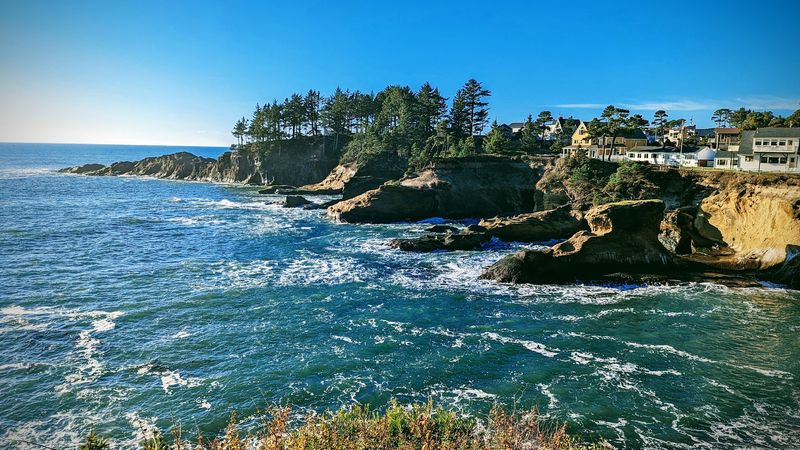
Depoe Bay does not try to be something it is not. It is a working coastal town with a genuine connection to the ocean, a harbor that defies expectations with every boat that squeezes through its narrow entrance, and a front-row seat to one of nature’s most reliable wildlife spectacles.
The whole place fits along a single stretch of highway, yet it manages to pack in whale watching, sea caves, charter fishing, fresh seafood, and some of the most dramatic coastal scenery in the Pacific Northwest. That is a lot of substance for a town of 1,515 people.
What stays with you after leaving is not any single attraction but the feeling of the place itself. The constant presence of the ocean, the sound of waves hitting rock, the moment a gray whale surfaces close enough to make your breath catch.
Depoe Bay earns its reputation not through hype but through simple, honest, spectacular geography. If the Oregon Coast is on your list, this small town deserves a serious spot near the top of it.
Share this story