Tucked into the high desert of central Oregon, there is a tiny town that most people drive past without a second glance. With a population of just over 130 people, it is the kind of place where the landscapes do the talking and the llamas occasionally steal the show.
The Painted Hills glow in shades of red, gold, and black just a short drive away, and the streets of this little community hold more personality than you might expect from a dot on the map. Once you know what is waiting here, you will want to slow down, pull over, and stay a while.
Welcome to Mitchell, Oregon: A Tiny Town With a Big Personality
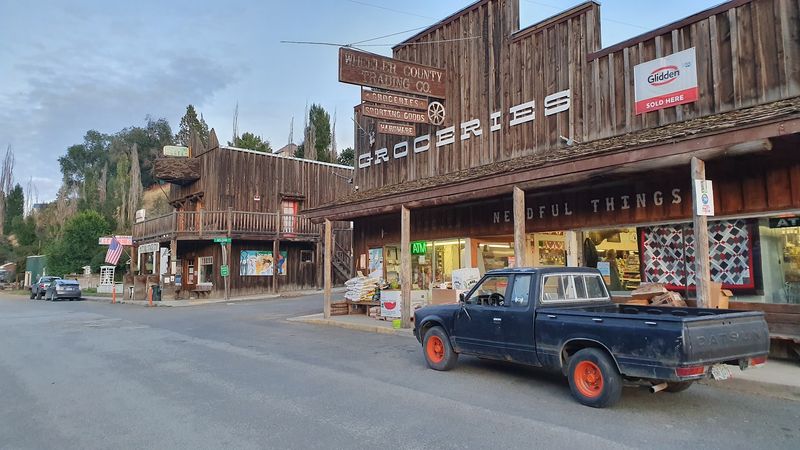
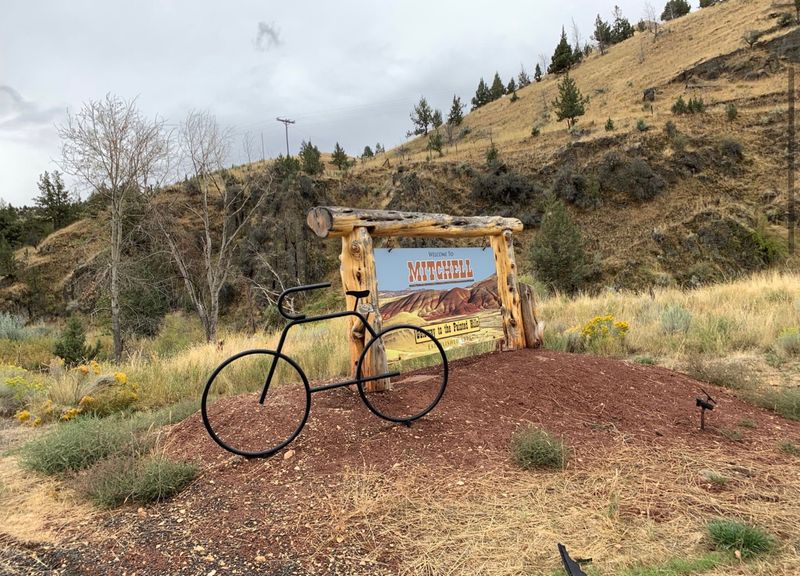
Mitchell sits at the heart of Wheeler County in central Oregon, right along Highway 26 at the address of Oregon 97750. Founded in 1873 and named after politician John H.
Mitchell, this town of roughly 138 residents has managed to hold onto its character through the decades.
The elevation here hovers around 2,800 feet, which means the air is crisp, the skies are enormous, and the sunsets are the kind that make you forget whatever was on your mind.
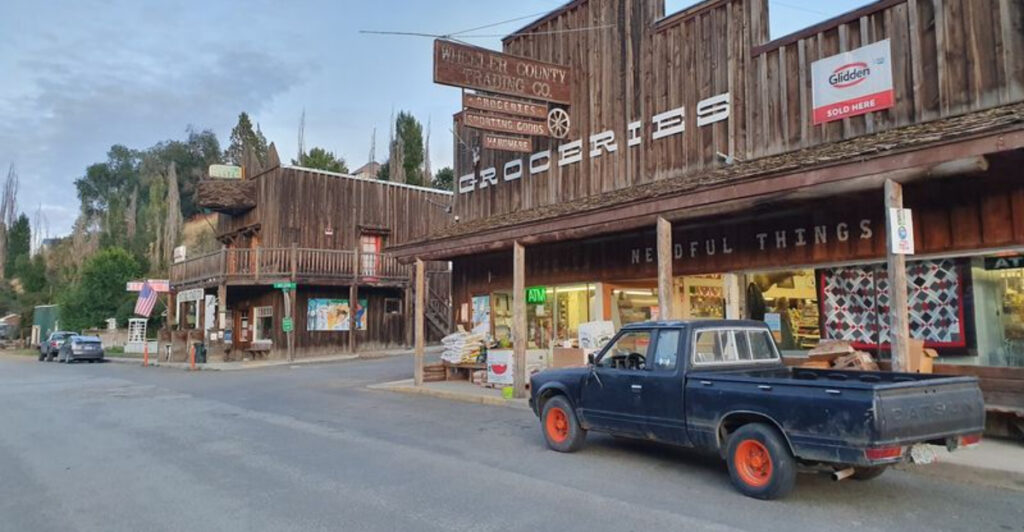
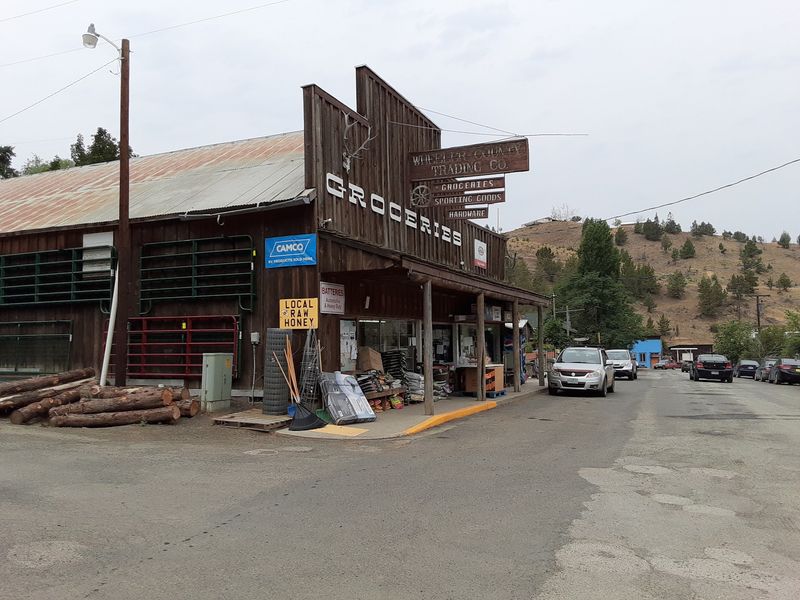
The town itself is just a few blocks long, with a handful of businesses, a welcoming community feel, and a pace of life that city dwellers often forget exists. There are no traffic jams, no crowds, and no rush.
Wheeler County is one of the least populated counties in the entire United States, and Mitchell wears that distinction with quiet pride.
The official town website at mitchelloregon.us gives visitors a basic rundown, but the real story of this place only reveals itself once you actually show up and look around.
The Painted Hills: Nature’s Own Color Palette
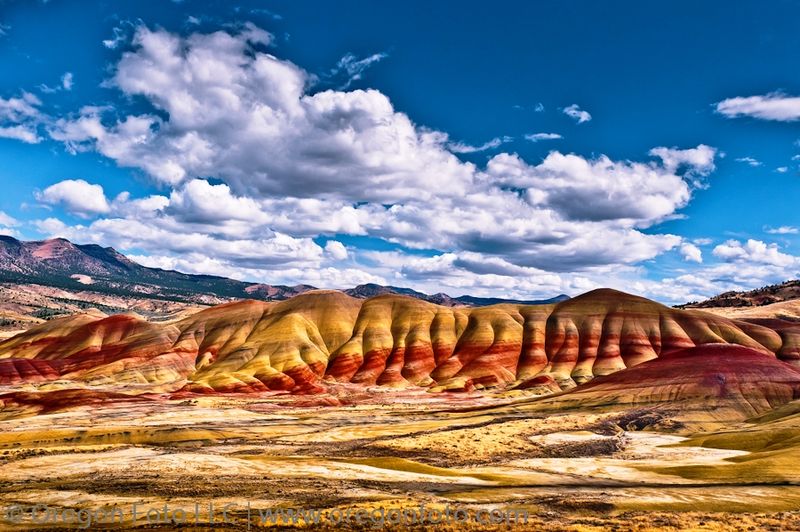
About nine miles northwest of Mitchell, the Painted Hills unit of the John Day Fossil Beds National Monument stands as one of the most visually striking landscapes in the entire Pacific Northwest. The hills are layered in bands of deep red, ochre yellow, black, and tan, created by millions of years of volcanic ash and ancient soil deposits.
The colors actually shift depending on the moisture in the air, so a cloudy morning can look completely different from a sunny afternoon. Photographers regularly make the trip specifically to catch that golden-hour glow when the reds look almost electric.
There are several short trails here, including the Painted Hills Overlook Trail and the Carroll Rim Trail, both of which offer sweeping views without demanding serious hiking experience. The round-trip distances are manageable for most fitness levels, making this accessible to families, older visitors, and casual walkers.
Admission to the national monument is free, which is genuinely one of the best deals in American nature tourism. The Painted Hills alone are worth the detour to Mitchell, but they are really just the beginning of what this region has to offer.
Tiger Town Brewing and the Local Hangout Scene
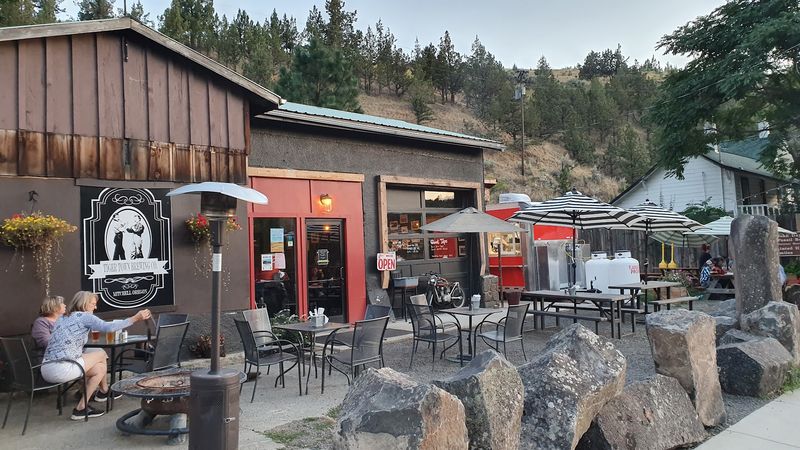
For a town with fewer than 150 residents, Mitchell punches above its weight when it comes to places to gather and eat. Tiger Town Brewing is the kind of local spot that becomes the social center of a small community, offering food and a relaxed atmosphere that feels genuinely welcoming to outsiders.
The name is a nod to local history and the spirited identity of the town, which has survived floods, fires, and economic shifts over the decades. Locals here are proud of their resilience, and that pride shows up in the way the community supports its businesses.
The menu leans toward hearty, satisfying food that suits travelers who have spent the morning hiking around the Painted Hills or exploring the fossil beds. Portions are generous, and the staff tend to be the kind of people who actually want to hear about your day.
Stopping here for a meal gives you a window into what daily life in Mitchell actually looks like. The conversations at the next table, the handwritten specials board, and the easy pace of service all tell you more about this town than any travel guide could.
The John Day Fossil Beds: A Window Into Deep Time
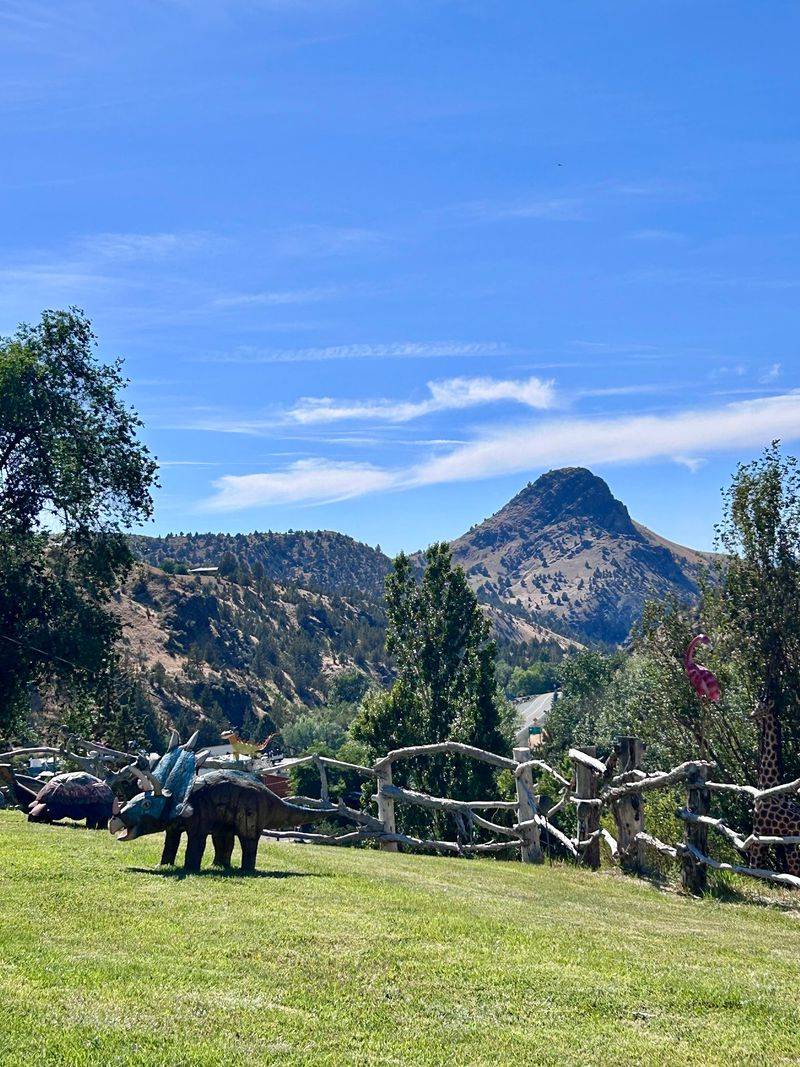
The broader John Day Fossil Beds National Monument, which includes the Painted Hills unit near Mitchell, is one of the richest fossil sites in the world. The monument covers three separate units spread across a wide stretch of central Oregon, and the Painted Hills unit is the most accessible from Mitchell.
Fossils found in this region span roughly 40 million years of prehistoric life, including ancient horses, saber-toothed cats, and plant species that no longer exist anywhere on Earth. The Thomas Condon Paleontology and Visitor Center, located in the Sheep Rock unit about 60 miles west, houses an impressive collection of fossils and interpretive displays.
Even within the Painted Hills unit itself, the geology is extraordinary. The visible rock layers represent distinct climatic periods, and scientists continue to study them to understand how the Pacific Northwest landscape changed over millions of years.
For curious travelers, this is the kind of place where you walk away feeling genuinely smarter. The scale of time represented in those colorful hillsides is humbling in the best possible way, and the national monument staff are enthusiastic about sharing that knowledge with anyone who asks.
Mitchell’s Wild Weather and the High Desert Climate
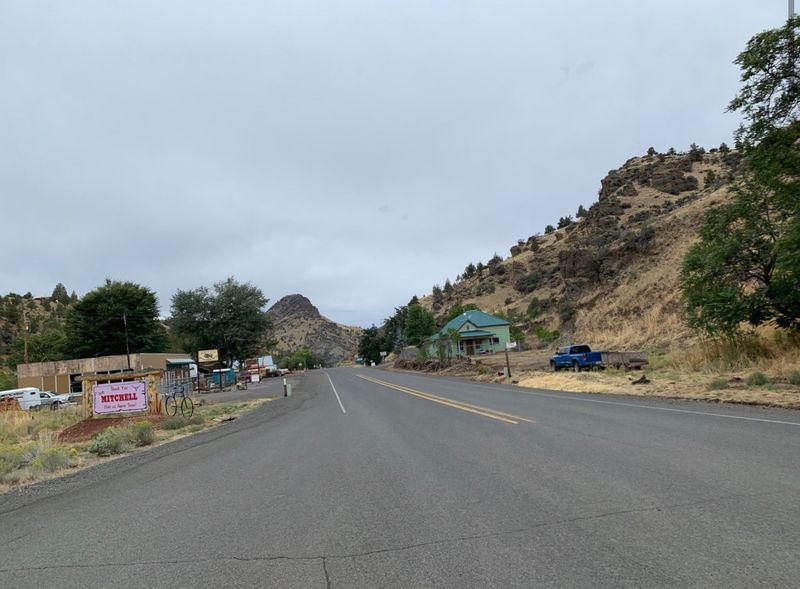
Central Oregon’s high desert is not exactly known for gentle, predictable weather, and Mitchell sits squarely in the middle of that unpredictability. Summer days can be blazing hot, with temperatures climbing well above 90 degrees Fahrenheit, while mornings and evenings cool down dramatically because of the elevation.
Spring and fall are arguably the best seasons to visit. The Painted Hills show their most vivid colors after rain, and the mild temperatures make hiking comfortable without requiring serious gear preparation.
Winter brings snow and cold that can catch visitors off guard, especially those driving through on Highway 26 without checking road conditions first. The Oregon Department of Transportation provides live road condition updates, which is worth bookmarking before any winter trip to this area.
Mitchell has also experienced significant flooding events historically, most notably in the early 20th century when flash floods caused serious damage to the town. The community rebuilt each time, and that history of perseverance is part of what gives Mitchell its particular toughness and charm.
The weather here keeps everyone honest, and locals would not have it any other way.
Stargazing in One of Oregon’s Darkest Skies
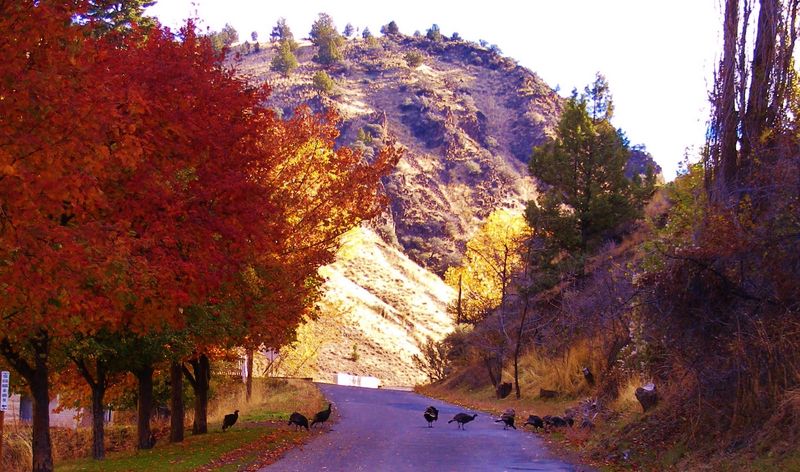
Wheeler County consistently ranks among the darkest places in Oregon when it comes to light pollution, which means the night skies above Mitchell are genuinely spectacular. On a clear night, the Milky Way stretches across the entire sky in a way that is almost disorienting if you are used to city light pollution washing everything out.
The combination of low population density, minimal artificial lighting, and high elevation creates near-perfect conditions for amateur astronomers and casual stargazers alike. Bring a blanket, find a flat open spot outside of town, and give your eyes about 20 minutes to fully adjust to the dark.
The best stargazing conditions typically occur during new moon phases when the lunar light does not compete with the stars. Summer nights offer warm temperatures that make lying outside comfortable, while fall brings exceptionally clear atmospheric conditions that sharpen the view even further.
Several visitors make the trip to Mitchell specifically for the night sky experience, treating the Painted Hills by day and the star fields by night as a two-part natural spectacle. It is the kind of experience that stays with you long after you have driven back to wherever you came from.
Highway 26 and the Scenic Drive Into Mitchell
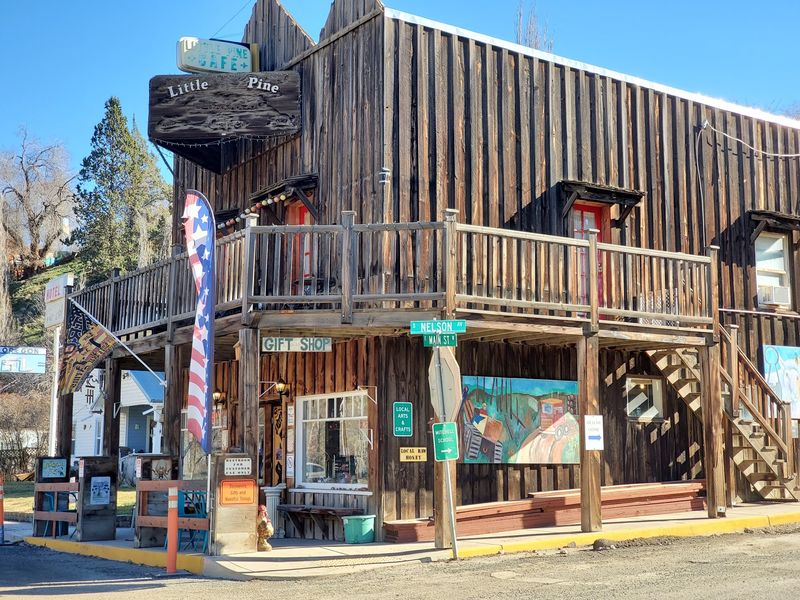
The drive to Mitchell along Highway 26 is itself a reason to make the trip. The road cuts through a landscape that shifts gradually from pine forest to open sagebrush plains to canyon country, giving you a compressed tour of central Oregon’s ecological diversity over the course of a few hours.
Coming from the west, you pass through the Ochoco National Forest before the terrain opens up into the wide, dry valley where Mitchell sits. The transition is striking, and the moment the high desert spreads out in front of you, the sense of space becomes almost physical.
The highway also connects Mitchell to the town of Prineville to the west and to John Day to the east, making it a natural stopping point on a longer Oregon road trip. Many travelers include Mitchell as part of a loop that also takes in the Crooked River Gorge and the Ochoco Mountains.
Gas up before you head out, because services along this stretch are spaced far apart. The drive rewards patience and a willingness to pull over when something catches your eye, which on this road happens more often than you might expect.
The History of Mitchell: From Founding to Flash Floods
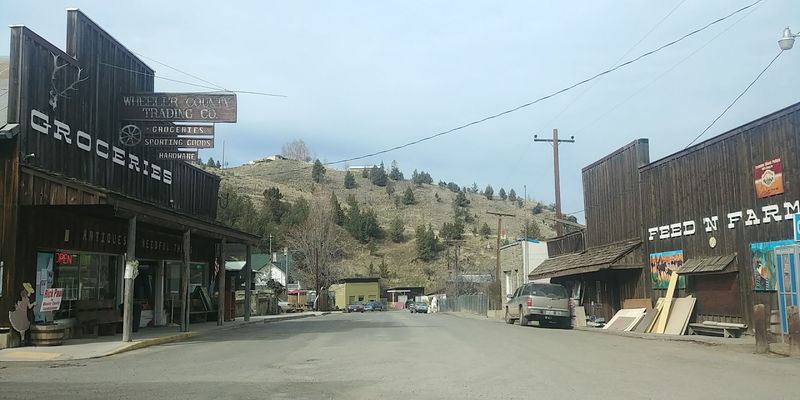
Mitchell was founded in 1873, making it one of the older settlements in this part of Oregon. It was named after John H.
Mitchell, a U.S. Senator from Oregon who was a prominent political figure during the late 19th century, though his legacy is complicated by a conviction for land fraud later in his career.
The town grew as a supply center for ranchers and miners working the surrounding land, and it developed a modest but functional commercial district along its main street. The surrounding Wheeler County was carved out of Grant and Crook counties in 1899, and Mitchell became an important hub for the region’s sparse population.
Flooding has been one of the defining challenges of Mitchell’s history. The town sits in a position that makes it vulnerable to flash floods during heavy rain events, and several significant floods over the decades caused real damage to buildings and infrastructure.
Each time, the community came back and rebuilt. That pattern of resilience is woven into the identity of the town, and longtime residents speak about it with a matter-of-fact pride rather than drama.
Mitchell’s history is not glamorous, but it is genuinely tough, and that toughness shows in the place itself.
Wildlife Watching in the Surrounding Canyon Country
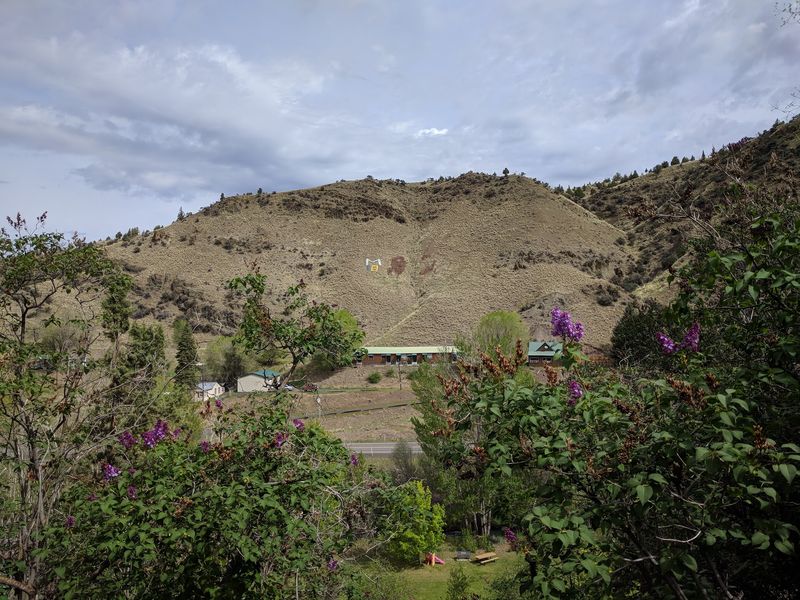
The high desert around Mitchell is home to a surprisingly rich variety of wildlife, and spending time quietly in the landscape rewards patient observers. Golden eagles are a common sight, riding thermals above the canyon rims with effortless precision.
Mule deer appear frequently along roadsides, especially in the early morning and evening hours. Pronghorn antelope, the fastest land animal in North America, can sometimes be spotted moving across the open flats at speeds that seem impossible for an animal of their size.
Coyotes are vocal and visible throughout the region, particularly at dusk, and the occasional black bear has been reported in the forested areas closer to the Ochoco Mountains. Birdwatchers find the area particularly rewarding, with species ranging from red-tailed hawks and prairie falcons to smaller songbirds that cluster around the riparian areas along Bridge Creek.
The key to good wildlife watching in this area is simply slowing down and staying quiet. The animals here are not habituated to heavy human traffic, which means encounters feel genuinely wild rather than staged.
Bring binoculars, keep your distance, and let the landscape do what it does best.
Bridge Creek and the Riparian Heart of the Valley
Bridge Creek runs through the Mitchell area and provides a thin ribbon of green in an otherwise dry landscape. The creek is part of the John Day River watershed, eventually joining the larger river system that drains a significant portion of central Oregon.
The riparian zone along Bridge Creek supports plant and animal life that would not survive in the surrounding desert, including willows, cottonwoods, and a variety of bird species that depend on the water and shade. It is a striking contrast to the open sagebrush flats just a short distance away.
The creek has also shaped the town’s history in complicated ways. Mitchell’s flood vulnerability is directly connected to its position along Bridge Creek, and heavy rain events can turn the normally modest stream into something much more forceful and unpredictable.
For visitors, the creek offers a pleasant spot to sit and decompress after a morning of hiking or driving. The sound of moving water in the middle of the high desert carries a particular quality of surprise and relief.
It is one of those small details about Mitchell that sticks with you after you have left, quietly reminding you that the place is more layered than it first appears.
Tips for Visiting Mitchell and Making the Most of Your Trip
A few practical notes go a long way when you are planning a trip to Mitchell. The town is small, and its services are limited, so arriving prepared makes the difference between a smooth visit and a frustrating one.
Fill your gas tank in Prineville or John Day before heading to Mitchell, as fuel options in town are minimal. Pack more water than you think you need, especially in summer, because the dry high desert air dehydrates you faster than most people expect.
The best time to visit the Painted Hills is either early morning or late afternoon, when the light is softer and the colors appear most saturated. Midday sun tends to flatten the visual impact of the hills, so timing your visit thoughtfully pays off in better photographs and a more memorable experience.
Cell service in Mitchell and the surrounding area is limited, so download offline maps and any trail information before you leave a larger city. The Mitchell area rewards visitors who come with curiosity and flexibility rather than a rigid agenda.
The pace of life out here runs on its own schedule, and the sooner you match it, the better your trip will be.
Share this story