Massachusetts is packed with quiet places where injured owls, orphaned turtles, and other rescued animals get a second chance. Many of these spots welcome visitors who want to learn, wander a trail, and see native wildlife up close in a respectful way.
The best part is that plenty of them are affordable and close to home, so you do not need a big trip to make a day of it. Here are eleven sanctuaries around the state where curiosity is rewarded and the animals come first.
1. Blue Hills Trailside Museum, Milton
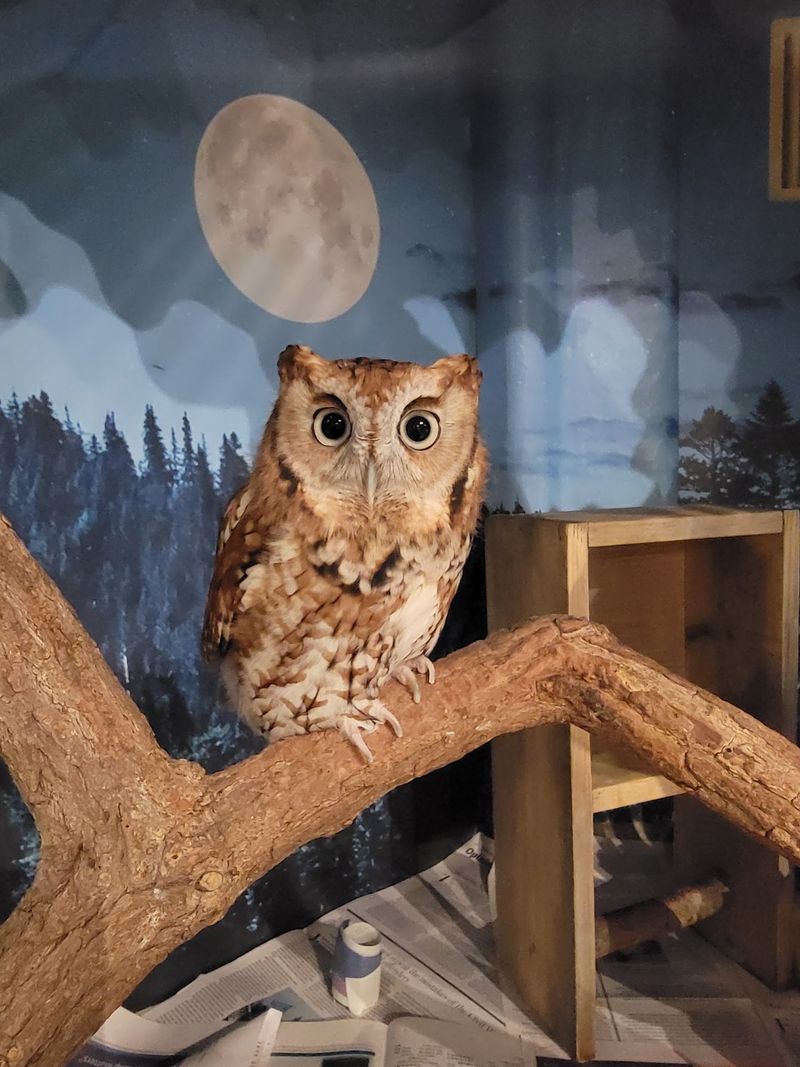
Run in partnership with Mass Audubon, the Trailside Museum sits at the foot of the Blue Hills Reservation and serves as a gateway to one of the largest green spaces near Boston.
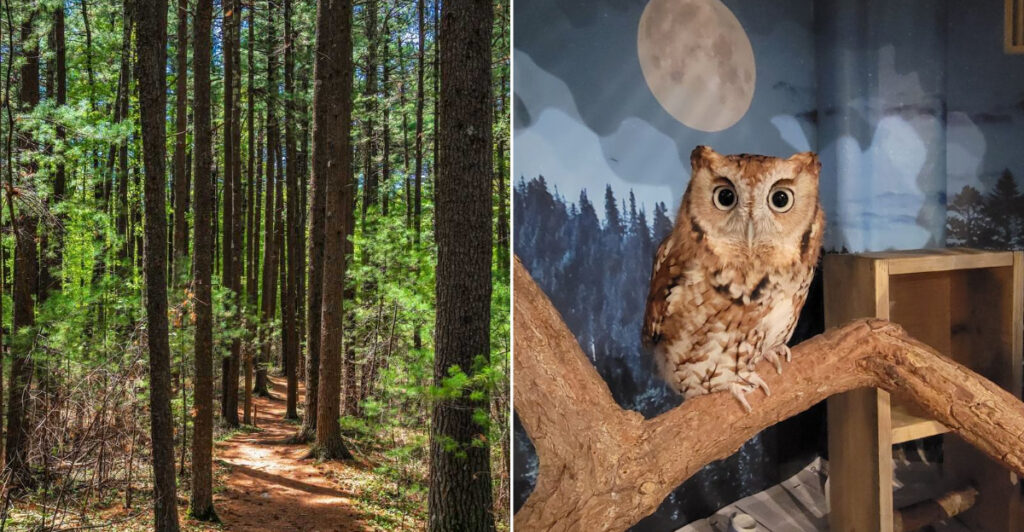
The site is home to native animals that cannot be released to the wild, including deer, an owl, a turkey, and other creatures found in New England woods. Indoor exhibits explain the geology and wildlife of the Blue Hills, which makes it a solid rainy-day option.
Families like it because you can pair a museum visit with an actual hike right out the door. Modest admission keeps the cost low, and it is an easy drive from the city.
2. Cape Wildlife Center, Barnstable
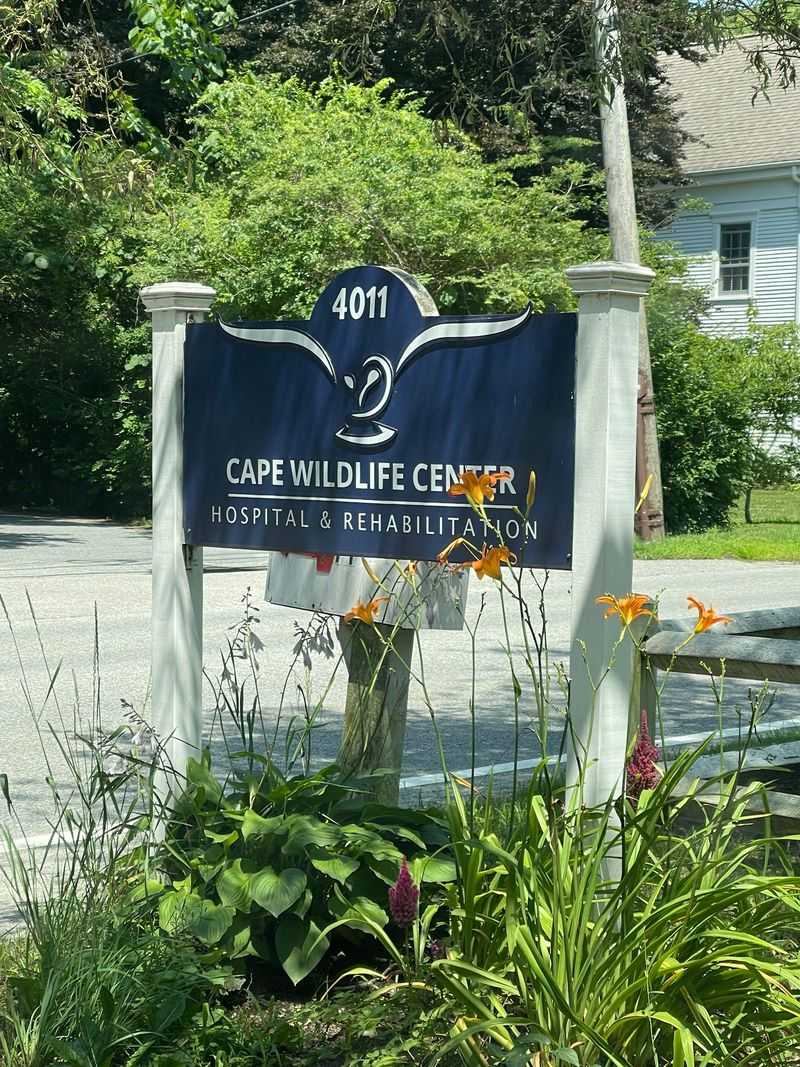
Down on Cape Cod, this rehabilitation center takes in thousands of injured and orphaned animals every year, from songbirds to turtles to small mammals.
Operated as a wildlife hospital, its main mission is treating patients and returning them to the wild, so it is not a walk-through zoo. What it offers instead is educational programming and events where the public can learn how rescue and release actually work.
For animal lovers who care about the behind-the-scenes side of rehabilitation, it is a meaningful stop. Call ahead or check the schedule, since access depends on programs rather than daily open hours.
3. Drumlin Farm Wildlife Sanctuary, Lincoln
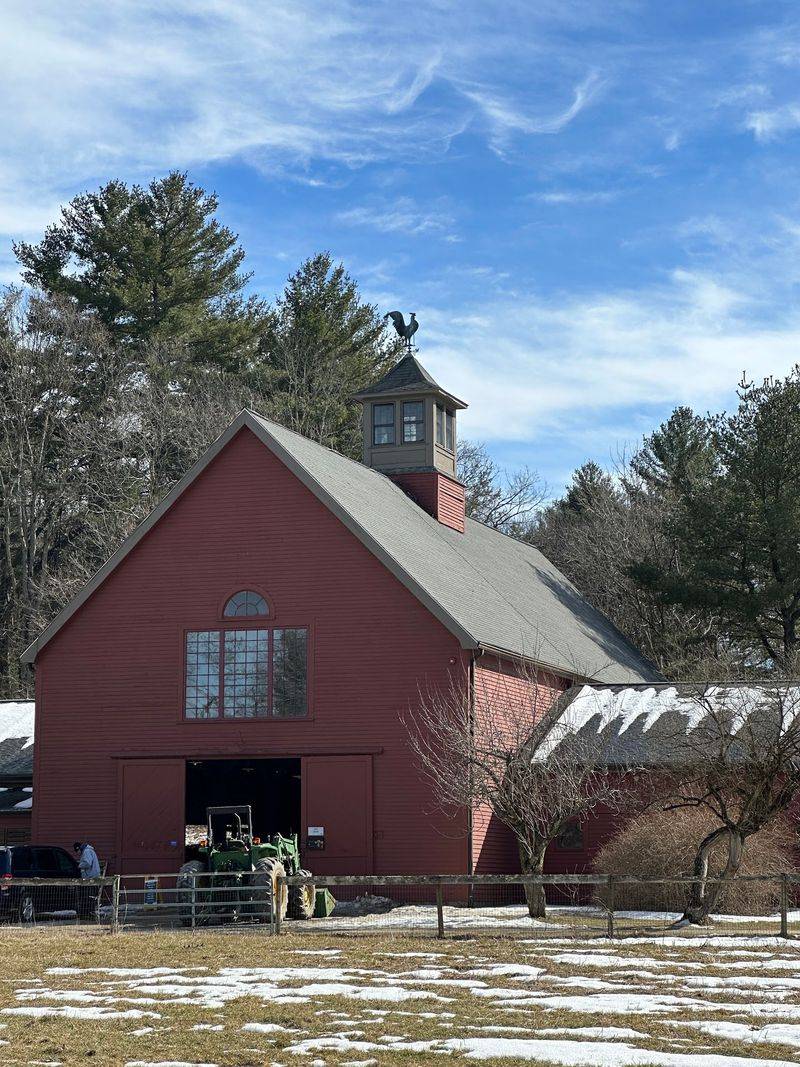
Part farm and part wildlife sanctuary, Drumlin Farm blends barnyard animals with native New England wildlife that cannot survive on their own.
Owned by Mass Audubon, the property has resident foxes, owls, hawks, and other rescued animals living in naturalistic enclosures alongside pigs, sheep, and chickens.
Kids can meet farm animals while adults learn about the wild residents and the reasons they arrived here. Walking trails wind through fields and woods, so a visit easily fills a morning.
Admission is discounted for Mass Audubon members, which makes it a repeat-worthy outing for local families.
4. Broadmoor Wildlife Sanctuary, Natick
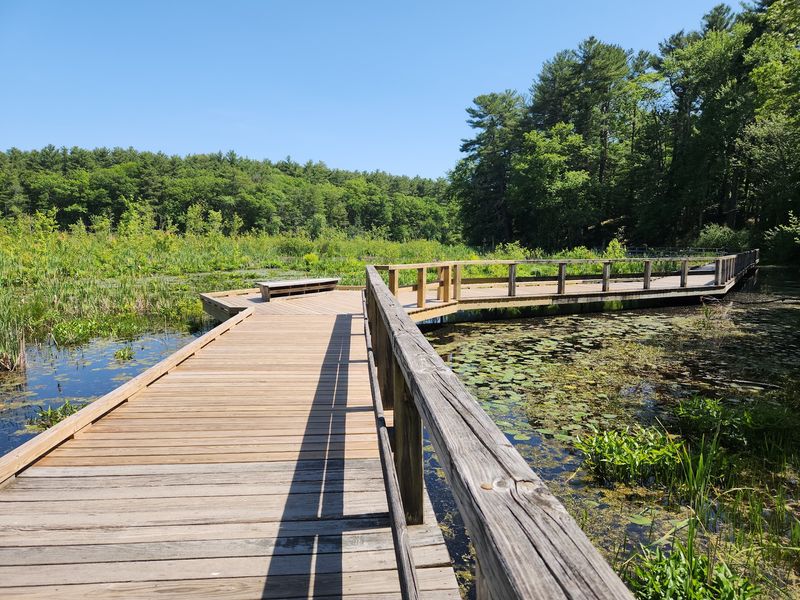
Wetlands, woods, and a quiet nature center make Broadmoor a favorite for people who want trails more than enclosures.
Managed by Mass Audubon, the sanctuary protects hundreds of acres along the Charles River watershed, with boardwalks that carry you over marsh where turtles and herons hang out.
The visitor center hosts programs about local wildlife and conservation, and staff often share stories about the animals they help.
I like this one for a slow-paced walk when you want to spot creatures in their natural setting rather than behind glass. Parking is easy, and the trails are well marked for first-timers.
5. Ipswich River Wildlife Sanctuary, Topsfield
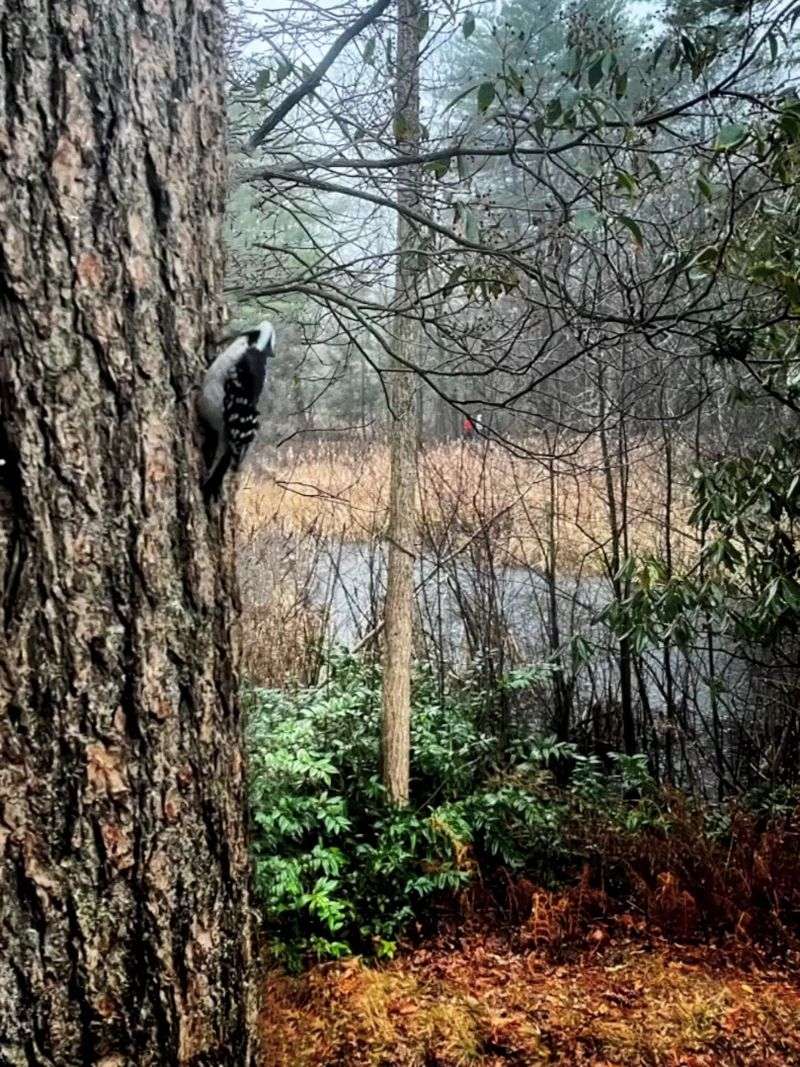
With more than ten miles of trails and a river running through it, Ipswich River is one of Mass Audubon’s larger sanctuaries in the state.
Paddlers can launch canoes on the water, while walkers explore glacial landscapes, rock formations, and quiet ponds where beavers and waterfowl live.
The property is a haven for migrating birds, and the nature programs help visitors understand the animals sharing these habitats.
For a road trip in the North Shore area, it delivers both scenery and wildlife watching in one affordable stop. Bring good shoes, because the trail network rewards a longer wander.
6. Stony Brook Wildlife Sanctuary, Norfolk
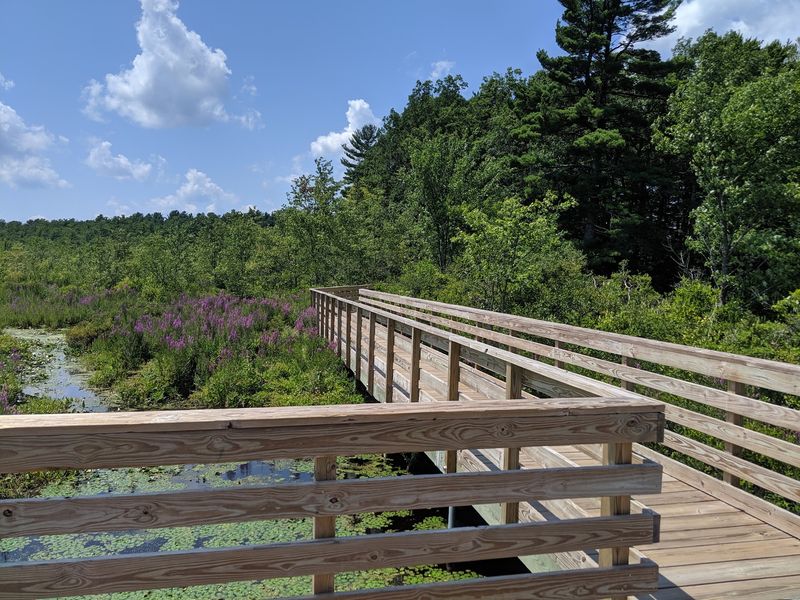
Ponds ringed by boardwalks give Stony Brook a peaceful, water-focused feel that sets it apart from the woodsier sanctuaries.
This Mass Audubon site in Norfolk is known for its accessible trails and abundant turtles, frogs, and dragonflies during warmer months.
The nature center offers seasonal programs, and the flat paths make it welcoming for visitors of all walking abilities.
If you want a short, relaxed outing where wildlife sits close to the trail, this is a smart pick. Spring and early summer are especially lively for spotting amphibians near the water.
7. Wachusett Meadow Wildlife Sanctuary, Princeton
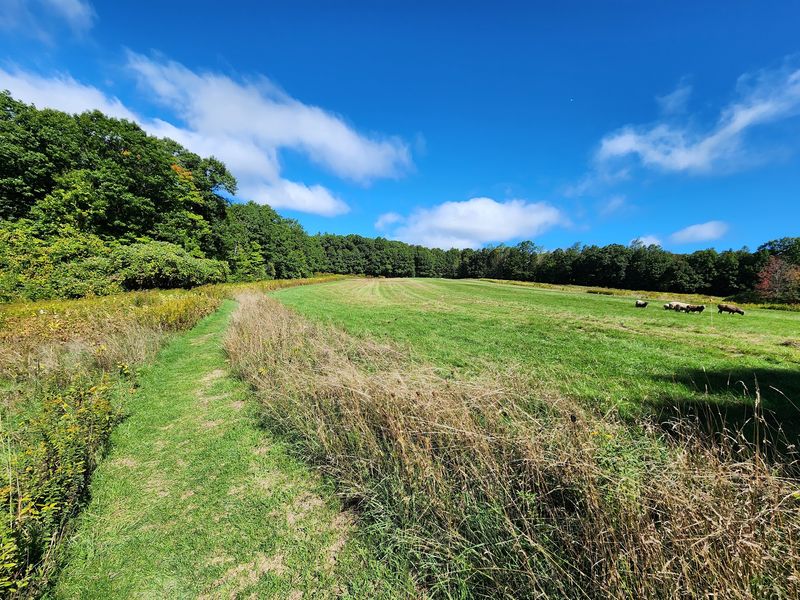
Home to a famously huge old maple and views toward Mount Wachusett, this central Massachusetts sanctuary leans into open meadows and rolling terrain.
Mass Audubon manages the property, which mixes farm history with protected habitat for birds, deer, and other wildlife.
Miles of trails climb through fields and forest, and the beaver pond area is a reliable spot for watching wetland animals go about their day.
For anyone in the Worcester area craving fresh air and wildlife without a long drive, it hits the mark. The higher elevation also makes fall visits especially colorful.
8. Wellfleet Bay Wildlife Sanctuary, South Wellfleet
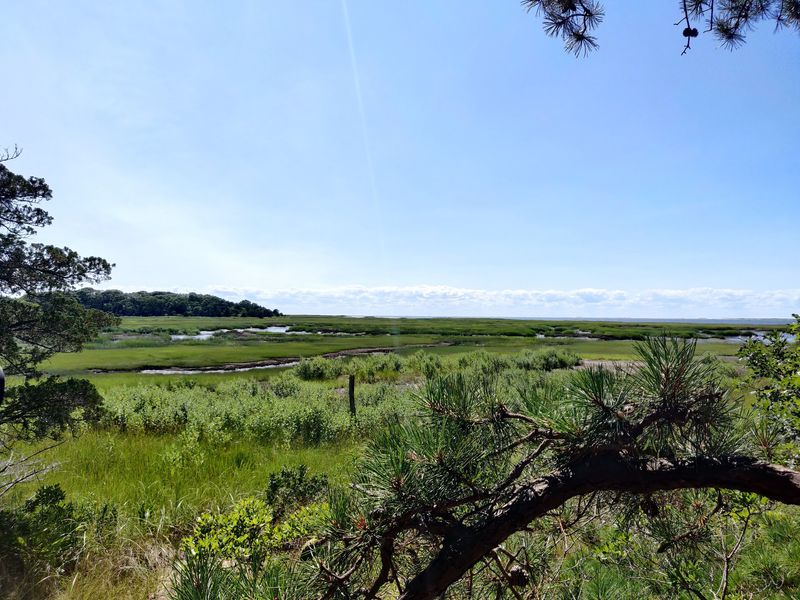
Salt marsh, tidal flats, and pine woods come together at this Cape Cod sanctuary, which is a paradise for anyone who loves shorebirds and coastal creatures.
Run by Mass Audubon, Wellfleet Bay protects habitat for turtles, birds, and marine life, and the center plays a role in local wildlife rescue and research.
Trails lead out to the water where you can watch the tide reshape the flats and see wildlife feeding.
The nature center offers exhibits and programs, and cranberry bogs on the property add to the variety. It is one of the more memorable stops on a Cape day trip.
9. Mass Audubon Berkshire Sanctuaries (Pleasant Valley), Lenox
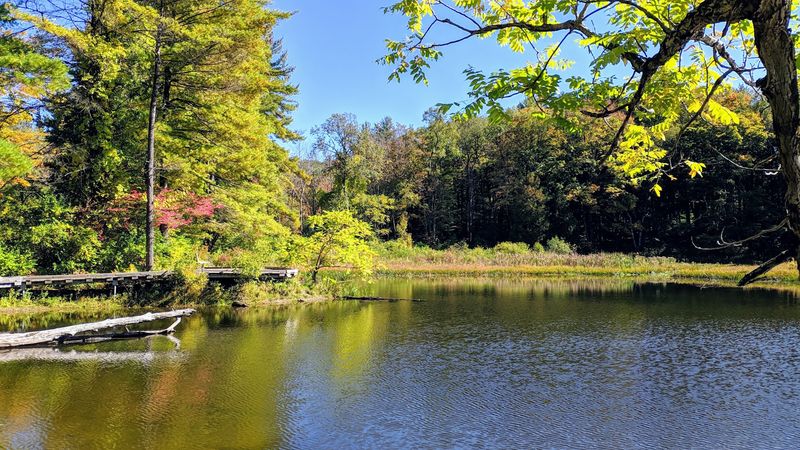
Out in the Berkshires, Pleasant Valley Wildlife Sanctuary gives western Massachusetts its own doorway into native habitat and animal watching.
Beaver ponds, hemlock forests, and hillside trails support a wide range of wildlife, and the beaver lodges here are a longtime draw.
Mass Audubon runs programs that explain the ecosystem and the animals that call it home, which turns a hike into a lesson.
Pair it with a foliage drive and you have a full Berkshire day for very little money. The trails range from easy to more ambitious, so you can match the walk to your mood.
10. Joppa Flats Education Center, Newburyport
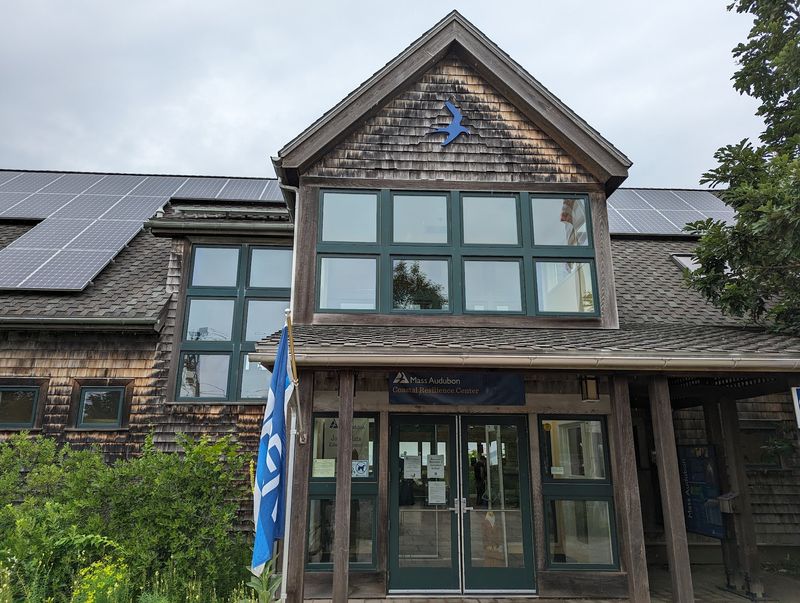
Perched near the Merrimack River and Plum Island, Joppa Flats is built around watching wildlife on one of the richest birding stretches in the state.
The Mass Audubon center overlooks tidal flats where shorebirds, waterfowl, and seals gather depending on the season.
Spotting scopes, exhibits, and knowledgeable staff make it easy for beginners to identify what they are seeing.
For a North Shore outing that blends coastal scenery with hands-on learning, it is hard to beat. Winter and migration seasons bring some of the most dramatic wildlife viewing here.
11. Moose Hill Wildlife Sanctuary, Sharon
As the oldest Mass Audubon sanctuary, Moose Hill carries a bit of history along with its trails.
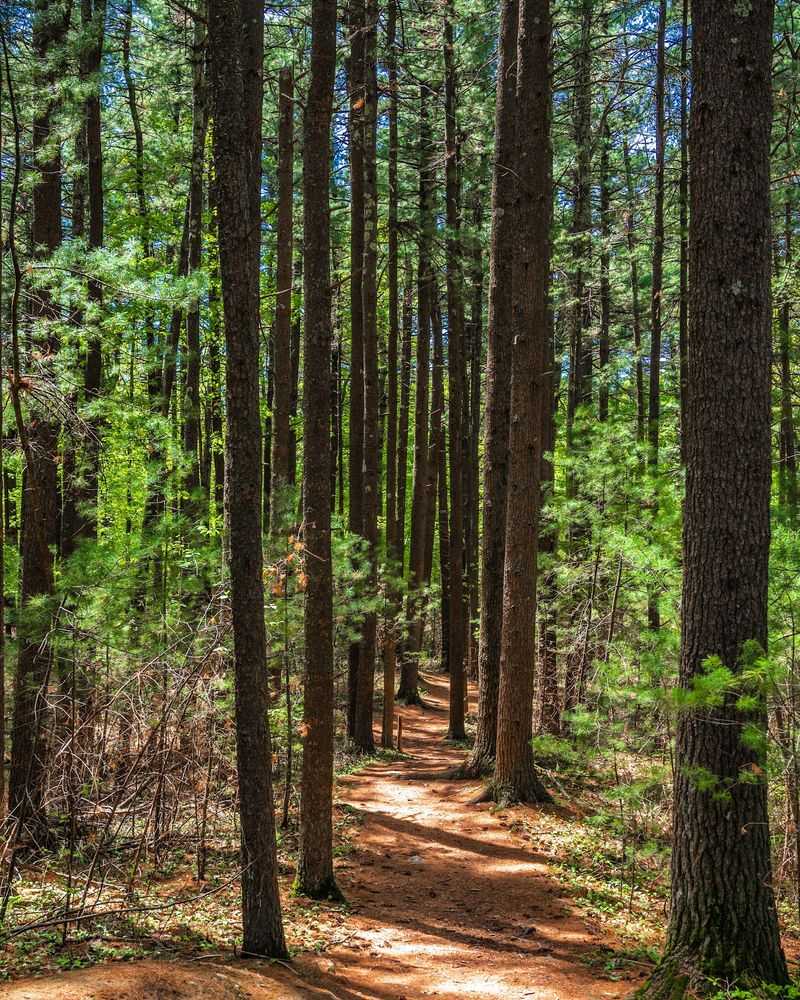
The Sharon property protects forested hills, wetlands, and rocky ledges, with paths that reach overlooks and connect to a larger trail network.
Wildlife here ranges from woodland birds to amphibians in the vernal pools, and seasonal programs help visitors understand what lives in each habitat.
A working sugarhouse ties the land to its farming past, and maple sugaring season draws families each spring. For a close-to-home escape with easy trails and real backstory, it closes out this list nicely.
Share this story