The summer of 1960 had a soundtrack unlike any other season before it. Rock and roll was barely five years into its mainstream life, teen idols were selling millions of records, and a single song could travel from a jukebox to a transistor radio to a neighborhood dance in a matter of days. American pop music in 1960 was genuinely unpredictable, mixing novelty records with emotional ballads, instrumental guitar hits with rhythm-and-blues crossovers, and operatic pop with doo-wop harmonies. The Billboard Hot 100 chart had only launched in 1958, so the music industry was still figuring out how to measure and respond to what audiences actually wanted.
What resulted was one of the most eclectic summers in pop history. The 12 songs covered here represent that variety honestly, ranging from chart-toppers that stayed at No. 1 for weeks to records that quietly shaped what came next. Each one tells a small but specific story about where American music was heading.
1. Cathy’s Clown by The Everly Brothers
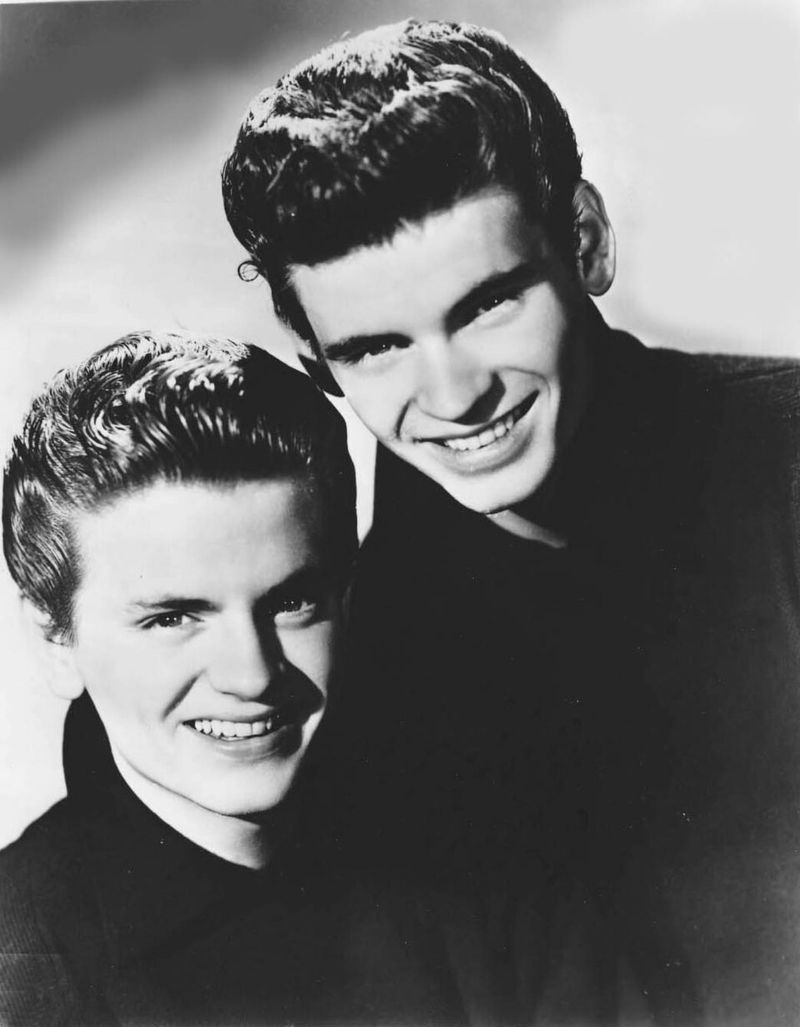
Warner Bros. Records had a major debut on its hands when Don and Phil Everly released this dramatic breakup song in April 1960. It shot to No. 1 on the Billboard Hot 100 and stayed there for five weeks, making it one of the dominant records of the entire year.
What made the song structurally unusual was its decision to open on the chorus rather than a verse, a choice that was rare in pop music at the time. There are no traditional verses at all, just bridges and repeating choruses, which gave the record an urgent, almost relentless quality.
The Everlys’ close harmonies had always been their signature, but the pounding rhythm on this track added a harder edge than much of their earlier work. It also reached No. 1 in the UK for seven weeks during May and June, confirming that the song’s appeal extended well beyond American radio.
2. Everybody’s Somebody’s Fool by Connie Francis
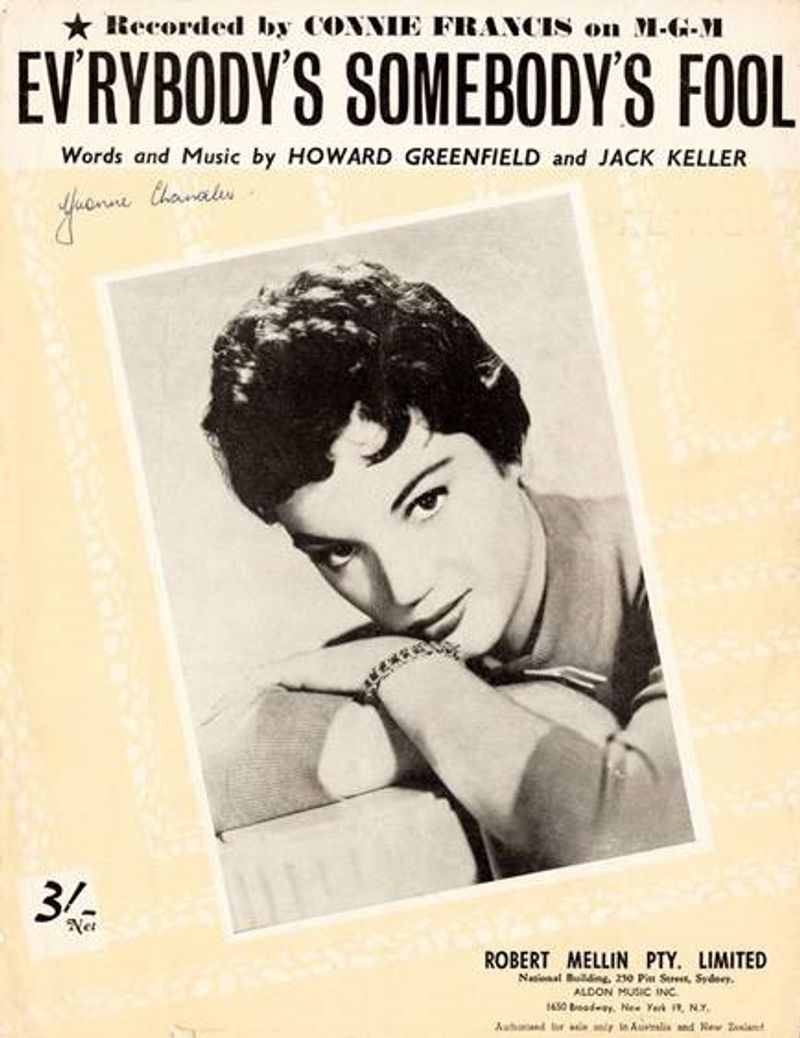
Originally planned as a B-side, this song found its way to the front of the record after American radio stations repeatedly chose it over the intended A-side. That kind of audience-driven reversal was not uncommon in the early 1960s, when disc jockeys had real influence over which tracks got attention.
The song reached No. 1 on the Billboard Hot 100 on June 27, 1960, and held that position for two weeks. It was also a historic chart moment, as it became the first song by a solo female artist to reach the top spot on the Hot 100.
Francis sings about giving romantic advice she cannot follow herself, which gave the record a self-aware quality that set it apart from more straightforward pop ballads of the period. The polished MGM production, complete with lush orchestration, made it a natural fit for both radio and the pop mainstream of 1960.
3. Please Help Me, I’m Falling by Hank Locklin
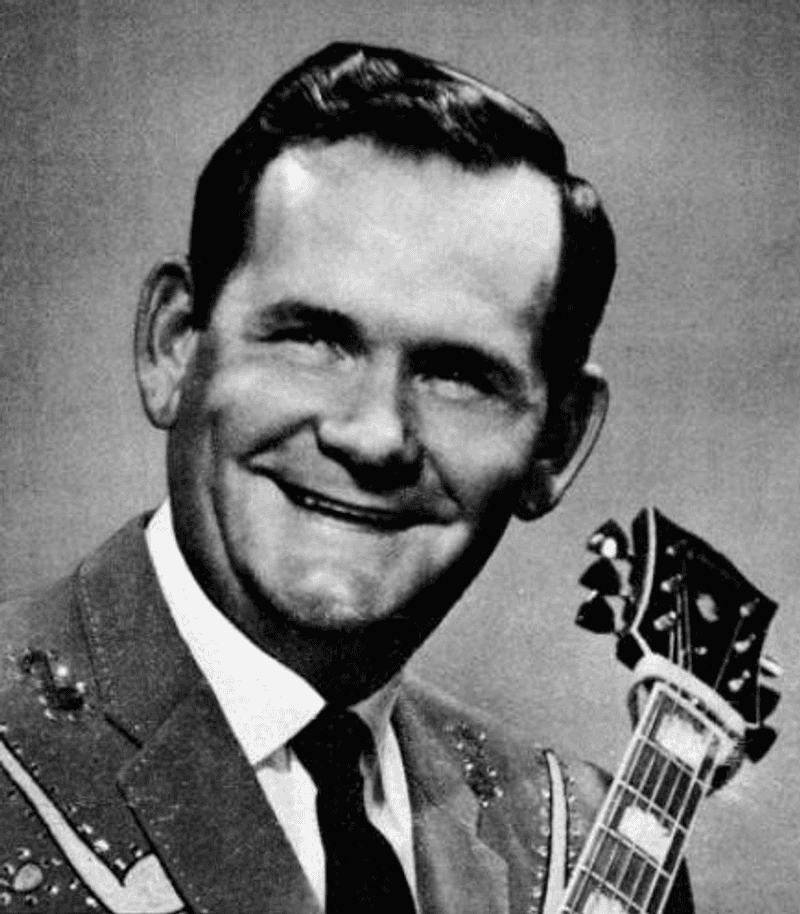
Country music had a major presence on American radio in 1960, and Hank Locklin’s Please Help Me, I’m Falling became one of the year’s biggest crossover successes. Released in February, the song spent an extraordinary 14 weeks at No. 1 on Billboard’s country chart, keeping it prominent throughout much of the summer. It also crossed over to the pop audience, reaching the Top 10 on the Billboard Hot 100.
The gentle piano-led arrangement and Locklin’s restrained performance gave the song an immediately recognizable sound. Its story of someone struggling with feelings for another person connected with audiences far beyond traditional country listeners. During a summer filled with teen idols, novelty songs, and rock and roll, Please Help Me, I’m Falling demonstrated just how easily a great country ballad could cross musical boundaries.
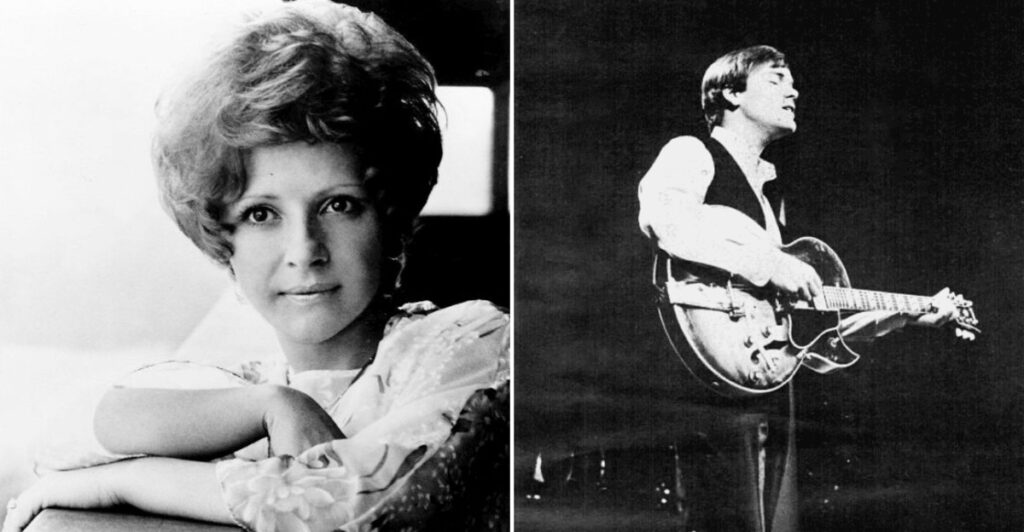
4. I’m Sorry by Brenda Lee
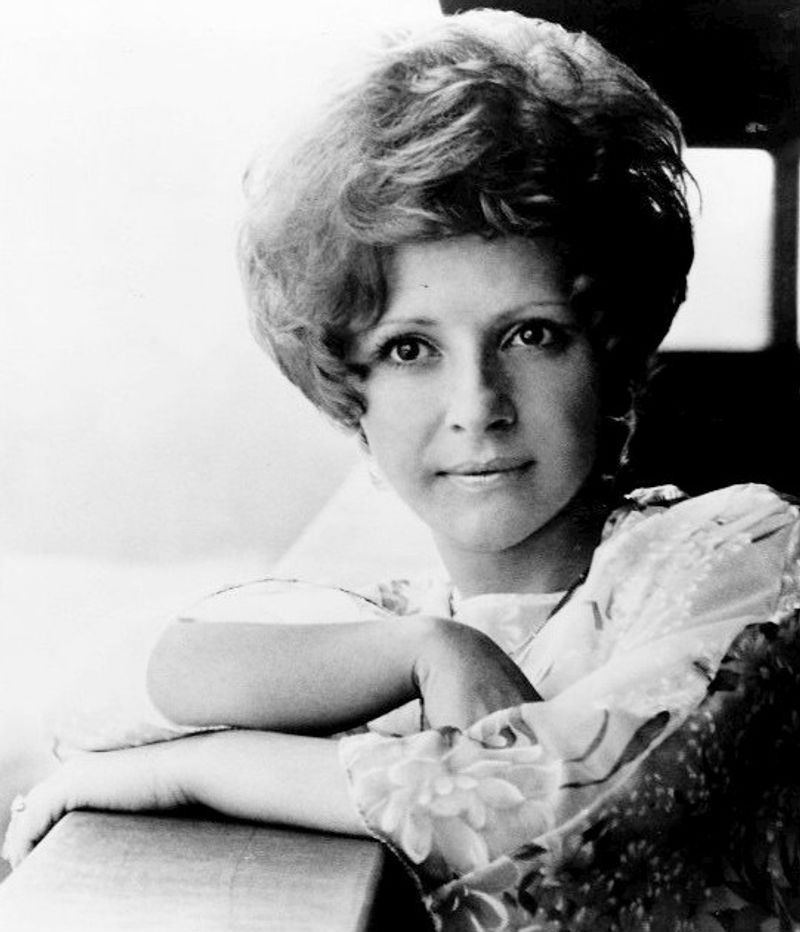
Brenda Lee was 15 years old when this ballad reached No. 1 on the Billboard Hot 100 in July 1960, staying there for three weeks. The performance was remarkable not just for her age but for the emotional control she displayed over material that demanded genuine vocal maturity.
The song was originally intended to be the B-side to a track called That’s All You Gotta Do, but radio programmers latched onto it immediately. AllMusic later described it as Lee’s definitive song and one of the finest teen pop recordings of its era, high praise that has held up well over the decades.
The lush orchestral arrangement gave the record a fuller sound than much of the teen pop surrounding it on the charts. Lee’s ability to deliver convincing heartbreak at such a young age distinguished her from many of her contemporaries and helped establish a long-term career that extended well beyond the early 1960s pop moment.
5. Itsy Bitsy Teenie Weenie Yellow Polka Dot Bikini by Brian Hyland
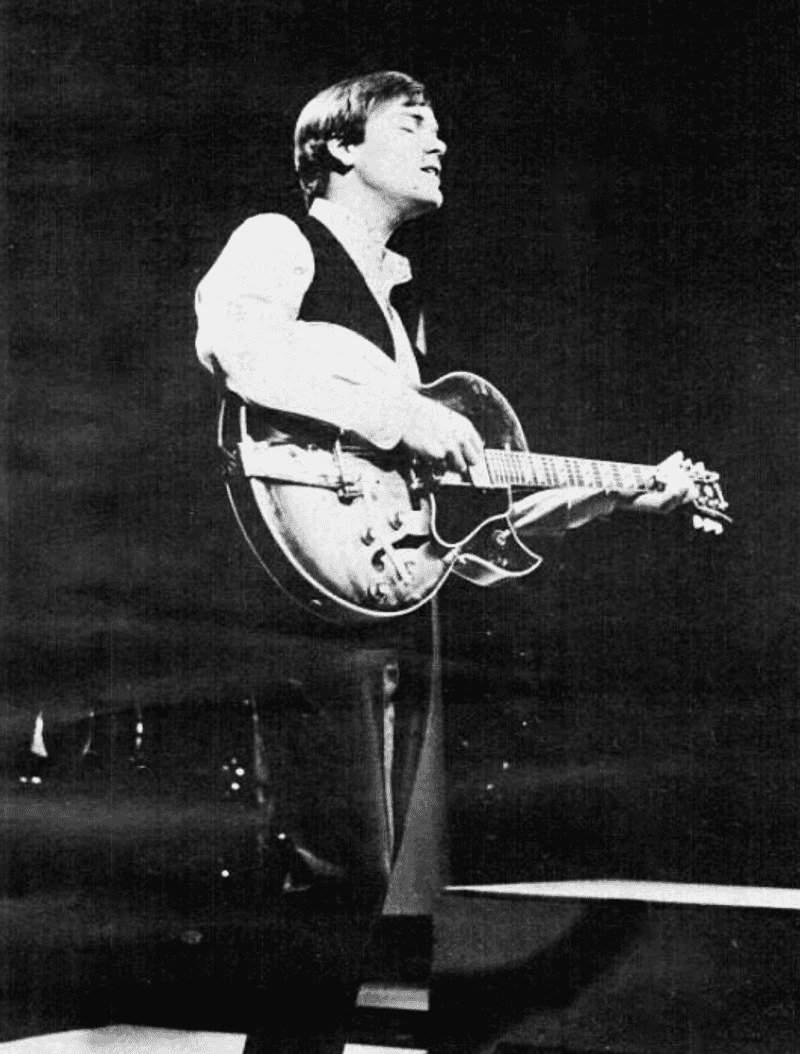
Brian Hyland was 16 years old when this record reached No. 1 on the Billboard Hot 100 on August 8, 1960. The song’s premise was simple: a shy girl at the beach refuses to come out from behind her towel because her new bikini is too revealing. That premise connected with a very specific cultural moment.
The bikini swimsuit was still considered bold and even controversial in 1960, and the song’s playful treatment of the subject helped normalize it for mainstream American audiences. Historians of fashion have credited the record with contributing to increased acceptance and sales of the style that summer.
Its structure, built around a repeated countdown-style refrain, made it almost impossible to hear once without memorizing. The title alone became a cultural shorthand for a certain kind of carefree summer pop. Decades later, the song was covered and sampled multiple times, proving that its combination of catchy structure and seasonal subject matter had real staying power.
6. It’s Now or Never by Elvis Presley
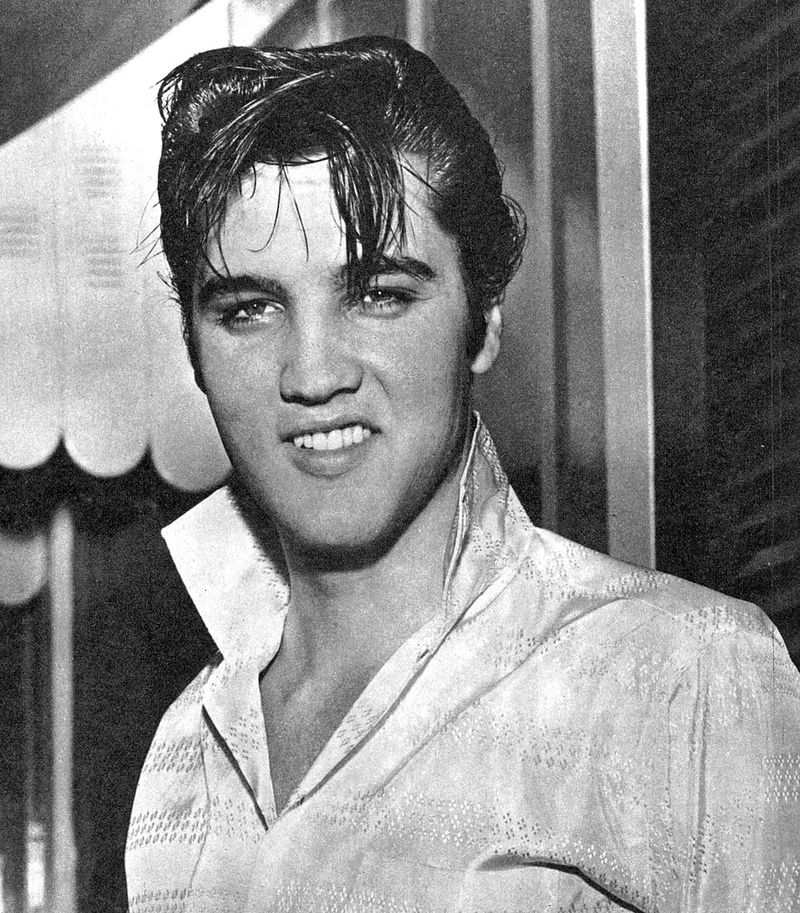
After returning from two years of military service in West Germany, Elvis Presley needed a record that would reestablish his commercial dominance. This July 1960 release did exactly that, reaching No. 1 on the Billboard Hot 100 on August 15 and holding the position for five weeks.
The song’s melody was adapted from the Italian standard O Sole Mio, giving it a sweeping, almost operatic quality that was unlike anything in Presley’s earlier catalog. That willingness to move beyond traditional rock and roll signaled a deliberate shift in direction, one that his management had been planning since before his military service ended.
The record also spent eight weeks at No. 1 in the United Kingdom, confirming that Elvis remained a global commercial force. At a time when American pop was crowded with teen idols and novelty acts, the ambition of this recording stood out. It remains one of the best-selling singles of his career by any measure.
7. The Twist by Chubby Checker
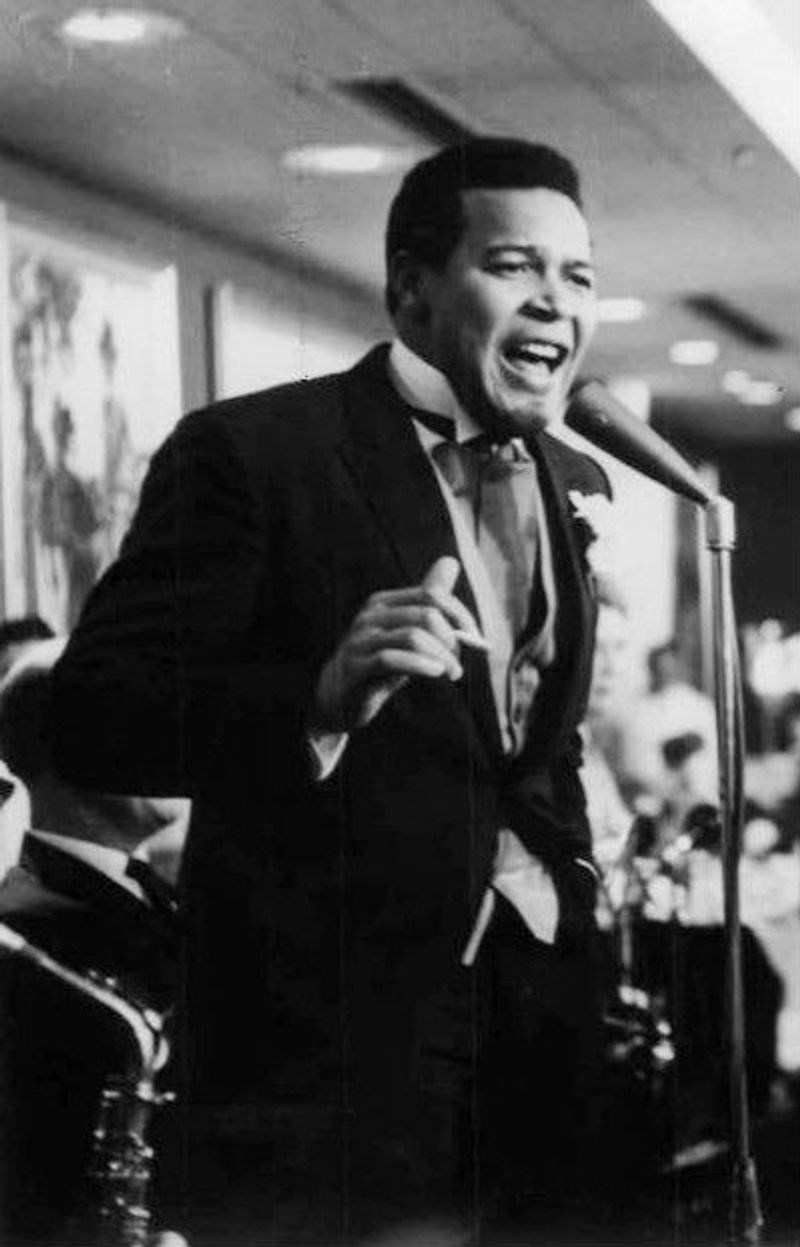
Hank Ballard wrote and first recorded The Twist in 1958, but it was Chubby Checker’s 1960 cover that turned the song into a cultural event. Checker’s version entered the Billboard Hot 100 in August and reached No. 1 on September 19, 1960, staying there for one week before beginning its descent.
What followed was genuinely unusual in pop music history. The record returned to No. 1 in January 1962 for two weeks, making it the only song up to that point to reach the top position in two completely separate chart runs. That second run was driven by adults, not teenagers, doing the dance at upscale venues in New York.
The dance itself required no partner and had no complicated steps, which made it accessible to virtually everyone. That accessibility was a major part of why it spread so quickly across different age groups and social settings. By the end of 1962, the twist had become one of the most documented dance trends in American pop history.
8. Only the Lonely by Roy Orbison
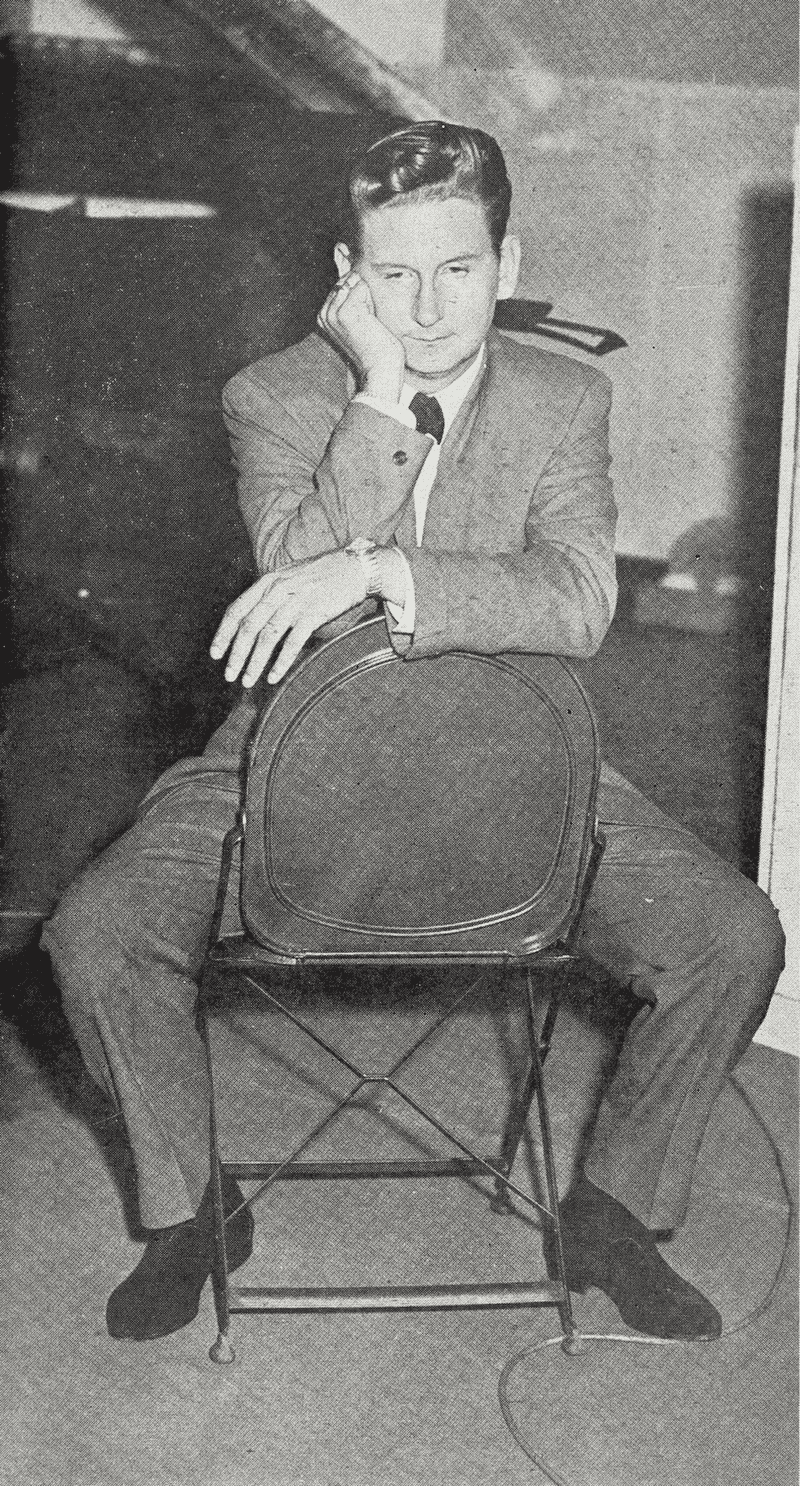
Before this song, Roy Orbison had modest chart success but nothing that suggested he was about to become one of the defining voices of early-1960s pop. Released in May 1960, Only the Lonely climbed throughout the summer and peaked at No. 2 on the Billboard Hot 100 on July 25.
The song had been turned down by both The Everly Brothers and Elvis Presley before Orbison recorded it himself, a detail that makes its eventual success feel especially satisfying. Its dramatic arrangement, featuring a choral introduction and a vocal range that pushed into falsetto, was far removed from the cheerful, hook-driven pop that surrounded it on the charts.
Orbison’s willingness to record something emotionally heavy and musically ambitious paid off commercially and critically. The song established the template he would follow throughout his career: slow tempos, sweeping arrangements, and deeply personal lyrical themes. It also proved that Top 40 radio in 1960 had more room for artistic range than its critics often acknowledged.
9. Because They’re Young by Duane Eddy
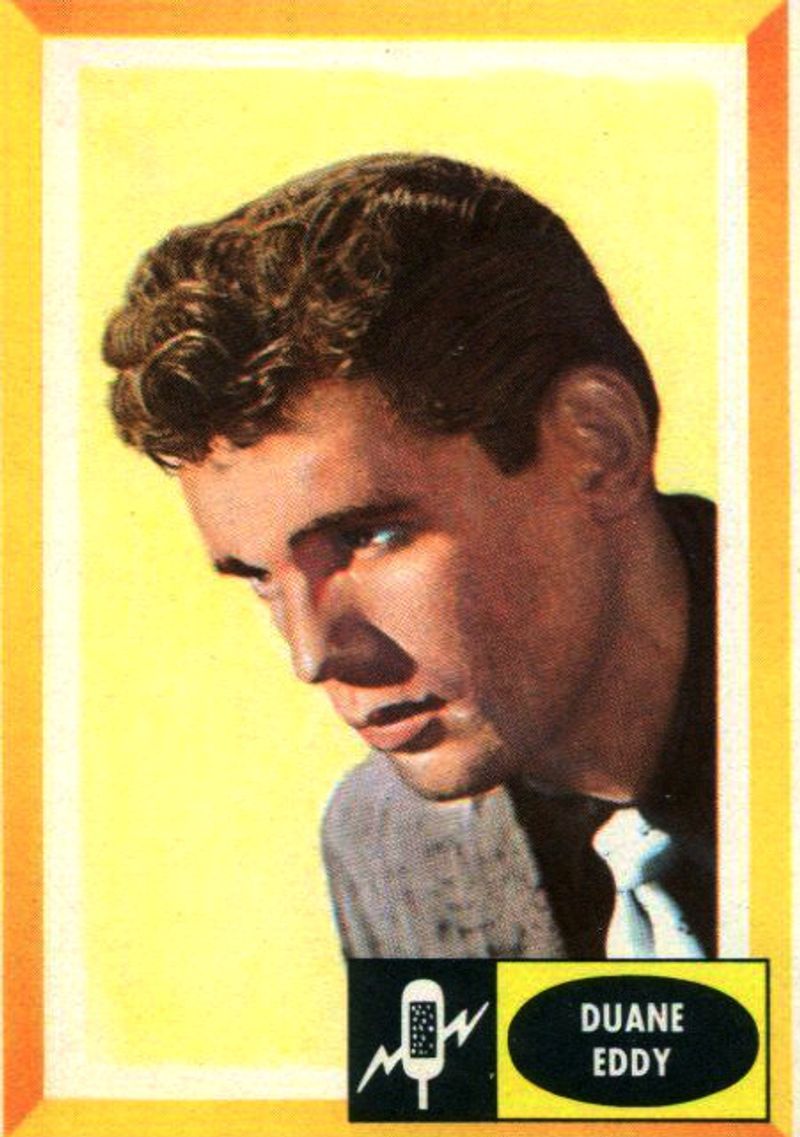
Duane Eddy brought his unmistakable twangy guitar sound to the summer of 1960 with Because They’re Young, an instrumental that became one of the biggest hits of his career. Recorded as the theme for the movie of the same name, the single climbed the Billboard Hot 100 during the early summer and eventually reached No. 4.
The record stood out in a season filled with vocal pop, romantic ballads, and novelty songs. Eddy’s deep, echoing guitar carried the melody without the need for lyrics, helping demonstrate just how popular instrumental rock had become. Along with the Ventures’ Walk, Don’t Run, Because They’re Young ensured that electric guitars had a prominent place on radios and jukeboxes during the summer of 1960.
10. Walk, Don’t Run by The Ventures
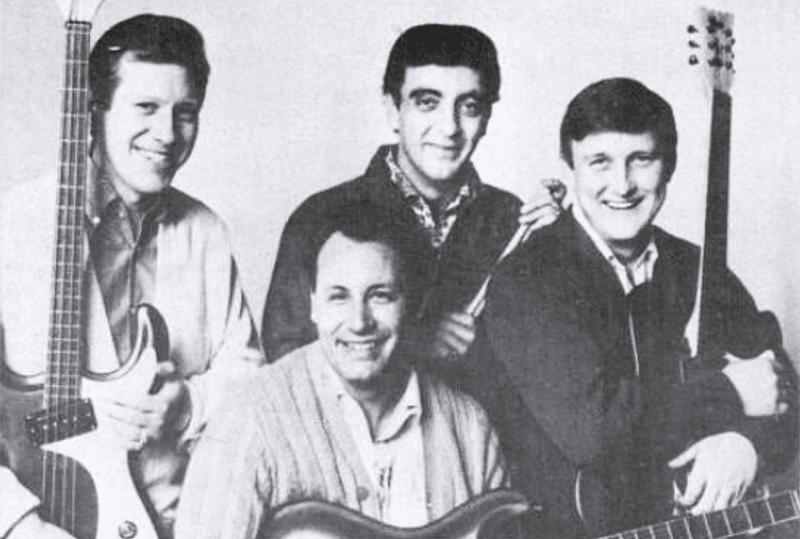
No vocals, no lyrical hook, no teen idol backstory. The Ventures built Walk, Don’t Run entirely around a clean electric guitar melody, and American radio embraced it anyway. The record reached No. 2 on the Billboard Hot 100 during the summer of 1960, making it one of the highest-charting pure instrumentals of the year.
The original composition came from jazz guitarist Johnny Smith, who recorded it in 1954. The Ventures stripped away the jazz sophistication and rebuilt it around a bright, driving guitar line that translated perfectly to AM radio. Their version is now widely credited with helping establish the conditions for the surf-rock movement that emerged in the early 1960s.
For young guitar players across the country, Walk, Don’t Run became one of those records that demanded an immediate attempt at replication. Its influence on amateur guitarists was measurable: Fender reported increased sales of beginner instruments in the period following its chart success. The Ventures turned a jazz standard into a generational gateway record.
11. Volare by Bobby Rydell
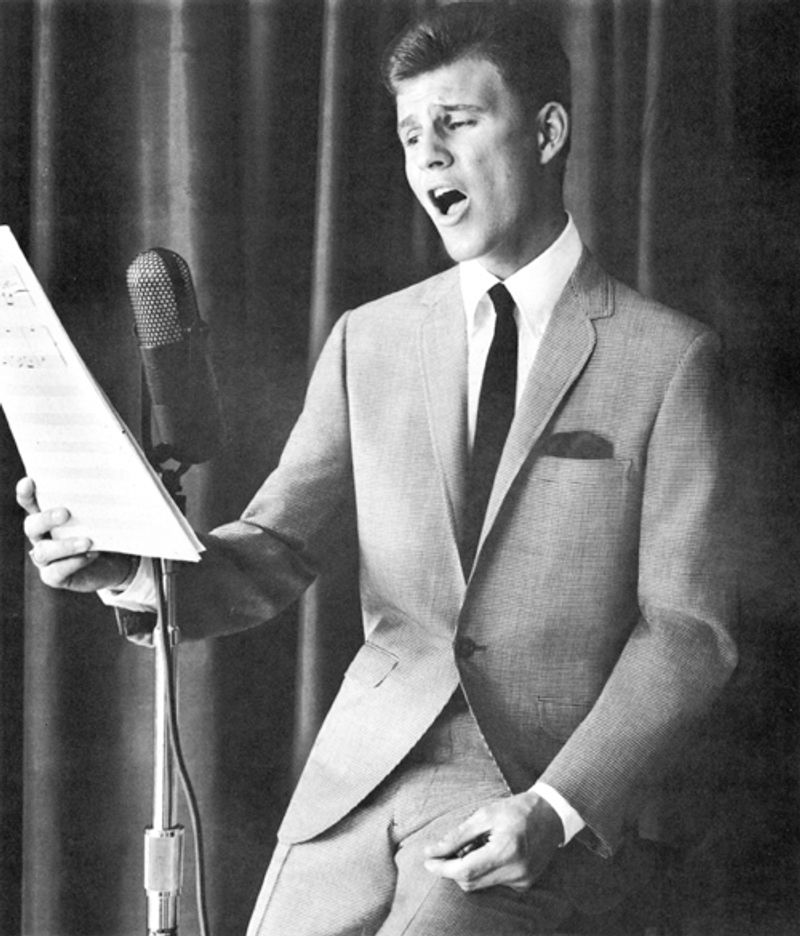
Domenico Modugno’s Nel blu, dipinto di blu, better known internationally as Volare, had already won two Grammy Awards after its 1958 release and had become one of the most recognized Italian songs in the world. Bobby Rydell’s 1960 pop interpretation brought it back onto American radio with a lighter, more youthful energy.
Rydell was 18 years old at the time and was already established as a teen idol through earlier hits. His version of Volare entered the Billboard Top 10 in August and eventually reached No. 4, fitting comfortably alongside the season’s mix of novelty records, ballads, and rock-influenced pop.
The recording demonstrated Rydell’s range as a performer, showing he could handle material with international roots and adult appeal without losing his core teenage audience. It also reflected a broader trend in early-1960s American pop, where foreign songs were regularly adapted and re-recorded for domestic radio consumption, often reaching audiences that had never heard the original version.
12. Finger Poppin’ Time by Hank Ballard and The Midnighters
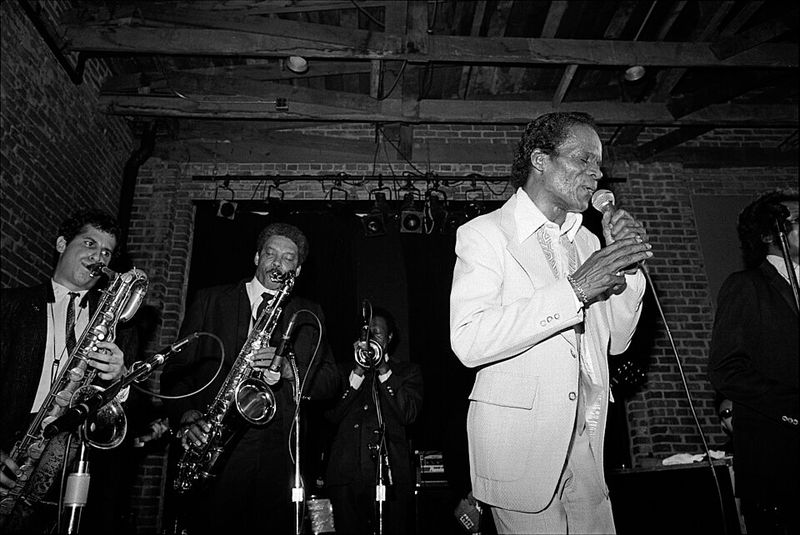
Hank Ballard’s position in the summer of 1960 was a genuinely interesting one. He had written and originally recorded The Twist, only to watch Chubby Checker’s cover version become the bigger cultural event. Meanwhile, Ballard and The Midnighters were scoring their own major hit with this energetic rhythm-and-blues number.
Finger Poppin’ Time peaked at No. 7 on the Billboard Hot 100 and reached No. 2 on the Billboard R&B chart, making it one of the group’s most successful crossover performances. Its driving beat and straightforward dance invitation made it a natural jukebox selection at a time when dance records were dominating American pop.
The fact that Ballard was thriving on two fronts simultaneously, as the uncredited architect of The Twist craze and as the frontman of his own charting group, says something about his productivity and commercial instincts during this period. He was shaping the sound of summer 1960 from multiple directions at once, even if the credit was not always distributed equally.
Share this story