History has a funny way of feeling distant until something pulls you close enough to touch it. At one remarkable spot in downtown Little Rock, Arkansas, that distance collapses entirely. You can stand inside buildings that predate Arkansas statehood, watch a blacksmith shape metal with centuries-old techniques, and hold your breath near a blade that helped write American frontier legend. The stories here are not printed on placards and left to gather dust.
They are acted out, demonstrated, and spoken aloud by people who genuinely love what they do. What makes this place so different from a typical museum is that it refuses to keep the past behind glass. The galleries are free to enter, the guided tours are priced so that almost anyone can afford them, and the programming calendar stays packed year-round with events that bring early Arkansas roaring back to life. Read on to find out exactly what waits for you inside.
A Stroll Through Time on Third Street
Right in the middle of downtown Little Rock, Arkansas, a single city block manages to hold several centuries of history without feeling crowded. The Historic Arkansas Museum at 200 E 3rd St, Little Rock, AR 72201, is the kind of place that surprises you the moment you realize what you are actually looking at.
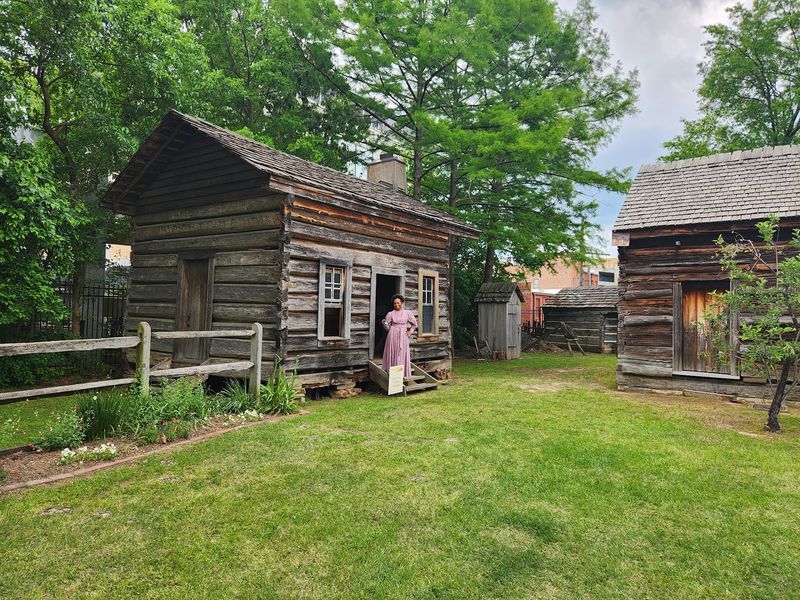
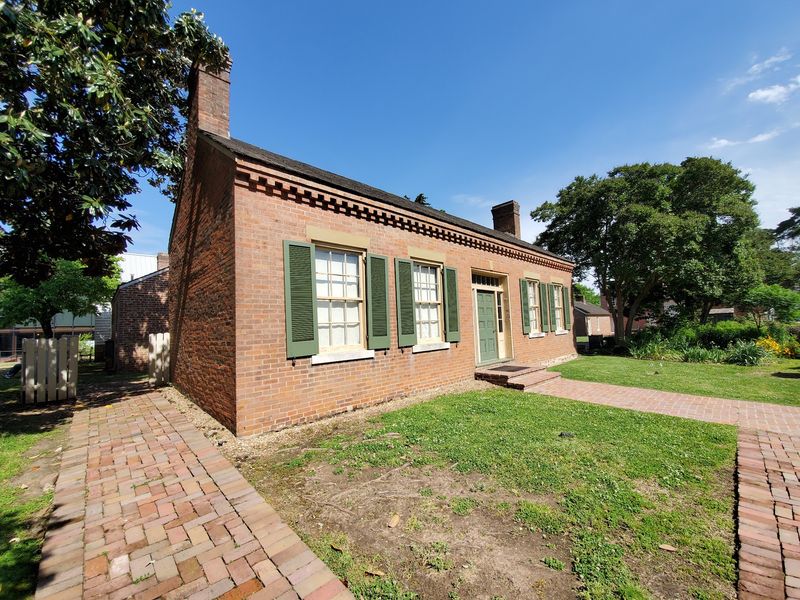
From the street, the mix of restored frontier-era log structures and clapboard homes sits quietly beside the modern cityscape, creating a contrast that is genuinely striking. The museum earns a 4.6-star rating from over 440 visitors, and it is easy to understand why once you set foot on the grounds.
Admission to the indoor galleries is free, and guided tours of the historic buildings run on the hour for a modest fee. The phone number for planning your visit is +1 501-324-9351. This is a destination that rewards curiosity at every turn, and the deeper you explore, the more rewarding it becomes.
The Woman Who Saved a Neighborhood from Oblivion
Most museums exist because of committees and budgets, but this one exists because of one stubborn, visionary woman named Louise Loughborough. In 1939, she launched a personal campaign to convince the Arkansas General Assembly to rescue a block of deteriorating historic buildings in downtown Little Rock that were facing condemnation.
Her strategy was clever. She framed Little Rock as a “town of three Capitols,” connecting the Hinderliter House to the Old State House and the current State Capitol Building, making the preservation argument impossible to ignore. Backed by the Works Progress Administration, state funding, and private donations, her effort led to the creation of the Arkansas Territorial Capitol Restoration Commission.
The museum opened in July 1941, and Loughborough’s original vision has since grown into one of the most complete living history sites in the American South. Her story is a reminder that sometimes the most powerful force in historic preservation is simply one person who refuses to let the past disappear quietly.
The Oldest Surviving Building in Central Arkansas
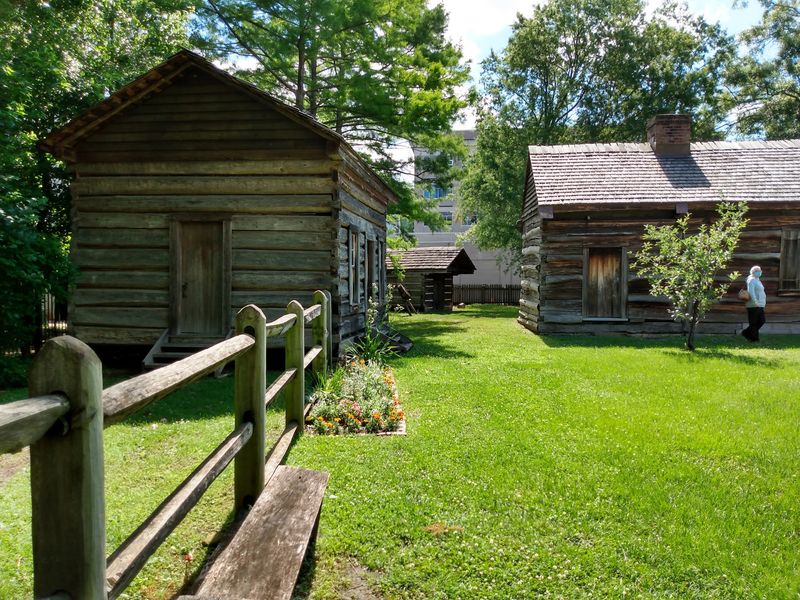
There is something quietly humbling about standing inside a structure that was already old when Arkansas became a state. The Hinderliter Grog Shop, built around 1827 by Jesse Hinderliter, holds the title of Little Rock’s oldest surviving building, and every detail of its construction reflects the resourcefulness of early frontier life.
The rough-hewn red oak logs and cypress flooring are not replicas or approximations. They are the real thing, preserved carefully enough that you can run your hand along surfaces that early settlers touched. The building served as both Hinderliter’s home and his place of business, which was entirely typical of the era.
Local folklore suggests the territorial legislature may have held its final meeting here in 1835, though historians treat that claim with appropriate caution. True or not, the story adds another layer of intrigue to an already fascinating structure. Few places in the state carry this much authentic age within a single set of walls, and that rarity alone makes it worth the visit.
A Village Frozen Between Log Cabins and Clapboard Homes
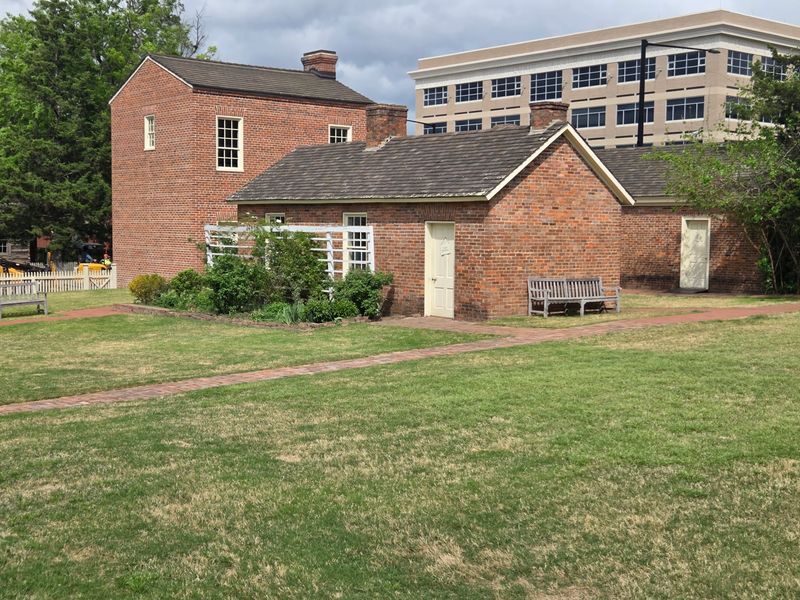
Beyond the Hinderliter Grog Shop, the museum grounds open into something that feels more like a miniature frontier town than a traditional museum campus. Structures from different decades of the 19th century stand close enough together that moving between them feels like fast-forwarding through time, one building at a time.
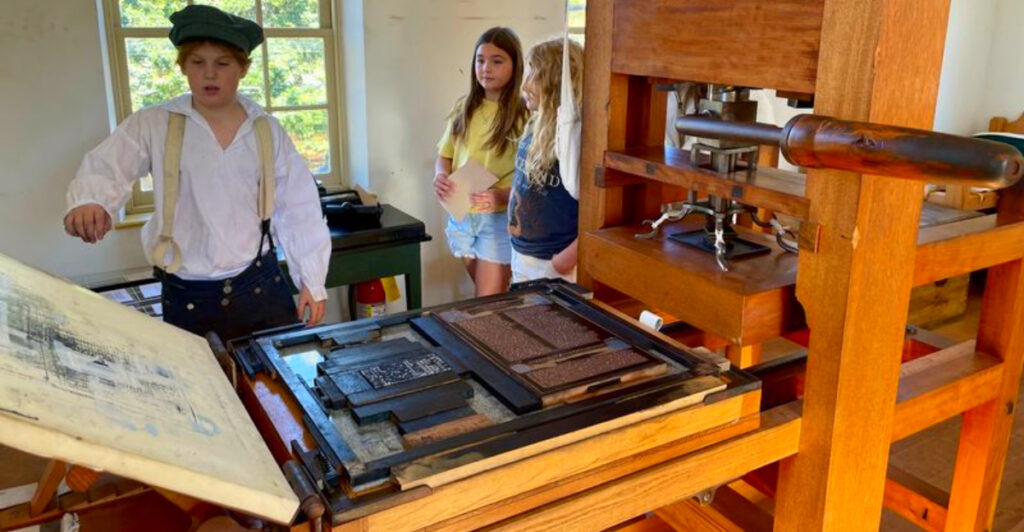
The 1840s McVicar and Brownlee Houses showcase how domestic architecture evolved as settlers grew more established. The reconstructed Arkansas Gazette print shop, dating to the 1820s, sits nearby, offering a tangible connection to how information traveled in an era without telegraph or telephone.
The Plum Bayou Log House, an 1830s plantation home carefully relocated from Scott, Arkansas, anchors an 1850s farmstead that includes a kitchen, smokehouse, and even a privy. Together, these structures paint a remarkably complete picture of rural and small-town life in early Arkansas. Each building has its own personality, and spending time with each one individually reveals details that a quick walkthrough would miss entirely.
Living Crafts That Make History Move
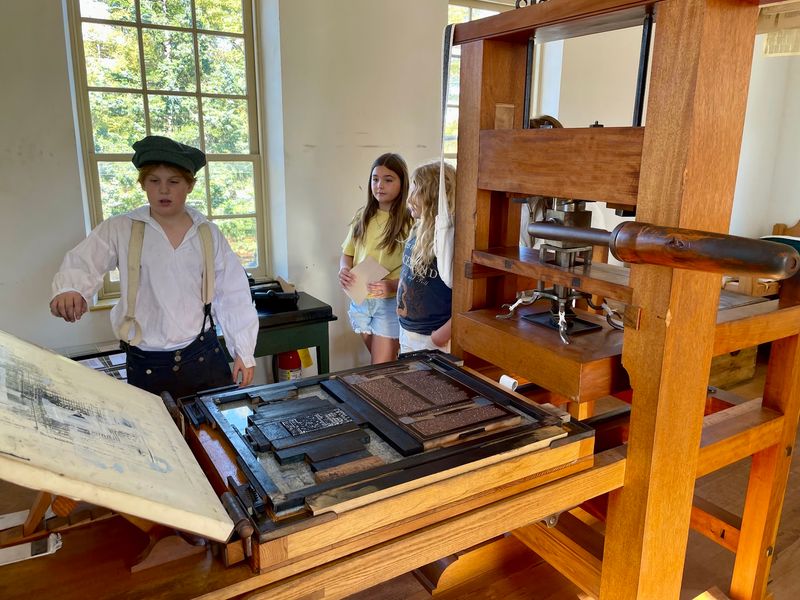
History that sits still eventually stops mattering to people, and the Historic Arkansas Museum seems to understand that instinctively. The Living Craft programming keeps the grounds animated with skilled artisans who practice traditional trades the way they were actually done in the 1800s.
The blacksmith shop is a particular crowd-pleaser. The rhythmic clang of hammer on metal, the glow of the forge, and the physical effort involved in shaping iron by hand communicate something that no photograph or text panel ever could. Printers work the reconstructed Arkansas Gazette press using hand-set type, and the process is slow enough to make you genuinely appreciate how much effort went into producing a single newspaper page.
Weekly Guild days and monthly Living Craft Saturdays ensure that these demonstrations happen regularly, not just on special occasions. Visitors sometimes get the chance to try their hand at period activities during special events, which tends to generate the kind of genuine surprise and delight that people remember long after they leave the grounds.
The Only Gallery in America Dedicated to the Bowie Knife
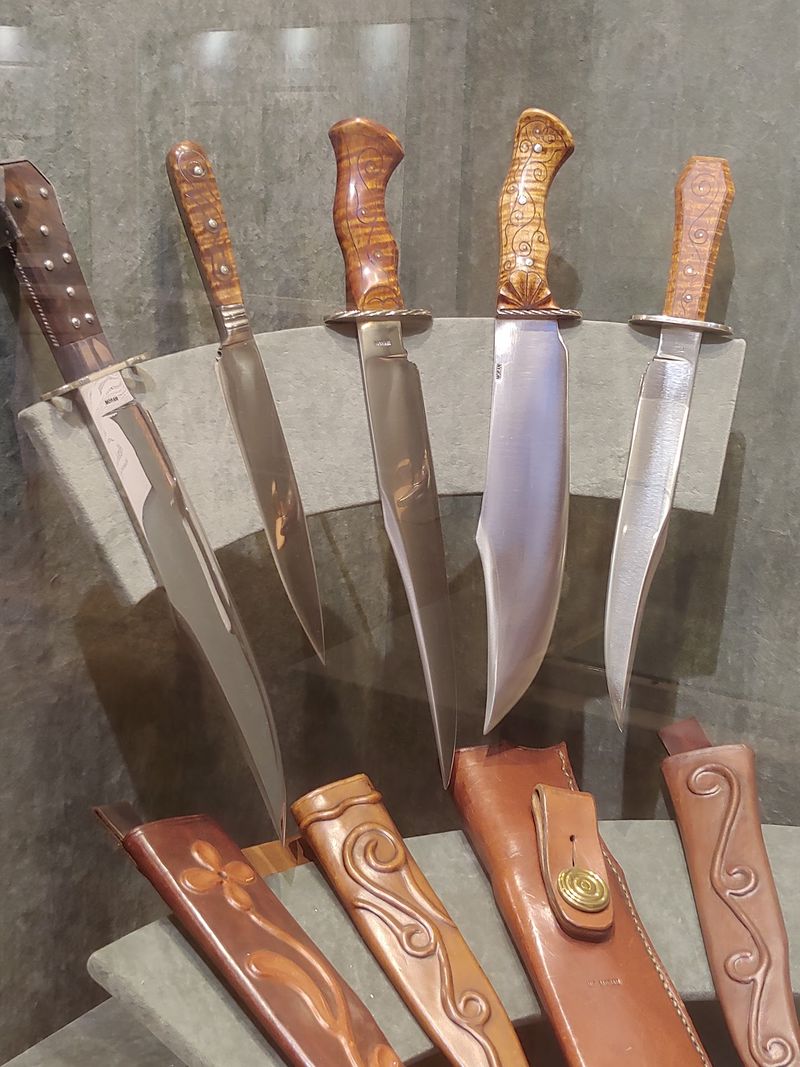
Not many museums can claim a national first, but the Historic Arkansas Museum holds one that is genuinely hard to top. Its Bowie knife gallery is the first in the entire country dedicated to the history of this legendary blade and its place in American frontier culture, and the collection lives up to that distinction.
More than 50 blades are on display, ranging from historical pieces that inspired the iconic design to exceptional contemporary knives crafted by master bladesmiths. The centerpiece is Bowie No. 1, made around 1830, which represents the knife at its most historically significant moment.
The exhibit traces a 200-year arc of design evolution, showing how a practical frontier tool became a cultural symbol recognized far beyond Arkansas. For anyone who appreciates craftsmanship, metallurgy, or the intersection of function and artistry, this gallery delivers far more than expected. The connection between the knife’s Arkansas origins and its broader place in American folklore gives the collection a narrative weight that keeps visitors lingering longer than planned.
Galleries That Span Centuries and Cultures
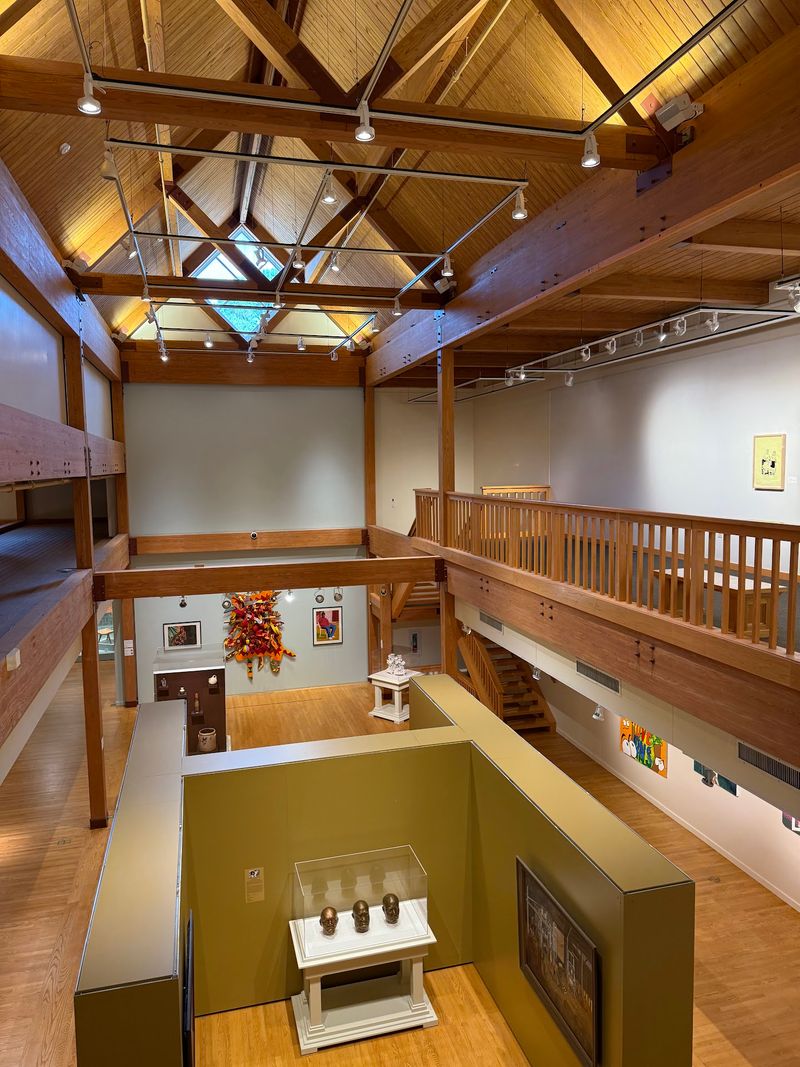
The indoor galleries at the Historic Arkansas Museum cover a range of subjects broad enough to keep visitors engaged across multiple visits. The Arkansas Made gallery celebrates the creativity of artists who have worked within the state, displaying quilts, textiles, furniture, silverwork, pottery, and paintings that reflect the depth of the state’s artistic tradition.
The exhibit titled “We Walk in Two Worlds” tells the history of Arkansas’s original inhabitants, including the Caddo, Osage, and Quapaw peoples, through objects and the voices of tribal members themselves. This approach gives the exhibit an authenticity and emotional resonance that sets it apart from standard historical displays.
For younger visitors, the Sturgis Children’s Gallery offers a hands-on space where kids aged 4 to 10 can unlock doors with skeleton keys, dress in 19th-century clothing, and explore history through play rather than passive observation. The variety across these galleries means that each member of a visiting group tends to find something that speaks directly to their own interests, which is no small achievement for any museum.
Events That Turn History Into a Celebration
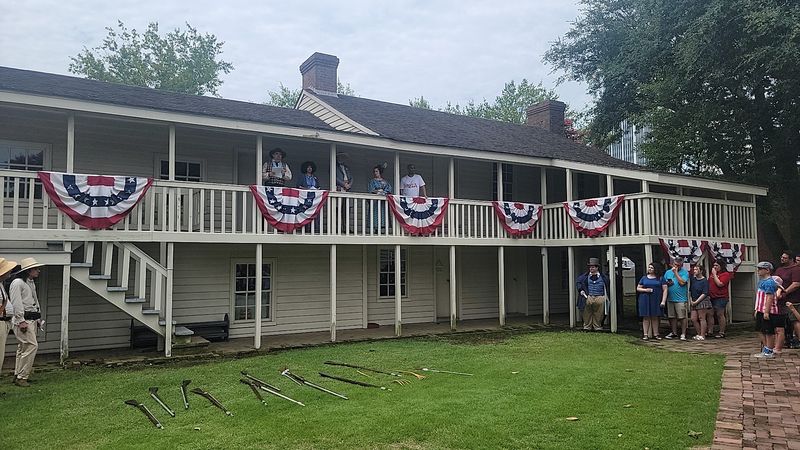
A museum that closes at five and goes quiet until morning is one thing, but a museum that throws a party is something else entirely. The Historic Arkansas Museum runs a calendar of events throughout the year that transforms the historic grounds into lively gathering spaces where history and celebration overlap in the best possible way.
The Frontier Fourth of July brings period music, living history performances, and a traditional reading of the Declaration of Independence to the grounds each summer. Around Halloween, the Big Boo-seum Bash offers family-friendly seasonal fun, while the Annual Holiday Frolic and Open House recreates 19th-century holiday traditions with caroling, craft demonstrations, and the kind of warm seasonal atmosphere that makes the cold worthwhile.
The 2nd Friday Art Night opens the museum after hours for a more relaxed evening experience, sometimes featuring live music and new exhibit openings. These events are not afterthoughts added to the programming calendar. They are carefully designed experiences that use the historic setting to make every celebration feel genuinely connected to the past.
What the Guided Tour Actually Feels Like
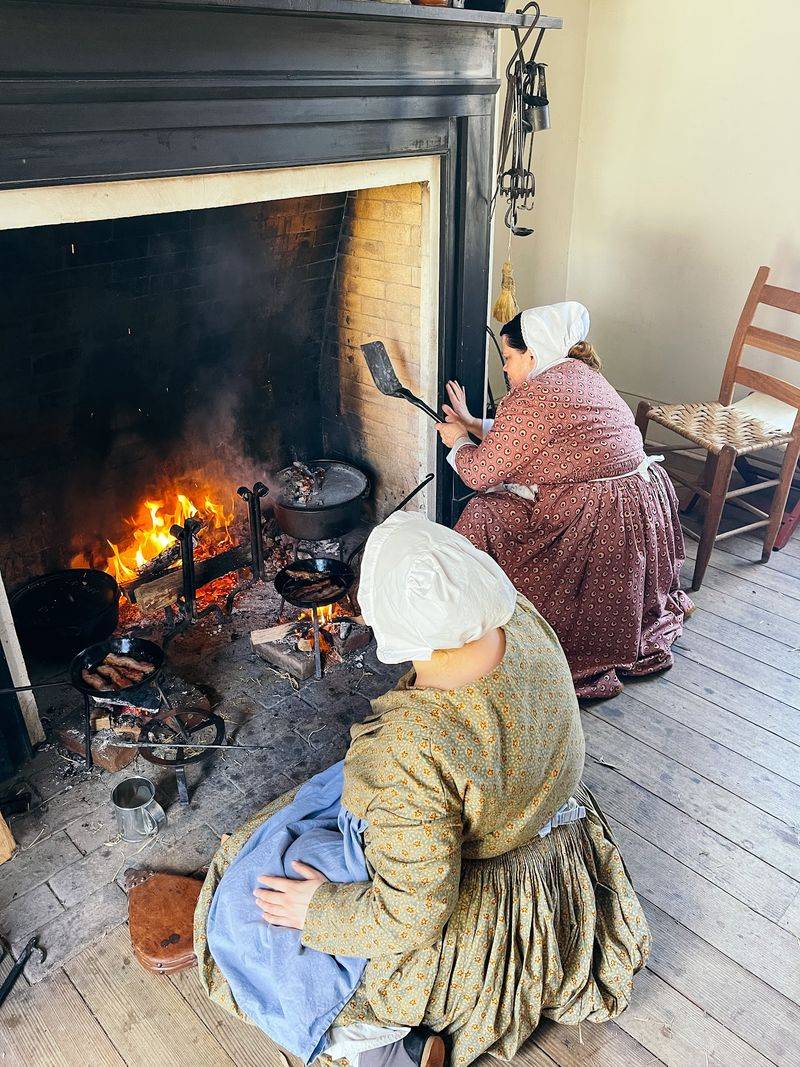
Tours at the Historic Arkansas Museum run on the hour, and missing one by five minutes means waiting around for the next, so timing your arrival matters. The tour itself runs roughly 45 minutes and covers the historic buildings on the grounds, with guides who know their subject well enough to answer follow-up questions without hesitation.
The guides often wear period clothing, which does more than just look the part. It signals to visitors that the experience is meant to be immersive rather than purely informational, and it tends to put people in the right frame of mind for what they are about to see and hear.
Military veterans receive free admission to the tours, which is a detail worth knowing before you plan your visit. Self-guided exploration of the grounds is also an option for those who prefer to set their own pace, and the free indoor galleries can be visited entirely independently. The combination of structured and unstructured options means the museum works equally well for visitors who want a clear itinerary and those who prefer to wander and discover on their own terms.
Practical Details Worth Knowing Before You Go
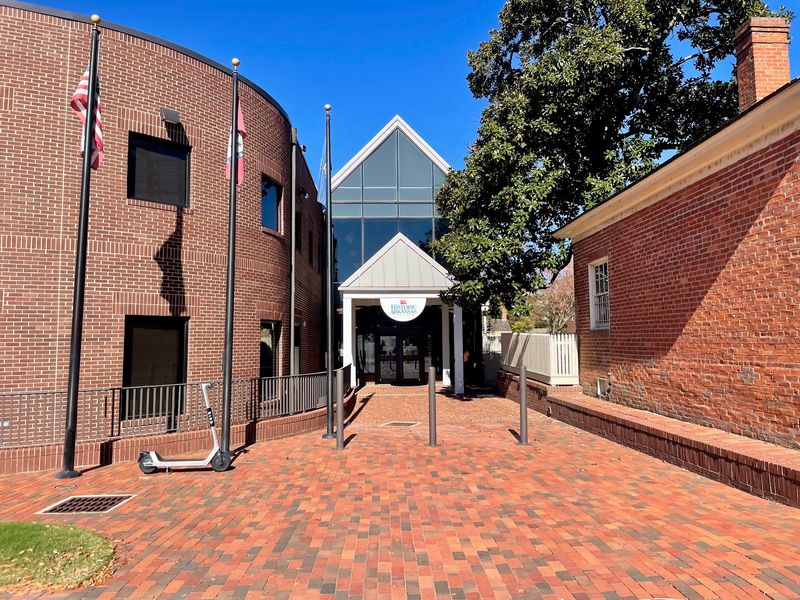
Getting the logistics right before a museum visit saves time and prevents the kind of minor frustration that colors the whole experience. The Historic Arkansas Museum is open Tuesday through Saturday from 9 a.m. to 5 p.m. and on Sundays from 1 p.m. to 5 p.m. The museum is closed on Mondays and on major holidays including New Year’s Day, Easter, Thanksgiving, Christmas Eve, and Christmas Day.
Indoor gallery admission is free. Guided tours of the historic buildings cost $2.50 for adults, $1.50 for seniors aged 65 and older, and $1.00 for children under 18. Museum members attend tours free of charge, which makes membership worth considering for repeat visitors.
Free parking is available in a designated lot across the street, and the museum is handicap accessible throughout. A trolley stops directly in front of the building, making it easy to connect a visit here with other downtown Little Rock attractions like the Old State House, which is only a short walk away along a stretch of the city that rewards slow exploration.
The Museum Store and the Meaning of Taking Something Home
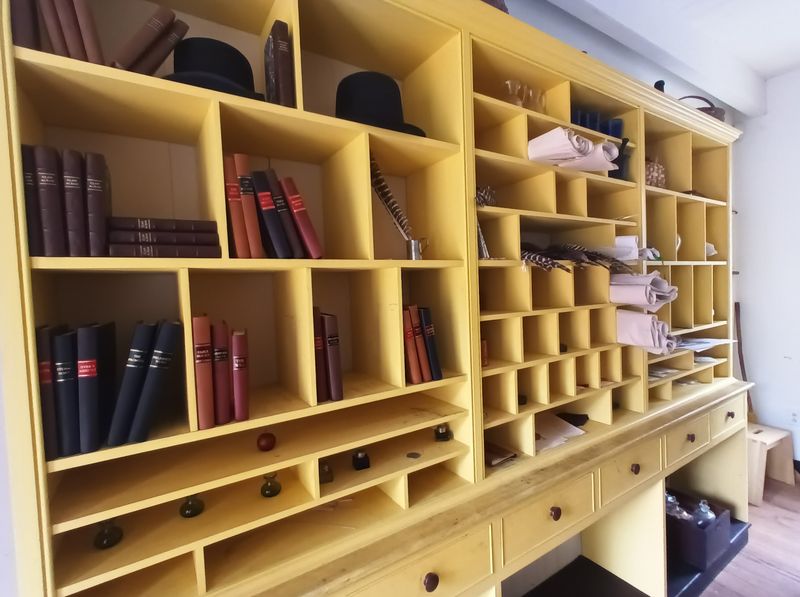
Most museum gift shops feel like an afterthought, but the store at the Historic Arkansas Museum is curated with the same philosophy that runs through the rest of the institution. Every item on the shelves is made in Arkansas, which means that buying something here is also a small act of support for the state’s working artisans.
The selection spans handcrafted jewelry, ceramics, textiles, and local food products, with enough variety that it is genuinely difficult to leave empty-handed. The staff in the store tend to know the backstory behind the merchandise and the artists who created it, which transforms a simple purchase into a brief but meaningful conversation.
Taking something home from a living history museum carries a different weight than a standard souvenir. The object connects back to the craft traditions demonstrated on the grounds just outside, creating a through-line between the historical and the contemporary that feels intentional rather than coincidental. For anyone who wants their travel purchases to mean something beyond the transaction itself, this store delivers on that expectation reliably and without pretension.
Share this story