Rock music was pulling in nearly every direction in 1974. Glam rock was flourishing, Southern rock was becoming a major force, progressive bands were pushing the limits of the album format, and hard rock was getting louder and more polished. At the same time, artists such as Queen and the Eagles were moving toward the enormous success that would define the second half of the decade. The result was a year packed with songs that still sound instantly recognizable, from towering guitar riffs and sprawling progressive epics to sophisticated pop-rock and early electronic experimentation.
These 14 tracks show just how much creative energy was concentrated in a single year, and why rock music from 1974 continues to hold up so well for listeners discovering it for the first time today.
1. Sweet Home Alabama by Lynyrd Skynyrd
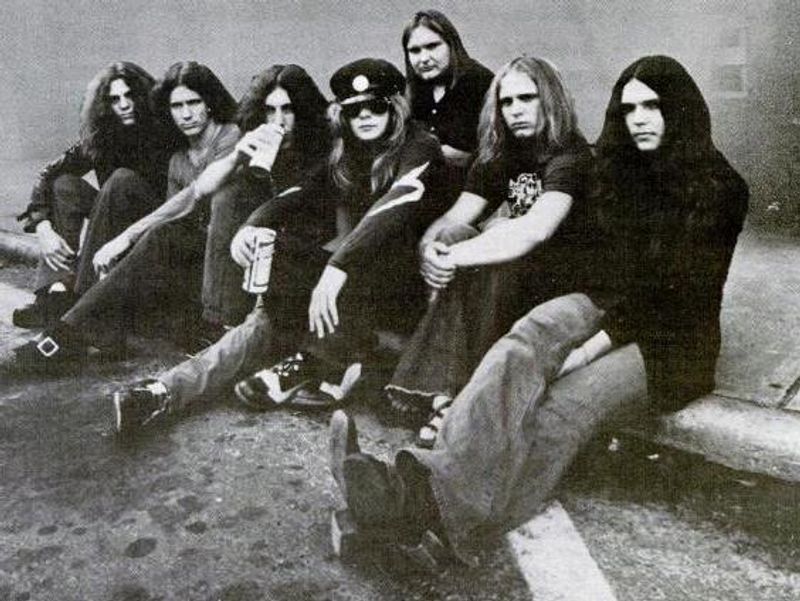
Few opening guitar riffs in rock history announce themselves with as much swagger as this one. Released on Lynyrd Skynyrd’s second album, Second Helping, the song became the band’s highest-charting single, reaching number eight on the Billboard Hot 100 in 1974. The introductory riff was written and played by Ed King, and it remains one of the most recognized passages in Southern rock.
The lyrics, co-written by Ronnie Van Zant, Gary Rossington, and Ed King, packed in references to Neil Young, Alabama Governor George Wallace, and the Watergate scandal. Van Zant later clarified that the Wallace lines were widely misread, stating he disagreed strongly with the governor’s racial positions. The song was recorded in 1973 at Studio One in Doraville, Georgia, with producer Al Kooper. None of the three songwriters were actually from Alabama, adding an ironic footnote to one of the state’s most celebrated anthems.
2. Rebel Rebel by David Bowie
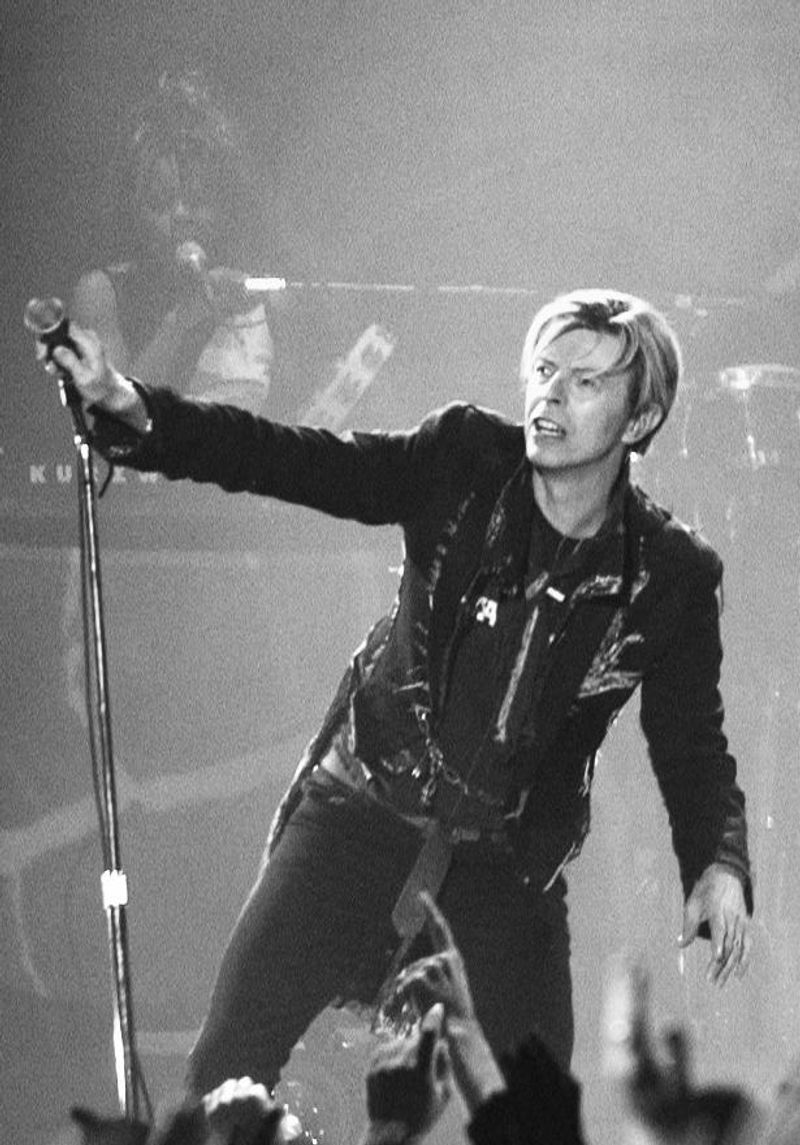
David Bowie played the lead guitar himself on this track, making it his first hit since 1969 without Mick Ronson on the instrument. Released in the UK on February 15, 1974, as the lead single from Diamond Dogs, the song peaked at number five on the UK Singles Chart and became a defining moment in Bowie’s constantly shifting career.
Its lyrics tackled identity, self-expression, and youth rebellion with the memorable line, “You got your mother in a whirl, she’s not sure if you’re a boy or a girl.” Critics widely recognized it as Bowie’s farewell to glam rock while simultaneously pointing toward proto-punk territory. The Diamond Dogs album that followed was conceptually inspired by George Orwell’s Nineteen Eighty-Four and presented a dark, post-apocalyptic vision. Two versions of the single were released, with a separate “New York Mix” featuring added percussion distributed across North America.
3. Can’t Get Enough by Bad Company
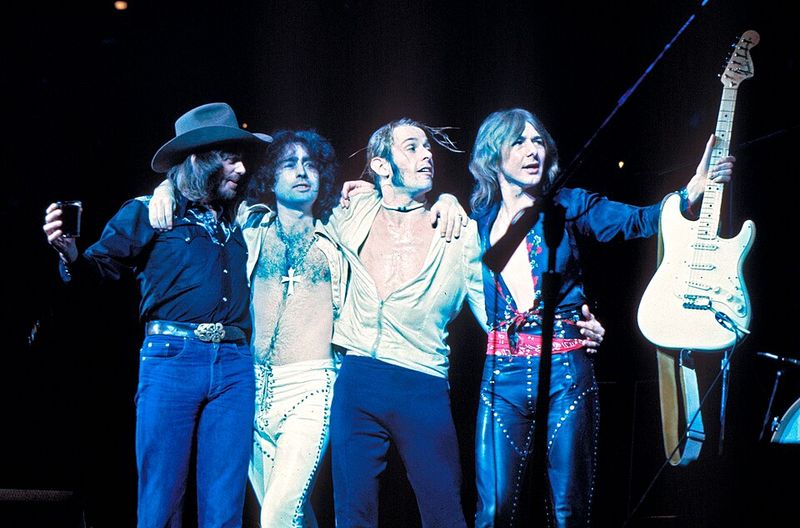
Bad Company arrived in 1974 sounding like a band that had been playing together for years, which wasn’t entirely surprising given the collective experience its members brought from Free, Mott the Hoople, and King Crimson. Their debut single reached number five on the Billboard Hot 100 and topped Cashbox magazine’s chart, while the self-titled album climbed to number one on the Billboard 200.
Guitarist Mick Ralphs originally wrote the central riff during his time with Mott the Hoople, but that band passed on it. Bad Company recorded the album at Headley Grange in Hampshire using Ronnie Lane’s Mobile Studio, the same location where Led Zeppelin had recorded several of their own tracks. Ralphs used an open-C tuning to achieve the song’s distinctive ring. Drummer Simon Kirke’s spontaneous count-in at the start became an iconic opening that listeners still recognize instantly.
4. You Ain’t Seen Nothing Yet by Bachman-Turner Overdrive
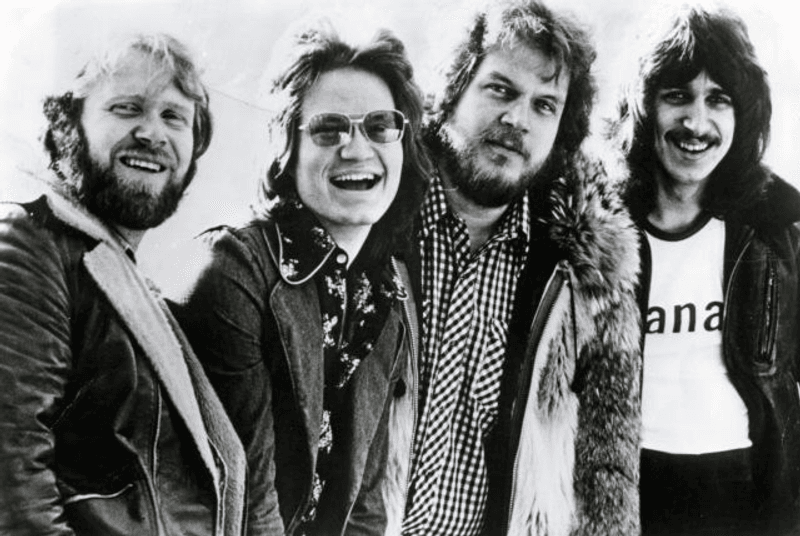
The most famous element of this song was never supposed to be heard by the public. Randy Bachman recorded the distinctive stuttering vocal as a private joke for his brother Gary, who had a stutter and was serving as the band’s manager at the time. The track began as a studio work tape used for setting equipment levels, with Bachman improvising the lyrics on the spot.
Mercury Records executive Charlie Fach heard the recording and insisted it go on the album Not Fragile. When Bachman tried to re-record the vocals without the stutter, Fach rejected the cleaner version, saying it sounded like Frank Sinatra and lacked energy. The original “joke” version was released in September 1974 and reached number one on the Billboard Hot 100 in November. The Not Fragile album also hit number one in both the US and Canada, eventually earning triple-platinum certification.
5. Killer Queen by Queen
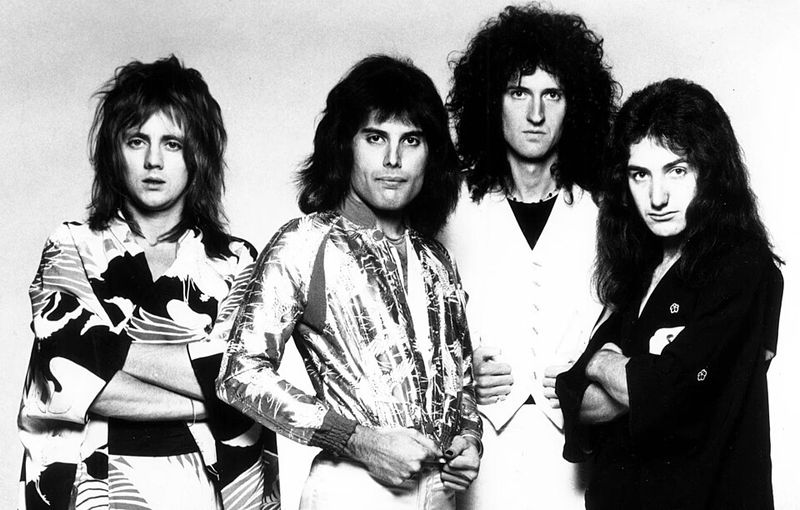
Brian May initially had reservations about releasing this track as a single, worrying it might make Queen appear too lightweight. He later called it the band’s crucial “turning point,” and the chart results backed him up. Released in the UK on October 11, 1974, the song reached number two on the UK Singles Chart and number twelve on the US Billboard Hot 100, giving Queen their first genuine international breakthrough.
Freddie Mercury wrote the lyrics before composing the melody, which was the reverse of his usual process. He described the subject as a high-class call girl, explaining he wanted to show that elegance and moral complexity could coexist in the same character. The song’s arrangement layered piano, four-part harmonies, and May’s multitracked guitar solo into something unlike anything else on rock radio in 1974. Mercury earned his first Ivor Novello Award for the composition, though it lost Best Popular Song to Kung Fu Fighting.
6. The Air That I Breathe by The Hollies
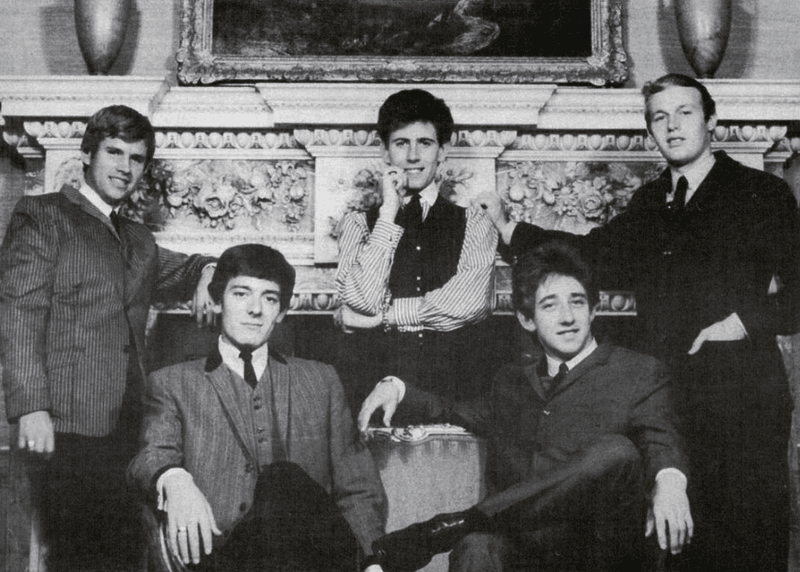
Written by Albert Hammond and Mike Hazlewood, this song had already been recorded by Hammond himself in 1972 and by Phil Everly in 1973 before The Hollies gave it the arrangement that turned it into a major hit. Their version featured a full string orchestra and a prominent horn section, with audio engineering handled by Alan Parsons, who would later lead his own successful project.
The single reached number two in the UK and number six on the US Billboard Hot 100 in mid-1974. Lead singer Allan Clarke’s vocal performance built steadily against the dramatic orchestral backdrop, giving the recording a scale that felt genuinely cinematic. The track also marked Clarke’s return to the band after a period pursuing solo work. Decades later, Radiohead’s 1992 song Creep was found to share a similar chord progression and melody, resulting in Hammond and Hazlewood receiving co-writing credits and royalties.
7. Bad Motor Scooter by Montrose
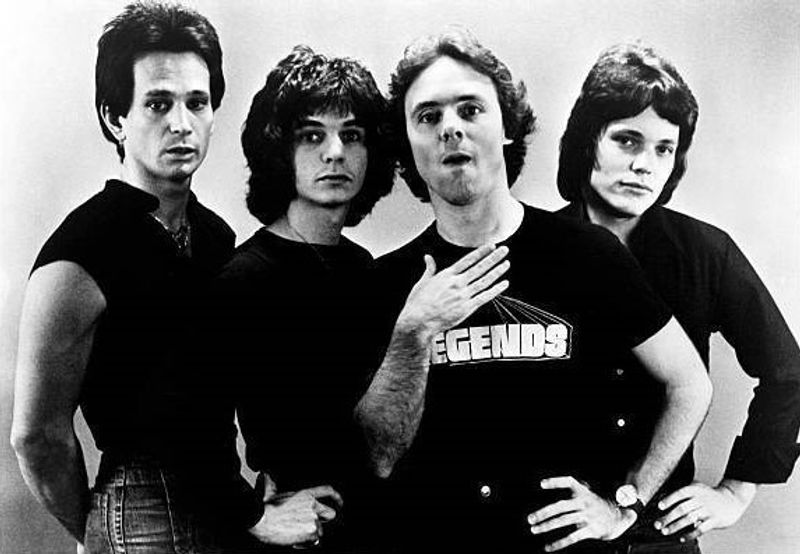
Sammy Hagar has said that “Bad Motor Scooter” was the first song he ever wrote in his life, which makes its confident energy all the more remarkable. The track appeared on the band’s self-titled 1973 debut and was released as a UK single in April 1974. Its defining feature is the opening, where Ronnie Montrose used a slide and a fuzz box in open D tuning to replicate the sound of a motorcycle accelerating.
Producer Ted Templeman and engineer Donn Landee scrambled to start recording when Montrose began improvising the effect in the studio, nearly missing the moment entirely. Hagar’s forceful vocals and Montrose’s guitar work together created a template for the harder, more theatrical American rock that would become commercially dominant later in the decade. The Montrose album’s influence on Van Halen was significant, with that band covering its material during early club performances and later working with the same production team.
8. Rock and Roll, Hoochie Koo by Rick Derringer
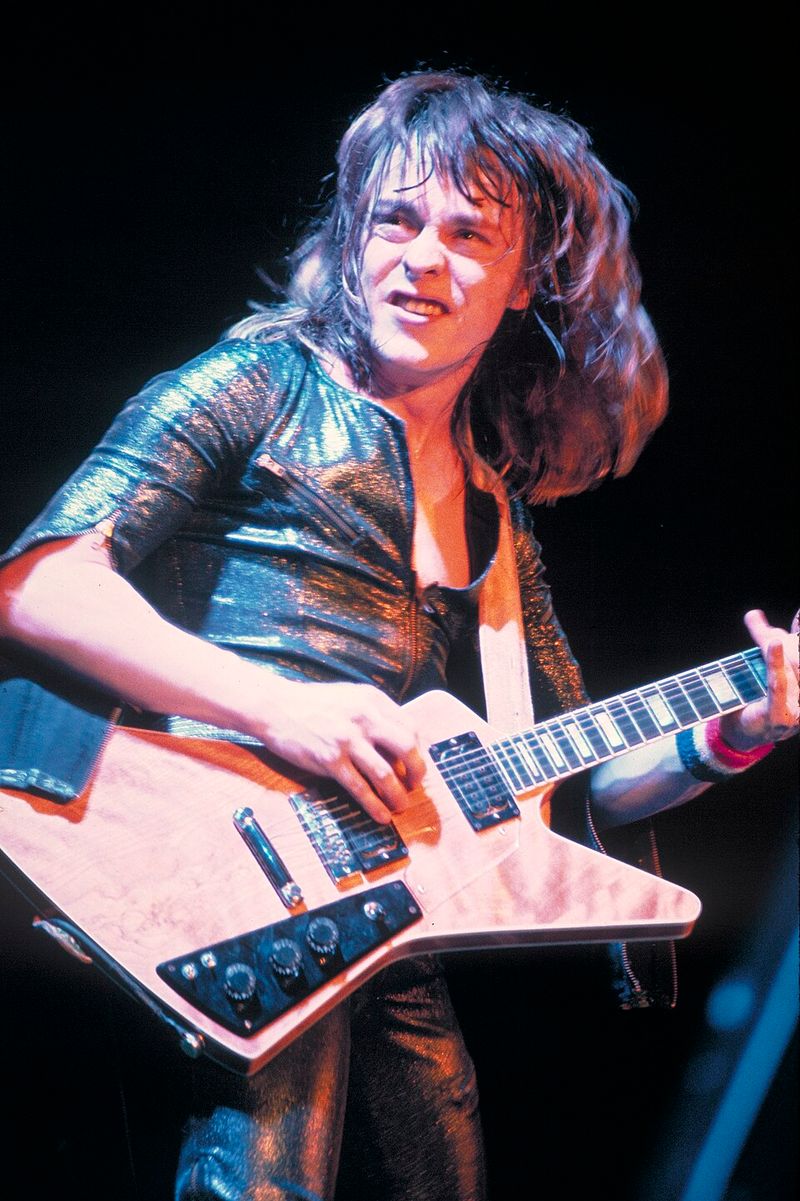
Rick Derringer originally wrote this song while working with Johnny Winter, specifically trying to blend his own rock instincts with Winter’s blues foundation. He later explained that the “Rock and Roll” half of the title addressed the commercial rock angle he was bringing to the partnership, while “Hoochie Koo” honored the blues tradition Winter represented. Winter recorded the first version in 1970, but found it “a little corny.”
Derringer’s solo rendition, released from his 1973 debut album All American Boy, became his only US Top 40 hit as a solo artist, reaching number 23 on the Billboard Hot 100 in March 1974 and number 11 in Canada. He played guitar, bass, and tambourine on the recording himself. The track’s crunchy riff and unapologetic energy gave it a staying power that kept it on classic rock radio for decades and earned it placements in films and television series long after its original release.
9. Rikki Don’t Lose That Number by Steely Dan
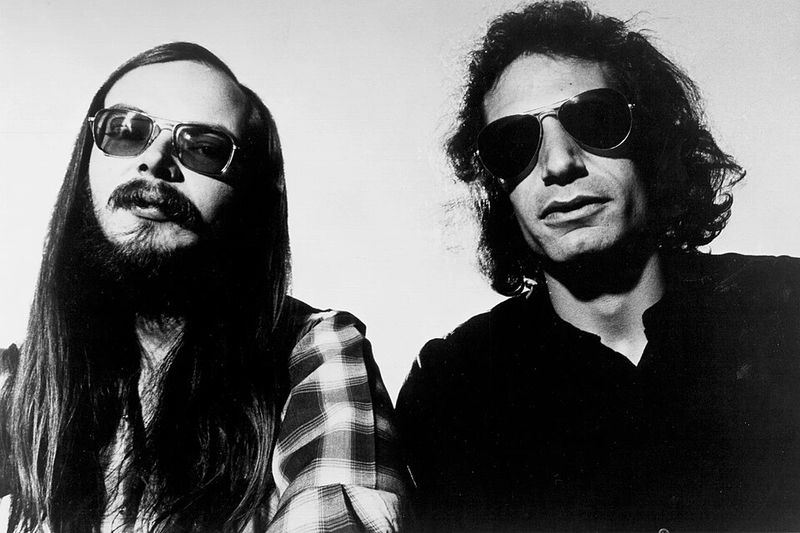
John Lennon reportedly called this track “a good commercial record” in a 1974 interview, which Donald Fagen found mildly annoying given that he and Walter Becker considered the song too simple and overplayed. That tension between pop accessibility and musical sophistication was essentially Steely Dan’s defining quality. Released on April 25, 1974, as the opening track from Pretzel Logic, the song reached number four on the Billboard Hot 100 that summer.
The introductory riff, played on a flapamba and piano, drew comparisons to Horace Silver’s 1964 jazz classic Song for My Father, though Fagen disputed the direct connection. Guitarist Jeff Baxter recorded his solo by plugging directly into the mixing board without an amplifier. Pretzel Logic also marked a deliberate shift in how Steely Dan operated, moving toward a studio-centric model that replaced a fixed touring band with rotating session musicians chosen specifically for each track.
10. The Bitch Is Back by Elton John
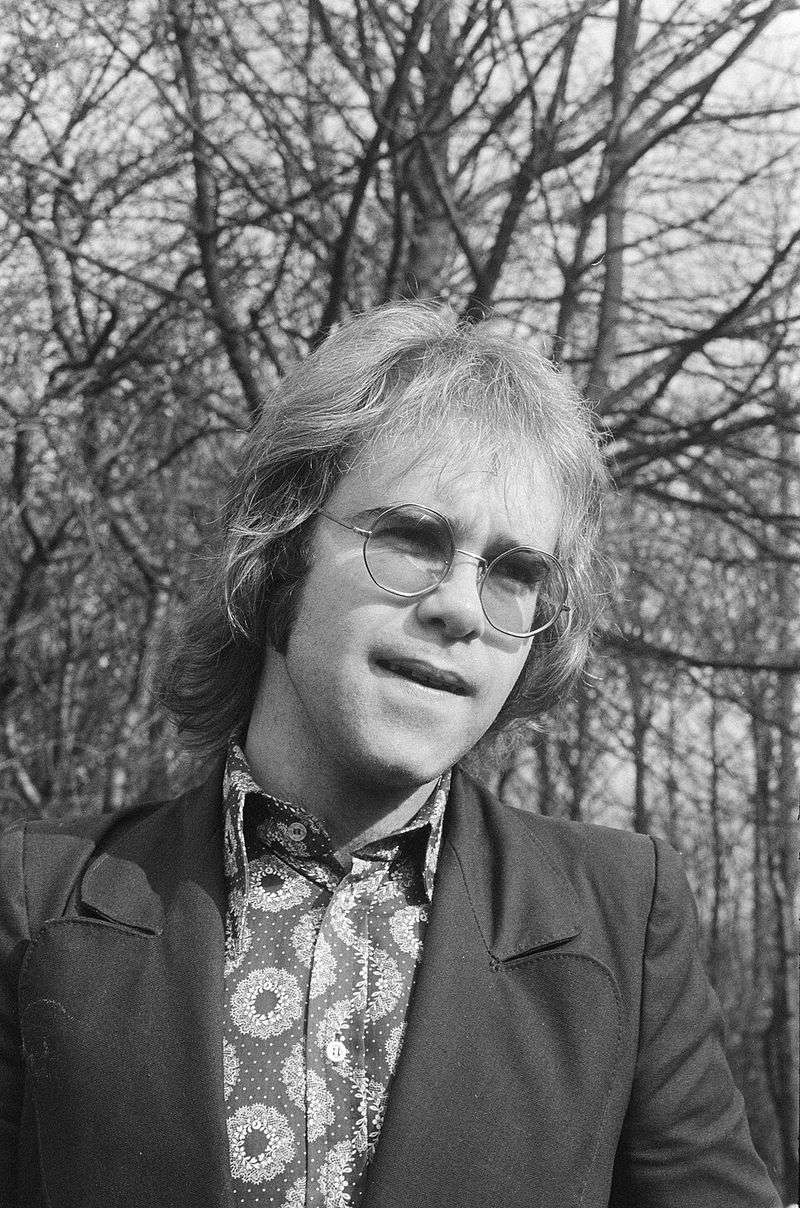
The title caused problems at radio stations immediately. Many initially refused to play it, and attempts to edit out the offending word proved impractical once programmers realized it appeared 42 times throughout the recording. Despite the controversy, the song reached number one in Canada, number four in the United States, and number 15 in the United Kingdom after its release as the second single from the Caribou album.
Lyricist Bernie Taupin drew the title directly from something his wife Maxine said whenever Elton arrived in a difficult mood. Elton embraced the self-referential joke completely, often introducing the song in concert by clarifying it was about himself. The track featured a powerful horn section from the R&B group Tower of Power and backing vocals from Dusty Springfield. Caribou was recorded in just ten days at Caribou Ranch studio in Colorado, yet it reached number one in both the US and UK.
11. Already Gone by Eagles
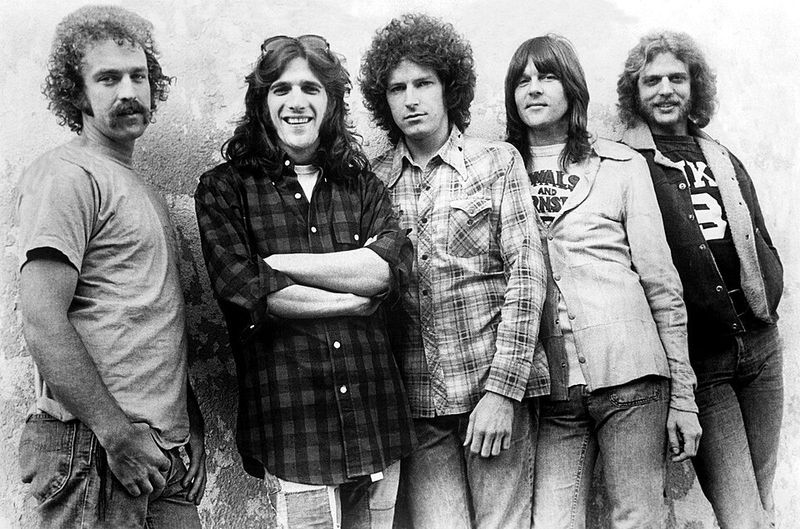
Songwriter Jack Tempchin originally conceived this as a country song and sent a demo to his friend Glenn Frey, who heard something harder in it and pushed for a rock arrangement. The result became the first single from On the Border, released in April 1974, and gave the Eagles one of their most confident early performances. Don Felder, newly recruited to the band, contributed guitar work that helped define its sharper edge.
The album itself was the product of a significant creative pivot. Early sessions in London with producer Glyn Johns stalled because the band wanted a harder-rocking sound that Johns resisted. They relocated to Los Angeles and brought in Bill Szymczyk, whose approach aligned with where they wanted to go. Felder had originally been invited only to add slide guitar to another track, but impressed everyone enough to be asked to join as the fifth member, directly shaping the guitar-heavy direction the Eagles pursued from that point.
12. Turn to Stone by Joe Walsh
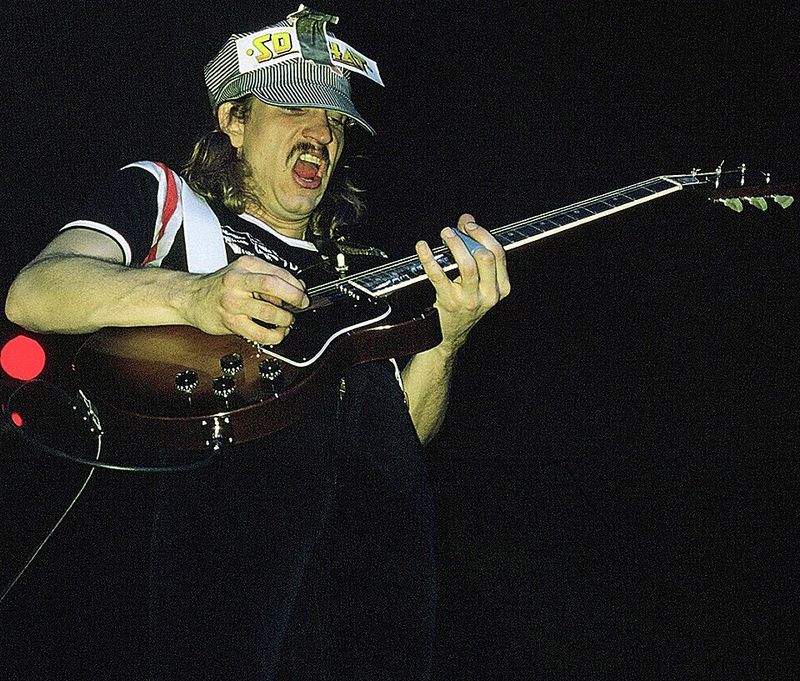
Three Eagles members sang backing vocals on this recording before Walsh had even joined that band. Don Henley, Glenn Frey, and Randy Meisner all contributed to the So What album in 1974, making Turn to Stone an unexpectedly early collaboration between Walsh and the group he would officially join the following year. The track had originally appeared on his 1972 Barnstorm album, but Walsh re-recorded it for So What with noticeably improved guitar tonality.
Walsh has said the song was written about the political frustration of the Nixon era and the Vietnam War, and that witnessing the Kent State shootings shaped its emotional core. The 1974 version is generally considered the more focused and polished of the two recordings. Critics praised Walsh’s broad guitar technique and his ability to move between melodic passages and forceful playing without losing his distinctive personality. The Eagles later performed the song regularly during their Hotel California and Long Run tours.
13. Autobahn by Kraftwerk
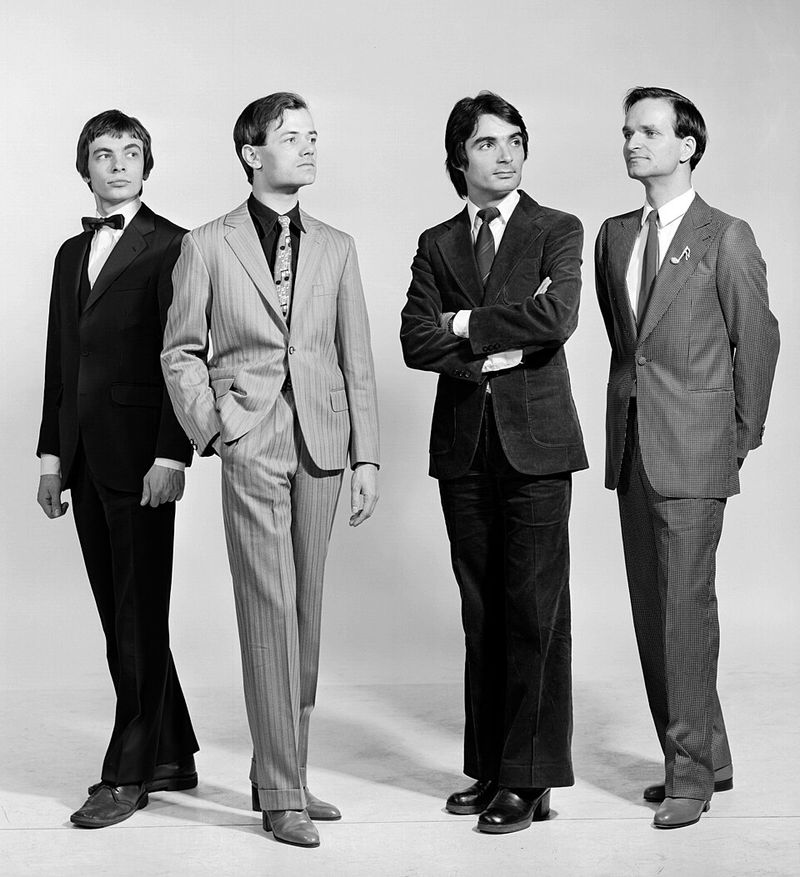
At roughly 22 minutes in its original album form, this track bore almost no resemblance to the typical rock single of 1974. Kraftwerk built the entire composition from synthesizers, drum machines, and processed vocals, with the band recreating the sounds of a car journey after discovering that recordings of actual highway traffic were unsuitable for the studio. The album was released in November 1974 and the edited single followed in February 1975.
The instruments used included the Minimoog, EMS Synthi AKS, ARP Odyssey, and customized drum machines. The edited single reached number 25 on the US Billboard Hot 100, number 11 in the UK, and number 9 in Germany. The lyrics, co-written by Ralf Hutter, Florian Schneider, and Emil Schult, repeated the phrase “Wir fahren, fahren, fahren auf der Autobahn” as a structural anchor. David Bowie later cited the album as a direct influence on his records Low and Heroes, and its broader impact on synth-pop, new wave, and hip-hop proved substantial.
14. Starless by King Crimson
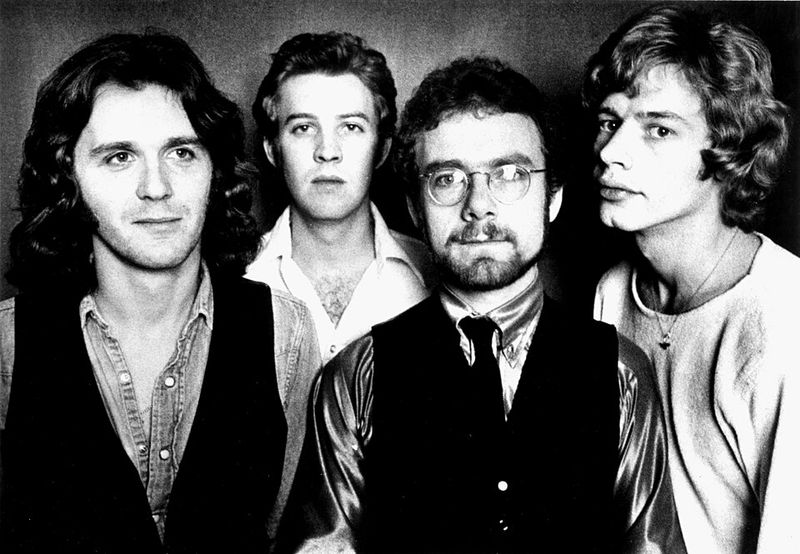
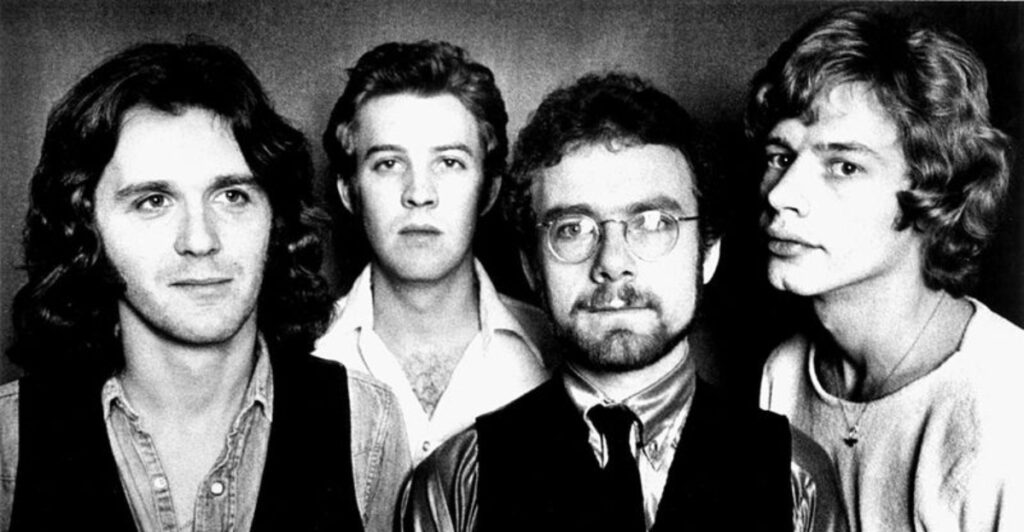
Bassist John Wetton originally wrote the core melody for this track intending it to be the title piece for a different King Crimson album, but Robert Fripp and Bill Bruford rejected it as too simple for that project. The song was revived and substantially reworked during live performances in 1974, with new lyrics by Richard Palmer-James and a complex extended instrumental section built around a bass pattern in 13/8 time.
The final version, recorded for the Red album in July and August 1974, runs approximately 12 minutes and moves through three distinct phases. It opens with Mellotron and guitar supporting a melancholic vocal, shifts into a slow-building instrumental passage where Fripp’s guitar repeats a single rising motif, and then breaks into a furious section combining saxophone, distorted guitars, and tribal percussion. Fripp disbanded King Crimson just two weeks before Red was released on October 6, 1974. Kurt Cobain later cited the album as an influence on Nirvana’s In Utero.
Share this story