1985 wasn’t exactly a quiet year. Movie theaters were packed with time-traveling teenagers and treasure-hunting kids, radios blasted some of the biggest hits of the decade, and millions of people gathered around their televisions for events that became instant cultural history.
From Madonna mania to New Coke, these were the moments people talked about at school, around the office, and over the dinner table. Here are 13 pop culture moments that completely took over 1985.
1. Back to the Future Made Time Travel the Coolest Thing in Hollywood
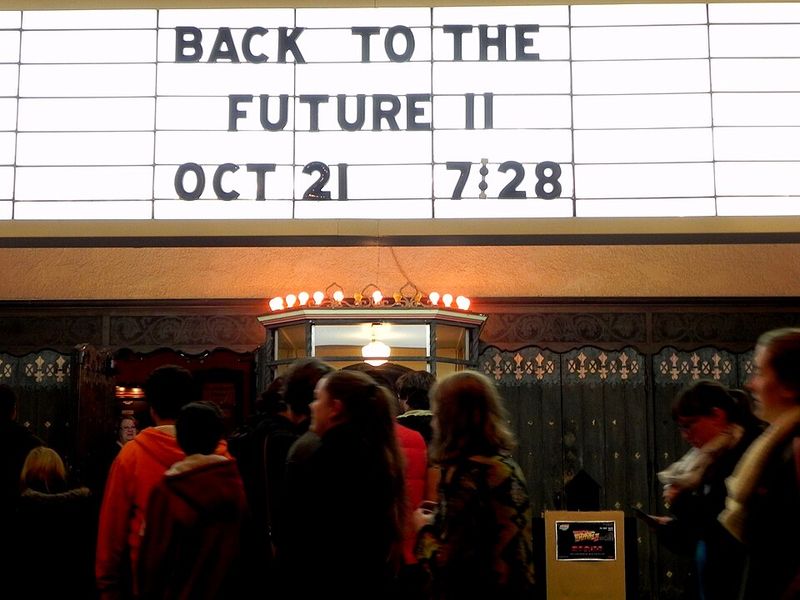
When Back to the Future opened in July 1985, audiences were introduced to a combination that sounded bizarre on paper but somehow worked perfectly: a teenage skateboarder, an eccentric scientist, a DeLorean, and a trip back to 1955.
Michael J. Fox played Marty McFly, who accidentally travels three decades into the past and interferes with the moment his parents are supposed to fall in love.
Suddenly, Marty’s problem isn’t simply getting home—he has to make sure his parents end up together or risk erasing himself from existence. Christopher Lloyd’s wild-eyed Doc Brown completed one of the most beloved movie partnerships of the decade.
The film became the highest-grossing movie of 1985 at the domestic box office, but its cultural impact went far beyond ticket sales. Huey Lewis and the News scored a major hit with “The Power of Love,” the DeLorean became one of cinema’s most recognizable vehicles, and phrases like “Great Scott!” became inseparable from the franchise.
Back to the Future also managed to turn 1950s nostalgia into entertainment for a new generation. Marty introducing teenagers in 1955 to his version of rock guitar remains one of the movie’s most memorable jokes.
By the end of the year, audiences weren’t finished with Marty and Doc—and Hollywood certainly wasn’t either.
2. Live Aid Turned One Day Into Music History
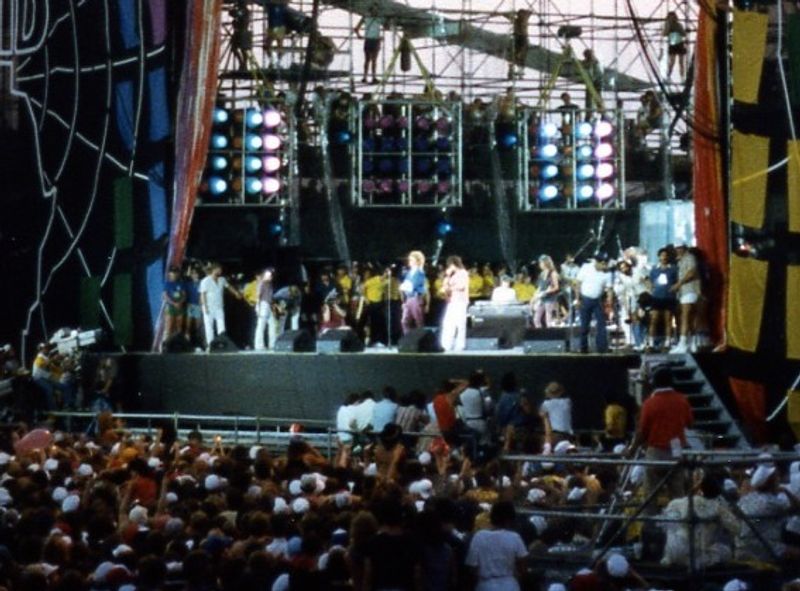
On July 13, 1985, television viewers around the world watched one of the most ambitious musical events ever attempted.
Live Aid staged enormous concerts at Wembley Stadium in London and John F. Kennedy Stadium in Philadelphia to raise money for famine relief in Ethiopia.
The lineup was staggering. David Bowie, Elton John, U2, Madonna, Paul McCartney, The Who, Dire Straits, Sting, Phil Collins, and dozens of other performers participated.
Phil Collins even performed in London before flying across the Atlantic on Concorde to appear in Philadelphia – a stunt that perfectly captured the enormous scale of the event.
Yet one performance eventually became the defining memory of the entire day. Freddie Mercury walked onto the Wembley stage with Queen and demonstrated exactly how to command a stadium.
The band’s compact set, including portions of “Bohemian Rhapsody,” “Radio Ga Ga,” and “We Will Rock You,” would later be celebrated as one of rock’s greatest live performances.
Live Aid represented something unusually powerful in the pre-internet era. Millions of people in different countries were watching the same performers at roughly the same time.
For one summer day, popular music felt less like an industry and more like a global gathering.
3. Madonna Went From Pop Star to Full-Blown Cultural Phenomenon
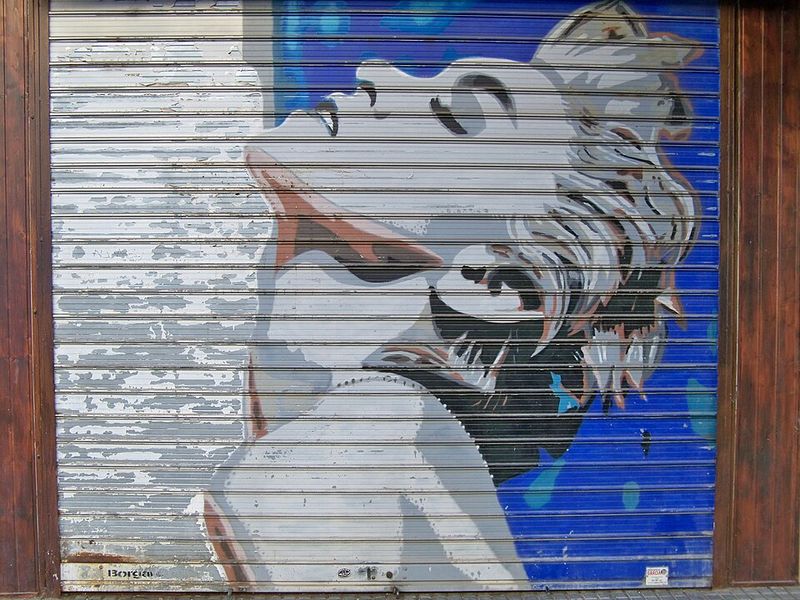
Madonna was already famous before 1985 began. By the time the year was over, however, she had become something much bigger.
Her Like a Virgin era was in full swing, and songs such as “Material Girl” seemed unavoidable. The accompanying music video, inspired by Marilyn Monroe’s performance of “Diamonds Are a Girl’s Best Friend,” created one of Madonna’s most recognizable images and helped cement the nickname “Material Girl.”
Then there was the fashion. Teenage fans copied her lace gloves, leggings, crucifixes, bows, layered necklaces, teased hair, and armfuls of bracelets.
Madonna wasn’t simply producing hit records – she was influencing how an entire generation of young fans wanted to look.
Her acting career also received a major boost with Desperately Seeking Susan, while the Virgin Tour became one of the hottest concert tickets of the year. Fans arrived dressed like their idol, transforming shows into seas of lace, jewelry, and oversized bows.
Not everyone approved of Madonna, of course, and that was part of her cultural power. Parents complained, commentators debated her image, and fans adored her willingness to provoke.
Whether people were praising or criticizing her, they were talking about her. In 1985, that was exactly where Madonna wanted to be.
4. New Coke Somehow Turned Soda Into a National Controversy
Pop culture isn’t always about movies, television, and music. Sometimes, apparently, it can be about people getting extremely upset over a soft drink.
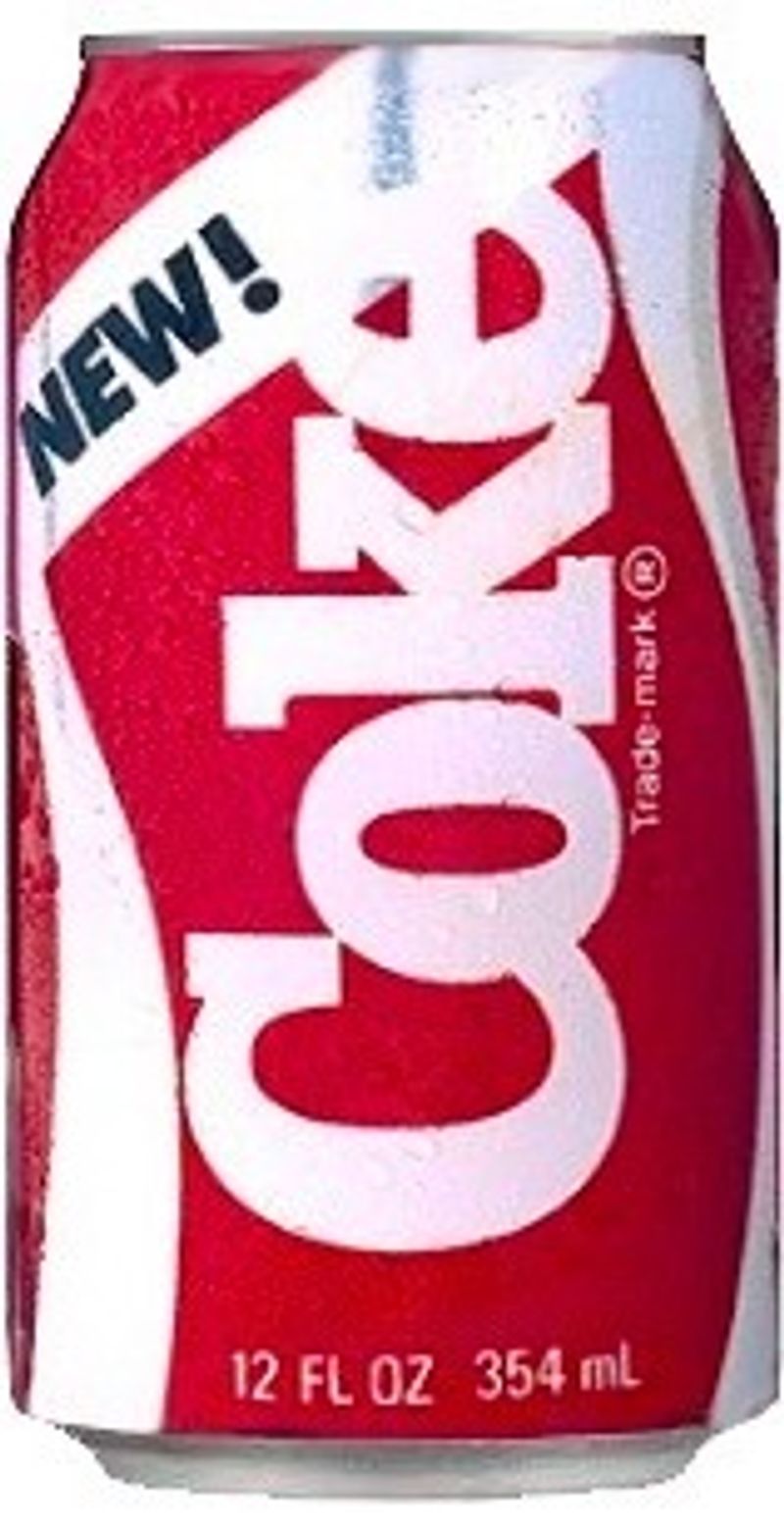
In April 1985, Coca-Cola announced that it was changing the formula of its flagship beverage. The company introduced what quickly became known as New Coke, replacing the familiar formula that generations of customers had grown up drinking.
The reaction was extraordinary.
Consumers complained, wrote letters, called the company, and demanded the return of the original drink. For many customers, Coca-Cola wasn’t simply a beverage.
It was connected to childhood memories, family traditions, baseball games, diners, and a particular idea of Americana. Changing it felt strangely personal.
The backlash became such a cultural story that people who didn’t particularly care about soda were hearing about it. Less than three months after introducing the new formula, Coca-Cola announced the return of the original version as Coca-Cola Classic.
The entire episode became one of the most famous marketing stories in American business history. Whether it was a terrible mistake, an unexpectedly successful publicity event, or a little of both, New Coke proved something important: never underestimate people’s emotional attachment to familiar things.
5. “We Are the World” Put an Astonishing Number of Superstars in One Room
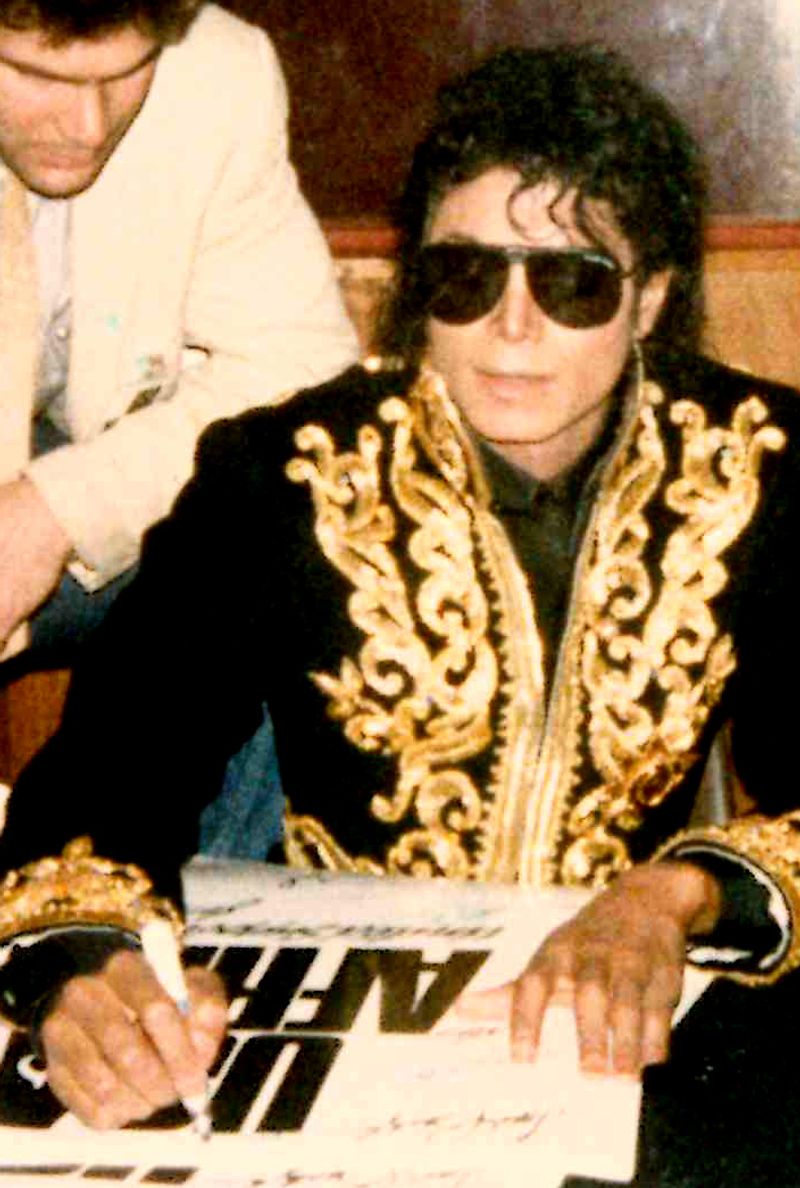
Even by the standards of 1980s celebrity culture, “We Are the World” was something extraordinary.
Written by Michael Jackson and Lionel Richie, the charity single brought together an almost unbelievable collection of famous musicians under the name USA for Africa. Stevie Wonder, Diana Ross, Bruce Springsteen, Tina Turner, Billy Joel, Cyndi Lauper, Willie Nelson, Ray Charles, Bob Dylan, Paul Simon, and numerous other stars participated.
The recording session itself became part of pop culture history. A famous sign reportedly reminded the celebrities to check their egos at the door, an appropriate request considering how many major personalities had been assembled in one studio.
When the song was released in March 1985, it became a huge commercial success. But the music video made an equally strong impression.
Seeing so many recognizable performers standing together and trading individual lines gave viewers the feeling that nearly the entire American music industry had gathered for one enormous event.
The song raised money for humanitarian relief and became one of the signature recordings of the decade. More than that, it captured the mid-’80s fascination with massive celebrity charity projects—an idea that would also reach an enormous scale with Live Aid just a few months later.
6. The Golden Girls Proved Sitcom Stars Didn’t Have to Be Young
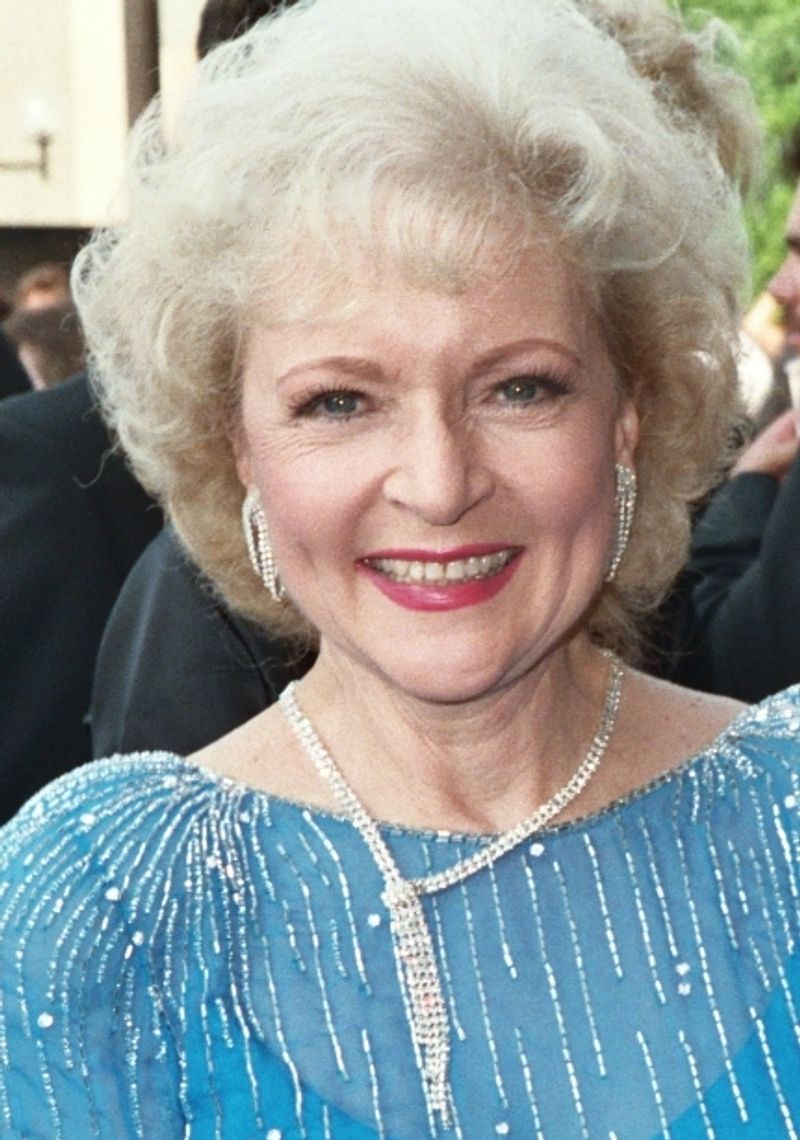
When The Golden Girls premiered on NBC in September 1985, its premise stood out immediately. Instead of focusing on young singles, a traditional family, or parents raising children, the show centered on four older women sharing a home in Miami.
That simple idea turned into television magic.
Bea Arthur played the sarcastic and practical Dorothy Zbornak. Betty White was sweet, hilariously naive Rose Nylund.
Rue McClanahan became the flirtatious Southern belle Blanche Devereaux, while Estelle Getty regularly stole scenes as Dorothy’s sharp-tongued mother, Sophia Petrillo.
The chemistry between the four actresses made the show an immediate favorite, but The Golden Girls also tackled subjects that many sitcoms avoided. Dating later in life, divorce, aging, sexuality, friendship, financial worries, and family problems all became material for comedy without reducing the characters to stereotypes.
It also gave viewers one of television’s most enduring images: four friends sitting around a kitchen table late at night, eating cheesecake and talking through whatever disaster had occurred that week.
What started in 1985 would become one of the most beloved sitcoms of its era – and generations of viewers would continue discovering Dorothy, Rose, Blanche, and Sophia long after the original run ended.
7. Nintendo Started Bringing Video Games Back From the Dead
It’s difficult to imagine now, but home video games weren’t looking particularly healthy in America during the early 1980s.
The industry had suffered a devastating crash in 1983 after the market became flooded with consoles and disappointing games. Retailers were wary, consumers had lost confidence, and the idea that another home video game system could become a gigantic hit was far from guaranteed.
Then Nintendo entered the picture.
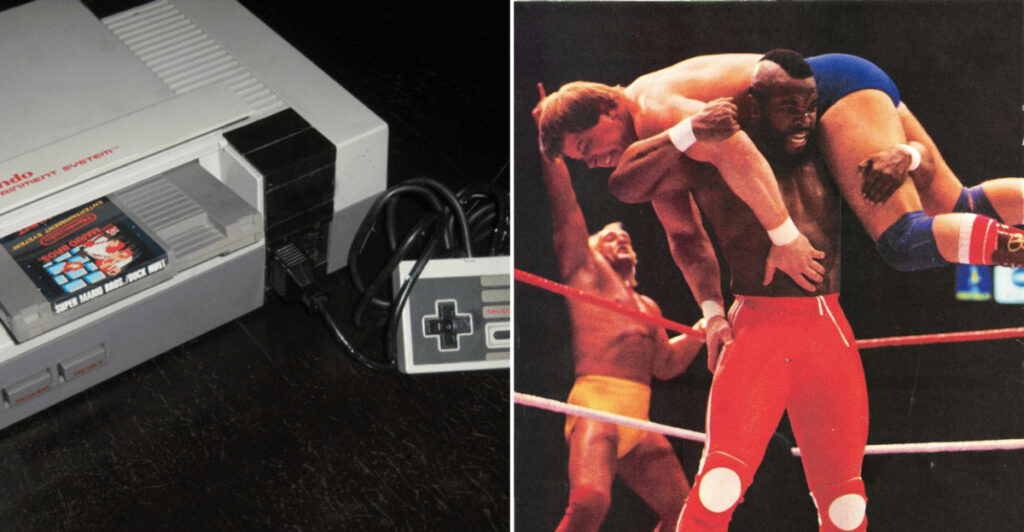
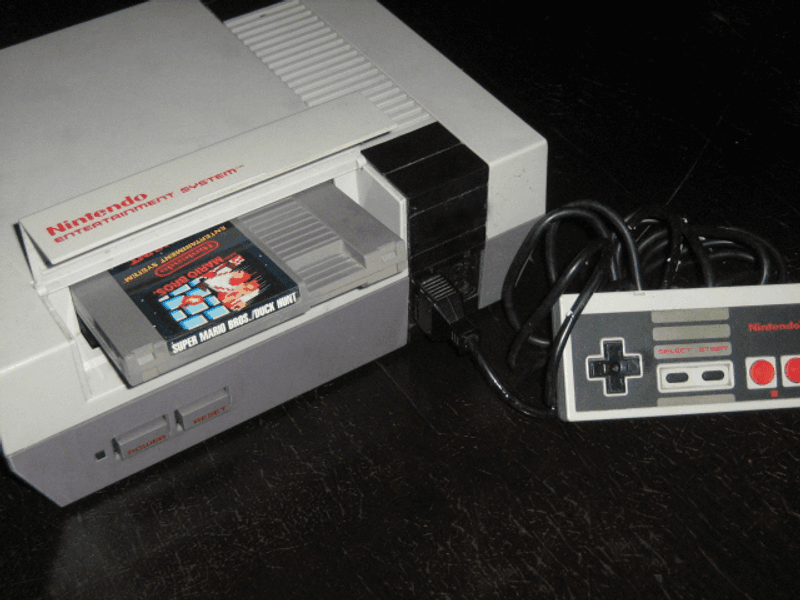
The Nintendo Entertainment System received its limited U.S. launch in 1985, packaged and marketed in a way designed to separate it from the consoles that had come before. One of its greatest weapons was Super Mario Bros., which gave players an enormous, colorful adventure starring a plumber who would soon become one of entertainment’s most famous characters.
The transformation wasn’t instantaneous nationwide, but 1985 marked the beginning of Nintendo’s remarkable American rise. Before long, kids were talking about Mario, Luigi, Bowser, and the Mushroom Kingdom as naturally as they talked about television characters.
Nintendo didn’t merely sell another console. It helped restore confidence in home gaming and laid the groundwork for a cultural empire.
For millions of children, the words “Nintendo” and “video games” would soon become almost interchangeable.
8. The Breakfast Club Made Saturday Detention Feel Profound
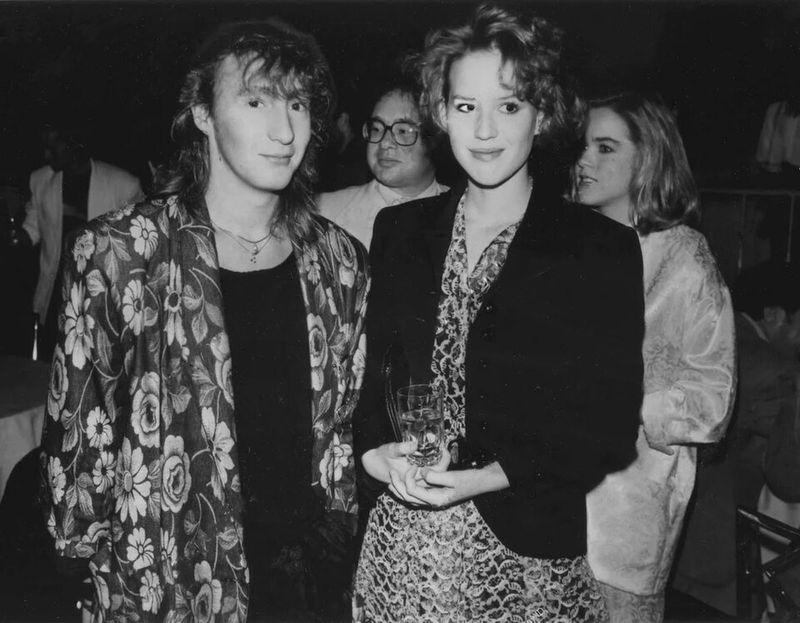
John Hughes understood something that Hollywood occasionally forgot: being a teenager could feel incredibly serious when you were actually living through it.
The Breakfast Club, released in February 1985, took five students from different high-school social groups and locked them together for Saturday detention. There was Claire the princess, Andrew the athlete, Brian the brain, Allison the basket case, and Bender the criminal.
At first, the characters seemed to have little in common. As the day continued, however, their carefully maintained identities began to fall apart.
They talked about parents, peer pressure, expectations, loneliness, relationships, and the fear that once detention ended, they would return to their separate groups and pretend the connection had never happened.
That emotional honesty helped the movie connect with young viewers. It didn’t hurt that the cast included several performers associated with the decade’s famous “Brat Pack,” including Molly Ringwald, Emilio Estevez, Judd Nelson, Ally Sheedy, and Anthony Michael Hall.
Then there was the music. Simple Minds’ “Don’t You (Forget About Me)” became inseparable from the movie, particularly its unforgettable final image of Bender walking across the football field and raising his fist.
A movie about five teenagers sitting in a school library shouldn’t have become an era-defining classic. Somehow, it did.
9. The Goonies Made Every Backyard Feel Like It Might Hide an Adventure
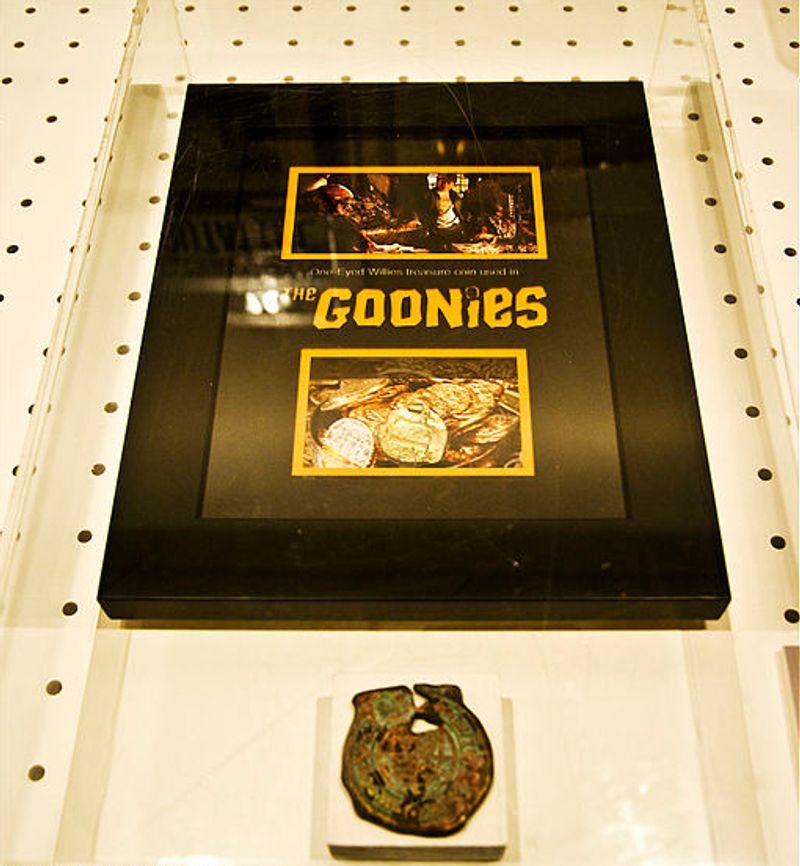
For kids growing up in the mid-1980s, The Goonies offered an irresistible possibility: what if an unbelievable adventure was waiting just beyond your neighborhood?
Released in June 1985, the movie followed a group of friends who discover an old treasure map and set off in search of the legendary fortune of pirate One-Eyed Willy. Their mission takes them through underground tunnels filled with traps while the criminal Fratelli family follows close behind.
The movie had everything a young audience could want. There were pirates, hidden passages, skeletons, gadgets, criminals, booby traps, a pirate ship, and enough danger to make the adventure feel thrilling without losing its sense of fun.
The characters were just as memorable. Mikey was the hopeful leader, Mouth couldn’t stop talking, Data arrived equipped with homemade gadgets, and Chunk gave movie history one of its most famous interrogation scenes when he was ordered to “spill his guts.”
The Goonies became more than another family adventure movie. It captured a particular childhood fantasy – the idea that ordinary kids could stumble across something extraordinary without adults leading the way.
For a generation, exploring an abandoned building, wooded trail, or mysterious basement suddenly carried the tiny possibility that One-Eyed Willy’s treasure might be waiting at the other end.
10. Whitney Houston Introduced the World to a Once-in-a-Generation Voice
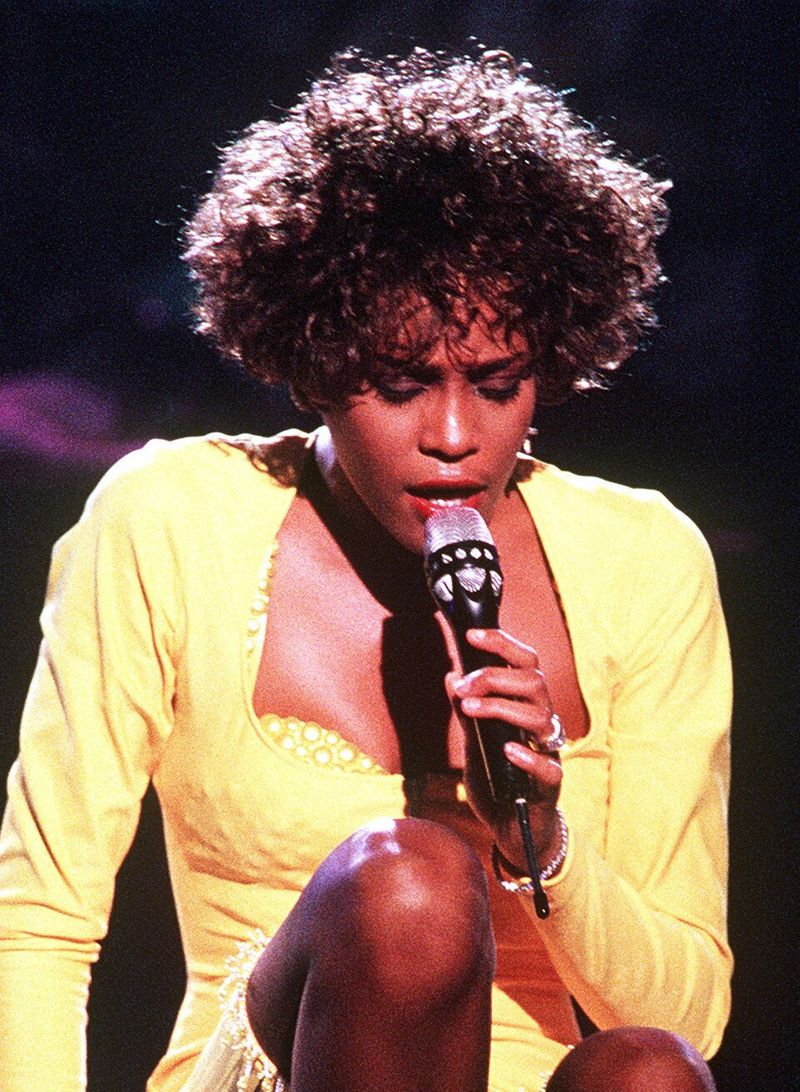
When Whitney Houston released her self-titled debut album in 1985, listeners were introduced to a singer whose voice seemed almost impossible to ignore.
Houston wasn’t presented as a novelty or a passing pop act. From the beginning, it was clear that her extraordinary vocal ability was the main attraction.
Early singles such as “You Give Good Love” established her presence, while “Saving All My Love for You” helped push her into the highest levels of the pop charts.
Her debut album didn’t peak for only a few weeks and disappear. It continued producing major hits into 1986, eventually becoming one of the most successful debut albums in music history.
Houston’s appeal also crossed musical categories. She could deliver polished pop songs, emotional ballads, and R&B with a voice powerful enough to make even technically difficult passages sound effortless.
Her glamorous image made her a natural fit for the increasingly visual MTV era as well.
In retrospect, 1985 was only the beginning. Bigger songs, enormous tours, movies, and record-breaking achievements were still ahead.
But the first chapter of the Whitney Houston phenomenon began here, when audiences realized a remarkable new voice had arrived.
11. Miami Vice Made Television Look Like a Music Video
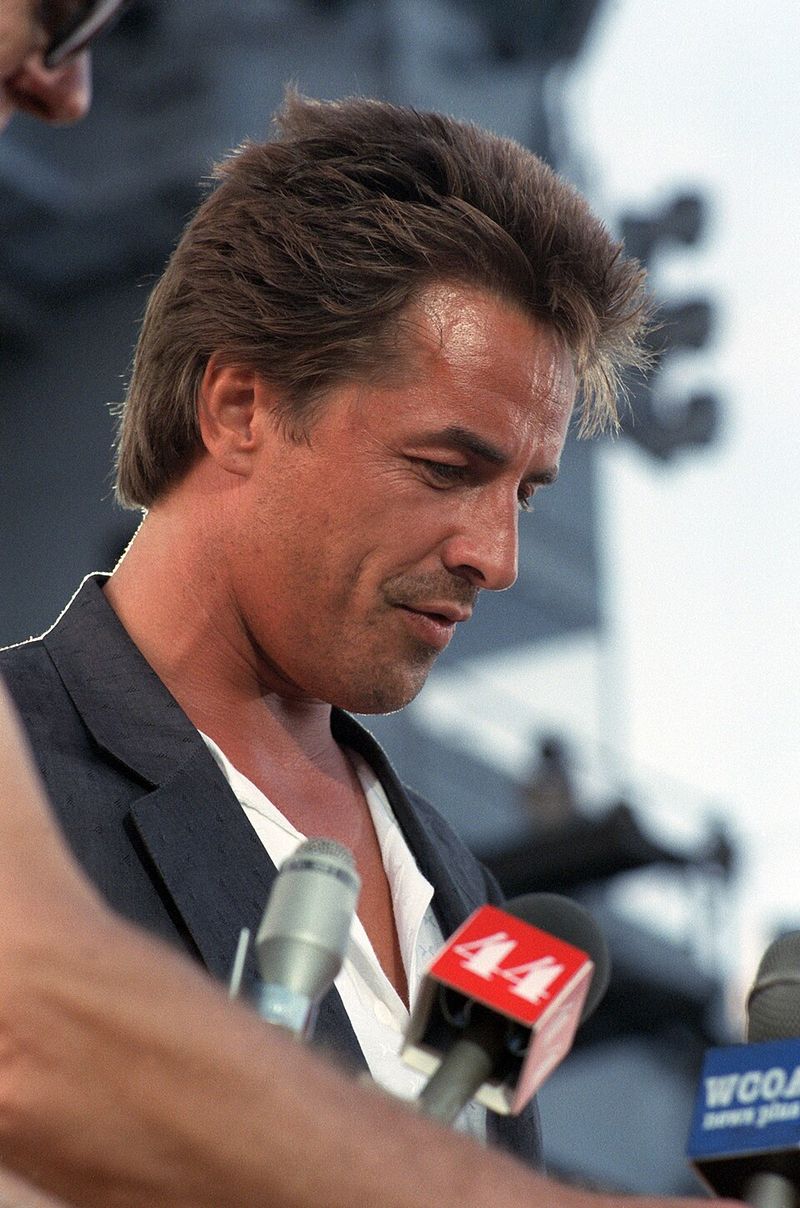
Police dramas existed long before Miami Vice, but few of them looked anything like this.
Although the series premiered in 1984, its influence exploded during 1985. Don Johnson’s Sonny Crockett and Philip Michael Thomas’ Ricardo Tubbs chased criminals through a version of Miami filled with speedboats, exotic cars, neon lights, expensive clothes, waterfront mansions, and contemporary pop music.
The show’s visual style was revolutionary for network television. Scenes were sometimes constructed around popular songs in ways that resembled music videos, helping Miami Vice feel perfectly suited to the MTV generation.
Then there was the fashion.
Crockett’s pastel shirts, linen jackets, light-colored trousers, and sockless loafers became instantly recognizable. Men who had never chased a drug smuggler through South Beach suddenly wanted to dress as though they might have to do exactly that after dinner.
The series also benefited from Johnson’s rapidly growing celebrity. Crockett’s Ferrari, designer wardrobe, permanently relaxed appearance, and pet alligator made him unlike almost any television detective who had come before.
By 1985, Miami Vice wasn’t simply a successful cop show. It was selling audiences an entire aesthetic—and the rest of the decade eagerly bought it.
12. WrestleMania Turned Hulkamania Into Mainstream Entertainment
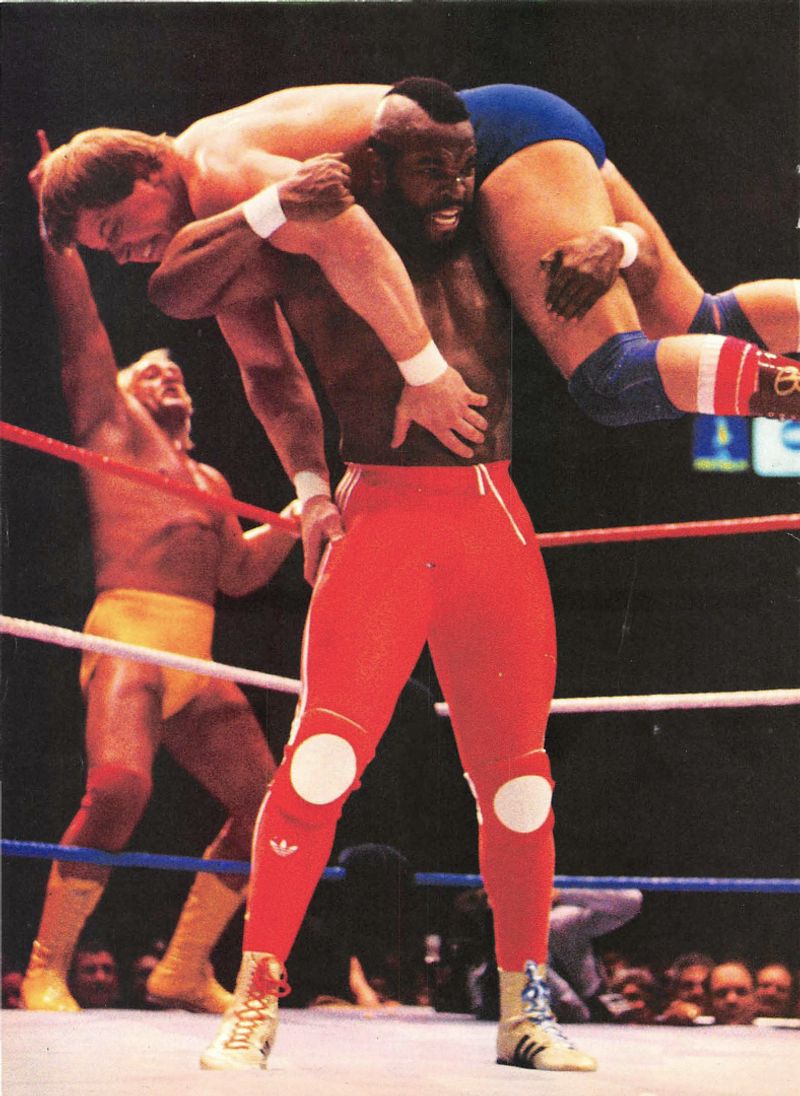
On March 31, 1985, professional wrestling staged an event that would eventually become its version of the Super Bowl.
The first WrestleMania took place at Madison Square Garden and represented an enormous gamble for the World Wrestling Federation and promoter Vince McMahon. Instead of marketing wrestling only to its established audience, the event aggressively blended sports entertainment with mainstream celebrity culture.
At the center of everything was Hulk Hogan.
Hogan teamed with The A-Team star Mr. T to face Roddy Piper and Paul Orndorff in the main event. Cyndi Lauper was part of the spectacle, Liberace appeared, and boxing legend Muhammad Ali served as a special guest referee.
The celebrity involvement wasn’t accidental. Wrestling had become intertwined with MTV through what was sometimes called the Rock ‘n’ Wrestling Connection, and WrestleMania took that crossover to another level.
Hogan’s enormous personality was perfect for the moment. His yellow-and-red outfits, handlebar mustache, booming interviews, and messages about “Hulkamania” made him especially appealing to younger fans.
WrestleMania’s success helped establish an annual entertainment institution and pushed professional wrestling deeper into mainstream American pop culture. By the middle of the decade, Hulk Hogan wasn’t merely a wrestling star – he was one of the most recognizable celebrities in the country.
13. Rocky IV Turned the Cold War Into the Ultimate Boxing Match
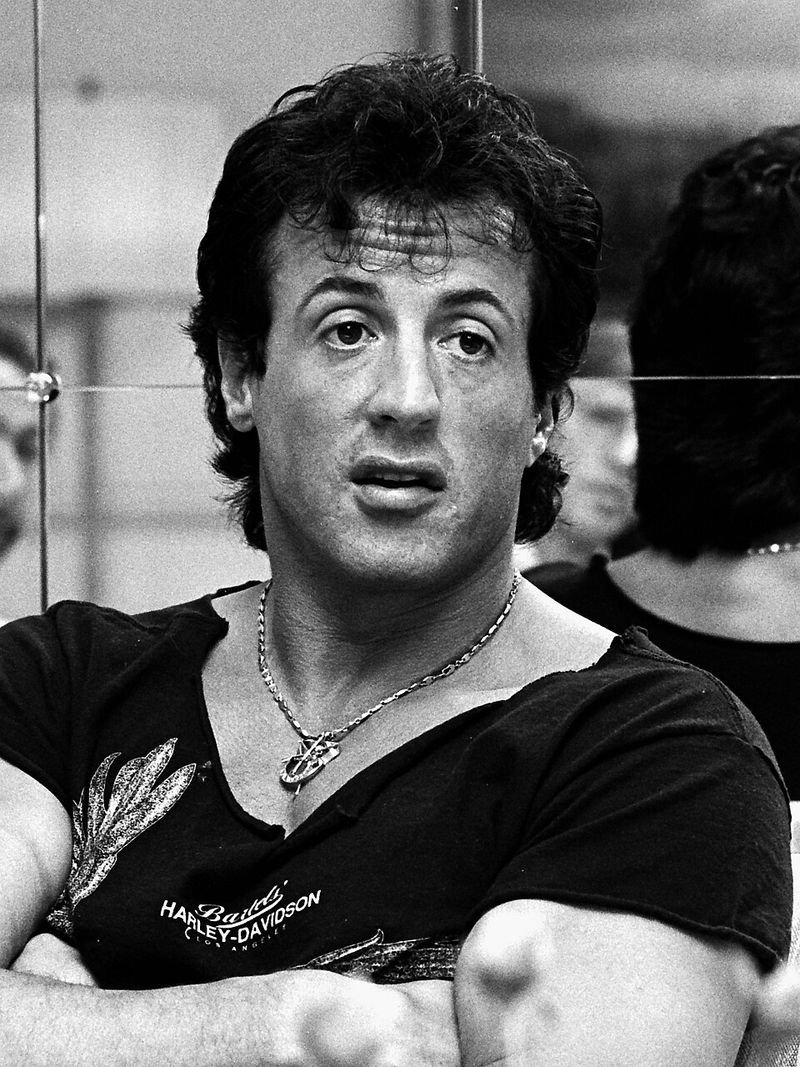
If someone wanted to understand the gloriously excessive side of 1980s movies, Rocky IV would make a pretty convincing exhibit.
Released in November 1985, the fourth Rocky film introduced Ivan Drago, a towering Soviet boxer played by Dolph Lundgren. Drago was presented as almost superhuman, backed by advanced technology and an army of trainers.
Rocky, meanwhile, prepared for their confrontation by heading into the snowy Soviet wilderness for one of the franchise’s most memorable training sequences.
Subtle it was not.
The movie transformed a boxing match into a symbolic confrontation between the United States and Soviet Union at the height of late-Cold War popular culture. It had American flags, Soviet crowds, thundering music, dramatic speeches, enormous punches, robots, montages, and enough patriotic imagery to fill several movies.
It also delivered some of the franchise’s most quoted moments. Drago became an unforgettable villain despite saying relatively little, while his confrontation with Apollo Creed gave the movie an unexpectedly dark emotional foundation.
Audiences responded enthusiastically, making Rocky IV a major box-office hit. Its mixture of sports drama, music-video editing, Cold War politics, and unapologetic spectacle could hardly have belonged to any other decade.
And in 1985, it somehow felt completely at home.
Share this story