There is a crumbling brick fortress sitting quietly on the edge of a Louisiana waterway, slowly being swallowed by vines, mud, and time. Most people drive past without ever knowing it exists, and those who do find it are often stopped in their tracks by how hauntingly beautiful it looks.
Built over 200 years ago to protect an entire city, it now stands as one of the most atmospheric abandoned landmarks in the American South. Fort Macomb is the kind of place that makes you feel like you have stumbled onto a movie set, except everything around you is completely real.
A Fortress Built to Protect New Orleans
After the War of 1812 rattled the young United States, military leaders realized coastal defenses were badly needed. Congress responded with an ambitious plan called the Third System, which called for dozens of brick fortifications along the country’s most vulnerable waterways.
Fort Macomb was one of 42 forts built under this program, constructed starting around 1822 near Chef Menteur Pass in Louisiana. Its location was chosen carefully.
Chef Menteur Pass is a narrow water channel connecting Lake Borgne to Lake Pontchartrain, and controlling it meant controlling one of the key back routes into New Orleans.
The fort covered roughly five acres and was designed to stop enemy ships before they could threaten the city. For its time, it was a serious piece of military engineering, built from brick and mortar in a region where the land itself fights back against construction every single day.
Where Exactly You Will Find This Forgotten Landmark
Fort Macomb sits along Chef Menteur Highway in New Orleans, Louisiana, at the eastern edge of the city where urban streets give way to open marsh and brackish water. The address places it at New Orleans, LA 70129, in the United States, tucked between the highway and the waterway it was built to guard.
Getting there requires a drive through a landscape that shifts dramatically from city to wetland. The road narrows, the trees thicken, and before long the skyline disappears entirely behind cypress and Spanish moss.
The fort is not well marked, and first-time visitors often drive past it without realizing what they missed. Knowing roughly where to look helps a lot.
A tip from regular visitors: check weather and tide conditions before heading out, because the access road can flood quickly after heavy rain and become completely impassable.
The Third System and What It Meant for American Defense
The Third System of fortification was one of the most ambitious military construction programs in early American history. Approved after the British famously marched into Washington D.C. during the War of 1812, the plan called for a chain of masonry forts protecting every major port and coastal waterway.
Engineers drew on European military design, particularly French techniques, to create structures capable of mounting heavy artillery while withstanding naval bombardment. The brick walls were thick, the cannon openings were precisely angled, and the overall layouts were meant to maximize firepower while minimizing exposure to enemy fire.
Fort Macomb fit neatly into this national strategy. Louisiana had already proven its military importance during the Battle of New Orleans in 1815, and planners understood that the city needed multiple layers of protection.
The fort was one piece of a much larger defensive puzzle that stretched along the entire Gulf Coast.
Civil War History Written in Crumbling Brick
Fort Macomb saw its most dramatic chapter during the Civil War. Confederate forces seized control of the fort in January 1861, shortly after Louisiana seceded from the Union.
For a time, the old brick structure served the Confederacy as a strategic position along the water route to New Orleans.
Union troops regained control in 1862 and used the fort for training exercises and as a barracks. The structure was functional but never became a major battle site.
Its role was more logistical than combative, serving as a staging ground rather than a frontline position.
Earlier in its history, during the Second Seminole War and the Mexican-American War, the fort had similarly served as a supply staging area rather than an offensive post. Fort Macomb was never fired upon in a major engagement, yet its walls absorbed decades of military history just the same, and those walls are still standing today.
The Slow Surrender to Nature
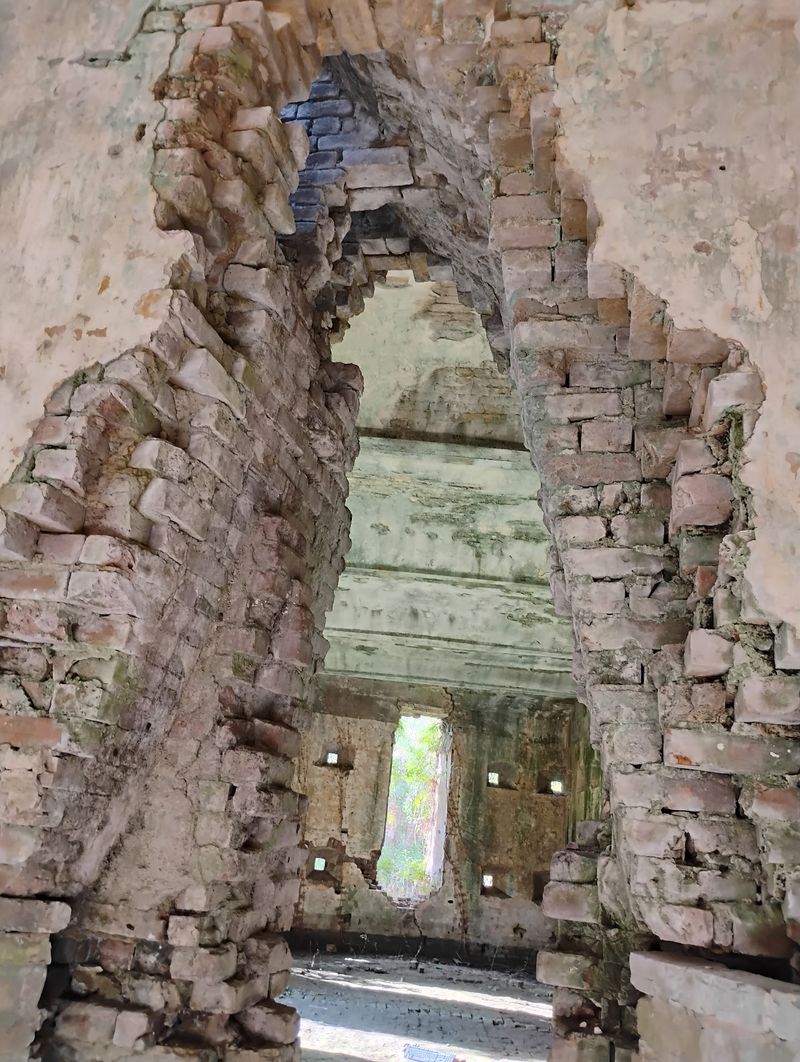
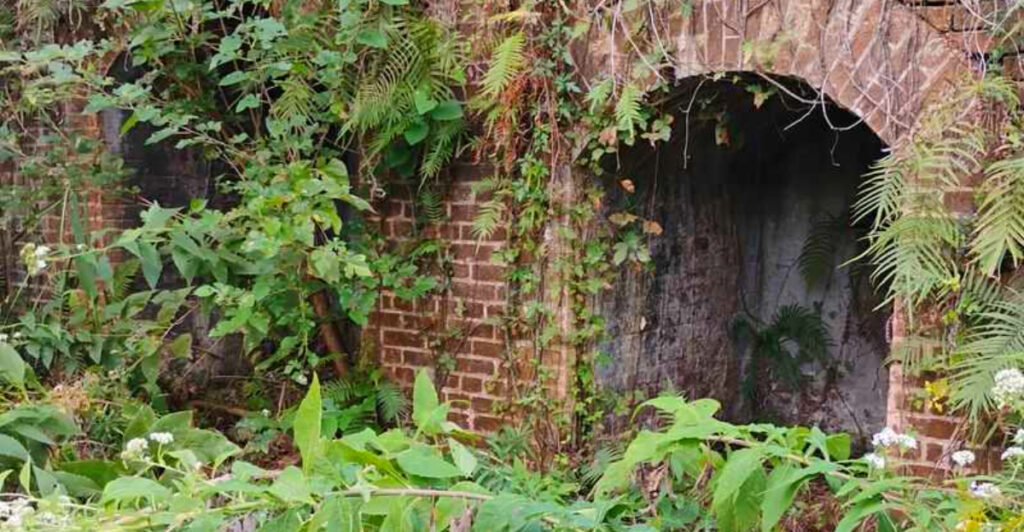
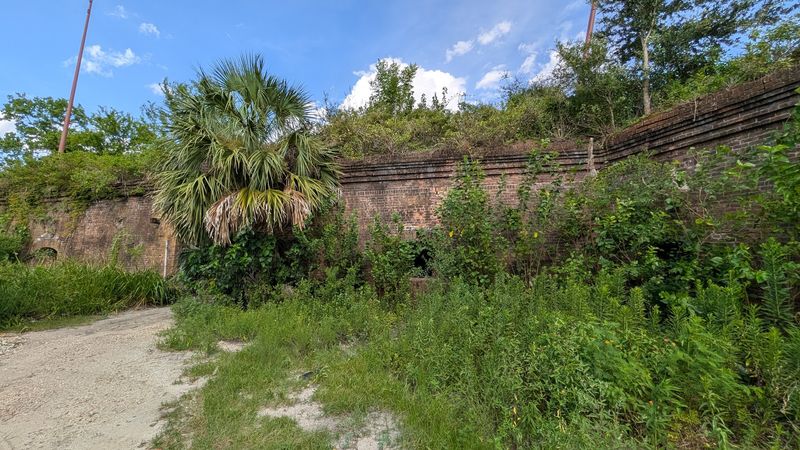
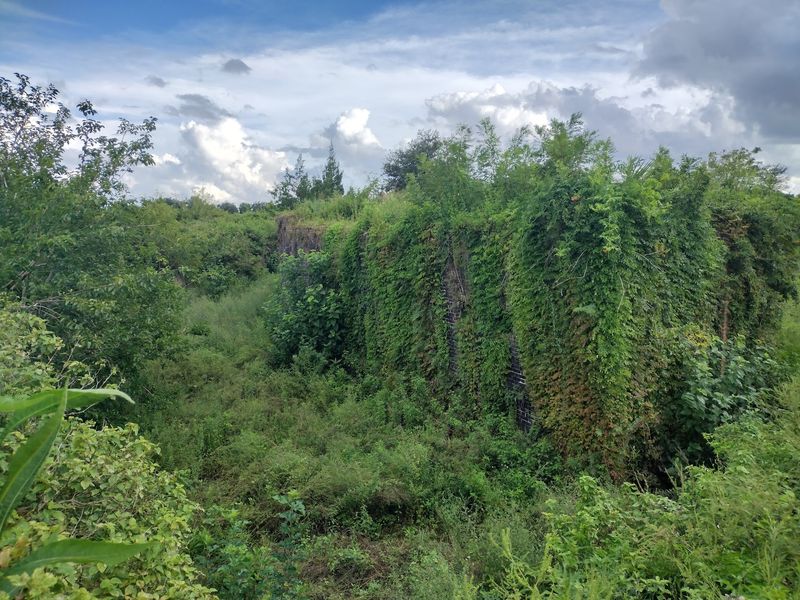
Few things illustrate the power of Louisiana’s natural environment quite like walking up to Fort Macomb today. What was once a carefully engineered military structure is now wrapped in vines, moss, and vegetation that has pushed through every crack and crevice it could find.
The subtropical climate here is relentless. High humidity, heavy rainfall, and warm temperatures year-round create ideal conditions for plant growth, and the surrounding marsh adds another layer of moisture that accelerates decay.
Brick that was meant to last centuries is being slowly reclaimed by the landscape around it.
Walking the overgrown paths around the fort, you get a vivid sense of just how quickly nature moves when humans step back. Trees have rooted themselves in the old walls.
Grasses have colonized the upper surfaces. The whole structure feels like something out of a forgotten world, quietly disappearing one season at a time.
What the Architecture Still Reveals
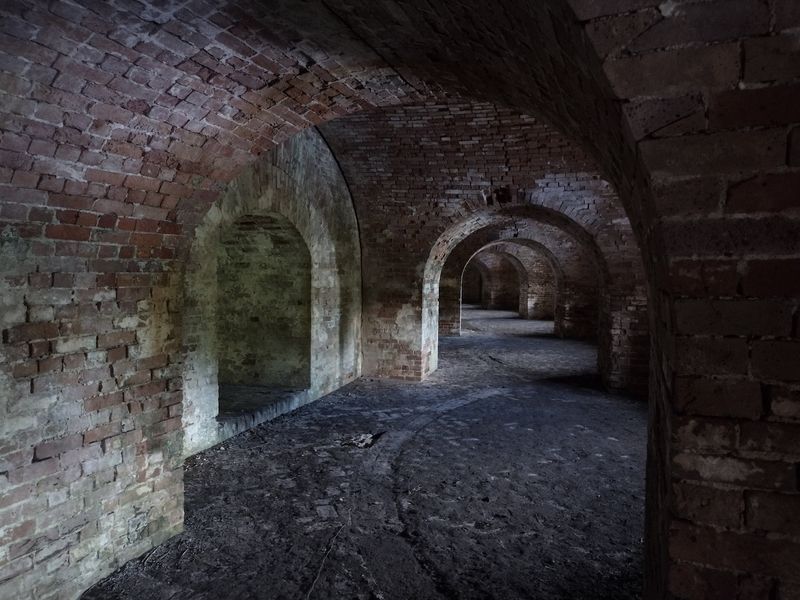
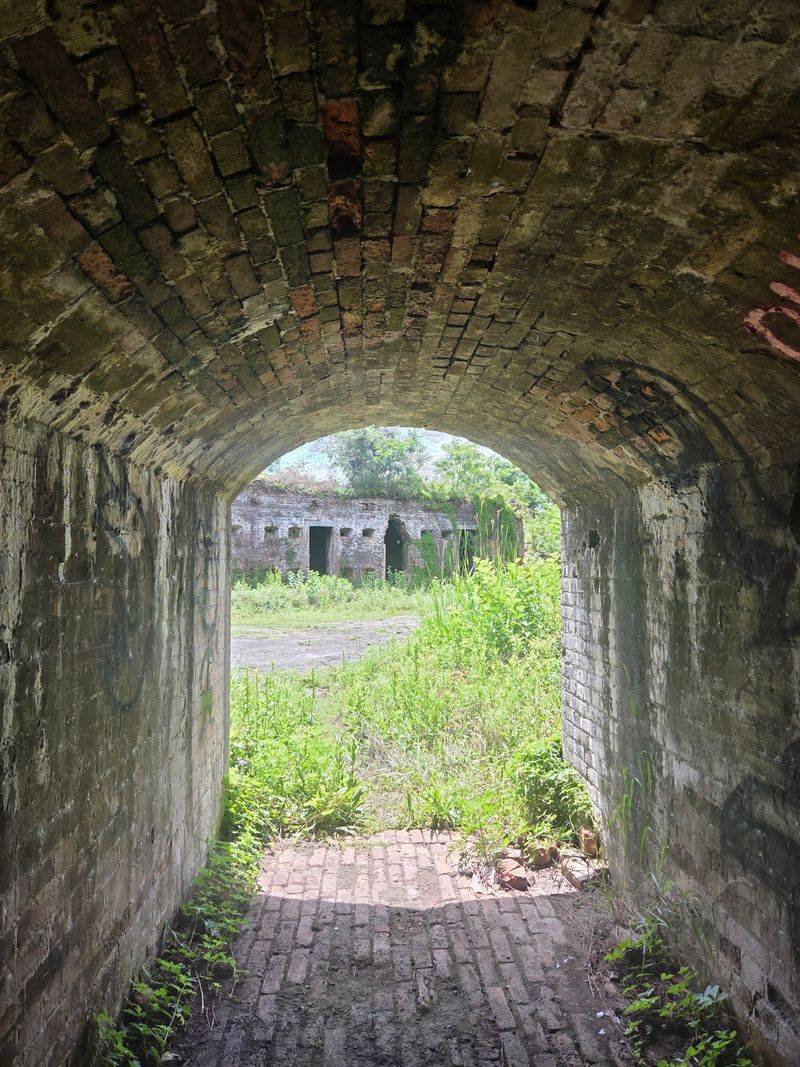
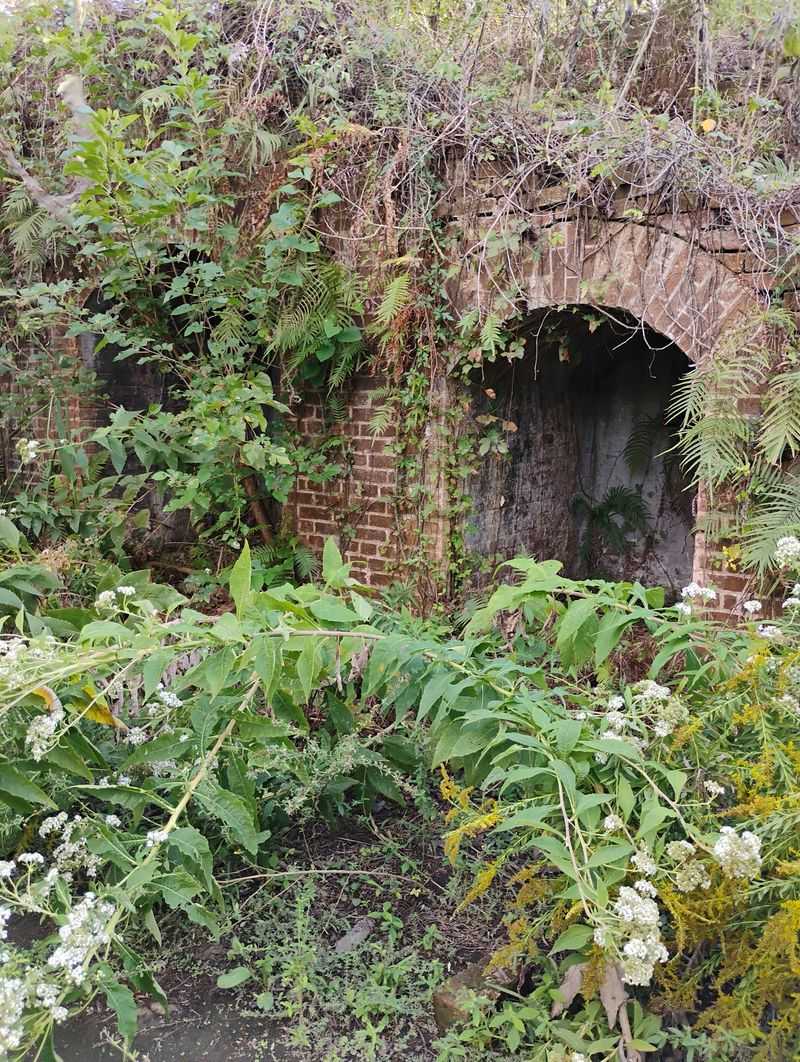
Even in its ruined state, Fort Macomb displays impressive architectural detail. The brick construction follows classic Third System design principles, with thick curved walls, arched passageways, and carefully positioned cannon embrasures that once held heavy artillery aimed at the water below.
The masonry work itself is worth examining up close. Nineteenth-century bricklayers used techniques and materials suited to the wet Louisiana environment, though even the best craftsmanship has limits against two centuries of humidity and neglect.
The mortar has crumbled in places, but many of the arches remain structurally coherent.
Visitors who pay close attention to the layout can still trace how the fort was organized, where soldiers would have stood watch, and how the cannon positions were arranged to cover the widest possible angle of the waterway. The design logic of the original engineers is still readable in the bones of the structure, if you know where to look.
Chef Menteur Pass and Why It Mattered
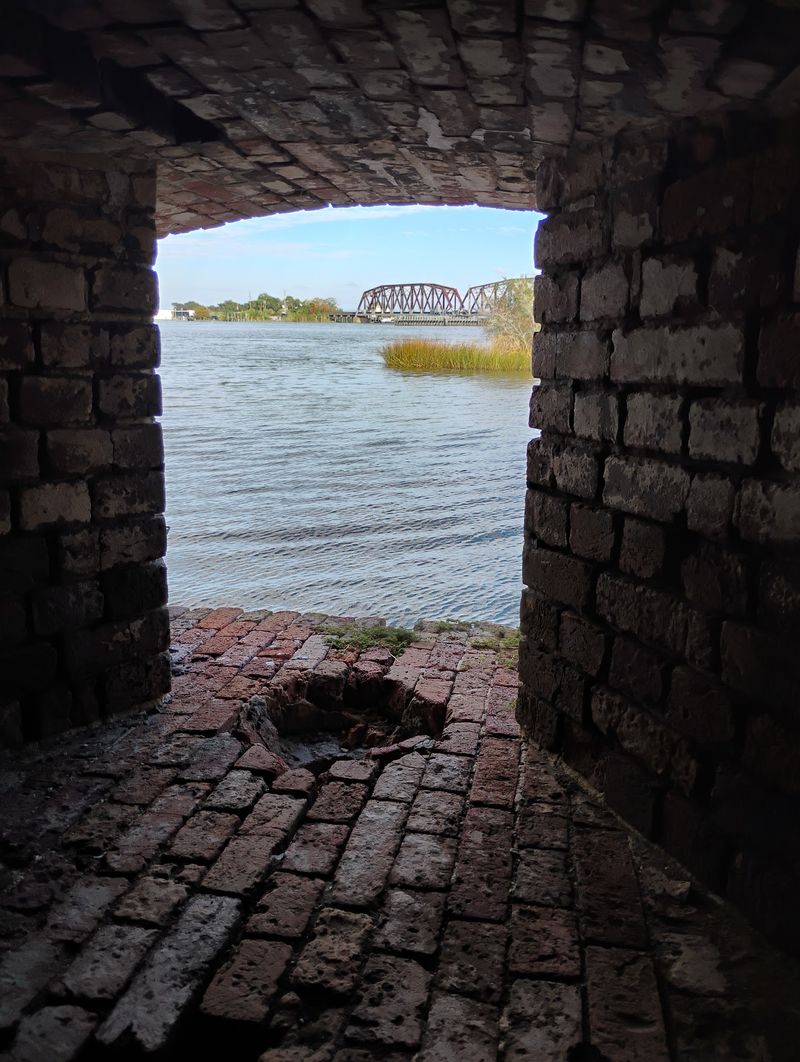
Chef Menteur Pass is not a name most people outside Louisiana would recognize, but historically it was one of the most strategically important water channels in the entire Gulf South. The pass connects Lake Borgne to Lake Pontchartrain, forming a back-door water route toward New Orleans that any naval force would love to exploit.
Military planners in the early 1800s understood this perfectly. A hostile fleet moving through Chef Menteur Pass could potentially bypass the more heavily defended approaches to the city and threaten New Orleans from an unexpected direction.
Fort Macomb was the answer to that threat.
Today the pass still carries boat traffic, and the view from the fort’s position along the water gives you an immediate sense of why the location was chosen. The channel is narrow enough that a well-armed fort could realistically control everything passing through it, which was exactly the point when the first bricks were laid.
The Photography That Draws People From Across the Region
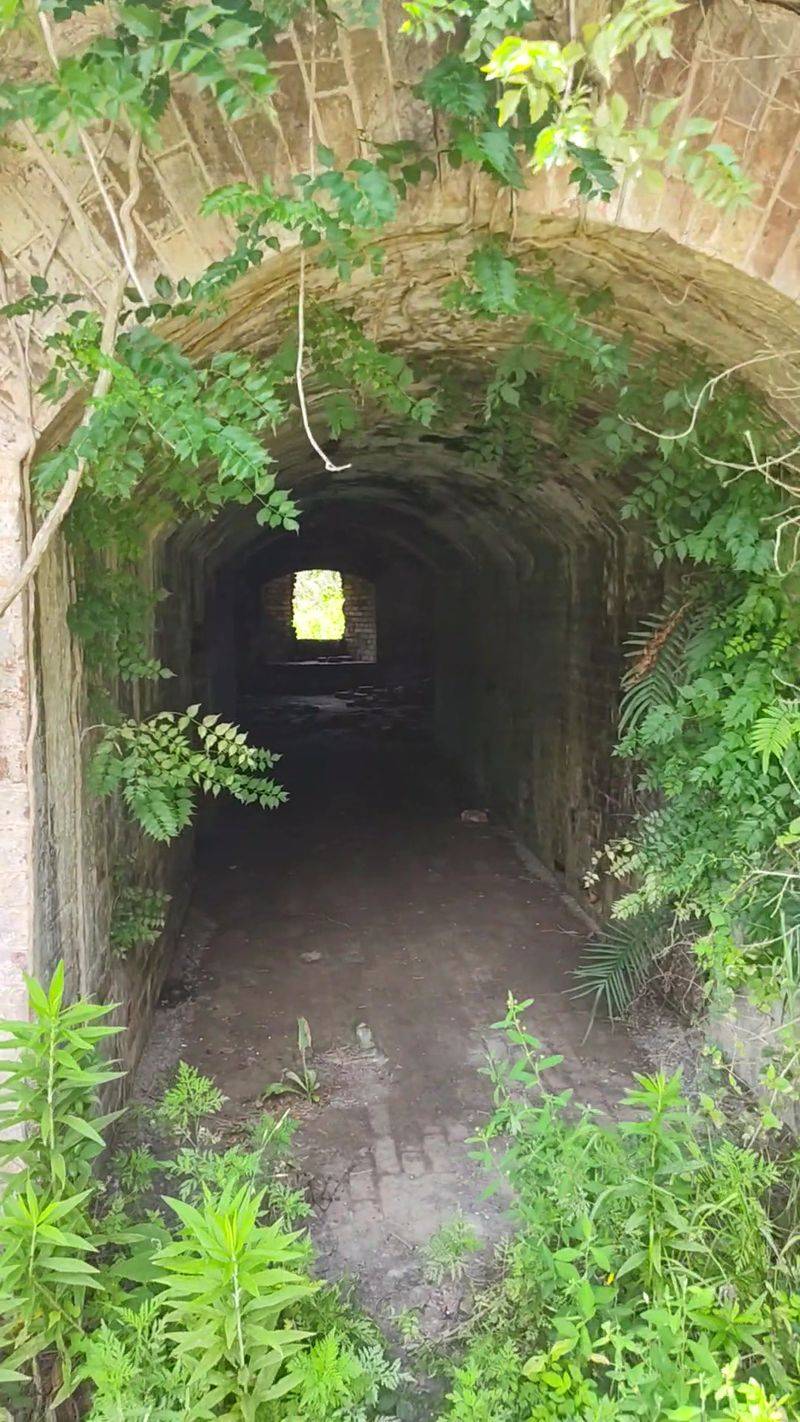
Word has spread through photography communities that Fort Macomb offers something genuinely rare: a crumbling 19th-century brick fortress surrounded by Louisiana wetlands, completely reclaimed by vegetation, and accessible enough for close-up exploration. The combination is almost impossible to find anywhere else in the region.
Early morning visits tend to produce the most striking results. The low light catches the texture of the old brick, mist sometimes hangs over the surrounding marsh, and the overgrown paths take on an almost dreamlike quality.
Photographers who visit on overcast days often find that flat light brings out the details in the stonework without harsh shadows.
The structural details reward wide-angle lenses as much as close-up shots. Arched doorways framed by hanging vines, cracked walls with grasses pushing through, and long corridor views disappearing into shadow all make for images that are hard to capture anywhere else in the New Orleans area.
Added to the National Register of Historic Places
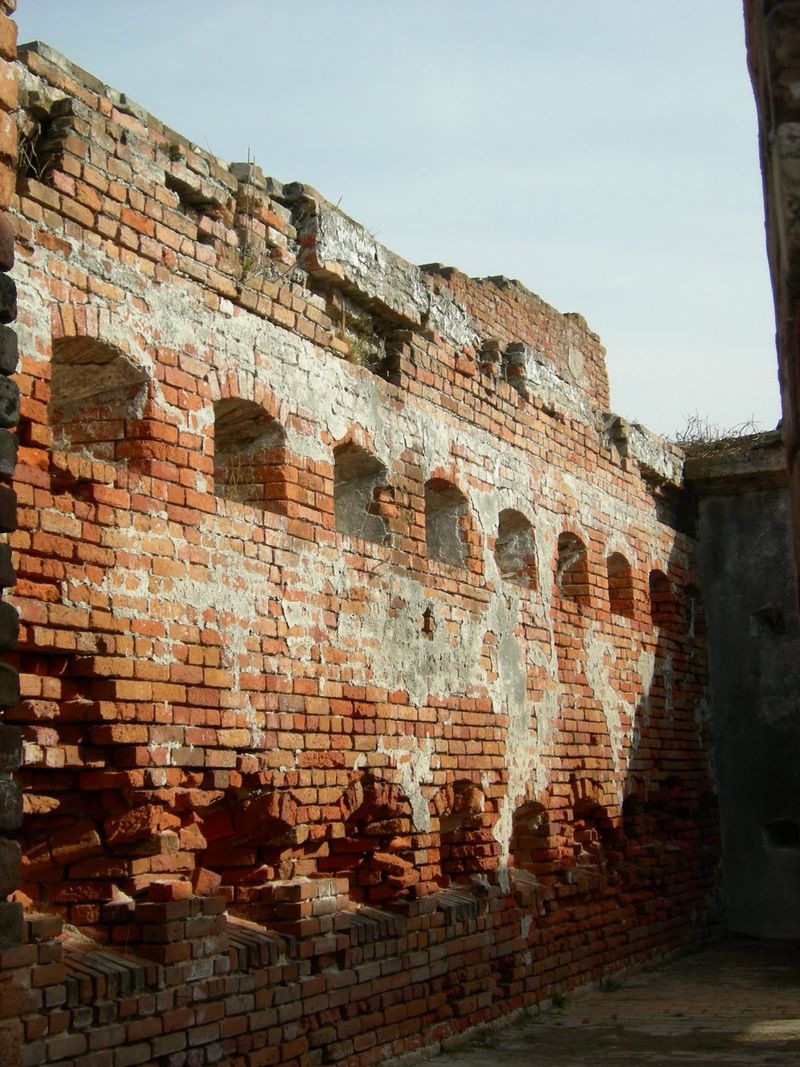
Fort Macomb earned a significant recognition when it was added to the National Register of Historic Places on October 11, 1978. That designation acknowledges the fort’s importance to American military history and places it alongside thousands of other historically significant sites across the country.
Being listed on the National Register does not automatically guarantee preservation funding or active maintenance, and Fort Macomb’s current condition makes that clear. The listing is more of a formal acknowledgment of historical significance than a promise of restoration.
Still, it signals that the site is worth protecting.
The 1978 listing gave Fort Macomb a reference number of 78001429, placing it in the permanent federal record of American historic places. For history enthusiasts, that context adds a layer of meaning to every crumbling wall and overgrown archway.
You are not just looking at an old ruin. You are standing inside a nationally recognized piece of American military heritage.
The Practical Reality of Visiting Today
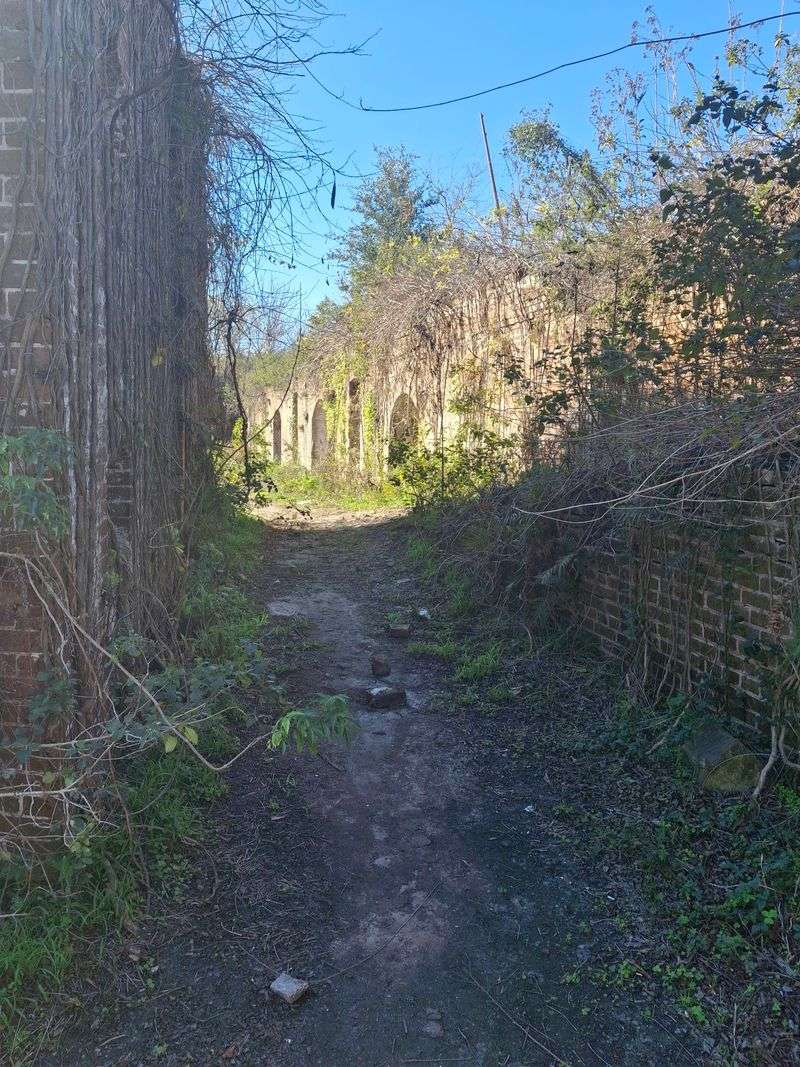
Fort Macomb sits in a complicated position when it comes to public access. The site is technically closed, and signage reflects that, but the gate has often been found open by visitors who make the trip.
Access conditions seem to vary depending on the time of year, recent weather, and whether filming or other activities are taking place on the grounds.
Those who have explored the site strongly recommend wearing sturdy, closed-toe shoes or boots. The paths are muddy, uneven, and in places quite overgrown.
The surrounding marsh means the ground stays wet even after dry spells, and insects can be persistent in warmer months.
Early morning visits tend to be cooler and less buggy, which makes exploring more comfortable. Flooding is a real concern on the access road after heavy rain, so checking conditions before you drive out is genuinely important.
The site rewards patience and preparation in equal measure.
How the Fort Connects to Fort Pike Nearby
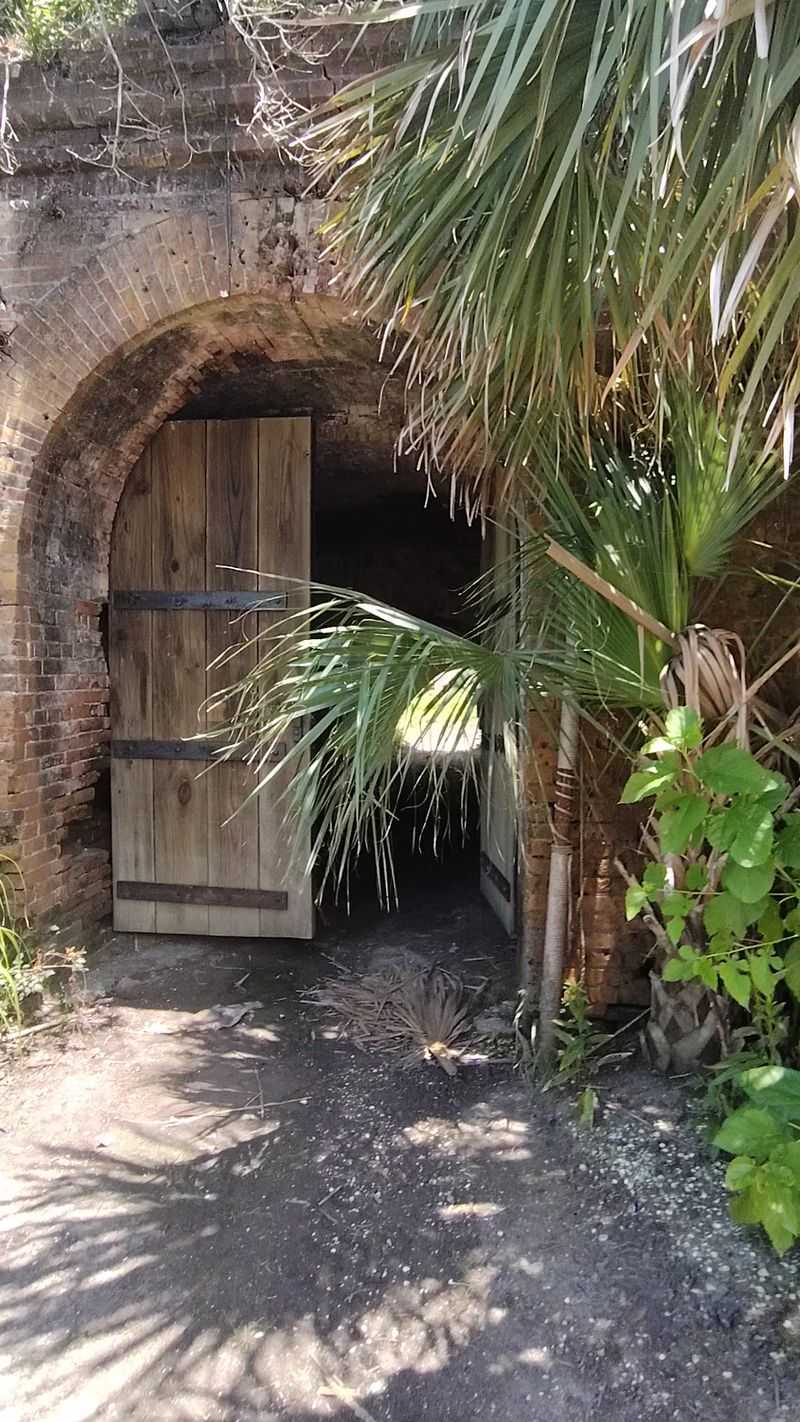
Fort Macomb is not the only 19th-century brick fort in the area. Fort Pike, another Third System fortification, sits nearby off old Highway 90 south of Slidell.
The two forts were built around the same era and share a similar design philosophy, both positioned to control water routes leading toward New Orleans.
Fort Pike is generally considered less accessible than Fort Macomb in terms of getting close to the structure, though both sites carry the same atmospheric weight of abandonment and history. Visiting one naturally makes you curious about the other, and some history enthusiasts make a point of seeing both on the same trip.
Together, the two forts paint a picture of how seriously early American military planners took the defense of Louisiana’s waterways. Seeing them in the same day gives you a fuller sense of the regional strategy that shaped both structures, and of how much has changed in the two centuries since.
Film and Television Productions at the Ruins
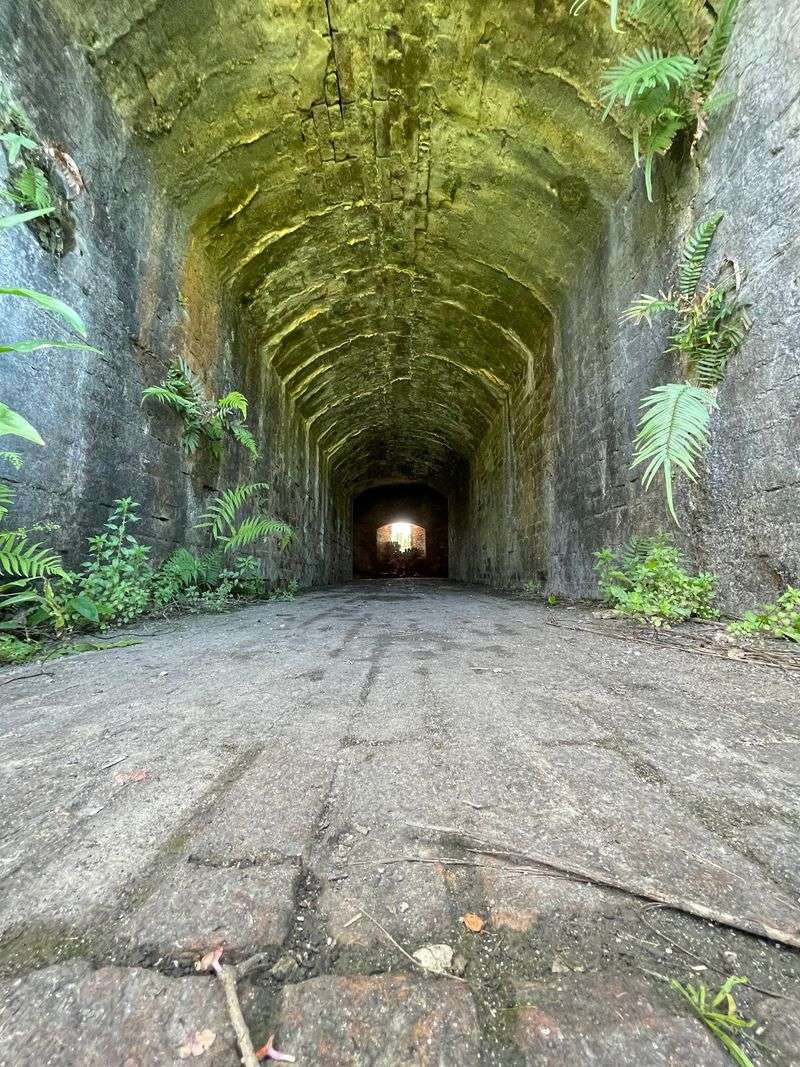
Fort Macomb has attracted attention beyond history buffs and photographers. The ruins have reportedly been used as a filming location, which explains why visitors occasionally arrive to find the gate locked and security present on the grounds.
Louisiana’s film industry is substantial, and locations with genuine historical atmosphere are always in demand.
The fort’s combination of aged brick, overgrown vegetation, and waterside setting creates a visual character that is difficult to replicate on a studio lot. Productions looking for an authentic backdrop of decay and history have found Fort Macomb genuinely useful for that reason.
One visitor reference mentions the fort’s connection to the television series True Detective, which filmed portions of its first season across Louisiana’s more remote and atmospheric locations. Whether Fort Macomb appeared in that production or simply inspired the comparison, the association speaks to the fort’s undeniable cinematic quality.
Few ruins in Louisiana carry this much visual weight.
The Atmosphere That Keeps People Talking
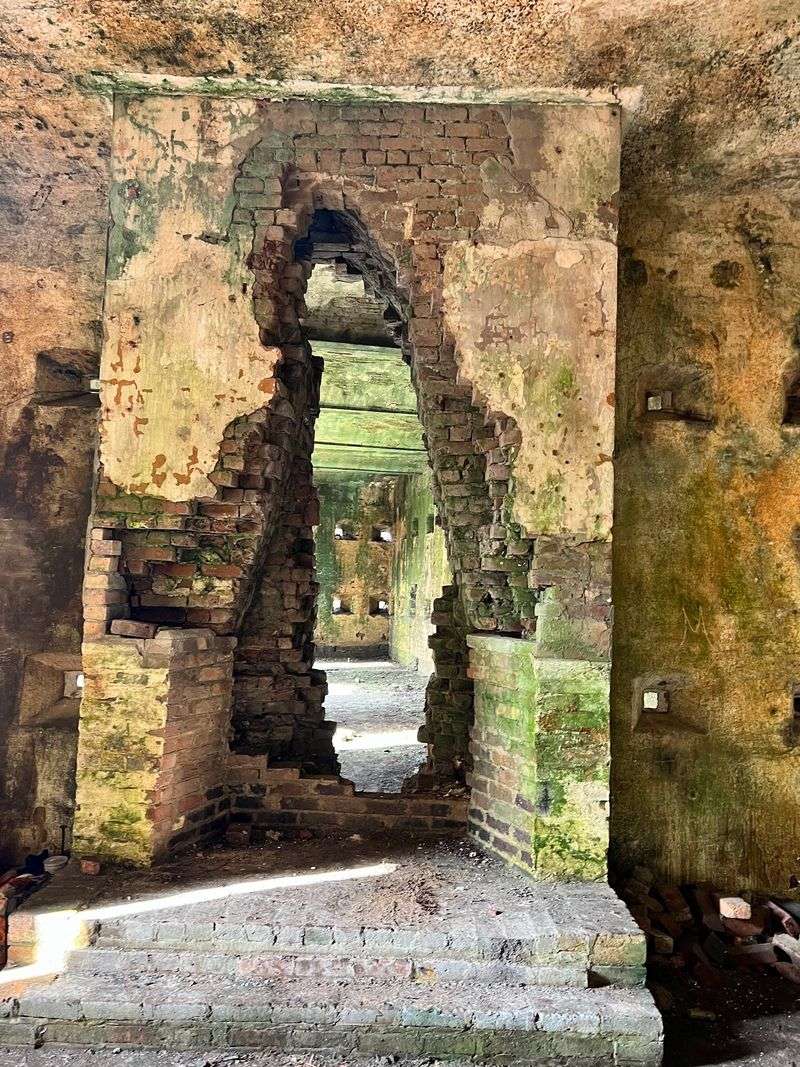
There is something about Fort Macomb that is genuinely hard to describe until you have stood inside it. The combination of aged brick, encroaching vegetation, complete silence, and the knowledge that soldiers once moved through these same corridors creates an atmosphere that few other places can match.
Visitors consistently describe the experience as ominous in the best possible way. The fort does not try to be dramatic.
It simply exists in its state of slow collapse, and that honesty is what makes it so affecting. There are no interpretive signs, no gift shops, no guided tours.
Just you, the ruins, and the sound of the marsh around you.
On overcast days especially, the light filtering through vine-covered archways creates a quality that photographers and casual visitors alike find hard to shake. The place stays with you after you leave, which is the truest measure of any location worth visiting in the first place.
What Preservation Would Actually Require
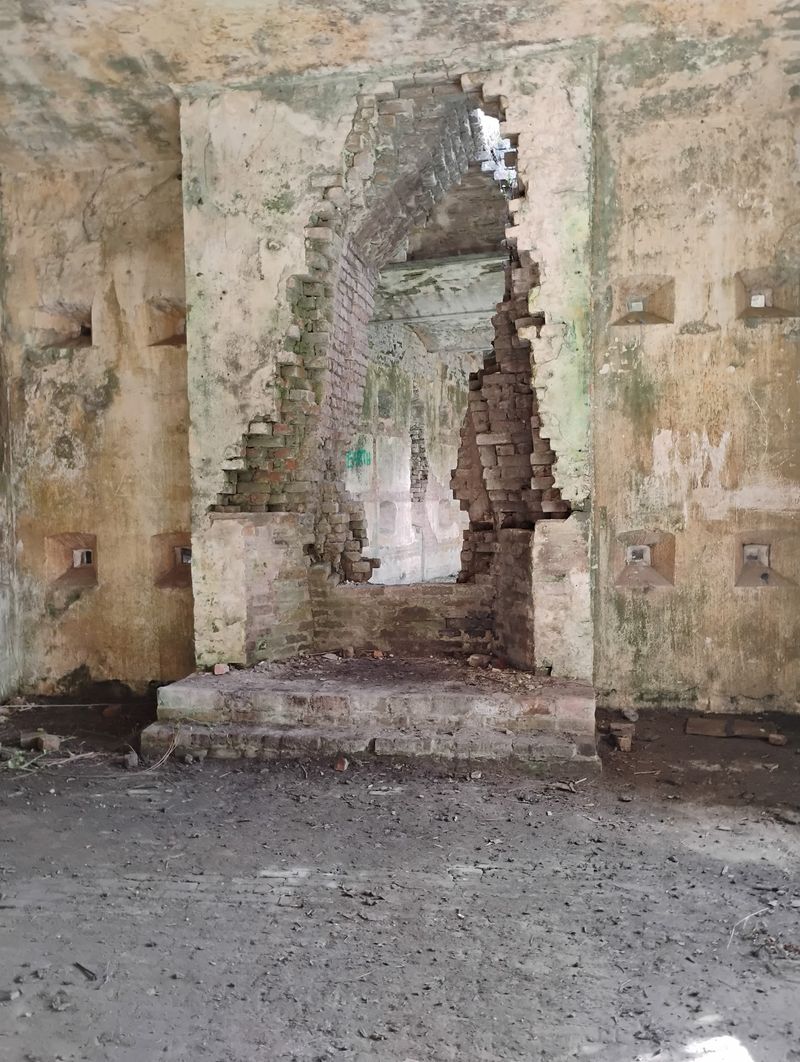
Looking at Fort Macomb today, it is natural to wonder why the state has not stepped in to restore it. The answer involves a complicated mix of funding, environmental challenges, and the sheer difficulty of working in a Louisiana marsh environment.
Brick restoration in a high-humidity coastal setting is expensive and technically demanding. The surrounding wetland creates ongoing challenges with ground stability, drainage, and moisture infiltration that make any permanent repair work difficult to sustain.
Even well-funded restoration projects in similar environments require constant ongoing maintenance to hold back nature’s progress.
The Louisiana Office of State Parks has administrative ties to the site, but active restoration has not materialized in any meaningful way. Many visitors express genuine sadness about the fort’s continued decline, noting that the structure still has remarkable character despite decades of neglect.
What it would take to save Fort Macomb is clear. Finding the will and resources to do it has proven far more complicated.
Why This Place Deserves More Attention
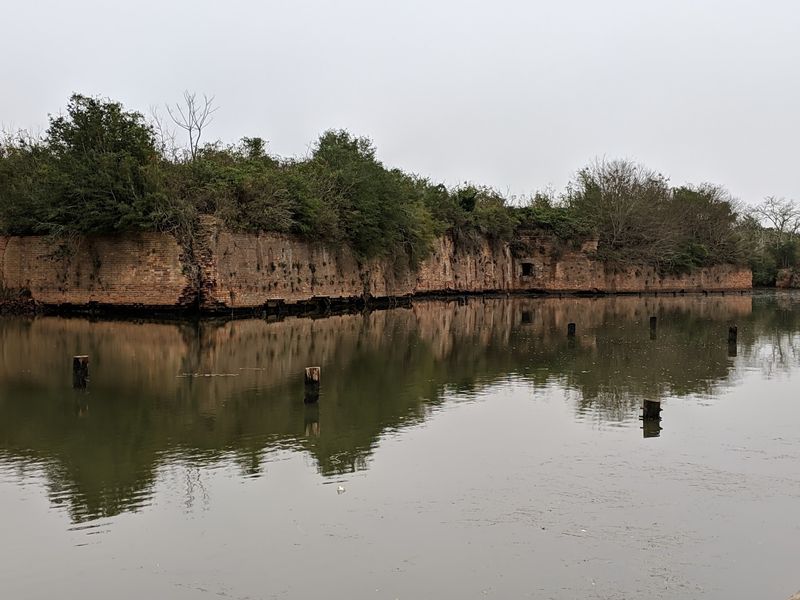
Fort Macomb is the kind of place that makes you reconsider how many remarkable things exist just off the roads you drive every day. A 200-year-old brick fortress sitting at the edge of a Louisiana waterway, slowly returning to the earth, is not a minor footnote in American history.
It is a genuinely significant landmark that most people have never heard of.
The fort’s military history spans from the post-War of 1812 era through the Civil War. Its architecture reflects a nationally coordinated defense strategy.
Its current state of overgrown abandonment makes it one of the most visually striking ruins in the entire Gulf South.
Whether you come as a history enthusiast, a photographer, or simply someone who appreciates places that feel untouched by modern life, Fort Macomb delivers something real and rare. The New Orleans area has no shortage of remarkable places, but few carry quite this much layered, weathered, quietly fading history within their walls.
Share this story