There is a waterfall in Oregon that does something most waterfalls simply cannot do: it lets you walk right behind it through a tunnel carved into the rock. The roar of the water is all around you, the mist hits your face, and the view from the other side is the kind of thing you will talk about for years.
The trail to get there winds along steep cliff sides, crosses rocky terrain, and passes a parade of other gorgeous waterfalls along the way. By the time you reach that tunnel, you will have earned every single second of the experience.
Where Tunnel Falls Actually Is
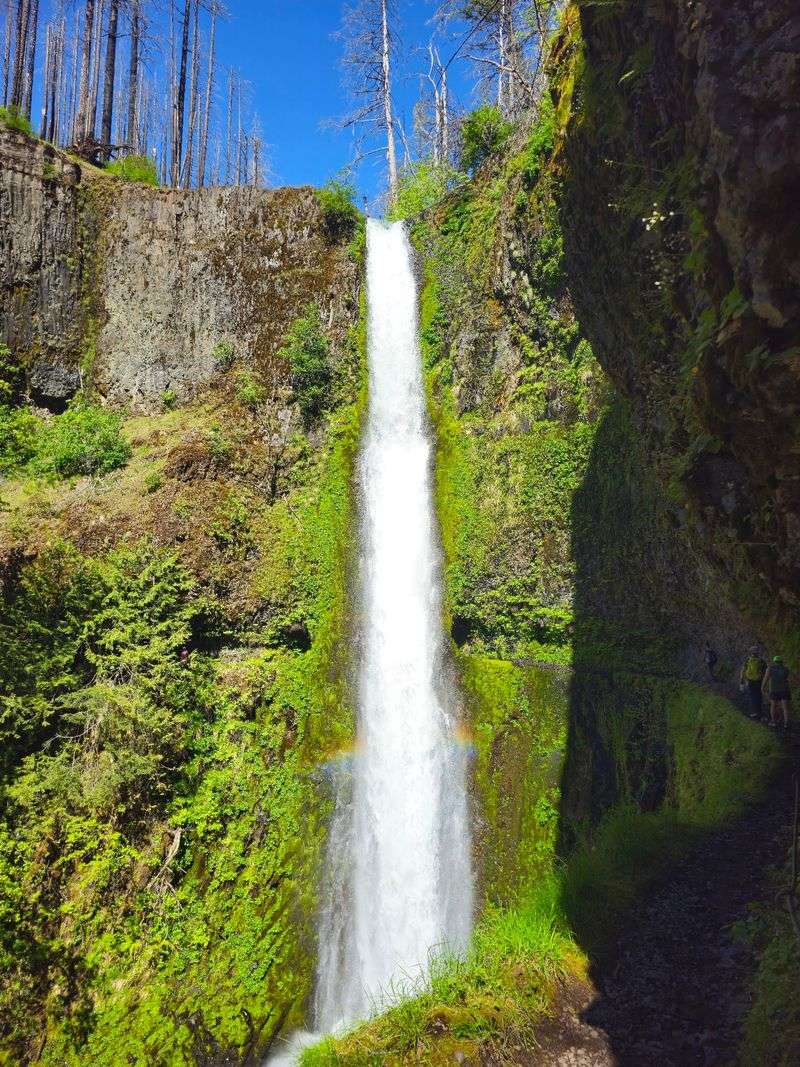
Tunnel Falls sits deep within the Columbia River Gorge in Oregon, accessible via the Eagle Creek Trail, which starts at the Eagle Creek Trailhead near Cascade Locks, Oregon 97014. The trailhead is roughly 40 miles east of Portland, making it a very doable day trip from the city.
The falls themselves are about 6.7 to 7 miles from the first parking lot, depending on where you park. That means a round trip of approximately 13 to 14 miles, so plan your day accordingly and pack enough food and water to keep you going strong.
The Columbia River Gorge National Scenic Area surrounds the entire trail, meaning the scenery is protected and consistently breathtaking. Towering basalt cliffs, old-growth trees, and the rushing Eagle Creek itself line the route.
A Northwest Forest Pass or a $5 day-use pass is required to park at the trailhead. Credit card kiosks are available at the Eagle Creek Car Park lot, but the trailhead lot only accepts cash, so come prepared with both options just in case.
The Story Behind the Tunnel
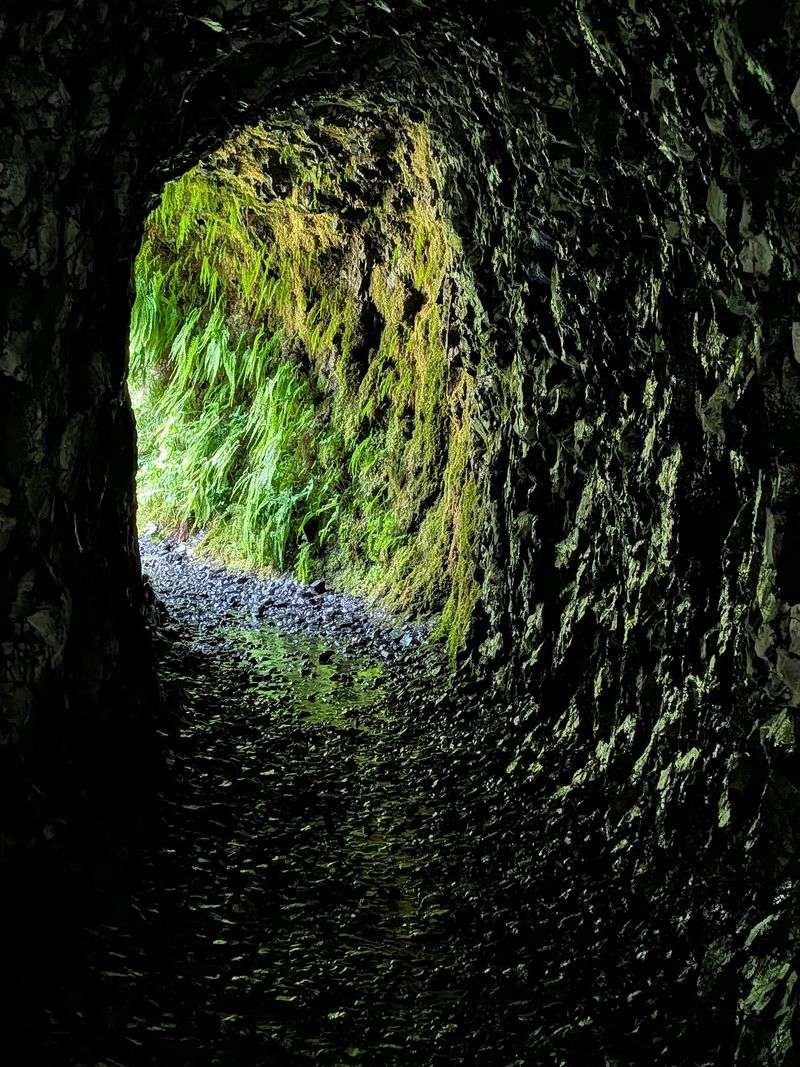
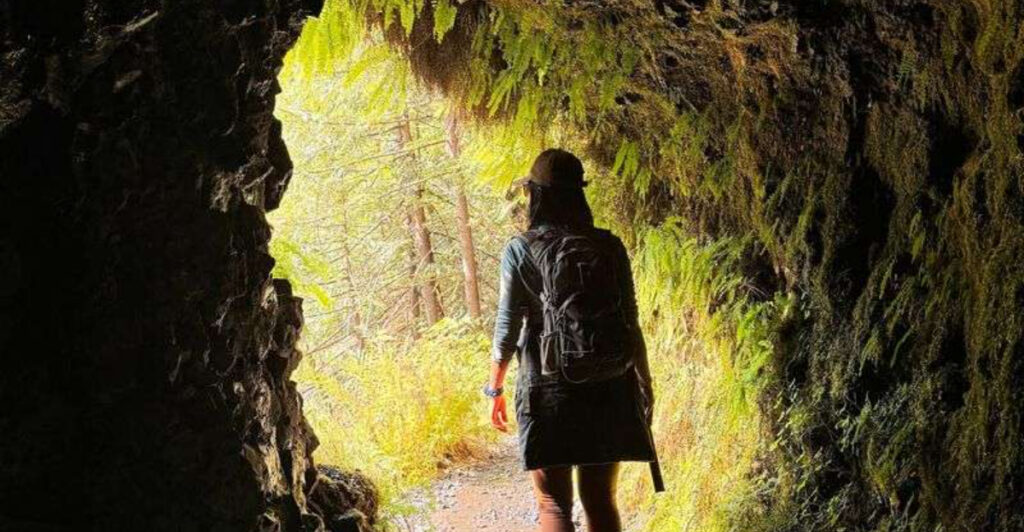
Tunnel Falls gets its name from something genuinely rare in the waterfall world: a hand-carved tunnel that cuts directly through the basalt cliff face behind the falls. Hikers walk through this tunnel to pass from one side of the waterfall to the other, with the curtain of water thundering just inches away.
The tunnel was blasted and carved out during the original construction of the Eagle Creek Trail in 1915. At the time, the trail was built as part of the Historic Columbia River Highway system, designed to give the public access to the dramatic scenery of the gorge.
The construction crews worked with basic tools by today’s standards, yet they managed to create a trail that still holds up more than a century later. That tunnel behind the falls is a direct product of that early 20th-century ambition.
Tunnel Falls drops approximately 160 feet, making it both tall and powerful. The combination of that height, the spray, and the tunnel walkway creates an experience that feels completely unlike any other waterfall visit you might have had before.
What the Trail Feels Like
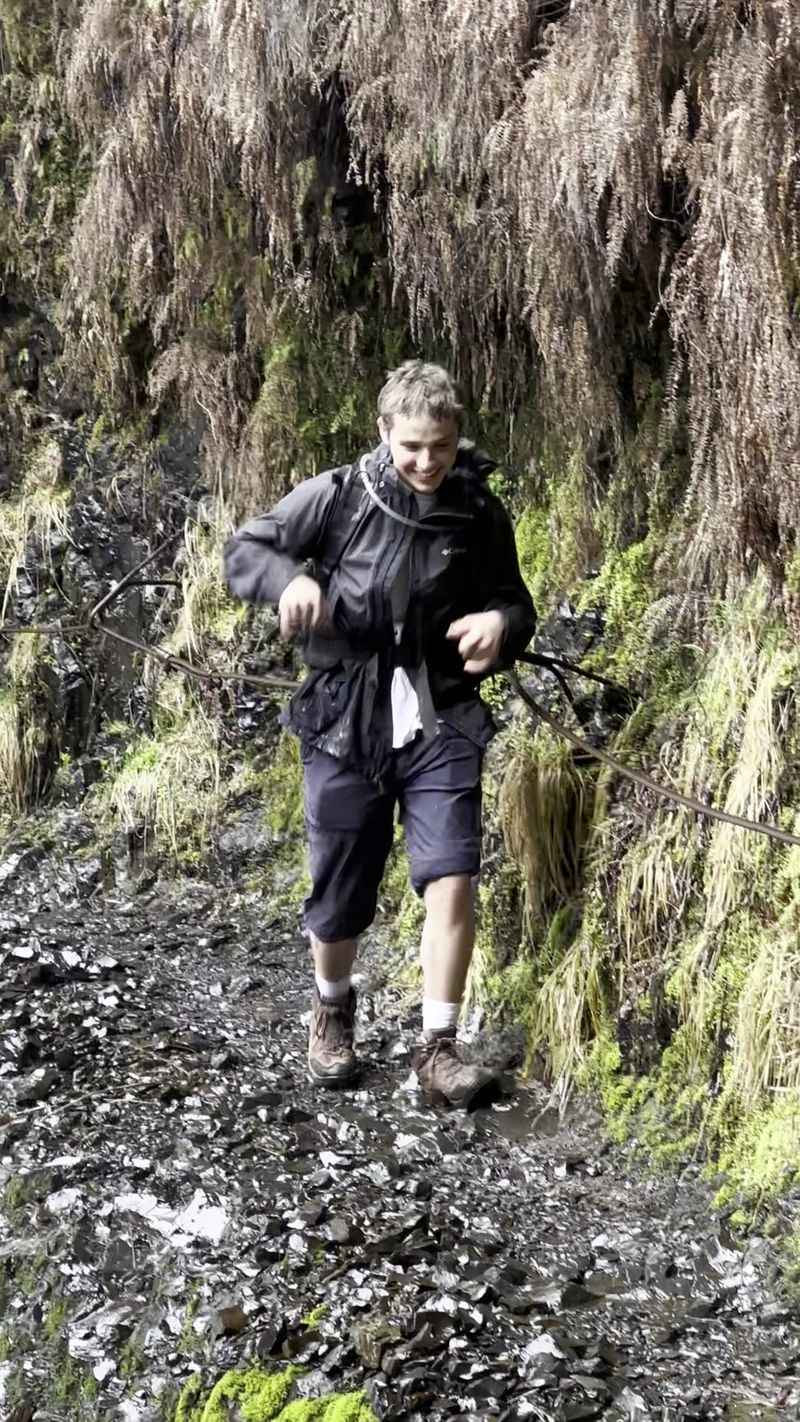
The Eagle Creek Trail has a personality of its own. The first mile or two are relatively straightforward and busy with other hikers, but as you push further in, the trail thins out and the real character of the route starts to show itself.
Much of the trail runs along narrow ledges carved into cliff faces above Eagle Creek. In some sections, a wire cable bolted into the rock wall serves as a handhold, which is a clear signal that you should pay attention to where you are putting your feet.
The surface underfoot is frequently uneven, rocky, and in places genuinely loose. You cannot zone out and just shuffle along.
Every step on the way back, which is mostly downhill, still requires you to actively lift your feet or you will catch a toe on a rock.
Muddy stretches appear throughout the trail, especially after rain, so waterproof hiking boots are a smart choice. The elevation gain is gradual and well-distributed, meaning you never hit a brutal wall of steep climbing, but the cumulative distance still makes this a full-effort day hike.
The Waterfalls You Pass Along the Way
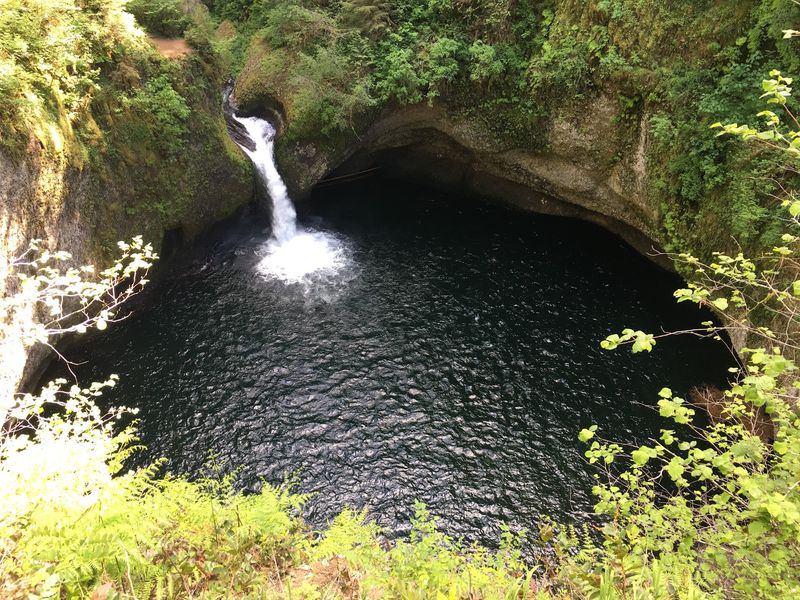
One of the best-kept secrets about the hike to Tunnel Falls is that the destination is not the only reward. The trail passes a remarkable series of waterfalls long before you ever reach the tunnel, turning the whole journey into a waterfall tour.
Punch Bowl Falls is one of the most photographed stops along the route. The water pours into a wide, bowl-shaped pool of deep green, and the surrounding moss-covered rocks and forest give it a look that feels almost too perfect to be real.
Further along, you will pass several smaller cascades and creek crossings that add to the overall sense of moving through a very alive, very wet landscape. None of these feel like minor footnotes once you are standing in front of them.
Hikers who push a little past Tunnel Falls are rewarded with Twister Falls, a twisting, churning cascade that many visitors actually prefer as a lunch spot. The area around Twister Falls offers better places to sit and rest than the area directly at Tunnel Falls, which can be slippery and cramped due to the spray.
The Moment You Step Behind the Falls
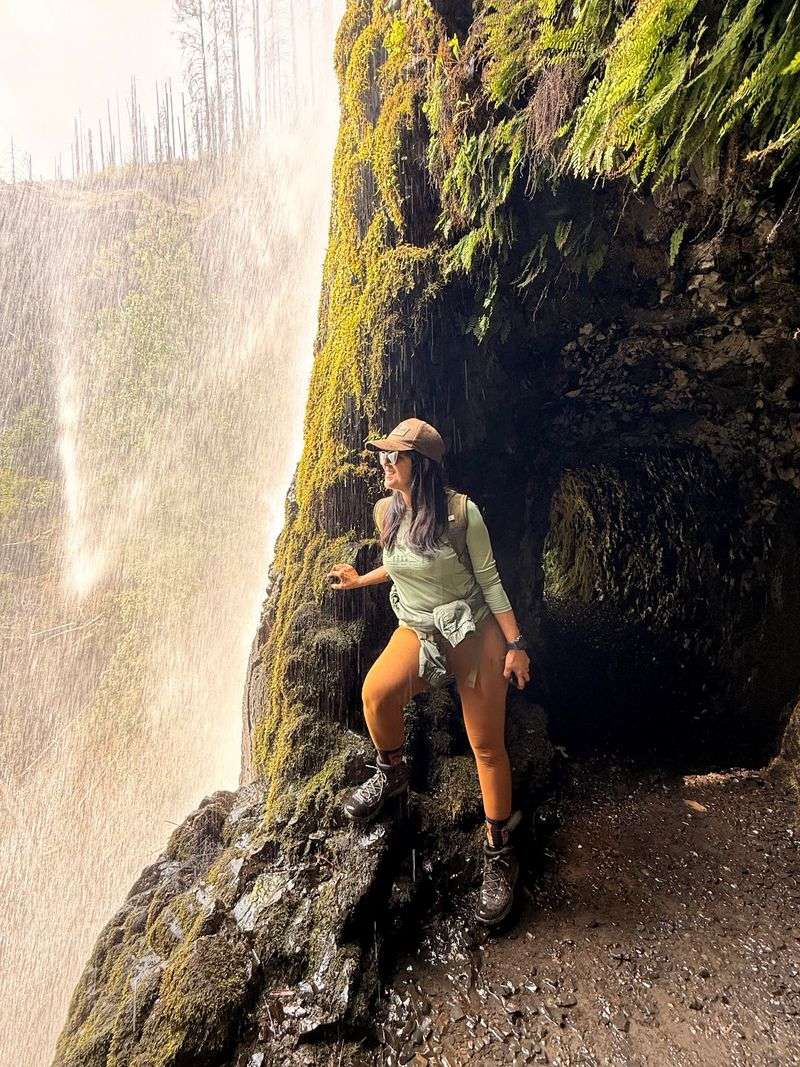
After miles of trail, the moment you finally reach the tunnel is one that earns its reputation. The roar of Tunnel Falls gets louder as you approach, and the mist starts reaching you well before you can see the full drop of the waterfall.
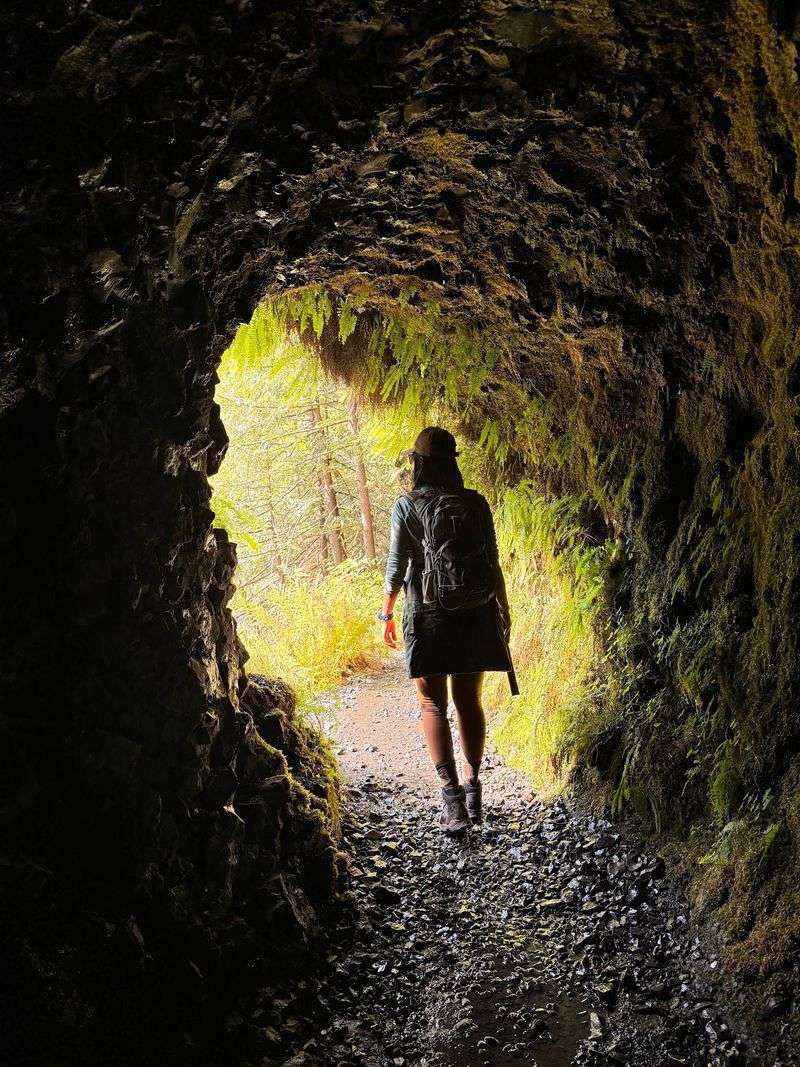
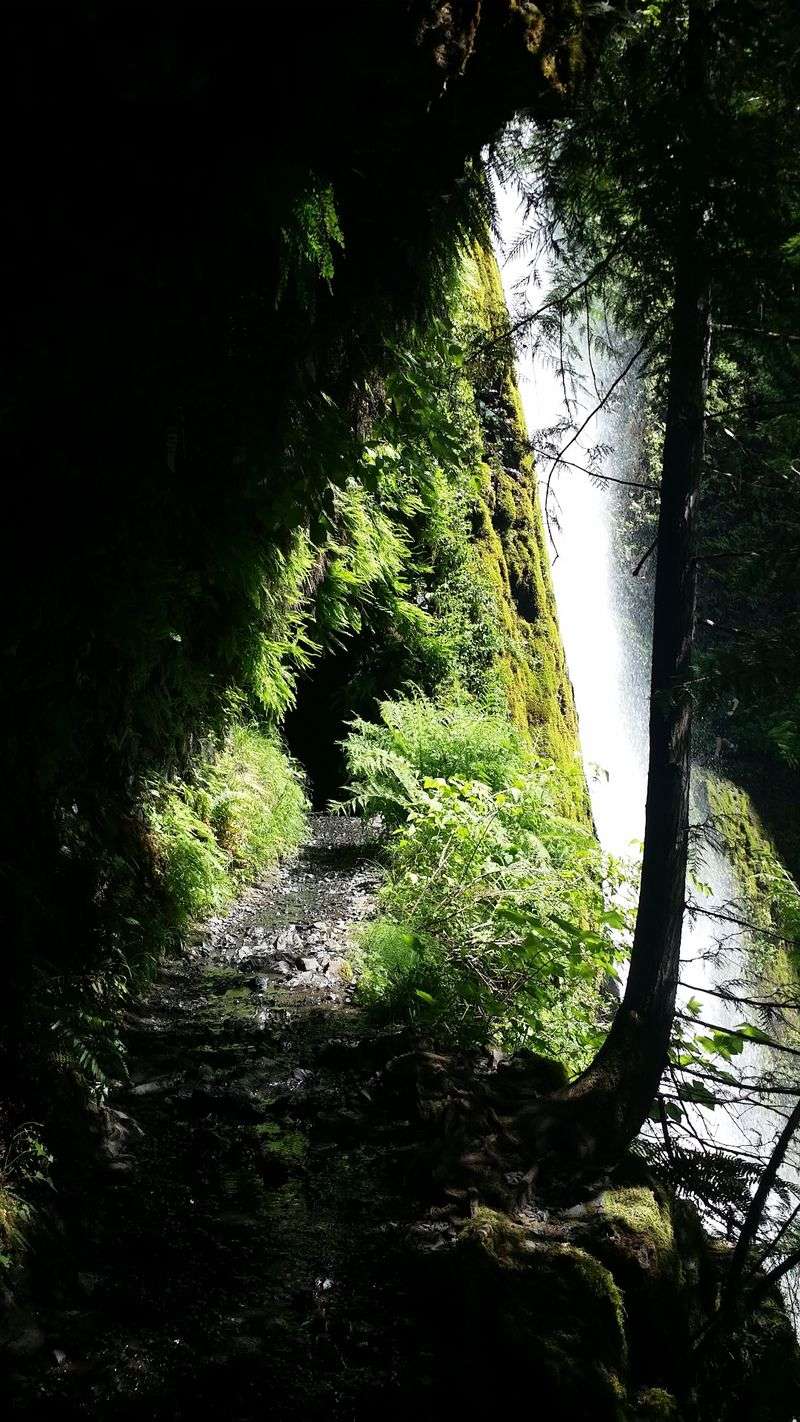
The trail leads you directly to the tunnel entrance, which is cut into the basalt cliff at a point where the rock juts out directly behind the falls. You walk through the tunnel with the waterfall thundering just outside the opening, and the spray is constant enough to soak your face and jacket in seconds.
The view from inside the tunnel, looking out through the curtain of falling water toward the gorge below, is something that photographs struggle to capture fully. The sound alone is an experience, a deep, reverberating rumble that you feel more than hear.
Hikers who have a fear of heights should know that parts of the approach to the tunnel run along a rocky ridge with steep drop-offs. The exposure is real, but the trail is well-worn and the cable handholds help where it matters most.
Getting an Early Start and Why It Matters
The parking situation at Eagle Creek is one of those things that can make or break your visit before the hike even begins. On a warm weekend morning, the lots fill up fast, and arrivals after 9 a.m. often find themselves circling for spots or parking half a mile back at overflow areas.
One hiker arrived at 7:30 a.m. on a Saturday and found the lots nearly empty. By the time they finished the hike at 12:30 p.m. and returned to the car, the lot was completely packed with a line of vehicles waiting on the road.
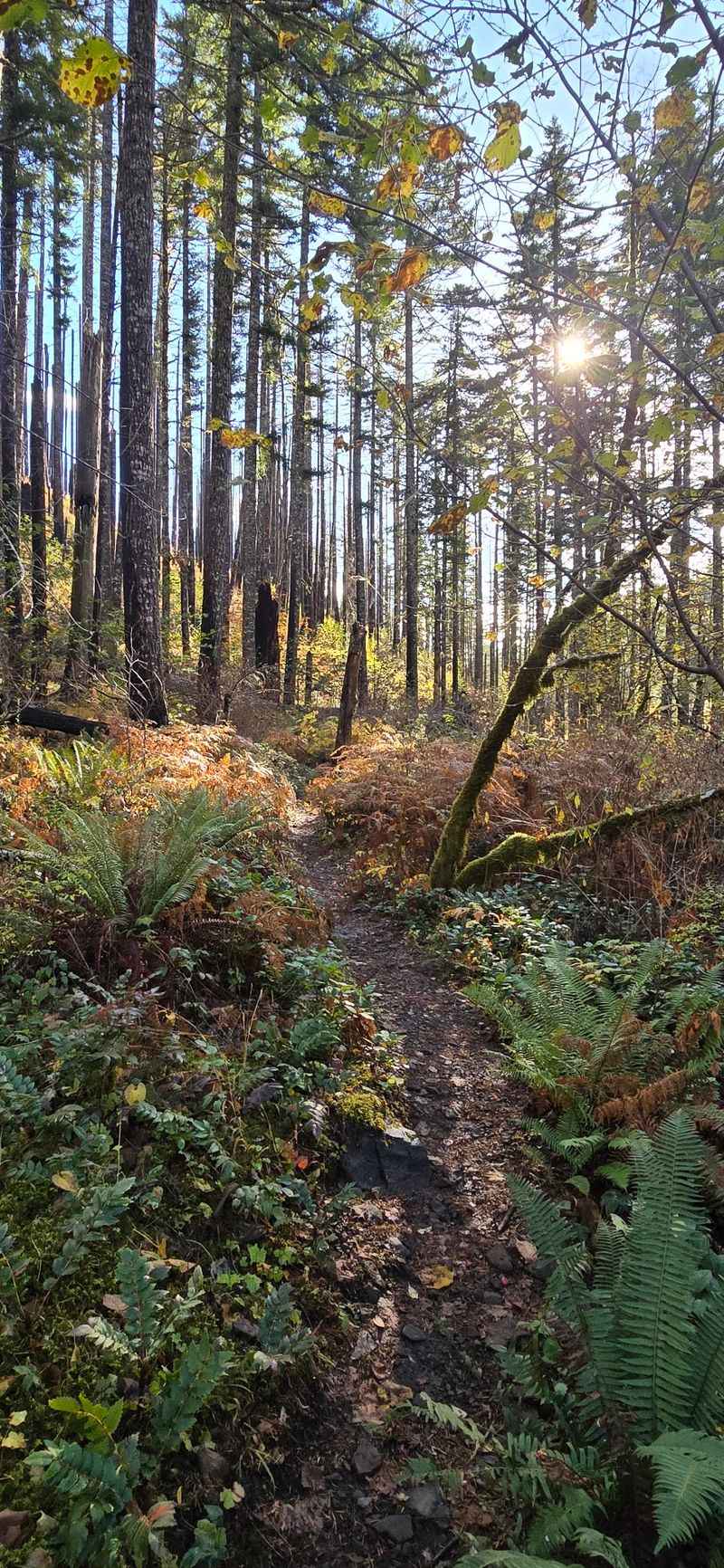
Starting early also means you hit the shadiest parts of the trail before the midday sun gets intense. Since a significant portion of the trail lost tree cover in the 2017 Eagle Creek Fire, sun exposure along the route is real and can catch people off guard on a bright day.
Sunscreen, a hat, and sun-protective layers are genuinely useful on this trail, not just optional extras. The combination of long distance and open sections means you will thank yourself for packing them if you go during the sunnier months between late spring and early fall.
How the Trail Recovered After the 2017 Fire
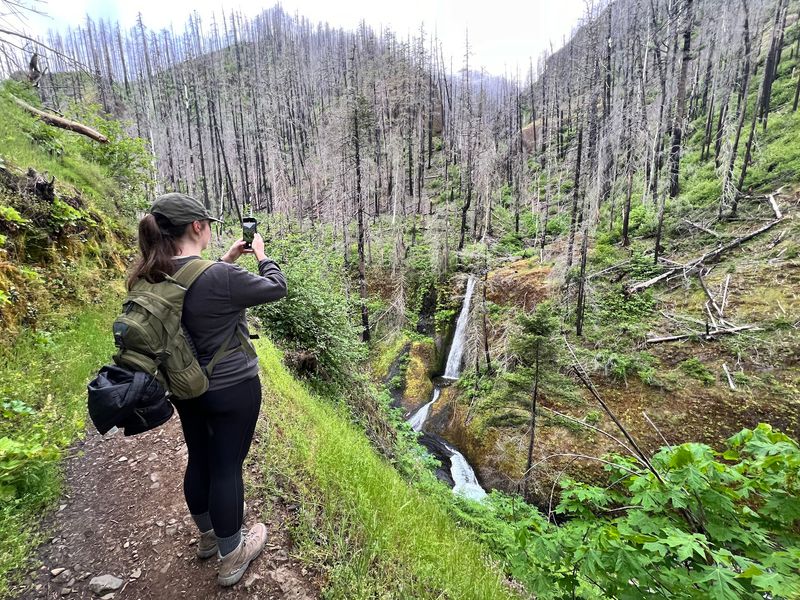
The 2017 Eagle Creek Fire was a significant event for this trail and the surrounding gorge. Started by a teenager who ignited fireworks near the trailhead, the fire burned tens of thousands of acres and forced the closure of much of the Columbia River Gorge trail system for an extended period.
The trail to Tunnel Falls has since reopened and recovered considerably. Returning visitors report that the falls and the overall experience remain as impressive as ever, though the landscape has changed in visible ways.
Large sections of the trail now pass through areas where the tree canopy burned away, leaving open stretches that feel different from the dense old-growth forest that once covered them. New undergrowth is pushing through, and the process of forest regeneration is visible all along the route.
The recovery is genuinely encouraging to see in person. The basalt cliffs, the creek, and the waterfalls themselves were unaffected by the fire, and the trail infrastructure held up well.
For anyone who loved this trail before 2017 and has not returned since, the experience is still very much worth the trip back.
What to Pack for a 13-Mile Day
A hike of this length requires honest preparation, not just a casual toss of a water bottle into a bag. With roughly 13 miles of round-trip hiking on uneven, rocky terrain, your body will ask things of you that a short nature walk simply does not.
Water is the most critical item. The trail does not have reliable water sources you can safely drink from without treatment, so carrying at least two to three liters, or bringing a filter, is the smart move.
Dehydration on a long trail is no joke, especially on sunny days with significant sun exposure.
Food matters too. High-calorie snacks like nuts, energy bars, and sandwiches will keep your legs moving through the back half of the hike when fatigue starts to set in.
Many hikers find Twister Falls, just past Tunnel Falls, a perfect lunch spot with flat rocks to sit on.
Solid hiking shoes with ankle support and a grip-friendly sole make a real difference on the loose volcanic rock sections. A light waterproof jacket handles the mist at the tunnel, and trekking poles help considerably on the long, rocky downhill return stretch.
Navigating the Rocky Ridge Sections
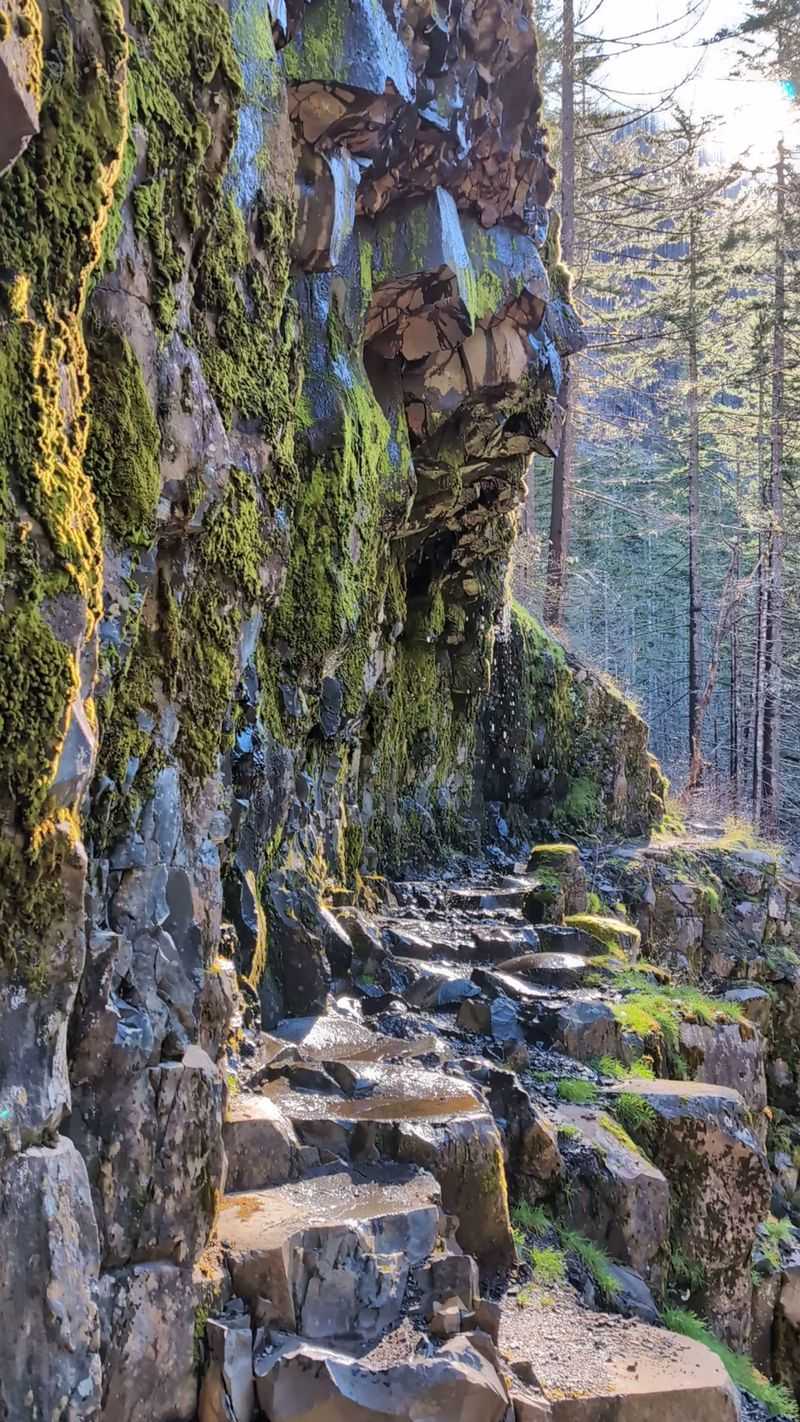
The rocky ridge sections of the Eagle Creek Trail are the parts that stick in your memory long after your legs have stopped aching. These are narrow stretches where the trail hugs the cliff face, with a sheer drop to the creek far below on one side and solid basalt on the other.
A steel cable runs along the wall in several of these spots, giving hikers something to grip. Most people use it casually, but for anyone with a genuine sensitivity to heights, these sections can feel quite exposed and require a steady focus.
The trail itself is wide enough for confident hikers to pass through without issue, but the combination of loose rock underfoot and the drop-off beside you means this is not a section to rush. Taking it slow and watching your footing is the right approach every single time.
Children and pets face additional challenges on these sections, and many hikers recommend leaving both at home for this particular trail. The combination of steep drop-offs and unpredictable rocky surfaces makes it genuinely unsuitable for young kids or dogs who might pull or stumble unexpectedly.
The Best Time of Year to Visit
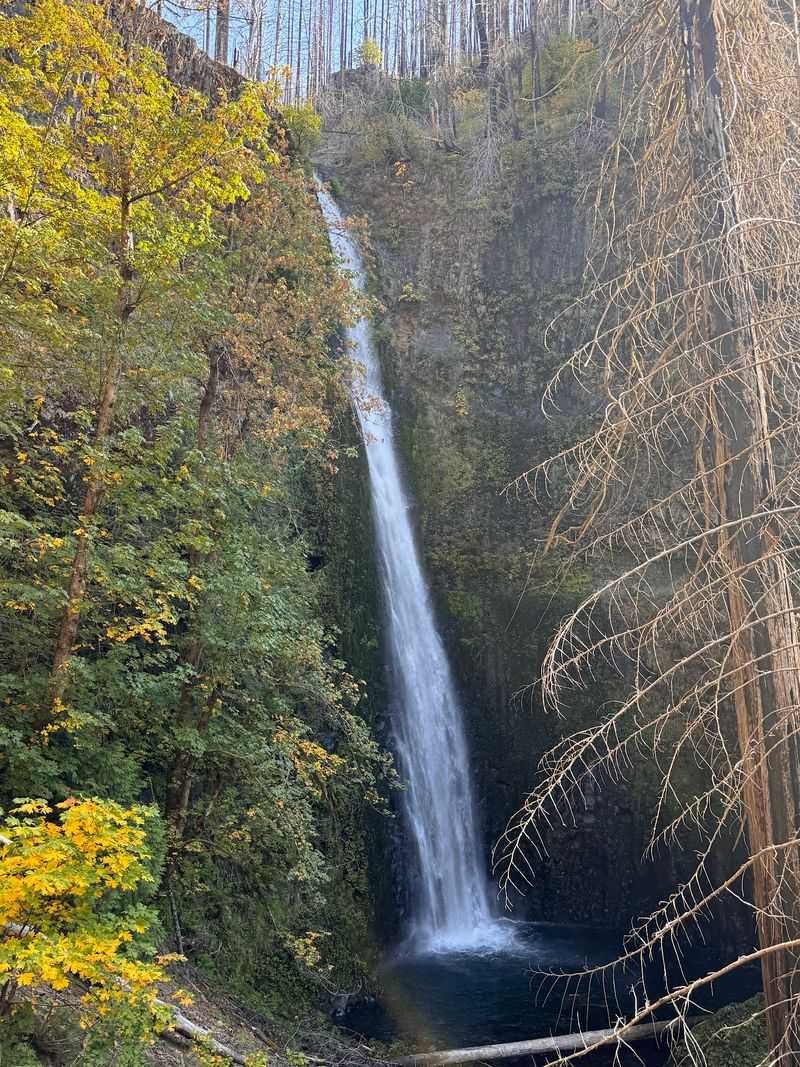
Tunnel Falls is a year-round destination, but the experience changes significantly depending on when you show up. Spring is widely considered the best season for this hike, with the falls running at full power from snowmelt and rain, and the surrounding vegetation at its most vivid green.
Summer brings the largest crowds and the most reliable weather, but the lack of tree cover after the 2017 fire means the sun hits hard on open sections. Starting before 8 a.m. on summer weekends is the difference between a peaceful hike and a crowded one.
Fall offers cooler temperatures and fewer people on the trail, though rain becomes more frequent and the trail surface gets muddier. Waterproof boots go from a good idea in spring to an essential piece of gear by October.
Winter visits are possible, and the falls in cold weather have their own quiet appeal. One hiker reported hiking in mid-February with no meaningful ice on the trail, though solid boots with good grip were still necessary.
The trail was almost entirely empty, which gave the whole experience a different, more solitary atmosphere that felt genuinely special.
A Few Final Tips Before You Go
A few practical details can save you from the kind of avoidable frustration that turns a great hike into a stressful one. The parking pass requirement is real and enforced.
You need either a Northwest Forest Pass or a $5 day-use pass, and the trailhead kiosk only takes cash, so stop at an ATM if your wallet is running light.
The trail is not marked as kid-friendly or pet-friendly by most experienced hikers who have done it, due to the rocky terrain and the steep drop-offs along the ridge sections. That is worth taking seriously when planning who comes along.
Cell service along the trail is unreliable, so downloading an offline map before you leave is a genuinely useful habit. The trail itself is well-marked and easy to follow, but having a backup never hurts on a route this long.
Finally, do not skip Twister Falls. The extra few minutes of hiking past Tunnel Falls lead to a cascade that many visitors rate as their favorite stop of the whole day, with a better spot to sit, catch your breath, and take in the kind of scenery that makes a long hike feel completely worth every step.
Share this story