At these 13 American farms, you can do more than pet an alpaca. You can take one for a walk through peach orchards, wooded trails, open pastures, and even the slopes of a Hawaiian volcano.
Some walks take just 20 minutes, while others turn into guided farm adventures lasting nearly two hours. Along the way, visitors learn how to handle alpacas, meet other farm animals, and see how their fleece becomes clothing and yarn.
The experiences are surprisingly different. One Wisconsin farm has kangaroos and porcupines, a New York farm offers hikes through the Hudson Valley, and a Colorado farm combines alpaca walks with a fiber mill visit.
Here are 13 farms offering these unusual outings, along with what to expect, age restrictions, and important booking tips.
1. Maui Alpaca, Makawao, Hawaii
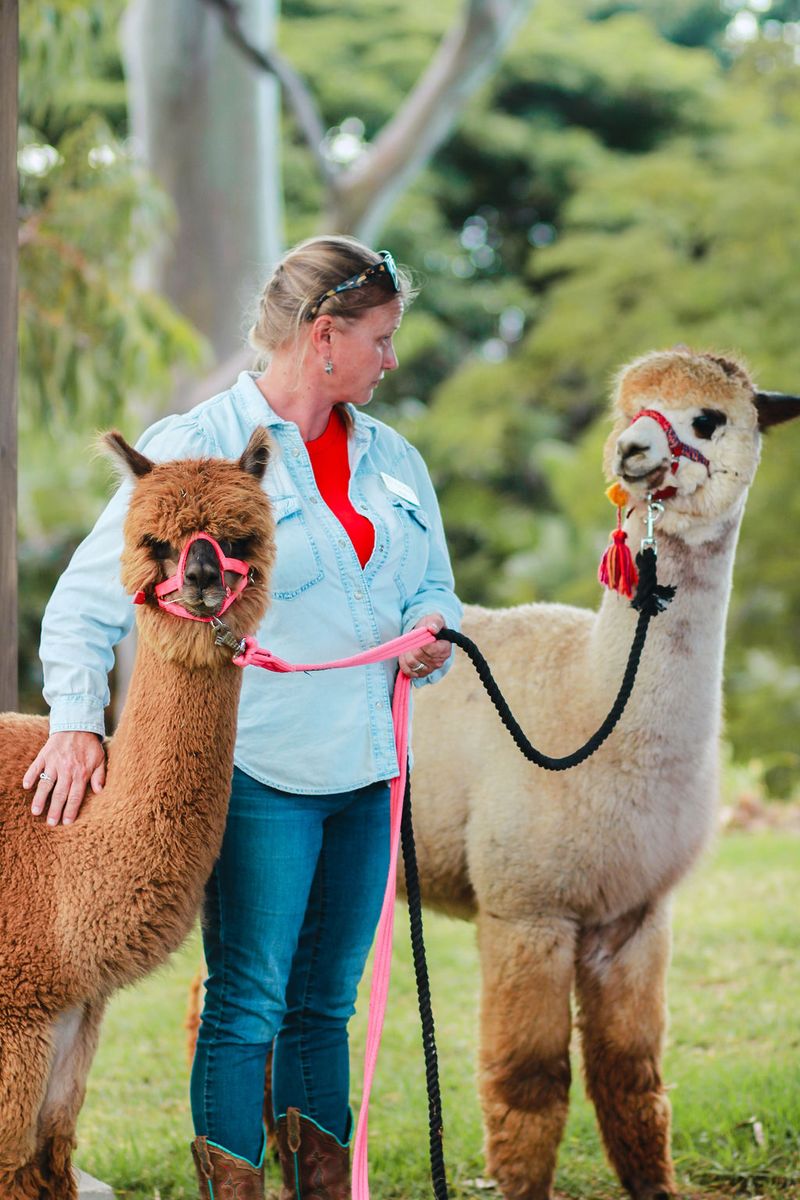
Most Hawaii trips start at the beach, but this one starts at about 2,300 feet up the side of a volcano. Maui Alpaca sits on an 8-acre farm on the slopes of Haleakala in Makawao.
The trekking experience lasts around 90 minutes. Guests lead their own alpaca across hilly ground with uneven footing, so it feels like a real trek and not a lap around a pen.
Groups stay small, usually six guests or fewer. Guests must be at least 12 years old to join.
The outing includes feeding time, photos with your alpaca, and a stop at the Angora bunny village. A fiber and spinning wheel demonstration shows how fleece becomes yarn.
Walk-ins are not accepted, so book ahead. Families with younger kids can pick the shorter Farm Visit, which is open to all ages.
Other choices include a Paniolo Picnic with lunch. Sturdy shoes are a smart call on those slopes.
2. Clover Brooke Farm, Hyde Park, New York
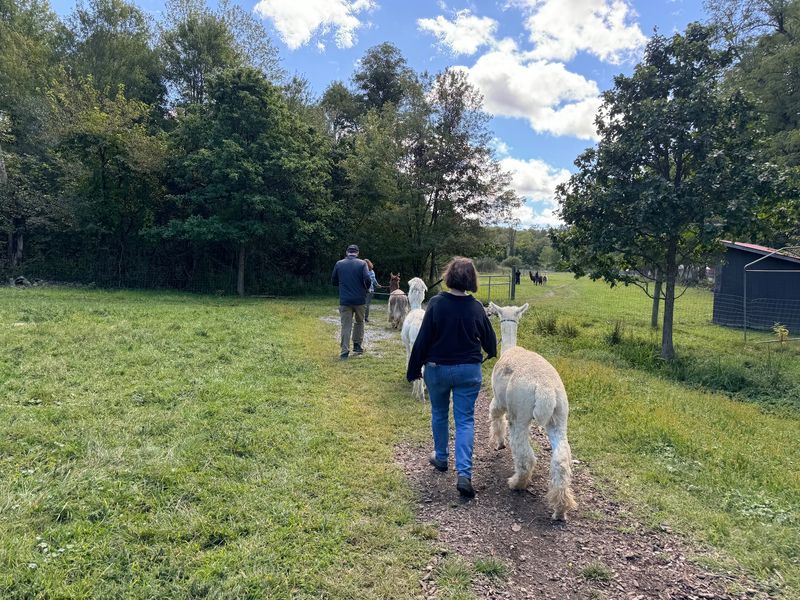
An 1850 homestead sets the stage for one of the Hudson Valley’s most active farm hikes. Clover Brooke Farm runs a private Llama Alpaca Hike and Farm Tour that takes close to two hours.
Things kick off with a farm tour. You will meet pygora goats, sheep, mini donkeys, and a few barn cats before a quick Llama/Alpaca 101 lesson on safety.
Then the real fun begins. The hike covers about one mile through paddocks and meadows, past a bass pond, and up to a scenic lookout.
Be ready for two steep hills. The route does not work for strollers, wheelchairs, or crutches.
Hikers must be at least 8, and anyone under 16 needs an adult along. Every visit requires an appointment booked online.
Animal fans can come back for Goat Walk Adventures, Walk-a-Donk, or Tea Time with Alpacas and Llamas. Yes, those are real event names.
3. Lilymoore Alpaca and Llama Farm, Pleasant Valley, New York
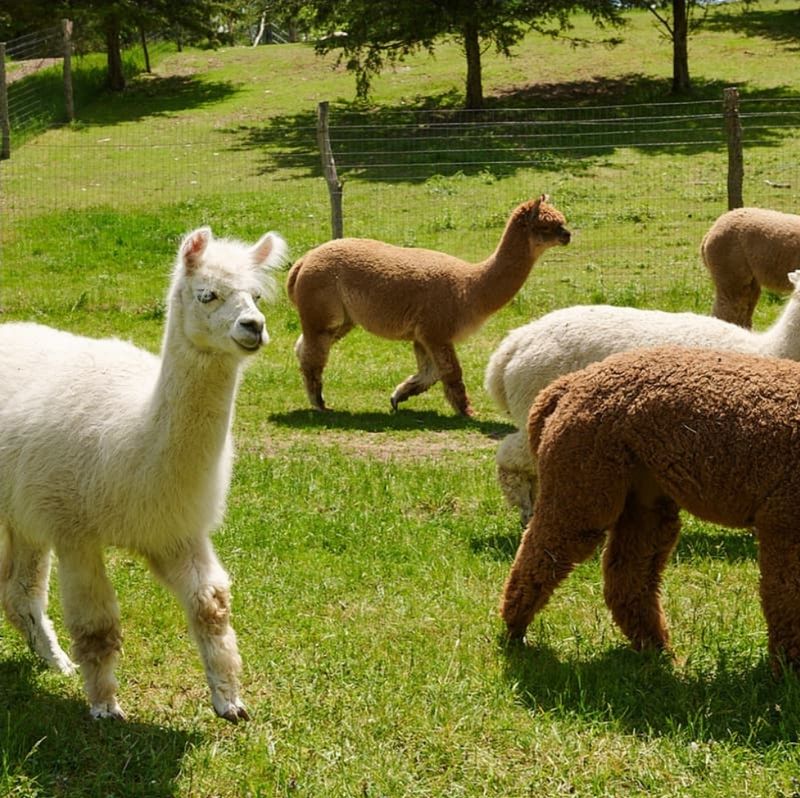
Sharing is nice, but at Lilymoore everyone gets their own animal. Each person on a trek walks a personal alpaca or llama through open meadows and quiet woodland paths.
Group treks last about an hour and fit up to 12 people. Private treks run 90 minutes and can host up to 15, which makes them popular for birthdays.
Trekkers must be at least 9 years old. Farm tours, however, welcome all ages.
The trails cross rolling pastures and hardwood edges typical of the Hudson Valley. Closed-toe shoes are the way to go.
Treks often sell out, so booking early matters. Heavy rain or snow can pause them.
Many guests add a farm tour to meet goats, horses, pigs, and residents of the bird sanctuary. The boutique sells alpaca fiber goods.
The farm is near Poughkeepsie, roughly 90 minutes from New York City. That makes it an easy day trip for city folks craving pasture time.
4. Alpaquita Ranch, Monte Alto, Texas
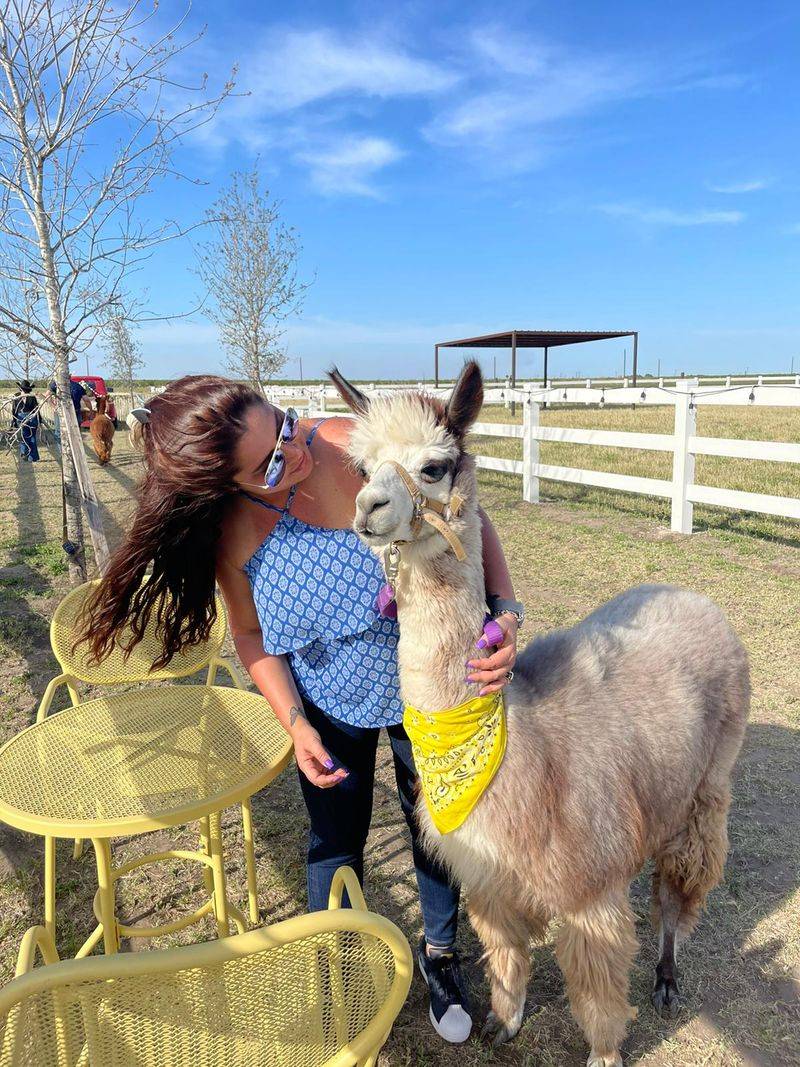
South Texas is not where most people expect to find more than 60 alpacas. Alpaquita Ranch in the Rio Grande Valley proves otherwise with a herd of Huacaya and Suri alpacas.
Visits start with a short introduction and safety briefing. After that, guests take a self-guided walk of about 40 minutes with their very own alpaca.
The route passes landscaped areas and themed decor that changes through the year. The colorful setups make it a strong pick for family photos.
Once the walk ends, guests can feed the alpacas and meet other farm animals. A fiber shop sells products made from alpaca fleece.
All visits are by online reservation only. The ranch is closed Sundays and Wednesdays, so plan around those days.
Kids 2 and under get in free. For a longer stay, the ranch rents overnight lodging called Casa Huacaya and Casa Suri.
Comfortable shoes are recommended.
5. Bluebird Farm Alpacas, Peapack, New Jersey
Field to fashion is the motto at this 15-acre spot in the Somerset Hills. Many items in the farm store come from the fleece of the very alpacas you meet.
The Alpaca Walking experience usually fits into a one-hour visit. It starts with an introduction to the herd, then moves on to feeding, petting, and photos.
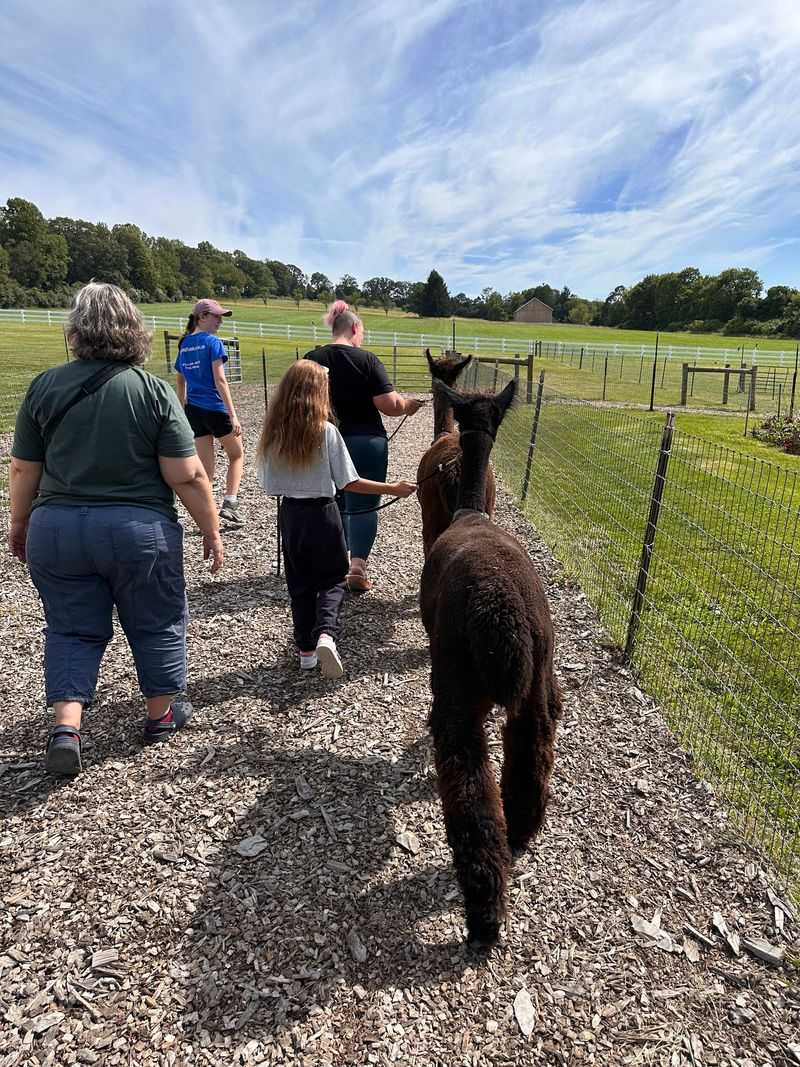
Next, you take an alpaca around the farm using a halter and lead line. Each animal has its own personality, so no two walks are quite the same.
Guests of all ages are welcome. Closed-toe shoes help on the natural farm ground.
Reservations are required for walks and tours. The farm store is open on weekends without one.
Extra options include Yoga with the Alpacas and a Picnic with the Alpacas run with a luxury picnic service. The farm is about 45 to 90 minutes from New York City, depending on traffic.
6. Eagle Eye Farm, River Falls, Wisconsin
Kangaroos and porcupines in Wisconsin sound like a tall tale, yet both live at Eagle Eye Farm. The farm cares for more than 130 animals across 14 species.
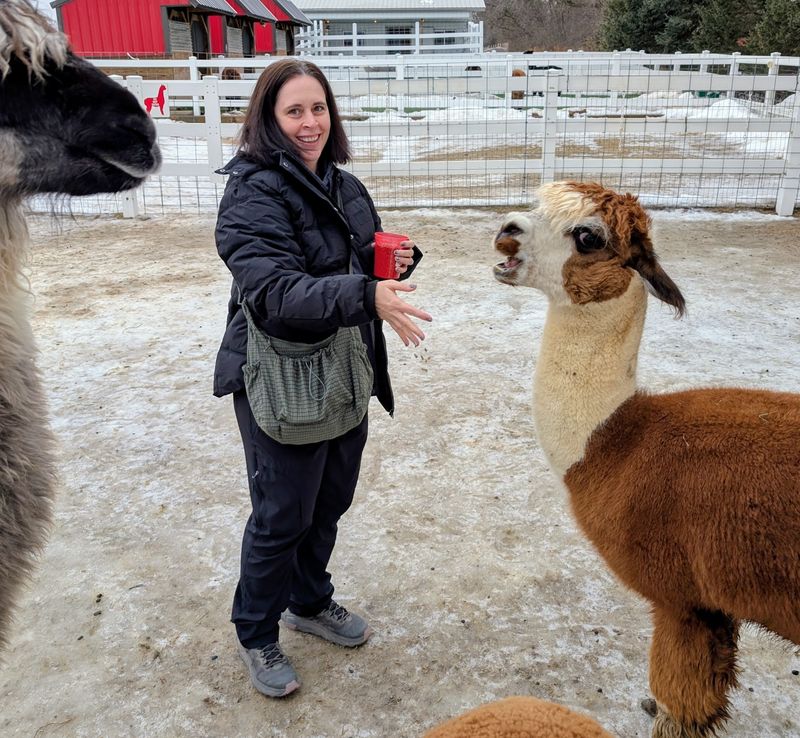
Alpacas are still the stars of the Walking with the Alpacas experience. You lead one around the farm for 30 minutes while a staff member walks with you.
That guide explains alpaca care and personalities. You will also learn to read their body language, like what pinned-back ears mean.
The walk is described as very walkable and wheelchair-friendly. The rest of the farm has grass and gravel, so wear closed-toe shoes.
Reservations are required. A separate tour ticket lets you see llamas, mini Highland cows, peacocks, and the rest.
Children need an adult with them, and kids 2 and under enter free. The farm is open every day of the year, 10 am to 4 pm, in any weather.
It is about 40 minutes from the Twin Cities.
7. Sacred Acres Alpaca Farm LLC, Palmyra, Virginia
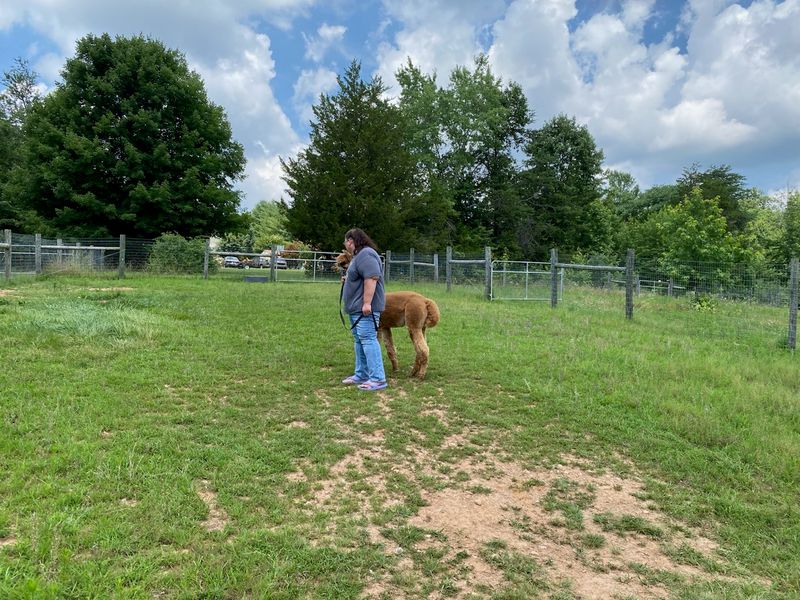
Only one tour runs here each day, so your group gets the whole herd’s attention. Sacred Acres sits on 23 wooded acres in Fluvanna County.
The private Alpaca Farm Tour and Walk lasts 1.5 to 2 hours. It begins with feeding before guests lead halter-trained alpacas through pastures and into the woods.
Trails follow Ballinger Creek. Some sections are hilly or marshy, so skip the sandals and wear sturdy shoes.
A golf cart is available for visitors who need help getting around. Kids must be 7 or older to lead an alpaca.
Guides cover alpaca history, breeding, shearing, and fleece uses. An optional fiber processing demo is offered too.
The two-story barn keeps animals downstairs and a farm store and fiber workshop upstairs. Workshops cover dyeing, spinning, weaving, and felting.
Visits are by appointment year-round. Richmond, Charlottesville, and Lynchburg are all within reach for a day trip.
8. Suncrest Orchard Alpacas, Palisade, Colorado
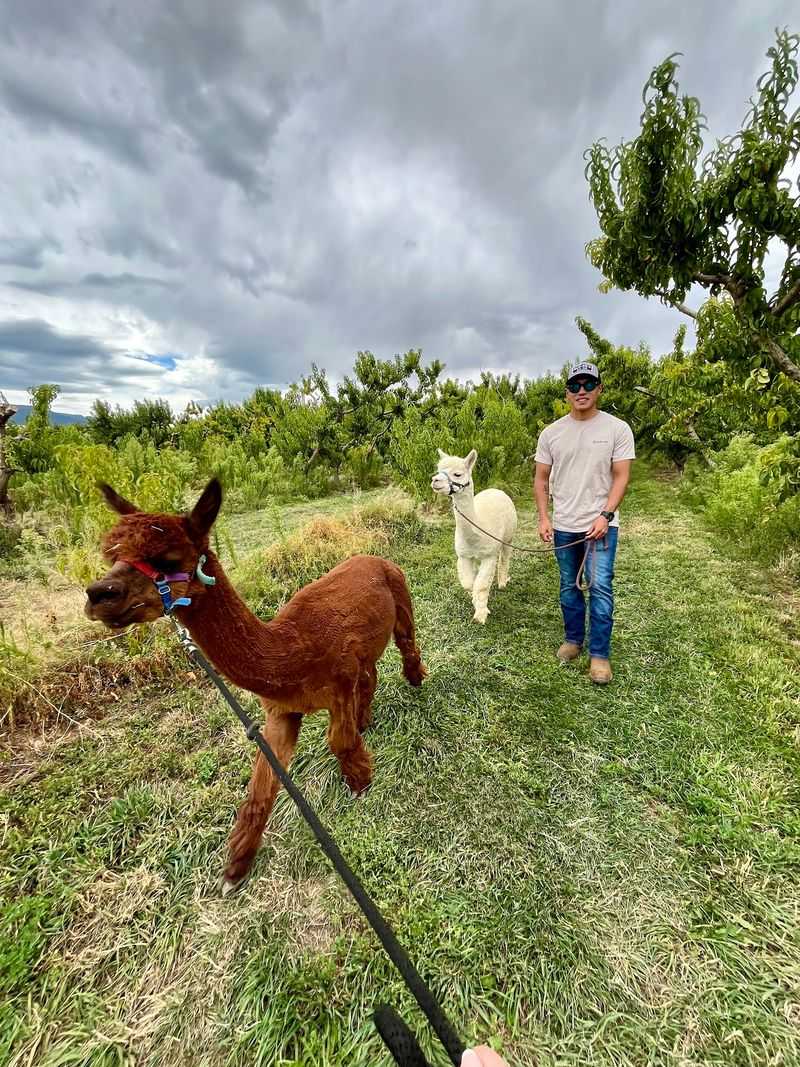
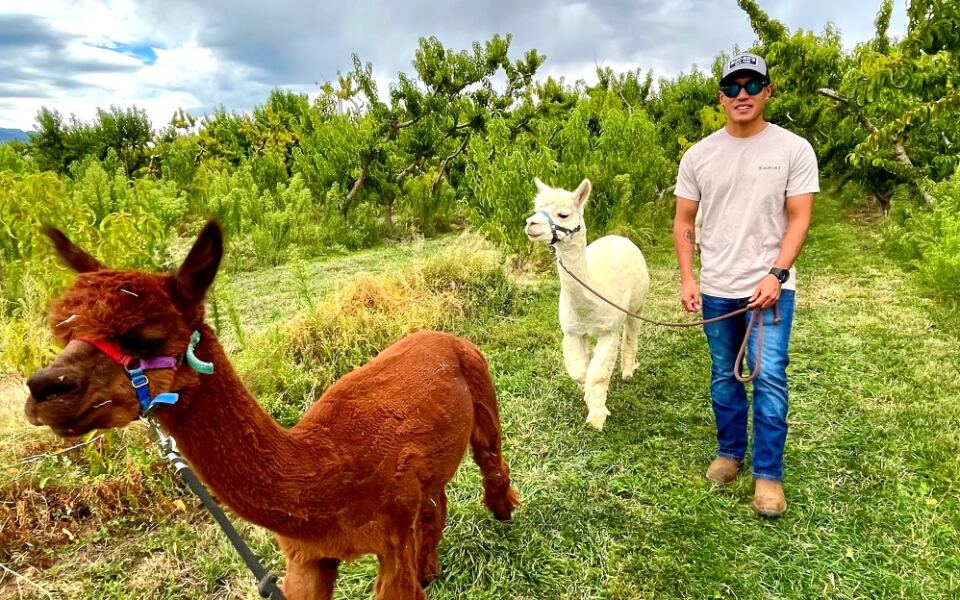
Peaches get top billing in Palisade, yet a fuzzy herd at this family-owned farm steals plenty of attention. The alpaca trek here follows the outside edge of a peach orchard, with the Book Cliffs rising in the distance.
Before anyone grabs a lead, staff go over some alpaca etiquette. Each guest is then paired with an animal for a 30 to 45 minute stroll.
The ground is uneven, and the farm sits at about 4,700 feet. Good shoes, sunblock, and water are all recommended.
After the walk, guests head into the farm’s own fiber mill. There you can see how raw fleece gets cleaned and processed into usable fiber.
The ranch store sells socks, scarves, yarn, and handmade textiles. Groups of up to 20 can book a private trek of about 90 minutes by phone.
Reservations are recommended for regular treks too. Summer visitors can grab local peaches nearby afterward.
9. Ten Seven Acres, Galchutt, North Dakota
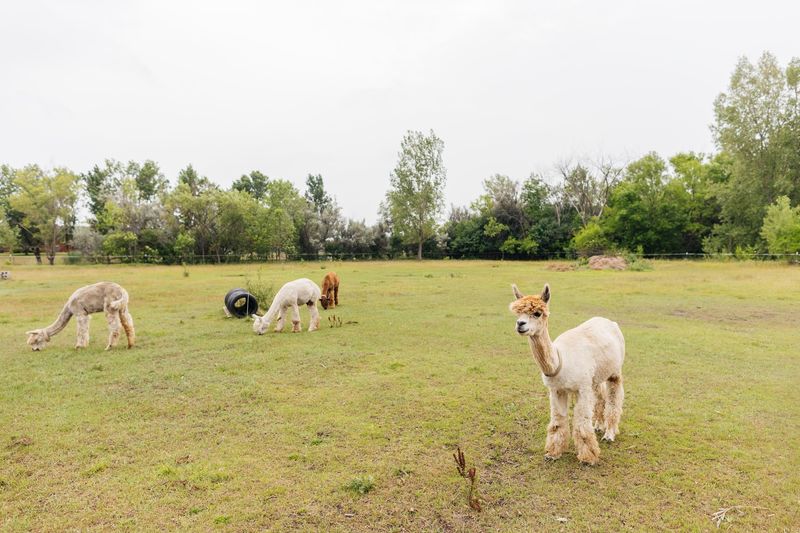
Bad puns come free with the World Famous Alpaca Nature Walk. Guides at Ten Seven Acres mix fun facts and jokes into every outing, so expect a few groaners.
The walk lasts about 20 to 25 minutes. It covers less than a third of a mile through pasture and a wooded trail the farm calls the alpaca forest.
The ground is flat, with grass, dirt, and wood chips. Regular outdoor shoes work fine.
Walkers must be 10 or older to handle an alpaca alone, though all ages can tag along. Kids 3 and under are free.
Every walk includes a printed 4×6 souvenir photo. Reservations are needed, and groups larger than six should book two slots.
Open farm days offer free admission. You can meet Fred the Mini Horse, Pedro the Mini Donkey, and a retired racehorse.
The farm is about 30 minutes south of Fargo. Check posted dates, since hours change by season.
10. New Groove Alpacas, Middletown, Delaware
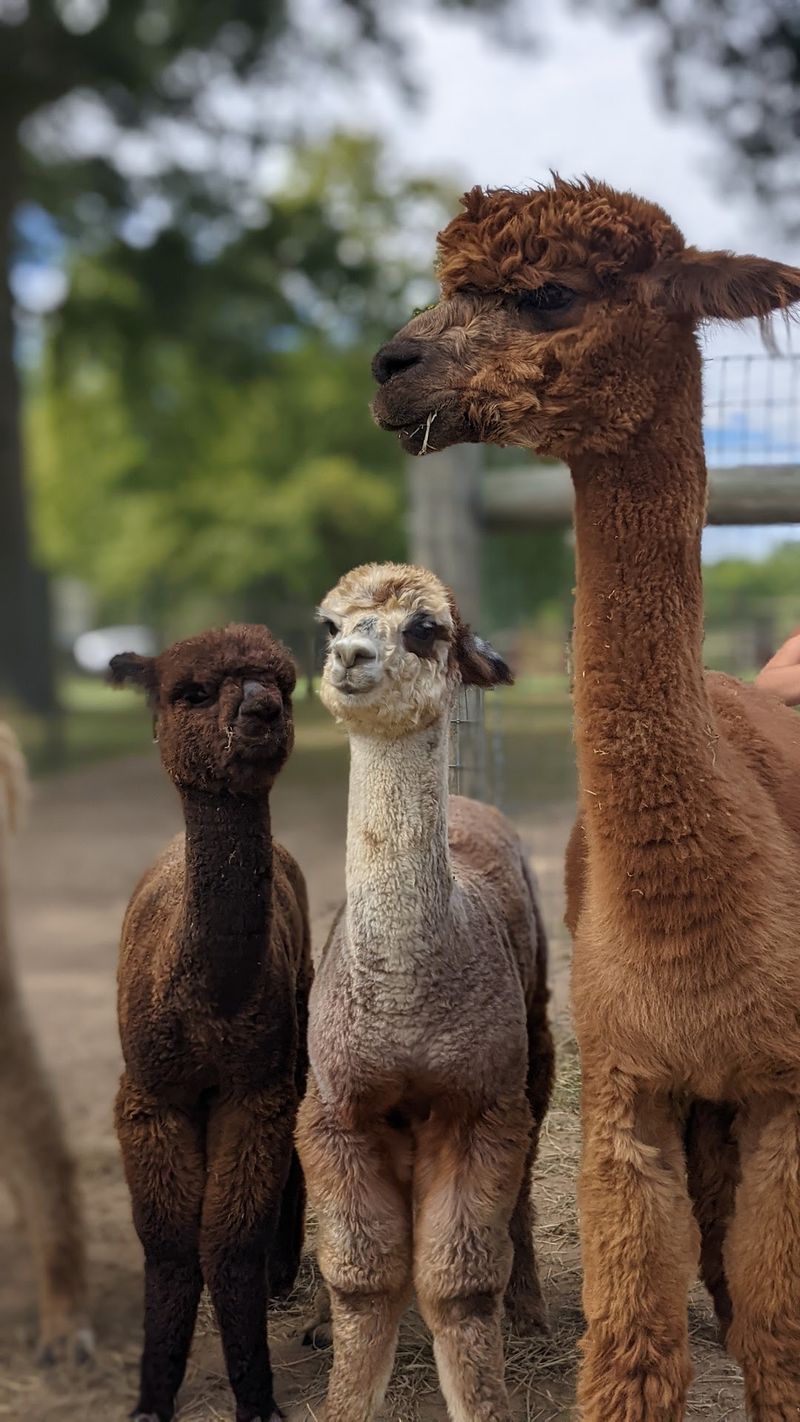
Two breeds, two hairstyles. New Groove Alpacas raises both Huacaya alpacas, with fluffy crimped fleece, and Suri alpacas, whose fleece hangs in long locks.
On a trek, each guest chooses an alpaca to walk. The route follows the property’s edge and loops around a one-acre pond, where local wildlife often appears.
Treks last 60 to 75 minutes. Groups are capped at 8, and guests who are not trekking cannot join the trail.
The minimum age is 6. Kids ages 6 to 9 share an alpaca with an adult who keeps control of the lead.
Closed-toe shoes are required, and long pants are a good idea. Everyone signs a waiver first.
Guides also share history about the original farmhouse. Treks wrap up at the farm store, which sells yarn spun from the herd’s own fleece.
All visits need an appointment through the online booking tool. The farm is about 25 miles south of Wilmington.
11. Four Acres Living, Frankford, Delaware
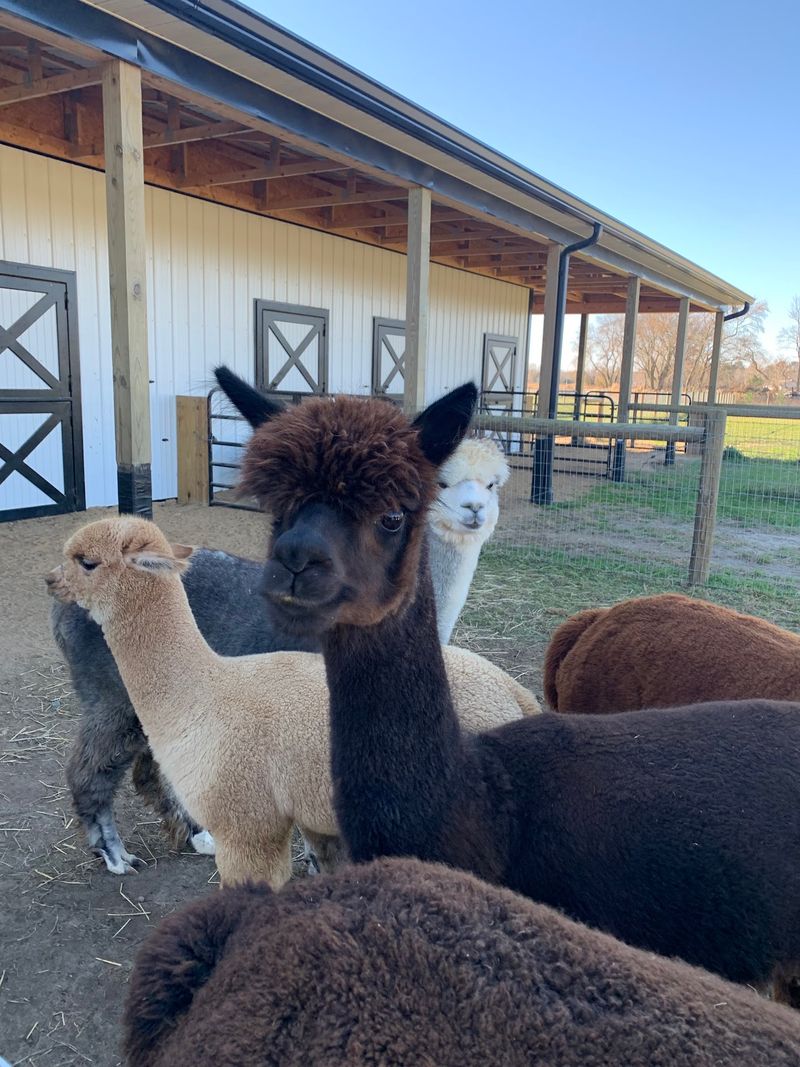
Nothing goes to waste at this Sussex County farm. Four Acres Living uses all of its alpaca fiber and composts the manure for its gardens.
Guided walks cover about two-thirds of a mile. A guide shares alpaca facts while you lead the way, and there is plenty of time for selfies.
Handlers must be at least 12. Younger companions can still walk along without holding a lead.
The route passes a wildflower meadow. Some of those flowers are even used to dye yarn sold in the boutique.
Walks go on in light rain or snow. Closed-toe shoes and long pants are recommended, and dogs are not allowed.
Walks run on scheduled dates, mostly Friday through Sunday, and need reservations. Drop-in visitors can buy kibble to feed the herd.
Picnic tables make it easy to linger. Beach travelers will find the farm a short drive from Delaware’s coastal towns.
12. Alpaca Meadows, Mansfield, Ohio
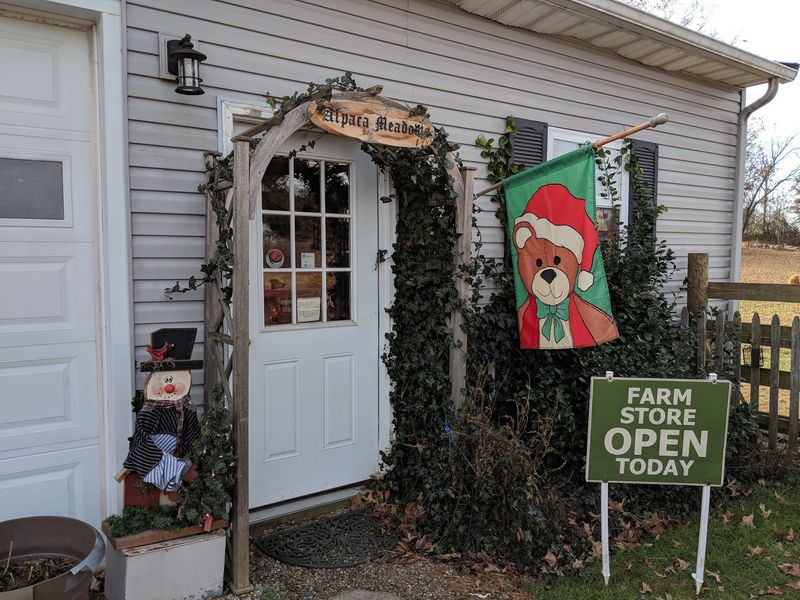
Alpacas get lonely fast, so no one walks solo at Alpaca Meadows. Each walk includes at least two alpacas, and the guide brings a buddy animal if you come alone.
The farm has raised alpacas near Mansfield since 2002. Walks start with an introduction to your animal and a lesson on holding the lead.
The walking part lasts about 30 minutes, and the full visit takes about an hour. The route may cross a small bridge, the farm’s labyrinth, a hay field, and woodland.
Expect roots, uneven ground, and sometimes mud. The farm is not wheelchair accessible.
Walkers 12 and up can go on their own. Kids 8 to 12 can join if an adult holds a second lead.
Walks are pre-booked Monday through Saturday, all year except December. Angora goats and chickens live here too.
The farm store offers yarn, clothing, and fiber classes in knitting, felting, and spinning.
13. Buck Brook Alpacas, Roscoe, New York
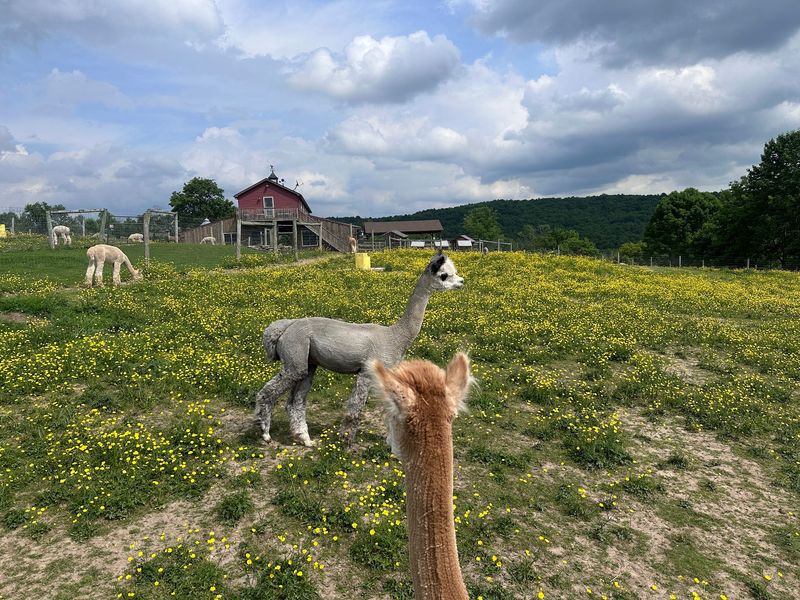
Around 30 baby alpacas, called crias, are born at Buck Brook every year. That busy breeding program makes this 38-acre Catskills farm a lively place to visit.
Alpaca Walks last 30 minutes. One participant is paired with each alpaca, and extra friends can tag along with general admission.
Kids under 12 share an alpaca with an adult. Strollers are not allowed on the walks.
The farm sits high on a Catskill peak with wide mountain views. It can get windy, cold, or muddy, so dress in layers and wear boots.
Walk-ins are welcome, but booking online is smart. Large groups should call ahead.
Guests can also meet llamas, sheep, goats, rabbits, peacocks, and barn cats. The store sells yarn, blankets, and rugs made from the herd’s fleece.
Hours are usually 10 am to 4 pm, Wednesday through Monday. You can even rent the apartment above the barn and stay the night.
Share this story