Not every oyster is created equal, and not every oyster bar deserves a detour. But some restaurants take their shellfish so seriously that travelers reroute entire vacations just to sit at the counter.
Across the country, a handful of spots have built real reputations around their raw bars, their rotating selections, and their commitment to sourcing oysters that actually taste like somewhere specific. One of them even sits inside a major train station, which tells you everything about how seriously New Yorkers take their lunch.
This list covers 15 seafood restaurants, from New Orleans to Chicago to the coast of Maine, where the oysters are the main event. Whether you are planning a coastal road trip or a city weekend, these are the stops that belong on your shortlist before you book anything else.
1. Grand Central Oyster Bar, New York City, New York
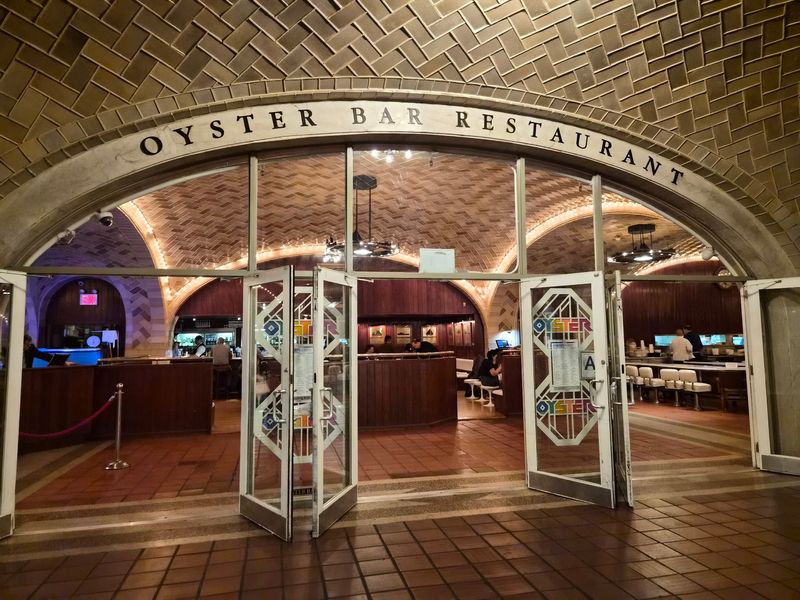
Right beneath one of the busiest train stations on earth, a restaurant has been shucking oysters since 1913. The Grand Central Oyster Bar is not subtle about its history: the soaring vaulted ceilings, designed by architect Rafael Guastavino, are made of terracotta tile and have been standing since the building opened.
The 440-seat space is divided into a main dining room, a long lunch counter with an elevated oyster bar, and a New England-style saloon. Red-checkered tablecloths and servers in paper hats complete the look, which has stayed remarkably consistent for decades.
The menu can feature up to 30 oyster varieties at a time, and the famous whispering gallery in the front archway lets a word spoken quietly on one side carry clearly to the other, 20 yards away.
2. Maison Premiere, Brooklyn, New York
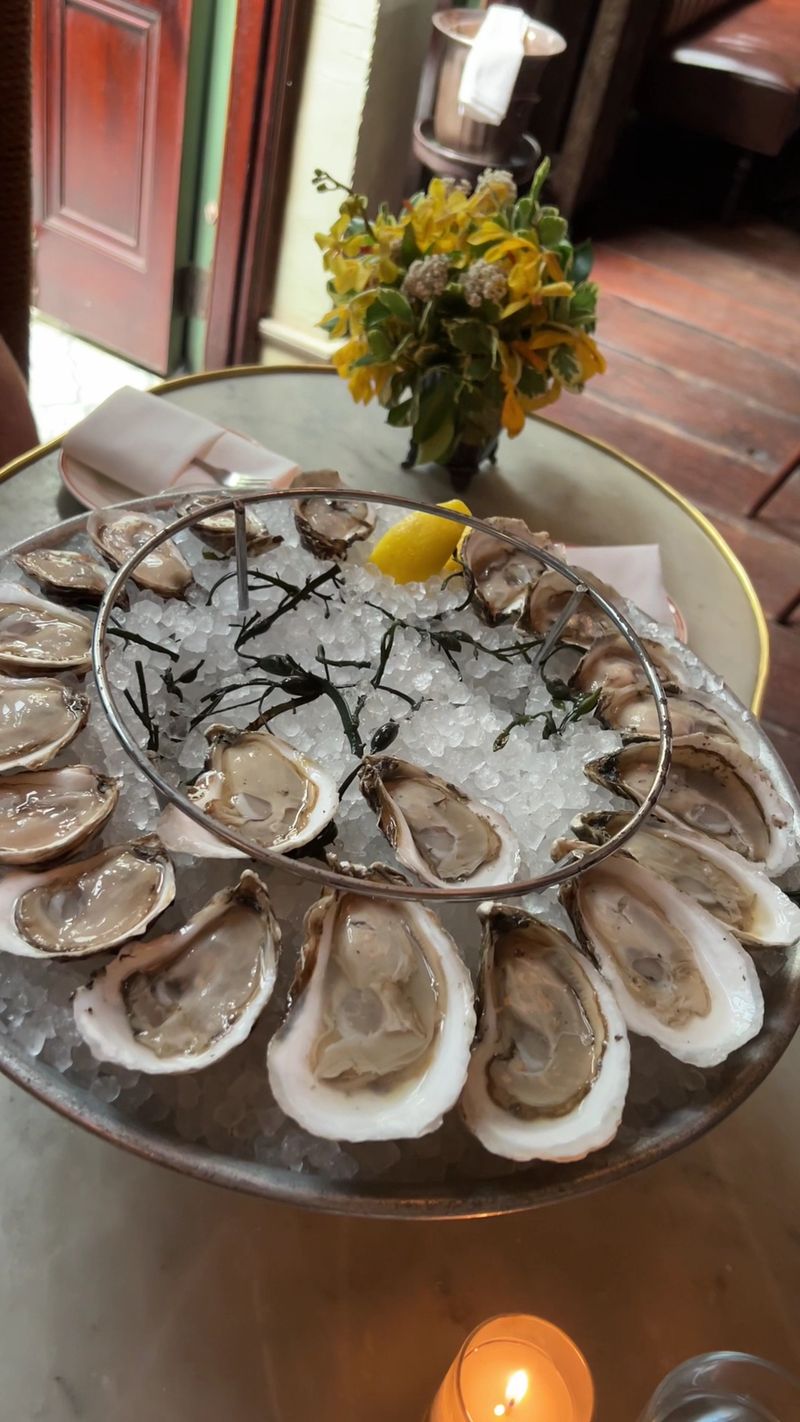
Maison Premiere in Williamsburg draws from the playbooks of both Paris and New Orleans without fully committing to either, and the result is something genuinely its own. The interior centers on a grand marble horseshoe bar with ceiling fans overhead, and the seasonal garden typically opens from April through November for outdoor dining.
The restaurant earned the James Beard Award for Outstanding Bar Program in 2016 and has appeared on the World’s 50 Best Bars list, which gives you a sense of how seriously the team takes its craft.
More than 30 oyster varieties rotate seasonally, sourced through direct relationships with farmers. The staff is known for providing specific recommendations on shellfish, and some preparations, like the Old King Cole Martini, are completed tableside for added theater.
3. Seaworthy, New Orleans, Louisiana
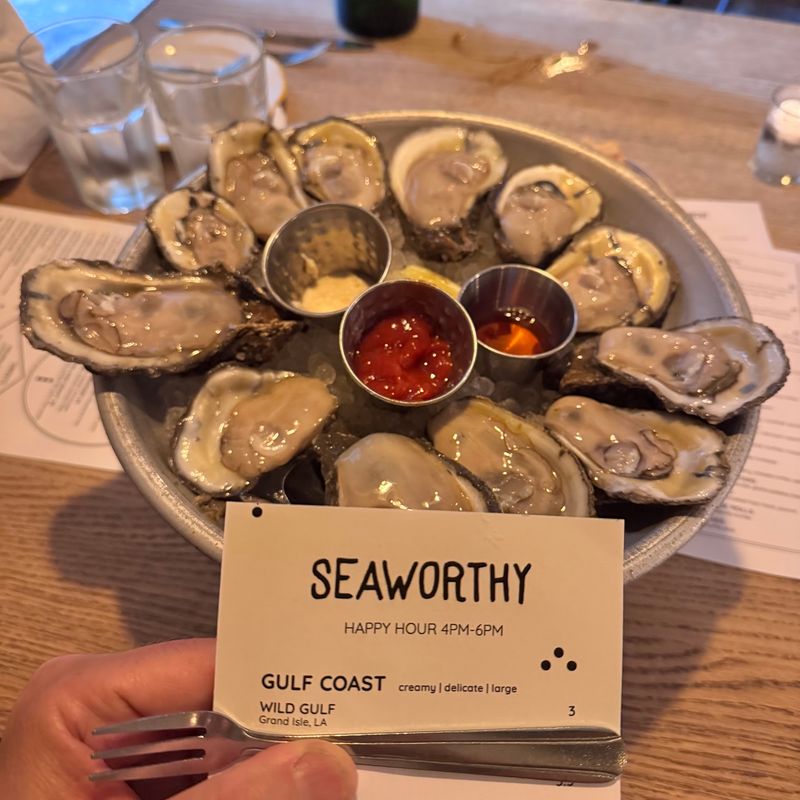
New Orleans has no shortage of places to eat oysters, but Seaworthy earns its spot by doing things a little differently. The restaurant occupies a historic Creole townhouse in downtown New Orleans, and the intimate rooms create a quieter alternative to the city’s louder, more casual seafood counters.
Oysters and cocktails form the core of the menu here, and the setting makes it an especially good choice for an evening meal after spending the day exploring the French Quarter or the Warehouse District nearby.
The compact layout means the experience feels more personal than a sprawling seafood hall. Seaworthy is close enough to the city’s main attractions to be convenient, but the Creole townhouse setting gives it a character that feels distinctly removed from the tourist trail just outside the door.
4. Acme Oyster House, New Orleans, Louisiana
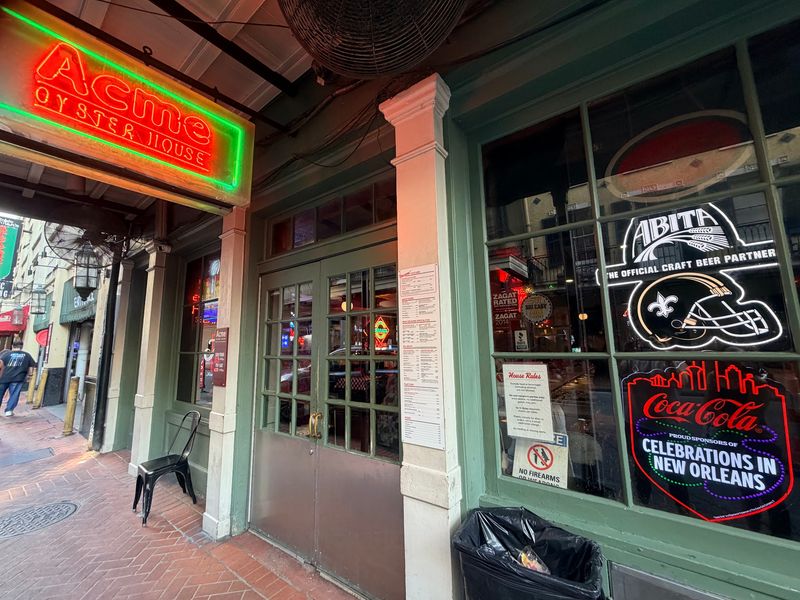
Acme started as the Acme Cafe on Royal Street back in 1910, survived a fire in 1924, and re-emerged at 724 Iberville Street with a new name and a very clear sense of purpose. When Mike Rodrigue took over in 1985, annual oyster volume climbed from around 25,000 to more than 3.6 million by 2008, which is a statistic that speaks for itself.
The restaurant is famous for its chargrilled oysters, served with herb butter and a blend of cheese. There is also a “15 Dozen Club” that challenges guests to eat fifteen dozen raw oysters in a single sitting, which is either inspiring or alarming depending on your appetite.
Long lines are part of the experience, though they tend to move quickly. A historic “Waitress Available Sometimes” sign, left over from a staffing shortage in the 1980s, still hangs inside.
5. Hog Island Oyster Co., San Francisco, California
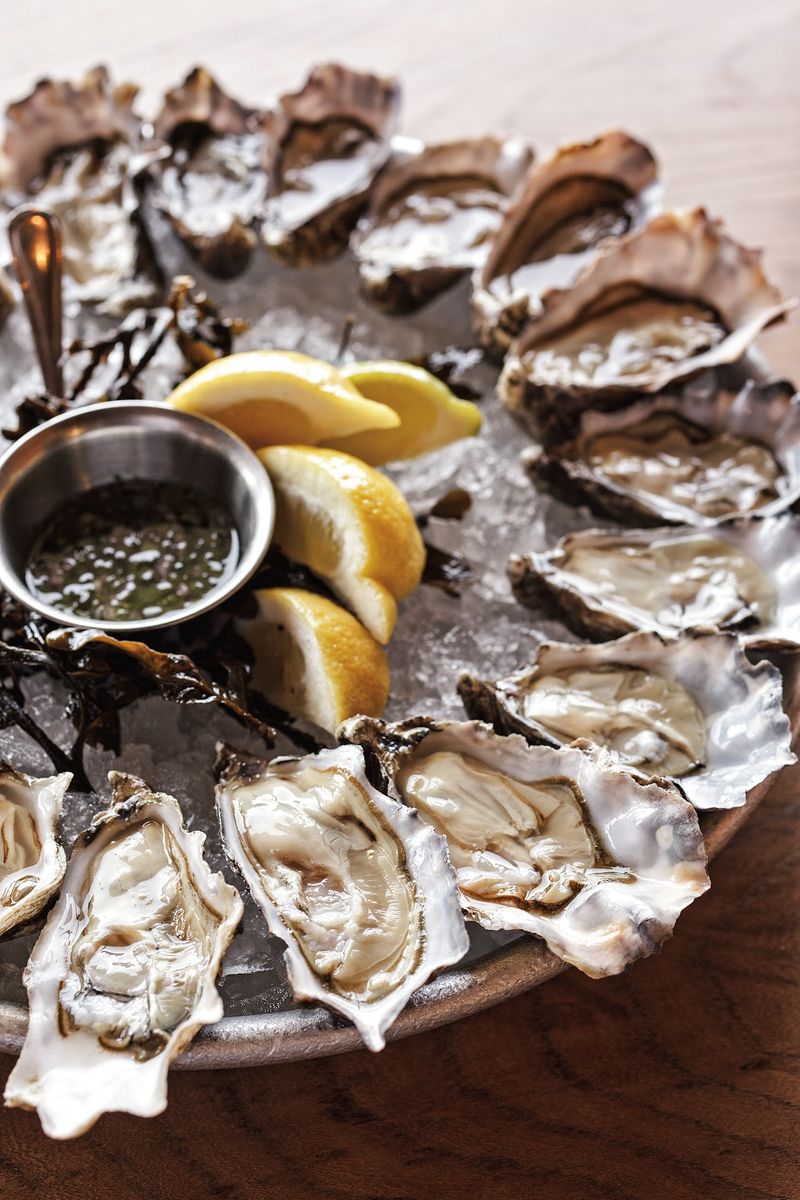
The Ferry Building Marketplace is already a destination on its own, and Hog Island Oyster Co. gives visitors one more very good reason to stop. The company grows more than 3 million oysters a year at its farm in Tomales Bay, and the San Francisco location is where those oysters land after being hand-sorted and purified through an ultraviolet sterilization system.
An open kitchen lets guests watch the shucking process directly, which adds a layer of transparency that oyster fans tend to appreciate. Raw oysters on the half-shell typically come with house-made mignonette and fresh lemon.
The restaurant does not take reservations for dine-in, so timing matters. Bay Bridge views and the bustle of the Embarcadero outside the large windows make the wait feel like part of the experience rather than an inconvenience.
6. Swan Oyster Depot, San Francisco, California
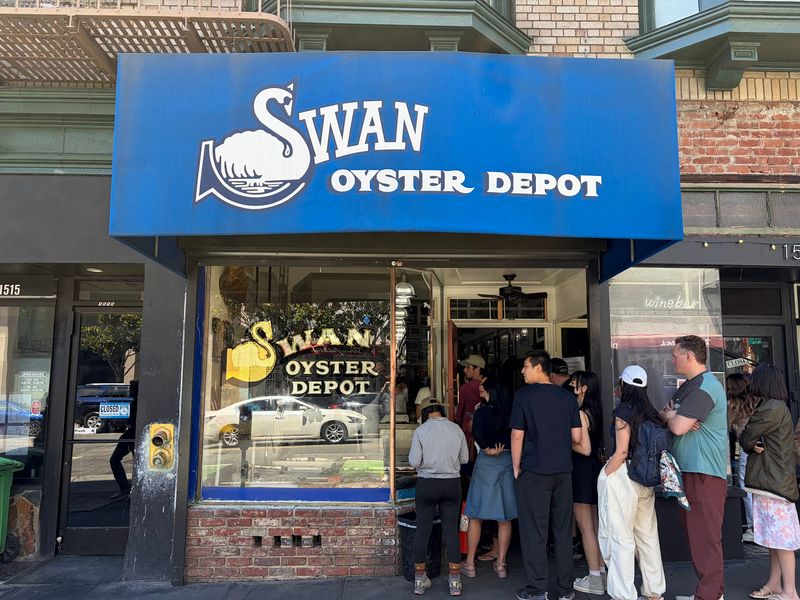
Swan Oyster Depot has been operating on Polk Street for over a century, and its approach to seafood has not changed much in all that time. The interior is essentially a narrow counter with seats running along one side, and the menu is built around whatever fresh seafood deserves the most attention that day.
Oysters arrive without elaborate garnishes or lengthy explanations, which is either refreshingly direct or a little startling if you were expecting a full presentation. The seafood-market character of the place is part of what makes it memorable.
The line outside can be long, particularly on weekends, because this is the kind of institution that locals and visitors both feel compelled to revisit. Eating here carries the specific satisfaction of participating in something San Francisco has been doing well for a very long time.
7. Taylor Shellfish Oyster Bar, Seattle, Washington
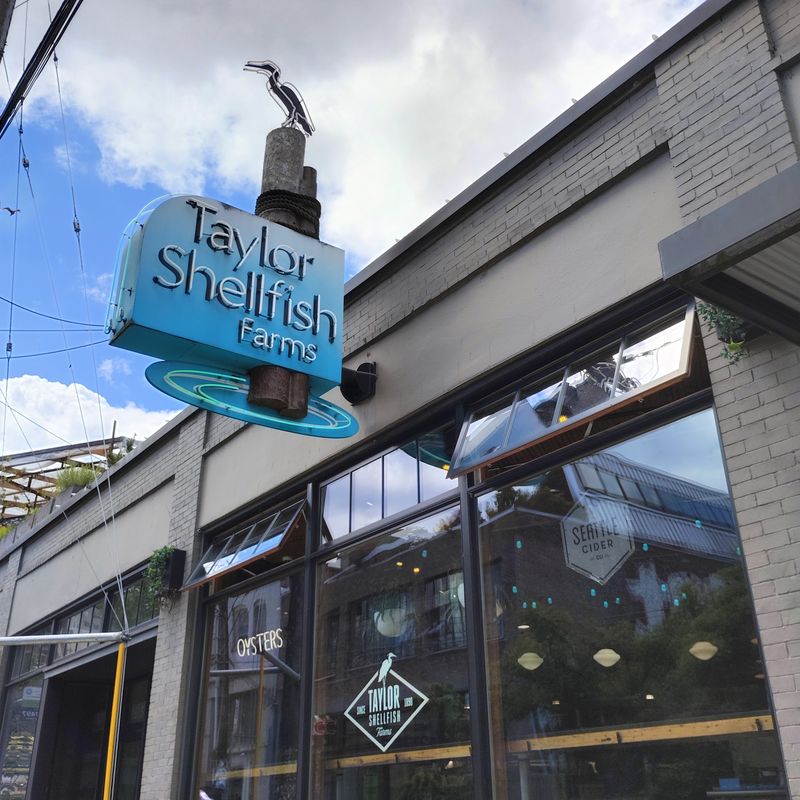
Seattle sits at the edge of some of the most productive shellfish-growing waters in the country, and Taylor Shellfish Oyster Bar on Melrose Avenue is one of the most direct ways to experience that geographic advantage. The bar keeps its focus firmly on shellfish, with a rotating selection that reflects what is coming out of Pacific Northwest waters at any given time.
The setting is casual enough for a quick afternoon stop but comfortable enough to turn into a longer dinner if the oysters are particularly persuasive. For travelers already in Seattle, the short distance between farm and table is a concrete detail worth appreciating rather than just a marketing phrase.
Taylor Shellfish operates its own farms, which means the supply chain is unusually short. That connection between growing region and restaurant plate is one of the clearest reasons to make this a planned stop rather than an afterthought.
8. The Ordinary, Charleston, South Carolina
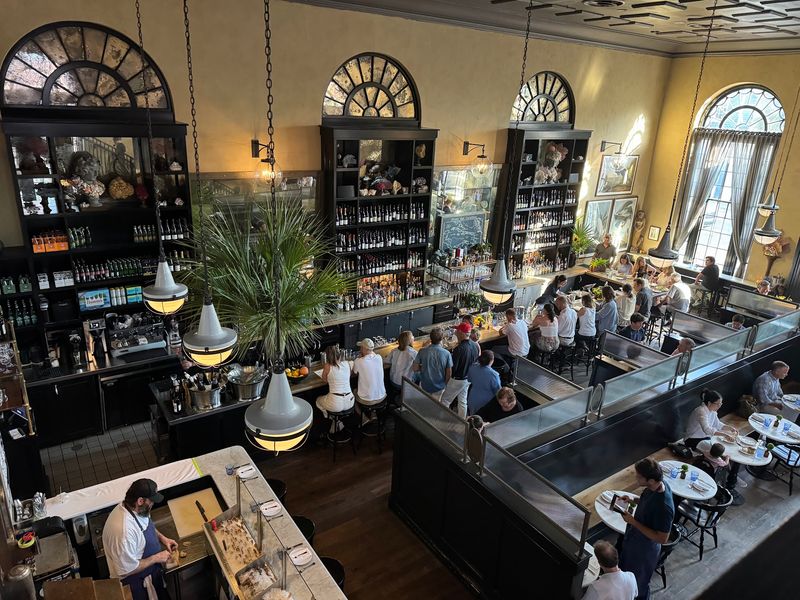
The team behind FIG restaurant opened The Ordinary in the fall of 2012 inside a former bank on King Street, and the building’s original architecture does a lot of the visual work. Soaring ceilings, oversized windows, and preserved architectural details create a dining room that feels polished without being stiff.
The raw bar celebrates what the restaurant calls the “merroir” of the Coastal Carolinas, with a commitment to sourcing from local and regional oystermen. Notable preparations include oysters served Moscow style with creme fraiche and caviar, as well as smoked oysters with saltines.
Walk-in seating is available at the bar, raw bar, and patio, and the second floor offers a clear view down into the main dining room. The staff is consistently noted for guiding guests through the menu with confidence rather than pressure.
9. 167 Raw Oyster Bar, Charleston, South Carolina
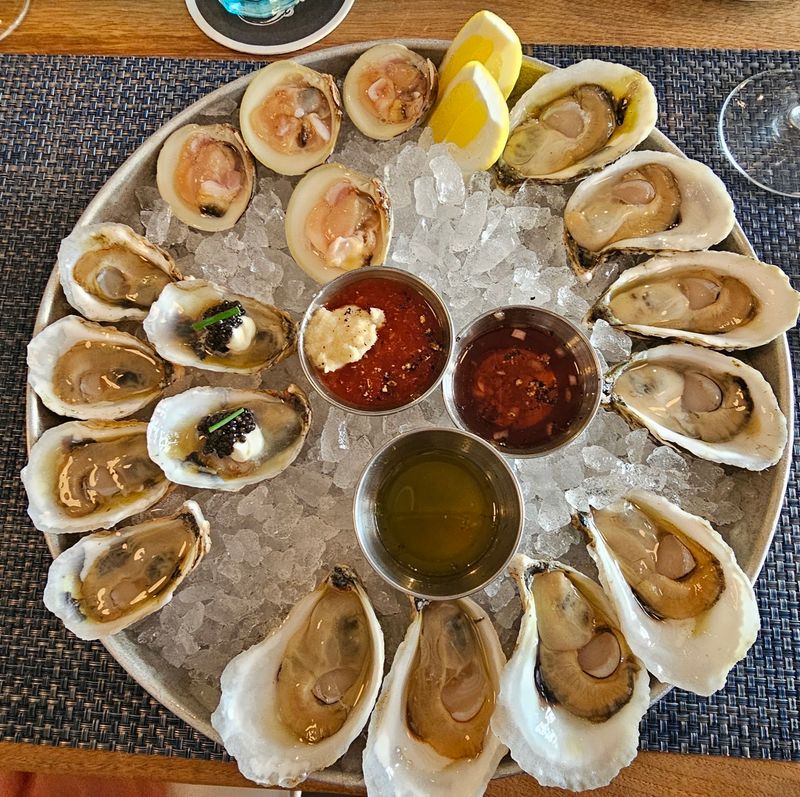
Originally from Nantucket, 167 Raw Oyster Bar relocated to 193 King Street in Charleston in 2020 and brought its New England oyster-bar sensibility with it. The interior features white-tiled walls, a marble bar, and nautical accents that give the compact 40-seat space a Cape Cod character in the middle of the South.
Oysters are presented on Le Creuset platters over crushed ice, each one accompanied by detailed notes on origin, size, and salinity. Local varieties such as Caper’s Blades appear regularly on the rotating raw bar selection.
The restaurant does not accept reservations, and wait times can run long because of its popularity. Beyond oysters, the menu includes lobster rolls served warm on toasted split-top buns, an oyster po-boy with avocado crema, and a pastrami swordfish sandwich that tends to surprise first-time visitors.
10. Eventide Oyster Co., Portland, Maine
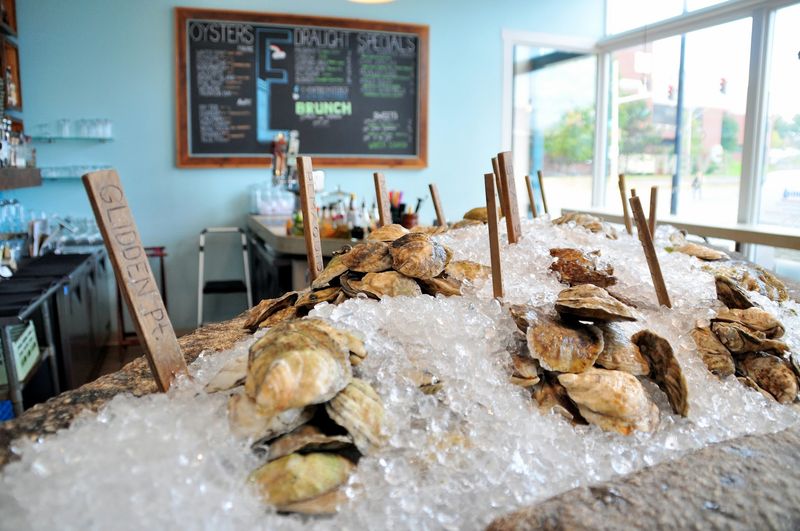
Eventide Oyster Co. built its raw bar around a large block of Maine granite filled with ice, which serves as a display platform for an ever-changing selection of oysters and shellfish. The restaurant’s name means evening hour, and the glass facade is positioned to let end-of-day light work its way through the space.
Servers provide curatorial notes and specific recommendations for each oyster variety, many of which are sourced locally from Maine farms like Mere Point and Wolfe Neck. Accompaniments include a horseradish-forward cocktail sauce and a shallot mignonette.
Seating is communal and first-come, first-served for most of the room, though guests can leave their number and explore the Old Port while waiting. The daily-changing menu also features the restaurant’s well-known Brown Butter Lobster Roll, which has developed its own loyal following among repeat visitors.
11. J’s Oyster, Portland, Maine
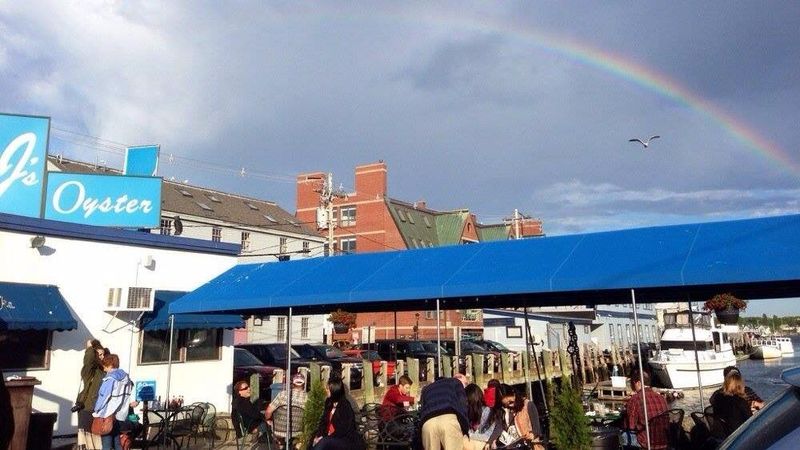
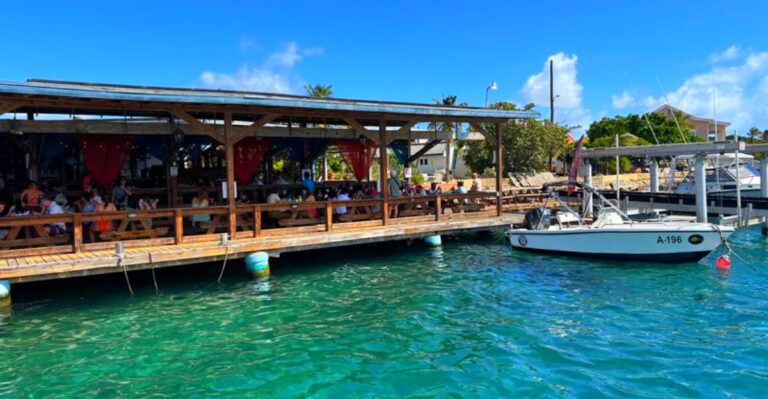
Portland Pier is about as close to working waterfront as a restaurant can get without technically being on a boat, and J’s Oyster leans into that location without apology. The atmosphere is deliberately unfussy: no elaborate decor, no lengthy tasting notes, just oysters and harbor activity outside the windows.
The casual character of the place is a draw in itself for travelers who find that the best seafood experiences tend to happen in settings that do not try too hard. Boats, docks, and the general business of a working pier form the backdrop for every meal.
J’s Oyster sits on the opposite end of the Portland dining spectrum from a polished oyster bar like Eventide, and that contrast is actually useful. Visitors who make time for both restaurants leave with a much fuller picture of what makes Portland’s seafood culture genuinely worth the trip.
12. Neptune Oyster, Boston, Massachusetts
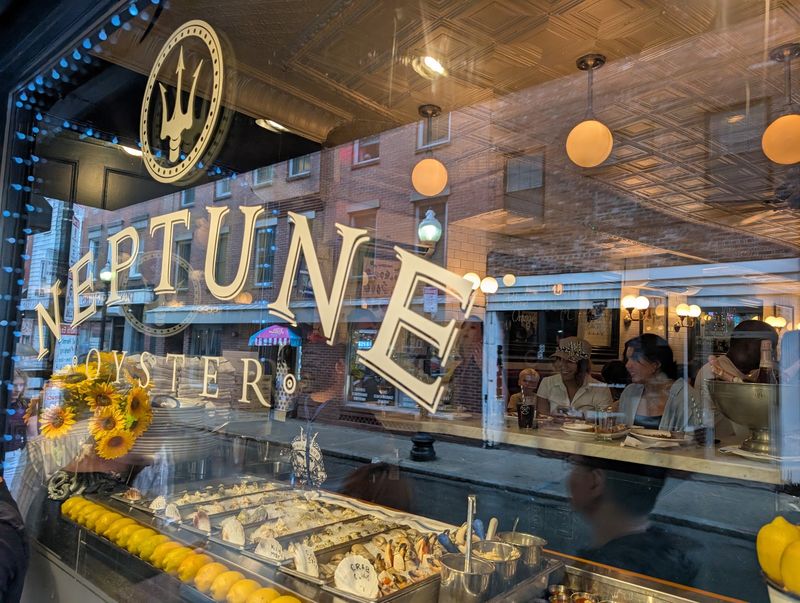
Neptune Oyster sits at 63 Salem Street in the North End, and the dark blue facade with oysters displayed in the front window makes it easy to spot even on a crowded block. The interior is narrow, with mosaic tiled flooring, a slender white marble counter, and a red leather banquette that lines one wall.
The raw bar typically carries around two dozen oyster varieties, each with a profile noting size, salinity, and origin. Reservations are not accepted, and waiting an hour or more is common, which gives you time to explore the neighborhood’s narrow brick streets beforehand.
Beyond oysters, the menu includes a Maine lobster roll available hot with butter or cold with mayo, a made-to-order clam chowder, and johnnycake with bluefish and sturgeon caviar. The combination of quality and neighborhood character keeps the wait feeling worthwhile for most visitors.
13. Row 34 – Seaport | Boston, Boston, Massachusetts
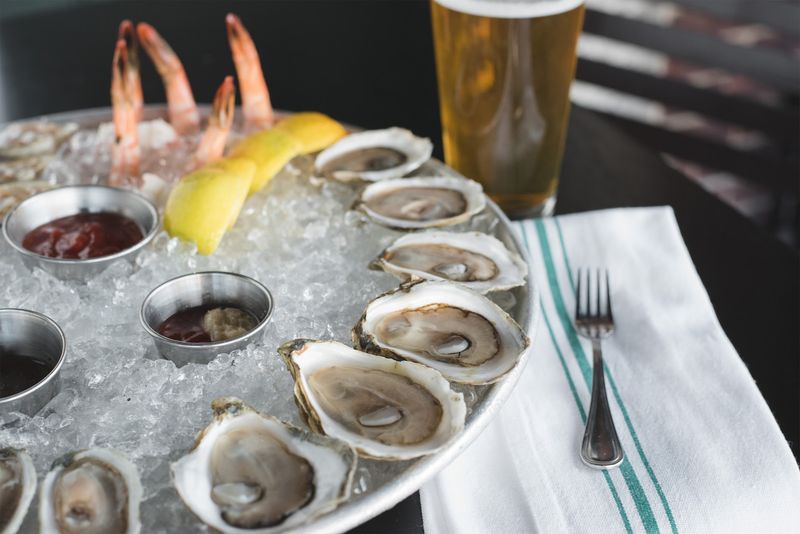
Row 34 arrived in Boston’s Fort Point and Seaport neighborhood with a straightforward proposition: serious oysters in an unpretentious industrial setting. The dining room is lively and open, designed more for conversation and a good meal than for quiet reverence.
The restaurant places real emphasis on its oyster program, with a rotating selection that reflects what is available from East Coast growing regions at any given time. Pairing oysters with craft beer is practically encouraged here, which fits the neighborhood’s newer, more casual waterfront personality.
The Seaport location also makes Row 34 a natural stop for visitors already exploring Boston’s modern waterfront side, which includes a stretch of the city that looks quite different from the historic North End. For travelers who want their shellfish with a side of contemporary Boston energy, this is a reliable choice.
14. Hank’s Oyster Bar on the Wharf, Washington, D.C.
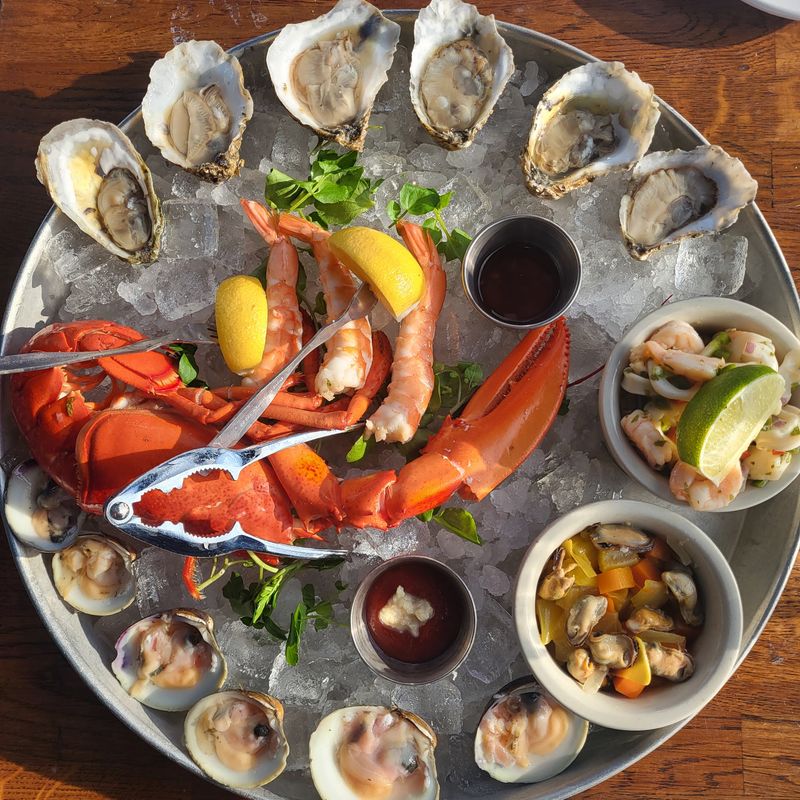
The redeveloped Wharf neighborhood in Washington, D.C. has transformed a stretch of the Potomac waterfront into one of the city’s most active evening destinations, and Hank’s Oyster Bar sits right in the middle of it. River views, promenades, music venues, and docked boats are all within easy walking distance of the front door.
The restaurant itself keeps the focus on oysters and coastal seafood, which provides a grounded anchor in a neighborhood that can sometimes feel like it is competing for your attention in every direction. Dinner here has a natural tendency to extend into a longer evening out rather than ending at the table.
For visitors who want seafood without stepping away from the city’s energy, Hank’s delivers a combination that is hard to replicate elsewhere in D.C. The Wharf location alone makes it a worthwhile detour from the Mall and the monuments.
15. Shaw’s Crab House, Chicago, Illinois
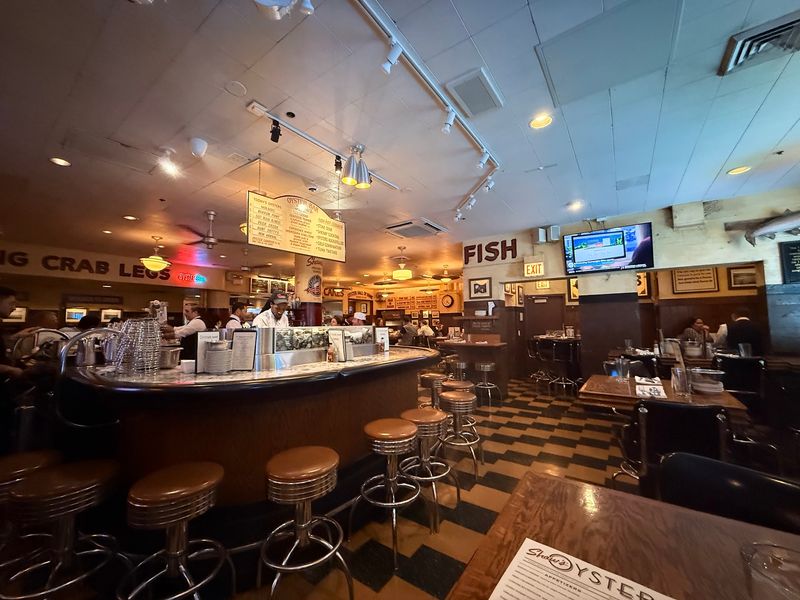
Chicago is not a coastal city, but Shaw’s Crab House has been making a convincing argument for landlocked oyster bars since 1984. The restaurant includes a dedicated Oyster Bar section with comfortable booths, live music on Thursdays, and a rotating selection that currently lists six oyster varieties daily.
The fact that Shaw’s has maintained this level of shellfish seriousness for four decades in a city hundreds of miles from any ocean is genuinely impressive rather than just a fun talking point. The broader menu covers crab, sushi, and a range of other seafood specialties for guests who want more than just a raw bar stop.
Shaw’s proves that a great oyster experience is more about sourcing relationships and kitchen consistency than proximity to the water. For Chicago visitors who want to add a seafood destination to their itinerary, this is the most established option the city has to offer.
Share this story