Europe’s big names draw millions of visitors, but some of the best trips happen far from the postcards. Stone villages, quiet islands, and wild valleys are waiting just off the main road.
These places offer real food, real traditions, and fewer crowds. Here are 15 spots that show fame is not the only way to find magic.
Monsaraz, Portugal
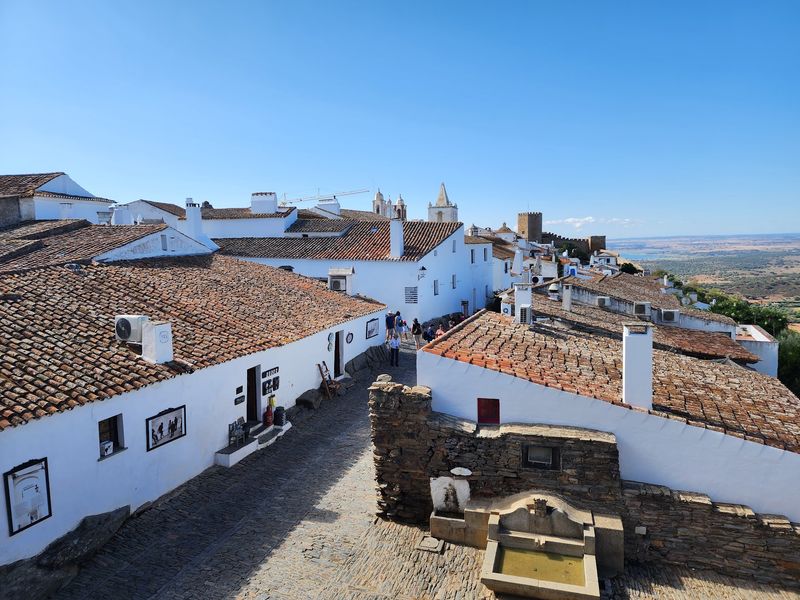
Whitewashed walls glow like toasted marshmallows when the sun sets over Monsaraz. This tiny village sits high above the Alentejo plains.
Its streets are paved with dark schist stone and lined with spotless little houses.
The castle dates mostly from the 12th century, and people have lived in this region for more than 6,000 years. Walk the walls and you can see Lake Alqueva shining below, ringed by vineyards, olive groves, and open fields.
It is a view that makes everyone go quiet for a minute.
After dark, the show gets even better. The skies here are among the darkest in Europe, so stars appear in crowds.
Many visitors bring a blanket and simply lie back and stare upward.
Plan to stay overnight if you can. Day trippers leave by late afternoon, and the village turns calm and peaceful.
Try local Alentejo wine and a plate of slow-cooked pork at a small restaurant, then wander the lanes with no hurry. You get all the medieval charm of Portugal’s famous cities, just without the elbow-to-elbow crowds.
Spring is lovely, when green fields stretch out in every direction and the air is mild. Wear comfortable shoes, because those old stones can be bumpy and slick.
Tzoumerka, Greece
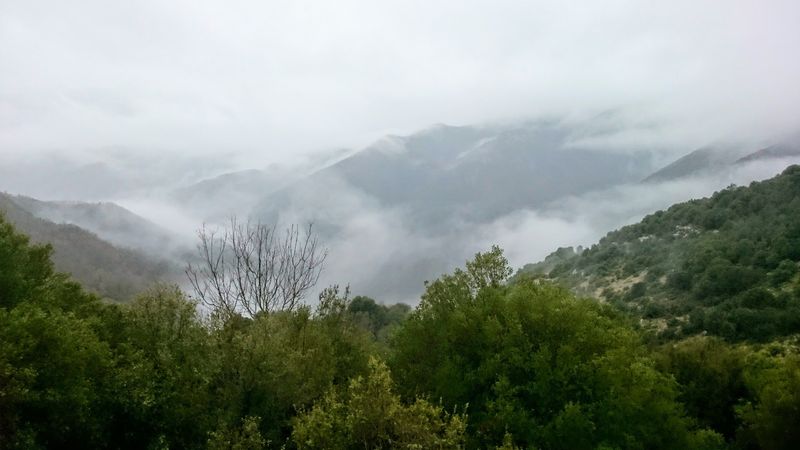
Forget beaches for a moment, because Greece has mountains that will steal your heart. Tzoumerka is a rugged corner of the Pindus range with 47 traditional villages.
They are scattered between the Arachthos and Acheloos rivers like pebbles tossed across a table.
Stone bridges arch over rushing streams. Monasteries cling to steep cliffs, and waterfalls tumble through thick forest.
Villages such as Syrrako and Kalarrytes keep their old stone houses, so walking through them feels like stepping into a storybook.
This region is built for hikers, cave explorers, and river lovers. Gorges and trails offer plenty of wild scenery, and you will meet more goats than tour buses.
Don’t expect a checklist of famous sights. The fun is in the exploring.
The roads twist and climb, so give yourself extra time to get around. Driving slowly is part of the deal, and the views make up for every curve.
Pack warm layers, even in summer, because mountain evenings can turn chilly.
Order local cheese and hearty pies in a village taverna. After a day of hiking, they taste like winning a prize.
It feels more like a mountain adventure than a typical Mediterranean holiday.
Vis, Croatia
Far out in the Adriatic, Vis sits farther from the Croatian mainland than most inhabited islands. That distance helped it keep a slow, easygoing pace.
Locals still seem to have time for a long lunch and a longer chat.
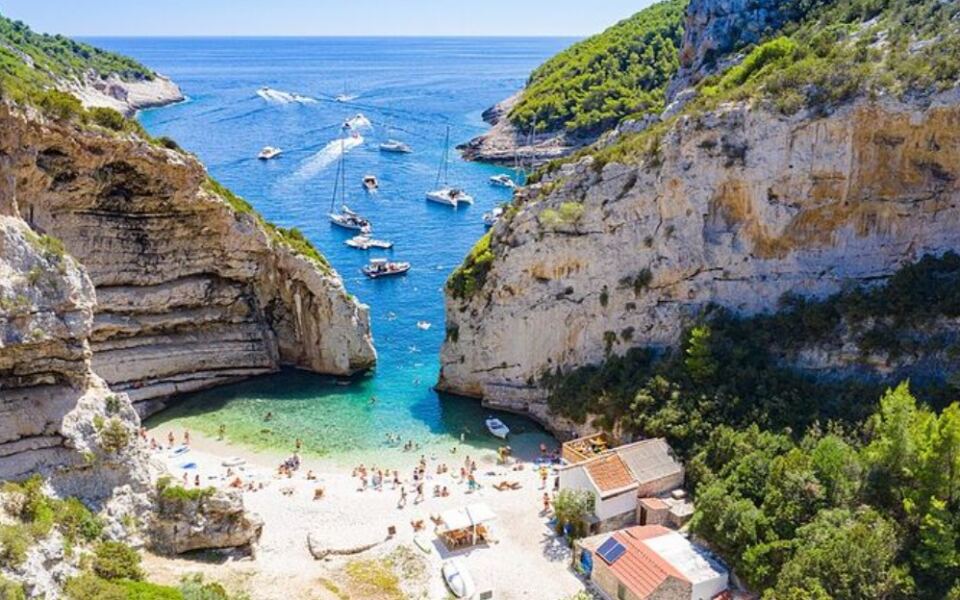
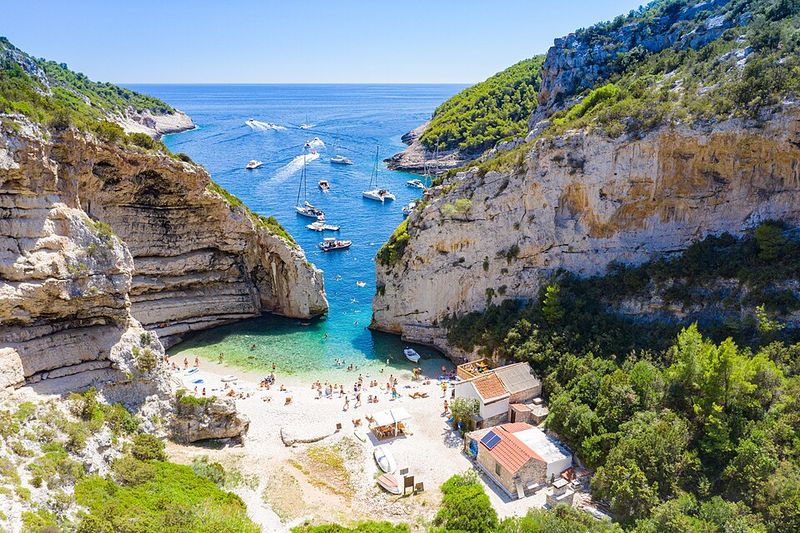
The island is part of a UNESCO Global Geopark that includes its surrounding archipelago. Stiniva Bay is the star, a tiny beach tucked between towering limestone cliffs with a narrow gap to the sea.
Reaching it takes a steep walk or a boat ride, which keeps things special.
But Vis is not a one-beach wonder. Clear coves, small pebble shores, vineyards, and old military tunnels give you plenty to explore.
Hiking trails lead to hilltop views that make your camera work overtime.
Stay longer than a day trip if you can. Evenings bring grilled fish, local wine, and harbor lights that sparkle on the water.
Fewer crowds also mean you can actually hear the waves.
Visit outside July and August for the calmest experience. Compared with Dubrovnik, Hvar, or Split, Vis feels like the quiet cousin who tells the best stories.
Bring sturdy sandals for those rocky paths.
Vipava Valley, Slovenia
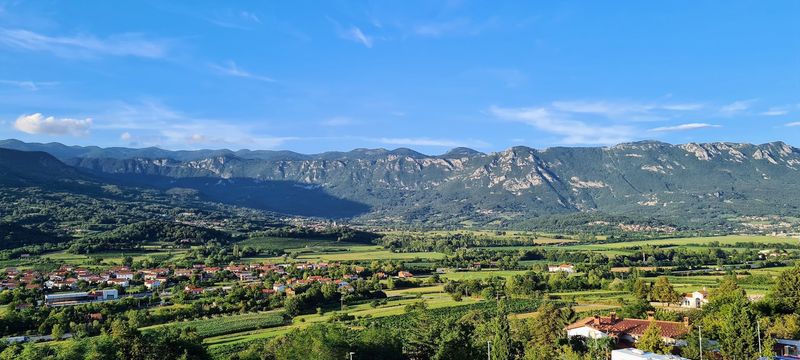
Picture a valley where the wine flows, the sun shines, and nobody is in a rush. That is Slovenia’s Vipava Valley.
It sits between Alpine and Mediterranean climates, which gives local grapes a happy home and visitors a long outdoor season.
Many travelers zip through on the way between Ljubljana and Italy. That is a mistake.
Vineyards and orchards roll across the valley floor, and hilltop churches watch over small villages. The valley still feels like real farmland, not a theme park.
In Ajdovscina, you can see the remains of the Roman fortress of Castra. History fans will love poking around the old walls.
Then you can head back outside for a cycling trip or a hike through the hills.
Adventure seekers can try paragliding, which turns the valley into a patchwork quilt below your feet. Food lovers can settle in at a family winery for tastings with local bread, ham, and cheese.
Local grape varieties here are hard to find elsewhere, so sip with curiosity.
Plan a few days, not a few hours. Rent a bike, bring a hat, and let the valley set the speed.
Gjirokaster, Albania
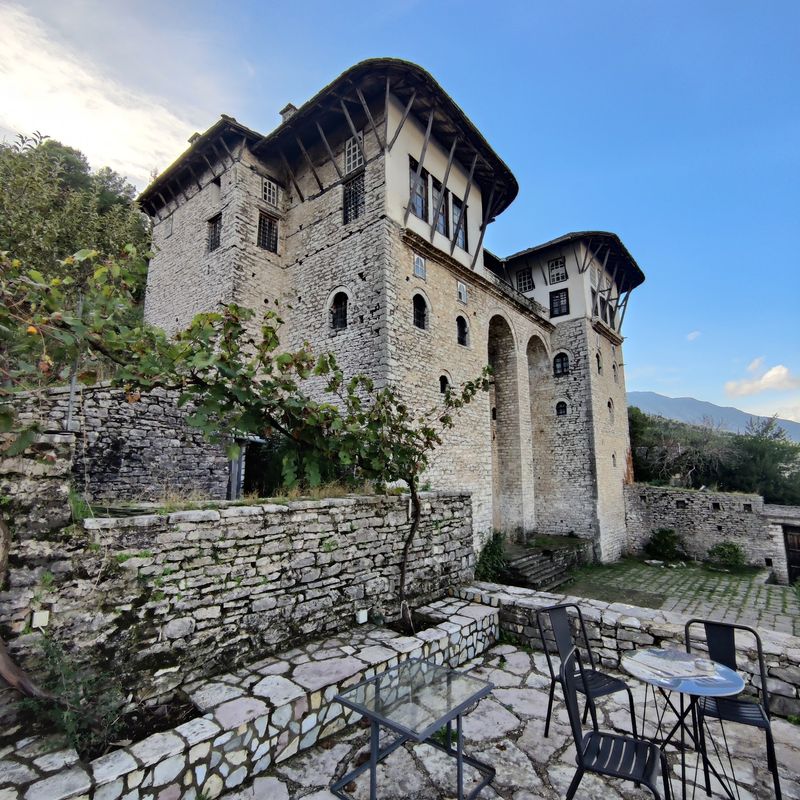
Slate roofs stack up the hillside here like a giant gray staircase. Gjirokaster rises above Albania’s Drino Valley, and its stone houses seem to grow right out of the slope.
UNESCO recognizes it, along with Berat, as an outstanding Ottoman-era fortified town.
Look for the tall, multi-story houses that became popular in the 17th century. They look sturdy, a little stern, and totally charming.
Above them all, a huge fortress dominates the skyline.
Wander down into the old bazaar and the streets get lively. Cobbled lanes wind past workshops, cafes, and an 18th-century mosque.
Be ready for steep climbs, because this town does not believe in flat ground.
Comfortable shoes are your best friend here. After your walk, rest at a cafe and order strong coffee and something sweet.
Locals are friendly and usually happy to point you toward a good meal.
The town also opens the door to southern Albania’s mountains and villages, which see far fewer visitors than much of Mediterranean Europe. It has serious history without feeling like a museum behind velvet ropes.
People still live, cook, and gossip in these old houses.
Saaremaa, Estonia
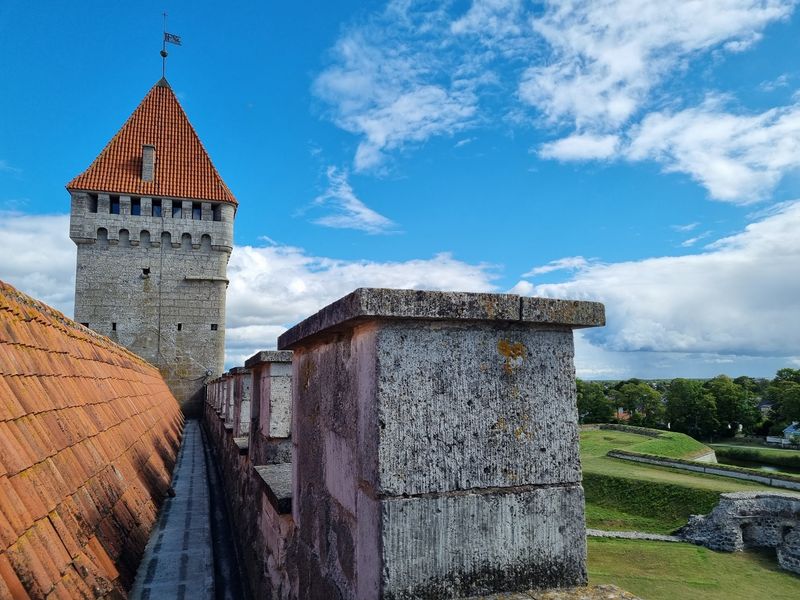
Windmills wave from the fields on Saaremaa, Estonia’s largest island. It feels different from the mainland, with more sea air, more space, and fewer people.
Forests, beaches, and juniper-covered meadows make every drive pretty.
The star building is the medieval castle at Kuressaare, a sturdy fortress surrounded by a moat. Inside, you can explore halls and towers that have seen centuries pass.
Nearby, spas and sauna houses make relaxing a serious activity.
History here goes deeper than you might expect. At Salme, archaeologists found two ship burials from about 700 to 750 CE.
They offer rare proof of Viking-era visitors in the Baltic before the usual start of the Viking Age.
Wellness is a big part of island life. A sauna and a spa day fit right into a trip, and your muscles will thank you.
After that, try local smoked fish or fresh rye bread.
Rent a car or bike and take your time. Small villages, empty coastlines, and quiet roads reward slow travelers.
Saaremaa is perfect for people who like their adventures with a side of peace.
Kuldiga, Latvia
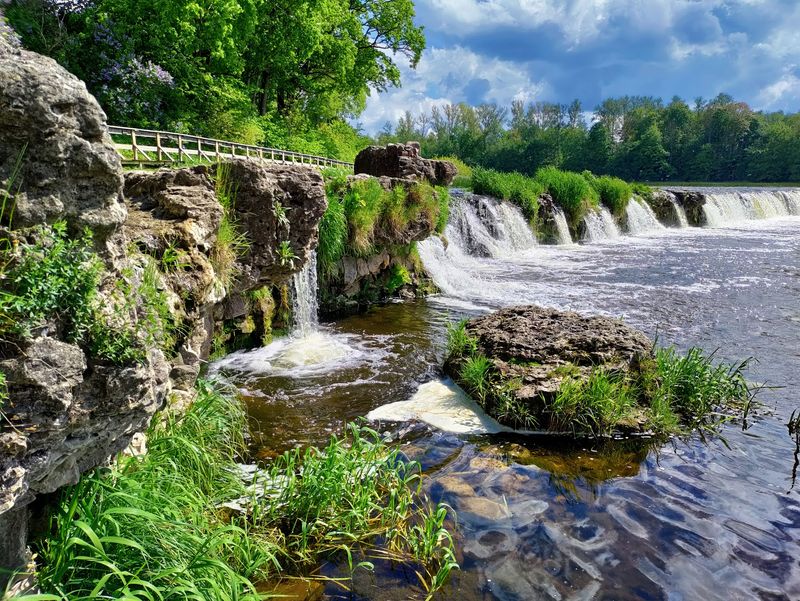
Some towns look like they were designed for happy accidents, and Kuldiga is one of them. Timber houses lean along cobbled streets, and red-tiled roofs glow in the afternoon light.
An old brick bridge crosses the Venta River in western Latvia.
The historic center is a UNESCO World Heritage Site. Just a short walk away, Venta Rumba is widely promoted as Europe’s broadest natural waterfall.
It is not tall, but it is wide, and in spring fish leaping upstream make the scene even more fun.
The town is small enough to explore on foot. You can stroll the river paths, poke into little shops, and stop at cozy cafes.
Latvia’s tourism authority also highlights the local restaurant scene, so bring an appetite.
A weekend is plenty of time to enjoy it. Mornings are quiet, and evenings feel warm and welcoming.
Photographers will find a postcard around every corner.
Many Baltic trips begin and end in Riga or Tallinn. Adding Kuldiga gives you a calmer, more local flavor.
Bring a camera, a light jacket, and a sweet tooth for the local pastries.
Locorotondo, Italy
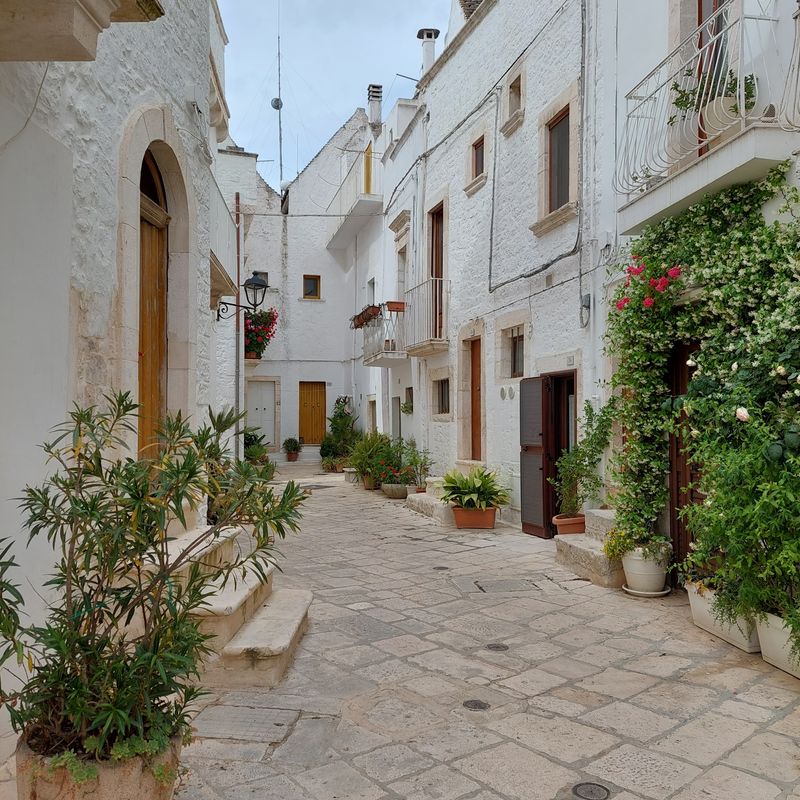
Alberobello gets the headlines, but Locorotondo gets the peace. This hilltop village in Puglia’s Valle d’Itria is shaped like a circle.
Its name comes from Locus Rotundus, which simply means round place.
Whitewashed lanes twist around the old center, and the houses have a style all their own. Called cummerse, they wear steeply pitched limestone roofs.
Walk slowly and you will spot flower pots, painted doors, and cats napping in doorways.
From the edge of town, terraces open onto the countryside. You can see vineyards, olive groves, trulli, and old farmhouses rolling off toward the horizon.
It is a view that makes you want to cancel your next appointment.
This area is known for wine and olive oil, so eating here is a joy. Try a local white wine with fresh bread, ripe tomatoes, and creamy cheese.
Small restaurants often serve family recipes with no fuss.
Visit in the morning or early evening for the softest light. Locorotondo proves that even in a busy region, smaller places can offer the richest memories.
Bring an appetite and leave the checklist at home.
Bieszczady Mountains, Poland
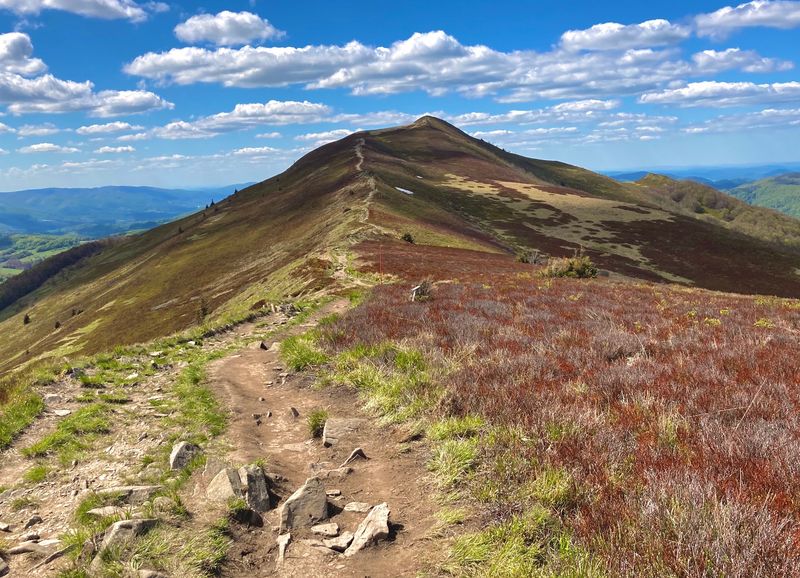
Silence is the main attraction in the Bieszczady Mountains. Poland’s Tatras get most of the fame, but this southeastern range offers wide, empty views.
Broad grassy ridges called polonins rise above huge beech forests.
Autumn is the headline season. Leaves turn yellow, orange, and red, and the hills look like they are on fire in the nicest way.
Wildlife also becomes easier to notice, so keep your eyes open and your voice low.
Small villages and wooden churches sit scattered through the valleys. The area has a complicated past, shaped by Polish, Ukrainian, Lemko, and Jewish communities.
Quiet stone remains and old chapels tell parts of that story.
Most visitors come to walk. Trails are less crowded than in famous resorts, and you can often hike for hours with only birds for company.
Pack layers, because weather can change fast on the ridges.
Many travelers also come simply to sit still and enjoy the space. That quality is getting harder to find in Europe’s best-known mountain towns.
Here, a bench, a view, and a thermos of tea can be the whole plan.
Saxon Switzerland, Germany
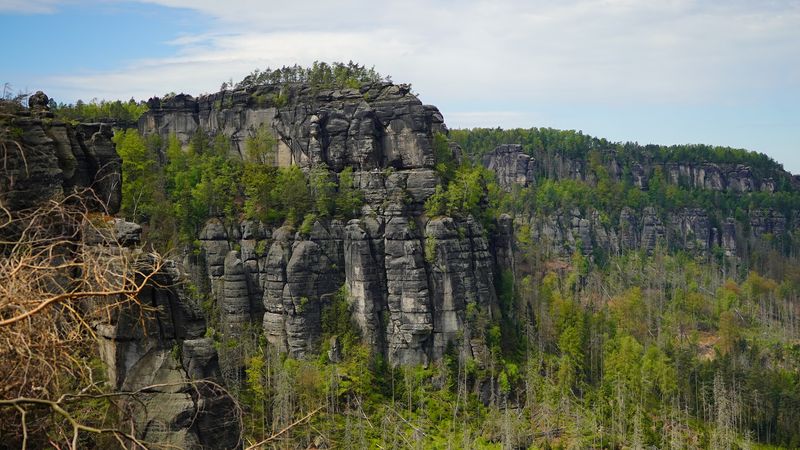
Germany has castles and beer halls, sure, but did you know it also has sandstone skyscrapers? Saxon Switzerland lies a short trip from Dresden.
Millions of years of erosion carved pillars, ravines, and table mountains above the Elbe River.
The most famous viewpoint is the Bastei. Cliffs drop nearly 200 meters toward the valley, and a stone bridge with seven arches links the rock formations.
It is dramatic, and yes, your knees might wobble a little.
The region is much bigger than one landmark. Hiking paths wind through forests and between towering rocks.
Climbers come for the vertical routes, while others prefer ferries and historic trams along the river.
You do not need a car to enjoy it, which is a nice bonus. Trains and boats connect many towns, so you can plan a trip with little stress.
Germany’s national tourism organization recommends the area for active travel and hiking.
Start early to beat the biggest crowds at the Bastei. Then wander off the main path and see how quiet the forest can be.
Bring water, good boots, and a camera with plenty of space.
Ohrid, North Macedonia
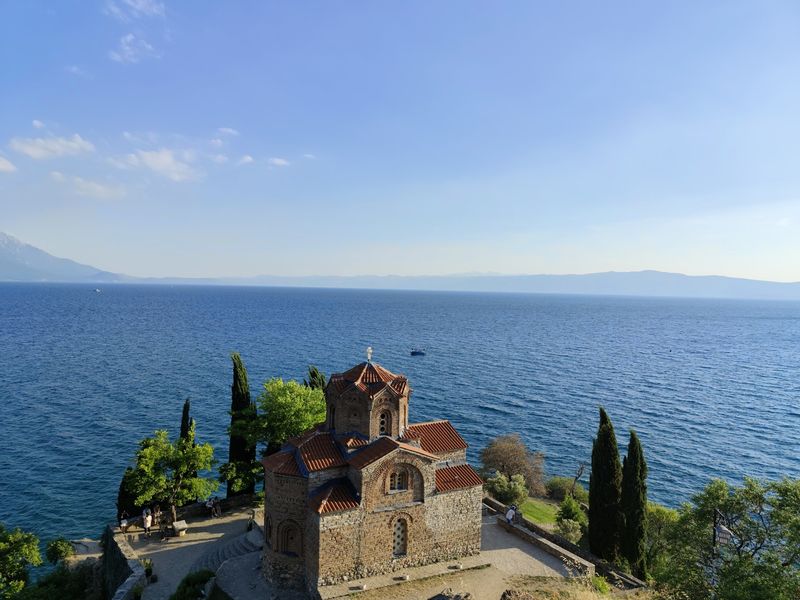
Some lakes are young, but Lake Ohrid is a grandparent. UNESCO describes it as an ancient tectonic lake, roughly two to three million years old.
More than 200 plant and animal species here live nowhere else.
The town of Ohrid sits above the water and packs in plenty of culture. You will find churches, archaeological remains, and Ottoman-era houses.
More than 800 important Byzantine-style icons from the 11th through 14th centuries also survive here.
The Church of St. John at Kaneo is the postcard moment. It sits on a cliff above the lake, and the view is the kind people photograph again and again.
Get there early for the calmest light.
Still, Ohrid is best enjoyed slowly. Stroll the waterfront, wander the old streets, and hop on a boat for a different angle.
Nearby villages add easy day trips and local meals.
Try the lake’s famous trout if you like fish. Sit at a lakeside cafe and watch the water change color through the afternoon.
It has the depth of a major European destination without the usual crush of visitors.
Setenil de las Bodegas, Spain
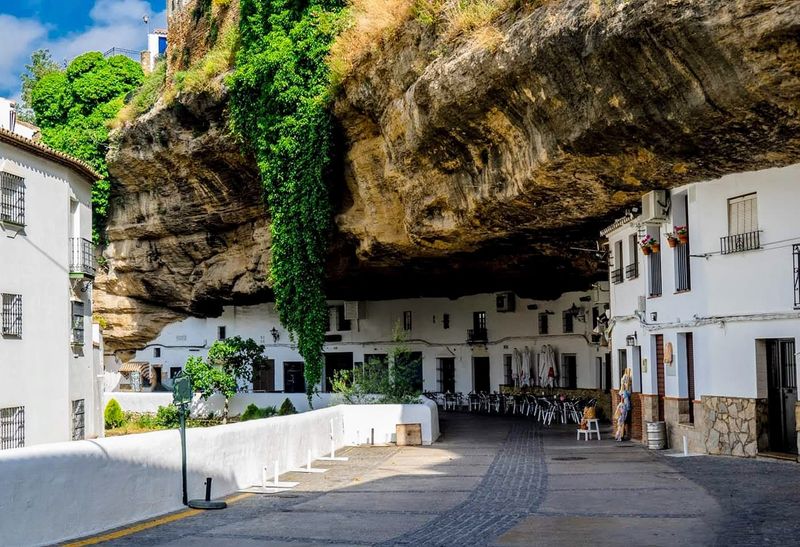
Who needs a roof when a giant rock will do the job? In Setenil de las Bodegas, homes tuck right under massive stone overhangs.
Residents chose to build with the cliffs instead of clearing them away.
The town sits along a gorge carved by the Trejo River. Streets such as Cuevas del Sol and Cuevas de la Sombra show the idea best.
Rock forms the roofs and often the walls, so the buildings look half house and half cave.
Cafes and restaurants use the shade of the stone, which is a lovely trick in hot Andalusian summers. Grab a table and order local ham, cheese, or a plate of olives.
Tourism officials highlight the cave architecture, food, viewpoints, and rural traditions.
Setenil has also won repeated recognition in Spain for rural tourism. That makes sense, since the town feels welcoming and genuine.
Locals will happily point you to the best viewpoints.
It is an easy counterpoint to the grand monuments of Seville, Granada, and Cordoba. Here, architecture was shaped by geography, not royal ambition.
Watch your head in a few spots, and bring a camera for the shadows.
Visby, Sweden
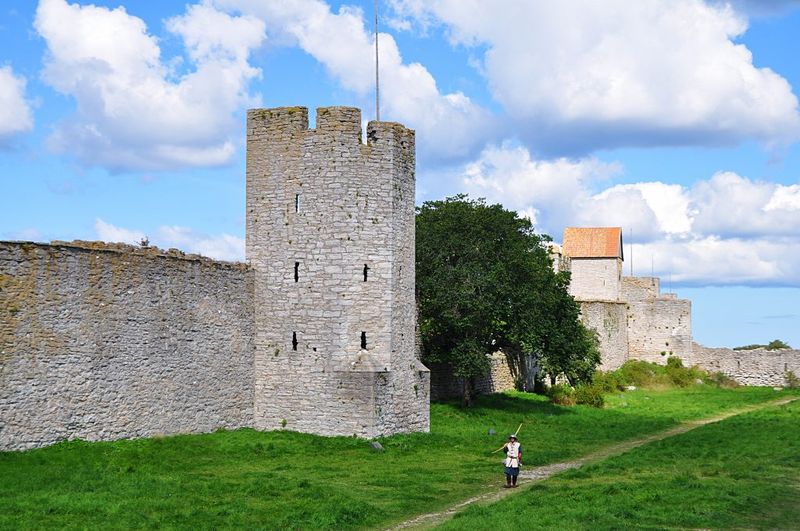
Around 3.4 kilometers of medieval wall still wrap the town of Visby. That is a lot of stone for one small place.
Many international visitors head straight to Stockholm and skip this gem on Gotland.
The UNESCO-listed center keeps towers that date largely from the 13th century. More than 200 historic buildings stand inside the walls.
Ruined medieval churches add open-air drama, with empty arches framing the sky.
Walking the lanes feels like wandering through a living history book. Cobbled streets are lined with flowers, small shops, and cafes.
In summer, you may even spot roses climbing the old walls.
Beyond the town, Gotland offers sea stacks, beaches, farms, and crafts. There are also 92 medieval churches scattered around the island, so you will never run out of things to see.
Biking is a fine way to cover ground.
Visit Sweden notes that spring and autumn keep much of the island’s charm with fewer summer crowds. That is smart advice for a calmer trip.
Pack a sweater, because the Baltic breeze can be cheeky.
Spreewald, Germany
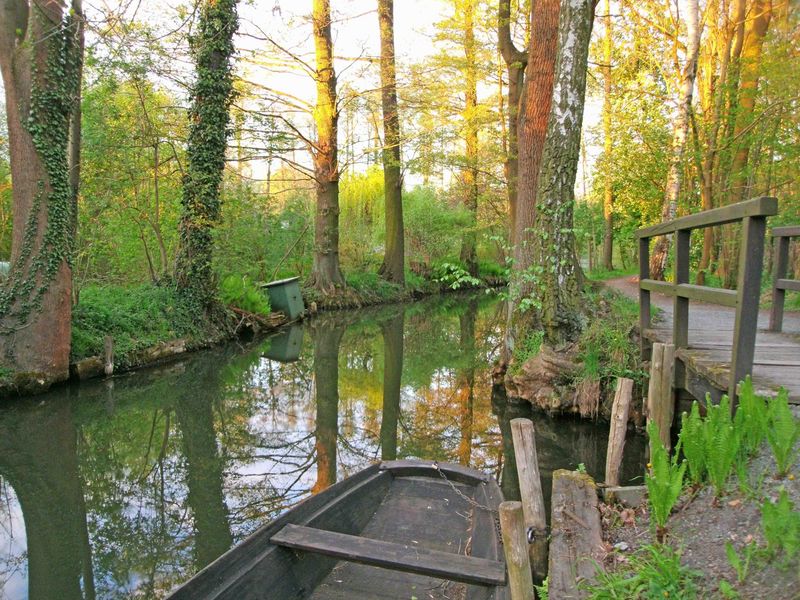
Leave the car keys behind, because the best roads here are made of water. About an hour southeast of Berlin, the Spreewald weaves hundreds of waterways through forests, meadows, and villages.
Ice Age processes shaped this wetland landscape long ago.
Traditional flat-bottomed punts still glide along the narrow channels. A guide pushes the boat with a long pole, and everything feels hushed.
If you prefer to be in charge, kayaks and canoes are easy to rent.
Germany’s tourism board highlights wooden bridges, hand-operated locks, and waterside restaurants. Stopping for lunch by the canal is half the fun.
Look for the region’s famous pickles, which locals take very seriously.
The area is also tied to Sorbian and Wendish communities. Regional traditions, costumes, and festivals keep the culture alive.
You may spot colorful folk dress on special occasions.
Paddling is a lovely way to hear birdsong and rustling reeds. Bring sunscreen, a hat, and a small waterproof bag for your phone.
It is hard to imagine a sharper contrast with Berlin, even though the two are so close.
Faro Coast, Gotland, Sweden
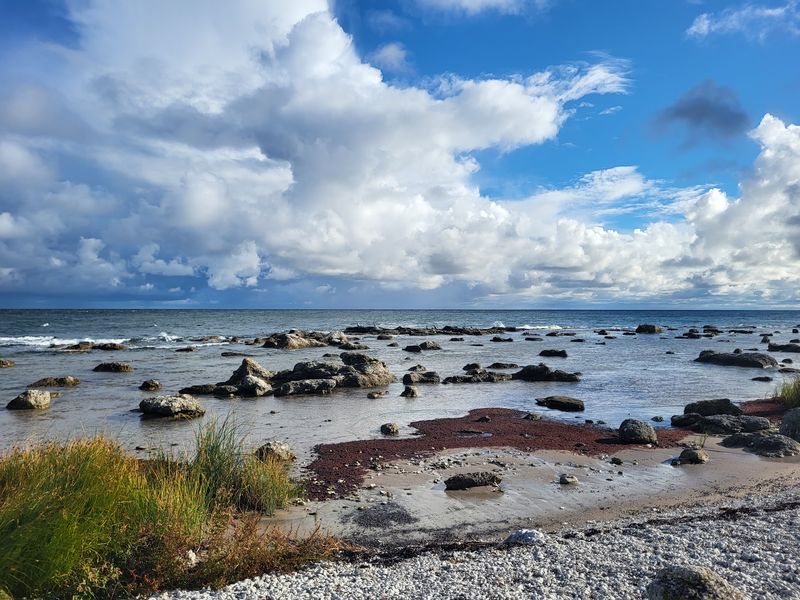
Stone giants stand guard along the shore of Faro, and they are not shy about posing. Just off Gotland, this island is famous for raukar.
These freestanding limestone sea stacks were sculpted by erosion into towers and odd shapes.
Many travelers reach Visby and stop there. Going farther north rewards you with one of the Baltic’s strangest landscapes.
The wider Gotland coast stretches around 800 kilometers, mixing limestone cliffs, pine forest, beaches, and fishing settlements.
Filmmaker Ingmar Bergman lived on Faro for decades. Stark scenery and unusual light drew him here, and it is easy to see why.
On a clear evening the sky glows in soft pinks and golds.
This place suits people who like quiet more than famous monuments. Cycling is a favorite way to get around, with flat roads and sea views.
Windswept coastal walks and empty beaches fill the rest of the day.
Pack a windbreaker, even in summer. Stop at a farm shop for fresh bread, lamb, or local sweets.
The island looks different from anywhere else in Scandinavia, and that is the whole charm.
Share this story