Classic rock radio has a way of playing the same songs on repeat until you could sing them in your sleep. But the albums those singles came from often contained far more interesting music just a few tracks away.
Between the 1970s and early 1980s, bands like Led Zeppelin, Queen, Pink Floyd, and the Eagles were filling double albums and sprawling LPs with songs that never got a fair shot at radio play. Some were too long, too strange, or simply too unlucky to stand beside a monster hit.
These 20 tracks prove that the real treasures were hiding just past the famous stuff all along.
Ten Years Gone by Led Zeppelin
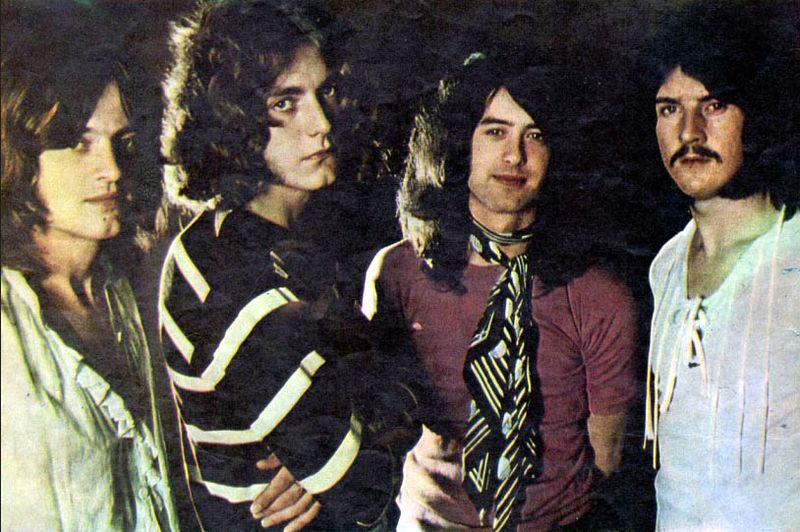
Jimmy Page reportedly overdubbed around 14 separate guitar tracks to build the layered arrangement of this 1975 track, aiming for an orchestrated effect that differed from the band’s usual riff-based approach.
Robert Plant wrote lyrics reflecting on a former girlfriend who had once made him choose between her and his music career. That personal weight gives the song a reflective quality rare in Zeppelin’s catalog.
For live performances in 1977, John Paul Jones used a custom triple-necked instrument to replicate the studio arrangement.
The Prophet’s Song by Queen
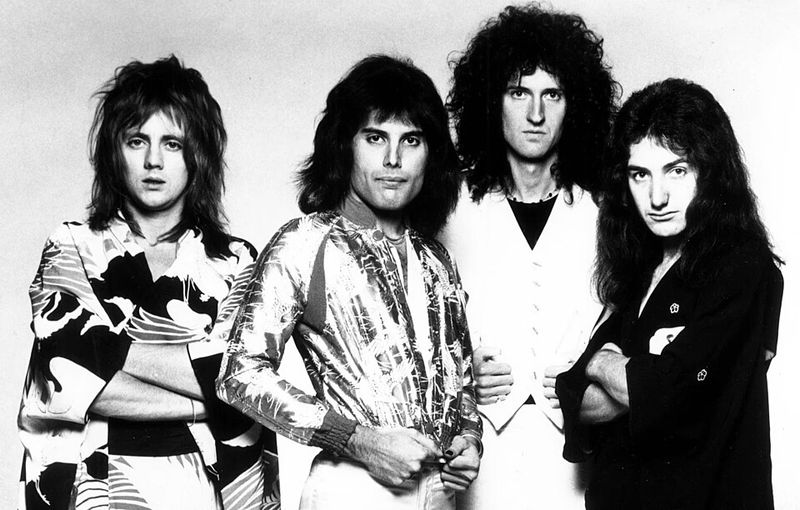
Brian May composed this eight-minute track after a vivid dream about a great flood while he was ill during the Sheer Heart Attack recording sessions. The song draws on biblical imagery, including references to Noah’s Ark and Jacob’s Ladder.
Freddie Mercury’s vocal canon in the middle section was created using early tape delay devices, allowing him to harmonize with a delayed version of his own voice in real time.
May also used a toy koto for the atmospheric introduction, and a detuned lowest string for extra weight in the guitar parts.
Down by the Seaside by Led Zeppelin
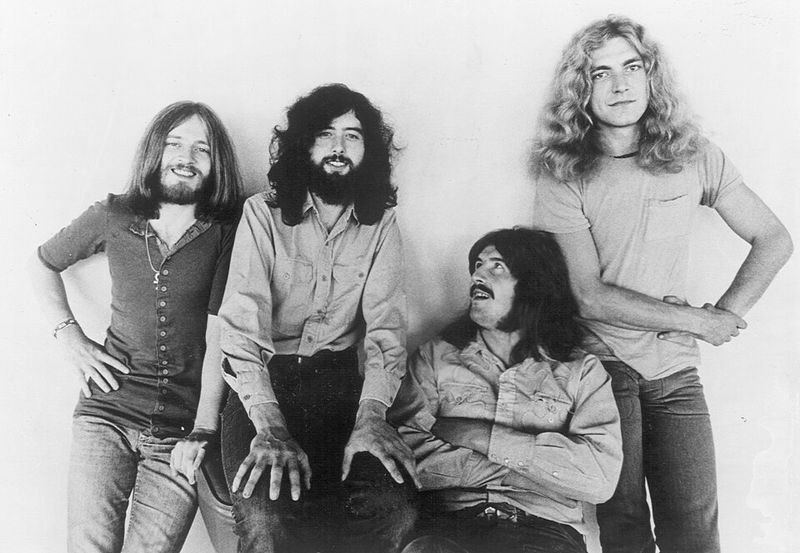
Page and Plant originally wrote this song at Bron-Yr-Aur, a remote Welsh cottage without electricity, during a retreat after touring in 1970. The acoustic piece was later recorded with a fuller electric arrangement for consideration on Led Zeppelin IV before being set aside.
Robert Plant was a strong advocate for including it on Physical Graffiti, even though John Paul Jones reportedly had reservations about the track.
John Paul Jones contributed a Hohner electric piano, and the song shifts between soft folk passages and a harder mid-section.
Fearless by Pink Floyd
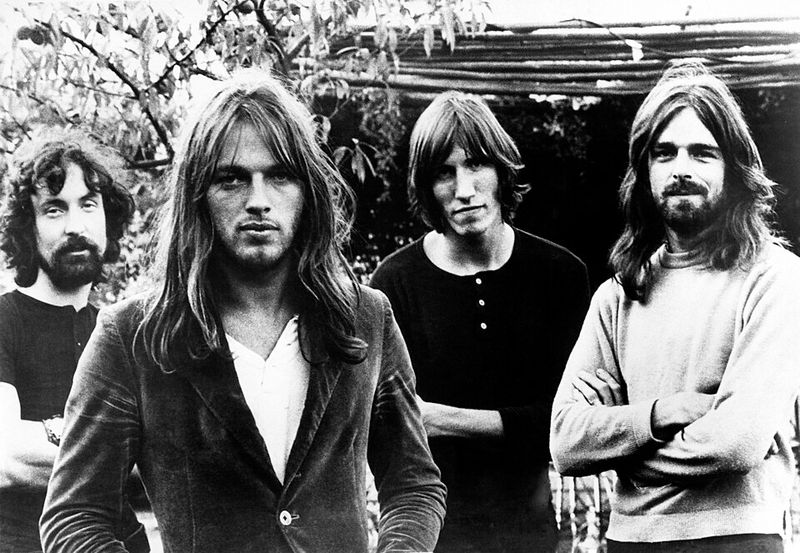
Roger Waters played the acoustic guitar parts for this 1971 track using an open G major tuning he reportedly picked up from former Pink Floyd member Syd Barrett. David Gilmour sang lead vocals, and the song appeared on Meddle as the band was beginning to define its post-Barrett identity.
Waters wrote lyrics encouraging listeners to hold to their convictions regardless of outside pressure, a theme that suited the band’s own artistic independence at the time.
A field recording of Liverpool F.C. fans singing “You’ll Never Walk Alone” closes the track, a notable choice given that Waters supports Arsenal.
Moonlight Mile by The Rolling Stones
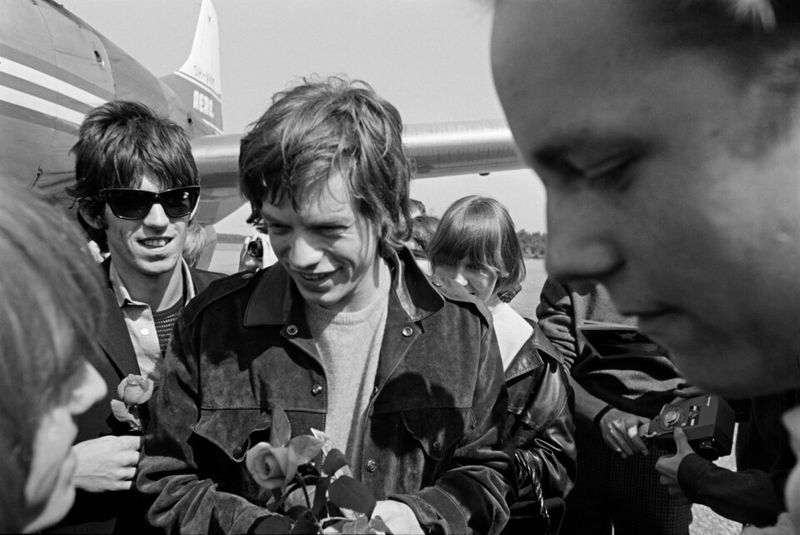
Mick Jagger wrote most of this closing track from Sticky Fingers during a 1970 European tour, with significant contributions from guitarist Mick Taylor. Keith Richards was frequently absent from those sessions, which gave the song an unusual collaborative origin for a Jagger-Richards credit.
The lyrics reflect exhaustion and homesickness from months on the road, a mood that contrasts sharply with the album’s more swaggering opening tracks.
Paul Buckmaster’s sweeping string arrangement and Jim Price’s piano give Moonlight Mile an emotional scale that few Stones songs attempted before or after.
Summer ’68 by Pink Floyd
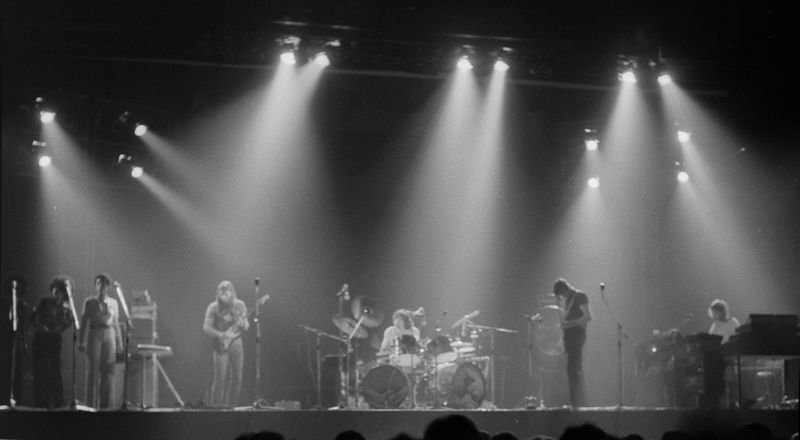
Richard Wright wrote and sang this track entirely on his own, making it one of his most prominent solo contributions to any Pink Floyd album. The song recounts a personal experience from 1968, and an earlier incomplete version titled “One Night Stand” existed before the final recording.
Recorded at Abbey Road Studios in July 1970, the track features dramatic brass passages from the Abbey Road Session Pops Orchestra layered over Wright’s melodic piano-driven rock foundation.
Critics called it the most accessible track on Atom Heart Mother, a distinction that makes its obscurity even more puzzling.
’39 by Queen
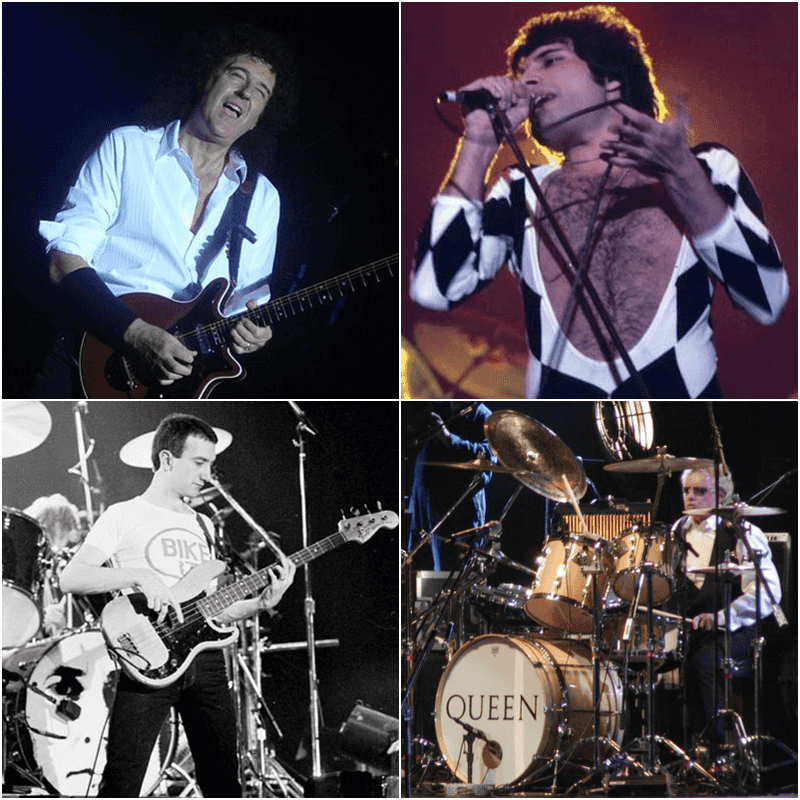
Brian May’s background in astrophysics gave this track its unusual premise: a group of astronauts return from what felt like a year-long voyage only to find that a century has passed on Earth due to time dilation, a concept from Einstein’s special relativity.
May asked bassist John Deacon to play double bass as a joke during recording, but Deacon learned the instrument and performed it on the final track. May played a 12-string acoustic guitar throughout.
During live shows in the 1970s, Freddie Mercury typically took over the lead vocal while audiences joined in as a singalong.
In the Light by Led Zeppelin
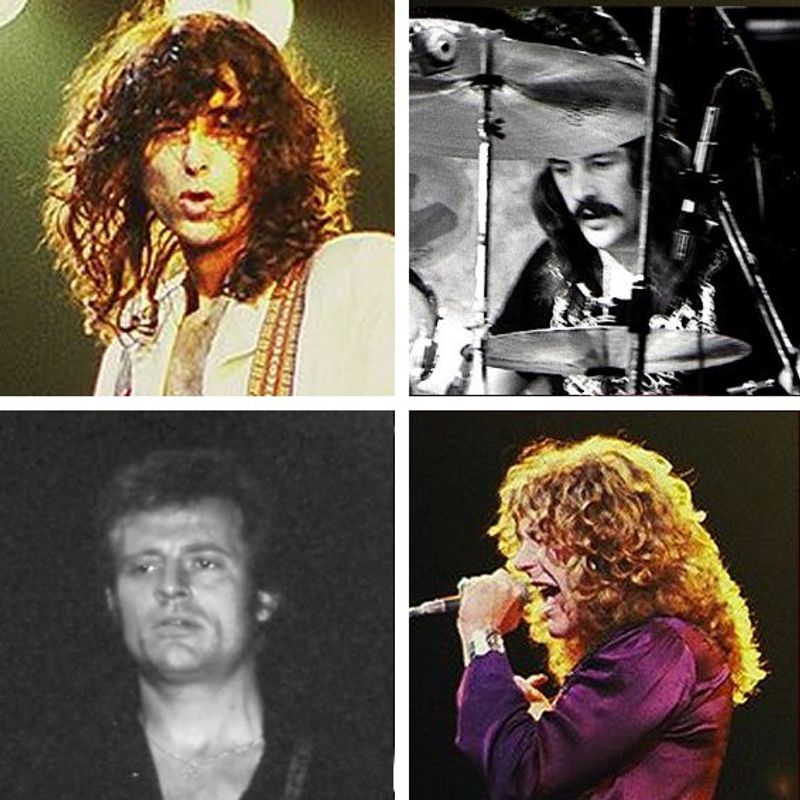
John Paul Jones composed most of this track on an EMS VCS3 synthesizer, manipulating its joystick to create pitch bends that drew on Arabic musical expression. Jimmy Page used a violin bow on an acoustic guitar to build the drone that opens the song.
Both Robert Plant and Jimmy Page have cited it as one of their favorites on Physical Graffiti, yet Led Zeppelin never performed it live, likely because Jones’s synthesizer work was too complex to replicate on stage.
An alternate version with different lyrics was officially released in 2015 as part of the Physical Graffiti remaster.
Wot’s… Uh the Deal by Pink Floyd
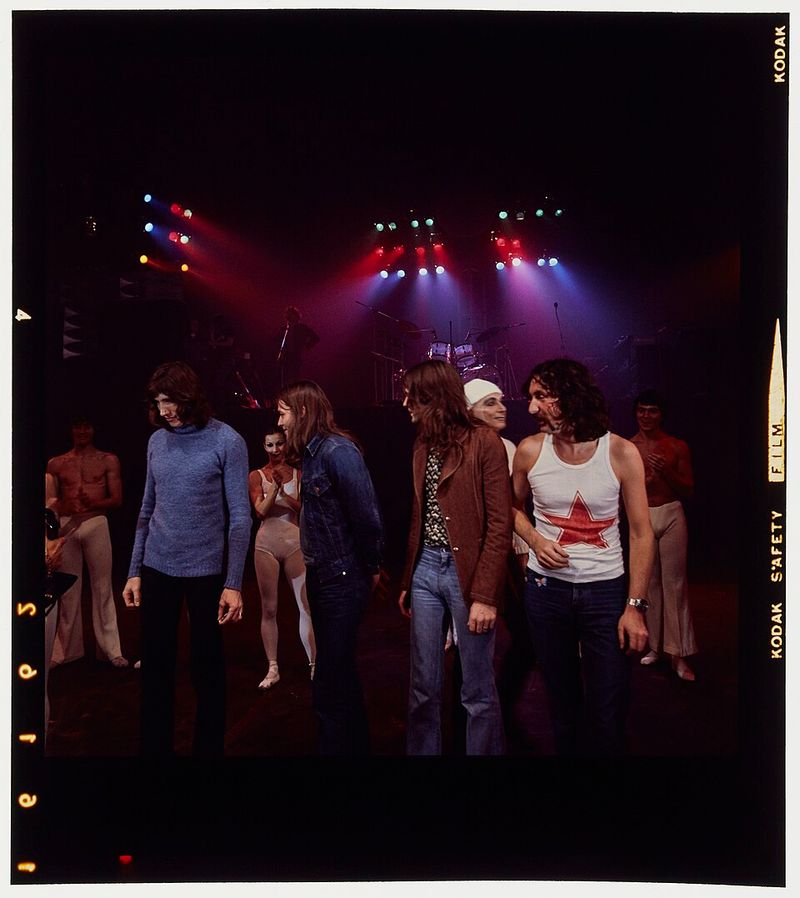
Recorded at Chateau d’Herouville in France in early 1972, this track was part of the Obscured by Clouds soundtrack for Barbet Schroeder’s film La Vallee. David Gilmour wrote the music and sang lead vocals, while Roger Waters penned the lyrics.
The song’s curious title came from a phrase used by roadie Chris Adamson, with “readies” being British slang for money. Its acoustic foundation and lap steel guitar give it a warmth rarely found in the band’s catalog.
Pink Floyd never played it live as a full band, though Gilmour featured it on his 2006 solo tour.
The Wanton Song by Led Zeppelin
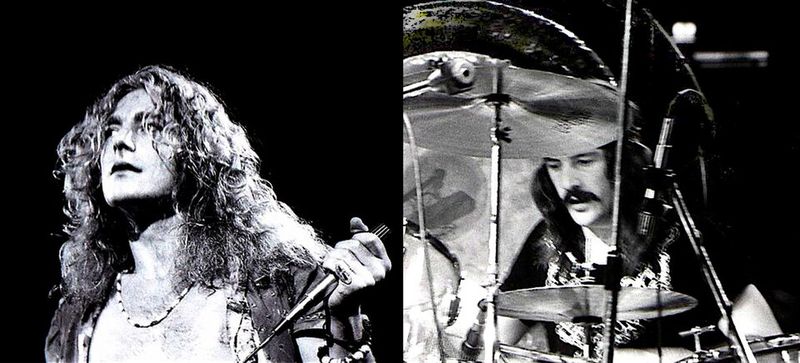
This track grew out of a rehearsal jam at Headley Grange in 1974, with Jimmy Page building the song around an aggressive riff he described as the song’s chorus due to its sheer force. Page also ran his guitar through a Leslie speaker and used a backwards echo technique he had refined since his Yardbirds days.
Robert Plant has named it among his favorite Led Zeppelin recordings, recalling the session as “electric, so quick and so fruitful.”
The band played it on select dates during the 1975 tour before dropping it from the setlist. Page and Plant revived it on Later with Jools Holland in 1998.
Tenement Funster by Queen
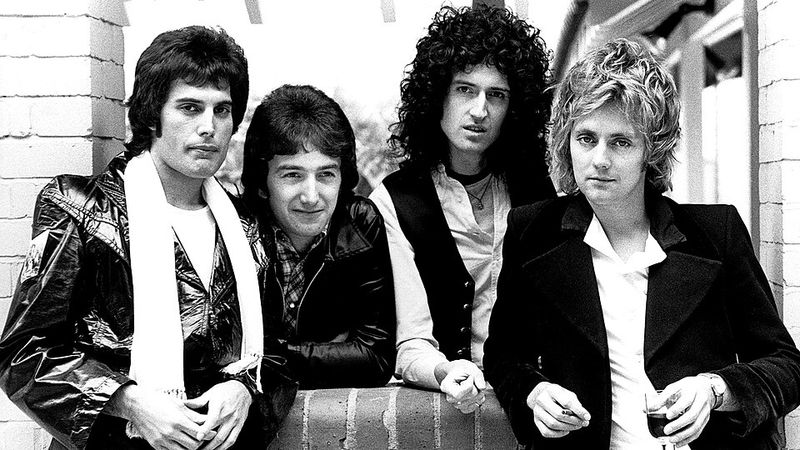
Roger Taylor wrote and sang this track, performing all the backing vocals himself as well. The song is the first part of a three-track medley that flows directly into Flick of the Wrist and then Lily of the Valley, each recorded separately before being joined in the mix.
Taylor drew on his own experience of choosing music over a conventional career path, and the lyrics celebrate youthful rebellion with a rougher energy than most of Sheer Heart Attack’s polished material.
Brian May contributed five rhythm guitar parts across two acoustic and three electric tracks, while Freddie Mercury added piano.
A Pillow of Winds by Pink Floyd
The song’s title came from the Chinese tile game mahjong, which Roger Waters and Nick Mason played with their wives while on tour. Waters wrote the lyrics, and the song stands as one of the few Pink Floyd recordings to deal explicitly with themes of love and peaceful rest.
David Gilmour used an open E tuning for the acoustic guitar, and Richard Wright contributed vibraphone alongside his Hammond organ, giving the track a delicate texture distinct from the rest of Meddle.
The song transitions directly from the aggressive One of These Days through ambient wind sound effects, making the contrast deliberate and effective.
Black Country Woman by Led Zeppelin
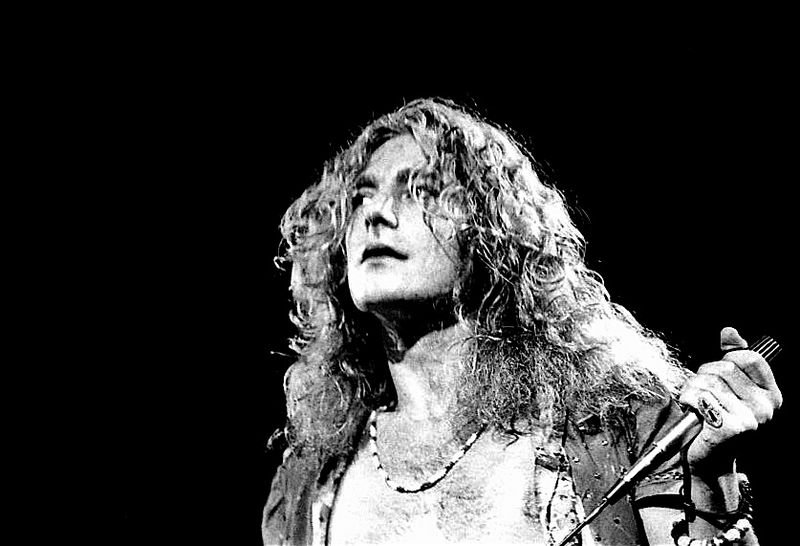
This track was recorded outdoors in the garden of Mick Jagger’s country estate, Stargroves, using a mobile recording unit in May 1972. The sound of an airplane flying overhead at the beginning of the recording was kept in the final version after Robert Plant told engineer Eddie Kramer to leave it in.
Originally planned for Houses of the Holy, the song was held back and eventually placed on Physical Graffiti alongside other material from earlier sessions.
The Black Country in the title refers to the industrial region of England where both Plant and John Bonham grew up, grounding the song in a specific geography.
Childhood’s End by Pink Floyd
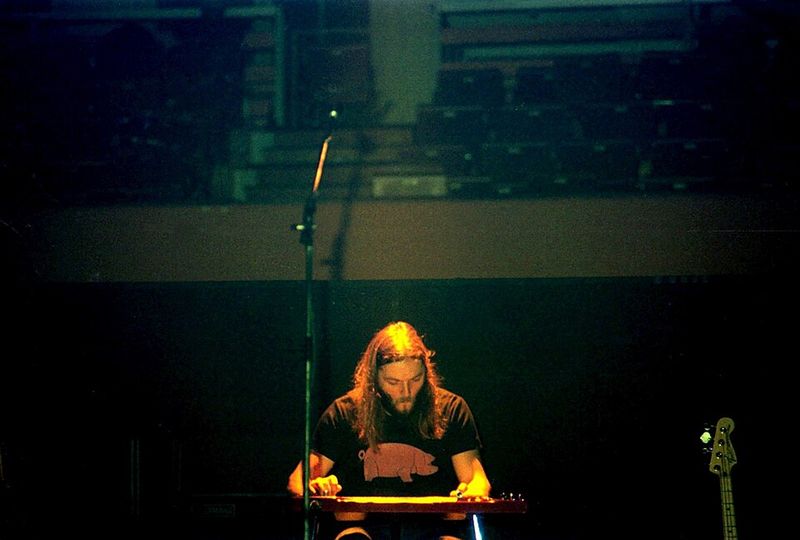
David Gilmour wrote both the music and lyrics for this track, making it his last sole lyrical contribution to a Pink Floyd album until 1987’s A Momentary Lapse of Reason. The title references Arthur C.
Clarke’s 1953 science fiction novel, though the song does not retell the book’s plot.
An electronic introduction built on the EMS VCS 3 synthesizer creates a rhythmic, heartbeat-like pulse that directly anticipates the sound Pink Floyd would develop on The Dark Side of the Moon.
Pink Floyd performed it live during their European tour in late 1972, often with extended instrumental passages not present in the studio version.
The Bomber by James Gang
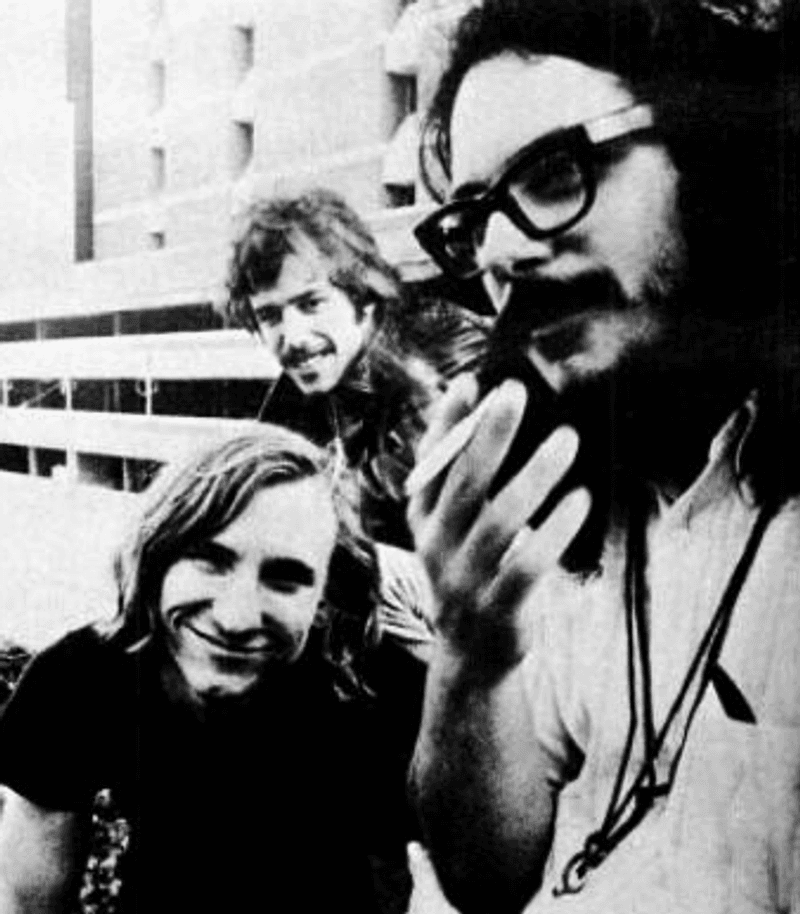
At over seven minutes in its full version, this track from James Gang Rides Again qualifies as a genuine suite rather than a conventional rock song. Joe Walsh incorporated an electric version of Maurice Ravel’s Bolero into the arrangement, which prompted legal threats from Ravel’s estate.
The estate objected because Ravel’s will required Bolero to be performed in its entirety by a full orchestra. The Bolero section was removed from most pressings of the album but has since been restored on CD reissues.
Walsh’s guitar work throughout the track is inventive and adventurous, offering a strong preview of the skills he would later bring to the Eagles.
Long Away by Queen
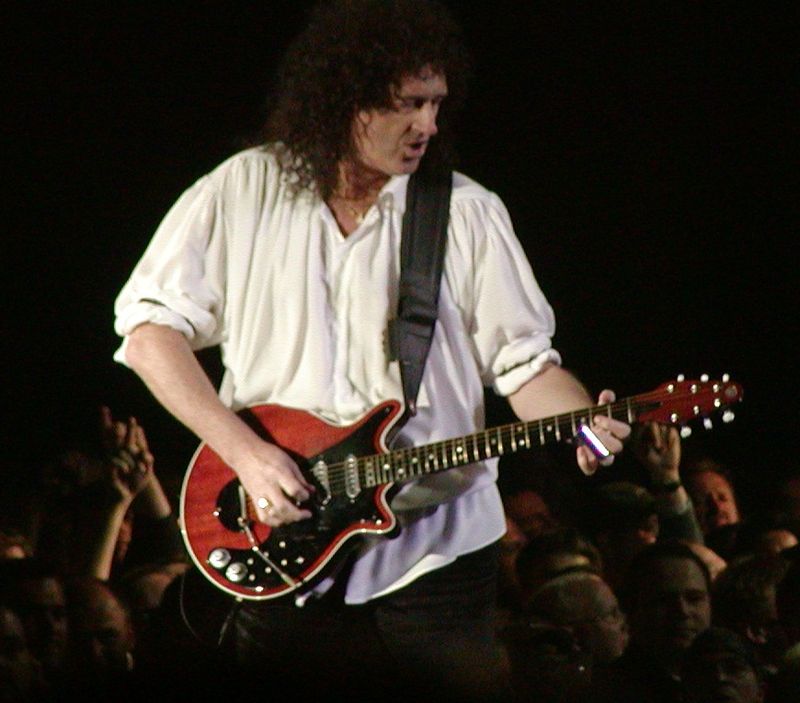
Brian May chose a Burns 12-string electric guitar for the rhythm parts on this track rather than his iconic Red Special, seeking a harmonic richness suited to the song’s melancholic mood. He initially considered a Rickenbacker but found its neck difficult to play comfortably.
May also sings lead vocals here, one of his rare turns at the front of a Queen studio recording. Critics have compared the song’s 12-string style to Roger McGuinn of The Byrds and its vocal harmonies to The Beach Boys.
Queen never performed Long Away live, and the song has appeared on two separate Queen deep cuts compilations since 2011.
Down by the River by Buddy Miles
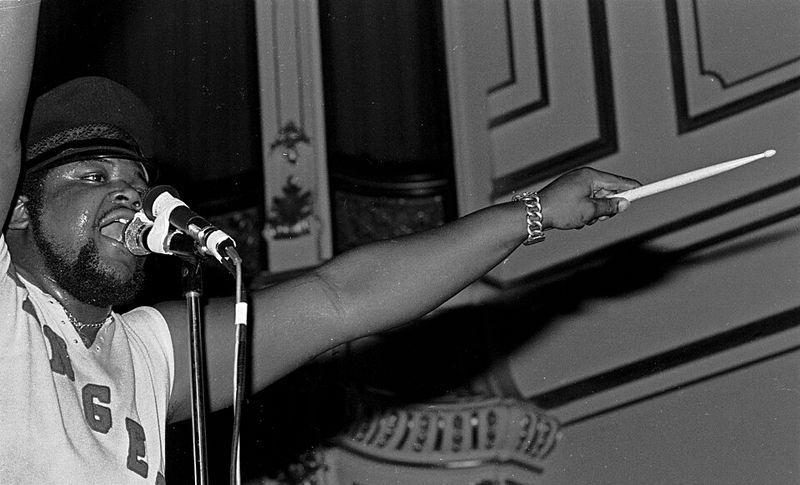
Buddy Miles recorded his version of Neil Young’s Down by the River for his 1970 album Them Changes, transforming the original into a psychedelic soul arrangement with a harder funk edge. Young had first released the song in 1969 on Everybody Knows This Is Nowhere with Crazy Horse.
Miles handled drums, lead guitar, and lead vocals on his version, with Andre Lewis contributing clavinet and electric piano. The arrangement showcases why Miles was valued as far more than a sideman.
His work with the Electric Flag and Jimi Hendrix’s Band of Gypsys demonstrated the same muscular genre-blending that makes his solo recordings worth revisiting.
Pretty Maids All in a Row by Eagles
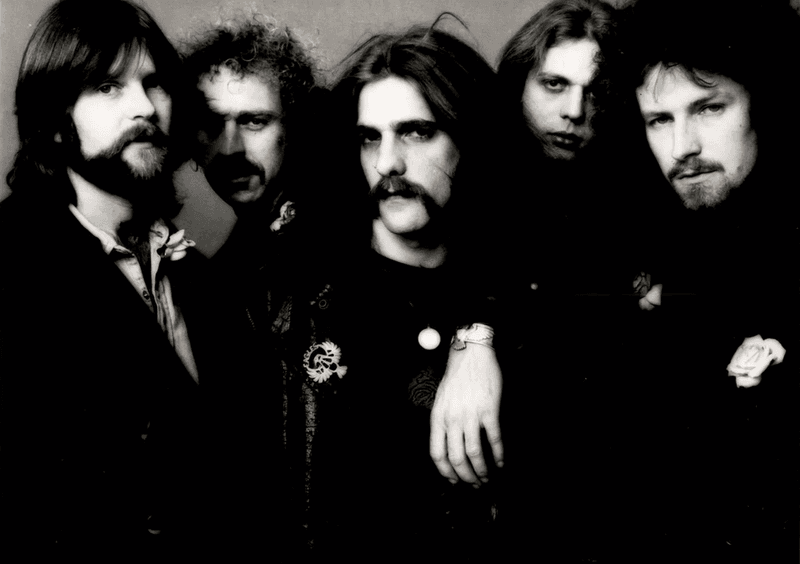
Joe Walsh described this track as “a kind of melancholy reflection on my life so far,” and it stands apart from virtually everything else on Hotel California. Walsh co-wrote the song with Joe Vitale, his former bandmate from Barnstorm, making it one of only two tracks on the album not involving Glenn Frey or Don Henley.
Jim Ed Norman arranged and conducted the string section, which gives the song a scale and sophistication that contrasts with the album’s more familiar rock material.
Bob Dylan reportedly called it one of the best songs ever in 2020, a remarkable endorsement for a track that most casual Eagles fans have probably skipped past.
Country Comfort by Elton John
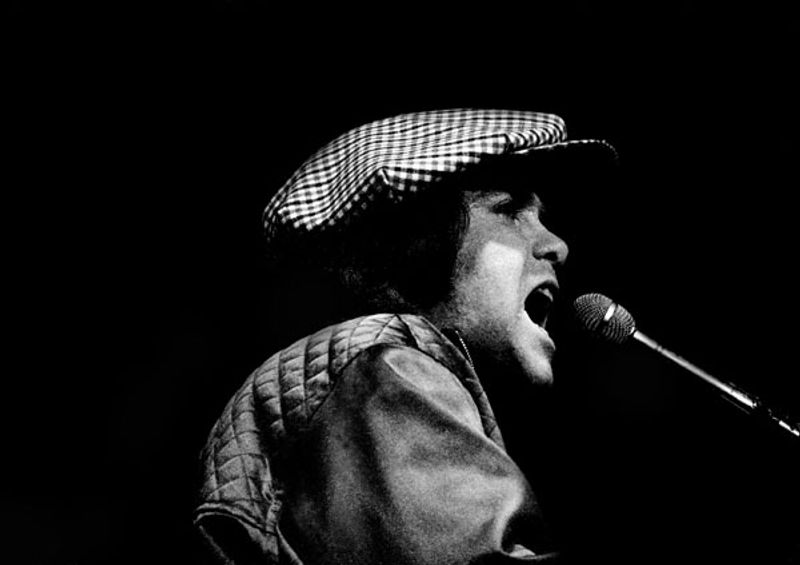
Tumbleweed Connection was Elton John’s deliberate attempt to channel the Americana sound of The Band’s Music From Big Pink, and Country Comfort is one of the album’s most fully realized moments. Bernie Taupin drew on his Lincolnshire childhood and an idealized vision of the American rural South for the lyrics.
The instrumentation includes steel guitar, violin, and harmonica alongside Elton’s piano, giving the track a homespun character a long way from the theatrical pop hits that would define his mid-1970s peak.
Rod Stewart released his own version on Gasoline Alley before Elton’s album even came out, and Elton himself has said Stewart’s take is the better one.
In the Lap of the Gods… Revisited by Queen
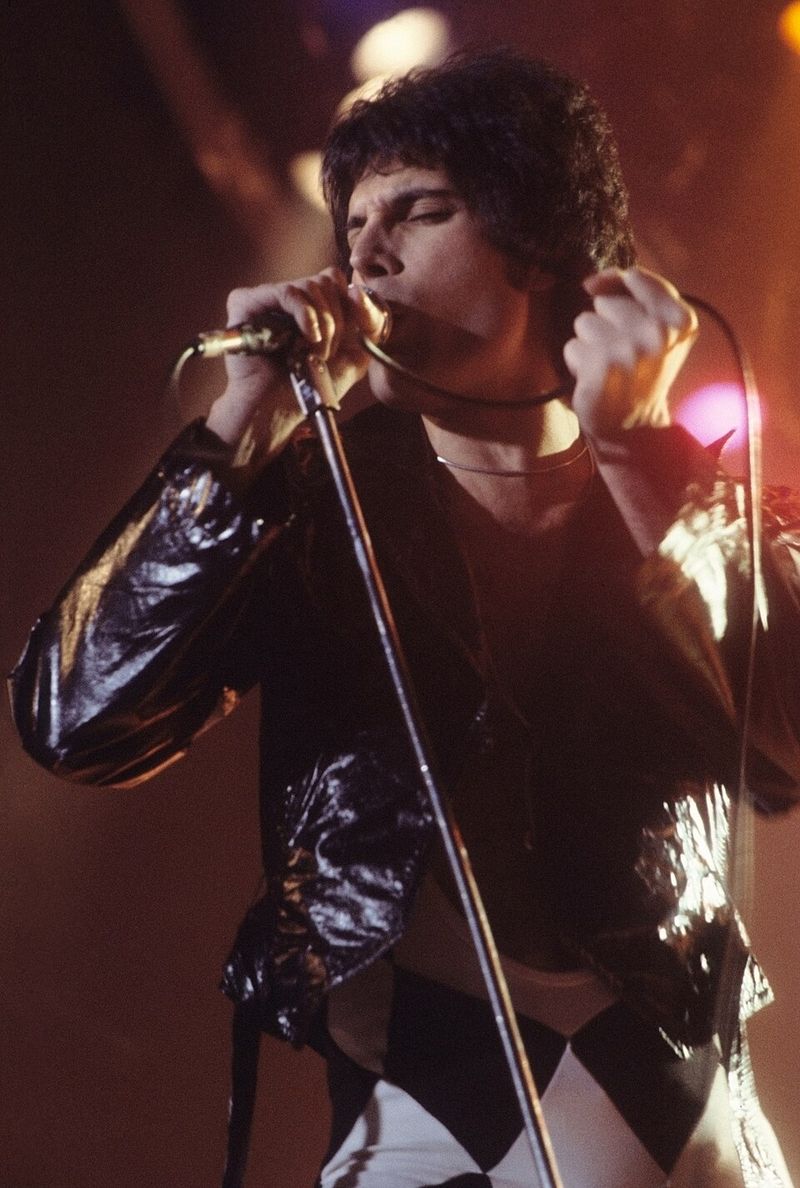
Freddie Mercury wrote this closing track for Sheer Heart Attack, and it is an entirely separate composition from the earlier In the Lap of the Gods on the same album. The studio version ends with an explosive sound achieved through tape-saturation, while live performances used actual pyrotechnics, marking the first time Queen deployed such stage effects.
The song’s enormous refrain was designed for audiences to join in, and Queen used it that way at concerts from the Rainbow Theatre in 1974 through Wembley Stadium in 1986.
Beside Killer Queen and the band’s later anthems, it remains one of their most underappreciated crowd-ready compositions.
Share this story