Arkansas is known for mountains, rivers, and forests, but some of its most interesting landscapes are found inside botanical gardens and arboretums.
Across the state, visitors can wander through Japanese-inspired gardens, Victorian flower beds, native Ozark woodland, lakeside trails, and even Arkansas’s only butterfly house.
Some of these destinations cover hundreds of acres, while others can be explored in about an hour.
These 10 Arkansas gardens offer a mix of flowers, native plants, history, architecture, and peaceful outdoor spaces worth adding to a road trip.
1. Botanical Garden of the Ozarks, Fayetteville, Arkansas
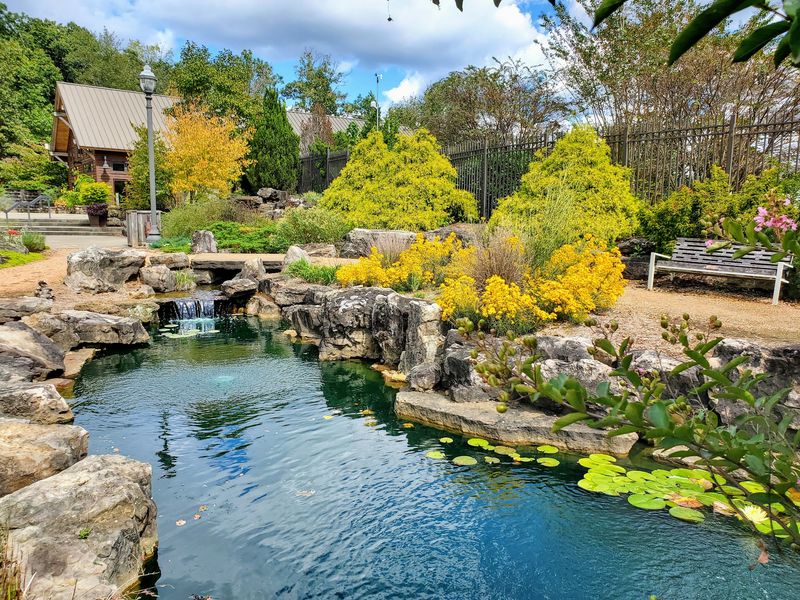
Twelve themed gardens packed into 42 acres beside Lake Fayetteville makes this Northwest Arkansas destination one of the most varied botanical experiences in the state.
The Botanical Garden of the Ozarks covers an impressive range of subjects, from native plants and culinary herbs to a Rock and Water Garden designed to resemble an Ozark mountain stream running through native stone.
The garden’s biggest claim to fame is Arkansas’s only butterfly house, a warm-weather attraction that adds an entirely different dimension to a visit.
Other themed areas include a children’s garden, a rose garden, a sensory garden, and a heritage garden dedicated to plants with historical ties to the region. Each section has its own character, which keeps the grounds from feeling repetitive as you move through them.
The lake views provide a pleasant backdrop throughout the property. Families, casual walkers, and plant enthusiasts all tend to find something worth their time here, which is a harder balance to strike than it might seem.
2. Blue Spring Heritage Center, Eureka Springs, Arkansas
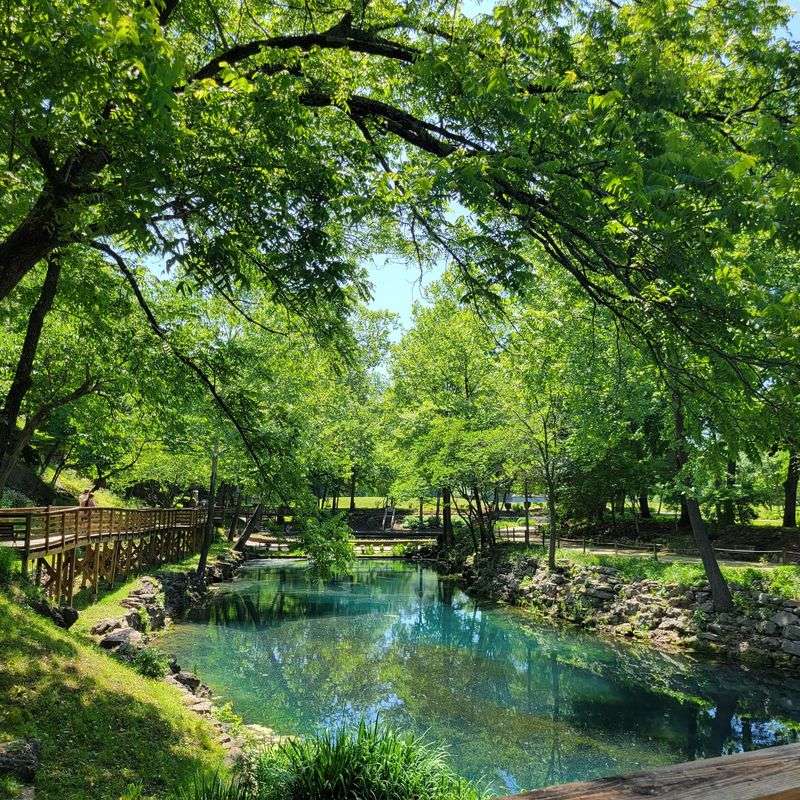
Not every botanical garden starts with a spring that pumps 38 million gallons of water per day into a crystal-clear lagoon, but Blue Spring Heritage Center is not every botanical garden.
Located near Eureka Springs, this property combines cultivated native gardens with one of the most striking natural water features in the Ozarks. The gardens surrounding the spring focus on native plants, creating a setting that feels far wilder and more natural than a formal flower bed arrangement.
The site also contains a significant archaeological area and a historic bluff shelter connected to thousands of years of human presence in the region. That layering of natural history, cultural history, and horticulture gives Blue Spring a character that is genuinely difficult to find elsewhere.
Visitors who arrive expecting a tidy botanical garden often leave more impressed by the spring and its surroundings than by the plantings themselves. That is not a criticism; it simply means the natural features are extraordinary enough to compete with anything carefully planted nearby.
3. Peel Museum & Botanical Garden, Bentonville, Arkansas
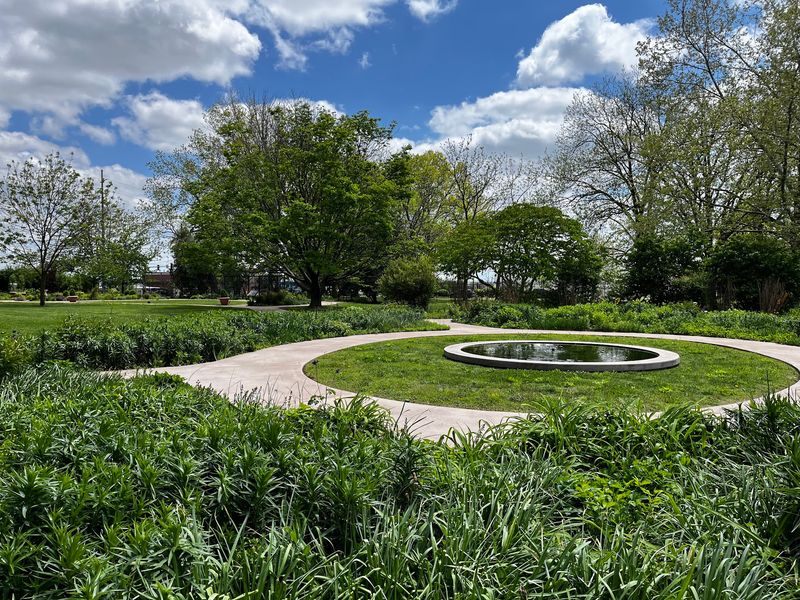
An 1875 Italianate mansion sitting at the center of six Victorian-inspired garden spaces is a combination that does not come along very often in Northwest Arkansas.
The Peel Museum and Botanical Garden in Bentonville is a certified botanical garden built around the historic Peel home, and the connection between the architecture and the landscaping is what makes a visit here feel cohesive rather than scattered.
Six distinct garden areas surround the house, including a perennial garden, a rose garden, a cutting garden, a vegetable garden, a Children’s Memorial Garden, and an apple orchard. Each reflects horticultural traditions from the late 19th and early 20th centuries, giving the grounds a period-appropriate feel that complements the mansion itself.
History enthusiasts tend to get as much from a visit here as plant lovers do. The combination of a preserved historic home, period landscaping, and a certified garden designation makes this one of the more intellectually interesting stops on any Arkansas botanical tour.
4. Compton Gardens & Arboretum, Bentonville, Arkansas
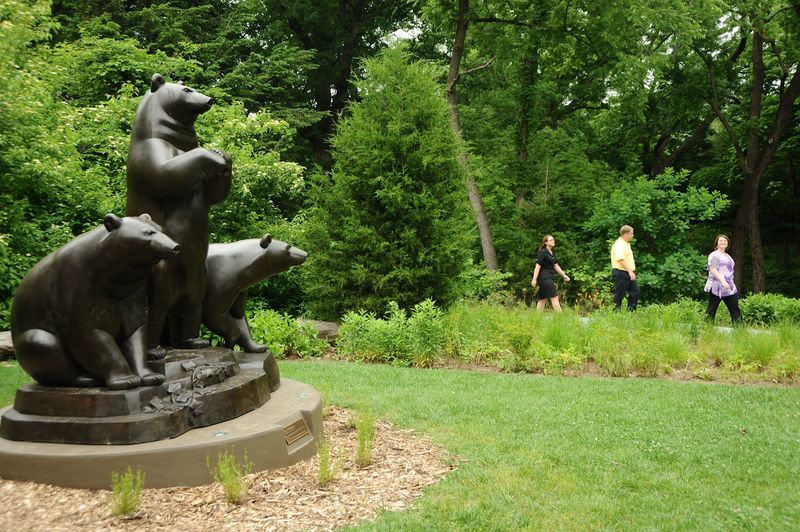
Named after conservationist Dr. Neil Compton, whose tireless work helped protect the Buffalo River, this seven-acre property carries some serious environmental credibility before you even set foot on its trails.
Compton Gardens and Arboretum preserves native Ozark plants and woodland just a short distance from downtown Bentonville, making it an easy detour from the city’s busier attractions. Trails wind through native tree groves, open meadows, curated garden areas, and past public art installations that add an unexpected creative element to the walk.
Three Arkansas Champion Trees grow on the property, which gives dedicated tree enthusiasts a specific reason to seek this one out. The arboretum also connects to trail networks leading toward Crystal Bridges Museum and downtown Bentonville, so it slots naturally into a larger day of exploring the city.
The overall atmosphere leans more toward a preserved natural landscape than a formal garden, which suits visitors who prefer their botanical experiences with a side of genuine woodland rather than strictly maintained flower beds.
5. Garvan Woodland Gardens, Hot Springs, Arkansas
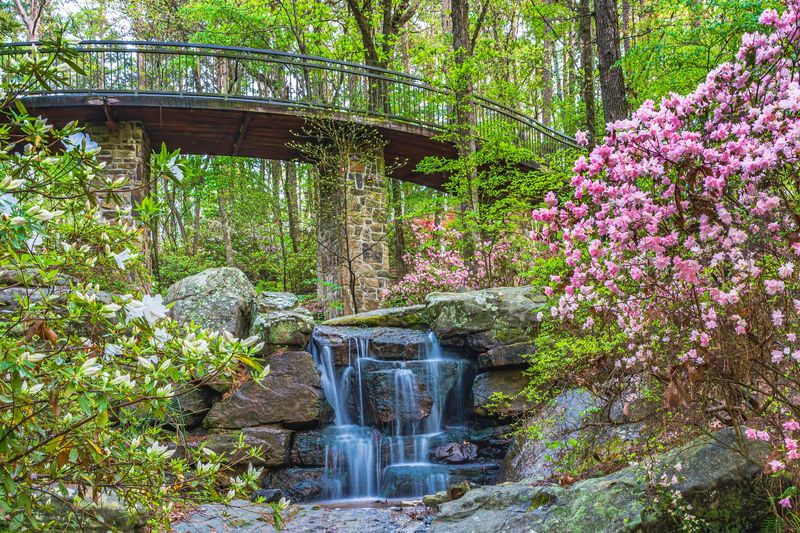
Few botanical gardens in the entire South can match the sheer ambition of this 210-acre property hugging 4.5 miles of Lake Hamilton shoreline near Hot Springs.
Garvan Woodland Gardens serves as the official botanical garden of the University of Arkansas’s Fay Jones School of Architecture and Design, which explains why the architecture here is as impressive as the plants.
Anthony Chapel, a six-story wood-and-glass structure designed by Maurice Jennings and David McKee, draws visitors who have no interest in botany at all. The Bob and Sunny Evans Tree House, completed in 2018, adds a playful landmark that younger visitors particularly enjoy.
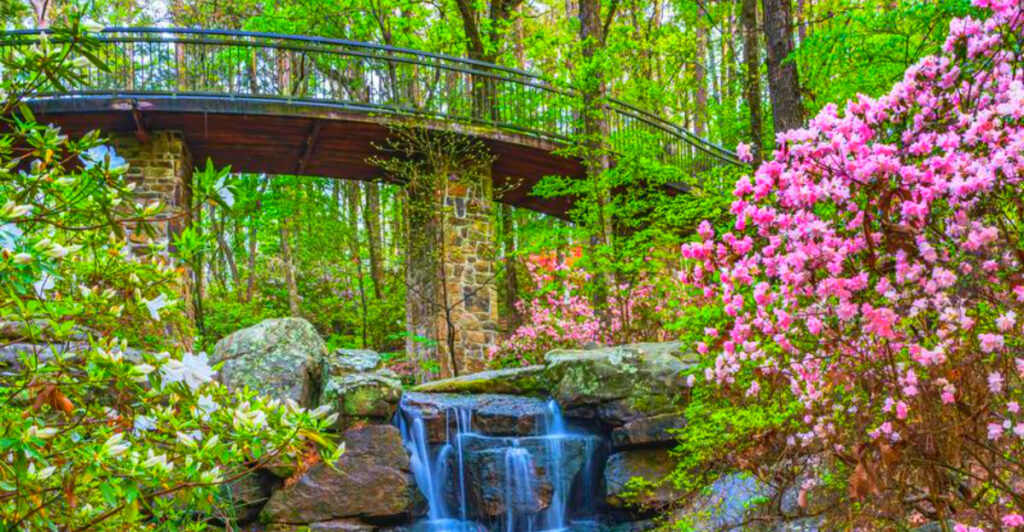
The Garden of the Pine Winds brings a Japanese-inspired layout to the Ozarks, with pools, bridges, Japanese maples, and tree peonies arranged around a series of quiet walkways.
Every spring, 90,000 tulips take over the grounds in what the garden calls its Tulip Extravaganza. A 45-acre bird sanctuary and nature preserve rounds out a property that genuinely takes half a day to appreciate properly.
6. South Arkansas Arboretum, El Dorado, Arkansas
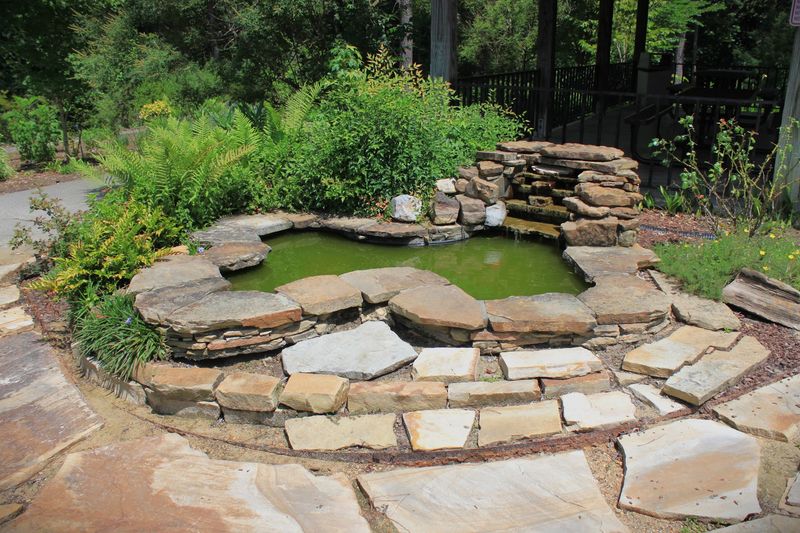
Tucked in the southern part of the state where the landscape shifts from Ozark hills to the West Gulf Coastal Plain, this 12-acre arboretum offers a botanical experience that feels quite different from its counterparts farther north.
The South Arkansas Arboretum in El Dorado focuses on plants native to the region while also incorporating ornamental species including camellias and azaleas, which thrive in the warmer southern climate. That combination gives the property a character shaped by its specific geography rather than a generic garden template.
Marked paved trails make the grounds accessible for visitors with varying mobility levels, and benches placed throughout the property encourage a slower, more contemplative pace. Shaded areas make midday visits comfortable even during Arkansas summers.
Travelers who prefer botanical gardens that lean toward natural woodland preserves rather than formal display gardens will find this one particularly satisfying. The arboretum is operated by the Arkansas Department of Parks and Tourism, which keeps it well-maintained and free to visit year-round.
7. Arkansas Arboretum, Little Rock, Arkansas
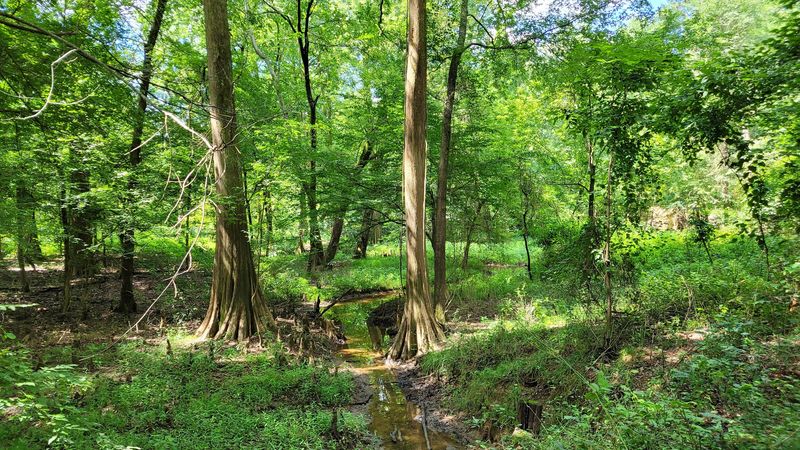
Hidden inside Pinnacle Mountain State Park, the Arkansas Arboretum is the kind of place that gets overlooked simply because the mountain’s hiking trails tend to steal all the attention.
That is a mistake worth correcting. The 71-acre arboretum is built around a paved 0.6-mile Arkansas Trail where interpretive panels introduce trees and woody plants representing all six of Arkansas’s natural plant divisions.
It is essentially a condensed tour of the state’s botanical geography in a single manageable walk.
The trail is flat and accessible, making it a practical option for families with young children or visitors who are not up for the more demanding hikes elsewhere in the park. Plant identification information along the route makes the walk educational without feeling like a lecture.
Arkansas has six distinct natural divisions, and the arboretum’s collection reflects that diversity in a way that no single roadside stop could. For anyone curious about what actually grows across this state and why, this quiet corner of Pinnacle Mountain is well worth an hour of your time.
8. Wildwood Park for the Arts, Little Rock, Arkansas
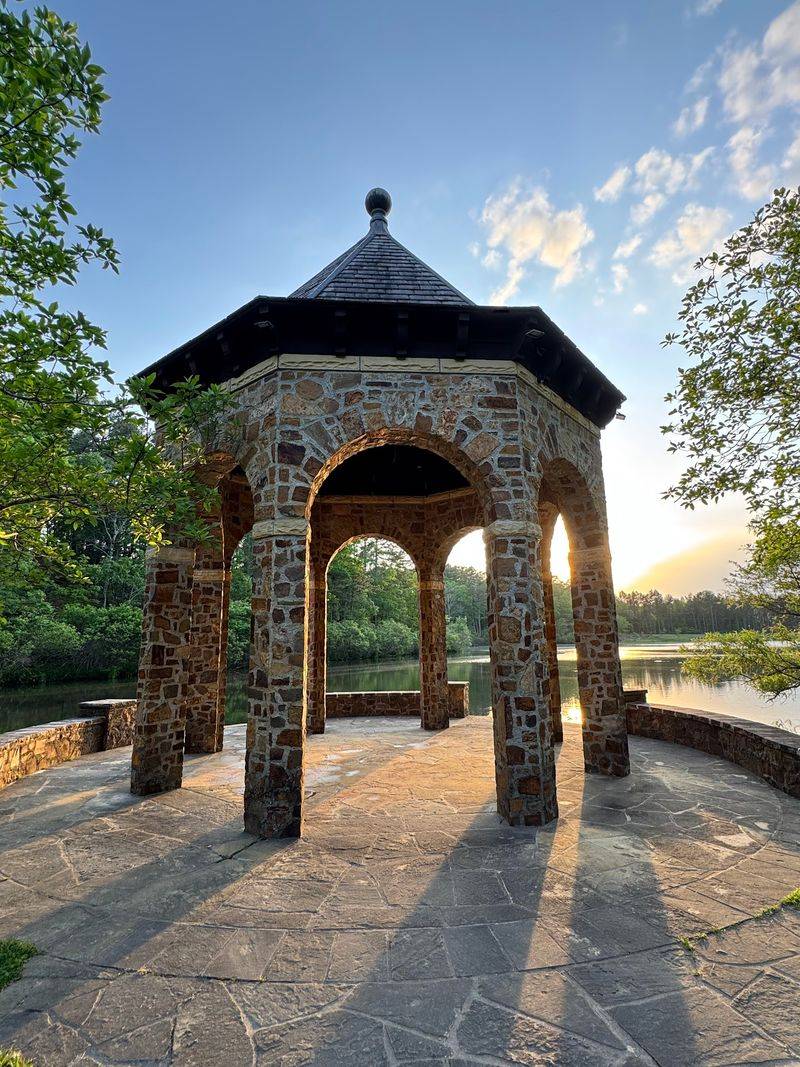
Most parks ask you to choose between nature and culture. Wildwood Park for the Arts in western Little Rock decided that was a false choice and built both on the same property.
The grounds combine a working arboretum, a water garden, a wildflower area, a dogwood trail, an Asian garden, and a reflection garden, all arranged around an eight-acre lake. The variety means that two visitors with completely different interests can spend an afternoon here and each come away satisfied.
Performing arts venues sit alongside the natural areas, which occasionally means garden visitors share the grounds with concert-goers or theater audiences. That mix of uses gives Wildwood an energy that purely horticultural destinations sometimes lack.
The walking paths connect the different garden areas without a rigid route, so exploration here feels genuinely open-ended. Visitors tend to discover new sections on return trips rather than exhausting the property in a single visit.
The lake views shift noticeably across seasons, with dogwoods and wildflowers providing spring color and the water garden holding interest well into summer.
9. Learning Fields at Chaffee Crossing, Fort Smith, Arkansas
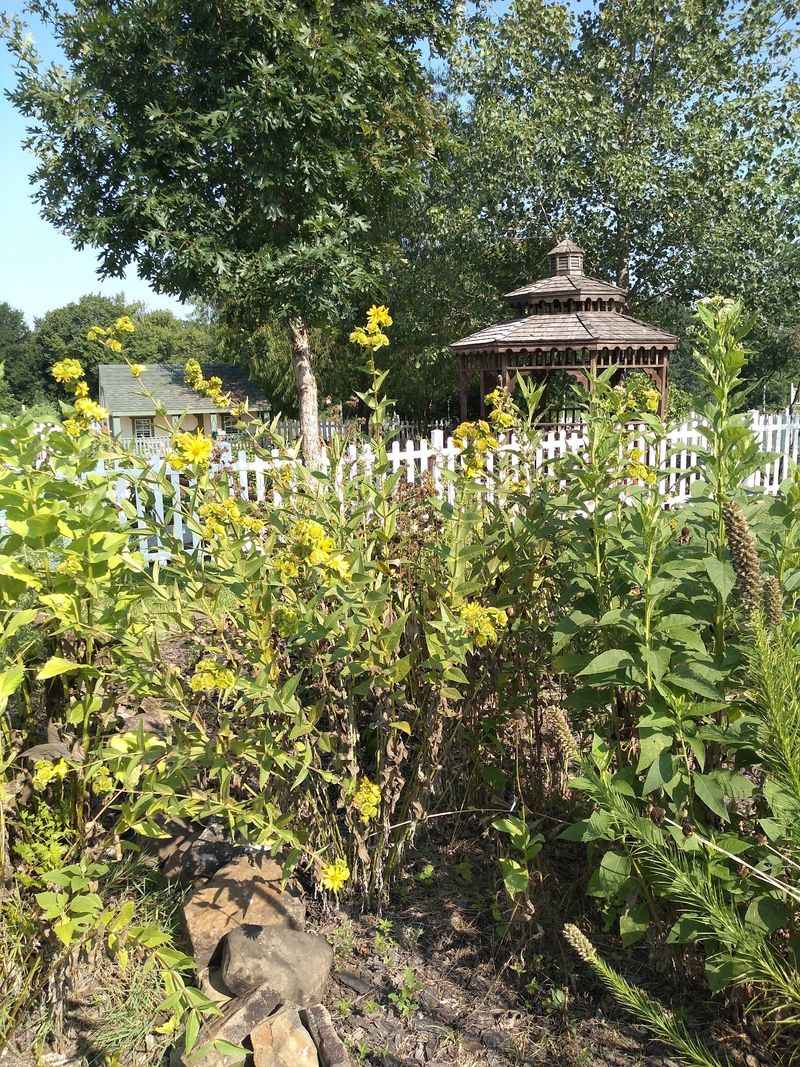
Gardens that look good but also teach you something useful are rarer than they should be, which is exactly why the Learning Fields at Chaffee Crossing stands out in the Fort Smith area.
The concept here is straightforward: more than 28 demonstration gardens cover topics ranging from native plants and pollinators to vegetables, herbs, roses, and species suited to the Arkansas River Valley climate. Each garden is designed to show visitors what actually works in this part of the state.
Volunteer gardeners from local master gardener programs maintain the property and use it regularly for workshops, plant events, educational tours, and hands-on horticultural programs. The volunteer involvement gives the place a community energy that professionally managed gardens sometimes lack.
Visitors looking for practical gardening ideas they can realistically take home will find this one of the most useful stops in Arkansas. The demonstration format means you can see mature plantings in real conditions rather than just reading about them in a catalog.
Chaffee Crossing itself has an interesting military history as a former Army base, adding a layer of historical context to the surrounding area.
10. Legacy Gardens – Faulkner County Master Gardeners, Conway, Arkansas
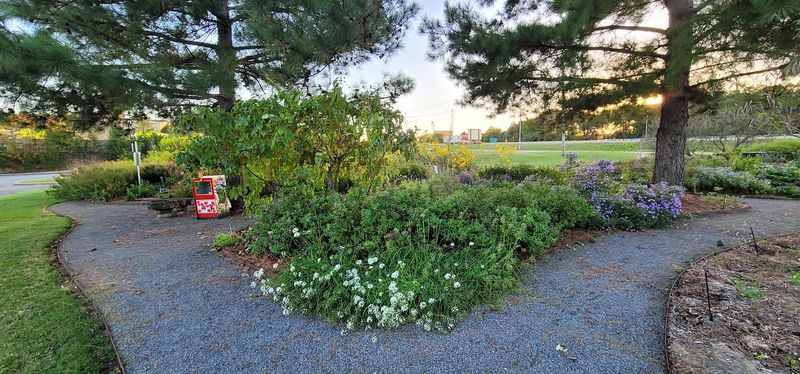
A garden shaped like a butterfly is either a charming design choice or a very committed pun, and Legacy Gardens in Conway commits to it fully.
The demonstration garden was designed in the outline of a butterfly and contains eight individual garden areas connected by accessible pathways. The areas include a butterfly garden, a rose garden, a bog garden, and sections focused on native species and water-conservation plantings.
Faulkner County Master Gardeners developed and maintain the property with a specific educational goal: showing homeowners practical landscaping and water-conservation strategies they can realistically apply in their own yards. That practical focus makes this garden more directly useful to local visitors than many larger botanical destinations.
Benches are placed throughout the grounds, and plant identification materials help visitors learn as they walk. The compact layout means the entire garden can be explored comfortably in about an hour without feeling rushed.
Conway is a college town with a lively community, and Legacy Gardens fits that spirit by being a genuinely accessible, community-focused destination rather than an elite horticultural showcase.
Share this story