The FIFA World Cup is the biggest soccer tournament on the planet, held every four years and watched by billions of fans worldwide. Since the first tournament in 1930, only eight countries have ever lifted the trophy.
Some nations have done it once, while others have built true dynasties. Here is a look at every World Cup champion, ranked by the number of titles they have won.
1. Brazil – 5 Titles
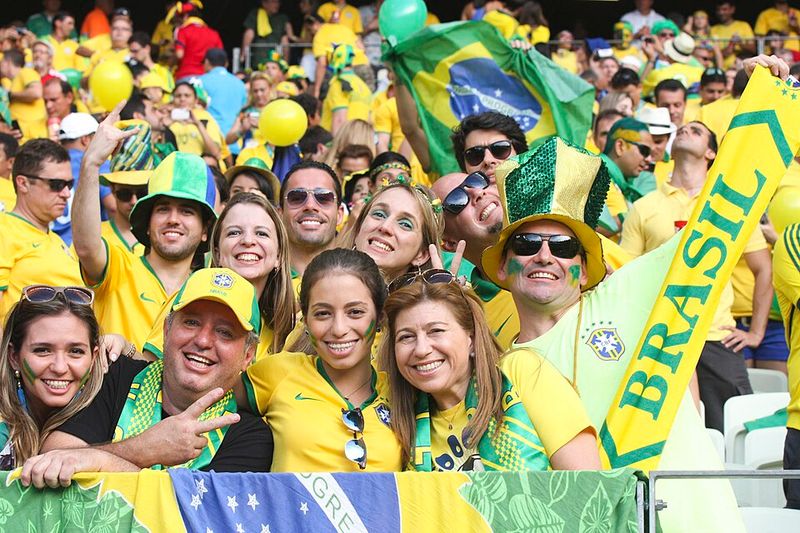
No country on Earth has won the FIFA World Cup more times than Brazil. With five titles earned in 1958, 1962, 1970, 1982, 1994, and 2002, the Selecao, as the national team is called, stands alone at the top of world soccer history.
Brazil is the only nation to have appeared in every single World Cup tournament since 1930. That streak of consistency is almost impossible to match.
The 1970 squad, featuring Pele, is widely considered the greatest international team ever assembled.
Brazilian soccer is famous for its creative, free-flowing style called “jogo bonito,” which translates to “the beautiful game.” That philosophy has produced legends like Ronaldo, Ronaldinho, and Garrincha. Kids across Brazil grow up dreaming of wearing that iconic yellow jersey on the world’s biggest stage.
2. Germany – 4 Titles
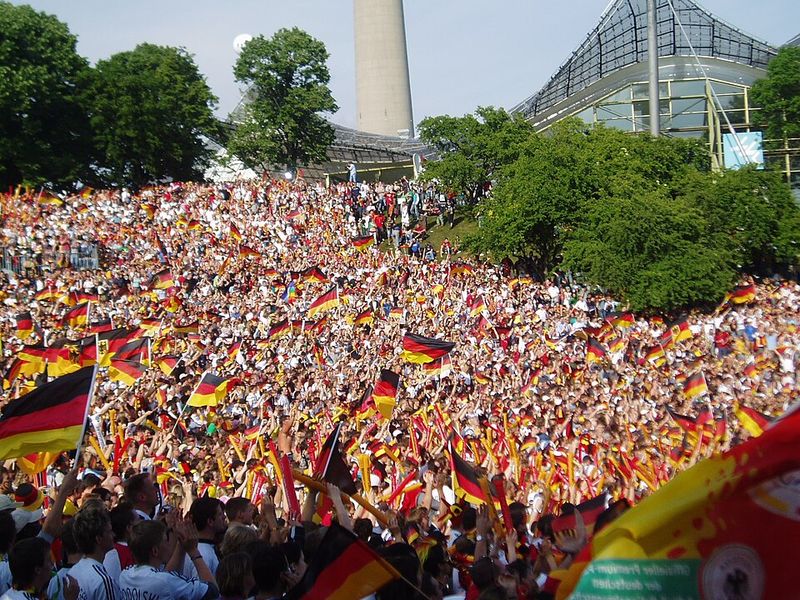
Few teams in World Cup history match Germany’s relentless winning record. The Germans have claimed four titles, winning in 1954, 1974, 1990, and 2014.
What makes their story special is the sheer consistency across different generations of players and coaches.
Germany’s 2014 victory in Brazil was particularly memorable. They defeated the host nation 7-1 in the semifinal, a scoreline so stunning that it became one of the most talked-about results in soccer history.
Mario Goetze scored the winning goal in the final against Argentina.
Before reunification in 1990, the team competed as West Germany, winning three of their four titles under that name. Players like Franz Beckenbauer, Gerd Mueller, and Miroslav Klose helped cement Germany’s reputation as a powerhouse.
Their disciplined, tactical approach to the game has inspired coaches around the world for decades.
3. Italy – 4 Titles
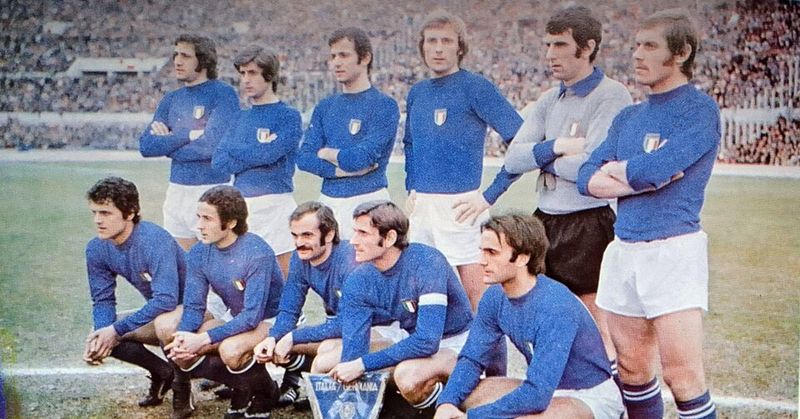
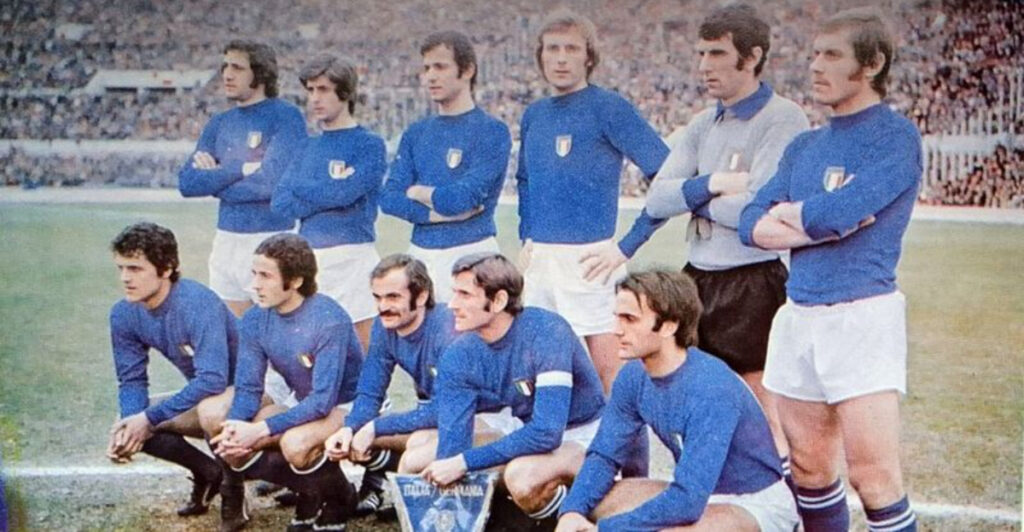
Italy shares second place with Germany, each holding four World Cup titles. The Azzurri, meaning “the Blues,” won the tournament in 1934, 1938, 1982, and 2006.
Back-to-back victories in the 1930s showed that Italy was a dominant force right from the sport’s early days.
The 1982 title is especially beloved in Italy. Paolo Rossi, who had only recently returned from a suspension, scored six goals during the tournament and became an instant national hero.
Italy defeated West Germany 3-1 in the final, sending the whole country into celebration.
Italian soccer is known for its defensive mastery, a style called “catenaccio,” which focuses on tight organization and preventing goals. Legends like Roberto Baggio, Gianluigi Buffon, and Fabio Cannavaro carried that tradition proudly.
Italy’s four titles reflect decades of tactical intelligence and a deeply passionate soccer culture.
4. Argentina – 3 Titles

Argentina completed one of the most emotional World Cup journeys in 2022, claiming their third title in Qatar. The victory finally gave Lionel Messi, widely regarded as the greatest player ever, the one trophy that had been missing from his legendary career.
Argentina’s first two titles came in 1978 on home soil and in 1986, when Diego Maradona delivered a performance for the ages. His famous “Hand of God” goal and his stunning solo run against England in the quarterfinals are replayed constantly even today.
The passion Argentinians have for soccer is hard to put into words. Fans travel across continents to support their team, and players feel the weight of the nation’s expectations with every match.
Messi’s tearful celebration after the 2022 final in Lusail Stadium became one of the most iconic images in sports history.
5. Spain – 2 Titles
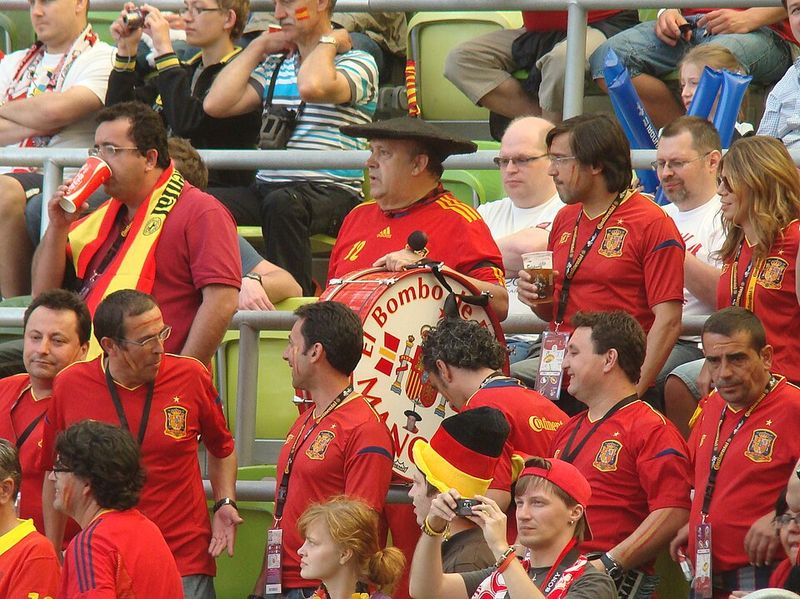
Spain’s 2010 World Cup triumph in South Africa was a historic milestone. It was the first time Spain had ever won the tournament, and they did it by playing some of the most attractive soccer the world had ever seen.
Their “tiki-taka” passing style mesmerized fans and frustrated opponents.
Andres Iniesta scored the only goal of the final against the Netherlands, sending millions of Spanish fans into the streets in celebration. The squad included stars like Xavi Hernandez, David Villa, and Iker Casillas, forming arguably the strongest generation of Spanish players in history.
Spain’s 2010 win also came sandwiched between two European Championship titles in 2008 and 2012, making them the most dominant international team of that era. Their second title count remains at two, but the style and grace of that 2010 team left a permanent mark on soccer history.
6. France – 2 Titles
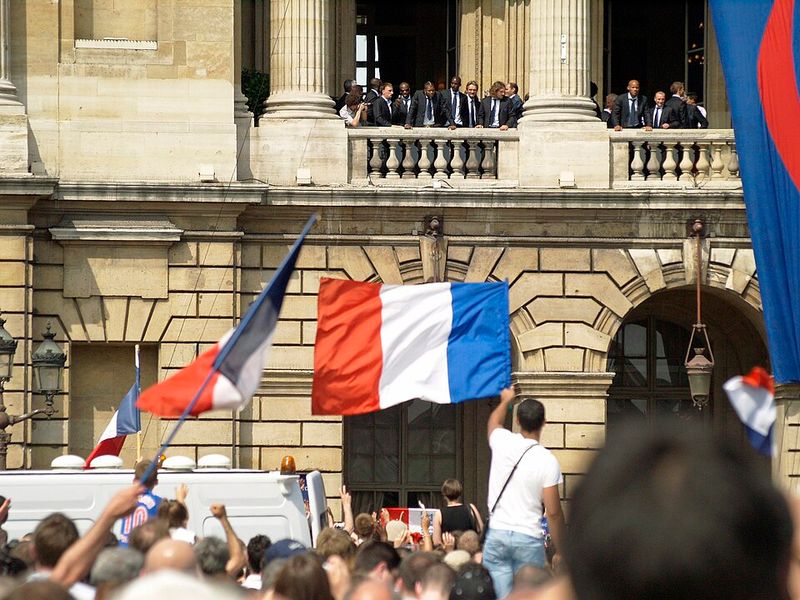
France has won the World Cup twice, in 1998 and 2018, and both victories were celebrated with enormous street parties across the country. The 1998 triumph was especially meaningful because France hosted the tournament, and a nation hungry for glory delivered in front of their home fans.
Zinedine Zidane was the hero of 1998, scoring twice with headers in the final against Brazil. Twenty years later, a new generation led by Kylian Mbappe powered France to their second title in Russia.
Mbappe became only the second teenager in history, after Pele, to score in a World Cup final.
France’s squad in 2018 was one of the most talented in the world, blending youth and experience brilliantly. Defenders like Raphael Varane and goalkeeper Hugo Lloris kept opponents at bay while attackers piled on the goals.
France remains a serious contender every time a new tournament begins.
7. Uruguay – 2 Titles
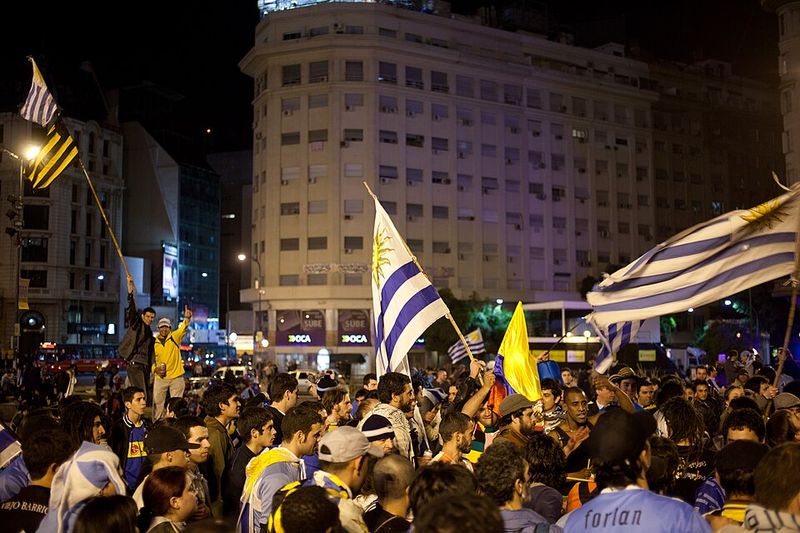
Uruguay’s World Cup story is one of the most fascinating in soccer. Despite being a small South American country with a population of under four million people, Uruguay won the very first World Cup in 1930 on home soil, defeating Argentina in the final.
Their second title came in 1950 in Brazil, in what became known as the “Maracanazo.” Uruguay stunned the host nation in front of nearly 200,000 fans at the Maracana stadium, in one of the greatest upsets ever recorded in sports. Brazil was so confident of victory that newspapers had already printed celebration headlines before the match.
Uruguay may not dominate modern soccer the way they once did, but their two titles and rich history earn them deep respect. Players like Luis Suarez and Diego Forlan have kept Uruguayan soccer alive and competitive on the world stage in recent decades.
8. England – 1 Title

England invented the modern game of soccer, so it feels fitting that they have a World Cup title to their name, even if it is just the one. Their only triumph came in 1966, when they hosted the tournament and defeated West Germany 4-2 in an unforgettable final at Wembley Stadium.
Geoff Hurst wrote himself into history that day by scoring a hat-trick in the final, a feat that has never been repeated since. His second goal, which bounced off the crossbar and was controversially ruled to have crossed the line, is still debated by fans around the world.
England has reached the final just that once, though they came close again in 2018, reaching the semifinals in Russia. The 1966 squad, captained by Bobby Moore, remains a source of enormous national pride.
Every generation of English fans still sings about that golden summer afternoon at Wembley.
Share this story