Long before social media or streaming platforms, certain performers and athletes captured the world’s attention through sheer talent, charisma, and determination. They became household names across continents, breaking barriers and redefining what it meant to be famous.
From silent film stages to boxing rings, these trailblazers shaped popular culture in ways still felt today. Here are 15 remarkable individuals who rose from early stardom to become true global icons.
1. Sarah Bernhardt
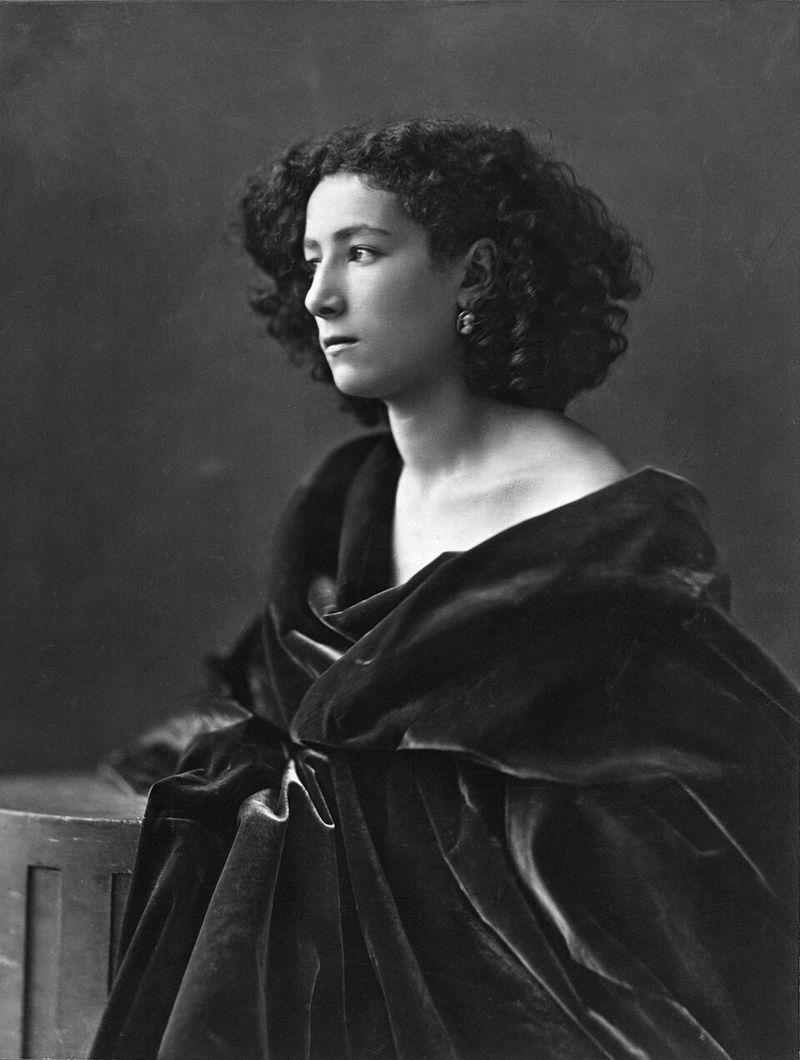
Called “The Divine Sarah” by audiences who adored her, Sarah Bernhardt was the world’s first true international celebrity. Born in Paris in 1844, she captivated theatergoers across Europe and North America with her powerful voice and emotional performances.
Her tours sold out in cities that had never seen anything like her before.
Bernhardt played both female and male roles, including Shakespeare’s Hamlet, which shocked and thrilled audiences in equal measure. She was fearless in her choices and unapologetic about her unconventional lifestyle.
Newspapers covered her every move, making her the talk of the world long before celebrity culture had a name.
Even after having her leg amputated in 1915, she continued performing on stage. Her resilience and passion for her craft inspired generations of performers who followed.
Sarah Bernhardt proved that talent combined with boldness could conquer any stage, anywhere on earth.
2. Buffalo Bill Cody
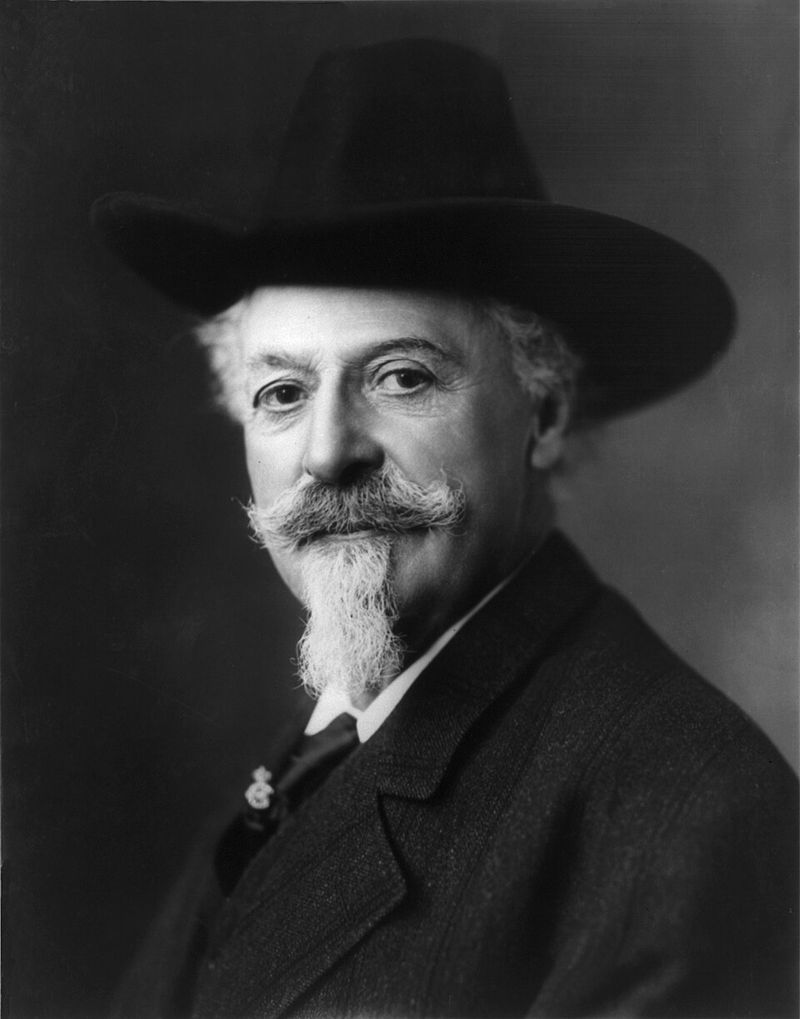
William Frederick Cody, better known as Buffalo Bill, turned the American frontier into a worldwide spectacle. His “Wild West” traveling show launched in 1883 and toured the United States and Europe for decades.
Audiences from London to Rome watched cowboys, sharpshooters, and Native American performers bring the American West to life.
Buffalo Bill was one of the earliest entertainers to understand the power of branding. His long hair, cowboy hat, and dramatic persona became instantly recognizable symbols around the globe.
Queen Victoria herself attended one of his performances during the 1887 American Exhibition in London.
He employed real historical figures like Annie Oakley and Sitting Bull, giving his show an authenticity that fascinated international crowds. Buffalo Bill Cody essentially invented the concept of the touring entertainment spectacle.
His influence on how Americans exported their culture to the world was enormous and long-lasting.
3. Harry Houdini
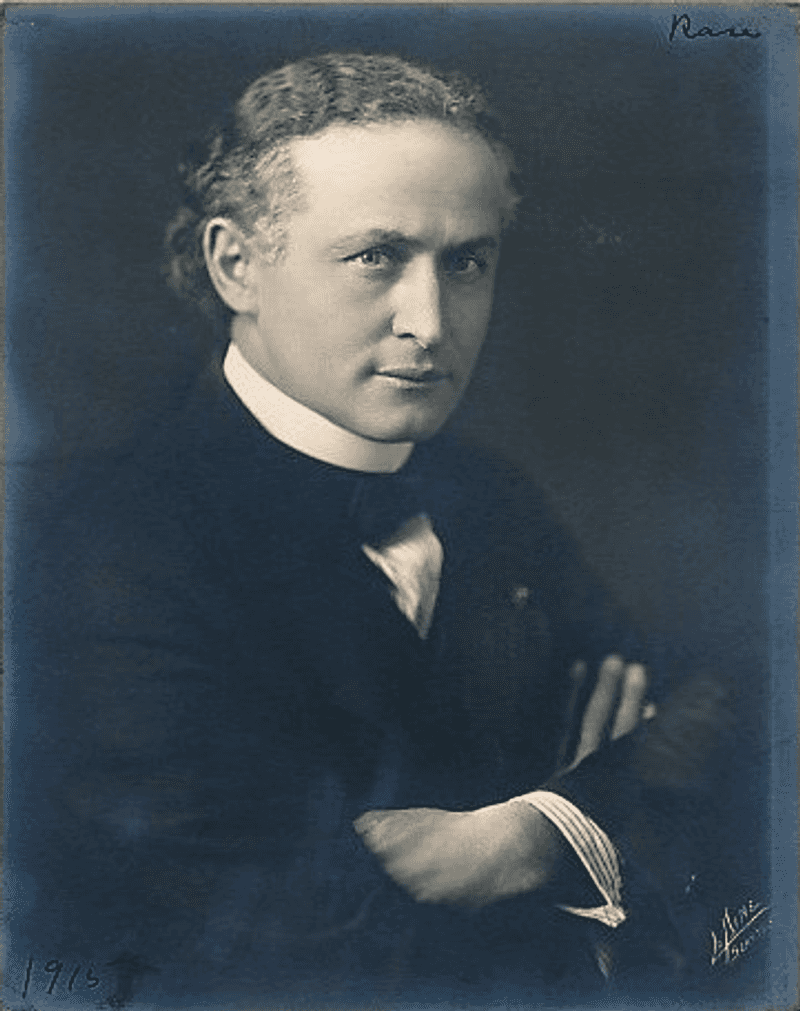
Harry Houdini made the impossible look routine. Born Erik Weisz in Budapest in 1874, he immigrated to America and reinvented himself as the greatest escape artist the world had ever seen.
His ability to escape from handcuffs, locked boxes, and even submerged water tanks left audiences completely baffled.
Houdini understood showmanship perfectly. He would perform his most dangerous stunts in public spaces, drawing massive crowds before anyone even bought a ticket.
Newspapers covered him obsessively, and his name became synonymous with the word “escape” itself.
He toured Europe and Australia, breaking attendance records everywhere he performed. Beyond magic, Houdini was a skilled self-promoter who understood how to build a brand across multiple countries simultaneously.
He also worked to expose fraudulent spiritualists, adding a layer of credibility to his public image. Houdini remains one of the most recognized names in entertainment history, more than a century after his peak fame.
4. Mary Pickford
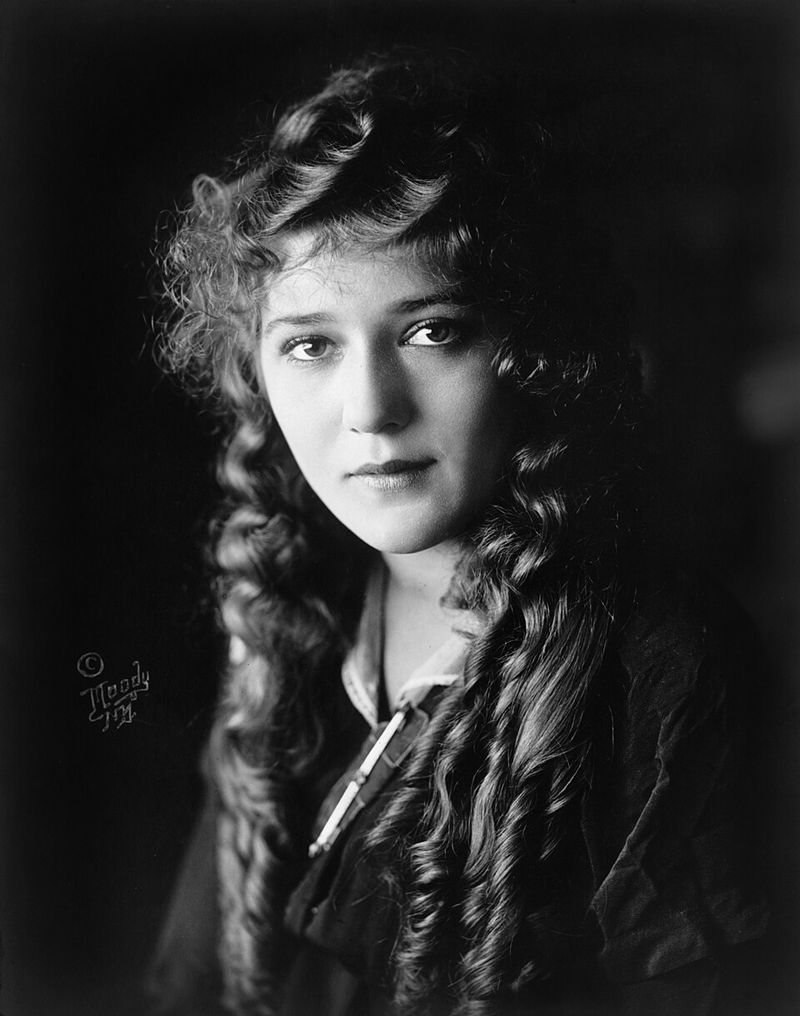
Mary Pickford was nicknamed “America’s Sweetheart,” but her fan base stretched far beyond American borders. Born in Toronto in 1892, she became one of the most powerful figures in the early film industry.
At a time when actors received no screen credit, audiences demanded to know who she was, forcing studios to acknowledge her by name.
Pickford understood her own value better than most executives around her. She co-founded United Artists in 1919 alongside Charlie Chaplin, Douglas Fairbanks, and D.W.
Griffith, giving artists creative and financial control over their work. That was a revolutionary idea at the time.
Her films earned enormous sums globally, and fan mail poured in from countries she had never visited. Pickford was one of the first stars to understand how film could cross cultural and language barriers effortlessly.
She helped transform cinema from a novelty into the world’s most popular form of entertainment.
5. Charlie Chaplin
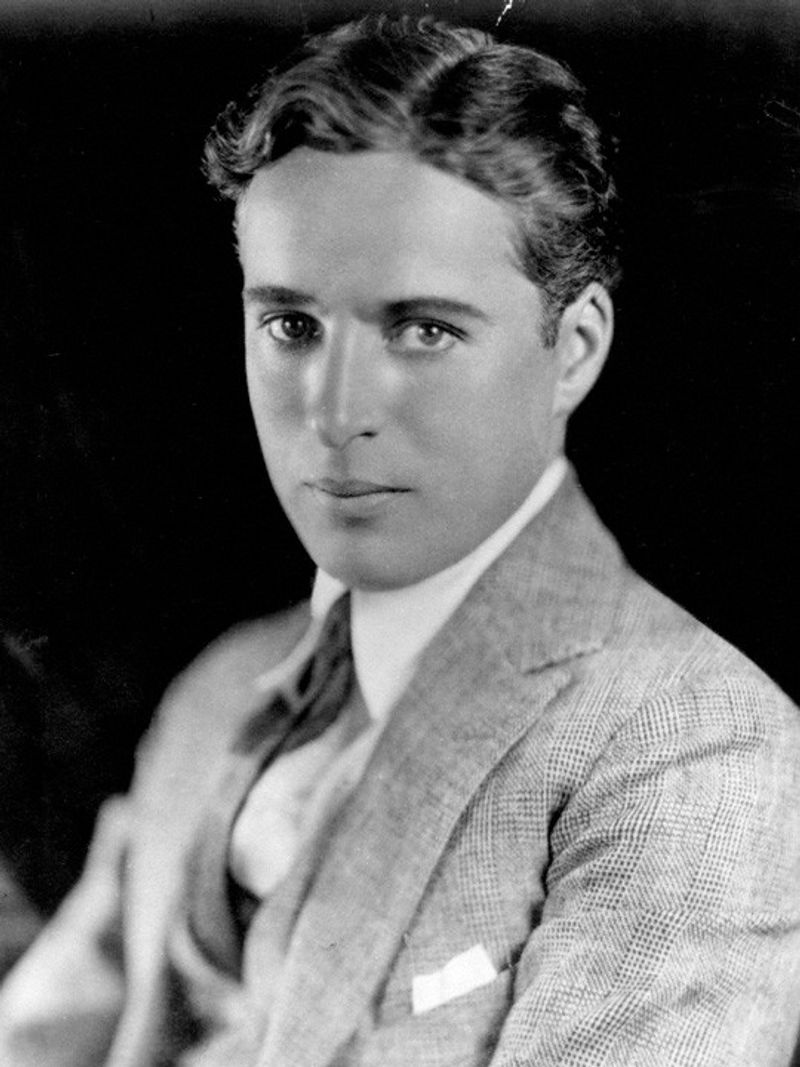
Few figures in entertainment history match the global reach of Charlie Chaplin. His “Little Tramp” character, with the bowler hat, cane, and shuffling walk, was recognized by people who had never even been to a movie theater.
Chaplin communicated entirely through physical comedy and expression, which meant language was never a barrier to his humor.
Born in London in 1889, Chaplin rose from poverty to become one of the wealthiest and most celebrated entertainers on the planet. His films like “The Kid” and “City Lights” were not just funny, they were deeply human and emotionally rich.
Audiences laughed and cried in equal measure.
He also used his platform to comment on social issues, including poverty and political tyranny. His 1940 film “The Great Dictator” was a bold satirical response to Adolf Hitler’s rise to power.
Chaplin’s combination of comedy, empathy, and courage made him a timeless global icon unlike anyone before or since.
6. Douglas Fairbanks
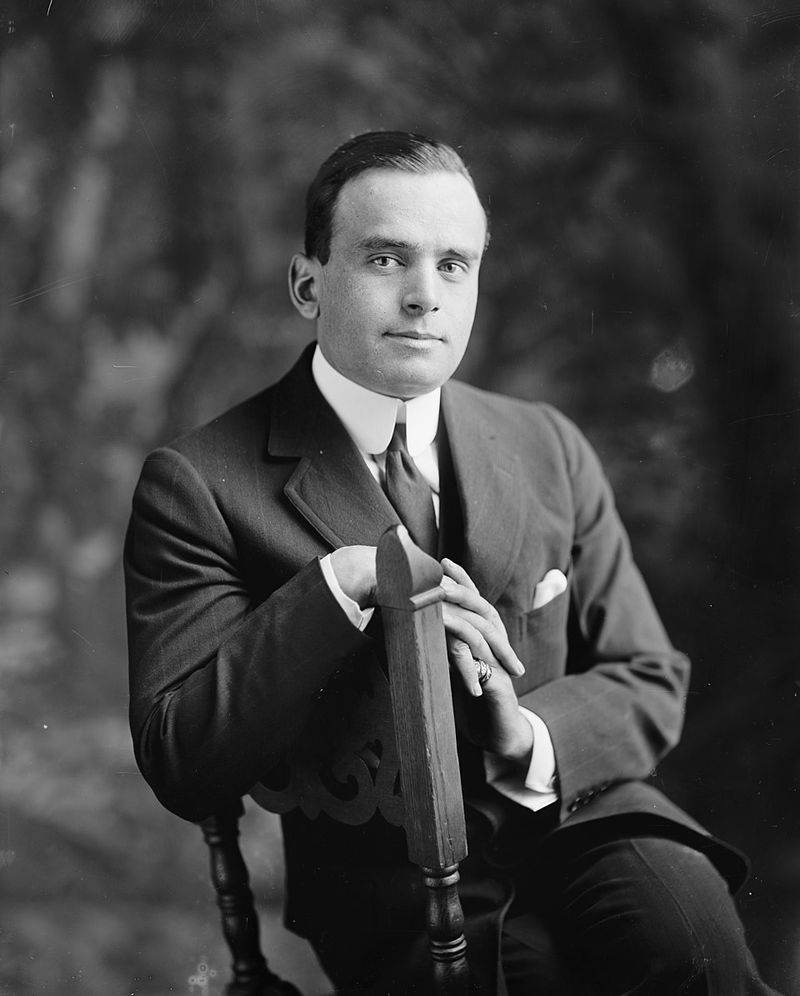
Douglas Fairbanks was Hollywood’s first action hero, and he did his own stunts with an enthusiasm that bordered on reckless. Born in Denver in 1883, he brought an athletic energy to silent films that audiences worldwide found irresistible.
His broad grin and acrobatic performances in films like “The Mark of Zorro” and “Robin Hood” set the template for every action star that followed.
Fairbanks was deeply invested in the business side of filmmaking too. As a co-founder of United Artists, he helped reshape how the movie industry operated.
He and his wife Mary Pickford were Hollywood royalty, entertaining world leaders and dignitaries at their estate, Pickfair.
His international tours drew enormous crowds, with fans in Japan and Europe treating him like a visiting king. Fairbanks showed that physical charisma could translate across every culture and language.
His legacy lives on in every adventure film that prizes spectacle, energy, and a fearless leading man.
7. Rudolph Valentino
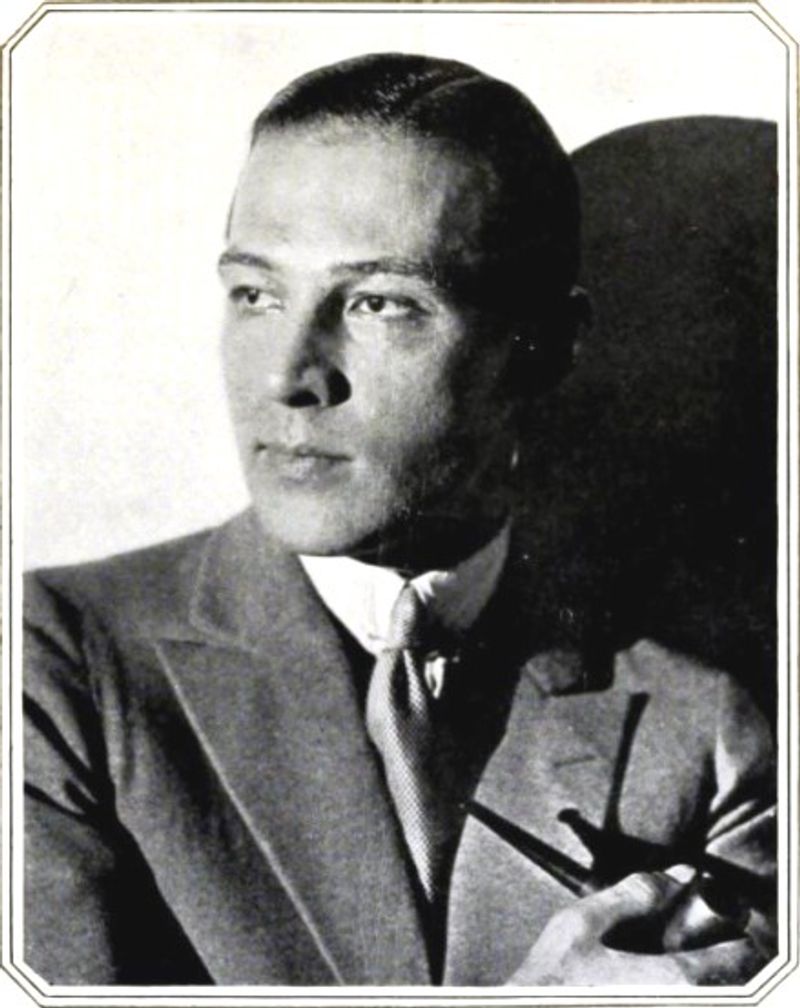
Rudolph Valentino could make an entire audience hold its breath with a single glance. Born in Italy in 1895, he emigrated to America and eventually landed the role that would change everything: the lead in “The Sheik” in 1921.
Women fainted at his performances, and fan letters arrived by the thousands every week.
Valentino was the first male sex symbol of the modern era, a title that made studios nervous but audiences absolutely wild. His dark eyes and magnetic presence translated perfectly to the silent screen, where expression was everything.
He became a sensation in Europe and Latin America just as quickly as in the United States.
When he died suddenly in 1926 at just 31 years old, the grief was genuinely global. Riots broke out outside the funeral home in New York as thousands of mourning fans gathered.
Valentino proved that a single performer could ignite passion across an entire planet.
8. Josephine Baker
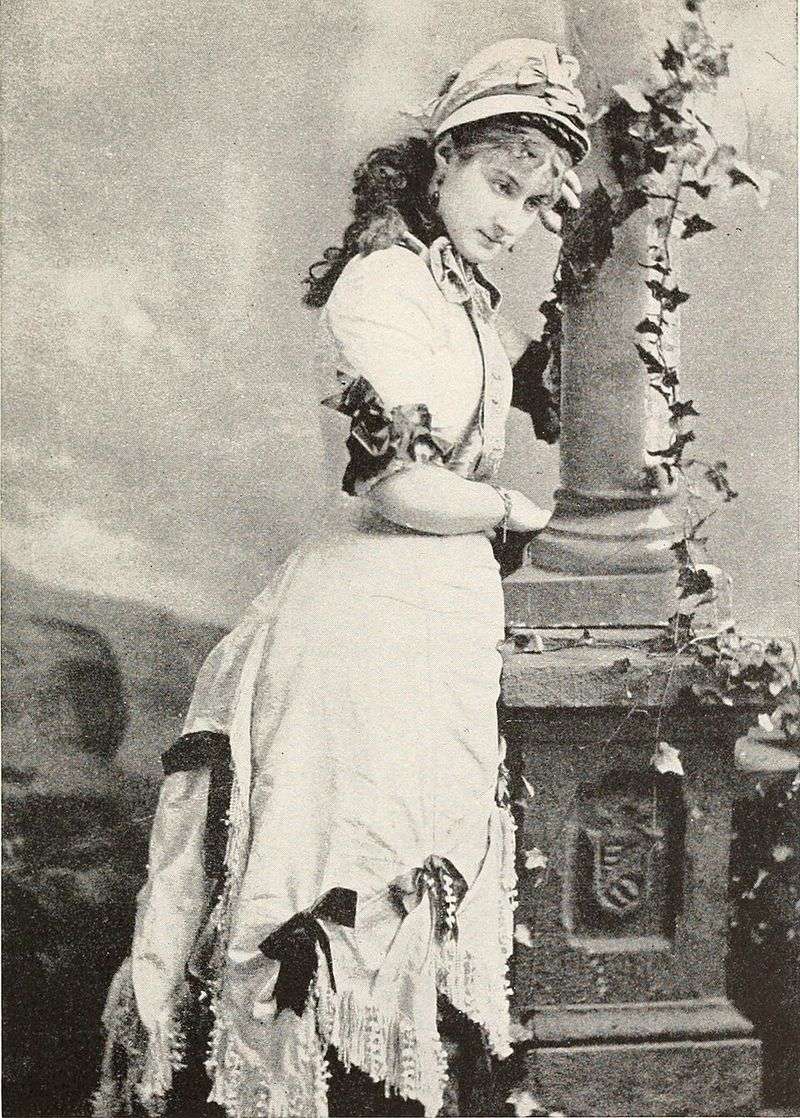
Josephine Baker arrived in Paris in 1925 and immediately became a sensation unlike anything the city had seen. Born in St. Louis, Missouri, she faced racial discrimination in America that limited her opportunities.
Europe, particularly France, offered her a stage where her talent could shine without those restrictions holding her back.
Her performances at the Folies Bergere were bold, joyful, and completely original. Baker combined dance, comedy, and an electric stage presence that made her the most famous entertainer in Europe within just a few years.
She became the highest-paid performer on the continent.
Beyond entertainment, Baker was a civil rights activist who refused to perform for segregated audiences in America and later worked with the French Resistance during World War II. France awarded her the Croix de Guerre for her bravery.
Baker’s story is one of talent triumphing over prejudice, and her courage made her legacy far greater than any single performance.
9. Louis Armstrong
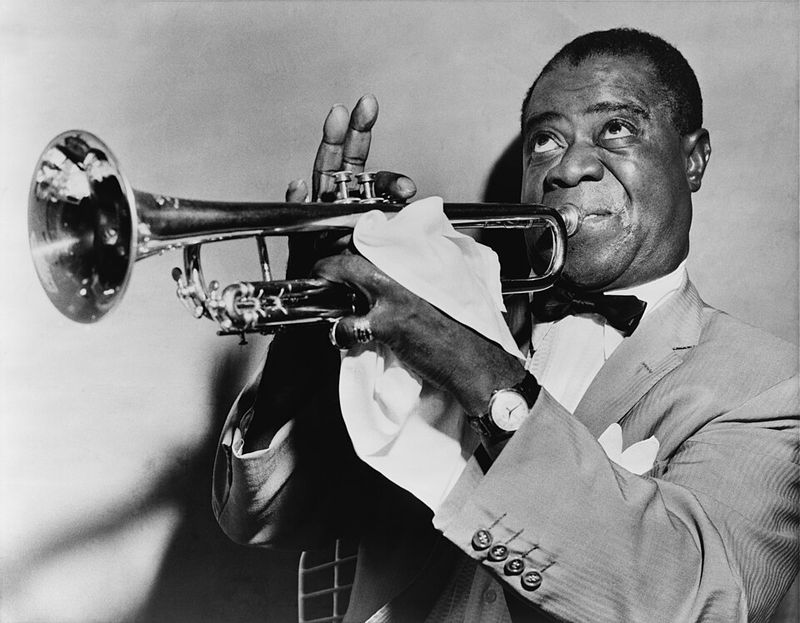
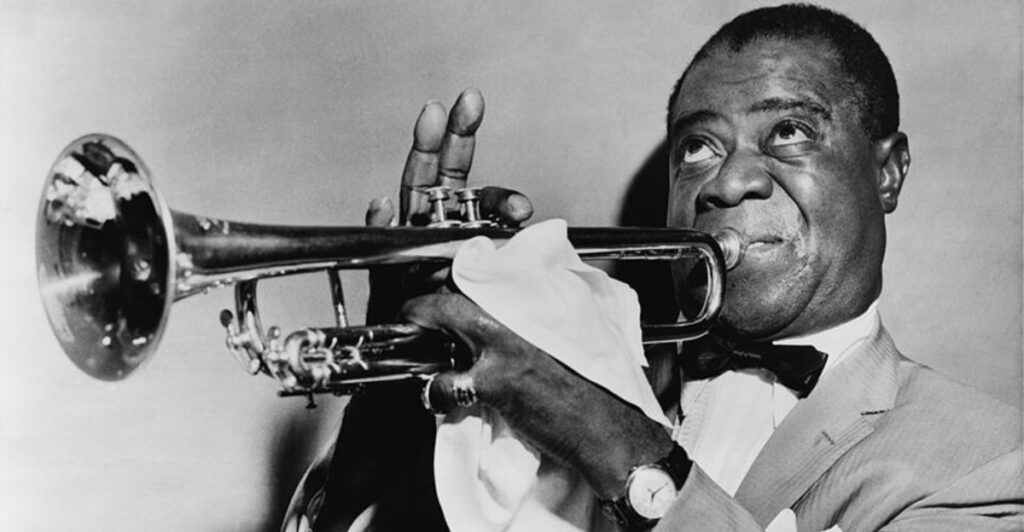
Louis Armstrong did not just play music; he reshaped how the world understood it. Born in New Orleans in 1901, he grew up in poverty and learned to play cornet at the New Orleans Home for Colored Waifs.
What followed was one of the most extraordinary musical journeys in history.
Armstrong’s trumpet playing introduced the concept of jazz improvisation to audiences who had never heard anything like it. His warm, gravelly voice became just as iconic as his instrument.
Songs like “What a Wonderful World” and “La Vie en Rose” became beloved across dozens of countries and generations.
He toured relentlessly through Europe, Africa, and Asia, earning the nickname “Ambassador Satch” because his music genuinely brought people together across cultural divides. The United States government even sponsored some of his tours during the Cold War as a form of cultural diplomacy.
Armstrong’s genius proved that music truly has no borders.
10. Marlene Dietrich
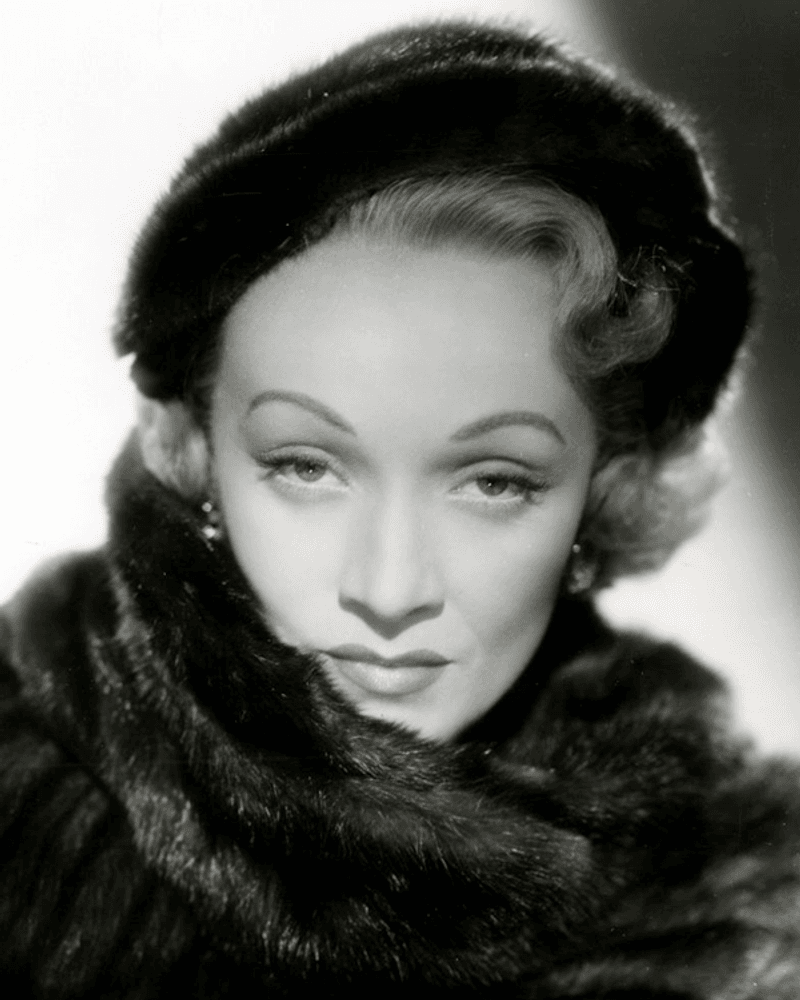
Marlene Dietrich had a cool, magnetic quality that cameras absolutely loved. Born in Berlin in 1901, she became a major star in German cinema before Hollywood came calling.
Her 1930 film “The Blue Angel” made her an international name overnight, and director Josef von Sternberg quickly brought her to America.
Dietrich embodied a kind of effortless sophistication that felt both timeless and ahead of her era. She wore trousers publicly at a time when that was considered scandalous, challenging gender norms with quiet confidence.
Her androgynous style and smoky voice gave her an allure that audiences across the world found impossible to ignore.
During World War II, she actively supported the Allied cause, performing for troops and recording anti-Nazi propaganda. Germany considered her a traitor; France awarded her the Legion of Honor.
Dietrich’s willingness to use her fame for something meaningful elevated her far beyond typical Hollywood stardom into genuine historical significance.
11. Shirley Temple
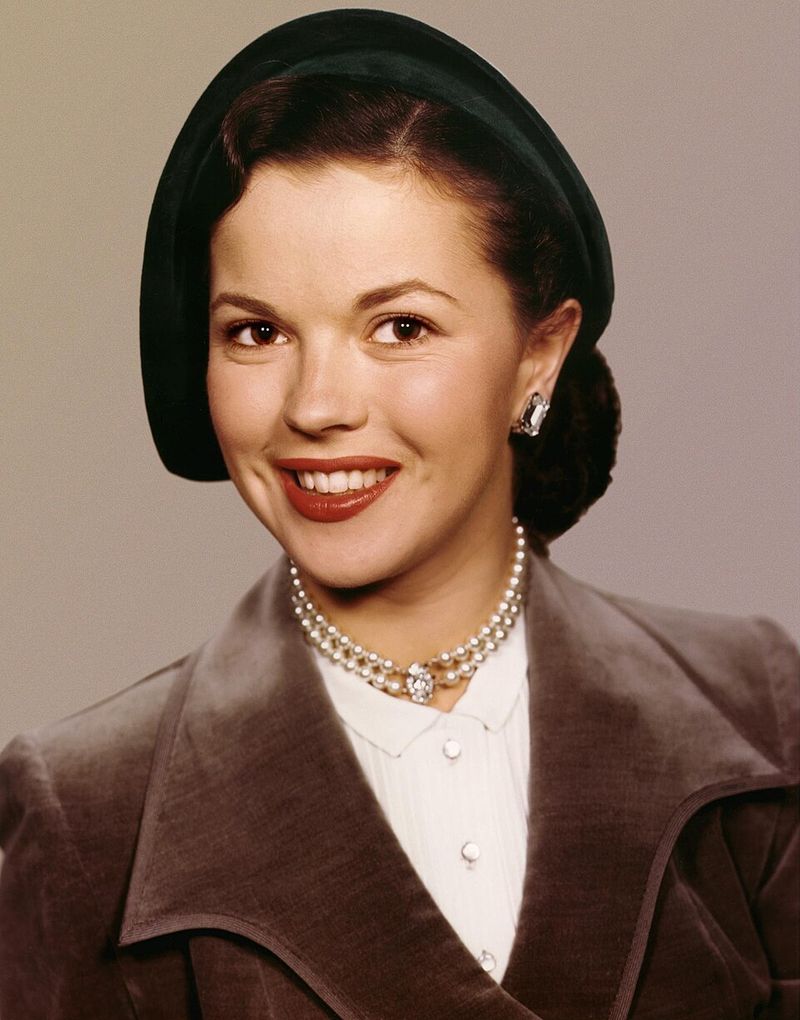
At just six years old, Shirley Temple was already a bigger box office draw than most adults in Hollywood. Born in Santa Monica in 1928, she began performing almost as soon as she could walk.
Her dimpled smile, bouncy curls, and natural charm made her the top box office star in America from 1935 to 1938, a record almost impossible to believe.
During the Great Depression, Temple’s films offered struggling families a reason to smile. President Franklin D.
Roosevelt reportedly said that as long as America had Shirley Temple, the country would be okay. That kind of cultural weight placed on a child was extraordinary.
Her films were distributed worldwide, and she received fan mail from children and adults on every continent. Shirley Temple Black, as she became known in adulthood, later served as a U.S.
Ambassador. Her journey from child superstar to respected diplomat made her one of the most complete public figures of the 20th century.
12. Frank Sinatra
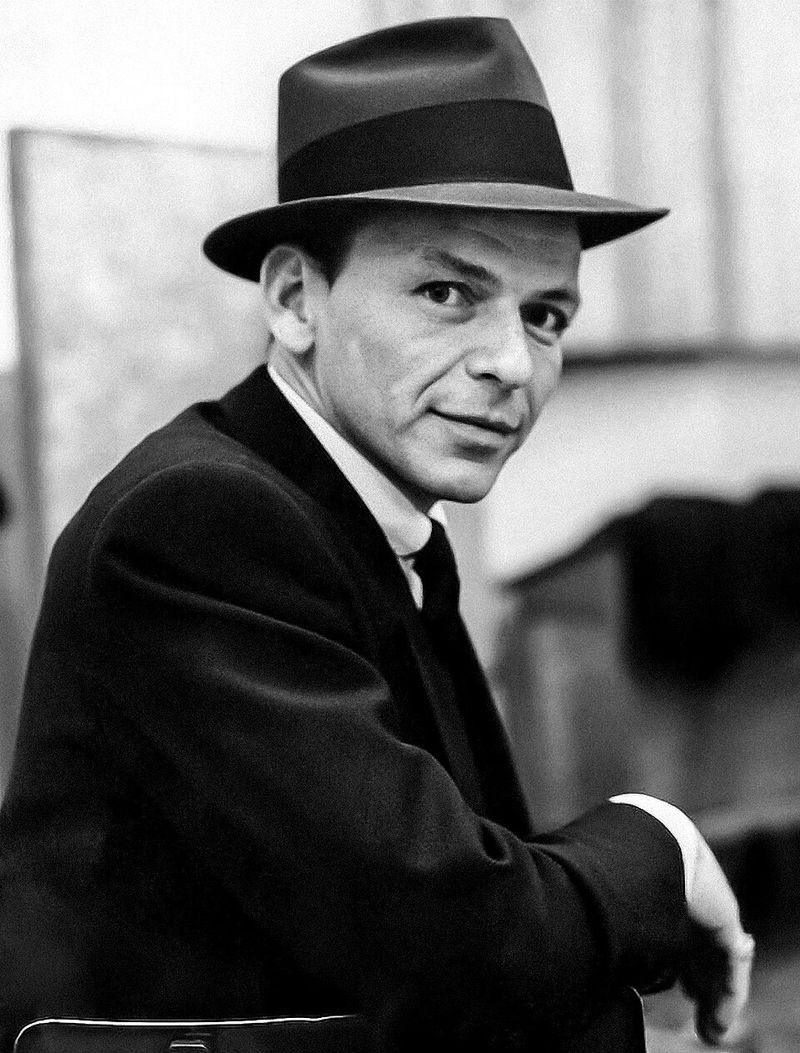
Frank Sinatra made teenage girls scream long before rock and roll existed. In the early 1940s, his appearances at the Paramount Theatre in New York caused scenes of crowd hysteria that baffled older generations.
Sinatra had something rare: a voice that felt deeply personal, as if he were singing just for you.
Born in Hoboken, New Jersey in 1915, he climbed from local talent shows to become one of the best-selling recording artists of the 20th century. His ability to interpret a song emotionally set a standard that countless singers still try to match today.
Albums like “In the Wee Small Hours” are still considered masterpieces of popular music.
Sinatra’s fame extended to Europe, Australia, and Latin America, where his concerts regularly sold out enormous venues. His friendships with presidents, royalty, and Hollywood legends made him a permanent fixture in global culture.
He became known simply as “The Chairman of the Board,” a title that said everything.
13. Marilyn Monroe
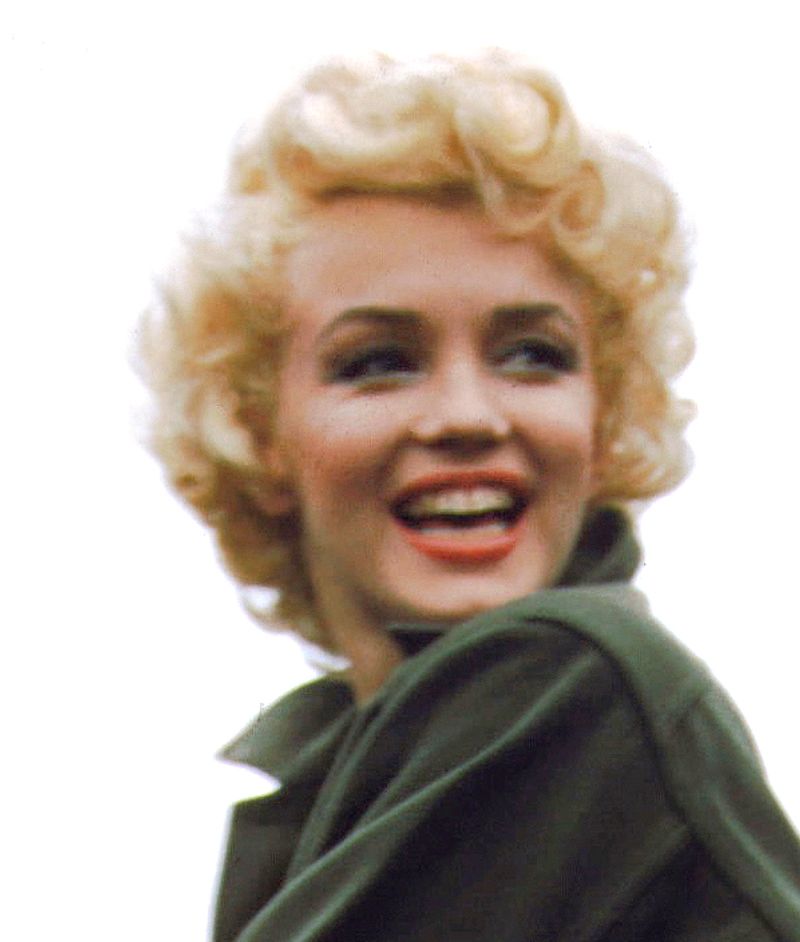
Marilyn Monroe became the defining image of glamour for an entire generation. Born Norma Jeane Mortenson in Los Angeles in 1926, she overcame a difficult childhood in foster care to become the most photographed woman in the world.
Her combination of beauty, wit, and vulnerability created a screen presence that felt both larger than life and completely real.
Films like “Some Like It Hot” and “Gentlemen Prefer Blondes” showcased her sharp comedic timing, a talent often overlooked because of her physical image. Monroe was far more intelligent and self-aware than many of her contemporaries gave her credit for.
Her fame crossed every cultural boundary, with fans from Tokyo to Paris treating her image as a universal symbol of the era. Andy Warhol’s famous portraits of her after her death in 1962 cemented her as an icon of pop art.
Monroe’s story, both brilliant and heartbreaking, has never lost its power to fascinate the world.
14. Elvis Presley
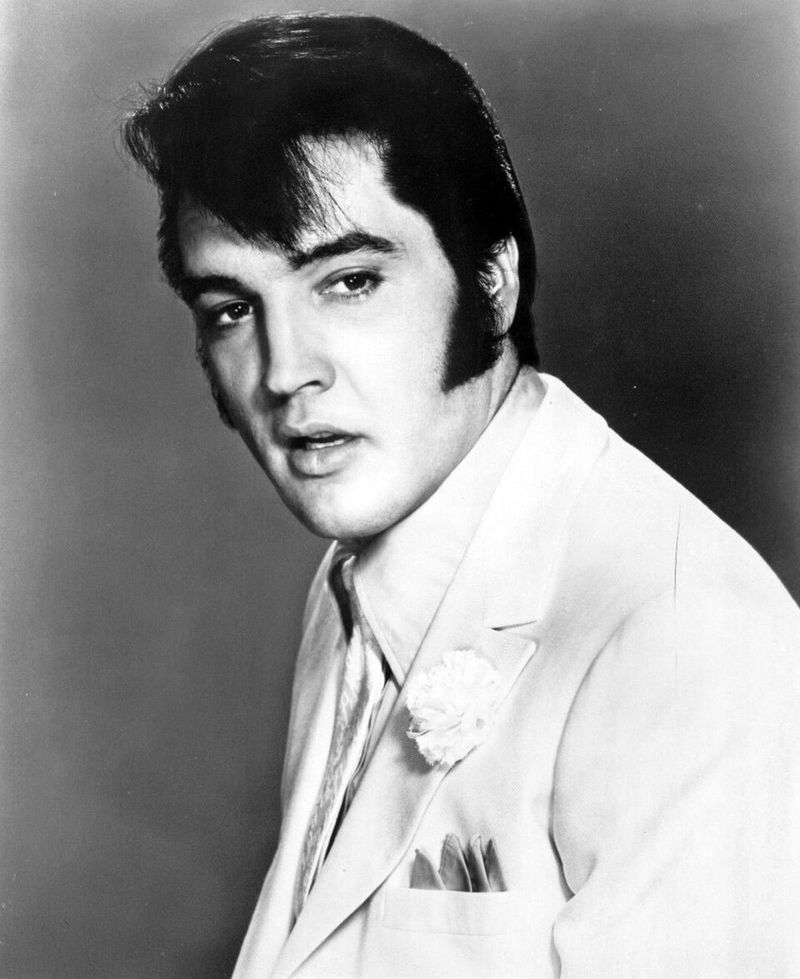
When Elvis Presley appeared on The Ed Sullivan Show in 1956, television ratings hit record highs and a cultural earthquake followed. Born in Tupelo, Mississippi in 1935, he grew up absorbing gospel, blues, and country music before blending them into something the world had never heard before.
That blend became rock and roll as most people know it.
Elvis moved on stage in ways that shocked parents and thrilled teenagers simultaneously. His swiveling hips were so controversial that TV cameras famously filmed him only from the waist up during one broadcast.
That kind of reaction only made him more irresistible to young audiences.
His music sold hundreds of millions of records worldwide, and his films expanded his fame to audiences who had never attended a concert. Even today, Graceland in Memphis draws visitors from every corner of the globe.
Elvis Presley did not just become famous; he became a permanent symbol of youthful rebellion and musical freedom.
15. Muhammad Ali
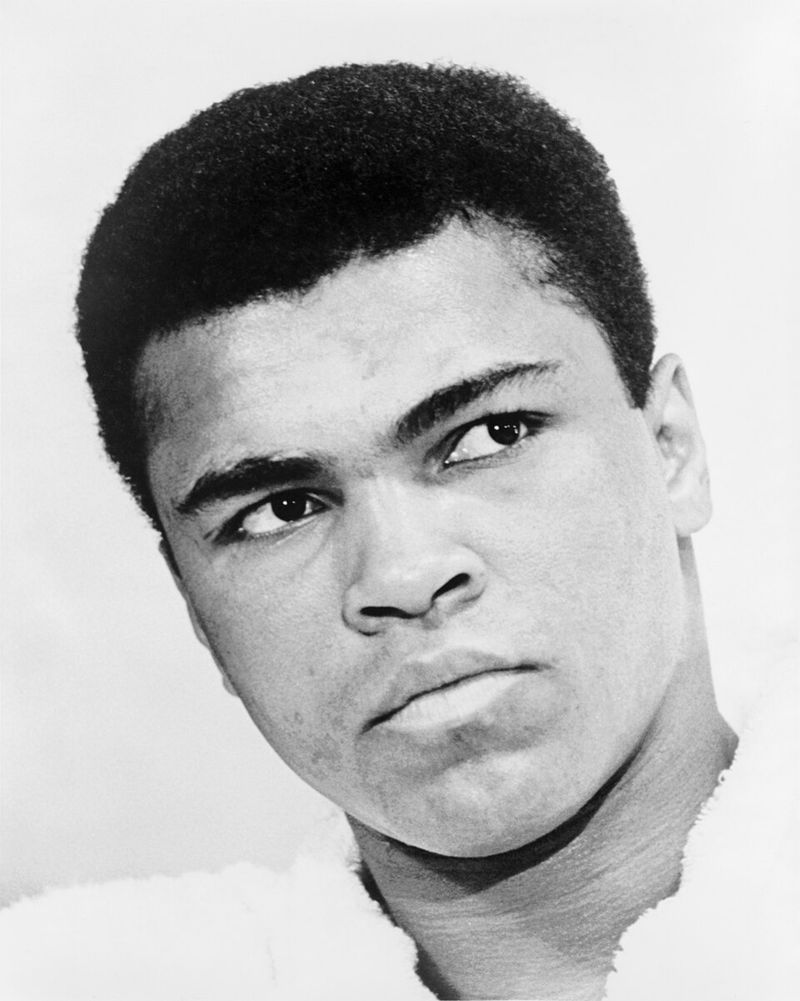
Muhammad Ali once said he was the greatest, and history has done very little to argue with him. Born Cassius Clay in Louisville, Kentucky in 1942, he won an Olympic gold medal at just 18 years old before turning professional and reshaping the sport of boxing entirely.
His combination of speed, power, and verbal wit made him unlike any athlete the world had seen.
Ali’s decision to refuse military draft induction in 1967 based on his religious beliefs cost him three years of his prime career. Rather than diminishing his reputation, that stand made him a hero to millions around the world who opposed the Vietnam War.
His fights, including the famous “Thrilla in Manila” and “Rumble in the Jungle,” were global events watched by hundreds of millions of people simultaneously. Ali transcended boxing to become a symbol of courage, conviction, and self-belief.
He remains, decades later, one of the most recognized and beloved human beings who ever lived.
Share this story