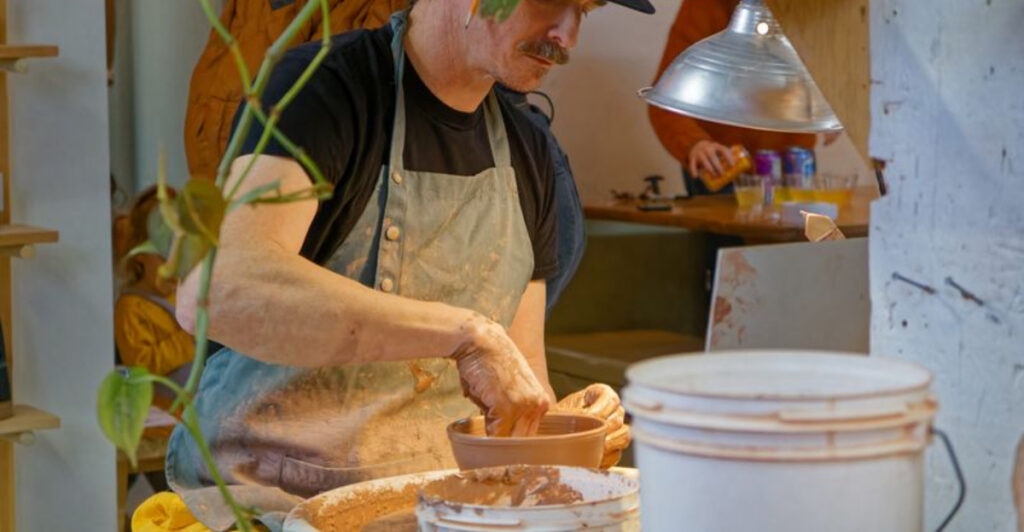
Tucked away in Suffolk County, New York, Victoria Wolf Ceramics represents a unique pottery venture that blends artistry with regional character. This small-scale ceramics studio creates handmade pieces using sand collected from Cape Cod beaches, the Islands, and the Hudson River Valley, transforming local materials into functional art.
With a perfect five-star rating and a growing Instagram presence, this pottery store offers one-of-a-kind creations for home, kitchen, and special occasions that capture the essence of New York’s coastal and river landscapes.
Beach Sand as Art Medium
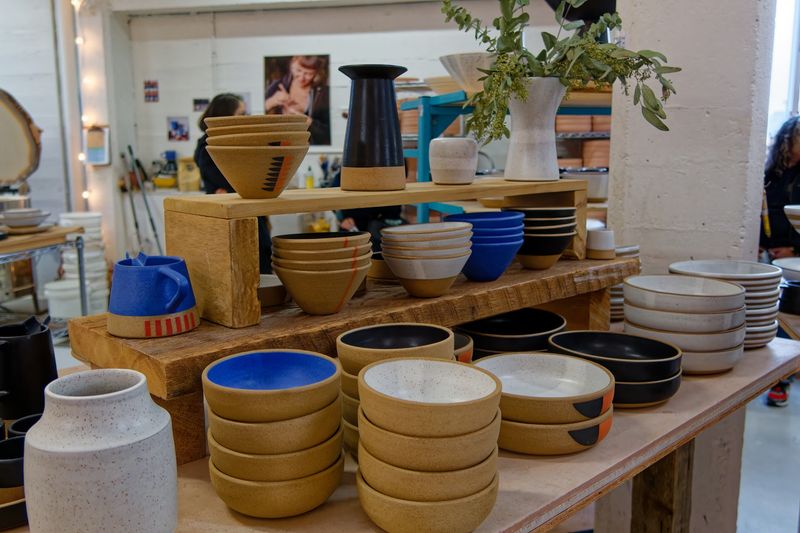
Victoria Wolf doesn’t just make pottery. She incorporates actual sand from Cape Cod and the Islands into her ceramic pieces, giving each creation a tangible connection to specific coastal locations.
This approach transforms ordinary clay into something with geographical significance and personal meaning.
The sand brings subtle color variations and texture to the finished work. Different beaches produce different hues, from warm golden tones to cooler grays and tans.
Collectors appreciate knowing their bowl or vase contains material from a place they’ve visited or love.
This technique requires careful preparation and experimentation. Sand must be cleaned, tested for compatibility with clay bodies, and incorporated at precise ratios.
Too much sand weakens the structure; too little fails to create the desired effect.
Each piece becomes a conversation starter. Guests admire not just the craftsmanship but the story behind the materials.
The pottery serves as a physical memory of coastal walks and beach vacations.
For those seeking meaningful gifts or home decor with regional character, these sand-infused ceramics offer something mass-produced items never could.
Hudson River Valley Sand Integration
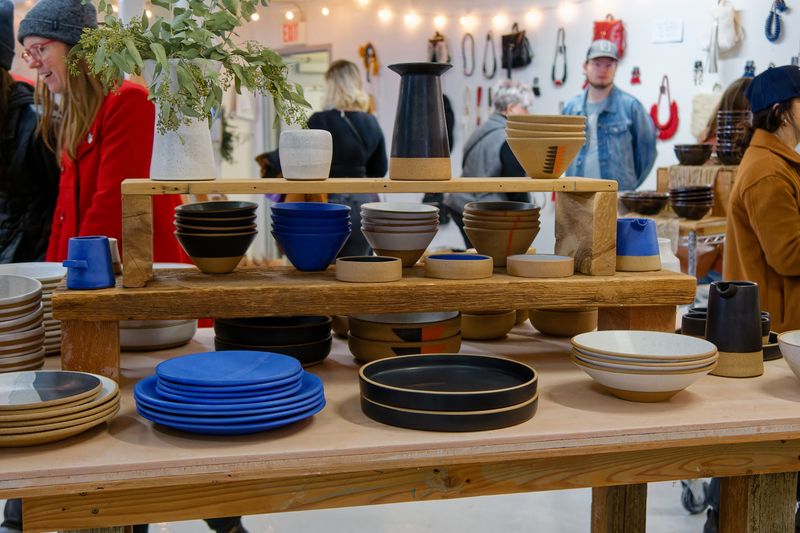
Beyond coastal beaches, Victoria Wolf sources sand from the Hudson River Valley, bringing an entirely different geological character to her work. River sand differs significantly from ocean beach sand in composition, color, and grain size.
This variety allows for diverse aesthetic possibilities across her pottery line.
Hudson Valley sand often contains mica particles that create subtle sparkle when fired. The mineral content varies depending on the specific location along the river.
Some areas produce warmer, iron-rich sand while others yield cooler, granite-derived material.
Incorporating river sand requires different technical considerations than beach sand. River deposits may contain organic matter that must be removed.
The firing temperature affects how these materials interact with the clay body and glazes.
Collectors familiar with the Hudson Valley appreciate pottery that literally contains pieces of their region. The connection feels more intimate than simply pottery inspired by a place.
It actually is made from that place.
This geological approach to ceramics creates pieces with authenticity that resonates with environmentally conscious consumers and regional pride enthusiasts alike.
Special Occasion Pottery Collections
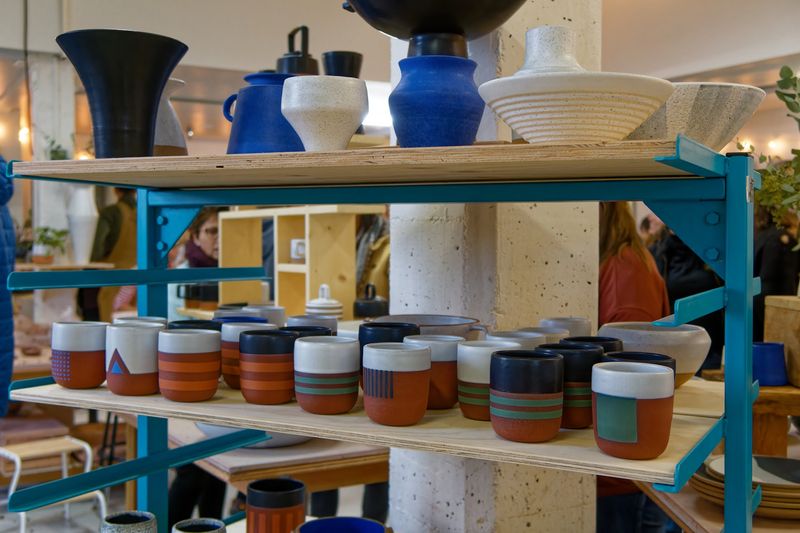
Victoria Wolf specifically creates pottery for life’s memorable moments. Weddings, anniversaries, milestone birthdays, and holiday gatherings deserve more than generic tableware.
Her special occasion pieces combine functionality with artistic significance that marks important events.
Custom orders allow customers to request sand from locations meaningful to their celebration. A couple married on Cape Cod might commission pieces containing sand from that beach.
An anniversary gift could incorporate material from a favorite vacation spot.
The pottery studio announces showings through Instagram rather than maintaining regular retail hours. This event-based approach creates anticipation and exclusivity.
Customers attend these showings to see new collections and discuss custom commissions directly with the artist.
Special occasion pottery becomes family heirlooms. Unlike disposable party supplies, these pieces last for generations.
They carry stories worth retelling at future gatherings.
The limited production model ensures each piece receives individual attention. Victoria Wolf doesn’t mass-produce identical items.
Every creation reflects careful handwork and artistic decision-making that honors both the materials and the occasion.
Kitchen and Dining Functional Art
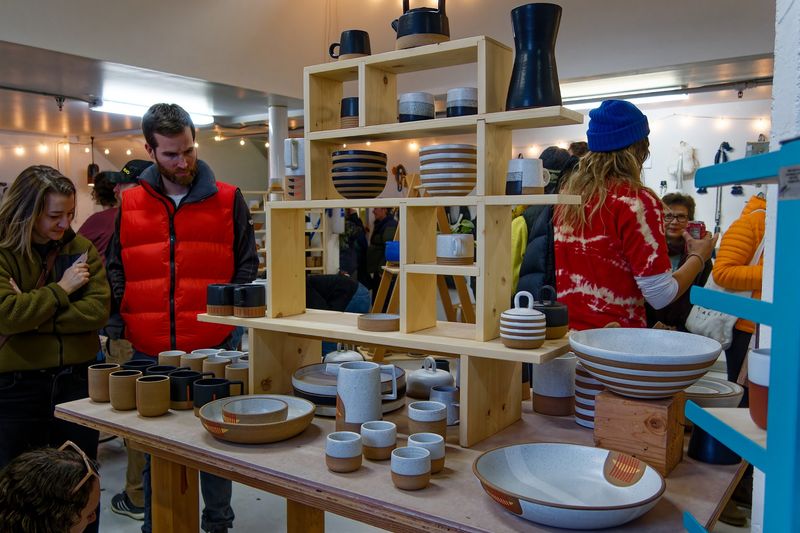
Functional pottery for everyday kitchen use forms the core of Victoria Wolf’s production. Bowls, mugs, plates, and serving dishes combine practical design with artistic expression.
These aren’t delicate decorative pieces meant only for display but durable items designed for regular use.
The sand-infused clay creates interesting surface textures that feel pleasant to hold. Matte glazes in earth tones complement modern and traditional kitchen aesthetics equally well.
Each piece shows subtle variations that prove its handmade origin.
Kitchen pottery must withstand thermal shock, dishwasher cycles, and microwave heating. Victoria Wolf formulates her clay bodies and glazes to handle these demands.
Beauty shouldn’t compromise functionality in items used daily.
Cooking enthusiasts appreciate pottery that performs as well as it looks. A handmade mixing bowl makes baking more enjoyable.
Coffee tastes better from a mug with character and craftsmanship.
Replacing mass-produced kitchen items with artisan pottery elevates ordinary routines. Breakfast becomes more mindful when served on handcrafted plates.
These pieces remind us that everyday moments deserve beauty too.
Bedroom and Home Decor Pieces
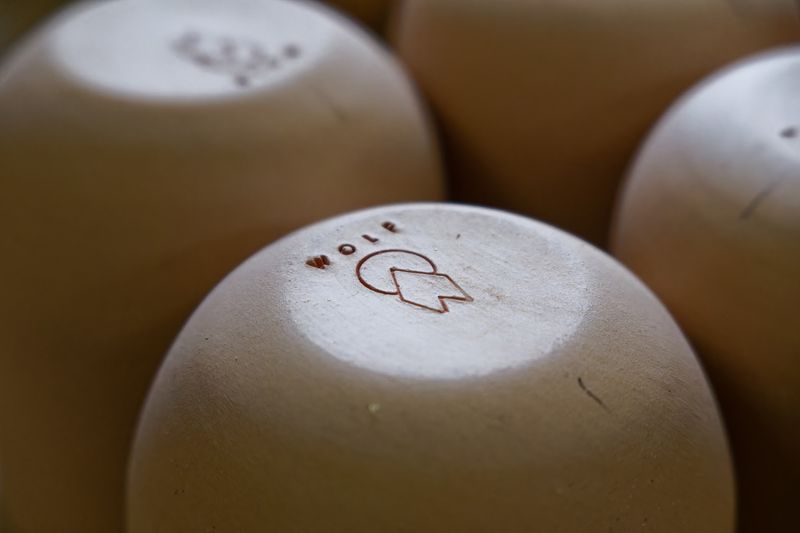
Beyond the kitchen, Victoria Wolf creates pottery for living spaces throughout the home. Vases, decorative bowls, bedside containers, and sculptural pieces bring handmade warmth to bedrooms and living areas.
These items soften modern interiors and add organic texture to minimalist spaces.
Bedroom pottery serves both decorative and practical purposes. A handmade dish holds jewelry at day’s end.
A small vase brings fresh flowers to the nightstand. These functional touches make personal spaces more inviting.
The natural color palette works across various design styles. Neutral earth tones complement bold accent colors without competing.
The subtle sand textures add visual interest without overwhelming a room’s aesthetic.
Home decor pottery makes thoughtful housewarming gifts. New homeowners appreciate unique pieces that aren’t available at chain stores.
These items help establish a home’s individual character from the beginning.
Collecting pottery over time creates a cohesive look throughout a home. Pieces from the same artist share visual DNA even when purchased years apart.
This consistency builds a curated aesthetic that reflects personal taste and values.
Instagram-Based Studio Model
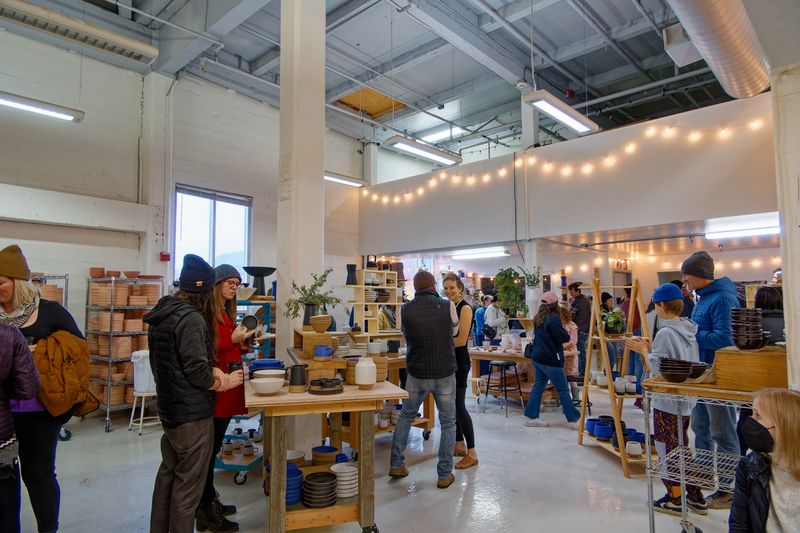
Victoria Wolf Ceramics operates primarily through Instagram rather than a traditional storefront. This social media approach suits small-scale artisan production perfectly.
Followers receive updates about new work, showing announcements, and behind-the-scenes glimpses of the creative process.
The Instagram model reduces overhead costs associated with retail space. Without rent, utilities, and staffing expenses for a permanent shop, the artist focuses resources on materials and creation.
This efficiency keeps prices reasonable while maintaining quality.
Showing announcements create event excitement that steady retail hours cannot match. Followers mark calendars and plan attendance.
The limited-time nature encourages decisive purchasing rather than endless browsing.
Social media allows direct artist-customer interaction impossible in traditional retail. Followers comment on works in progress, ask questions about techniques, and discuss custom commission possibilities.
This dialogue builds community around the pottery.
The visual nature of Instagram perfectly showcases pottery. High-quality photos highlight textures, colors, and forms better than written descriptions.
Potential customers see exactly what they’re considering before attending a showing.
This modern business model proves that artisan crafts can thrive without conventional retail infrastructure.
Five-Star Customer Experience
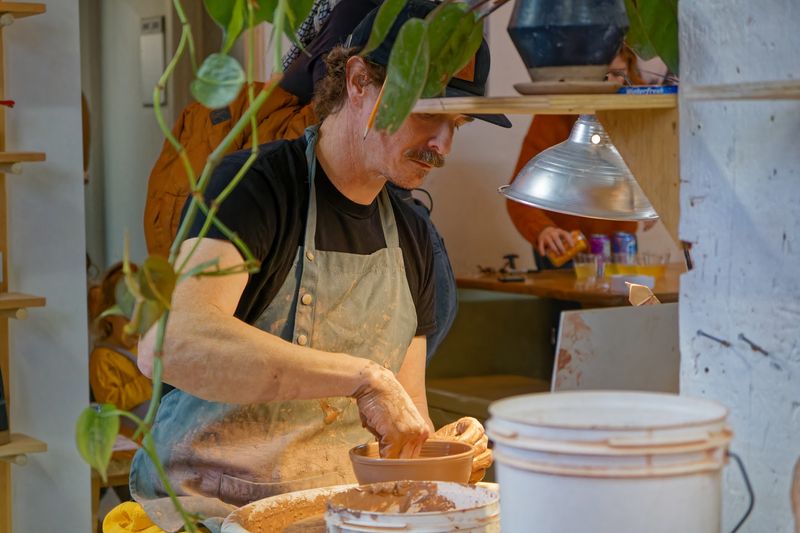
With perfect five-star reviews, Victoria Wolf Ceramics delivers exceptional customer satisfaction. This rating reflects more than just product quality.
It encompasses the entire experience from initial inquiry through final purchase and long-term ownership.
Customers appreciate the uniqueness of each piece. No two items are identical due to the handmade process and natural material variations.
This individuality appeals to buyers tired of mass-produced uniformity.
The personal connection with the artist enhances the purchasing experience. Buyers learn about sand sources, firing techniques, and design inspirations directly from the creator.
This knowledge deepens appreciation for the finished work.
Reviews specifically mention pottery for special occasions, indicating successful custom commissions. Meeting customer expectations for meaningful milestone pieces requires excellent communication and artistic skill.
Victoria Wolf apparently excels at both.
Long-term satisfaction matters as much as initial delight. Pottery must perform well through years of use.
Durable construction, food-safe glazes, and timeless design ensure customers remain happy with their purchases long after the showing ends.
Maintaining perfect ratings as the business grows demonstrates consistent quality and customer care.
Limited Production Artisan Approach
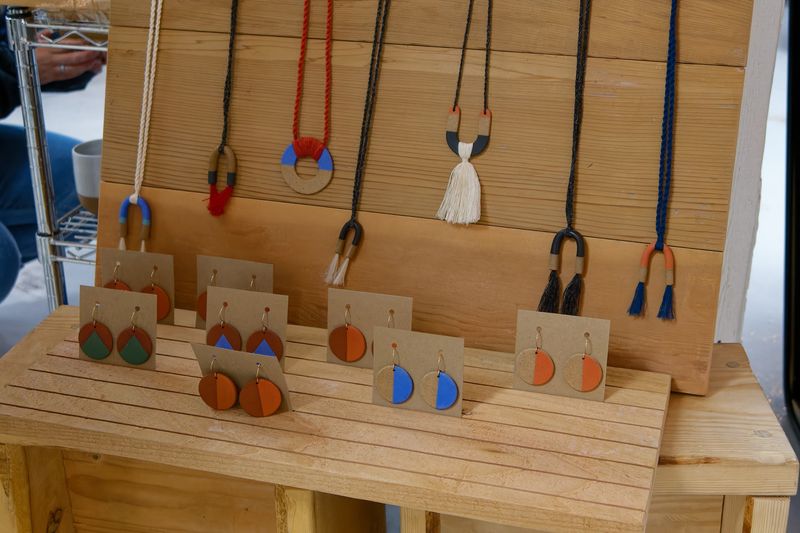
Victoria Wolf maintains a small-scale production model that prioritizes quality over quantity. This artisan approach means limited inventory and longer wait times for custom pieces, but results in superior craftsmanship and artistic integrity.
Each piece receives individual attention throughout the entire creation process. From wedging clay to final glazing, the artist’s hands touch every item multiple times.
This hands-on involvement ensures consistent quality impossible in mass production.
Limited production creates natural scarcity that increases value. Customers recognize they’re purchasing something not everyone can own.
This exclusivity appeals to collectors and those seeking distinctive home goods.
The small-scale model allows experimentation and evolution. Without pressure to replicate thousands of identical pieces, the artist can try new forms, glazes, and techniques.
Innovation keeps the work fresh and exciting.
Sustainable practices come naturally to small studios. Less waste, more efficient resource use, and thoughtful material sourcing characterize artisan production.
Environmentally conscious consumers appreciate this approach.
Choosing limited production over expansion demonstrates commitment to craft over profit maximization. This artistic integrity resonates with customers who value authenticity and personal connection to the objects they bring home.
Regional Material Sourcing Philosophy

Sourcing materials from specific New York regions distinguishes Victoria Wolf’s work from generic pottery. This geographical connection creates pieces with genuine sense of place rather than vague coastal inspiration.
The materials literally come from the locations they represent.
Collecting sand from various beaches and river locations requires time and intentionality. Each source must be documented, tested, and evaluated for ceramic suitability.
This research-based approach combines geology, chemistry, and artistry.
Regional sourcing supports environmental awareness and local pride. Customers from Cape Cod or Hudson Valley feel represented in the work.
Visitors to these areas can take home pottery containing pieces of their vacation.
The philosophy extends beyond marketing gimmick to genuine artistic practice. Material origin influences aesthetic decisions, glaze choices, and form development.
The sand isn’t just added randomly but thoughtfully integrated into the creative vision.
This approach also educates customers about their region’s geology. Learning that different beaches produce different colored sand sparks curiosity about natural processes.
Pottery becomes a gateway to deeper environmental appreciation.
Material sourcing as artistic philosophy demonstrates how contemporary craft can honor tradition while creating something entirely new and personally meaningful.
Showing-Based Sales Events
Rather than maintaining regular retail hours, Victoria Wolf announces special showings where customers can view and purchase new work. This event-based model suits both the artist’s production schedule and customer shopping preferences for unique items.
Showings create concentrated energy that benefits everyone involved. Customers see the full range of available work at once rather than scattered inventory.
The artist can dedicate specific time to sales and customer interaction without daily interruptions to studio work.
These events encourage community building among pottery enthusiasts. Attendees meet others who appreciate handmade ceramics and regional craftsmanship.
Shared appreciation creates connections beyond simple transactions.
The announcement-based system rewards engaged followers. Those who actively follow the Instagram account get first access to new pieces.
This loyalty recognition strengthens the artist-customer relationship.
Showing events allow for storytelling impossible in conventional retail. The artist can discuss specific pieces, explain techniques, and share the inspiration behind collections.
This context enhances appreciation and justifies the investment in handmade work.
The model proves that alternative business structures can succeed when aligned with product type, artist preferences, and customer expectations. Innovation in sales approach matches innovation in ceramic creation.
Share this story