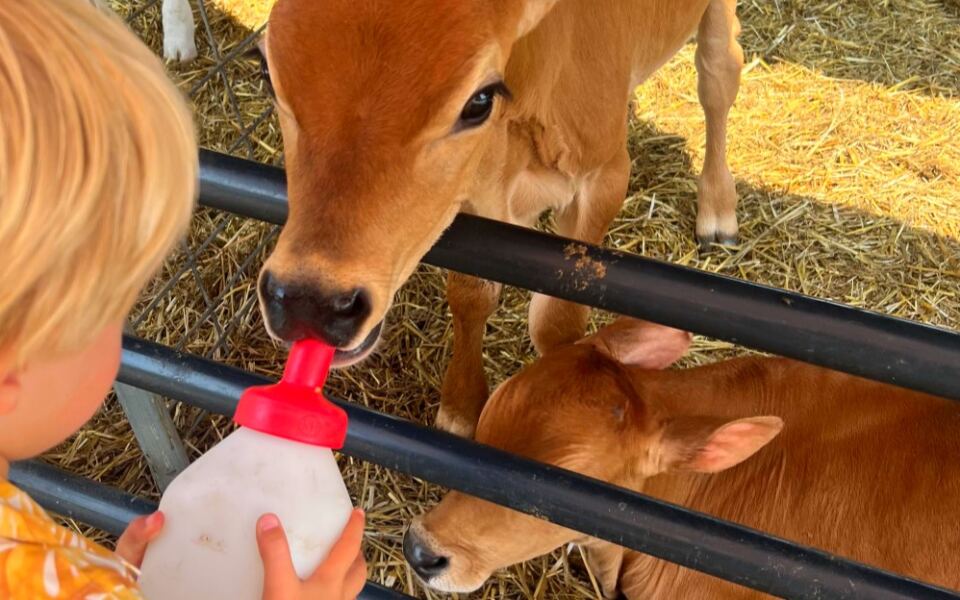
A baby goat with a bottle has exactly one goal, and it pursues that goal with total focus. Some kids drain their milk in about ten seconds flat.
Others take a few polite sips, look around, and need a little coaxing before getting back to business. Holding that bottle is one of the simplest and most memorable things a family can do on a farm.
Across the country, working dairies, small family farms, and animal parks invite visitors to help at feeding time. Some pair it with hayrides, egg collecting, and cow milking.
Others offer quiet, private sessions with newborns. Timing matters a lot, since most bottle-feeding happens in spring and early summer, when the babies arrive.
Many farms ask for reservations, and popular sessions can sell out months ahead. The list below covers twelve farms in twelve very different settings, including an Amish homestead, a Texas dairy, a mountain farm, and even a campground with goats next to the campsites.
Each entry explains what you can feed, when to go, and what else is worth doing while you are there. Grab your calendar and keep reading.
1. The Farm, Sturgeon Bay, Wisconsin
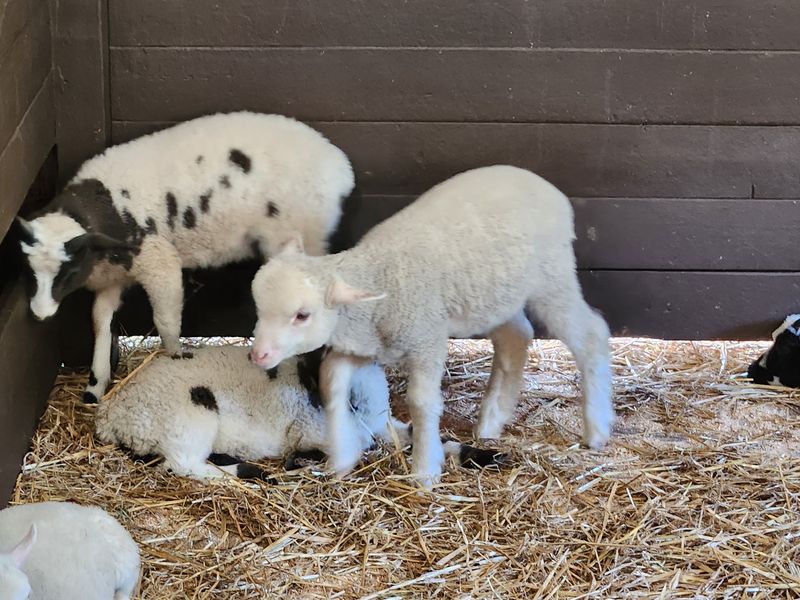
More than four decades of welcoming visitors have given this Door County spot plenty of practice with curious kids, both human and goat. The Tanck family has cared for The Farm since 2002.
Think of it as a living museum of rural life. In season, guests can bottle-feed goat kids, lambs, and sometimes piglets.
Chicks hatching in the barn add another reason to slow down. Many children end up glued to the incubator longer than anyone planned.
Pioneer log buildings hold antique farm tools that show how work got done before modern machines. Gardens, field crops, and nature trails round out the property.
The season usually runs from Memorial Day weekend through mid-October. That gives families a wide window to plan a trip around a Door County vacation.
New exhibits and animals appear each year, so repeat visitors often find something different. The staff call themselves farmers and teachers, and it shows in how much they love explaining things.
Go early in the season for the youngest babies.
2. The Bubbly Goat, Stockton, New Jersey
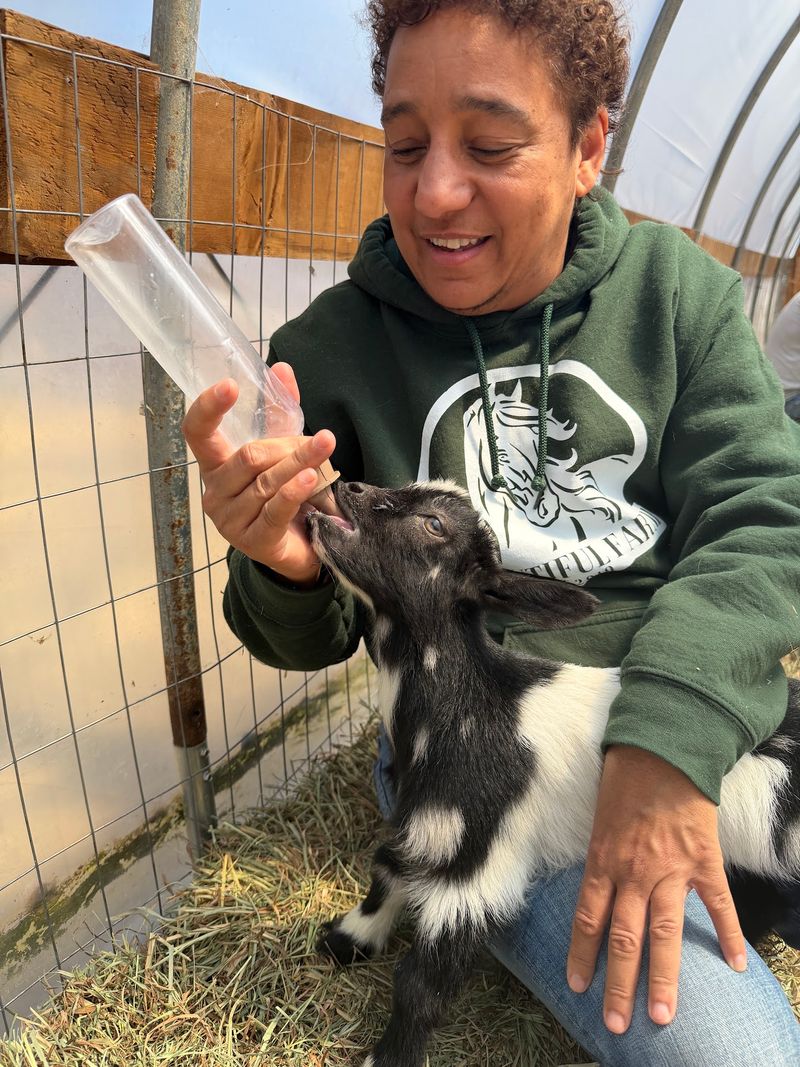
Here is a quick warning about the bottle part: it is over fast. Baby goats at The Bubbly Goat empty their milk in a hurry, and then the real fun begins.
This Hunterdon County farm focuses only on goats. In spring, newborns become the stars of bookable Baby Goat Experiences.
After feeding, guests spend the rest of the session cuddling and playing with the kids. Small groups mean nobody feels rushed.
Sessions run rain or shine and move into an Events Greenhouse when needed. Children usually must be at least five for bottle-feeding, while ages four and up can join non-bottle sessions.
Planning ahead is a must. The 2026 sessions sold out completely, so fans are already eyeing Spring 2027 dates.
Goat yoga classes and group events keep the farm busy beyond baby season. Yes, a goat may climb on your back during a stretch.
Nearby small towns offer boutique shops and plenty of places to eat. A morning with goats can easily become a full country day.
3. Berning Acres, East Dubuque, Illinois
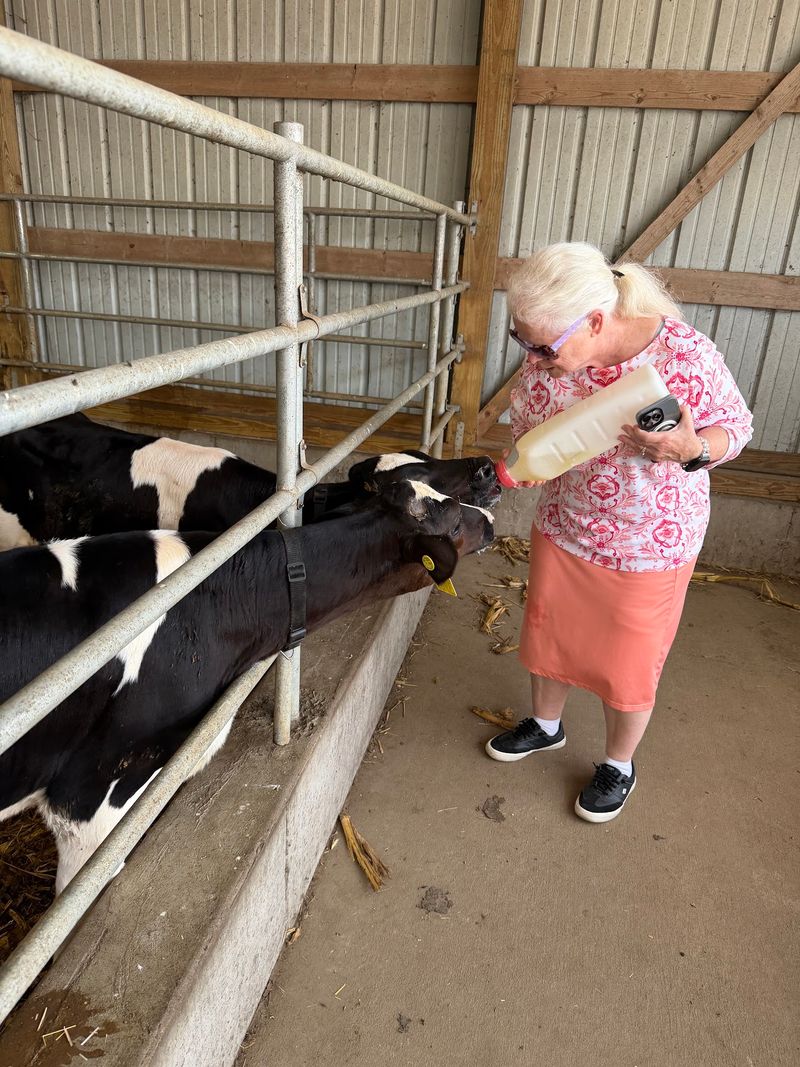
Nearly 500 cows live at Berning Acres, and somebody has to help feed the babies. Visitors happily volunteer.
Second-generation owners Matt and Natalie Berning run this family dairy. Their 90-minute tour explains how milk travels from the barn to your kitchen.
Bottle-feeding a calf is the centerpiece for many guests. You can also try milking a cow, which is harder than it looks.
The herd mixes Holsteins in black-and-white and red-and-white, plus Brown Swiss, Jerseys, and Ayrshires. Kids enjoy spotting the different breeds.
Tours often finish with ice cream. That is a very fair reward for a day of dairy homework.
Special programs include Cows, Kids, and Curds, Picnic and Play, and Night at the Farm. A two-day Farm Camp runs in June for young farm fans.
Tours usually operate from May to October. Private appointments are possible in other months, so call ahead if your schedule is tricky.
Families leave with real answers about where their milk comes from.
4. The Jersey Barnyard, La Grange, Texas
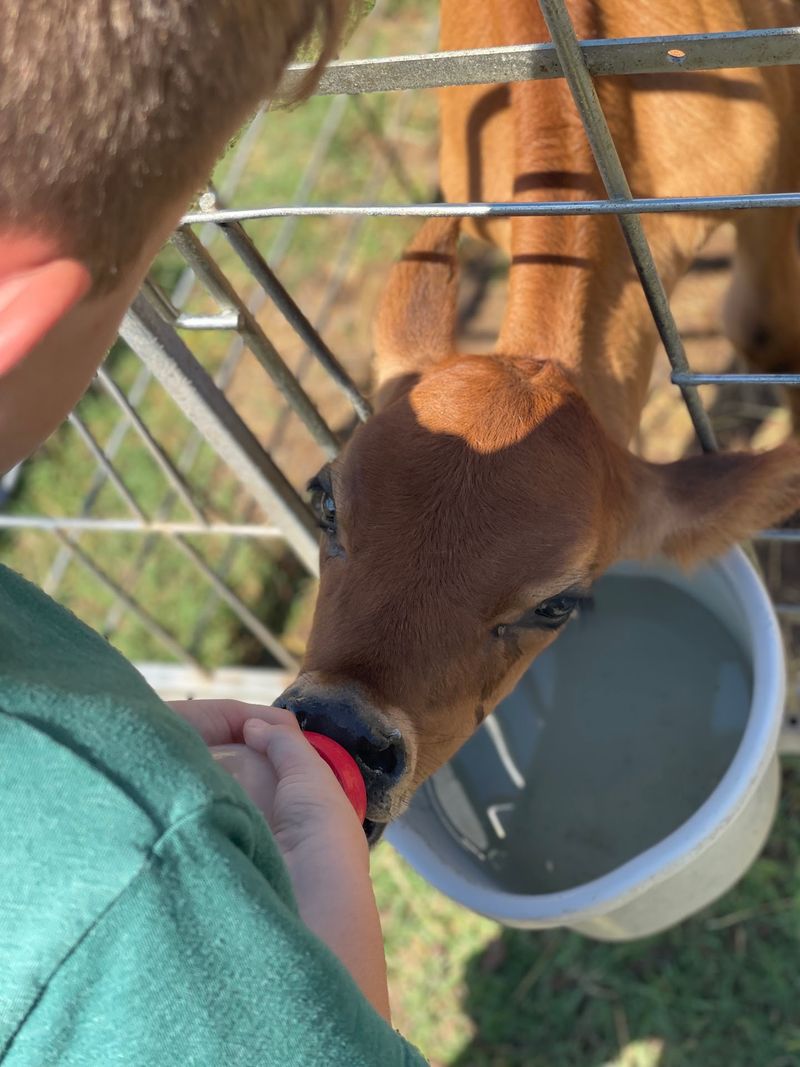
Fans of Blue Bell ice cream may recognize these cows. Jersey cows from this La Grange dairy have appeared in Blue Bell ads for over thirty years.
The Jersey Barnyard is a century-old farm run by four generations of one family. Visitors can buy bottles and feed the hungry young calves.
Guided tours include a tractor-drawn hayride out to the milking facility and pastures. Everyone gets a chance to try milking a cow.
The barnyard is crowded with other friendly faces. Goats, fainting goats, pigs, donkeys, mini horses, sheep, rabbits, ducks, and turkeys all wait for snacks.
Self-guided visits are available during store hours for families who like to wander at their own pace.
The farm store sells raw Jersey milk from grass-fed cows, pasture-raised meats, eggs, honey, cheeses, and Blue Bell ice cream. Plan cooler space for the drive home.
A fall pumpkin patch and spring Easter Egg Hunt give extra reasons to return. Texas hospitality comes standard.
5. Land of Milk and Honey Farms, Deep Gap, North Carolina
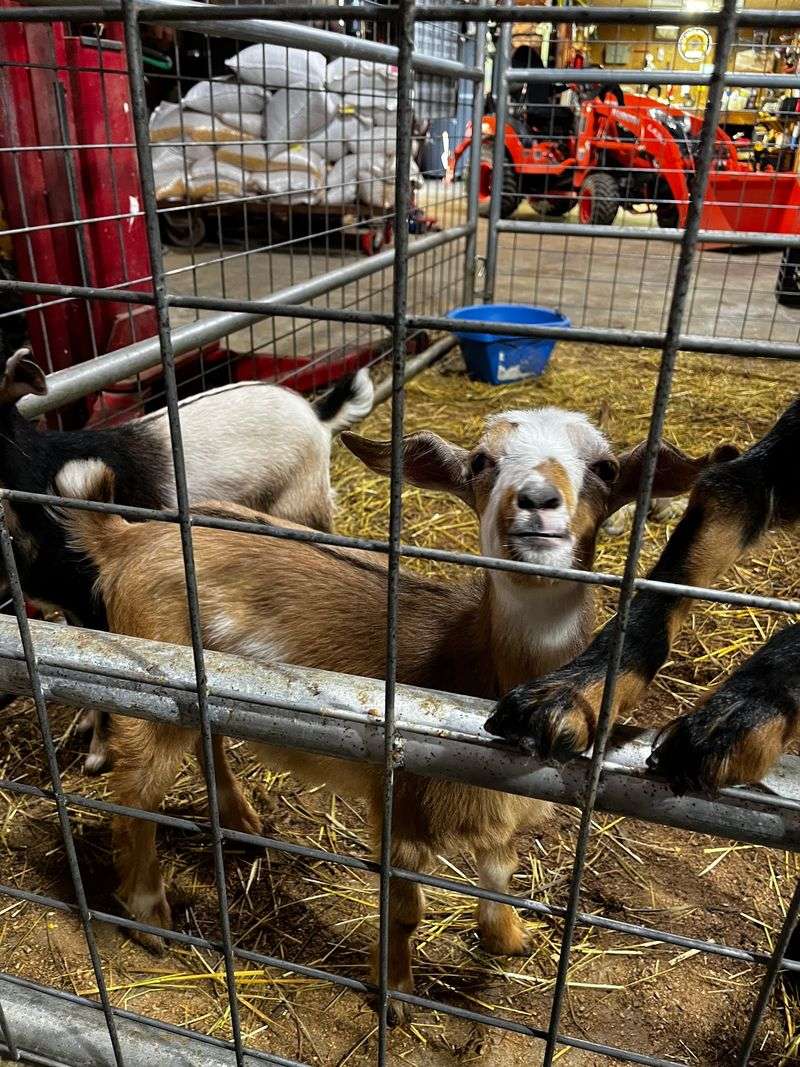
According to the owners, nobody is ever too old to cuddle a lamb. Visitors in the Blue Ridge Mountains seem to agree.
The same family has tended this farm for about 30 years, using regenerative farming methods. Spring brings private 30-minute baby goat sessions for bottle-feeding and cuddling.
Some of those goats are a bit mischievous. Keep your shoelaces in sight.
Lamb Cuddles offer an hour with newborn lambs during winter and spring. Piglet Play Dates and Sheep Walks on the trails add more choices.
The animal list is long. Alpacas, miniature donkeys, Jersey cows, beef cattle, Kunekune and Meishan pigs, and two kinds of sheep all live here.
The farm shop sells honey bottled from their own bees, eggs, meats, caramels, cookies, and marshmallows. Beeswax candles and leather goods make easy gifts.
Vacation rentals let guests stay overnight, some with livestock views. RV travelers can also visit through Harvest Hosts, with showers and laundry on site.
6. Old Windmill Farm, Ronks, Pennsylvania
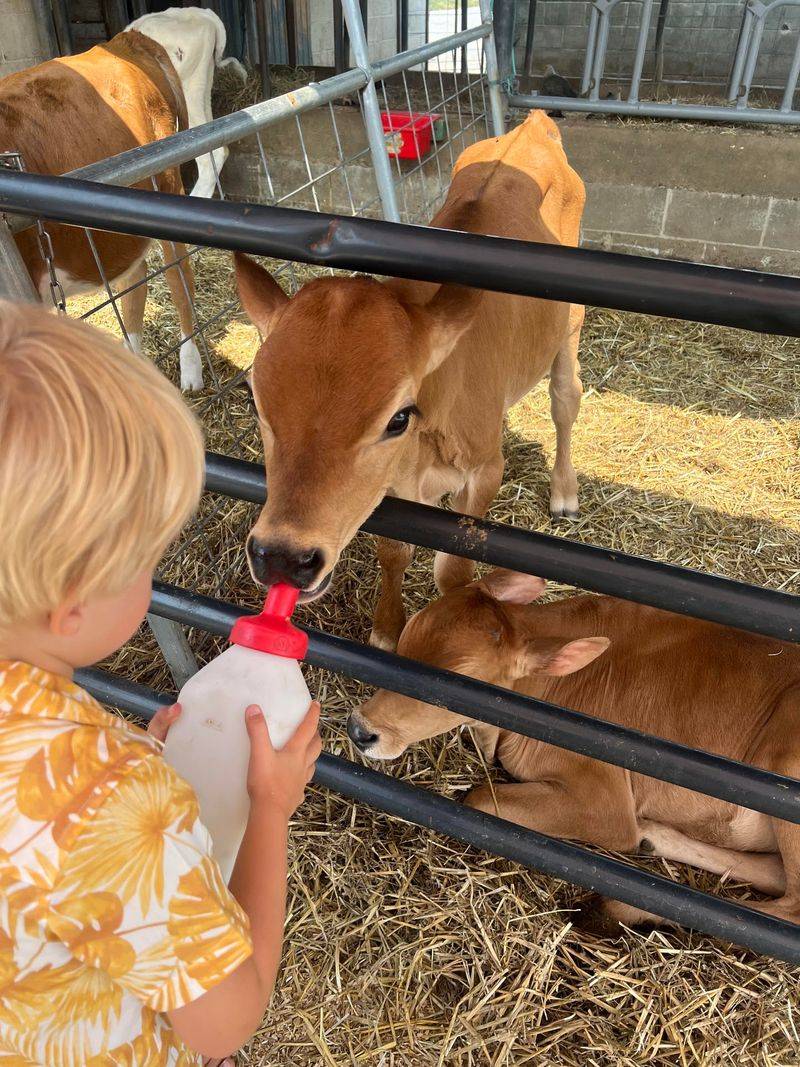
Chores are the main attraction in Lancaster County, and visitors actually line up to do them. Old Windmill Farm is a working Amish family farm where guests jump into daily tasks instead of watching from a fence.
Bottle-feeding a calf is a favorite moment on the tours. Calves are not shy eaters, so hold on tight.
Tours may also let you milk a cow by hand and gather eggs from the chicken coop. Seasonal babies can include piglets, goat kids, bunnies, chicks, puppies, and kittens.
The signature Amish Farm Tour is a great starting point. The longer Farm Fun Combo adds planting and harvesting in the garden, and private tours work well for small groups.
Kids three and under visit free, which helps young families. Handwashing stations sit right after the animal areas.
Rain will not cancel the fun, since many activities happen under cover in the barns. The farm earned a TripAdvisor Travelers’ Choice Award again in 2026.
Fall brings apple cider pressing, and winter adds holiday baking and sleigh rides.
7. The Friendly Farm, Dublin, New Hampshire
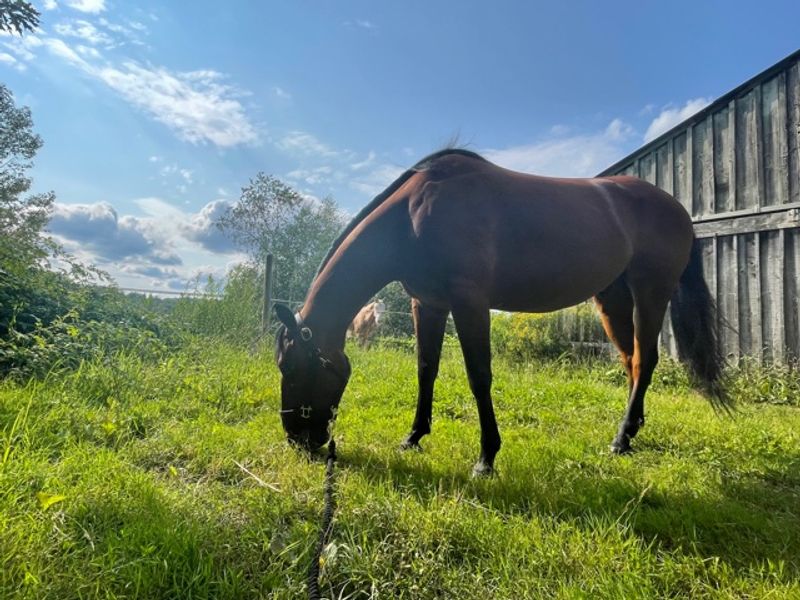
No roller coasters, no arcade games, and nobody misses them. The Friendly Farm keeps things simple on five acres in Dublin.
People and animals mix easily here. Seasonal bottle-feeding may include young goats or calves when they need it.
Many residents are born right on the property. Sheep, cows, horses, pigs, rabbits, chickens, and even peacocks share the grounds.
Feed bags let visitors hand out snacks, and petting is encouraged for many animals. The stables hold the newest arrivals.
The chicken coop deserves a special mention. It is a six-room house for hundreds of chickens, and chicks are often ready to meet guests.
The farm is currently closed for the season and plans to reopen in 2027. Check its updates before planning a trip.
Group rates help schools and clubs. A Junior Farmer program rewards frequent visitors with special perks.
Families who prefer calm visits over long lines will feel right at home. Bring patience and maybe a camera with a full battery.
8. Left Foot Farm, Eatonville, Washington
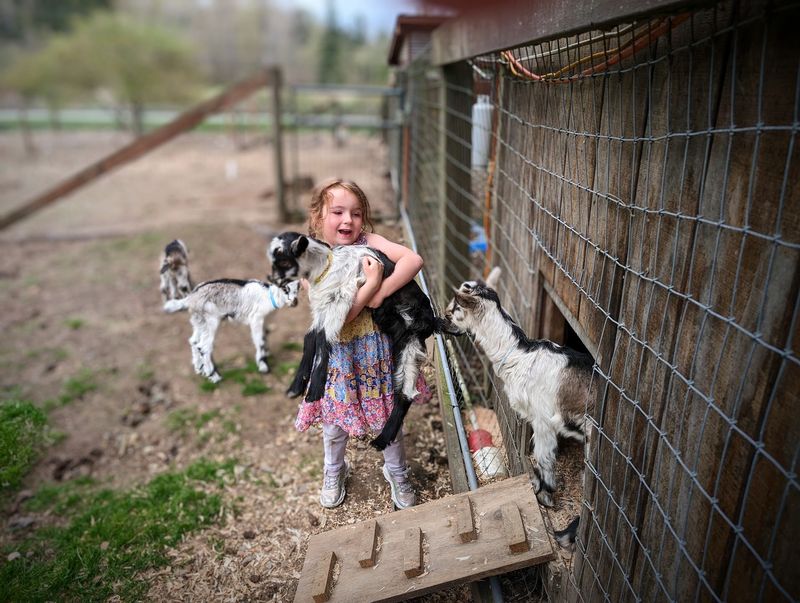
Every single goat kid at Left Foot Farm is bottle-raised and handled daily. That explains why the herd is so comfortable around people.
This goat dairy sits at the base of Mount Rainier. Visitors can walk the pastures without tickets or reservations.
Bottle-feeding usually happens during spring kidding season. Guests in one of the three farm cabins or in certain programs may feed babies less than a week old.
The herd includes Nigerian Dwarf, Nubian, and Mini Nubian goats. Nubians are known for their long, floppy ears.
The milking parlor shows how a dairy runs day to day. Goat 101 classes help curious visitors learn the basics of raising goats.
School field trips let kids bottle-feed babies, milk a goat by hand, and meet chickens, ducks, and geese.
Early risers might spot elk crossing the lower pastures. Bring binoculars just in case.
A farm store on site sells fresh goods and souvenirs. A cabin stay during kidding season is the surest ticket to feeding time.
9. MSU Tollgate Farm and Education Center, Novi, Michigan
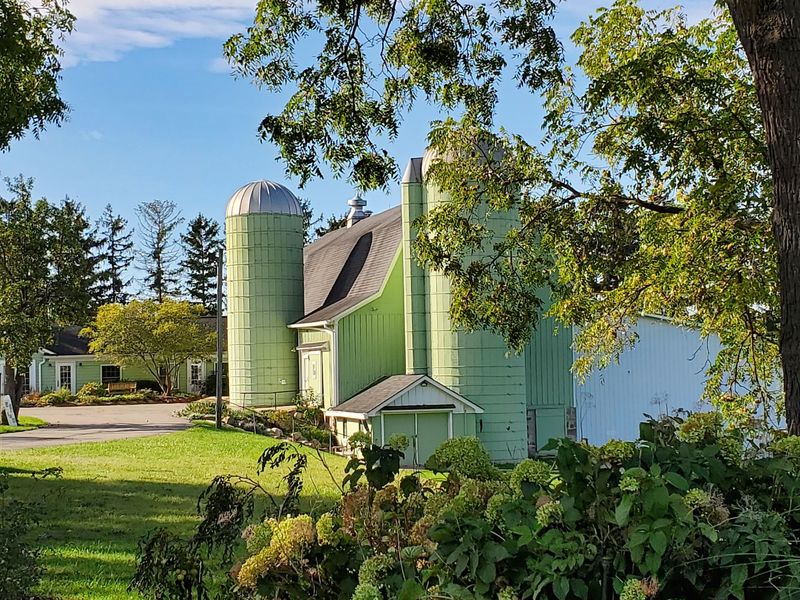
Thirteen goat kids arrived at this farm in spring 2026, and each one handled a one-liter bottle with ease. Hundreds of visitors helped hold them.
MSU Tollgate Farm and Education Center covers 160 acres near Detroit. Michigan State University and the Americana Foundation own the historic farmstead.
The spring Milk and Meet program is the place to bottle-feed baby goats. Staff explain goat breeds, horn removal, and daily care while kids eat.
Registration is required, and spots fill up quickly. Ordinary visits do not include feeding or entering the animal barns.
Plenty happens here all year. Programs cover pumpkin harvests, maple syrup, animal coverings, and hatching eggs.
Goats: Hooves to Hands lets participants try milking a goat. They also learn to make goat milk hand lotion.
The grounds open daily from 8 AM to dusk. Fields, gardens, historic buildings, and farming demos are free to explore.
Watch the farm’s website in late winter so you can sign up early.
10. Outside Inn Campground, Santee, South Carolina
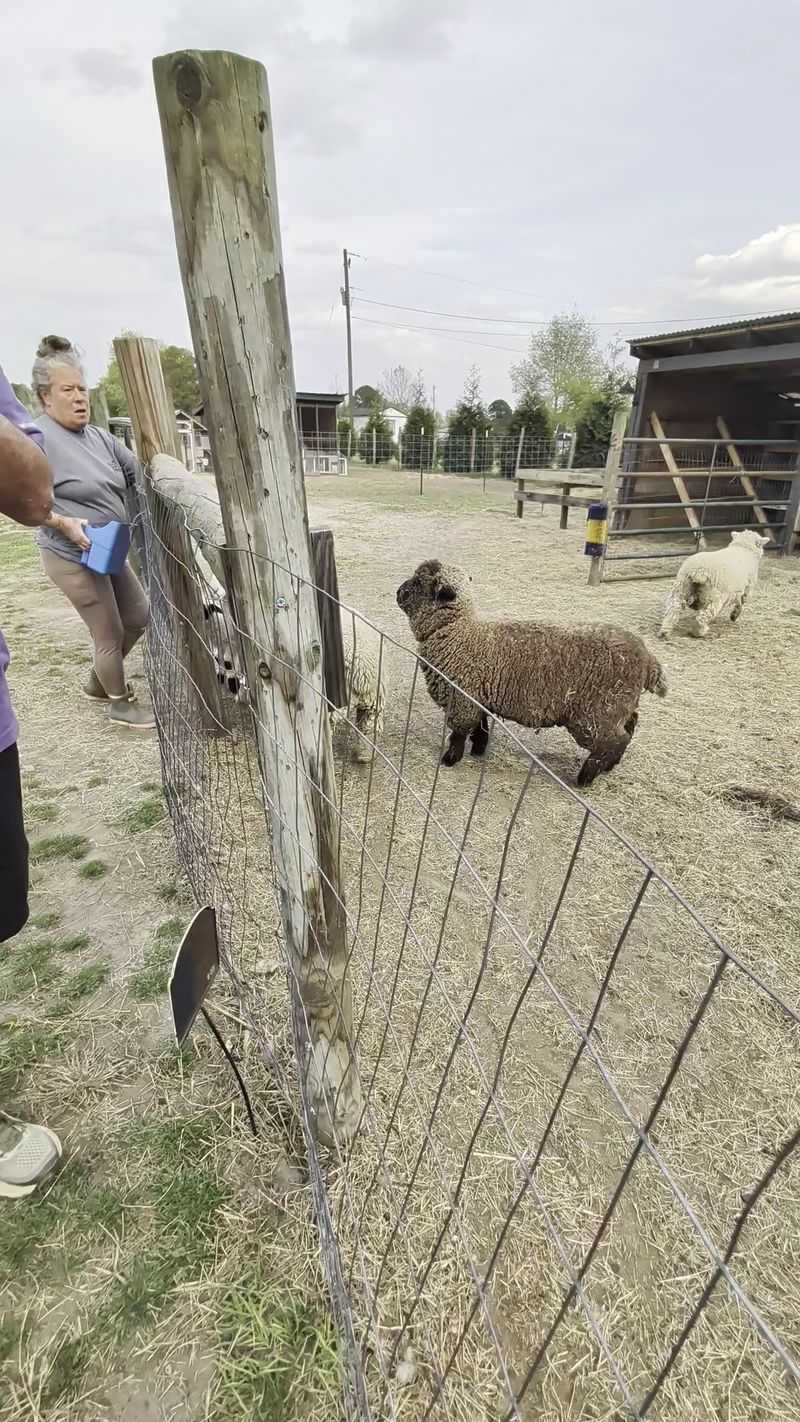
Most campgrounds offer a picnic table and a fire ring. Outside Inn Campground adds Highland cattle, sheep, and goats.
The 60-acre property includes 15 acres of fenced pasture. Over 25 named animals live there, including Valais Blacknose sheep, Nigerian Dwarf goats, Kunekune pigs, and a donkey.
Feedings happen twice daily at 9:30 AM and 6:30 PM. Guests are welcome to join both.
When lambs, calves, or goat kids are on the farm, campers may help with bottle-feeding. It beats roasting marshmallows as an evening activity, though you can do both.
RV sites and glamping units come with full hookups and free Starlink WiFi. Wooded hiking trails stretch 1.5 miles from the sites.
Guests can collect eggs from the chicken hutch for breakfast. A self-serve farmstand, bathhouse, laundry, and playground cover the basics.
Private farm tour and snuggle sessions give extra time with the animals. Lake Marion and Congaree National Park are both close by for day trips.
11. Animal Farm Petting Zoo, Manorville, New York
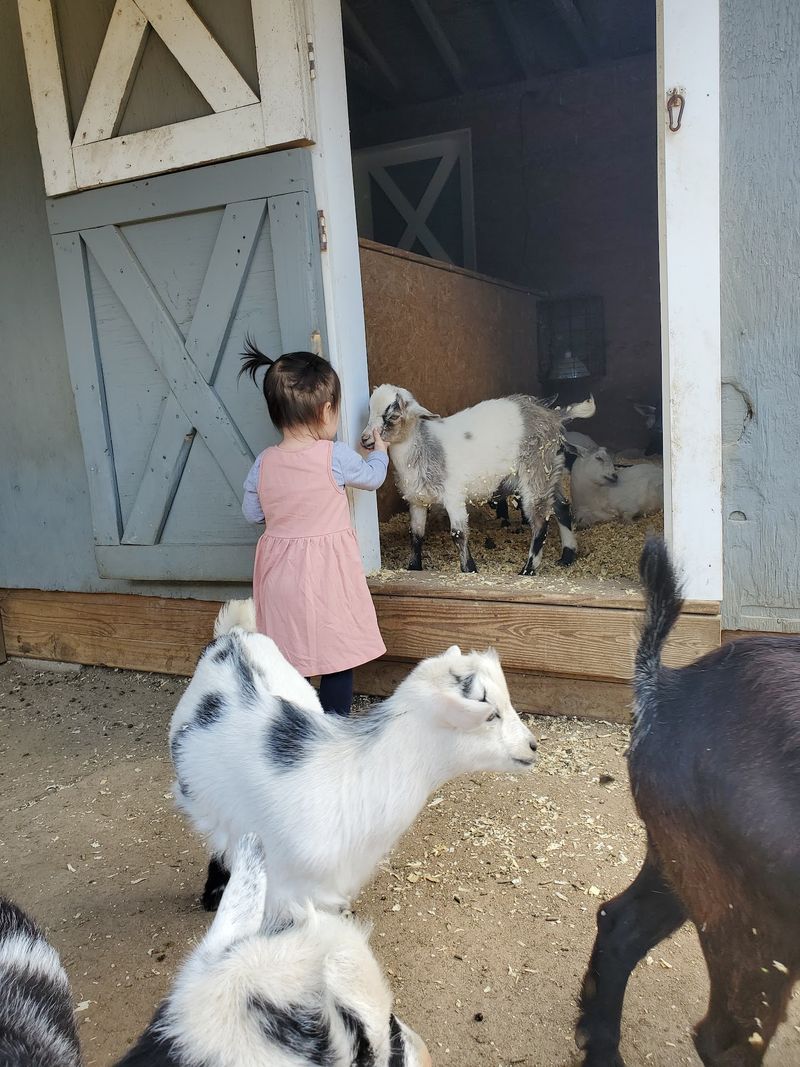
Since 1981, this Long Island favorite has handed out milk bottles to eager families. It is run by the nonprofit Long Island Zoological Society.
The 10-acre park cares for hundreds of rescued animals. Visitors can bottle-feed baby pigs, goats, and sheep when they are available.
Hand-feeding goes far beyond the barnyard. Mini cows, llamas, deer, wallabies, emus, parrots, and large tortoises all accept snacks.
Milk bottles and souvenir feed buckets are sold on site. That keeps the animals on a proper diet.
The Baby Barn holds bunnies, chicks, ducklings, and guinea pigs for cuddling. Residents change week to week.
Shaded grounds include playgrounds, a giant super slide, and picnic areas. Pony rides, a Safari Train, and the Super Cow Musical Puppet Show keep little ones busy.
The zoo opens daily from April through October, usually 11 AM to 5 PM. Group and birthday party discounts are available.
It makes an easy escape from city traffic for a full afternoon.
12. Rainbow Ranch Petting Zoo and Exotic Animal Farm, Nashville, Illinois
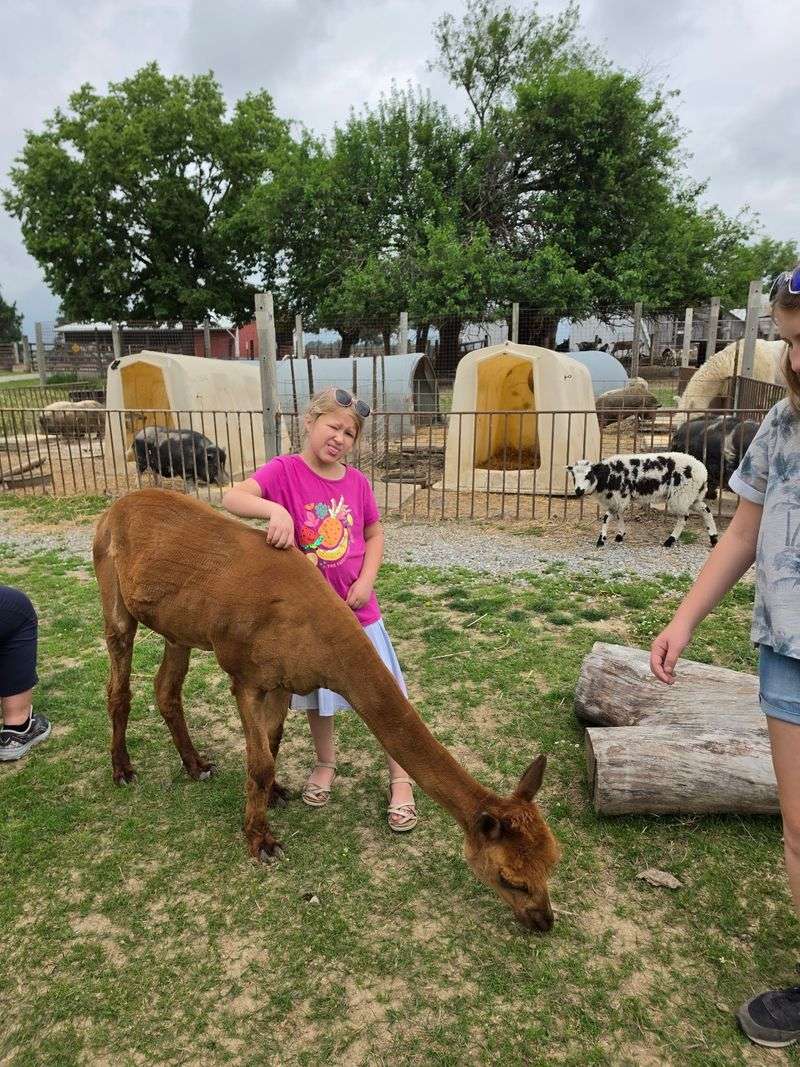
Meet Ziggy the zebra, then go feed a calf. Few farms can offer that combo.
Rainbow Ranch sits on a 170-year-old family farm in the Illinois countryside. More than 200 animals live here.
Llamas, alpacas, goats, cows, and pot-belly pigs share space with camels, kangaroos, and emus. There is even a zedonk, part zebra and part donkey.
Spring brings the Baby Bonanza. Guests may bottle-feed calves and goat kids when the babies are ready for supervised feeding.
Feeding depends on which youngsters are available, so calling ahead helps. Staff guide each session.
The fall pumpkin patch runs in September and October, and every paid admission includes a free pumpkin. Christmas in the Barn fills November and December weekends.
Hours run Wednesday through Sunday, 10 AM to 4 PM, from April 1 to October 31. Group tours are welcome.
The ranch also hosts farm weddings and runs a mobile zoo. It is a fitting finale for any baby animal road trip.
Share this story