Some of the best trails in central Massachusetts sit just off a quiet road, with barely enough parking for a handful of cars. Tucked into the woods near a pond, a wildflower blooms in late spring that most people walk right past without knowing what they are looking at.
The wild pink lady slipper is a native orchid, and it grows here along shaded paths lined with mountain laurel and old stone walls. This double-loop trail stays peaceful even on weekends, which makes it feel like a secret most locals would rather keep.
Getting here costs nothing, the walk takes about an hour, and the reward is a slice of woodland calm close to Worcester. Keep reading to learn where it hides and how to find those orchids yourself.
Where the Trailhead Actually Hides
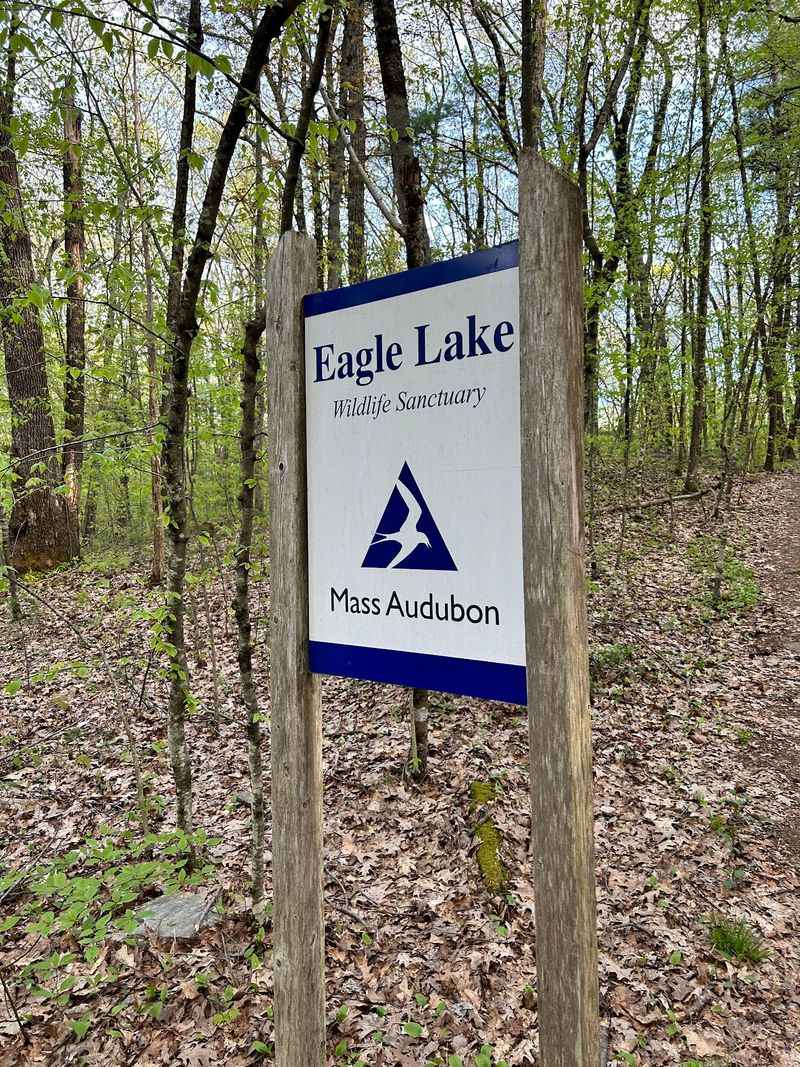
Finding the entrance takes a little patience, which is part of the charm. Mass Audubon’s Eagle Lake Wildlife Sanctuary sits along Causeway Street in Holden, Massachusetts, 01520, a short drive north of Worcester.
Parking is a simple pullout next to the road with room for maybe five cars. It sits about a quarter to a half mile past Eagle Lake’s main entrance, so slow down or you will drive right by it.
The trailhead opens off Causeway Street and leads straight into the woods. There is no big welcome center or gift shop, just a marked path and quiet trees.
Because the lot is small, arriving early gives you the best shot at a spot. That same small footprint is exactly why the trails rarely feel crowded, even on a nice Saturday.
The Star of the Show: Wild Pink Lady Slippers
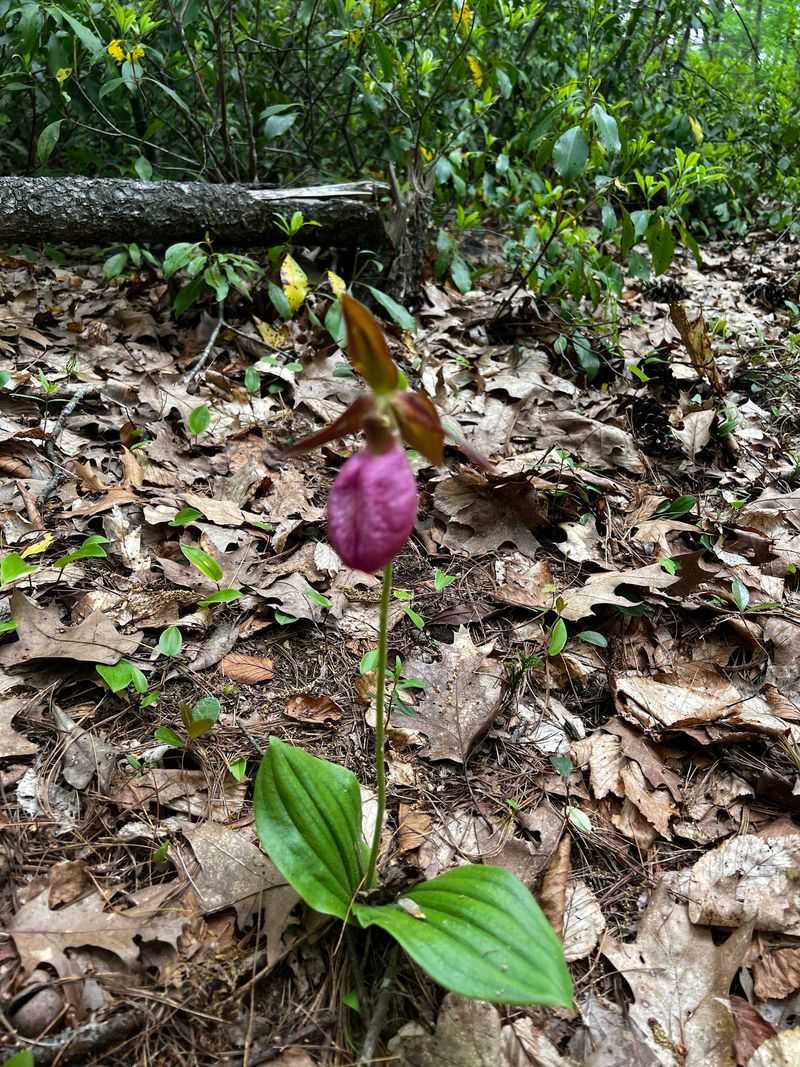
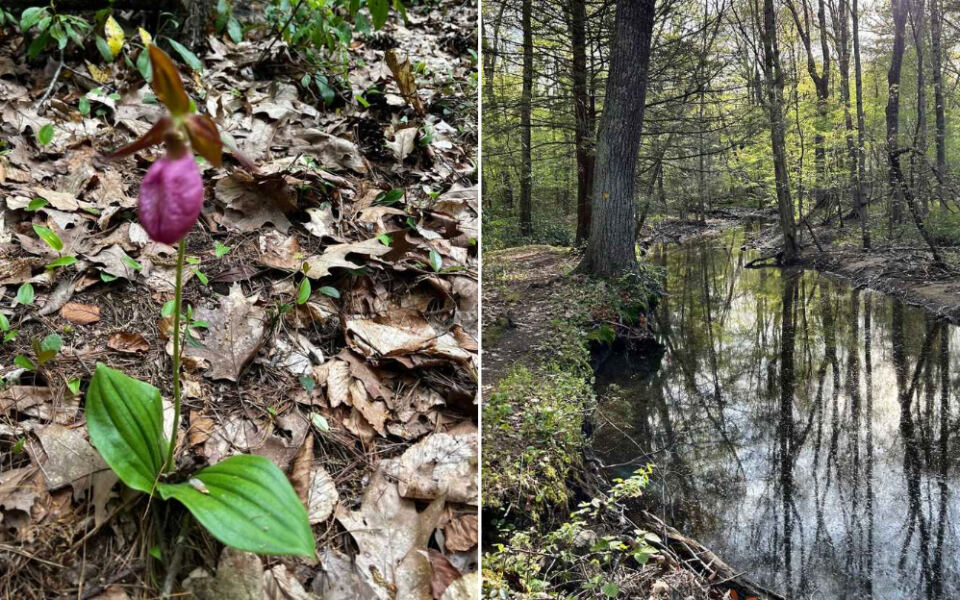
Late spring turns this sanctuary into orchid territory. The wild pink lady slipper, a native woodland orchid, has been spotted right along these trails.
The blooms are delicate and easy to miss if you are hurrying. They rise from the forest floor among ferns and low shrubs, a small burst of pink against all the green.
Here is a fun bit of nature trivia: lady slippers can take many years to produce their first flower, and they rely on a special fungus in the soil to grow. That is why picking them or digging them up almost never works.
Admire them where they stand and leave them for the next walker to find. Spotting one feels like a little woodland reward, and it is the kind of detail that keeps people coming back each May.
A Double Loop Built for Any Pace
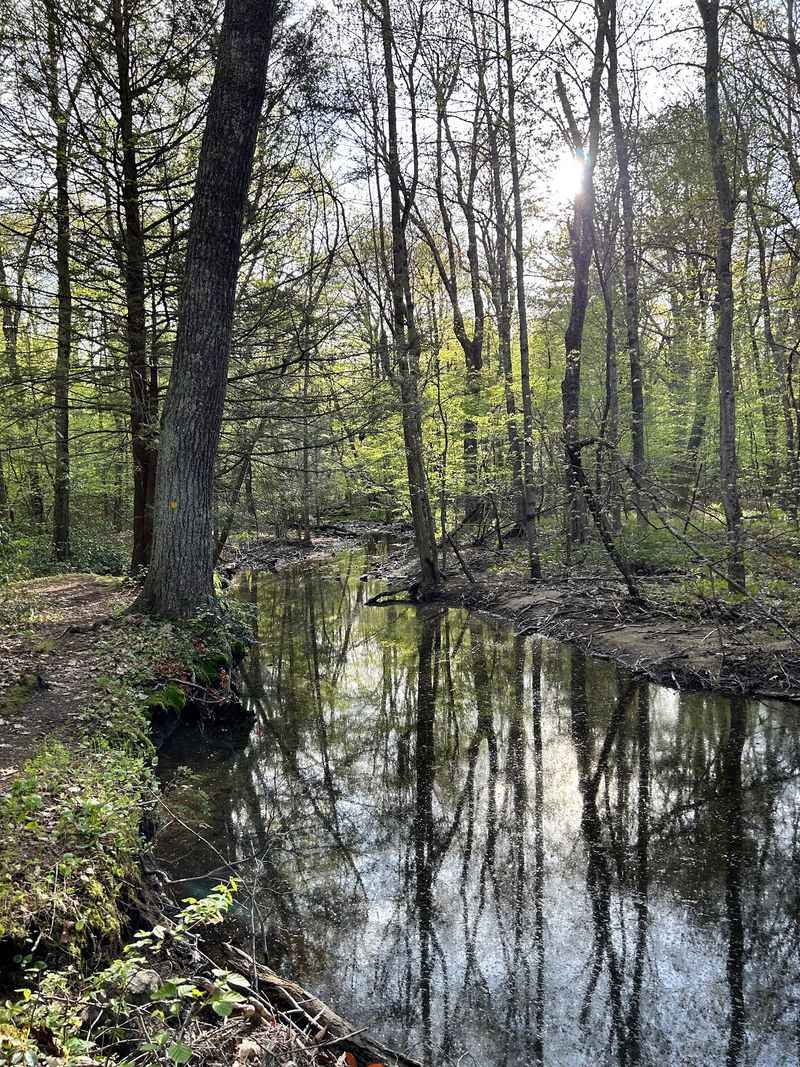
Flexibility is the quiet strength of this trail system. The full walk runs roughly 2.4 miles across two connected loops, and you can shorten it whenever you like.
Folks who want a quick outing can take the short loop, which comes in around 25 minutes. Those who want real walking can string the loops together for a full circuit.
Without stopping, the whole thing takes close to an hour and forty minutes for some, while others clock it near an hour. The rolling hills add just enough effort to feel like exercise without wearing you out.
Trail names like the Appleton Loop and the Asnebumskit Loop connect through a section walkers call the municipal pipeline. Mix and match them, and you can tailor the day to your mood.
Following the Blue and Yellow Discs
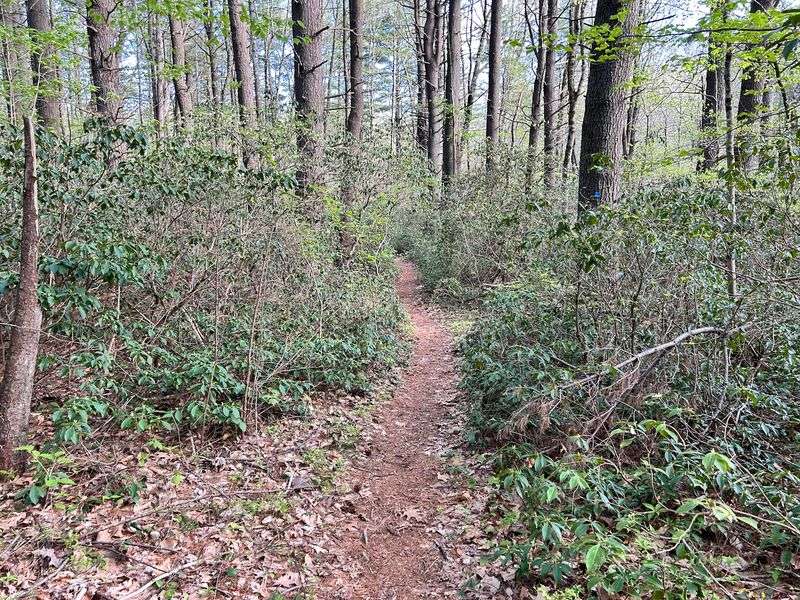
Navigation here is refreshingly simple once you know the code. The single-track paths are marked with colored discs nailed to the trees.
Blue discs point you away from the parking area as you head out. Yellow discs guide you back toward the lot on the return.
That two-color system makes it hard to get truly turned around, even on a longer loop. Walkers regularly mention how well marked the trail is, with only a few spots that get a little vague.
Keeping an eye on the discs also lets you relax and watch for wildflowers instead of worrying about direction. A quick glance up at the next tree usually confirms you are still on track.
Mountain Laurel, Ferns, and Old Stone Walls
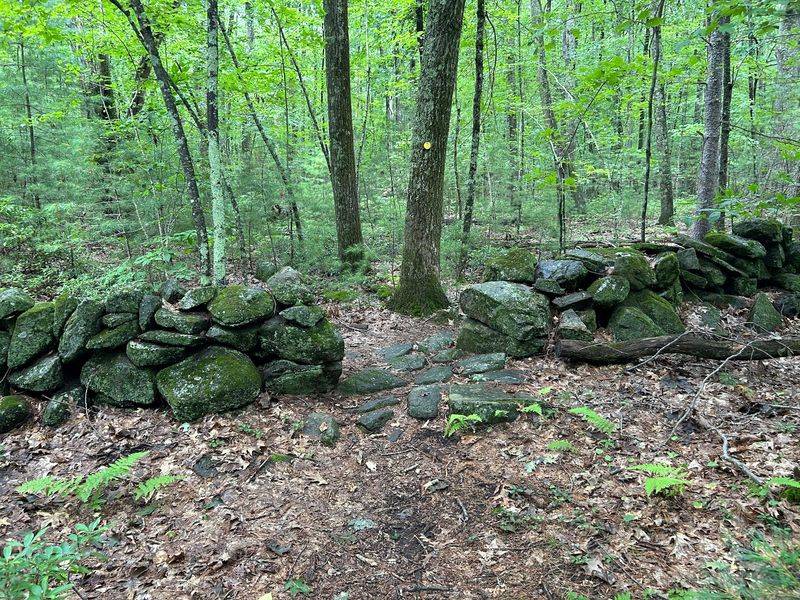
The understory here does a lot of the heavy lifting when it comes to scenery. Mountain laurel dominates the shrub layer, and it comes up again and again as a favorite feature.
Ferns fill in the gaps along the path, giving the woods a soft, layered look. In the right season, the laurel adds its own bloom to the mix.
Scattered through the trees are old stone walls, the kind that hint at farmland from long ago. Walkers often call them very good stone walls, and they add a quiet sense of history to the route.
These details reward the slow walker more than the speed hiker. Take your time and the woodland reveals little chapters of the land’s past.
Glimpses of the Lake and Pond
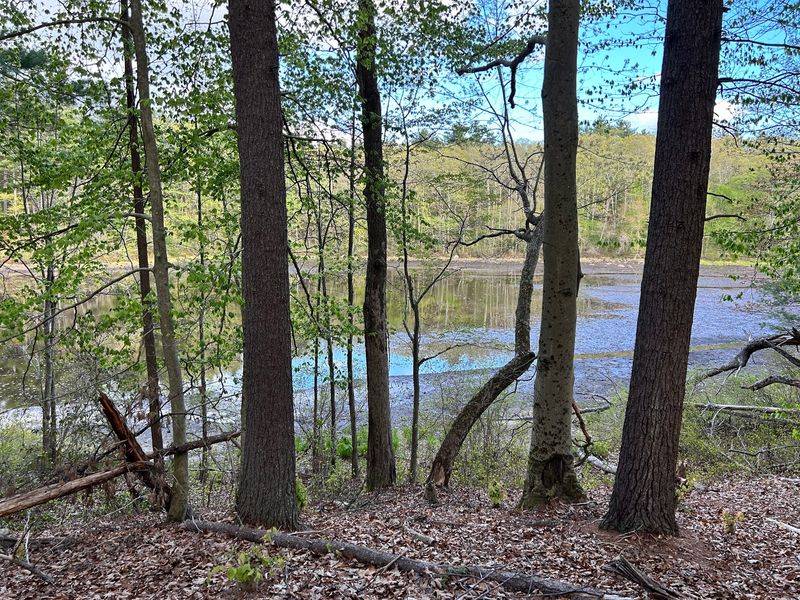
Water plays a supporting role rather than a starring one at this sanctuary. Eagle Lake and nearby Stump Pond appear along the way, though the trail keeps some distance from the shore.
You will catch a glimpse of the lake at a point or two, and a short stub trail leads down to the water. There is no path that follows the shoreline the whole way.
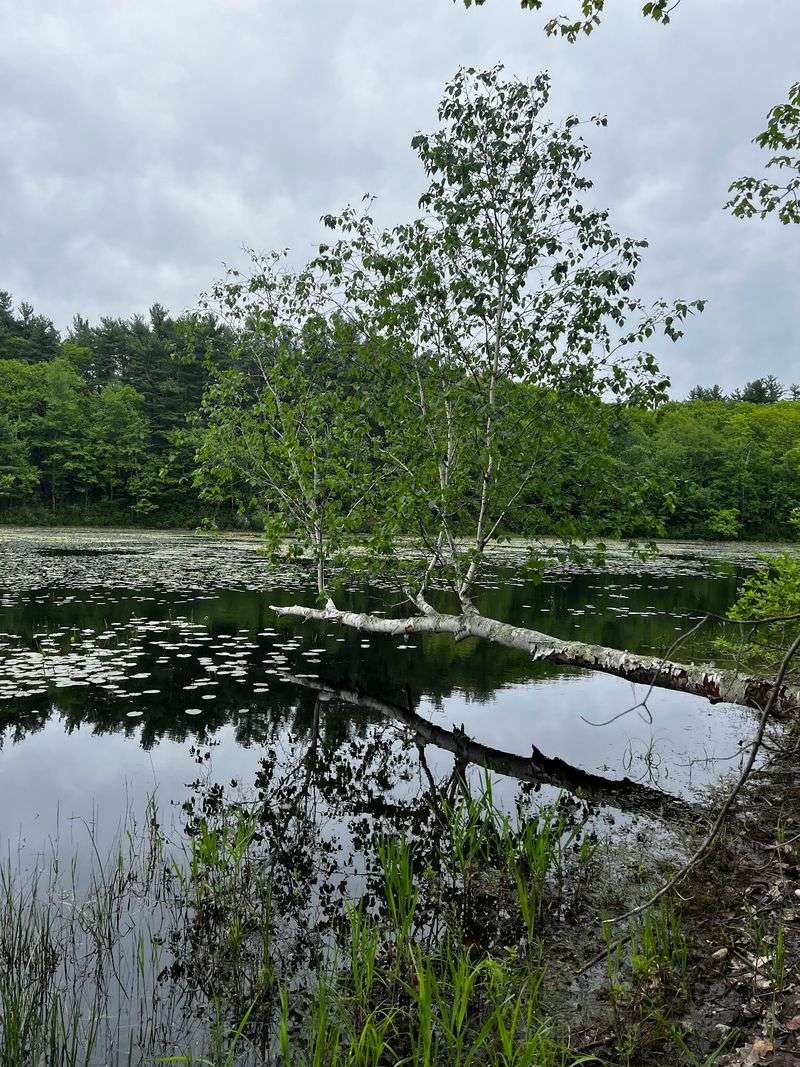
In warmer months the pond can look weed choked, with plants filling much of the surface. In winter the frozen lake becomes a striking sight for those who visit in the cold.
Setting expectations helps here. This is a woodland walk with water views mixed in, not a lakeside stroll, and knowing that ahead of time makes the glimpses feel like bonuses.
Peace, Quiet, and Who It Suits
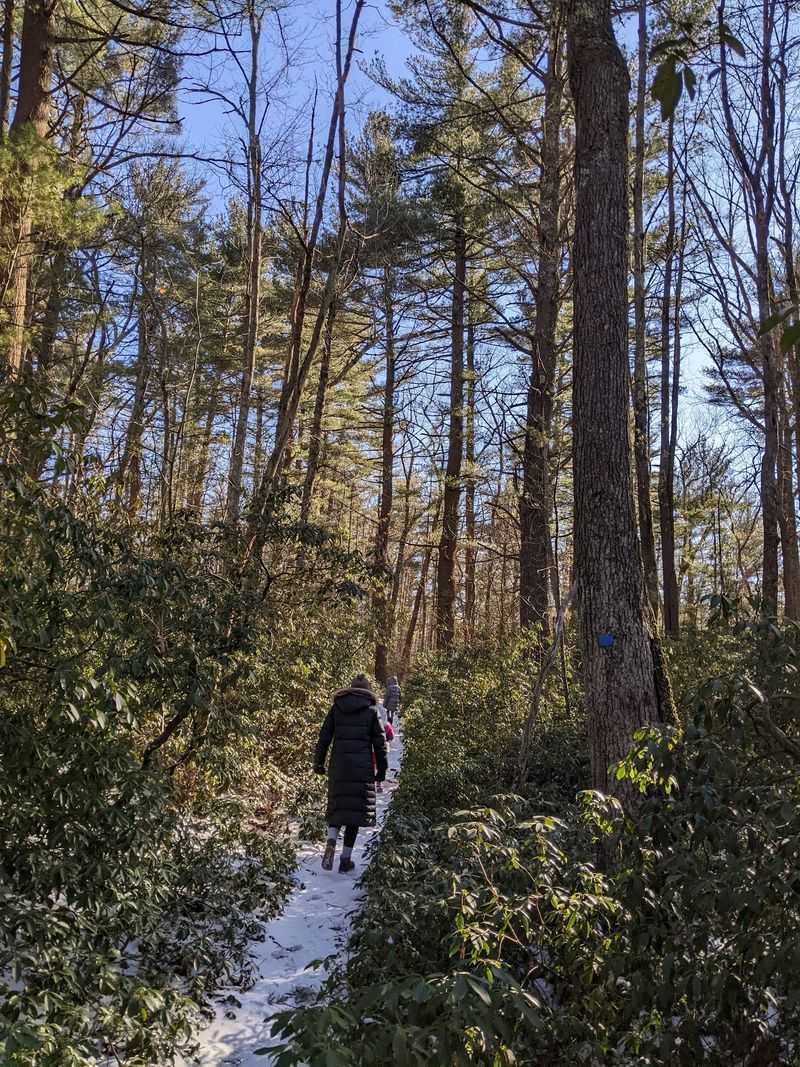
Solitude is the real draw for people who keep returning. The sanctuary earns its secluded reputation, with some walkers seeing only a couple of other people across a full three-mile loop.
Families do well here, and the shorter loop suits kids who are not ready for a long march. The gentle hills keep it manageable for a wide range of ages.
The woods stay shady and cool, so a light jacket can be smart on days that are not warm. In damp, humid weather after rain, insects like mosquitoes and flies can be active, so a little bug spray goes a long way.
One important note for pet owners: dogs are not allowed. That rule helps keep the sanctuary calm for wildlife and for the orchids that make it special.
Hours, Cost, and Planning Your Visit
Getting here is about as low-effort as a day trip gets. The sanctuary is open daily from 7 AM to 7 PM, so early risers and after-work walkers both have a window.
There is no admission booth, and the roadside pullout keeps parking simple, if limited to a few cars. More details live on the Mass Audubon site at massaudubon.org/eaglelake.
Plan for a walk of about 45 minutes to nearly two hours depending on which loops you link together. There are no picnic facilities, so eat before or after rather than expecting tables.
Late May into June is prime time for the pink lady slippers, while fall brings color and winter shows off the frozen lake. Rated 4.6 stars, this quiet Holden sanctuary is one of the more rewarding low-cost outings near Worcester, and it stays a place locals are happy to keep to themselves.
Share this story