One three-acre space in Little Rock manages to function as a garden, classroom, market, and community gathering place all at once. Vegetables and fruit grow alongside a greenhouse, chicken coop, beehives, fruit trees, and an outdoor teaching kitchen.
Then there is the feature most first-time visitors probably do not expect: a working wind turbine rising above the garden beds. The site also offers community composting and hosts hundreds of students each month for hands-on lessons about food, conservation, and sustainable living.
The community side goes even further. A seasonal pay-what-you-can market makes fresh produce more accessible, while live music, workshops, local restaurant partnerships, and a Little Free Pantry turn this green space into much more than a place to grow vegetables.
1. A Green Heart in Downtown Little Rock
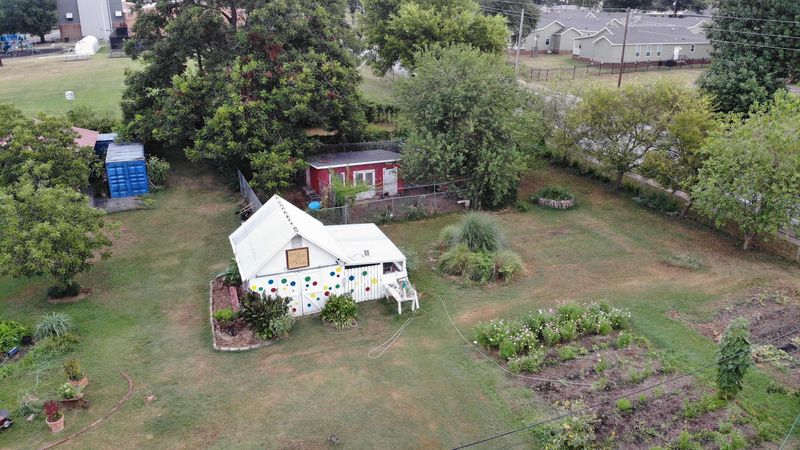
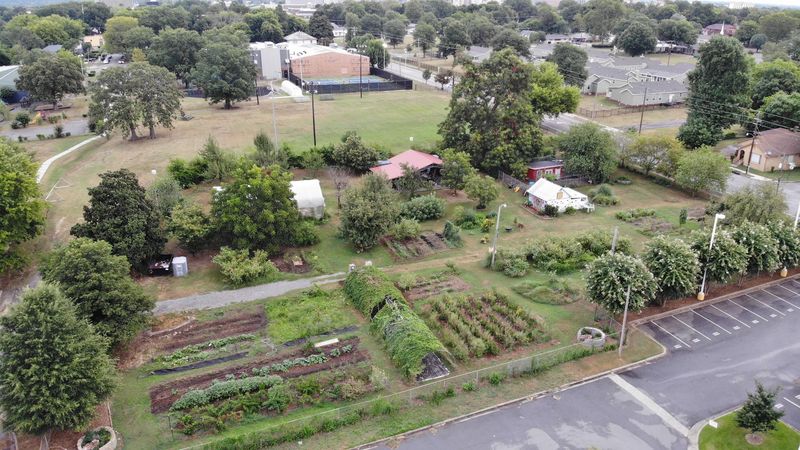
Right in the middle of a busy urban neighborhood, there is a three-acre community garden at 1720 South Chester Street, Little Rock, AR 72206, tucked into the Paul Laurence Dunbar neighborhood of Downtown Little Rock. The garden sits next to Gibbs Elementary, Dunbar Middle School, the Dunbar Community Center, and the Sue Cowan Williams Public Library, making it a natural gathering point for the whole area.
The public entrance gate sits at the corner closest to Chester Street and the library, so it is easy to find on foot. The garden is open weekdays from 10 AM to 2 PM, and you can reach the team at (501) 244-9200 or visit dunbargarden.org for the latest updates.
Seeing this much green space surrounded by city streets feels genuinely refreshing, and the layout makes it clear that every square foot has been planned with both people and plants in mind.
2. Arkansas’s Oldest Educational Urban Garden
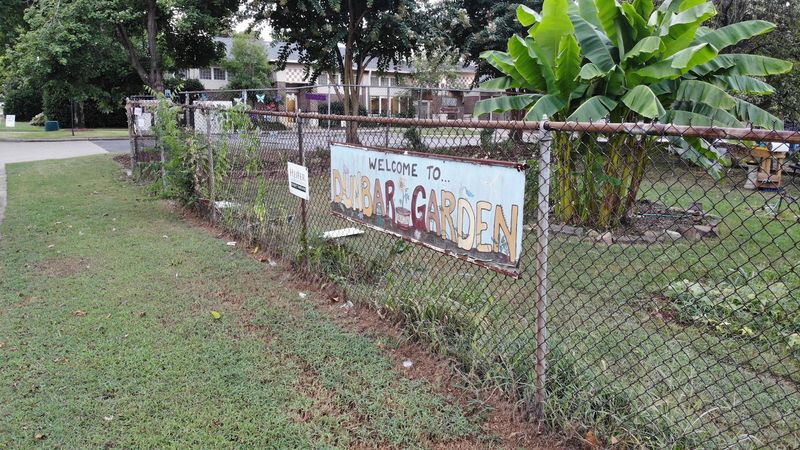
Founded in 1992, Dunbar Garden holds the title of Arkansas’s oldest urban garden with a primary focus on education, which is not a small thing in a state with a rich agricultural history. The garden began through a collaboration between Pratt Remmel, the Little Rock School District, and Arkansas Urban Gardening Educational Resources, known as AUGER, with key early funding coming from a donation by Helen Porter.
The Little Rock Garden Club provided crucial initial financial support and continues to show up with both money and volunteer hours to this day. Heifer International also joined as an early partner, adding an international perspective to a very local mission.
Around 2003, the garden shifted away from individual rented plots toward a fully educational model, because many plots were going unmaintained and the community needed something more organized and purposeful. That pivot turned out to be the decision that shaped everything Dunbar Garden has become since.
3. The Mission That Keeps the Soil Alive
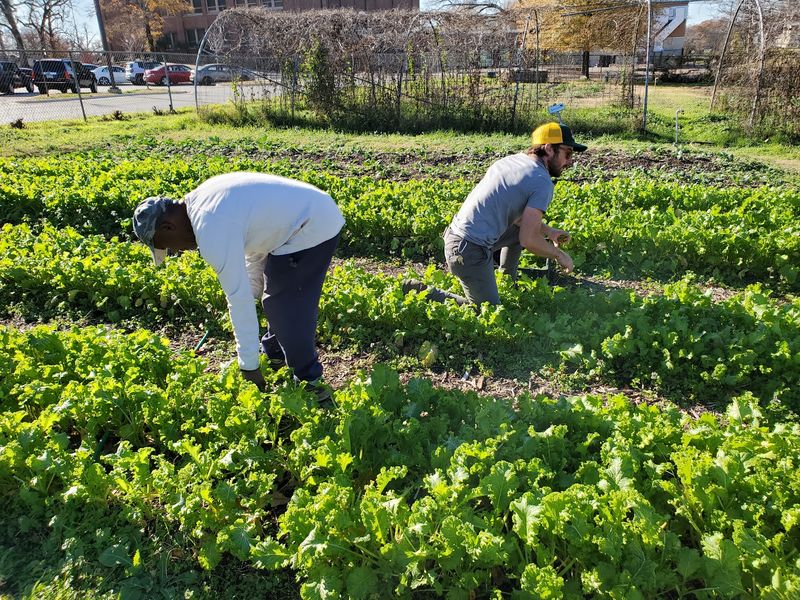
Dunbar Garden operates as a registered 501(c)(3) nonprofit, and its core mission is to offer educational resources and hands-on opportunities for youth, families, and the broader community through sustainable urban agriculture. The goal is straightforward: connect people with where their food comes from and make that connection feel personal and real.
The garden works to increase access to high-quality local food, supports the development of urban teaching gardens in the community, and helps both children and adults feel genuinely comfortable spending time outdoors. There is a focus on showing how agriculture, conservation, and the environment are all tied together in ways that affect everyday life.
That kind of mission sounds serious on paper, but the garden delivers it in a way that feels approachable and warm. Whether a visitor is five years old or fifty-five, there is something here that makes the natural world feel less distant and a lot more interesting.
4. What Three Acres Can Actually Hold
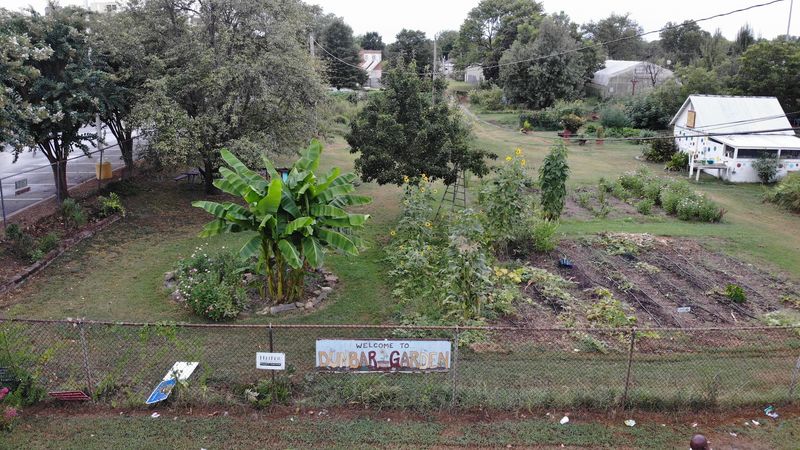
Three acres might not sound enormous, but Dunbar Garden manages to pack a remarkable amount into that space. The grounds include mixed vegetable, fruit, and flower crops grown using sustainable agricultural practices, along with a fully functional greenhouse, a chicken coop, dedicated areas for bees, and sections planted with fruit trees.
Each of these features serves a purpose beyond just looking nice. The greenhouse extends the growing season, the bees support pollination across the whole garden, the chickens provide eggs and a living lesson in animal care, and the fruit trees offer long-term food production that benefits the whole neighborhood.
The layout feels intentional rather than crowded, with clear paths and well-maintained beds that make it easy to walk around and take everything in. Visitors who expect a simple patch of vegetables often leave genuinely surprised by how much variety and thoughtful planning has gone into every corner of this space.
5. A Wind Turbine in the Garden
One of the most unexpected things you will spot at Dunbar Garden is a wind turbine rising above the vegetable beds. The 3.7-kilowatt Skystream wind turbine was installed through a partnership with the Sierra Club and the City of Little Rock, making it a tangible symbol of the garden’s commitment to renewable energy.
Having a working wind turbine in a community garden is a rare sight anywhere in the country, and it gives the space a distinctive visual identity that sets it apart from every other urban garden in Arkansas. It also serves as a conversation starter, especially for the hundreds of students who visit each month and might never have seen one up close before.
Beyond the turbine, the garden also runs a community composting program, offering free composting services to local residents. That combination of wind energy and composting makes Dunbar Garden a genuine model for what sustainable urban spaces can look like in practice.
6. Hundreds of Students, One Outdoor Classroom
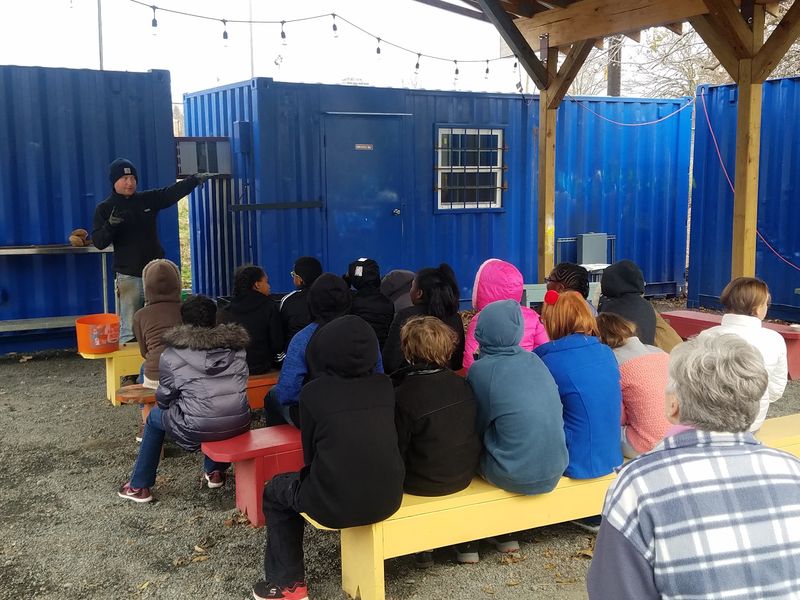
The numbers here are genuinely impressive. Dunbar Garden regularly hosts over 700 students per month from local schools, with Gibbs Elementary and Dunbar Middle School being among the most frequent visitors.
Community groups, volunteer organizations, church groups, homeschool families, and scout troops also rotate through throughout the year.
The garden functions as a living classroom where students can touch, smell, taste, and observe things that no textbook can fully replicate. A child who plants a seed, waters it over several visits, and then picks the vegetable it becomes has learned something that sticks in a way that a worksheet simply cannot match.
Teachers appreciate the flexibility of the space, which can accommodate different age groups and curriculum goals. The outdoor setting also benefits kids who find traditional classrooms difficult, giving them a different kind of environment where focus comes more naturally.
And there is always something new growing, which means no two visits feel exactly the same.
7. The Pay-What-You-Can Saturday Market
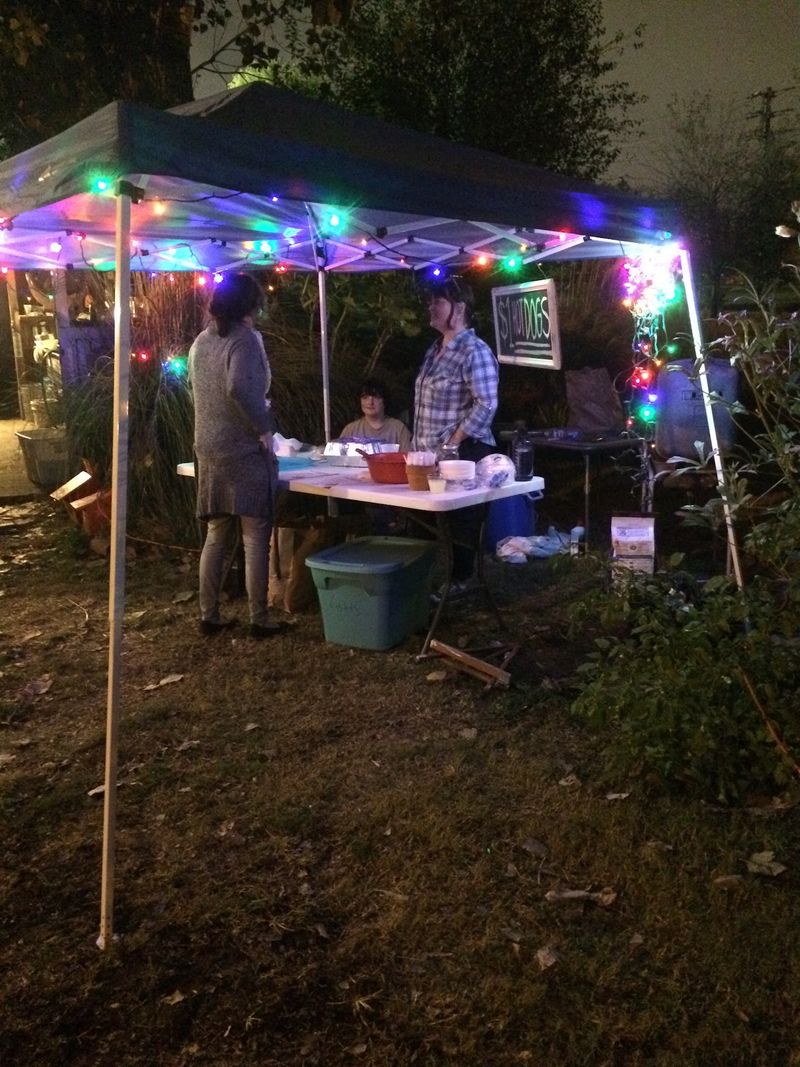
Every Saturday during the growing season, Dunbar Garden opens its gates for a Pay-What-You-Can Market from 9 AM to 1 PM. The market offers seasonal vegetables, herbs, and flowers grown right there on the property, and the pricing model means that access to fresh, locally grown food is not limited by what someone can afford.
That approach is not just generous; it is intentional. The garden believes that healthy food should be available to everyone in the neighborhood, not just those with a comfortable grocery budget.
It is the kind of community thinking that turns a simple market into something with real meaning.
The produce changes with the seasons, so regular visitors discover something different at each visit, from spring greens and herbs to summer tomatoes and sunflowers. Checking the garden’s social media pages before heading over is a good idea, since weather can occasionally affect market hours and listings on any given Saturday.
8. An Outdoor Kitchen That Brings It All Together
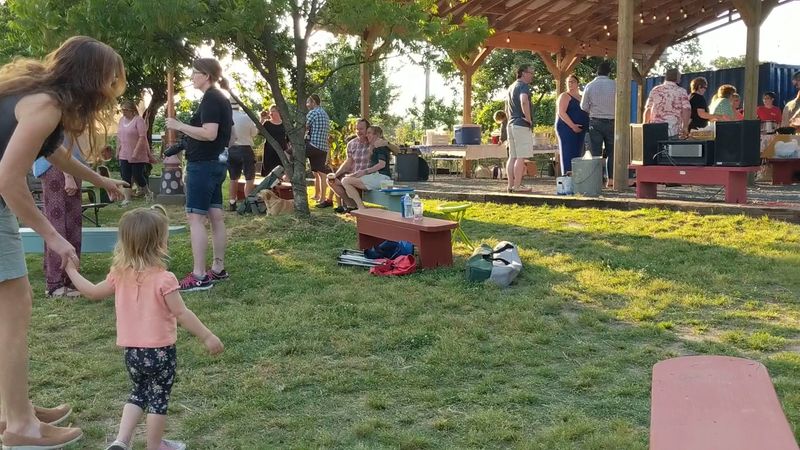
In 2018, the Garden Club of America awarded Dunbar Garden a $10,000 grant, which was used to fund the construction of an outdoor teaching kitchen on the property. That kitchen has since become one of the most popular features of the entire space.
Cooking demonstrations and public workshops take place there throughout the year, connecting the act of growing food with the act of preparing it. There is something satisfying about watching a meal come together using ingredients that were picked just a few feet away, and the outdoor setting makes the whole experience feel relaxed and social.
The workshops cover a range of topics and skill levels, so whether someone is a confident home cook or has never chopped a vegetable in their life, there is something to take away. The kitchen also reinforces the garden’s broader message that sustainable living is not just about growing things; it is about using them wisely and sharing the knowledge with others.
9. The Little Free Pantry and Community Care
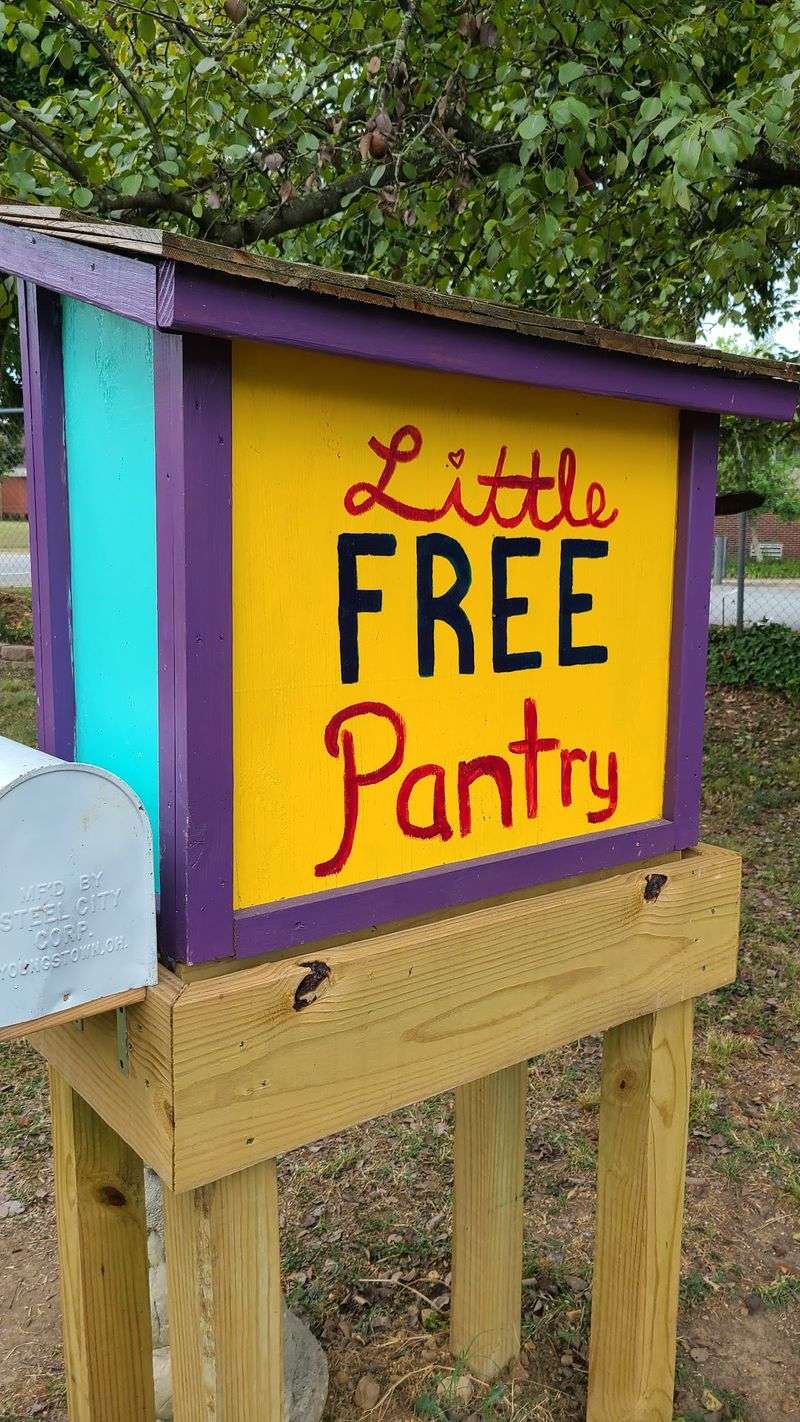
Dunbar Garden cares for the Little Free Pantry Little Rock, a small but meaningful community resource that welcomes donations of non-perishable food items for neighbors who need them. The pantry operates on a simple principle: take what you need, give what you can.
Placing a free food pantry within a community garden is a natural fit. The garden already produces fresh food for the neighborhood through its Saturday market, and the pantry extends that spirit of generosity to include shelf-stable items that keep families fed between market days or during the off-season.
Community members are encouraged to donate regularly, and the pantry has become a quiet but important part of the garden’s identity. It signals clearly that Dunbar Garden is not just a place for people who already have everything they need; it is a space built around the idea that a healthy community means everyone gets to eat well.
That message carries weight in any neighborhood.
10. Live Music, Weddings, and Garden Gatherings
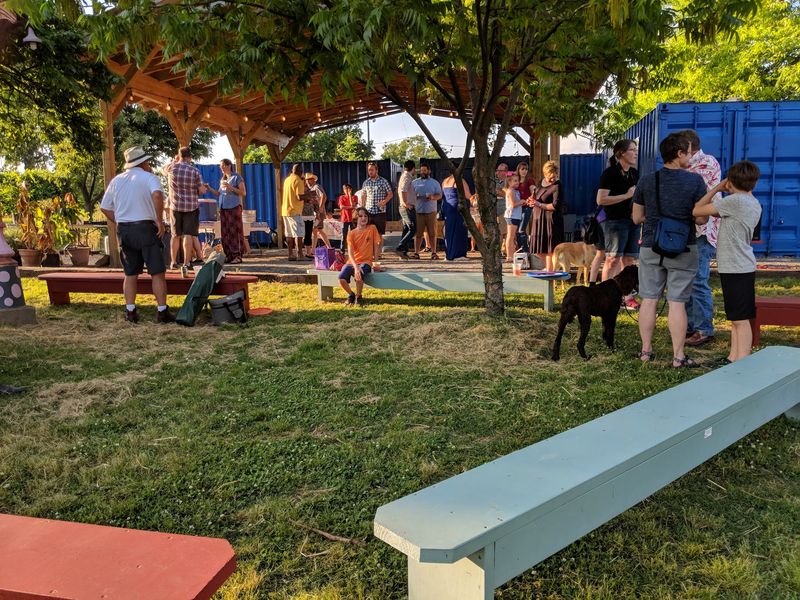
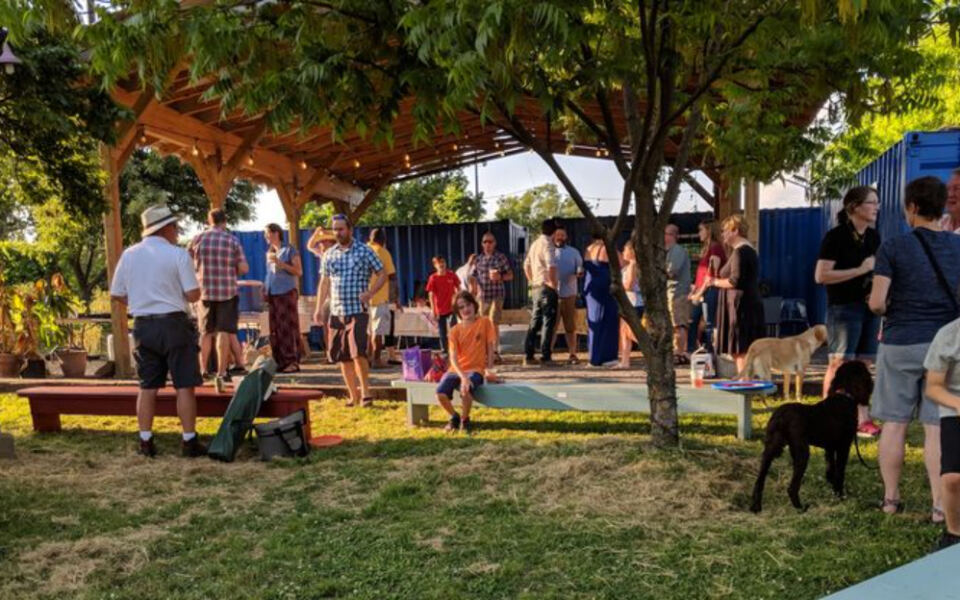
Beyond education and food production, Dunbar Garden has a lively social side that many first-time visitors do not expect. The space is available for rent and has hosted live music events, small weddings, family reunions, potlucks, and birthday parties over the years.
Music in the Garden events have become a favorite for local families, turning the vegetable beds and flower patches into a relaxed outdoor venue with a genuinely unique atmosphere. There is something about listening to live music surrounded by growing things that makes an evening feel a little more special than usual.
The garden’s natural beauty, with its varied plantings, fruit trees, and open green space, makes it a visually appealing backdrop for celebrations of all kinds. Renting the space also supports the garden’s nonprofit mission, so every party or gathering held there contributes directly to keeping the educational programs running.
It is one of those rare situations where having a good time also does some good.
11. Local Restaurant Partnerships and Fresh Produce
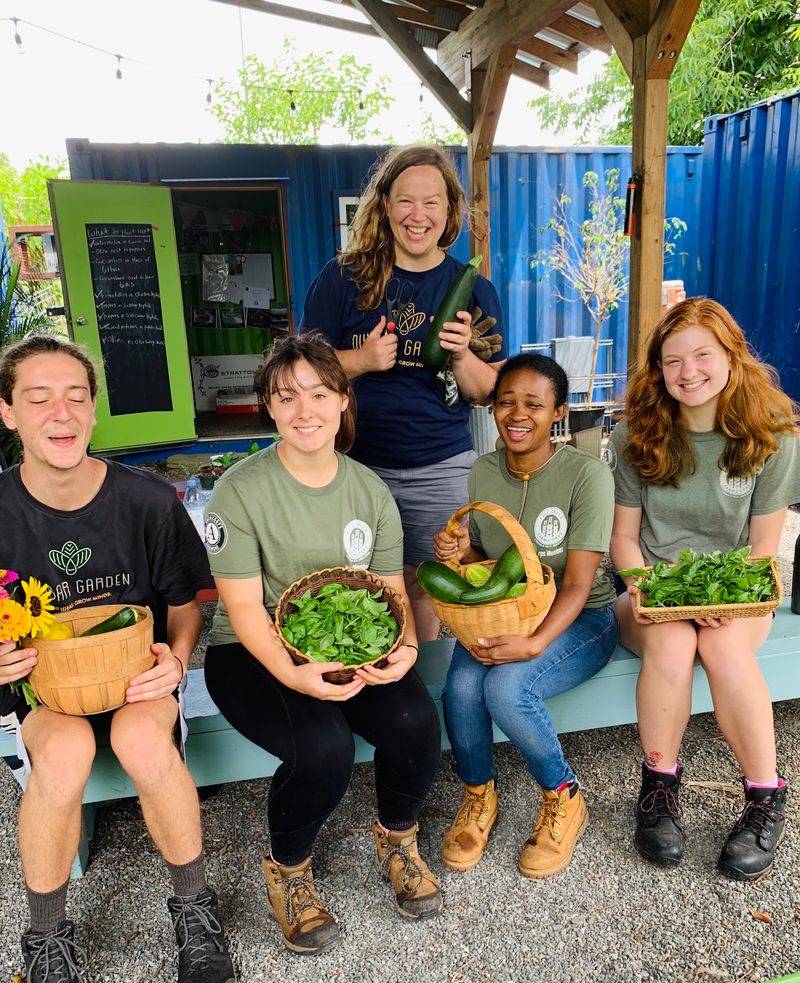
Dunbar Garden has built real working relationships with several well-known Little Rock restaurants, including Raduno, El Sur Street Food Company, and The Root Cafe, among others. Some of these restaurants source produce directly from the garden, creating a short and transparent supply chain that benefits both the kitchen and the community.
Those partnerships matter because they give the garden a steady outlet for its harvest while supporting local businesses that share a commitment to fresh, responsibly grown ingredients. Diners at these restaurants may not always realize that the herbs or vegetables on their plate started their journey just a few miles away in a volunteer-run urban garden.
The relationship also works the other way, with the garden gaining visibility and credibility through its association with beloved local spots. For anyone visiting Little Rock and hoping to experience the city’s food culture, knowing that Dunbar Garden supplies some of its favorite restaurants adds a satisfying layer of connection to both the meal and the place.
Share this story