Most people drive past the white-columned mansion on San Gabriel Street without a second glance. They see a grand Greek Revival facade, assume it is a university building, and keep moving.
What they miss is the structure standing quietly behind it, a small two-story dwelling that holds a piece of Austin history that exists nowhere else in the city. The Neill-Cochran House Museum preserves not only one of Austin’s most architecturally significant antebellum homes, but also the only known intact slave quarters remaining within city limits, making it one of the most important and sobering historic sites in all of Texas.
The Mansion That Architect Abner Cook Built
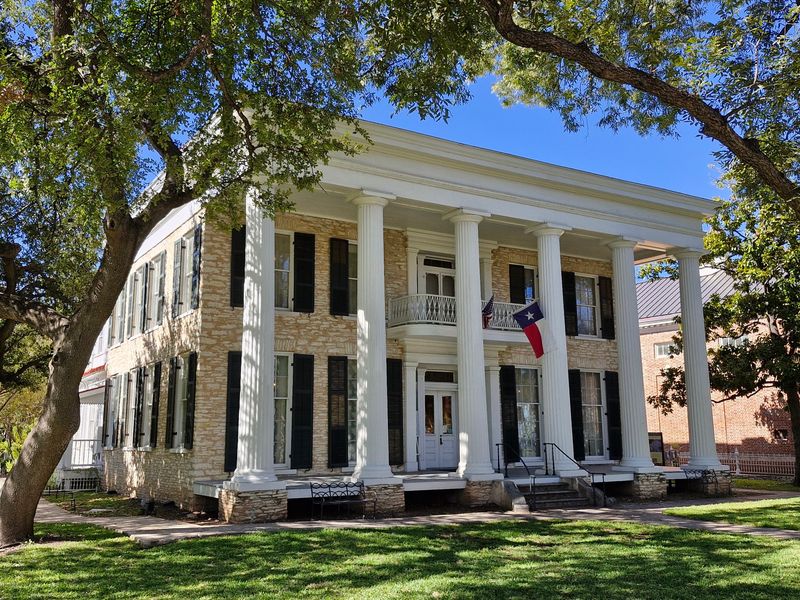
Before you even step through the front door, the architecture stops you cold. The Neill-Cochran House was designed by Abner Cook, the same master builder responsible for the Texas Governor’s Mansion, and his signature style is unmistakable.
Tall white Doric columns rise from a broad front porch, framing a portico that feels both commanding and welcoming at the same time.
Cook completed the house in 1855, and the craftsmanship has held up remarkably well for nearly 170 years. The balustrade running along the roofline is one of Cook’s trademarks, a decorative touch that gives the structure an almost stately rhythm when viewed from the street.
Standing in front of it, you get a real sense of what antebellum Austin looked like when this neighborhood was still at the edge of the frontier. The building earns its place on the National Register of Historic Places.
Finding the Address and Getting There
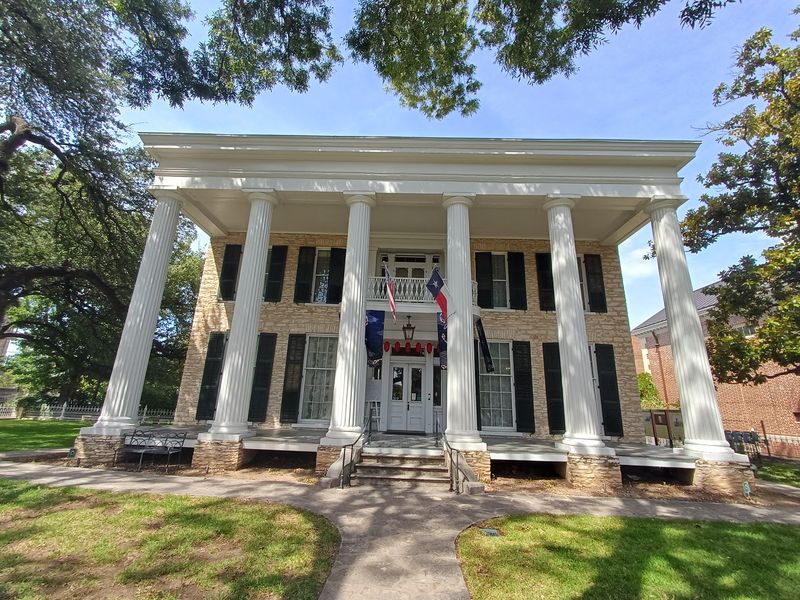
The Neill-Cochran House Museum sits at 2310 San Gabriel Street, Austin, Texas 78705, right in the middle of what is now the university neighborhood known as West Campus. The address puts it closer to the University of Texas than most visitors expect, and that proximity makes it easy to combine with a broader afternoon in central Austin.
Parking is one of those pleasant surprises that rarely happens in this part of town. There is a free lot available in the back of the property, which is practically unheard of for central Austin.
The museum is open Wednesday through Sunday from 11 AM to 4 PM, so plan accordingly if you are visiting early in the week.
The surrounding streets are walkable and lined with older trees that create a canopy effect, softening the urban environment and making the short walk from the parking area feel intentional rather than rushed.
Austin’s Only Remaining Slave Quarters
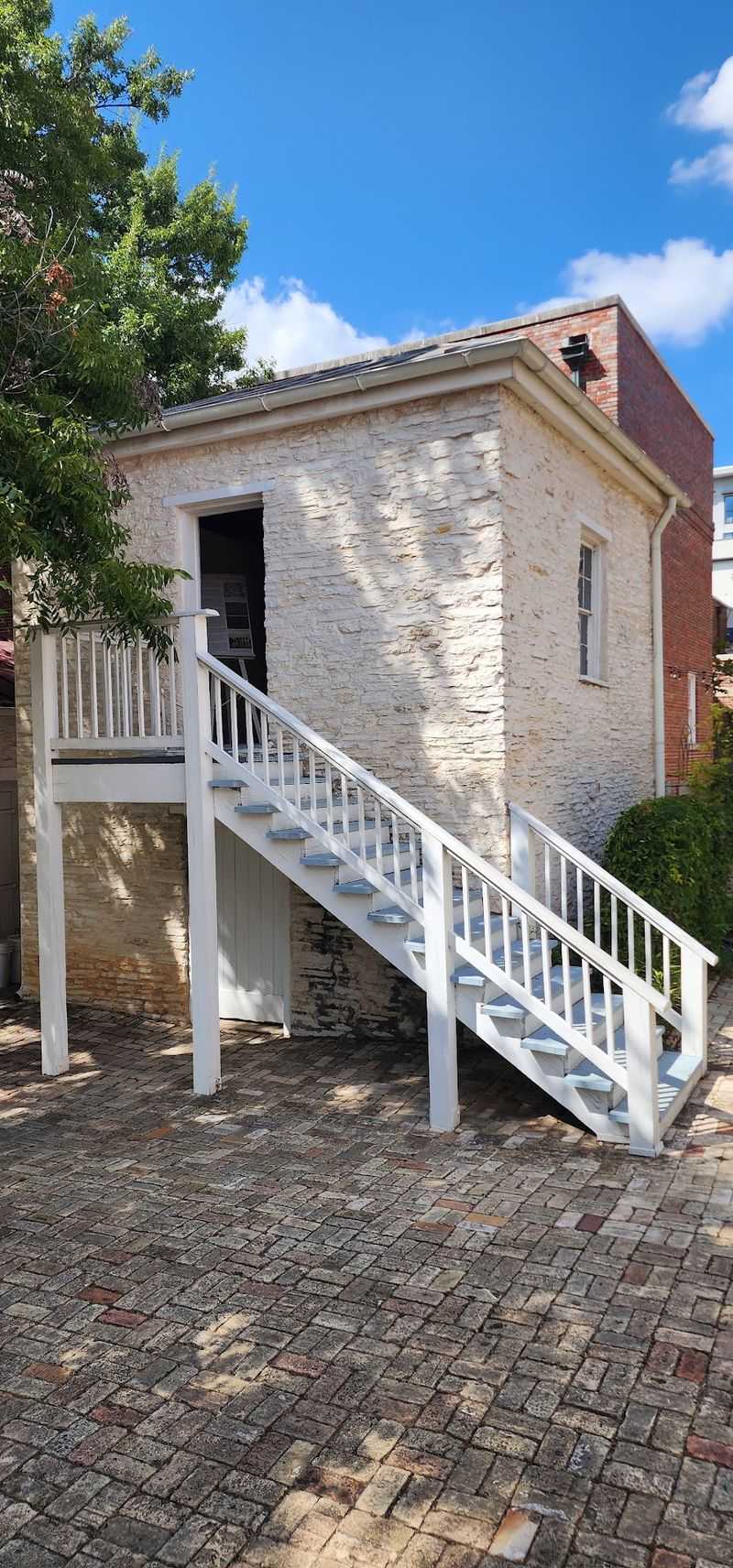
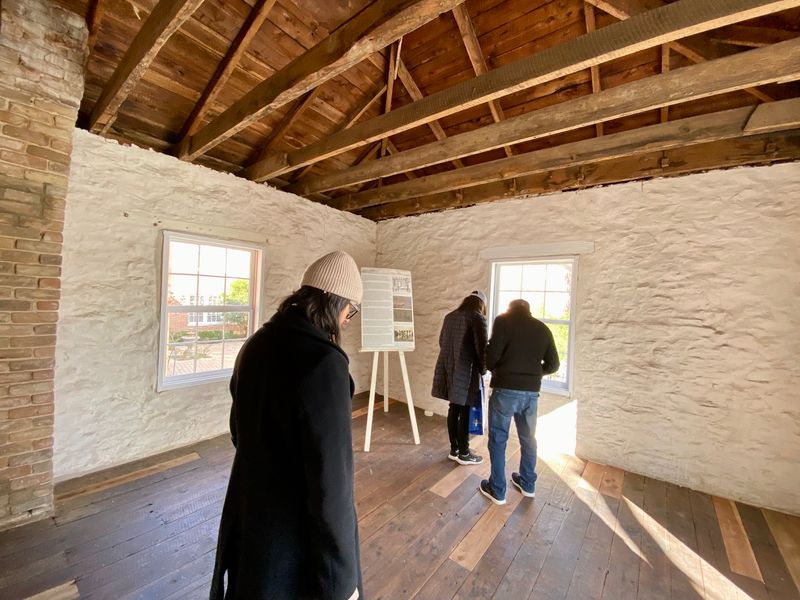
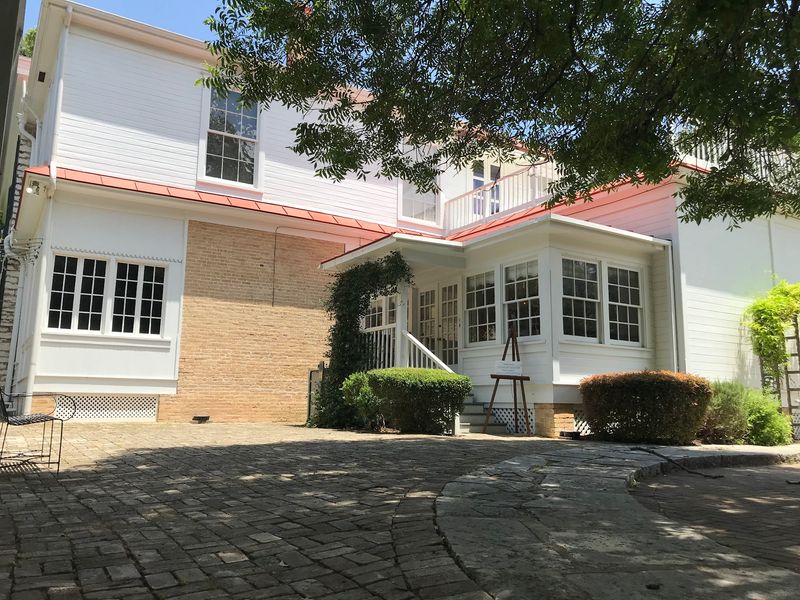
The structure behind the main house is the reason this property matters in a way that goes far beyond beautiful architecture. Austin’s only known intact slave quarters still standing within city limits are here, quietly preserved on this property and open to visitors who make the short walk around the mansion.
Approximately ten enslaved people lived in this two-story dwelling. Because the Neill property was not an agricultural plantation, the quarters were built to match the exterior style of the main house, which is unusual.
But inside, the conditions were stark. The original floor was dirt, and very little is documented about the individuals who lived there.
That absence of documentation is itself part of the story. The museum takes the responsibility of telling this history seriously, and ongoing restoration work has been handled with care and scholarly input.
Seeing preservation in progress here feels different from visiting a finished exhibit.
Who Were the Neills and the Cochrans
The house carries two family names, and both matter to understanding its history. Colonel Andrew Neill commissioned the home in 1855, but he passed away before fully occupying it.
The property eventually passed through several hands before the Cochran family took ownership, and their long tenure is what gave the house its lasting identity in Austin’s civic memory.
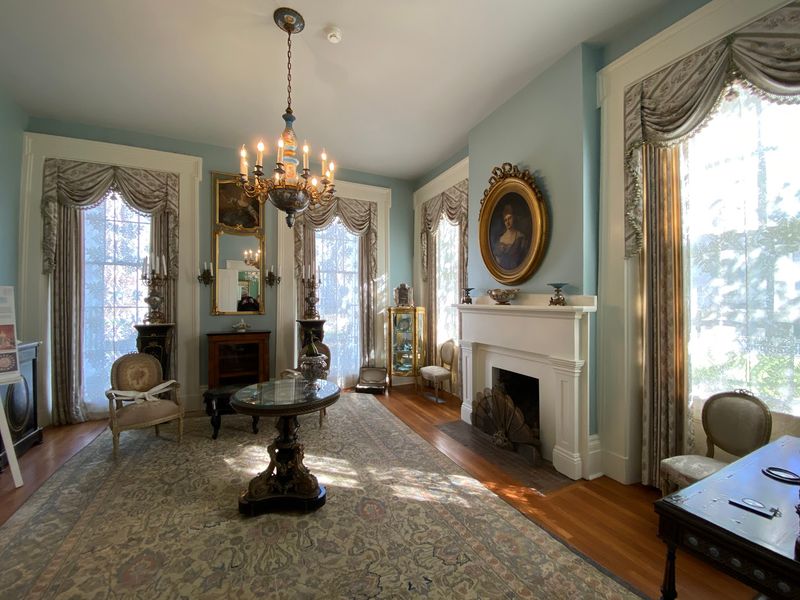
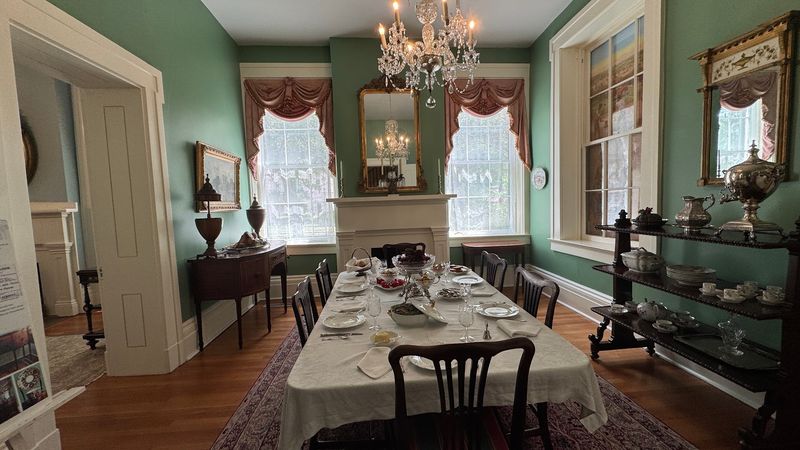
The Cochrans were prominent in Austin society during the late 19th and early 20th centuries, and their period furnishings remain inside the house today, giving visitors a layered view of how the home evolved across different eras of Texas history. The furniture, decorative objects, and domestic arrangements tell a story of wealth, social standing, and the rhythms of daily life in a capital city that was still finding its footing.
Understanding both families helps visitors move through the house with more context rather than simply admiring the rooms as static displays.
The Period Furnishings Inside the Main House
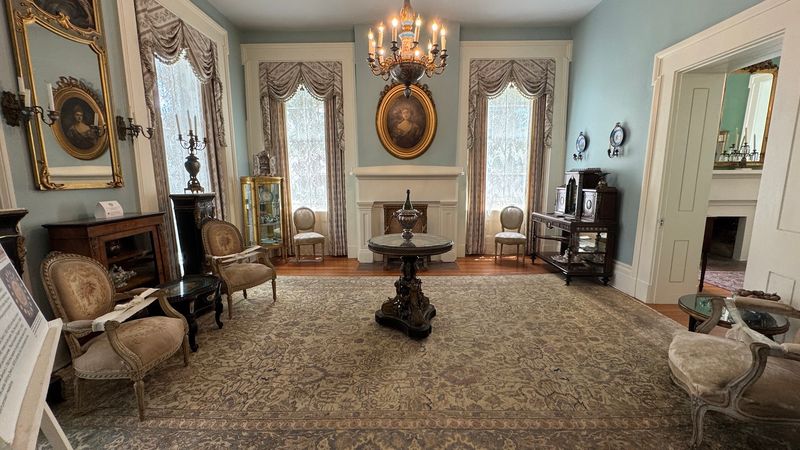
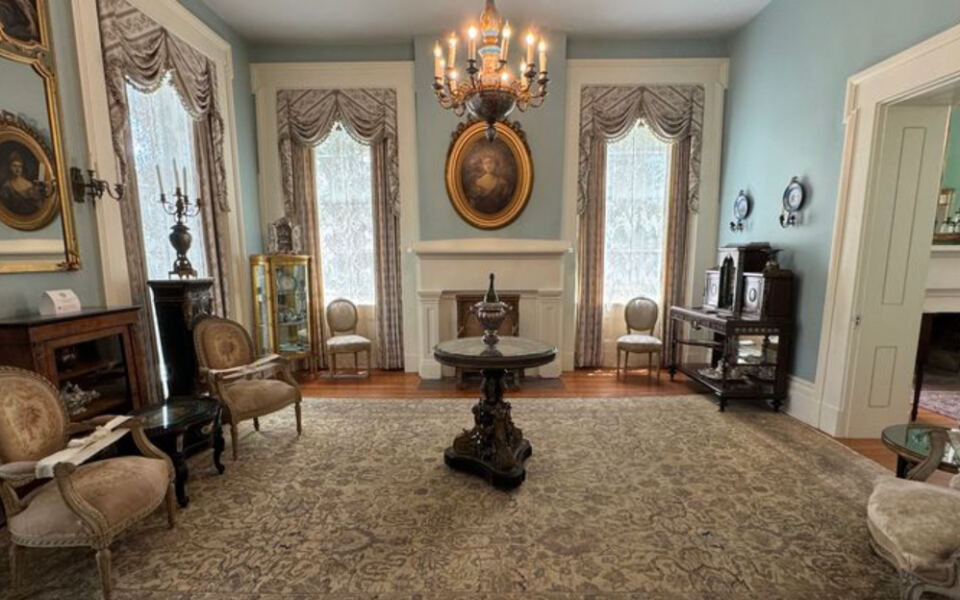
Walking through the main house feels less like touring a museum and more like visiting someone who stepped out for the afternoon and left everything exactly as it was. The period furnishings are well-curated and genuinely old, not reproductions placed for effect.
A wicker loveseat from 1880, part of an original five-piece set, sits in one room as a reminder of how domestic comfort was expressed in that era.
Each room is arranged to reflect how the space was actually used rather than how it looks best for photographs. The dining room, parlor, and upstairs areas each carry their own atmosphere, and the progression through the house builds naturally.
The museum’s collection includes pieces connected directly to the families who lived here, which grounds the experience in real human history rather than generic Victorian-era staging. You leave with a sense of having spent time in a place that was genuinely lived in.
The Self-Guided Audio Tour Experience
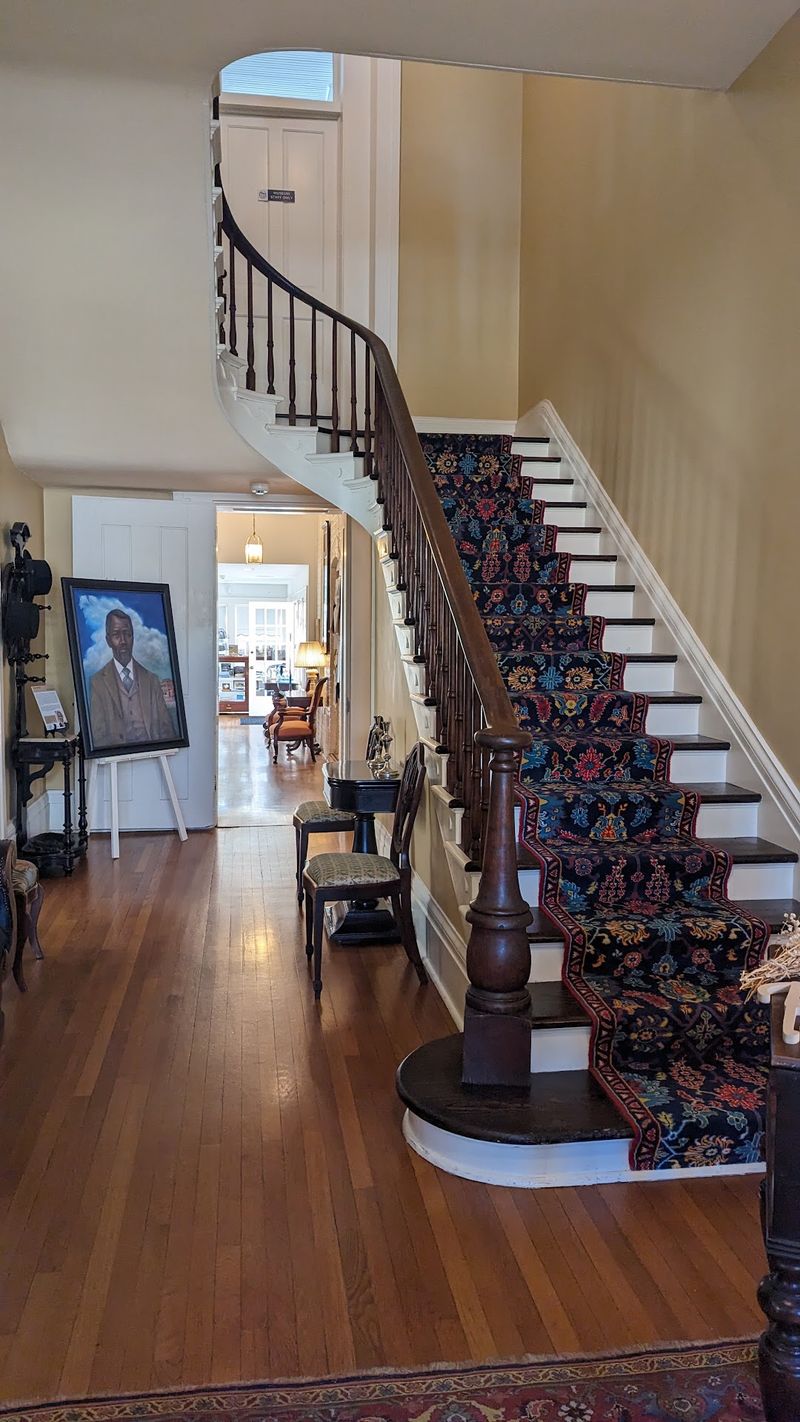
One of the quieter highlights of a visit here is the self-guided audio tour available to all guests. It runs through a phone-based system, which means you move at your own pace without feeling rushed by a group schedule.
For people who like to linger in a room and absorb details, this format works especially well.
The audio content covers the architecture, the families, and the history of the property in enough depth to satisfy curious visitors without overwhelming anyone who just wants a general introduction. The tour makes the experience feel complete even without a live guide present.
Admission pricing is modest, and the audio tour is included in the cost of entry. For a central Austin attraction with this level of historical significance, the value feels genuinely generous.
First-time visitors consistently leave feeling like they got more than they expected from the experience.
Juneteenth Celebrations at the Museum
The museum’s Juneteenth programming has become one of the most meaningful public events on the property, and for good reason. Holding a Juneteenth celebration at the site of Austin’s only remaining slave quarters carries a weight that no other Austin venue can replicate.
The location transforms the event from a general commemoration into something deeply site-specific and honest.
Past Juneteenth events have included gospel choir performances, the Black Rodeo exhibit, and guided tours of the restored enslaved persons’ quarters led by historical interpreters who helped conduct the research behind the restoration. The combination of music, scholarship, and physical place creates an experience that stays with visitors long after they leave the property.
The museum has also hosted ribbon-cutting ceremonies connected to the Toni Morrison Society’s Bench by the Road project during Juneteenth, adding another layer of literary and cultural significance to the annual celebration.
The Bench by the Road Project Connection
The Toni Morrison Society’s Bench by the Road project places memorial benches at sites significant to African American history across the United States. The Neill-Cochran House Museum earned a placement through its connection to the history of enslaved people who lived and worked on the property, and the ribbon-cutting ceremony drew visitors who understood exactly what that recognition meant.
Morrison’s original concept for the project came from her observation that there were no historical markers in America honoring the experience of enslaved people in the way that other histories are honored. The bench at this museum addresses that gap in a tangible, permanent way.
For visitors who arrive knowing nothing about the Bench by the Road project, discovering it on the grounds adds an unexpected depth to the visit. It connects a small Austin museum to a national conversation about memory, recognition, and the physical places where history happened.
Greek Revival Architecture Up Close
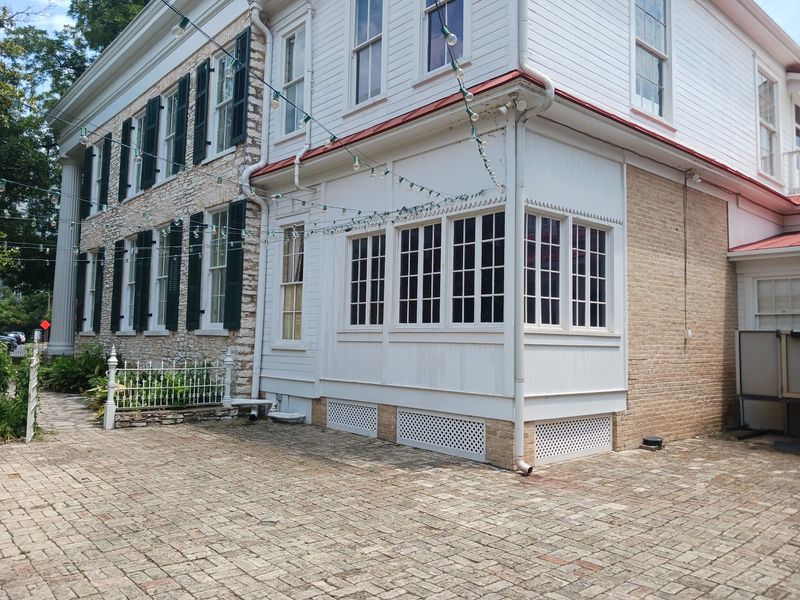
Architecture enthusiasts will find plenty to study here without ever opening a guidebook. Abner Cook’s Greek Revival style is on full display across the exterior, and the details reward careful attention.
The Doric columns are proportioned with a precision that was clearly intentional, and the balustrade running along the roofline gives the facade a visual rhythm that photographs well from almost any angle.
Cook was working in a tradition that was already considered formal and aspirational in mid-19th century America, and bringing it to the Texas frontier in 1855 was a deliberate statement about the ambitions of the people commissioning the work. The result feels both period-appropriate and surprisingly durable.
From the street, the house reads as a unified composition. Up close, the craftsmanship in the woodwork and the joinery becomes more apparent.
Cook built things to last, and the Neill-Cochran House is the clearest surviving proof of that commitment in Austin.
Rotating Exhibits and Local Artists
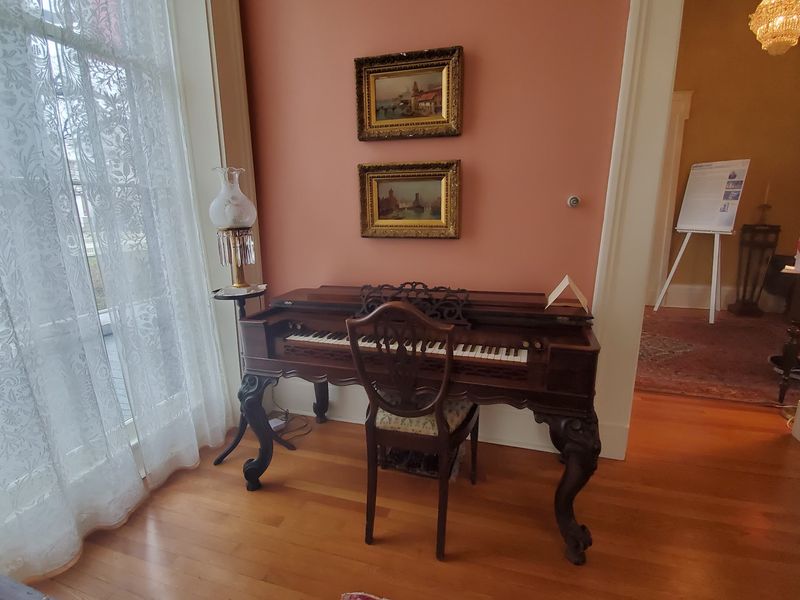
The museum does not rely solely on its historic furnishings to fill the space. Rotating exhibits bring in contemporary work alongside historical material, and local artists are regularly featured throughout the rooms.
That combination of old and new gives the museum a more dynamic energy than a purely static historic house would offer.
Past programming has included everything from quilt displays to Japanese block printing activities, which speaks to the museum’s interest in keeping visits varied and engaging across different age groups. Family-oriented programming runs alongside more scholarly events, making the calendar genuinely diverse.
The spring art show is one of the recurring highlights that draws visitors who might not otherwise think of themselves as museum regulars. Seeing contemporary work displayed inside a 19th-century mansion creates an interesting visual tension that tends to spark conversation.
The museum uses its historic setting as an active backdrop rather than a preserved-in-amber showcase.
Storytelling on the Lawn Events
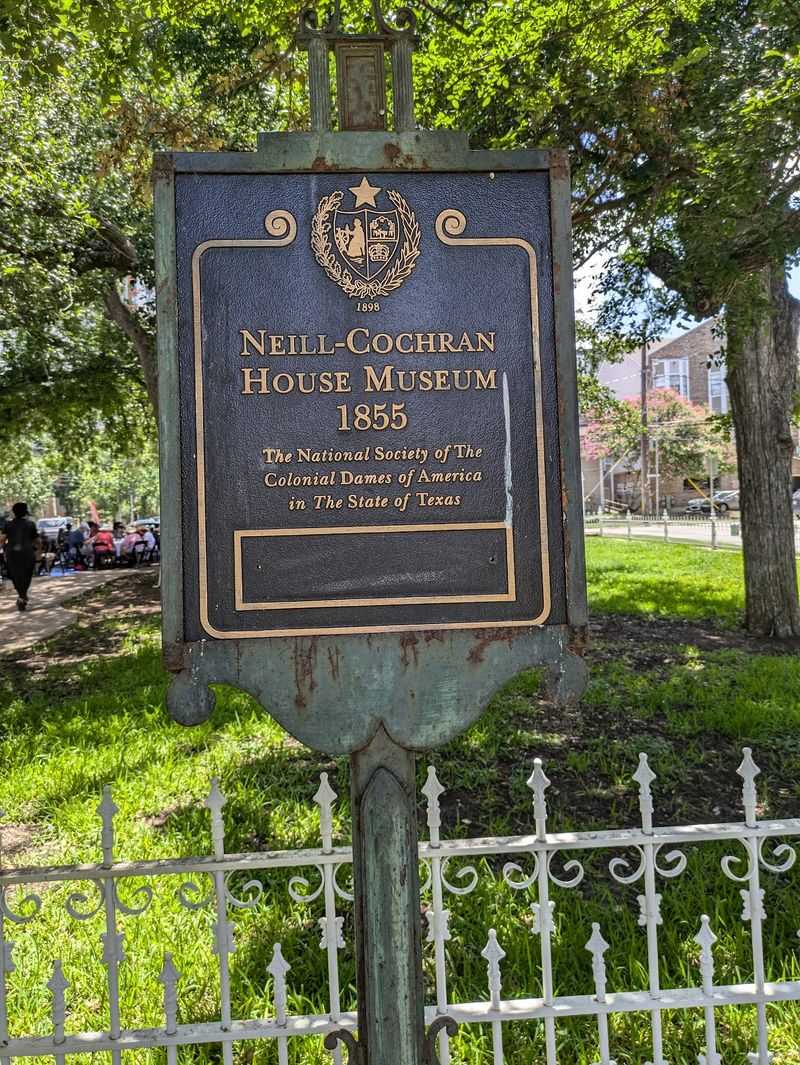
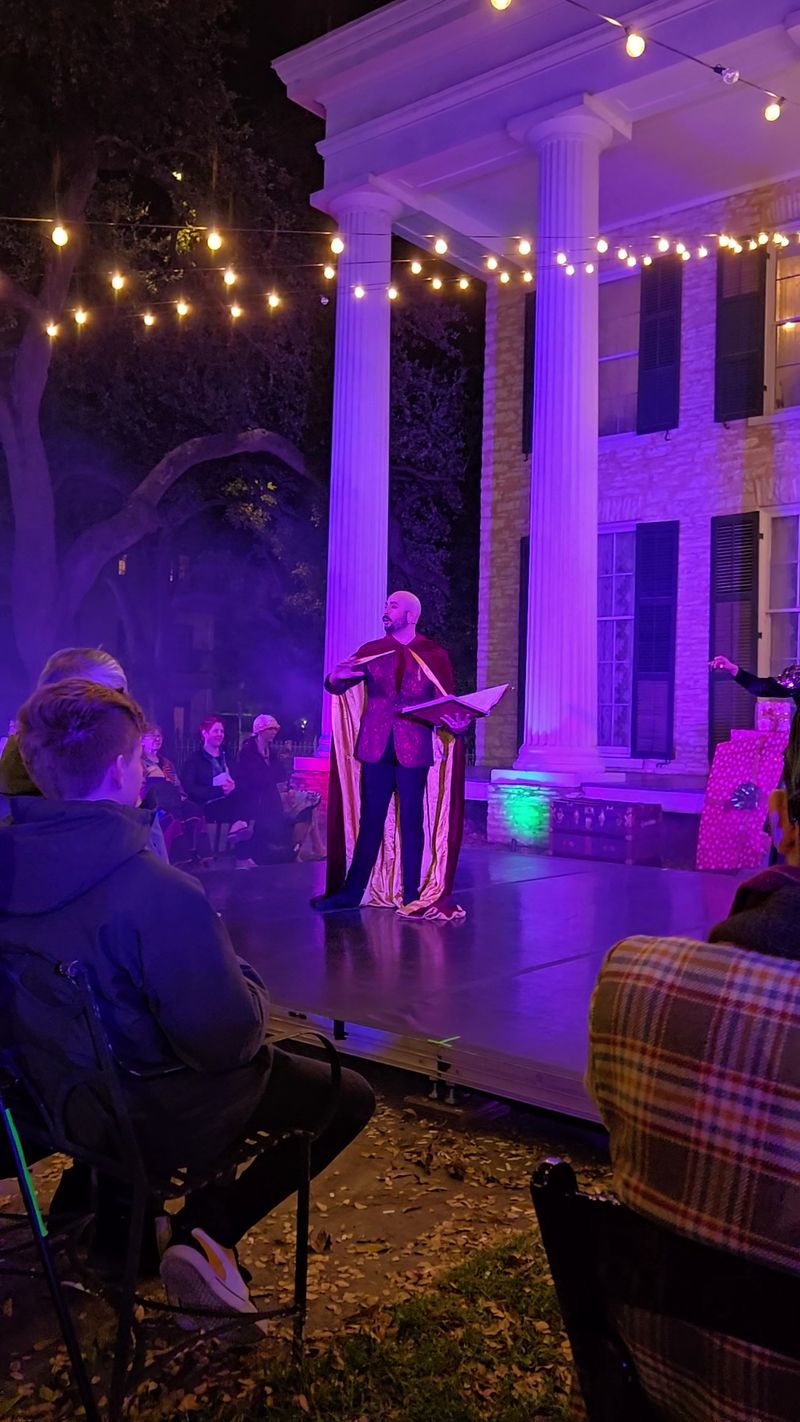
One of the more relaxed ways to experience the Neill-Cochran property is through the Storytelling on the Lawn events, which bring visitors outside to enjoy the grounds in a setting that feels closer to a community gathering than a formal museum program. The outdoor space around the mansion is genuinely pleasant, with mature trees providing shade and a sense of remove from the surrounding urban neighborhood.
These events draw a mix of regulars and first-time visitors, and they tend to create a low-pressure entry point for people who might feel uncertain about committing to a full indoor tour. Sitting on the lawn while listening to stories connected to the history of the property is a different kind of engagement, and it works particularly well on mild Austin evenings.
The events reflect the museum’s broader approach of making history feel accessible and present rather than distant and academic.
The Property’s Role During the Civil War Era
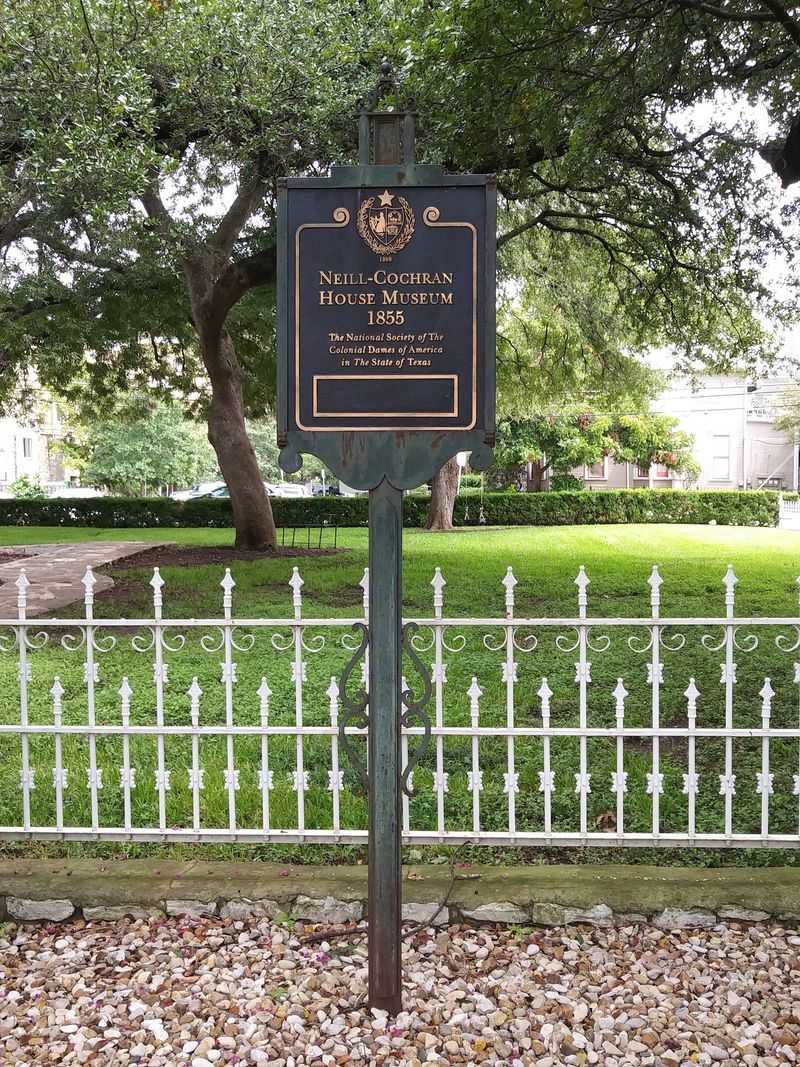
The Neill-Cochran House was completed in 1855, just six years before the Civil War began, and the property’s history during that period reflects the complicated social and political realities of antebellum Texas. Austin was a slaveholding city, and the presence of enslaved people on this property was part of the everyday fabric of life for households of this social standing.
The museum does not soften that history. The restored slave quarters and the interpretive programming around them are designed to present an honest account of who lived on this land and under what conditions.
That commitment to accuracy gives the museum a moral seriousness that distinguishes it from historic house museums that focus exclusively on the architecture and the owning family.
Visiting the property with this context in mind changes how you see every room in the main house. The comfort inside and the conditions behind it become impossible to separate.
What the Dirt Floor Tells Us
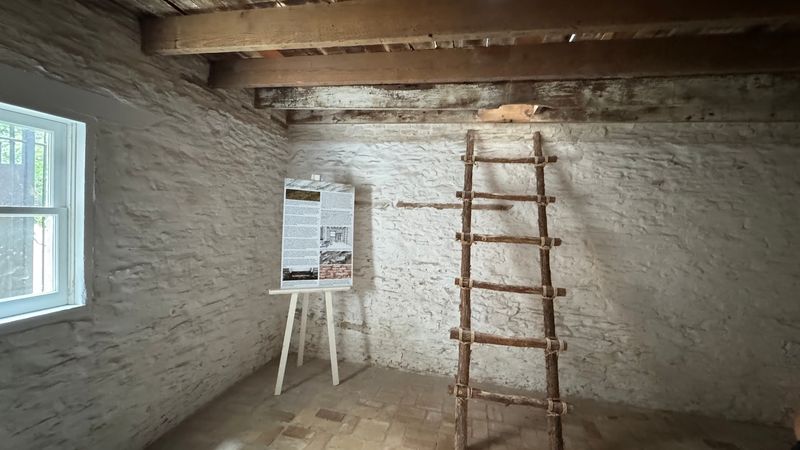
The original floor of the slave quarters was dirt. That single detail communicates more about the lived experience of the people who occupied that structure than almost any written description could.
While the main house featured fine woodwork, period furnishings, and architectural ornamentation, the dwelling behind it had none of those things.
Very little documentation survives about the specific individuals who lived in the quarters. That absence of records is historically significant in itself, reflecting how thoroughly the lives of enslaved people were excluded from the official record-keeping of the era.
The museum acknowledges this gap honestly rather than filling it with speculation.
Restoration of the quarters was handled carefully and with scholarly guidance. Visitors who arrive during the restoration process, as some have, describe the experience of seeing preservation work in progress as unexpectedly powerful.
The incompleteness of the record and the ongoing effort to honor it are both part of what this place holds.
Holiday Programming and Community Events
Beyond the history-focused programming, the Neill-Cochran House Museum hosts a range of community events throughout the year that give the property a lively, ongoing presence in the neighborhood. Holiday performances have included live music events on the grounds, drawing visitors who appreciate the unusual combination of a 19th-century mansion backdrop and contemporary community celebration.
The annual ballet rehearsal period in December brings a different kind of energy to the property, temporarily filling the porch and entry with movement and music in a way that surprises visitors who arrive expecting quiet museum hours. It is one of those scheduling quirks that is worth knowing about before you plan your visit.
Tea service events catered by outside vendors have also become a recurring feature, offering a slower, more social way to spend time on the property. The museum’s calendar tends to reward visitors who check ahead rather than simply showing up.
Why This Museum Stays With You After You Leave
Most historic house museums leave you with impressions of furniture and floor plans. This one leaves you thinking about people.
The combination of an architecturally significant main house and the only intact slave quarters in Austin creates a visit that operates on two levels simultaneously, and the tension between those two levels does not resolve neatly when you walk back to your car.
The museum’s modest size works in its favor. You are never overwhelmed, never shuffled through too quickly, and never too far from a quiet moment to absorb what you are actually looking at.
The free parking, the low admission price, and the Wednesday-through-Sunday hours make the logistics easy enough that there is no real reason to keep putting off the visit.
Austin has no shortage of things to do and places to see, but very few of them offer this particular kind of encounter with history. This one is worth making time for.
Share this story