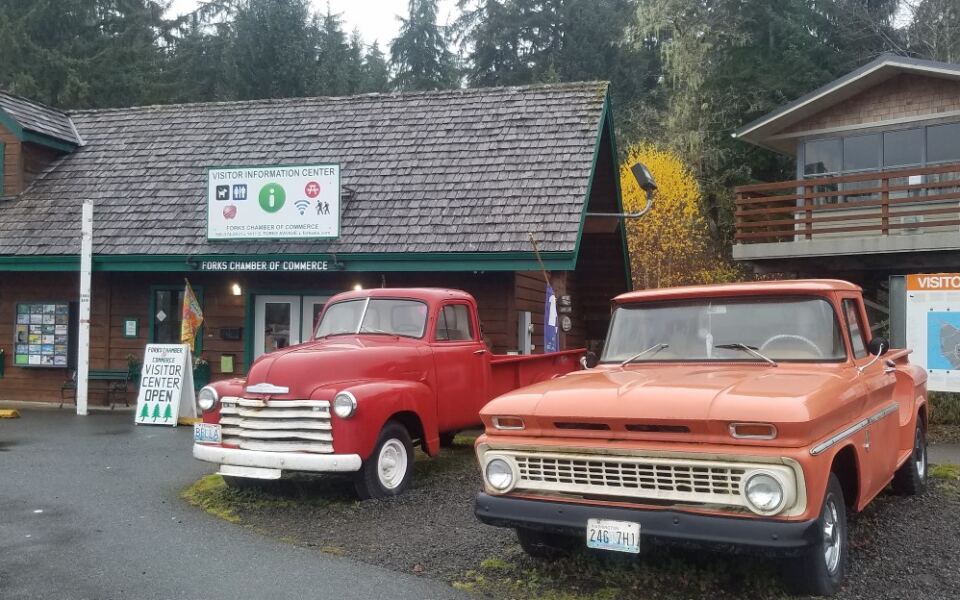
Some towns become well known because of a big event, a movie, or even a groundhog. Many of these places were small and quiet before something unexpected put them on the map.
Their stories show how history, pop culture, and local creativity can shape a town’s identity. Here are 15 American towns with surprising paths to fame.
1. Roswell, New Mexico
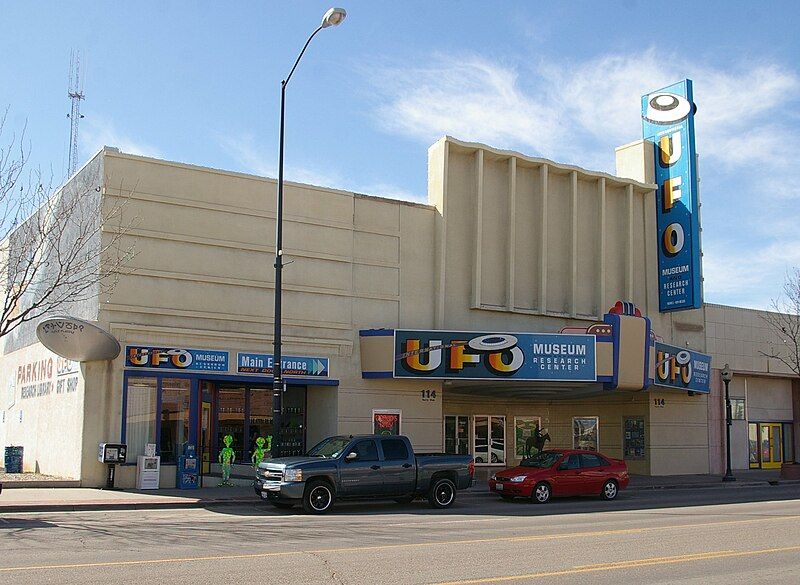
In the summer of 1947, a rancher near Roswell found strange debris scattered across a field. That discovery set off a story that has lasted for generations.
The military first said the wreckage came from a flying disc, then changed its explanation to a weather balloon. Later reports mentioned a secret project called Mogul.
The shifting answers fed public curiosity and sparked decades of UFO theories.
Today the town leans into its fame with a UFO museum, alien-themed shops, and an annual festival that draws visitors from around the world. Even people who doubt the alien stories often enjoy the playful spirit around town.
If you visit, plan to walk downtown and read the exhibits with an open mind. Roswell shows how one unusual event can shape a community’s identity for more than seventy years.
2. Salem, Massachusetts
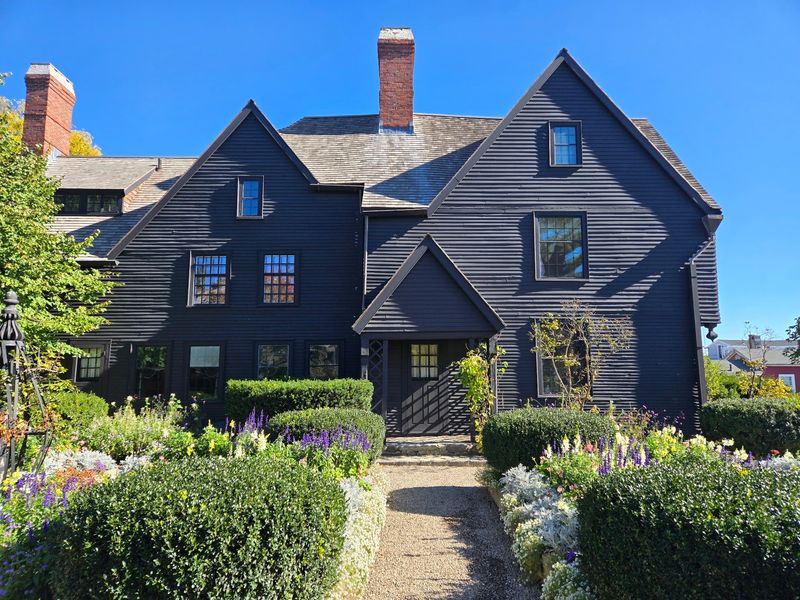
Few place names carry as much historical weight as Salem. In 1692, fear and suspicion spread through the Massachusetts Bay Colony, and more than 200 people were accused of witchcraft.
Nineteen people were executed, and others died in jail. The trials are now studied as a warning about panic, unfair courts, and the danger of blaming neighbors.
Modern Salem has built a lively tourism scene around that past. Visitors can explore museums, historic homes, and memorials, including one honoring the victims.
October brings huge crowds for Halloween events.
For a thoughtful trip, start with the Salem Witch Museum or the Witch Trials Memorial, then explore the maritime history that made the city wealthy. The town proves that a dark chapter can become a lasting lesson.
3. Punxsutawney, Pennsylvania
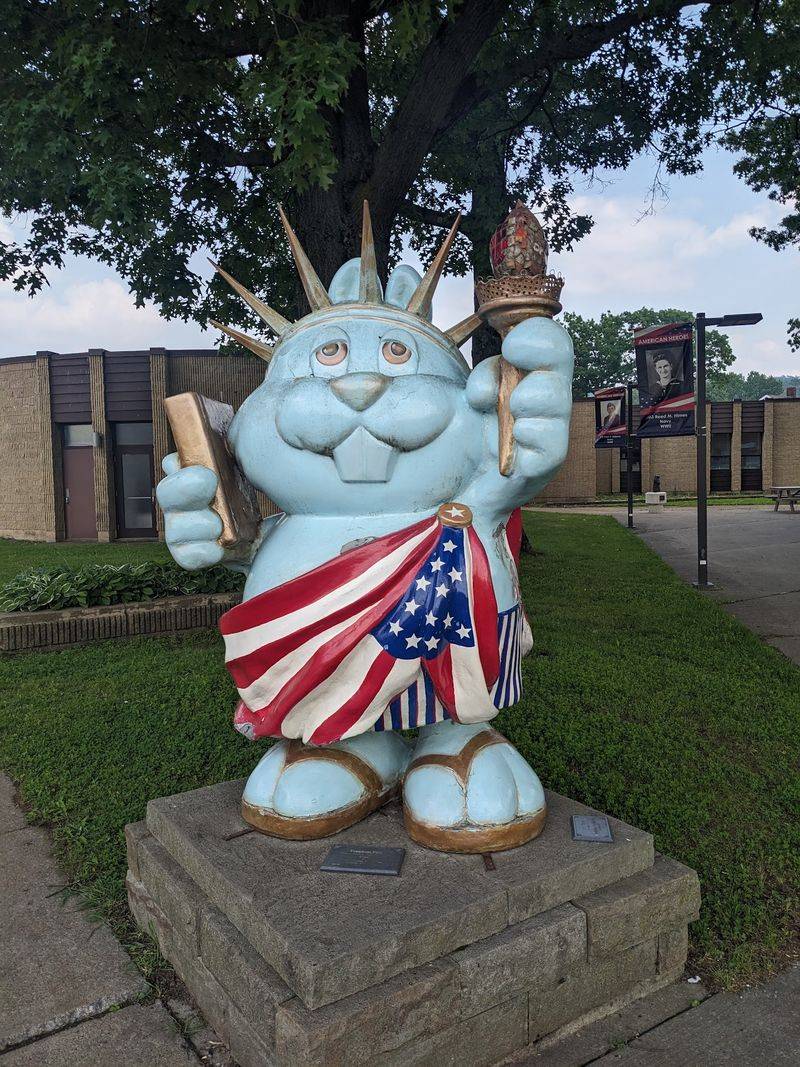
Every February 2, thousands of people gather before sunrise in a small Pennsylvania town to watch a groundhog. Punxsutawney Phil is said to predict how long winter will last.
If Phil sees his shadow, the legend says six more weeks of cold. If not, spring is on the way.
The tradition traces back to German settlers and their weather folklore, and Punxsutawney held its first official celebration in 1887.
Phil’s forecasts are not very accurate, but accuracy is not really the point. The event is about community, humor, and shaking off the winter blues.
Visitors can see Phil at his home near the library, tour Gobbler’s Knob, and enjoy festival activities. A single furry celebrity turned a quiet borough into a household name.
4. Centralia, Pennsylvania
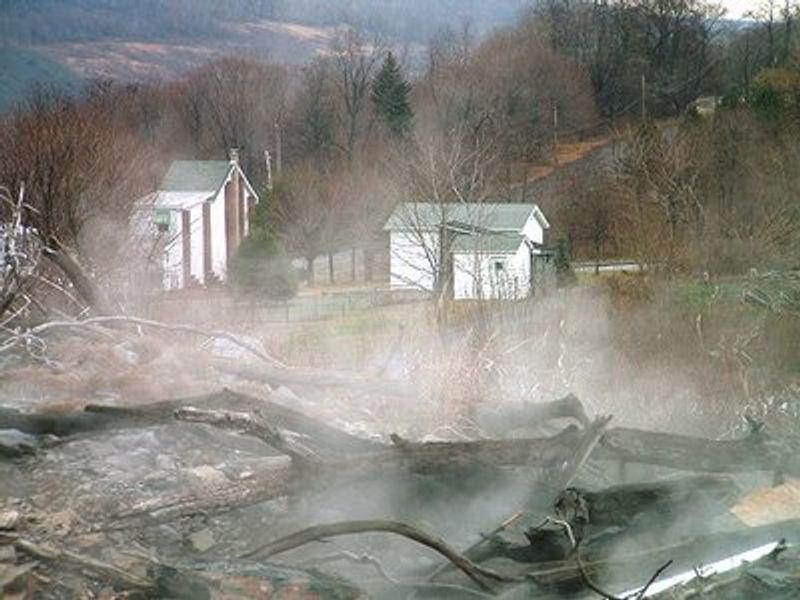
Beneath the quiet streets of Centralia, a fire has been burning for more than sixty years. It began in 1962 in an old coal mine, possibly after a landfill fire spread underground.
Efforts to put it out failed. Over time, dangerous gases and sinking ground made living there unsafe, and most residents accepted buyouts and moved away.
Government officials later took over the land.
Today the town is nearly empty. Streets remain, but houses are gone, and thin wisps of smoke sometimes rise from cracks in the earth.
Centralia became famous as a warning about the hidden risks of mining and the difficulty of stopping underground fires. It also inspired books and films.
Visitors should stay on safe paths, since the ground can still be hot and unstable.
5. Woodstock, Illinois
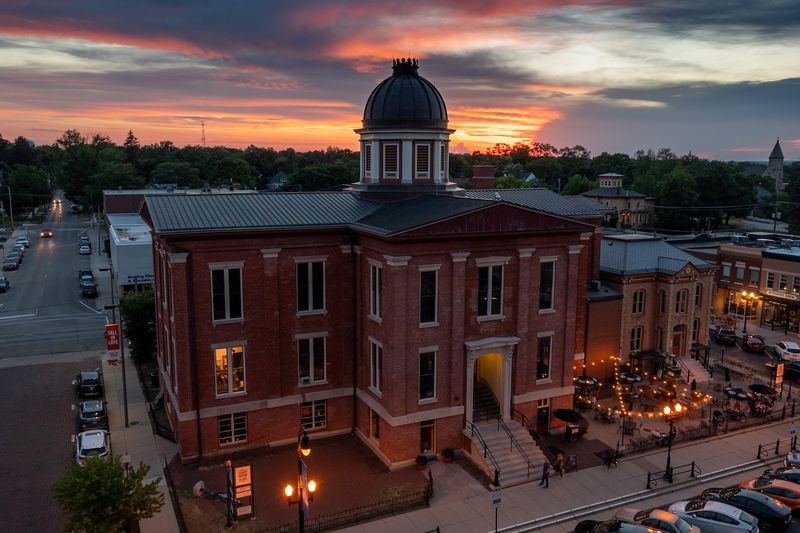
Bill Murray’s character relived the same day again and again in the 1993 comedy Groundhog Day, and much of it was filmed in Woodstock, Illinois. The movie pretended to be set in Punxsutawney, but this Midwest town provided the look.
The historic town square, with its tree-lined park and old bandstand, gave the film its charming small-town feel. Fans still stop by to find the spot where the lead character stepped into a puddle.
Each year, Woodstock hosts a Groundhog Days festival with screenings, tours, and trivia. Local shops proudly display film memories.
If you go, pick up a self-guided map of the filming sites and walk the square. It is a fun example of how a movie can give a town a second identity, one that visitors keep coming back to enjoy.
6. Flint, Michigan
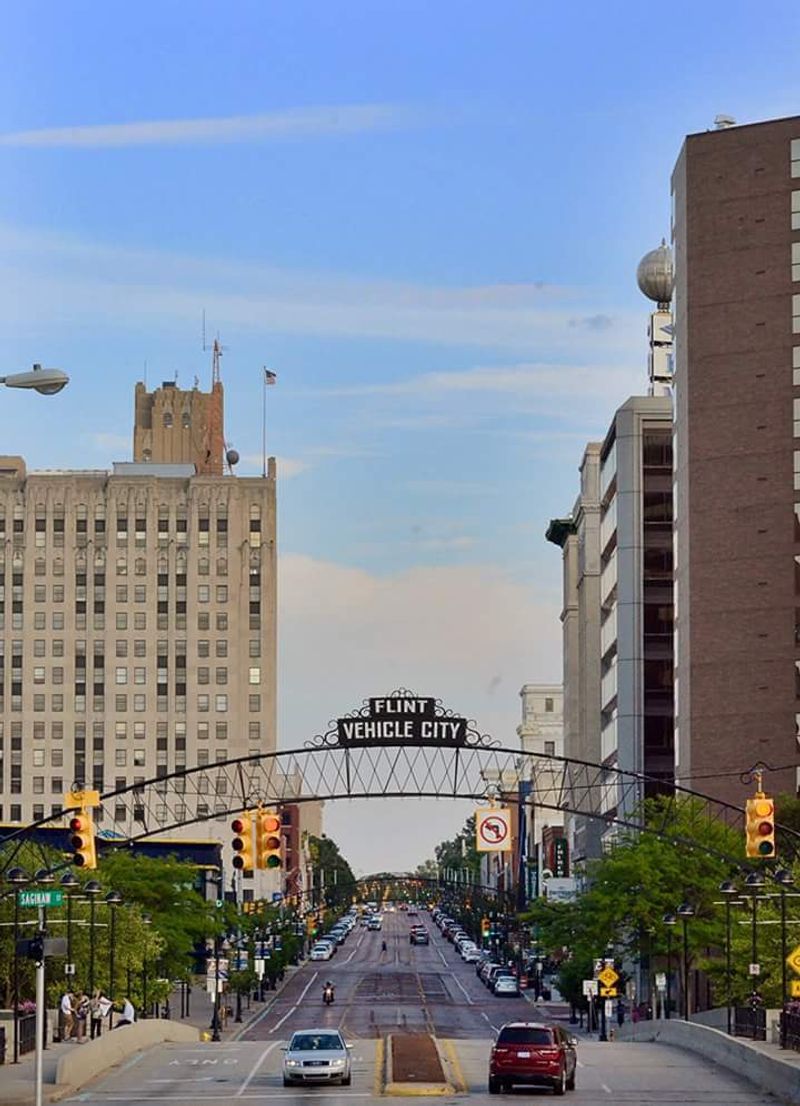
Flint was once a proud center of American car manufacturing, home to the birth of General Motors. Its national fame came later, and for a very different reason.
In 2014, the city changed its water source to the Flint River to save money. The water was not treated properly, and lead from old pipes leached into homes.
Residents noticed discolored, bad-smelling water and reported health concerns.
Community members, doctors, and researchers pushed for answers, and the crisis drew national and international attention. Officials eventually switched back and began replacing pipes.
Flint’s story is a serious reminder that clean water is a basic need and that residents’ voices matter. The city continues to rebuild trust and infrastructure, and its people remain central to the recovery.
7. Casey, Illinois
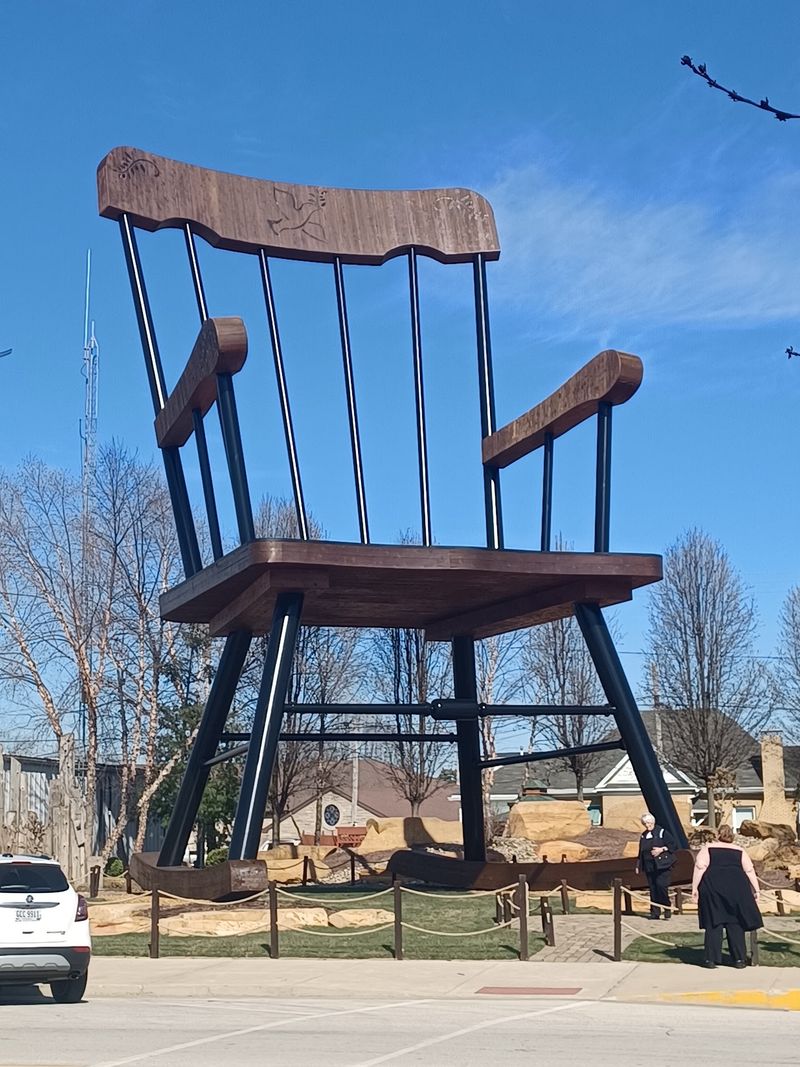
Imagine a rocking chair so tall it towers over a street. In Casey, Illinois, that is just a normal sight.
The town set out to become the home of big things, and it succeeded. Its giant rocking chair, wind chimes, mailbox, golf tees, and pitchfork have earned world records.
More than a dozen oversized items now dot the community.
The idea began as a way to attract travelers and boost local business. It worked, and families now stop to take photos and explore shops nearby.
A fun way to see Casey is to make a scavenger hunt of its giant objects. Bring a camera and compare how big each one looks next to you.
It is a cheerful reminder that creativity can turn a tiny town into a destination.
8. Alliance, Nebraska
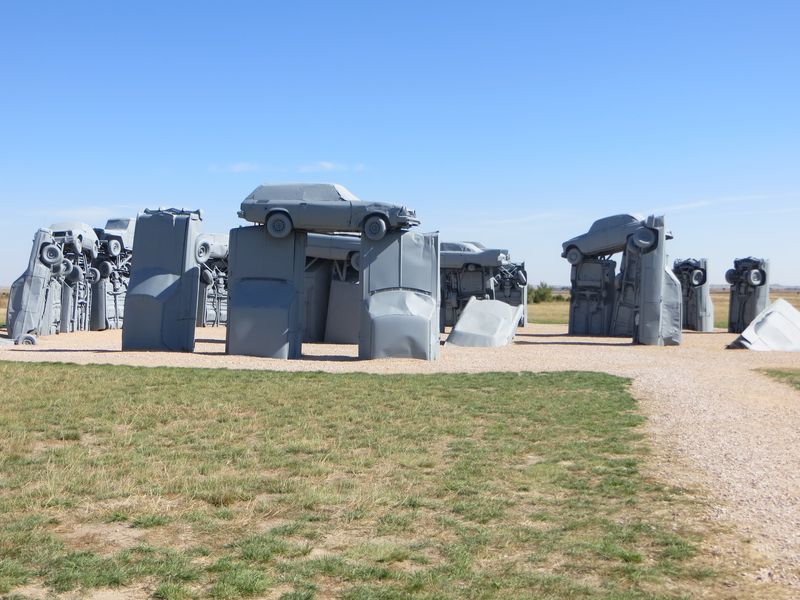
On the wide plains of western Nebraska stands a circle of old cars painted gray, arranged to look like England’s Stonehenge. This is Carhenge, built near Alliance in 1987.
Jim Reinders created it as a memorial to his father, using 39 vintage automobiles. Some are buried upright, while others balance on top to form the stone-like arches.
Local reaction was mixed at first, but visitors soon arrived in large numbers.
Today the site is a beloved roadside stop, with additional car-based art nearby. It is free to walk around and works well for a quick break on a long drive.
Carhenge proves that a quirky idea can become a lasting landmark. Visit near sunset, when the shadows stretch across the grass and the cars take on an almost mystical look.
9. Cody, Wyoming
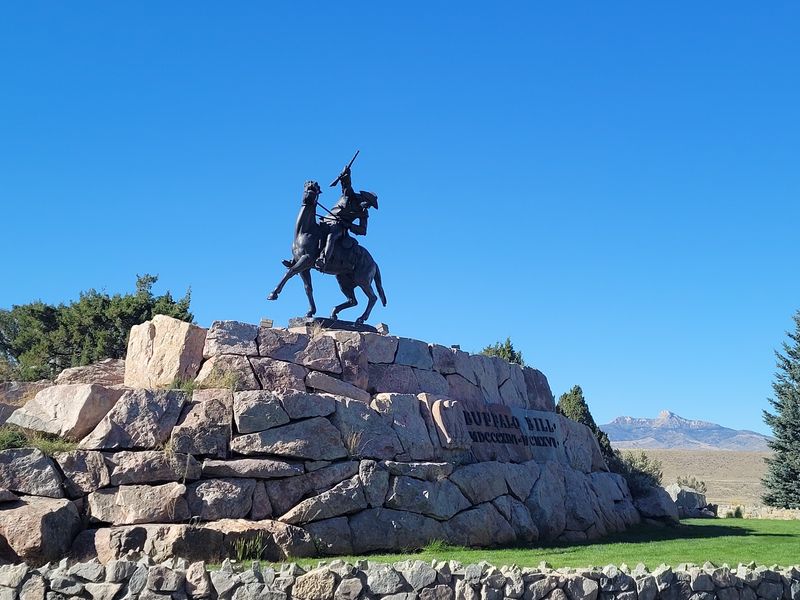
William F. Cody, better known as Buffalo Bill, was one of the most recognized showmen of the 1800s.
In 1896, he helped found a town in northwest Wyoming and gave it his name.
Cody toured the world with his Wild West show, bringing cowboy and frontier stories to huge audiences. He hoped to build a thriving community near Yellowstone, and his vision helped shape the area.
Visitors today can explore the Buffalo Bill Center of the West, a group of museums covering western art, firearms, wildlife, and Native American cultures. The town also hosts a nightly summer rodeo.
Cody shows how one larger-than-life person can leave a mark on a place. Add a trip to Yellowstone’s east entrance, and you can enjoy both history and scenery in one adventure.
10. Metropolis, Illinois
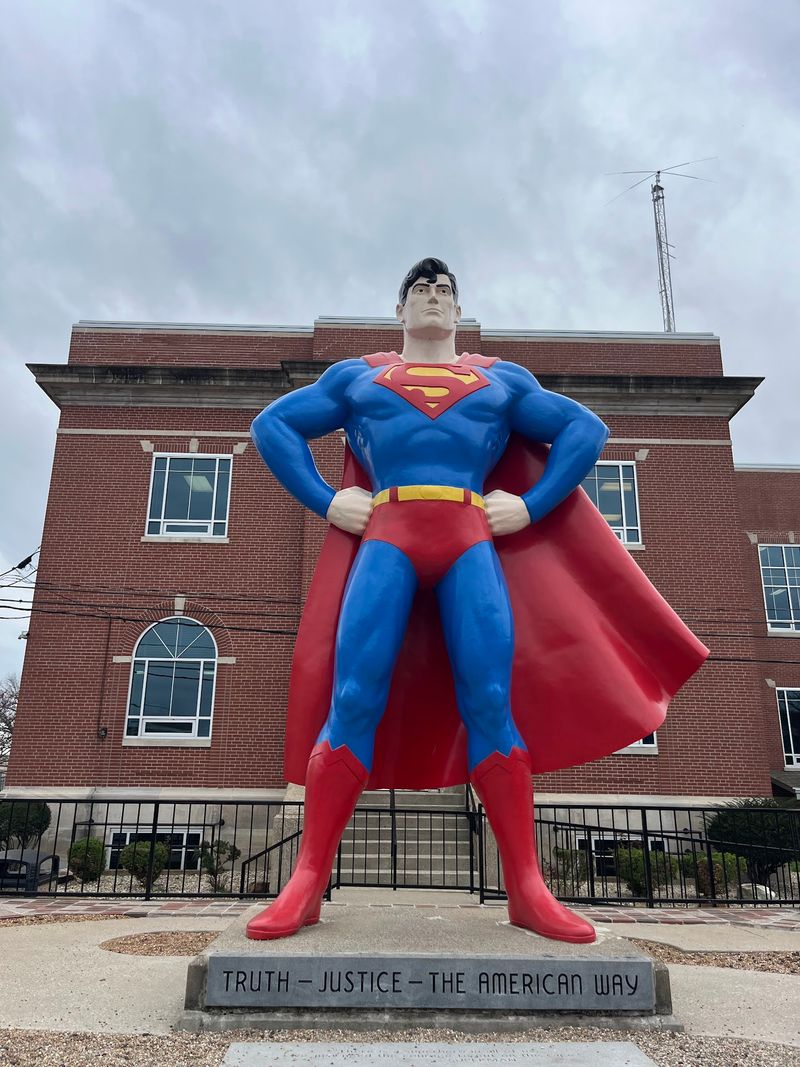
Superman’s fictional home is the great city of Metropolis. Yet the real one sits on the Ohio River in southern Illinois, and it has fully embraced the connection.
In 1972, the state officially named it the Home of Superman, after DC Comics approved the idea. Today a 15-foot bronze statue of the hero stands in the town square, and visitors love posing for pictures.
The Super Museum features comics, costumes, and movie props. Each June, the Superman Celebration brings fans in capes, along with guests from film and television.
Metropolis is proof that a name can open the door to a new identity. Families can enjoy the statue, the museum, and the town’s riverfront, making it an easy and cheerful stop for comic fans of any age.
11. Forks, Washington
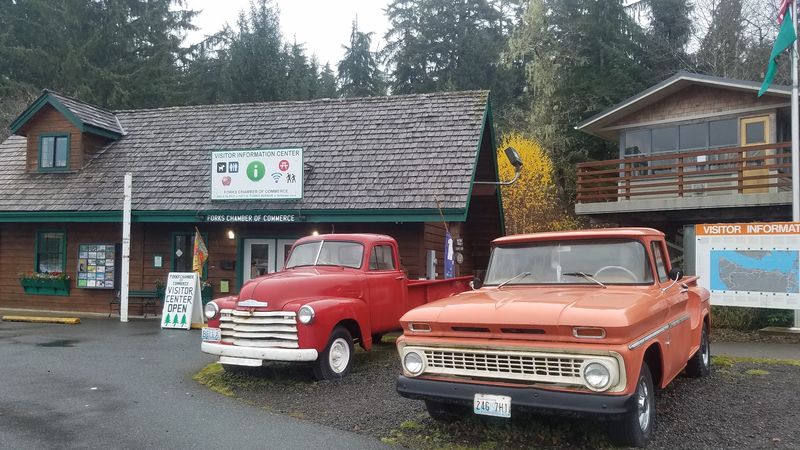
Forks is a rainy logging town on the Olympic Peninsula that most people had never heard of. Then author Stephenie Meyer chose it as the setting for her Twilight novels.
She picked it because of its gloomy weather and thick forests, even though she had not visited at the time. When the books and movies became hits, fans started arriving to see the places they had read about.
The town responded with a welcome. Shops offer themed souvenirs, and the visitor center helps fans find locations tied to the story.
Every September, Forks celebrates Bella’s birthday with special events.
Beyond the books, the area is a gem for hikers, with rain forests and wild beaches nearby. Bring a rain jacket and enjoy a place where fiction and nature meet.
12. Sturgis, South Dakota
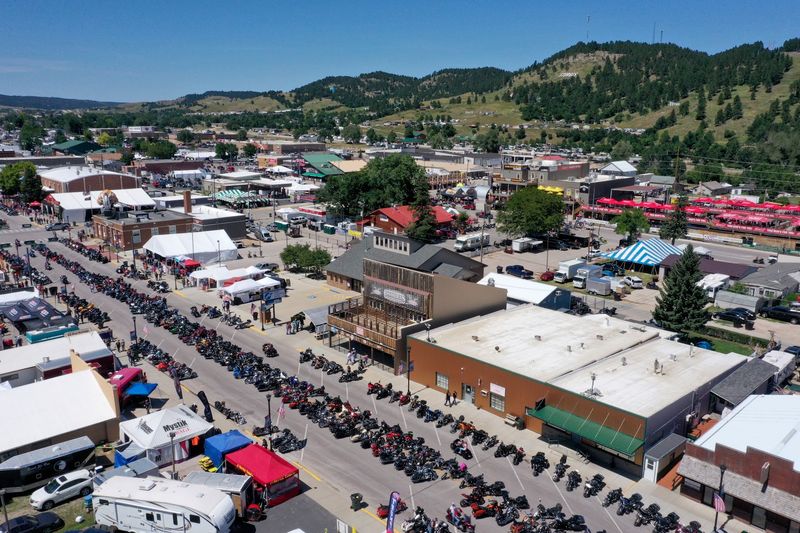
A town of about 7,000 people can swell to hundreds of thousands in a single week. That is the Sturgis Motorcycle Rally, held every August in the Black Hills of South Dakota.
It began in 1938 with a small race organized by a local motorcycle club. Over the decades, the event grew into one of the biggest gatherings of riders in the world.
Attendees come for concerts, scenic rides, vendors, and a shared love of motorcycles. The surrounding hills offer winding roads and views that riders treasure.
If you plan to attend, book lodging far ahead, since rooms fill up fast. Even outside rally week, Sturgis has a motorcycle museum and a friendly small-town feel.
It shows how a simple race can grow into a lasting tradition.
13. Point Pleasant, West Virginia
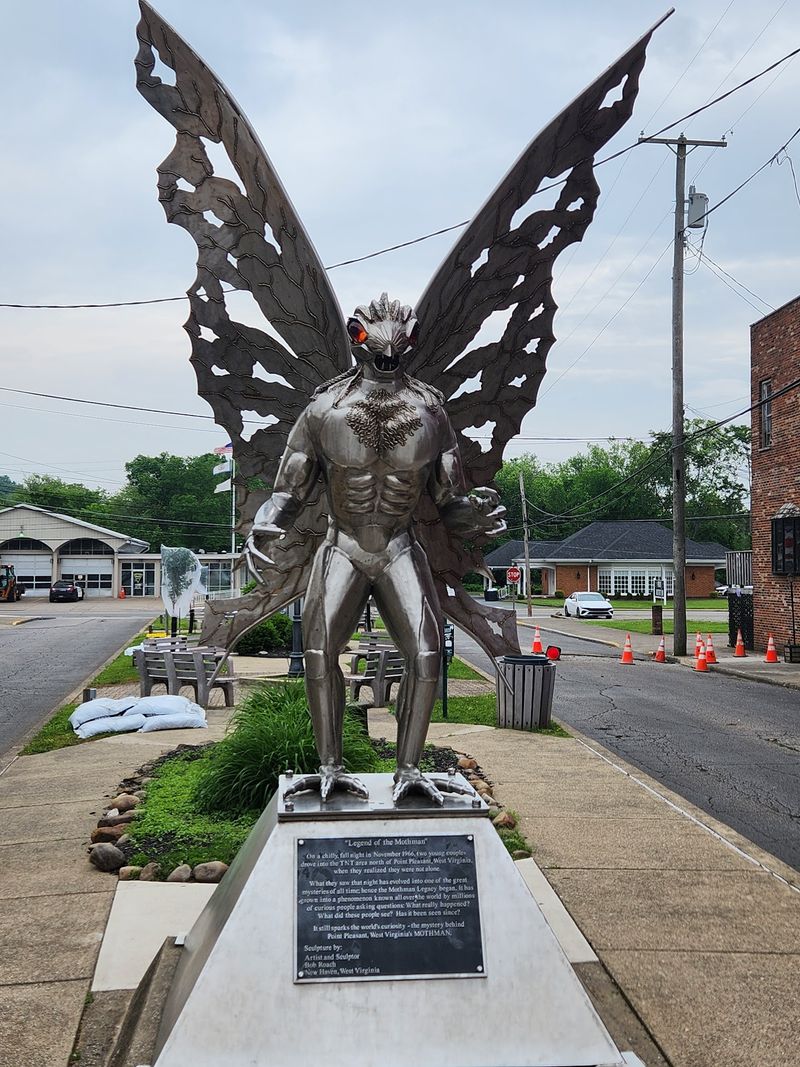
In November 1966, two couples driving near Point Pleasant said they saw a tall, winged figure with glowing red eyes. Newspapers soon called it the Mothman, and the story spread fast.
More reports followed over the next year. Then in December 1967, the Silver Bridge collapsed into the Ohio River, killing 46 people.
Some people linked the tragedy to the creature, though no proof supports that idea.
The legend later inspired a popular book and a movie. Today the town celebrates with a stainless steel Mothman statue and a museum filled with sighting accounts and props.
Each September, the Mothman Festival draws crowds who enjoy costumes, vendors, and speakers. Whether you believe the tale or not, Point Pleasant offers a friendly look at how folklore can bring people together.
14. Winslow, Arizona
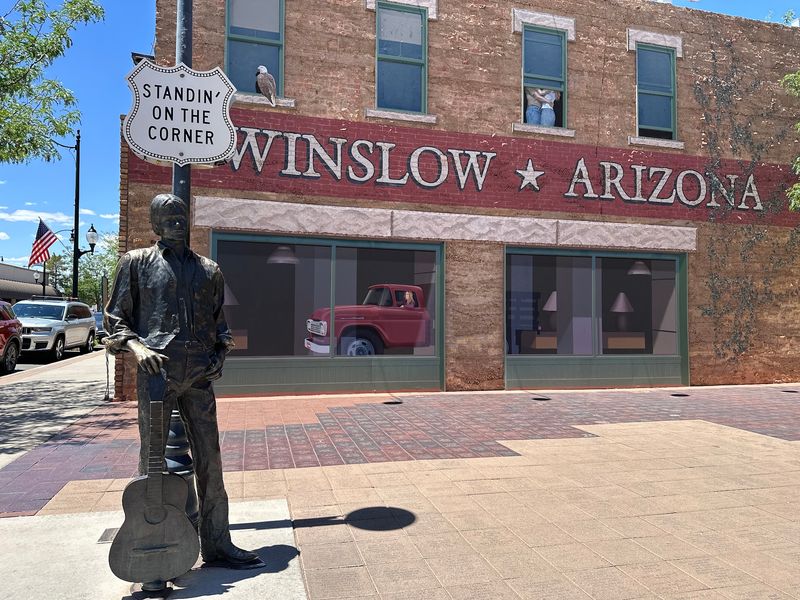
One line in a song can change a town’s story. In 1972, the Eagles released Take It Easy, which includes the words about standing on a corner in Winslow, Arizona.
Decades later, the town turned that lyric into a real attraction. Standin’ on the Corner Park opened in 1999, featuring a bronze statue, a mural of a girl in a flatbed Ford, and plenty of photo chances.
Songwriter Jackson Browne wrote the lines after car trouble left him stranded in town. The music did the rest.
Winslow also sits along historic Route 66, so it is a natural stop on a classic road trip. Visit the restored La Posada Hotel, then stand on the corner yourself.
It is a simple way to be part of a famous song.
15. Truth or Consequences, New Mexico
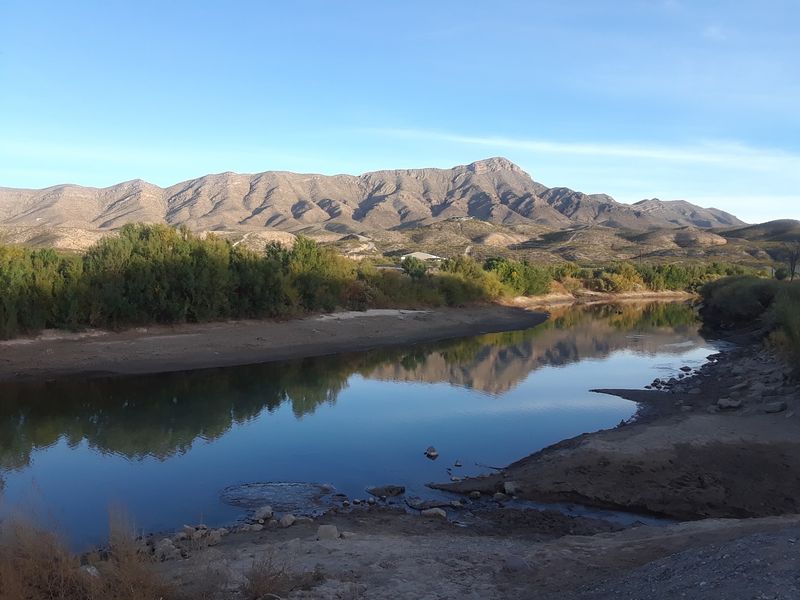
Few towns have changed their names for a game show, but this one did. In 1950, Hot Springs, New Mexico, renamed itself Truth or Consequences.
Ralph Edwards, host of a popular radio program of the same name, promised to broadcast the show from the first town willing to adopt the title. Residents voted yes, and the new name stuck, even though it surprised many outsiders.
Edwards visited the town for years afterward, and the community held a yearly fiesha in his honor. That tradition continues as Fiesta each spring.
Visitors today come for the natural mineral hot springs that gave the town its first name. Several historic bathhouses offer soothing soaks.
Nearby Elephant Butte Lake adds boating and fishing, making this a relaxing desert getaway with a delightfully odd name.
Share this story