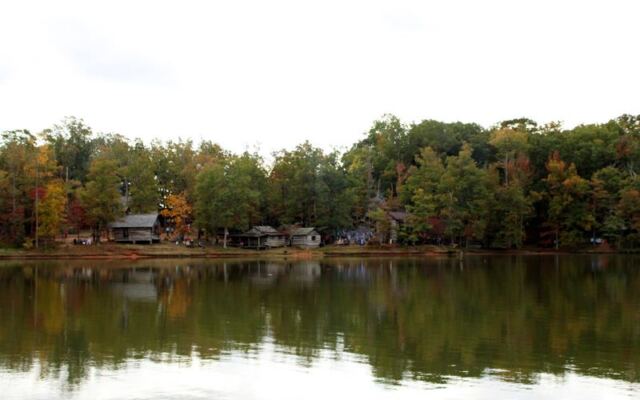
Some places in North Carolina look quiet from the road, then completely surprise you once you step inside. Imagine wandering into a hidden woodland where more than a hundred old log buildings sit around a small lake, each one saved from being lost forever.
It feels less like a museum and more like walking straight into the past. What started as one man’s dream turned into the largest collection of restored 1800s log structures in the whole country.
A Hidden Village Tucked Into the Carolina Woods
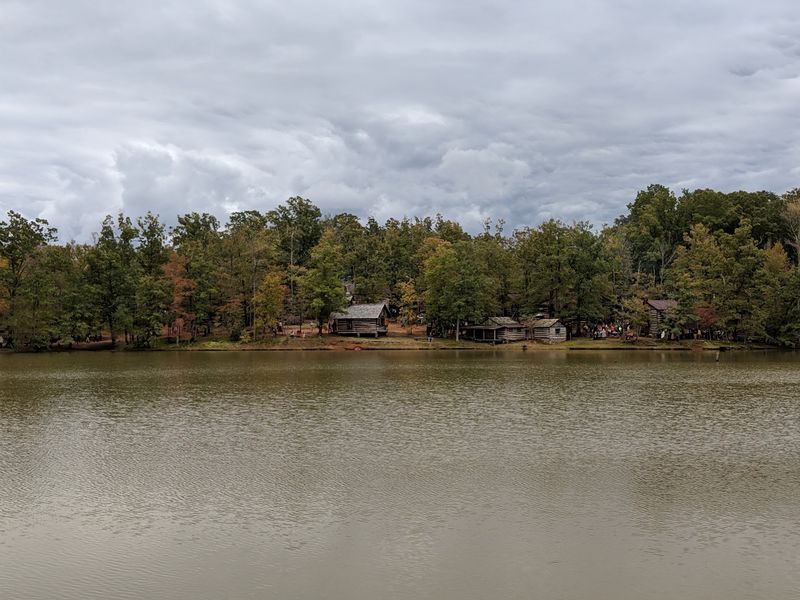
Tucked away on Hope Road in the small community of Vale, this place hides in plain sight among the trees and rolling farmland of western North Carolina. Drive past and you might never guess what waits behind the woods.
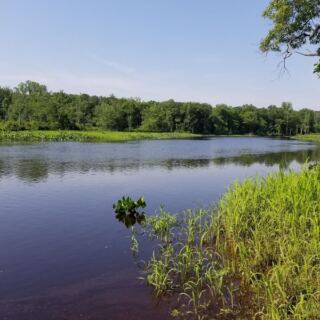
Set around a peaceful little lake, the village gathers over a hundred hand-built log structures from the 1800s. Folks who live nearby describe it as a hidden gem sitting right in their own backyard.
It carries the proud title of the largest collection of restored log buildings in the United States. That alone makes it worth the trip, but the setting turns a simple visit into something you remember for years.
One Man’s Vision Behind It All
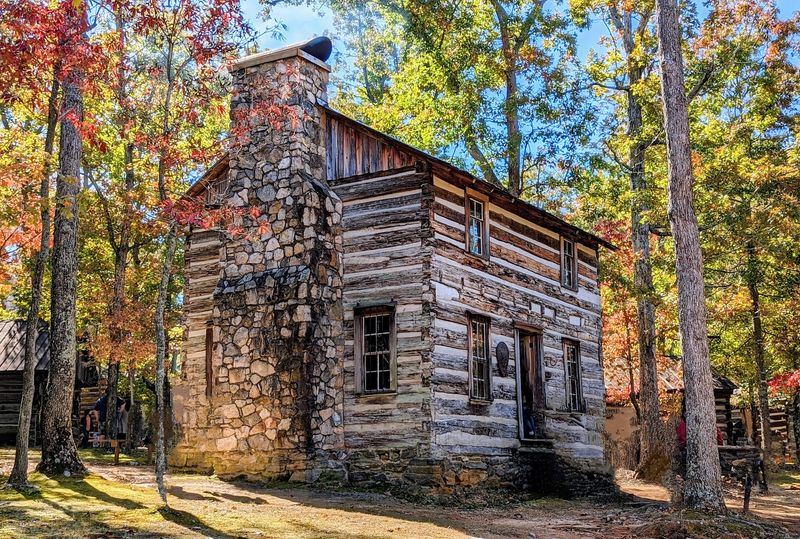
Every great place usually starts with one stubborn dreamer, and here that person was Dr. Hart. He noticed old log structures scattered across other people’s land, quietly falling apart and forgotten.
Rather than let them vanish, he tracked down structures within about a 20-mile radius of Hickory, got permission from the owners, and carefully moved them piece by piece. Then he rebuilt each one on his own wooded property near the lake.
Visitors often marvel that all these buildings were once locally built, then lovingly rebuilt and furnished to create the collection you see today. That kind of patience and heart is rare, and it shows in every corner of the village.
Over a Hundred Structures to Explore
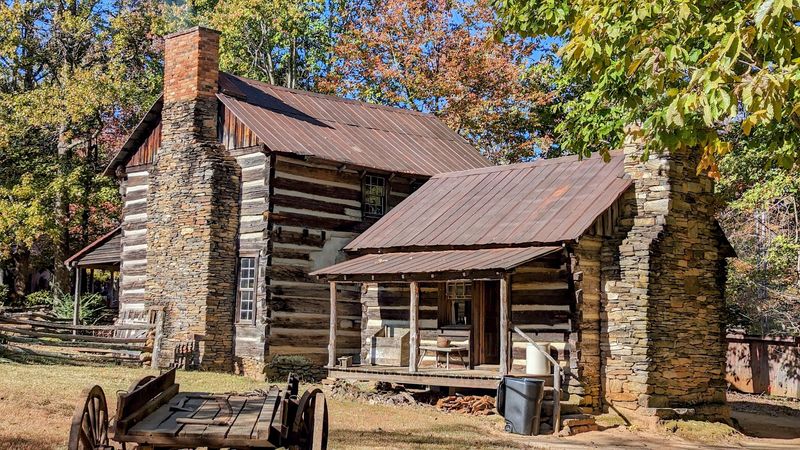
Numbers can be hard to picture until you’re standing in the middle of them. In all, the founder gathered more than a hundred log structures, with different counts putting the total around 101 to 104 buildings.
One visitor mentioned seeing only about 30 buildings in a single trip and still called the place huge. That gives you an idea of just how much ground there is to cover.
Because so many buildings fill the property, folks say they notice something new on every return visit. It’s the kind of spot where one afternoon barely scratches the surface.
Cabins That Feel Alive, Not Roped Off
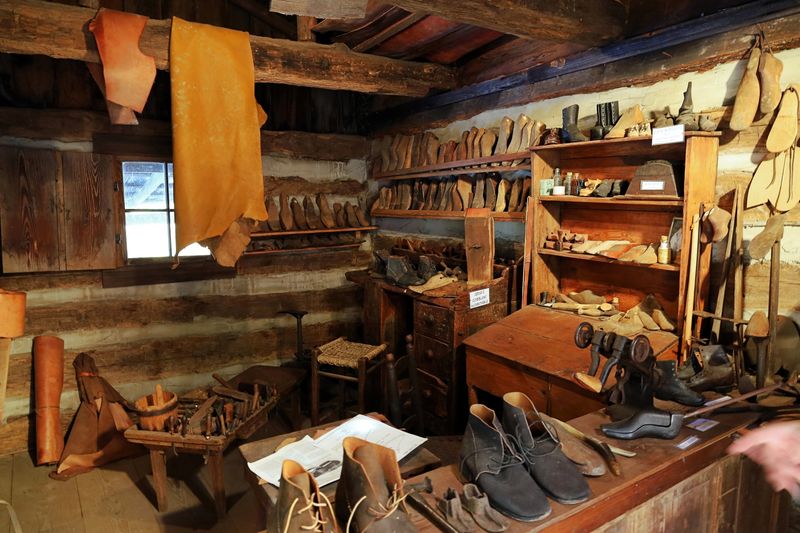
Walk into most history museums and you’ll find velvet ropes and glass cases keeping you at arm’s length. Here, that barrier simply doesn’t exist.
Guests love that the cabins are open and packed with real tools, utensils, and everyday goods from the era, all sitting out where you can truly take them in. One visitor said it feels like being transported in time rather than touring a display.
That hands-close approach makes the whole experience feel personal and interactive. You’re not just looking at history, you’re stepping right into the middle of it.
Trade Shops and a Working Cotton Gin
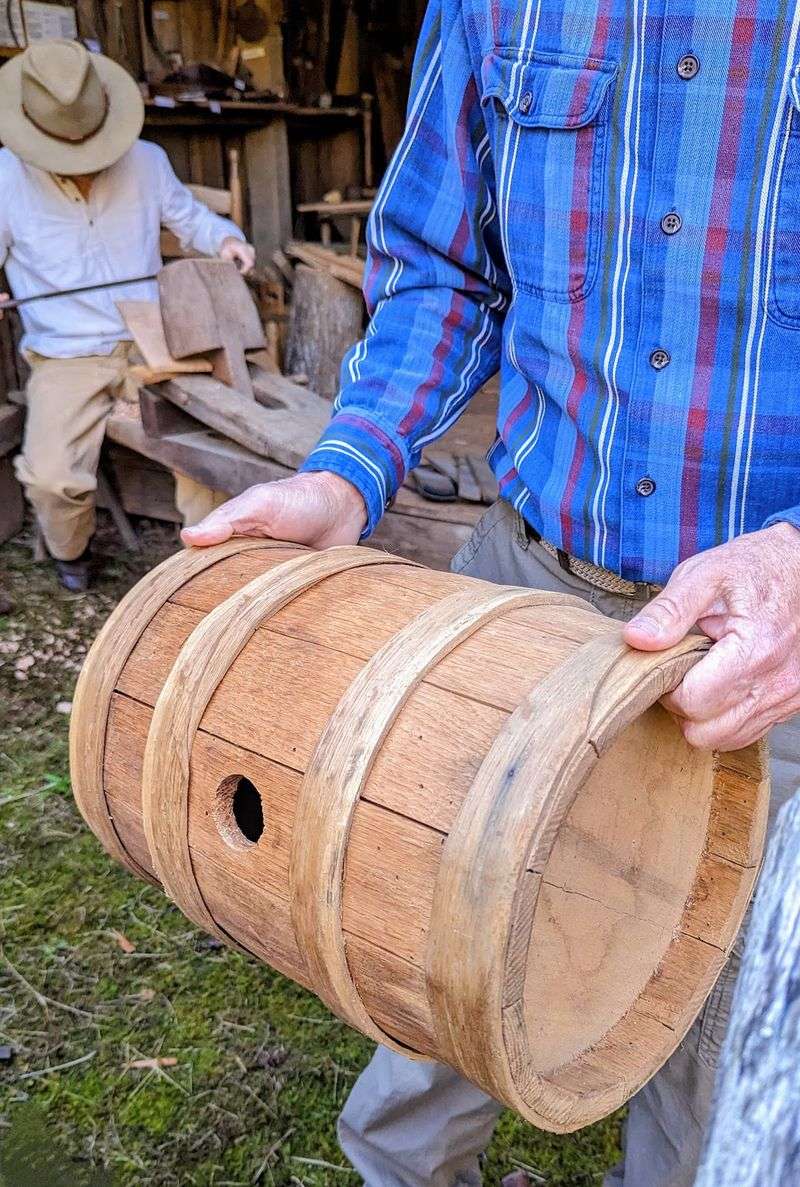
Log homes are only half the story here. Scattered throughout the village you’ll find trade shops, a cotton gin, and other buildings that show how people earned their living long ago.
These working spaces bring the everyday grind of the 1800s to life. From coopers to boot makers, the village captures the many trades that kept a community running.
Seeing early machinery and hand-built workshops side by side gives you a real sense of the effort behind ordinary items. It’s a reminder of just how much skill went into daily life back then.
The October Festival That Brings It to Life
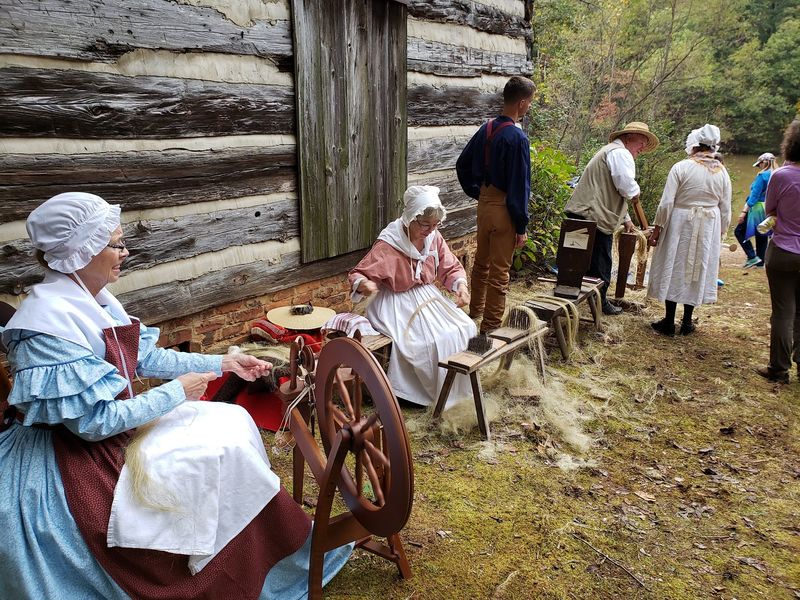
If you can time your visit right, the last Saturday of October is pure magic. On festival day, the whole village fills with people dressed in period costume from roughly the 1790s to the 1820s.
All the buildings open up, and craftspeople of every trade set up shop, working right in front of you. One guest described spotting a vicar walking home from church, a surveyor in a top hat, and musicians playing old-timey tunes on the porches of the wealthier homes.
Regulars say it’s like stepping fully into the past, complete with the sights, sounds, smells, and tastes of the 1800s. Some folks have returned for 30 years and still learn something fresh each time.
Craftspeople and Living Demonstrations
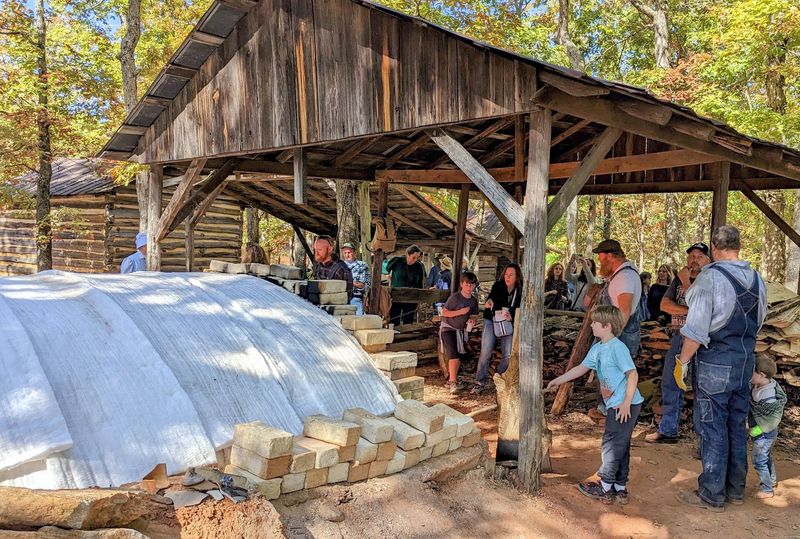
Watching someone actually make something changes how you understand it. During busy days, craftspeople populate the village and can be found creating their crafts or practicing old professions right in the open.
Visitors mention loving the demonstrations, from woodworking to early trades that most of us have never seen up close. Kids and grownups alike tend to linger, mesmerized by the steady, skilled hands.
The level of detail impresses just about everyone who comes through. It’s one thing to read about the past, and another entirely to smell the smoke and hear the tools working.
A Peaceful Lake and a Sunflower Patch
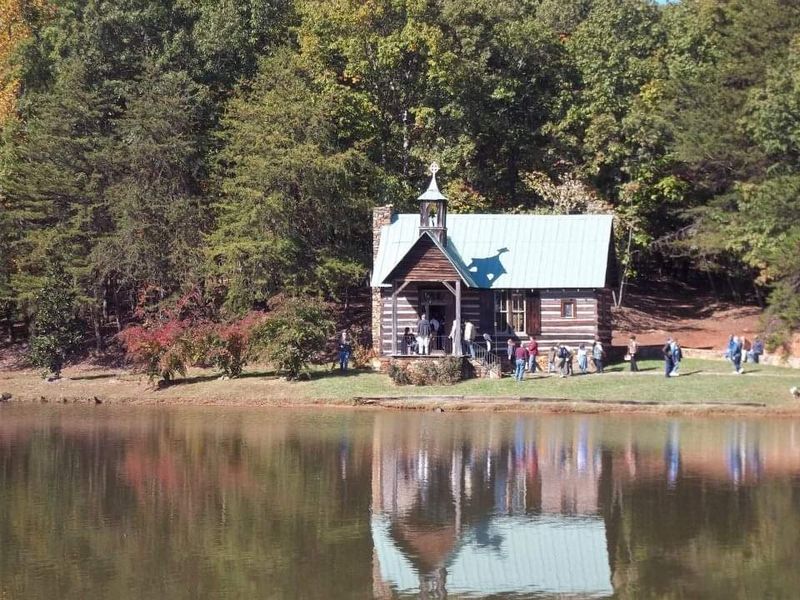
Beyond the buildings, the natural setting deserves its own moment of praise. The village wraps around a small lake in the woods, giving the whole place a calm, storybook feel.
One visitor happily pointed out a huge sunflower patch adding bursts of gold to the scenery. Little touches like that turn a history trip into a genuinely pretty outing.
Between the water, the trees, and the flowers, there’s plenty to admire even when you pause between cabins. Nature and history share the spotlight beautifully here.
Warm, Passionate Staff and Volunteers
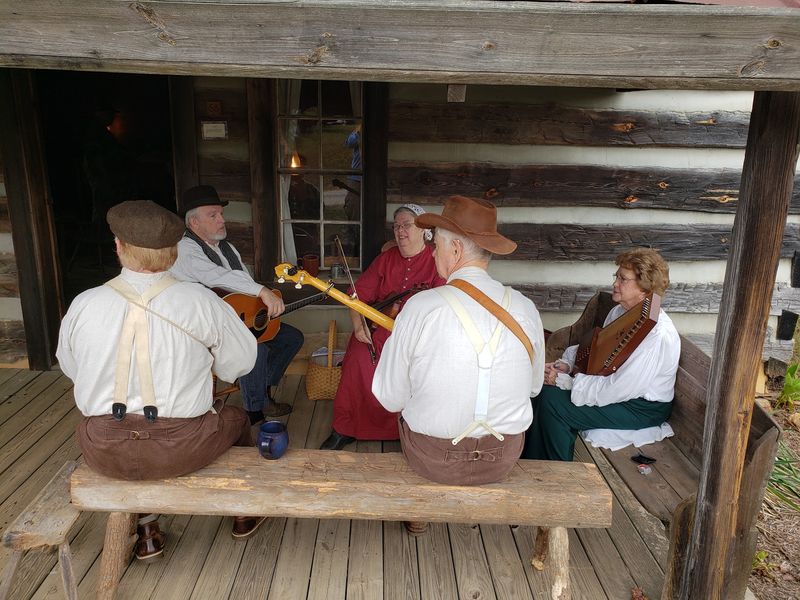
A place can be gorgeous, but it’s the people who make it feel like home. Again and again, guests describe the staff and volunteers as kind, helpful, and clearly passionate about the village’s legacy.
One senior group praised how smoothly everything went, from the reservation process to their guided tour, all met with kindness and efficiency. Others noted how helpful the maps and friendly faces were along the way.
You can feel that everyone involved genuinely cares about keeping this history alive. That warmth is a big part of why so many people leave grinning ear to ear.
A Learning Adventure for Every Age
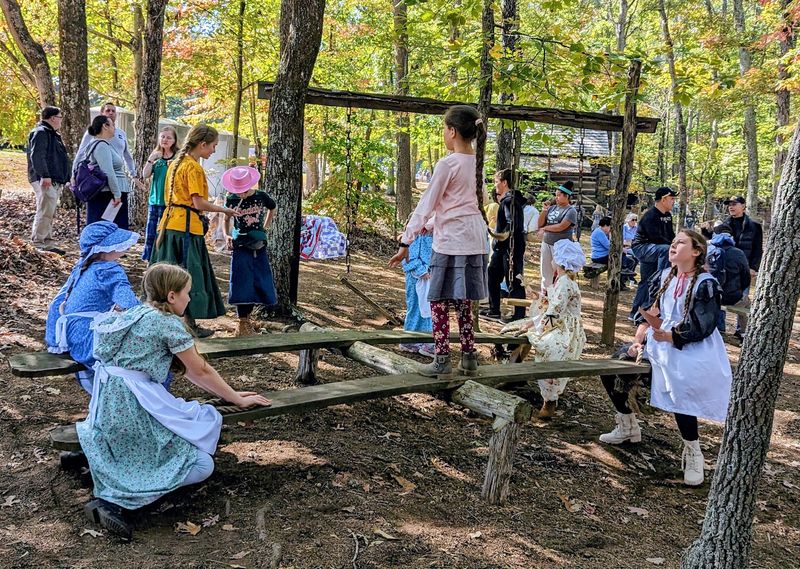
Families searching for a trip that teaches without feeling like homework will strike gold here. Parents love bringing children to learn how people once lived off the land and used the resources around them.
School groups treat it as an unforgettable field trip, and many kids beg to come back during festival time. On some class visits, the founder himself walked students through cabins, sharing a great sense of humor along the way.
Grandparents, parents, and little ones all seem to find their own reasons to enjoy it. Reviewers happily recommend it for absolutely every age.
A Storybook Setting for Weddings and Events
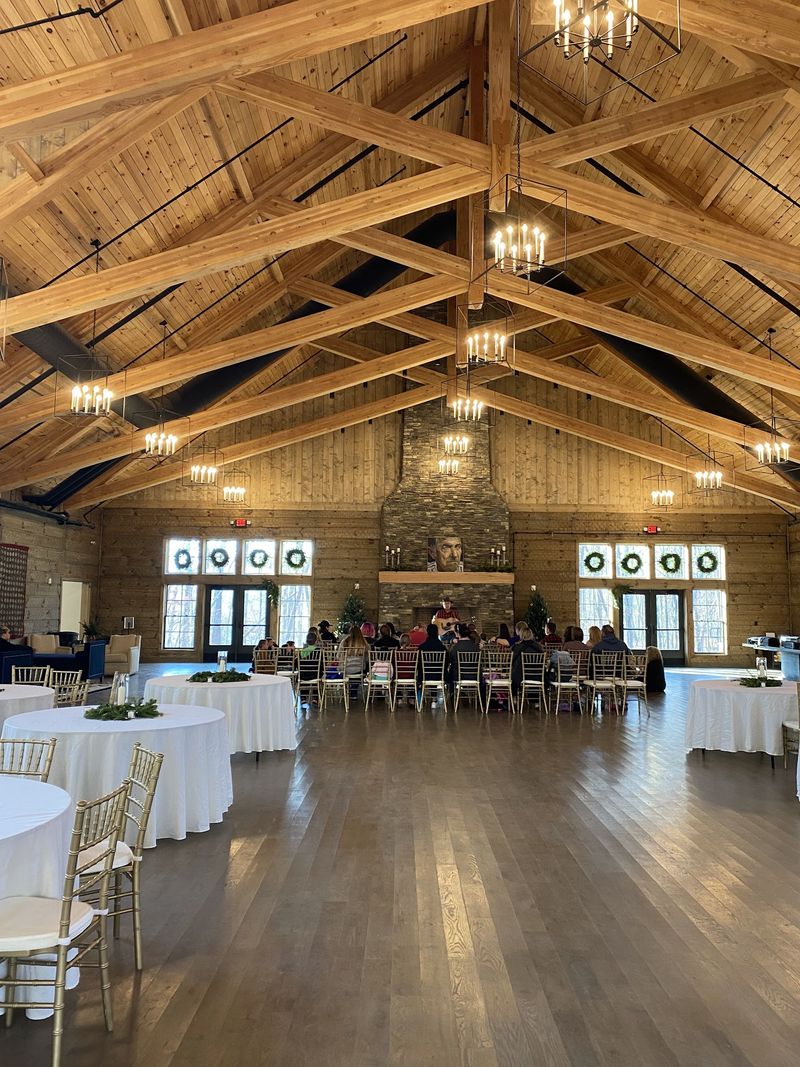
Romance has a way of blossoming in special places, and couples have discovered exactly that here. Some have rented the Chapel of Peace for their weddings and walked away with the most wonderful memories.
One couple shared the sweet detail that they married in the very same place where they fell in love back in high school. The staff pitched in with setup, takedown, and every little question along the way.
Whether it’s a wedding or another gathering, the village makes a heartfelt backdrop. It’s proof that this spot isn’t only about the past, but about making new memories too.
What to Bring and Expect on the Trail
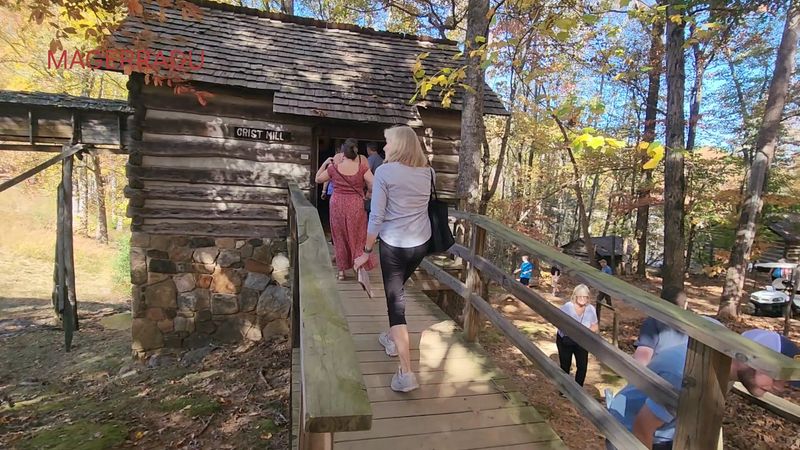
A little planning goes a long way toward enjoying your day. Guests recommend bringing water, since the village is large and there’s a lot of walking to do.
The good news is that the path is fairly flat, though it isn’t paved. One visitor’s elderly father managed the trek using a cane and still found it well worth the effort.
Comfortable shoes and a relaxed pace are your best friends here. Give yourself a full weekend day so you don’t have to rush past all there is to see.
Hours, Tickets, and Getting There
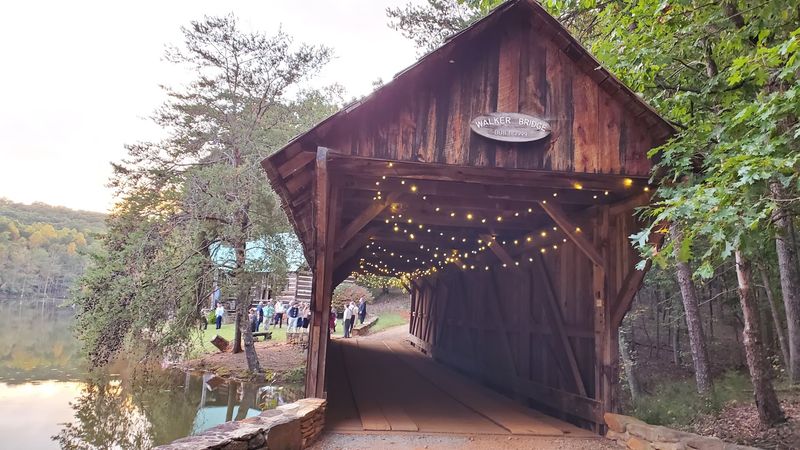
Here’s where a bit of homework pays off before you go. The village sits at 5055 Hope Rd in Vale, NC, and general hours run Tuesday through Saturday from 10 AM to 4 PM, with Sunday and Monday closed.
Keep in mind that special festival days and certain events only happen on a limited number of dates, so checking the website at hartsquare.com is smart. You can also call ahead at 828-222-3727 to sort out tickets and open dates.
Because access can vary by season and event, planning ahead helps you catch the version of the village you want. A quick check saves a long drive to a locked gate.
Why This Village Stays With You
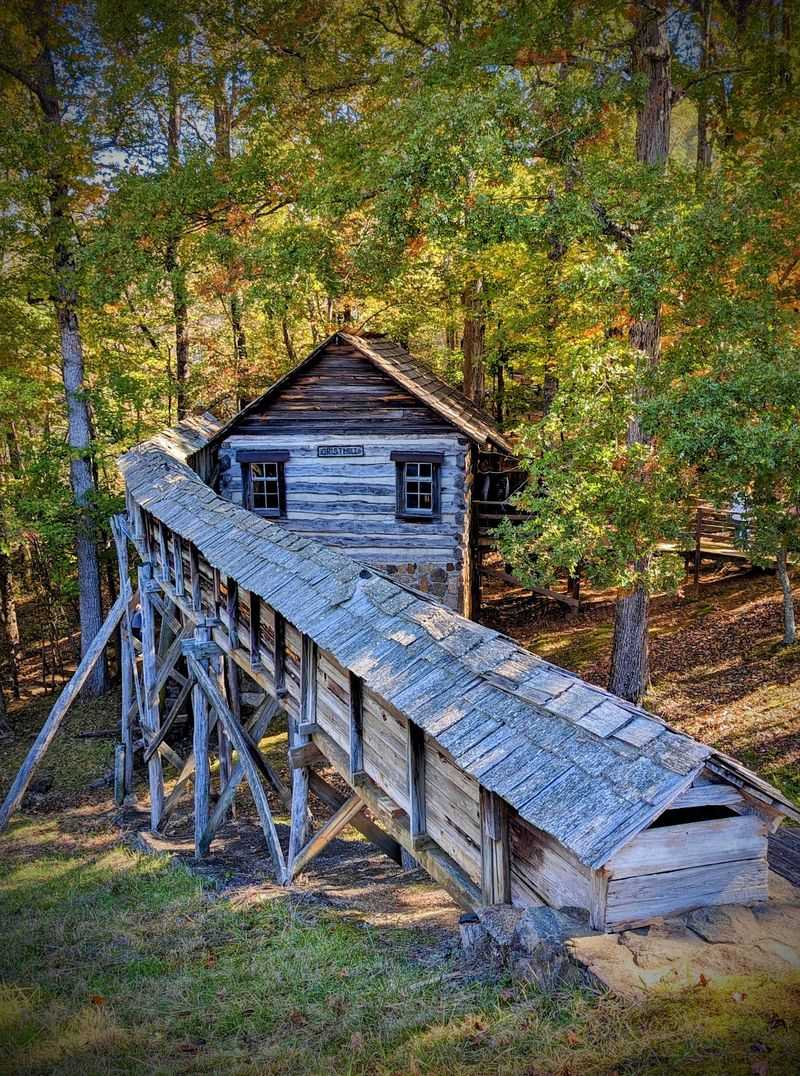
Long after you leave, this place tends to linger in your mind. People call it one of the best early American history preserves they’ve ever seen, and the largest collection of old log homes in North America.
It carries a rare kind of heart, born from one family’s dedication to saving what most folks would have let slip away. That care turns a simple walk in the woods into something close to awe.
If you love history, craftsmanship, and the quiet joy of stumbling onto something special close to home, this village delivers. Come curious, bring water, and give yourself time to truly wander.
Share this story