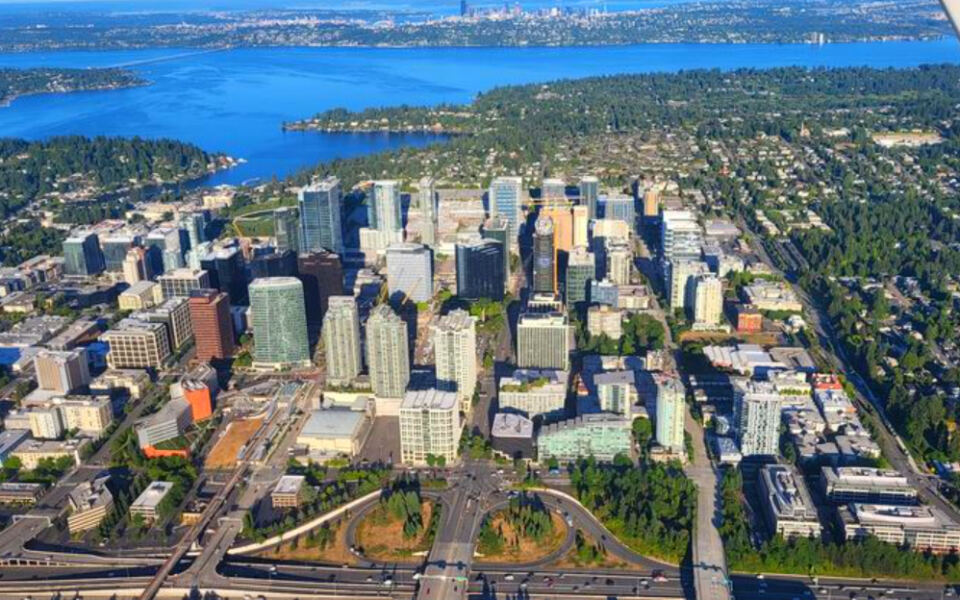
Most people think every city has one downtown, one skyline, one center of gravity. But a surprising number of American cities have quietly grown a second one, a separate district with its own towers, restaurants, transit stops, and enough daily foot traffic to make you forget where the original downtown even is.
Some of these districts were carefully planned from the start. Others just grew that way, pulled by universities, hospitals, shopping corridors, or streetcar lines that no longer exist.
A few have skylines so impressive that first-time visitors pull over to take photos, not realizing they are not even looking at the actual downtown. Whether the result of decades of organic growth or bold urban planning, these places prove that a city’s center of energy does not always stay in one spot.
Here are 15 U.S. cities where a second downtown has taken on a life of its own.
1. Oakland, Pittsburgh, Pennsylvania
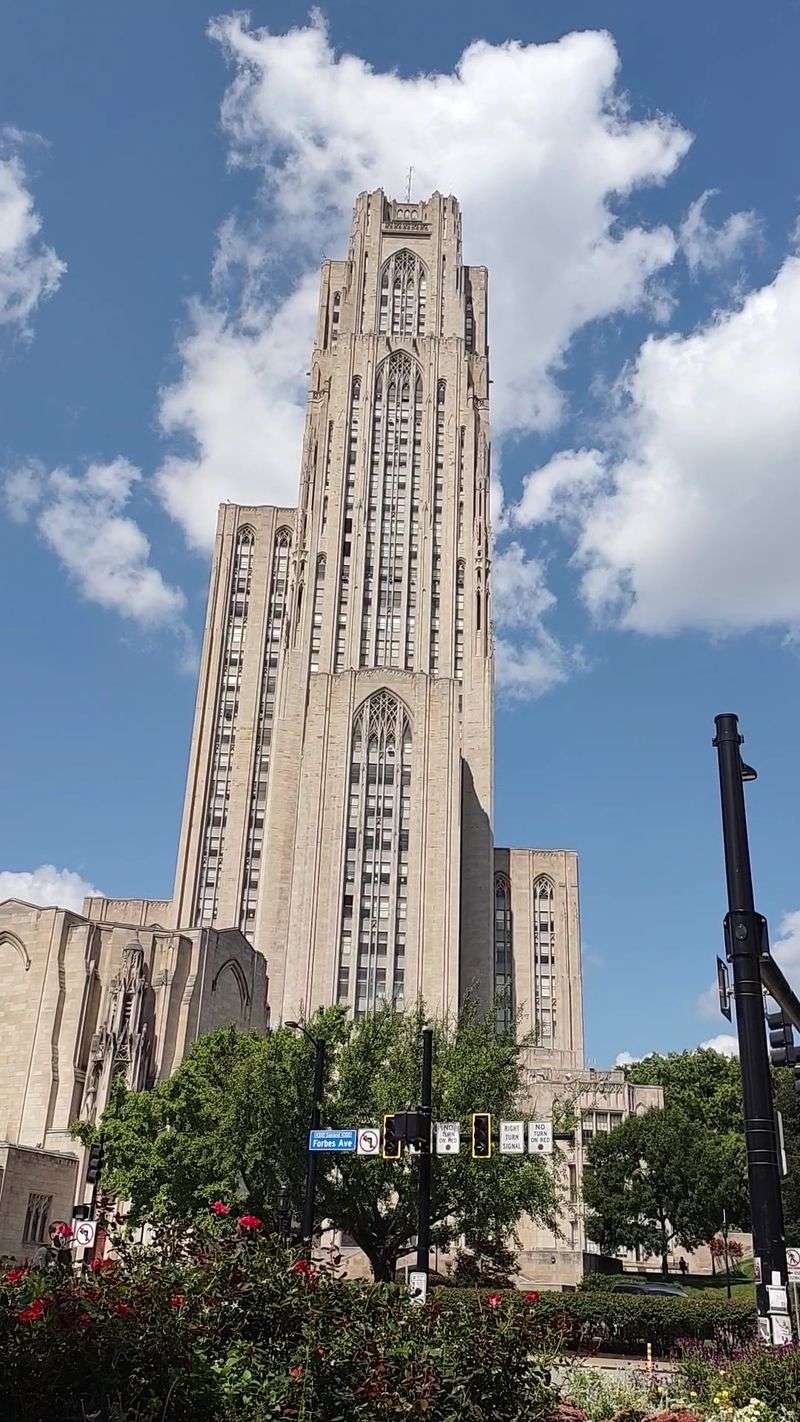
Pittsburgh keeps a remarkable secret hiding about two miles from its famous Golden Triangle, and that secret has its own skyline.
The Oakland neighborhood is so dense with universities, hospitals, museums, and commercial streets that it earned the title of Pittsburgh’s second downtown decades ago. The University of Pittsburgh and Carnegie Mellon University together bring tens of thousands of students, faculty, and researchers into the neighborhood every day.
The Cathedral of Learning, a 535-foot Gothic tower that ranks among the tallest university buildings in the world, gives Oakland a skyline anchor that most actual downtowns would envy. Fifth and Forbes avenues form a busy commercial spine lined with restaurants, shops, and transit stops.
UPMC’s hospital complex adds another massive layer of daily activity. Oakland’s June 2022 Oakland Plan laid out a detailed vision for future development, making it clear this second downtown is not slowing down anytime soon.
2. Buckhead, Atlanta, Georgia
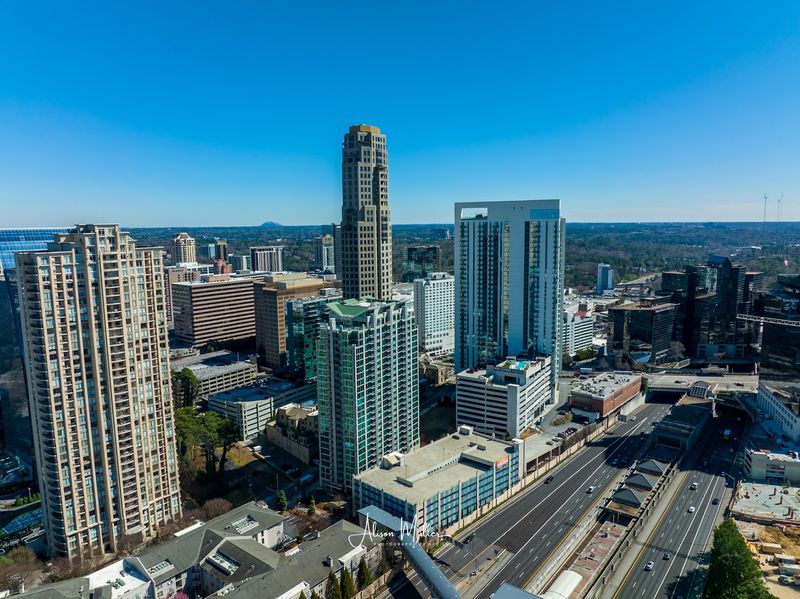
Head north on Peachtree Road from Downtown Atlanta, and somewhere around the 10-mile mark, another city seems to appear out of nowhere.
Buckhead has developed into a full-scale commercial district with its own cluster of glass office towers, upscale hotels, corporate headquarters, and luxury shopping destinations including Lenox Square and Phipps Plaza. The financial and legal industries have a particularly strong presence here, giving Buckhead an unmistakably business-oriented energy that mirrors what you would expect from a traditional downtown.
MARTA rail connects the district to the rest of Atlanta, which helps explain why Buckhead attracts not just residents and shoppers but also daily commuters who never set foot in Downtown Atlanta at all.
The Buckhead Community Improvement District has invested heavily in infrastructure and public safety upgrades, treating the area with the same seriousness a city would give its primary core. The result is a district that functions less like a suburb and more like a parallel city center.
3. SouthPark, Charlotte, North Carolina
It started with a shopping mall, which is not exactly the most glamorous origin story for a second downtown, but SouthPark has long since outgrown that beginning.
SouthPark Mall opened in 1970 and quickly became a retail anchor for the southern part of Charlotte. Over the following decades, office buildings, hotels, apartment towers, and restaurants filled in around it, creating a district that now rivals Uptown Charlotte in job density and economic output.
The character here is noticeably different from Charlotte’s primary center. Green spaces, quieter streets, and a more spread-out layout give SouthPark a distinct feel, even as its commercial core keeps growing denser.
Ongoing improvements to pedestrian and bicycle infrastructure signal that planners are treating it less like a suburb and more like a genuine urban district.
For anyone who works or lives in the southern part of the city, SouthPark simply is downtown, no qualifier needed.
4. Century City, Los Angeles, California
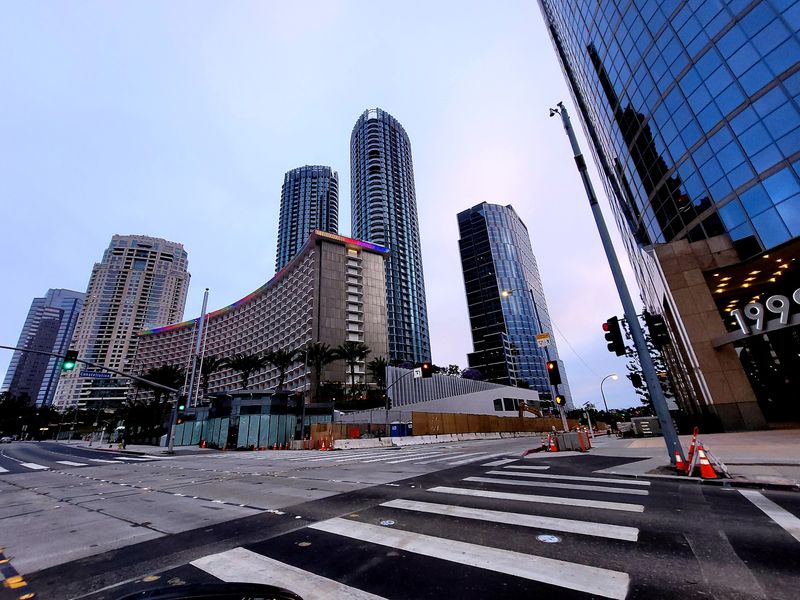
Few places in America were as deliberately designed to be a second downtown as Century City, and the ambition shows in every glass tower along Avenue of the Stars.
The district was built on the former back lot of 20th Century Fox studios, which gives it one of the more cinematic origin stories on this list. Planners envisioned a self-contained commercial center for the Westside of Los Angeles, and the result is a compact cluster of high-rise office buildings, luxury hotels, upscale residences, and Westfield Century City, one of the most visited shopping centers in California.
Entertainment, legal, and financial firms fill the office towers, creating a professional density that feels entirely separate from Downtown Los Angeles several miles to the east. The Purple Line Extension is bringing Metro rail directly to the district, which will only strengthen its role as an independent urban hub.
From certain angles, the Century City skyline looks less like a district and more like a standalone metropolis.
5. Downtown Bellevue, Bellevue, Washington
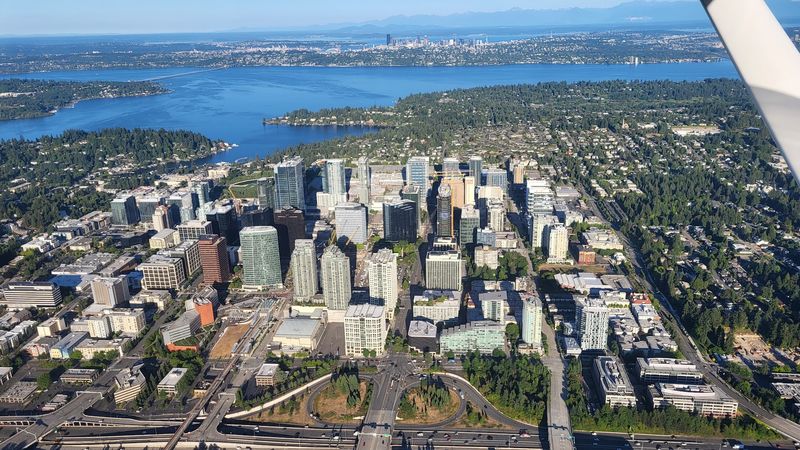
Across Lake Washington from Seattle sits a skyline that surprises a lot of first-time visitors to the Pacific Northwest, and it belongs entirely to Bellevue.
The City of Bellevue officially refers to its downtown as Washington State’s second-largest downtown, and the numbers back that up. Glass towers for offices, residences, and hotels have risen rapidly over the past two decades, fueled in part by major technology companies choosing Bellevue as a base of operations.
Bellevue Square and surrounding retail anchor the street-level experience, while parks and cultural attractions round out the district’s appeal. Sound Transit’s East Link light rail extension now connects Downtown Bellevue directly to the regional transit network, making it easier than ever to reach without a car.
A Washington State Transportation Commission presentation explicitly described Downtown Bellevue as the region’s second downtown, which is a rare case of a government document being completely accurate. The skyline across the lake speaks for itself.
6. Uptown, Houston, Texas
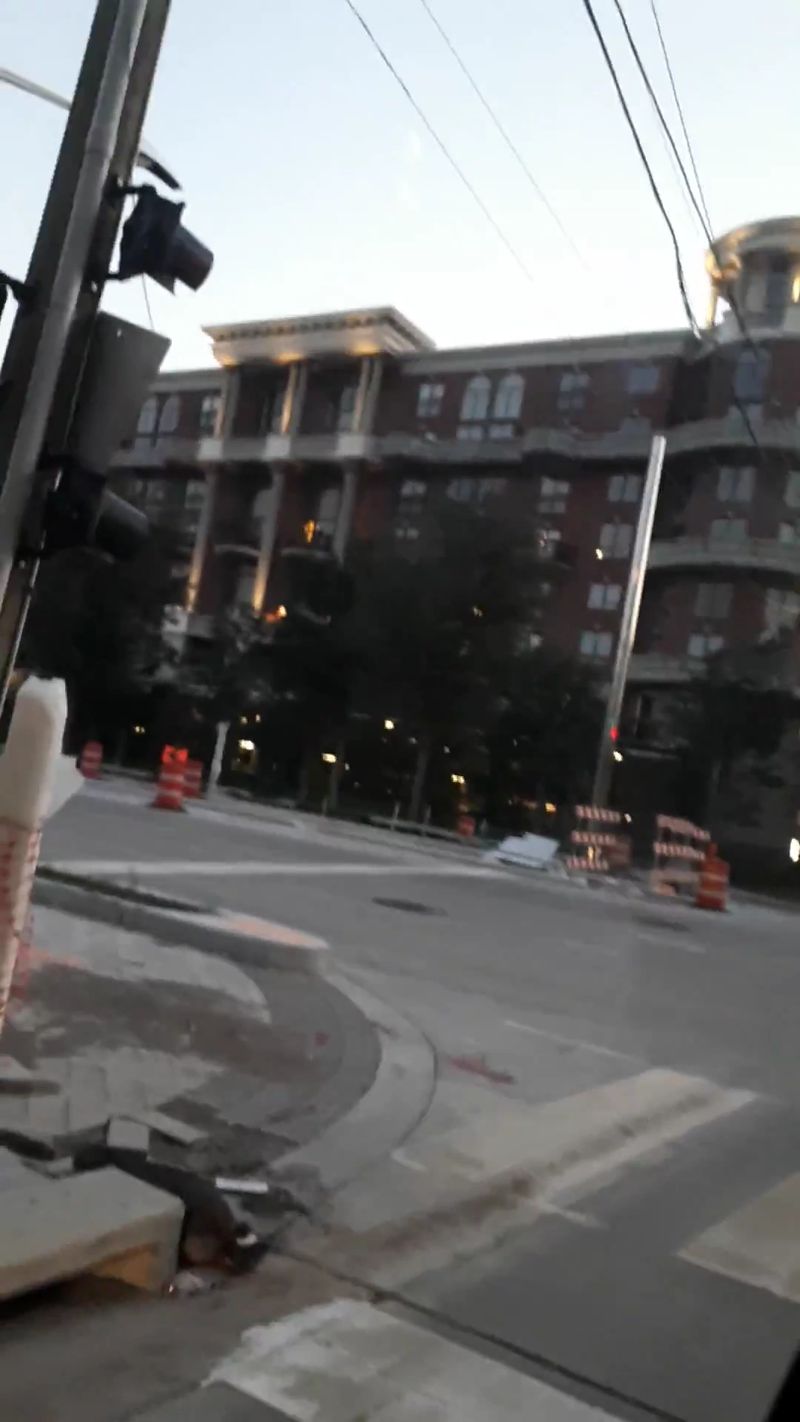
Houston is already famous for having multiple distinct skylines scattered across its enormous footprint, but the one rising around Post Oak Boulevard is the one most people call the city’s second downtown.
The Galleria, one of the largest malls in the United States, anchors the district and draws millions of visitors each year. Surrounding it are dense blocks of office towers, luxury hotels, residential high-rises, and restaurants that together create a commercial core substantial enough to rival many cities’ primary downtowns.
Gerald D. Hines Waterwall Park adds a public gathering space to the mix, and ongoing pedestrian infrastructure improvements are making it easier to move through the district on foot.
Houston City Council correspondence has referenced Uptown as the city’s second downtown and a critical economic center, which is a fairly official endorsement of what most residents already knew.
The skyline appears suddenly when driving in from surrounding neighborhoods, and it is genuinely impressive every single time.
7. The Domain, Austin, Texas
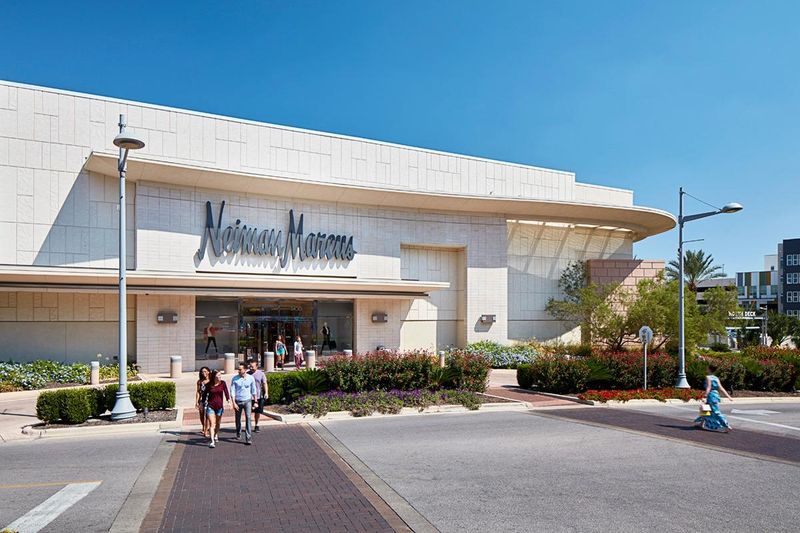
Not many second downtowns can trace their origin to a former IBM manufacturing campus, but that is exactly where Austin’s Domain began.
The site was redeveloped into a high-density mixed-use district that now includes apartments, office buildings, hotels, retail streets, restaurants, and entertainment venues. Tech companies moved in quickly, making The Domain one of Austin’s most important employment centers outside the traditional downtown core.
The layout was designed with walkability as a priority, which means residents and visitors can eat, shop, work, catch a concert, and return to a nearby apartment without ever getting in a car. That level of self-sufficiency is what earns a district the second downtown label, and The Domain earns it convincingly.
Unlike older neighborhoods that slowly became urban centers over generations, much of The Domain’s citylike character was deliberately built within the past two decades. It is a rare example of planned density that actually worked, and Austin’s rapid growth means it keeps getting more urban every year.
8. University City, San Diego, California
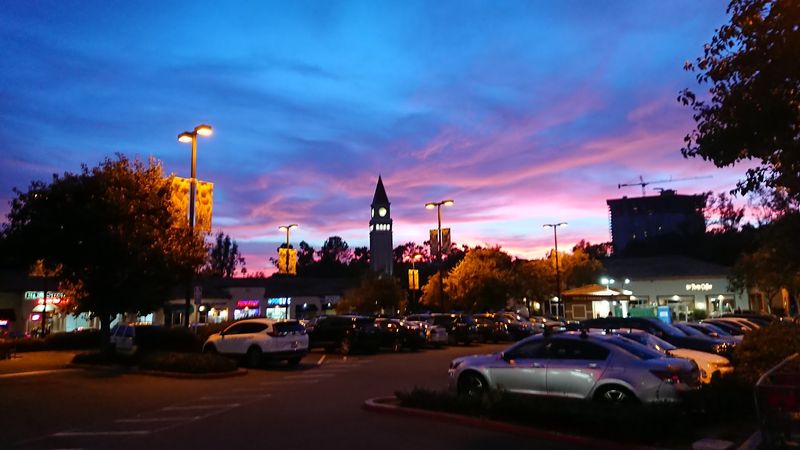
San Diego has a well-known downtown along its waterfront, but head north and the city quietly reveals another version of itself in University City.
The UTC area has developed into a major hub for technology, biotech, medical research, and higher education, largely driven by the proximity of UC San Diego and its affiliated health system. Office buildings and research facilities have multiplied steadily, giving the district a skyline that reads as clearly urban from the freeway.
Westfield UTC serves as the retail anchor, drawing shoppers from across the northern part of the city. The Mid-Coast Trolley extension changed the district’s accessibility significantly, connecting University City directly to Downtown San Diego by light rail for the first time and cementing its role as a genuine second center rather than just a suburban node.
The surrounding canyon lands give the neighborhood a distinctly Southern California quality, where dense modern development sits right beside preserved natural terrain. That contrast is part of what makes it feel like its own place entirely.
9. University City, Philadelphia, Pennsylvania
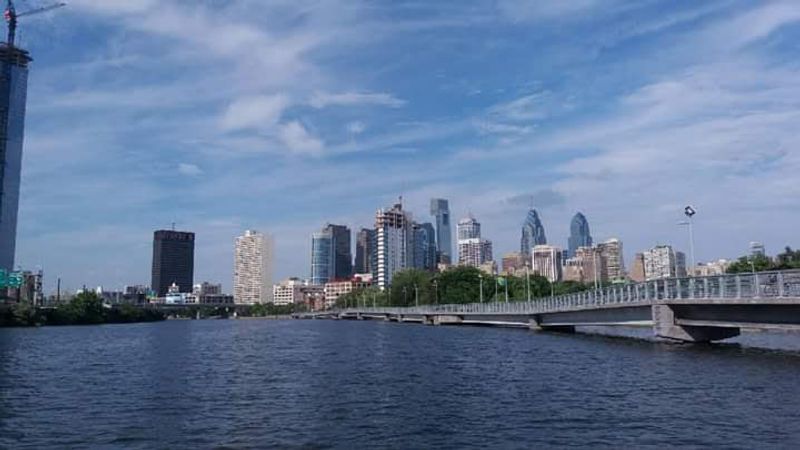
Cross the Schuylkill River heading west from Center City, and Philadelphia’s skyline does not disappear as much as it transforms into something different.
University City has developed its own collection of towers, research buildings, and dense commercial streets around one of the most impressive transit hubs on the East Coast. 30th Street Station connects the neighborhood to Amtrak, SEPTA regional rail, and multiple subway lines, making it a genuine transportation crossroads as well as an academic and medical one.
The University of Pennsylvania and Drexel University together bring a massive population of students, researchers, and professionals into the neighborhood every day. Hospitals and research institutions add further layers of activity, and new high-rise developments continue to rise around the station area.
Visit Philadelphia has noted that University City is sometimes called the city’s second downtown, and the description becomes more literal with each new building that goes up. The combination of transit infrastructure, academic institutions, and modern development makes it one of the most dynamic secondary centers on this entire list.
10. Dinkytown, Minneapolis, Minnesota
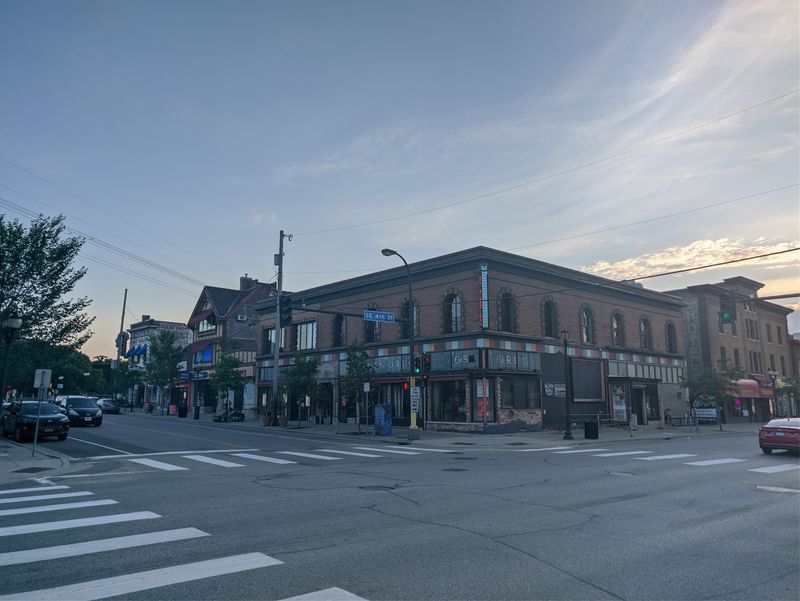
The name alone should earn Dinkytown a spot on any list, but the history behind it makes the case even stronger.
During the streetcar era, this compact commercial district beside the University of Minnesota grew into such an important shopping and entertainment destination that it earned the nickname of Minneapolis’s second downtown. Streetcars pulled residents from across the city to its storefronts, theaters, and restaurants, giving it an outsized role for a neighborhood of its size.
Today the scale is decidedly more neighborhood than metropolitan, but that is actually what makes Dinkytown worth visiting. The older commercial buildings have survived largely intact, and the mix of independent restaurants, student-focused businesses, and longtime storefronts preserves the character of a compact urban center that developed entirely on its own terms.
It will not overwhelm you with glass towers or corporate campuses. Instead, Dinkytown offers a quieter reminder that second downtowns do not have to be enormous to be meaningful, just busy enough to matter to the people who depend on them.
11. Sugar House, Salt Lake City, Utah
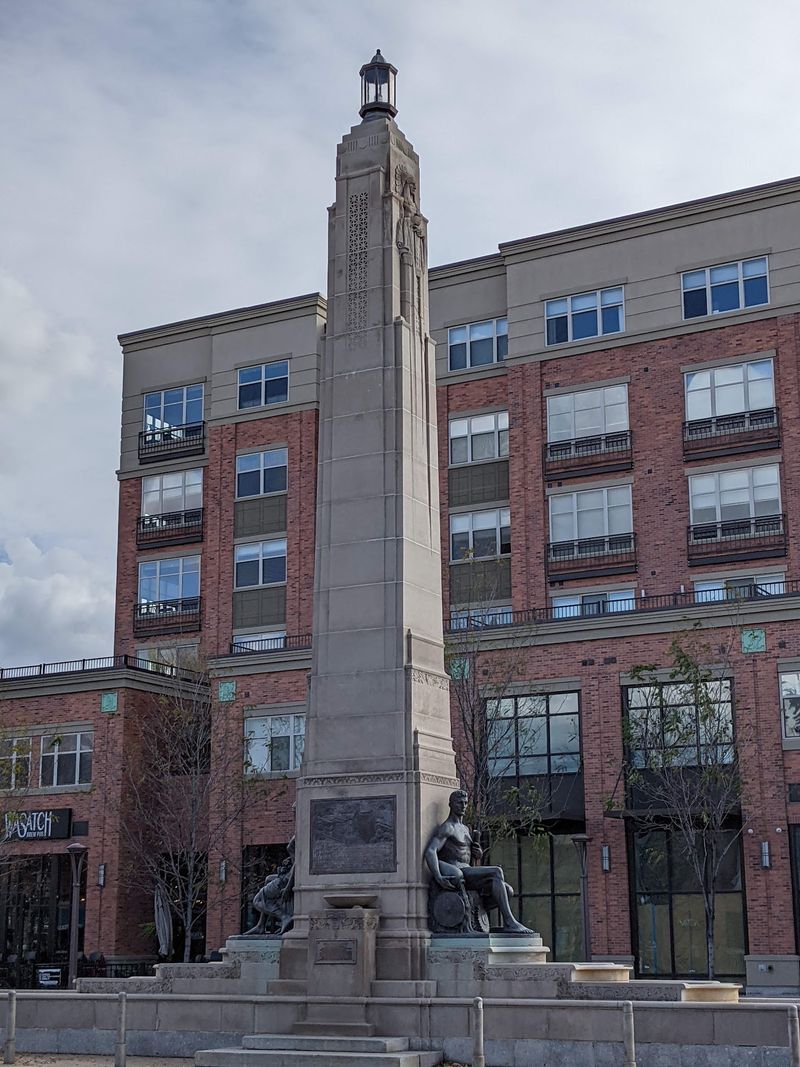
Sugar House has one of the more distinctive names in American urban geography, and its identity as Salt Lake City’s second downtown is just as distinctive.
The neighborhood has undergone substantial redevelopment in recent years, replacing older strip commercial development with mid-rise apartments, offices, hotels, and a lively main street full of restaurants and shops. The transformation has been significant enough that Sugar House now functions as a genuine alternative center for residents who live in the southern half of the Salt Lake Valley.
Sugar House Park, a large green space at the neighborhood’s edge, gives the district a recreational anchor that most second downtowns lack. The S-Line streetcar connects Sugar House to other parts of the city, adding a transit layer to its appeal.
What makes the neighborhood particularly interesting is that it has managed to grow denser without completely losing its neighborhood character. Established residential streets and older buildings still frame its edges, keeping it from feeling like a generic development project dropped onto a map.
12. University Circle, Cleveland, Ohio
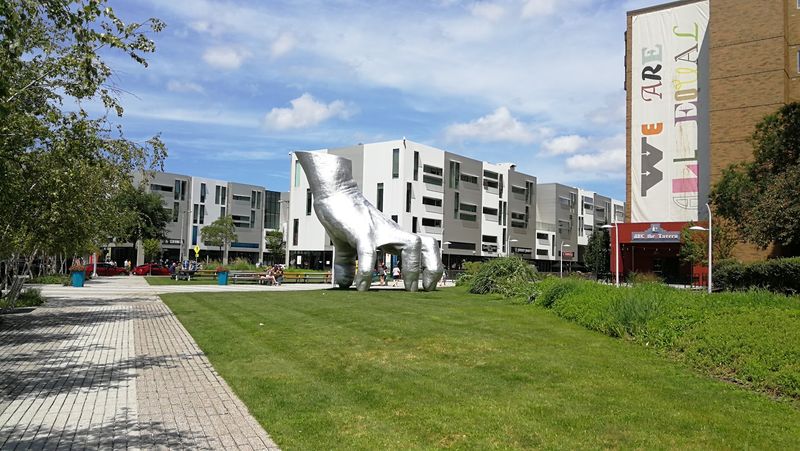
Cleveland’s second downtown has a longer and more complicated history than most, stretching back more than a century to when an intersection called Doan’s Corners ruled the east side of the city.
In the early 20th century, the area around Euclid Avenue and East 105th Street developed into a major shopping, entertainment, and commercial hub that residents genuinely called the city’s alternative downtown. Streetcars made it accessible to neighborhoods across Cleveland, and the density of activity rivaled anything happening closer to the lakefront.
The modern University Circle district has a different identity, built around anchor institutions rather than retail. Case Western Reserve University, University Hospitals, the Cleveland Clinic, the Cleveland Museum of Art, and Severance Music Center give the area a concentration of cultural and medical resources that few districts of any kind can match.
The Uptown development added retail, restaurants, and residential units to the mix, giving University Circle a more complete urban character. Its combination of deep history and ongoing investment makes it one of the most layered second downtowns in the country.
13. Walnut Hills, Cincinnati, Ohio
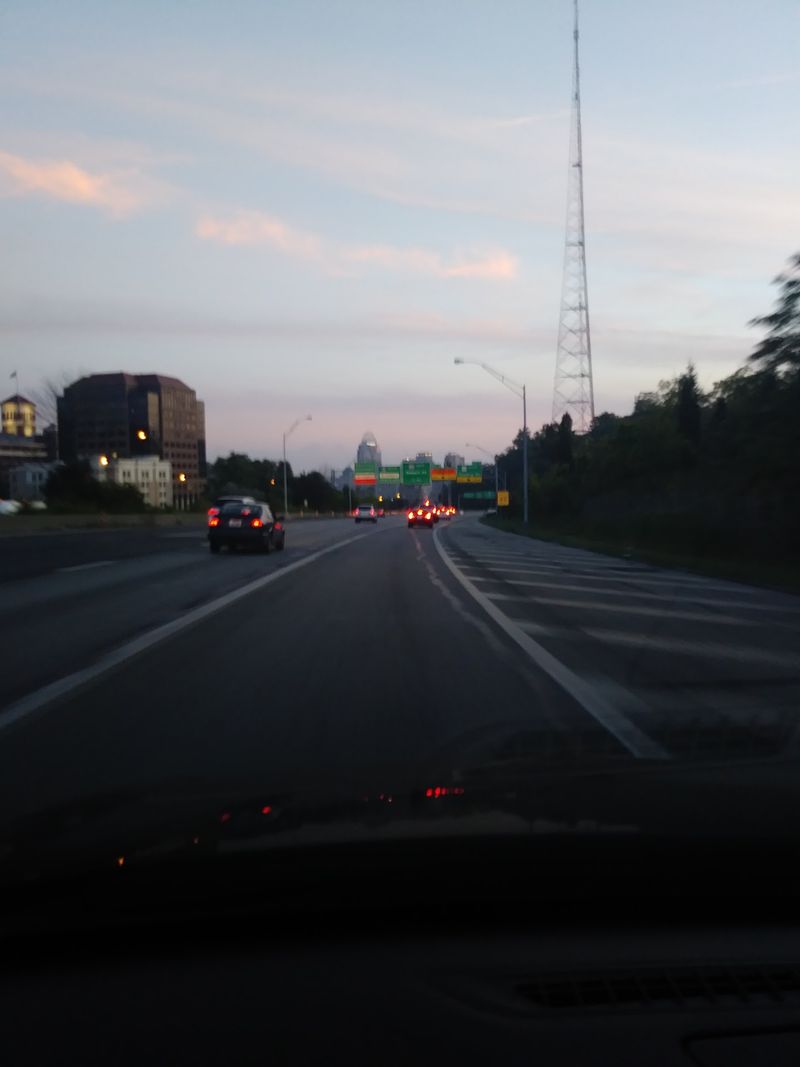
Perched above Cincinnati on a hillside that gives it literal elevation above the rest of the city, Walnut Hills once had a crossroads so commercially important that locals gave it a name: Peebles Corner.
During the streetcar era, Peebles Corner developed into a major shopping and entertainment destination that functioned as Cincinnati’s second downtown. The neighborhood’s elevated position and transit connections made it a natural gathering point for residents from across the eastern side of the city.
The streetcars are long gone, but the historic architecture they left behind is one of Walnut Hills’s most compelling assets today. Brick commercial buildings from the early 20th century line the main corridor, giving the neighborhood a visual character that is quite different from the glass towers along Cincinnati’s riverfront.
Ongoing reinvestment has brought new restaurants, cafes, and businesses back to the corridor in recent years. Community-led development efforts have focused on preserving that historic fabric while creating room for new economic activity, making Walnut Hills one of the more thoughtfully managed second downtowns on this list.
14. Tysons, Virginia
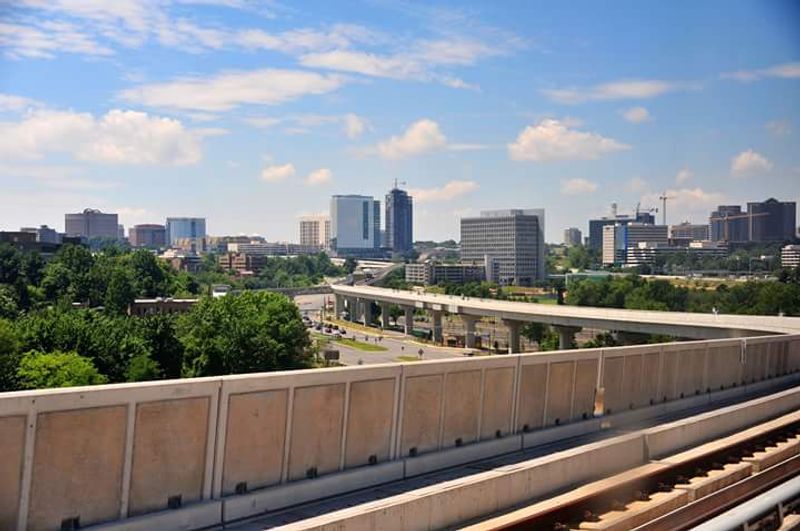
Tysons is the most ambitious urban transformation project on this list, and it is still very much in progress, which makes it fascinating to watch.
For most of its history, Tysons was a classic edge city: enormous office parks, giant malls, and a road network that made walking feel like a theoretical concept. Then Fairfax County released a detailed plan explicitly envisioning Tysons as a second downtown for the Greater Washington region, and Metro’s Silver Line arrived with four stations cutting through the district.
The transformation since then has been measurable. New apartment towers, hotels, and mixed-use buildings have risen around the station areas, and Tysons Corner Center remains one of the most visited malls in the country.
The district is now one of Northern Virginia’s most important economic engines.
The pedestrian infrastructure still has room to improve, and some corners of Tysons remain stubbornly suburban in character. But the direction of change is clear, and the ambition behind the plan is real.
Give it another decade and the second downtown label may feel completely obvious.
15. Uptown 23rd, Oklahoma City, Oklahoma
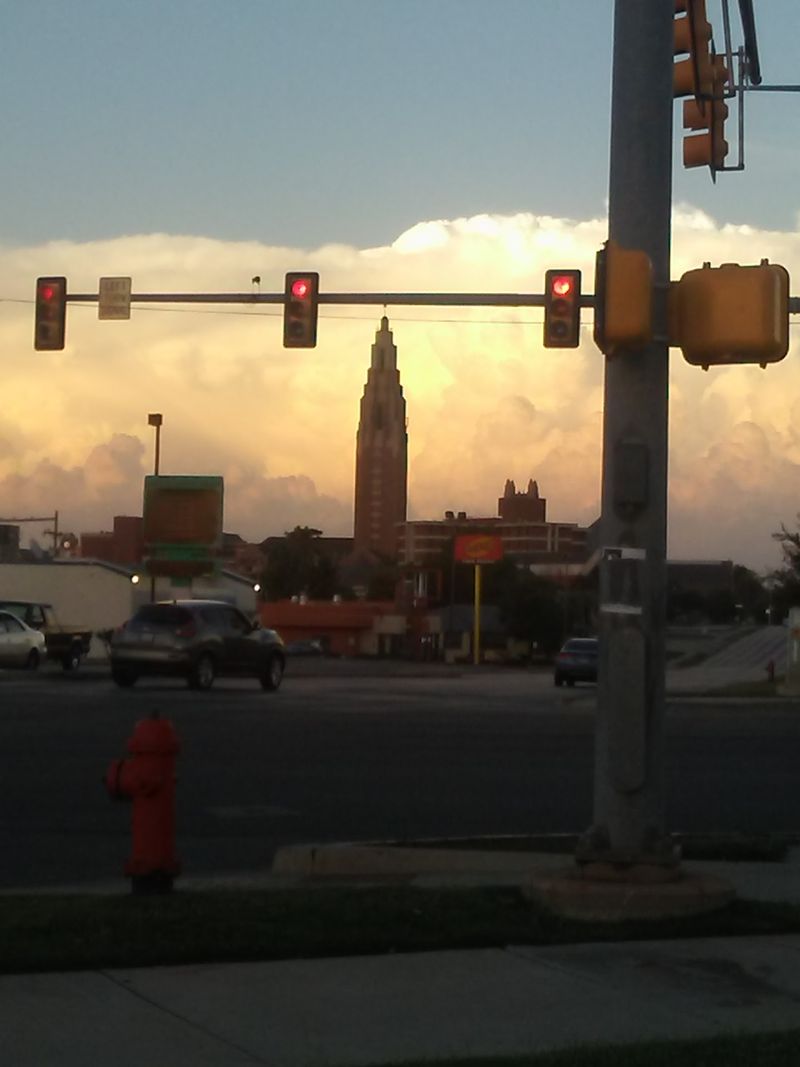
Northwest 23rd Street has been many things over the decades, but its most interesting chapter may be the one that gave it a second downtown reputation.
As Oklahoma City expanded northward through the mid-20th century, the corridor around NW 23rd Street developed into a major shopping, dining, and entertainment destination outside the original downtown core. Department stores, theaters, and restaurants lined the street, drawing residents from across the growing city and earning the surrounding area its reputation as a genuine alternative center.
The Tower Theatre is the district’s most recognizable landmark, a restored venue that anchors the corridor and hosts concerts and community events. Around it, a mix of local restaurants, cafes, restored storefronts, and independent businesses has replaced some of the mid-century commercial activity with something more contemporary.
Uptown 23rd does not try to imitate Downtown Oklahoma City, and that is exactly what makes it appealing. Its identity is rooted in its own history, its own architecture, and its own community, which is a more honest kind of second downtown than most cities ever manage to produce.
Share this story