A wall of plaques in a small Iron Range town honors the greatest names in American hockey. Yes, the national shrine to the sport sits way up north, far from any big-city arena or pro skyline.
It holds three floors of hockey history. Vintage leather goalie pads share space with tributes to Herb Brooks and the 1980 Olympic team.
There’s even a spot to test how fast your slapshot really flies.
I love that Minnesota claimed this honor instead of some flashy coastal metro. It feels right for a state that treats frozen ponds like sacred ground and youth tournaments like family reunions.
So why do fans happily burn a full tank of gas to get there? I believe the answer starts with one modest building and a whole lot of homegrown pride.
America’s Hockey Shrine Lives Way Up North
Plenty of states would love to host a national hall of fame. Minnesota landed the one for hockey, and that feels like a well-earned win.
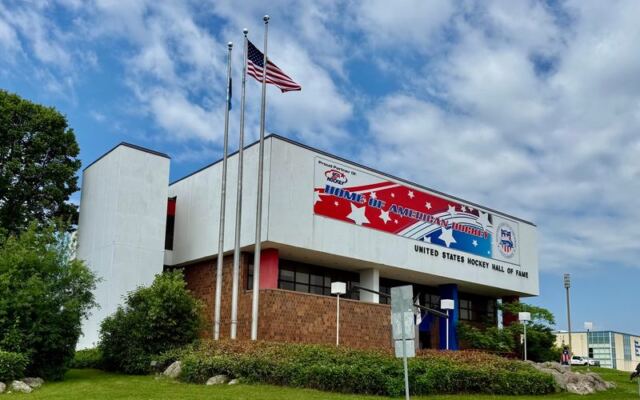
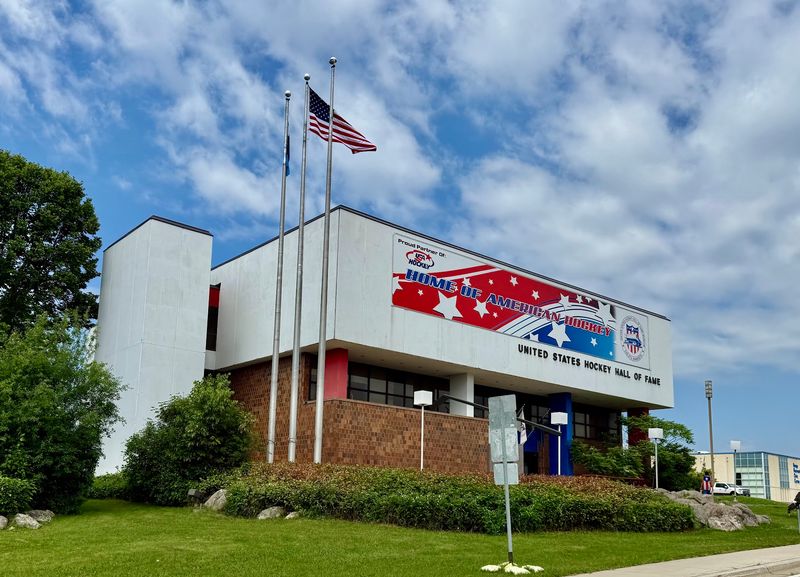
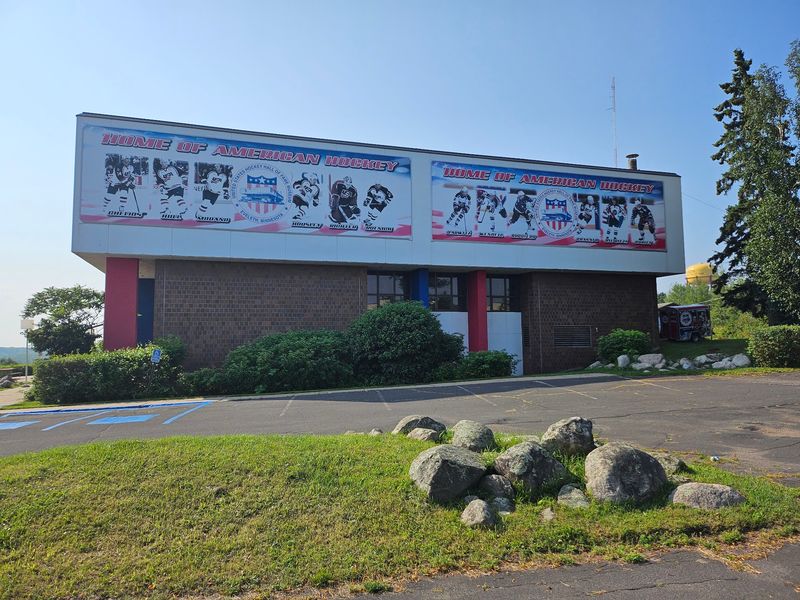
The United States Hockey Hall of Fame is a museum honoring notable American players. It sits in Eveleth, a small city on the Iron Range of northern Minnesota.
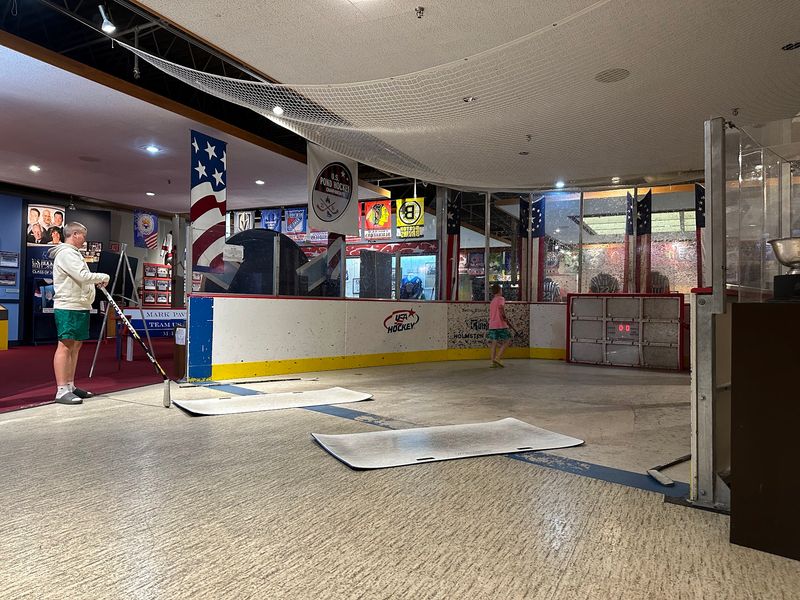
Inside, you’ll find history exhibits, memorabilia, and even a replica rink. The focus stays squarely on American hockey, from its earliest days to the modern game.
That focus matters to fans who grew up skating on outdoor rinks. Seeing their sport honored this seriously can feel a lot like seeing family recognized.
The building doesn’t shout for attention from the road. Some fans drive past it for years before finally pulling into the lot.
Once they step through the doors, the long wait tends to feel a little silly. The real draw is everything waiting inside.
Why Hockey Country Makes the Perfect Address
Hockey is the North, and hockey is small towns. Few places prove that better than this corner of Minnesota.
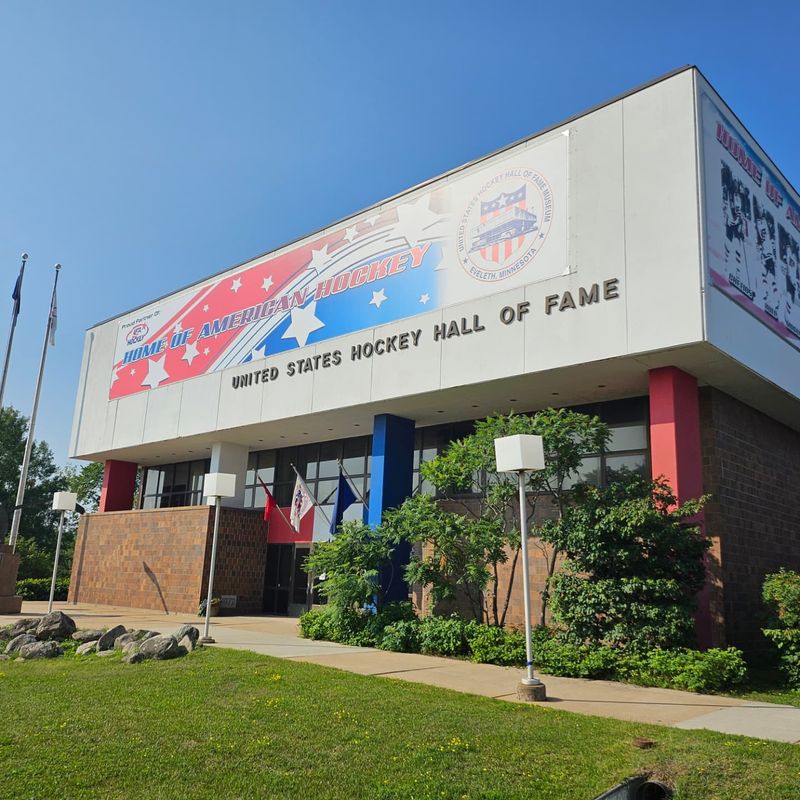
You’ll find the museum at 801 Hat Trick Ave, Eveleth, MN 55734. Yes, the street is really named Hat Trick Avenue, which is about as on-brand as an address can get.
Eveleth sits on the Iron Range, a region with deep hockey roots. The town’s connection to the sport shows up well beyond the museum walls.
For Twin Cities fans, the trip becomes part of the experience. You leave the metro behind and head toward the kind of community where hockey grew up.
That setting gives the whole visit extra meaning. A hall of fame in a downtown skyscraper would feel polished, but this one feels earned.
Big-city museums have their perks. Still, there’s real pride in knowing America chose a hardworking Minnesota town to hold its hockey memory.
A Wall of Plaques Worth Reading Slowly
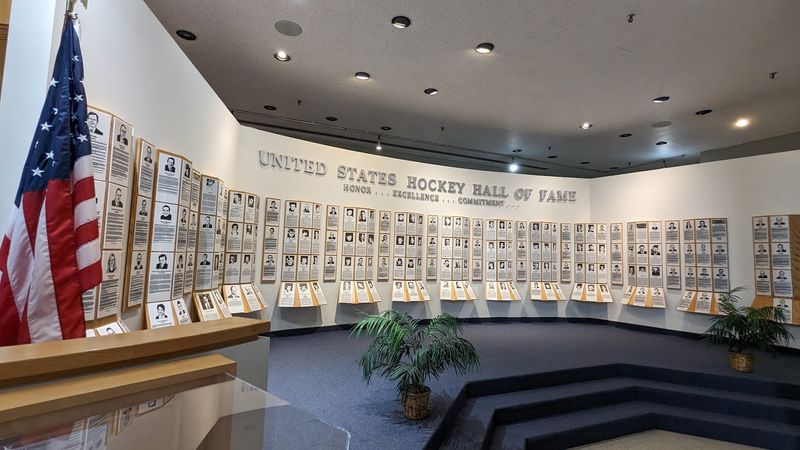
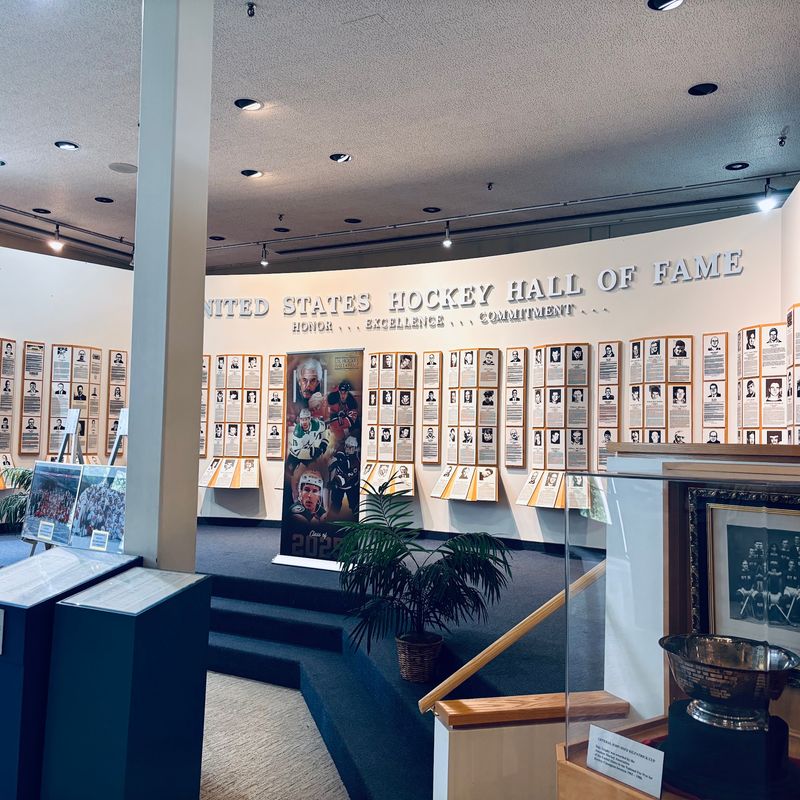
Every hall of fame needs its centerpiece. Here, it’s a long wall of plaques honoring the people who built American hockey.
The honorees aren’t only players. Coaches, owners, and other contributors who shaped the sport’s success share the spotlight too.
That mix tells a fuller story than goal totals ever could. Hockey in the United States grew because of builders behind the bench and in the front office.
New inductees typically join the ranks each year. Recent additions have reflected the college game and the professional women’s league, so the wall keeps evolving.
Fans often scan the plaques hunting for hometown heroes. Minnesota names pop up, which tends to spark a little extra chest-puffing.
Take your time with this part of the visit. Reading the names one by one turns a simple display into a quiet roll call of the game’s history.
Herb Brooks and the Miracle That Still Gives Goosebumps
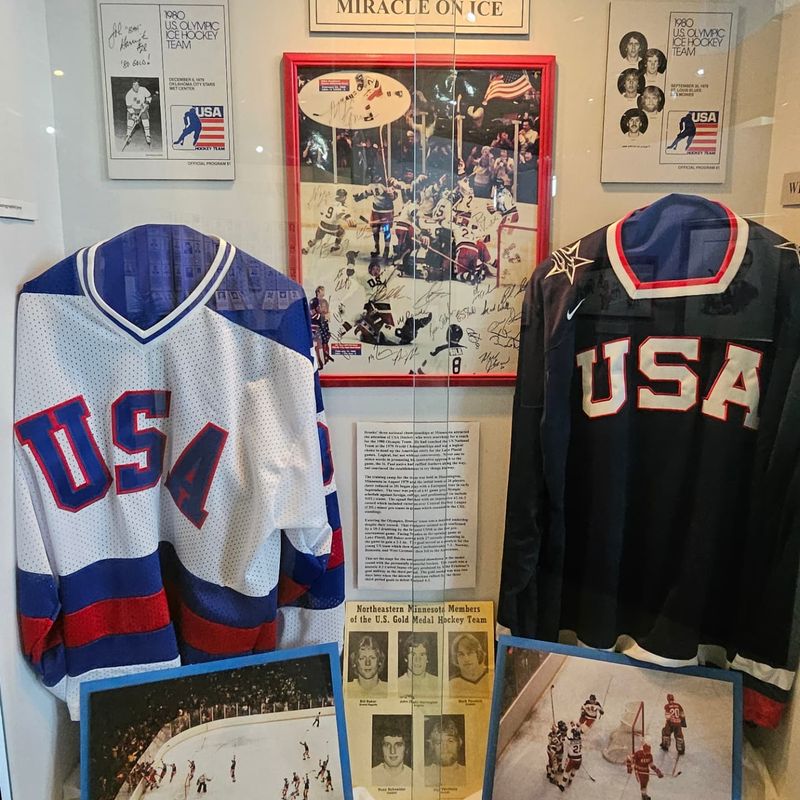
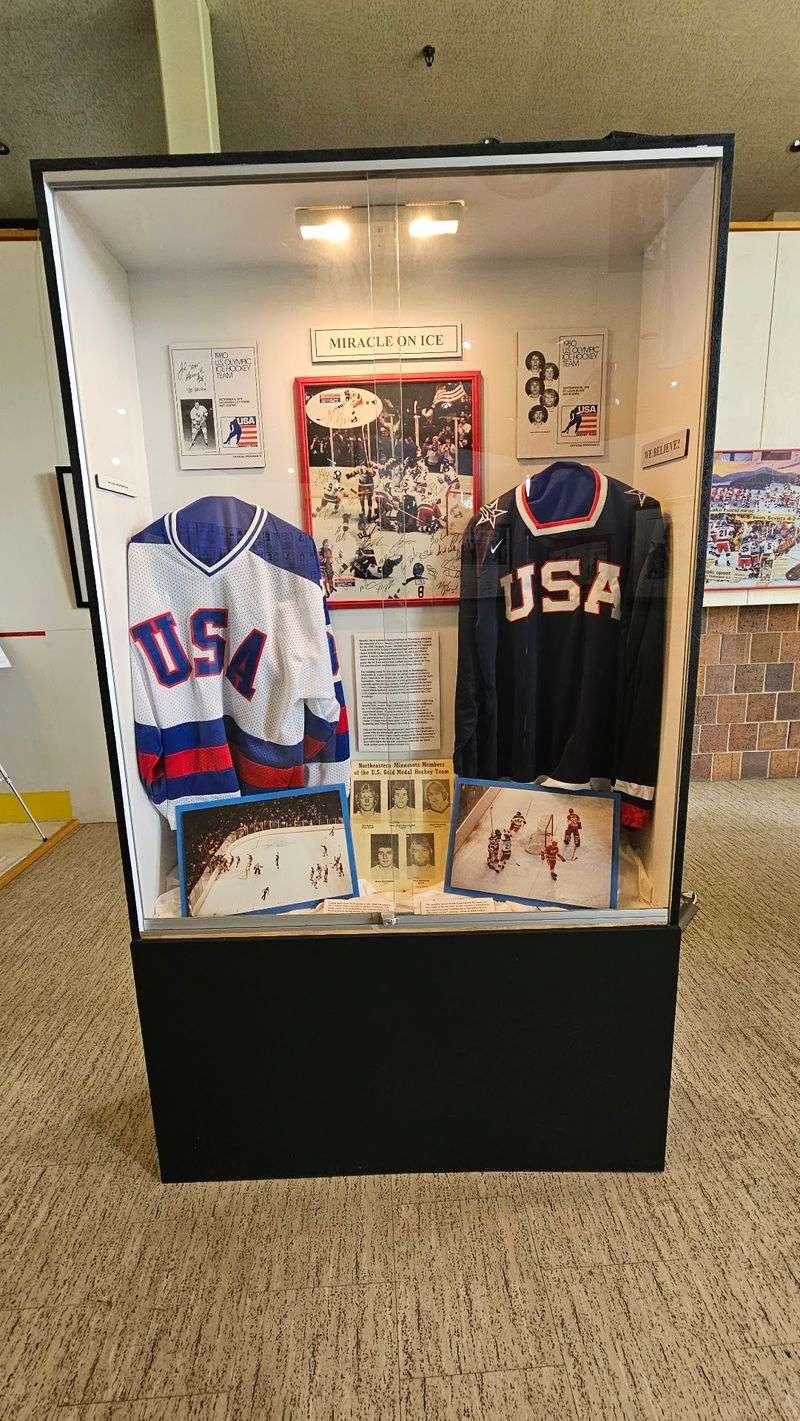
Ask any Minnesotan about 1980, and watch their posture change. The gold medal run by the U.S. men’s Olympic team still sits at the heart of the state’s hockey pride.
The museum commemorates that team across numerous exhibits. Coach Herb Brooks, a Minnesota legend, gets special attention for his role in the victory.
Brooks shaped that roster with grit and a famously demanding style. His story feels personal here, almost like a hometown tribute rather than a national one.
Younger visitors may know the tale mostly from movies. Seeing the real history laid out gives the legend some welcome weight.
Older fans tend to linger in this section longest. For many, it’s a trip back to living rooms full of cheering family members.
Either way, it’s hard to walk past without feeling a little patriotic. Minnesota helped pull off a miracle, and this shrine refuses to let anyone forget it.
Three Floors Tracing the Game From Pond to Pro
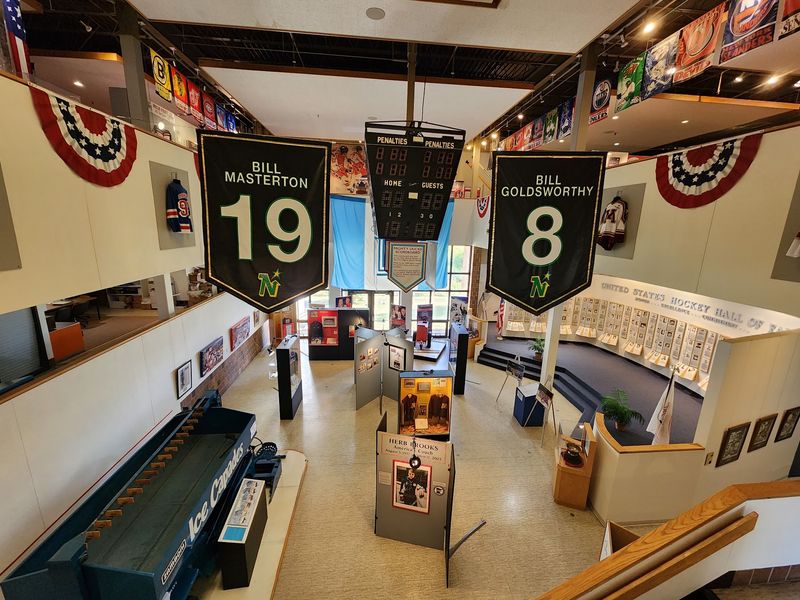
Three floors might not sound huge. Packed with hockey history, though, they cover an impressive amount of ice.
The exhibits walk you from how hockey first started all the way up to the modern game. It’s a timeline that feels approachable for casual fans and deep enough for experts.
Minnesota high school and college programs get their own moment in the story. That makes sense in a state where Friday night games can fill an arena.
Signed jerseys appear in many of the player displays. Memorabilia from different eras lets you watch uniforms, logos, and styles change over time.
Most visits run about an hour, and some stretch closer to ninety minutes. History buffs can easily push past that if they read every placard.
The pace stays relaxed, which suits the subject. Hockey history here isn’t rushed, and you shouldn’t feel rushed absorbing it either.
Leather Pads and the Legend of Mr. Zero
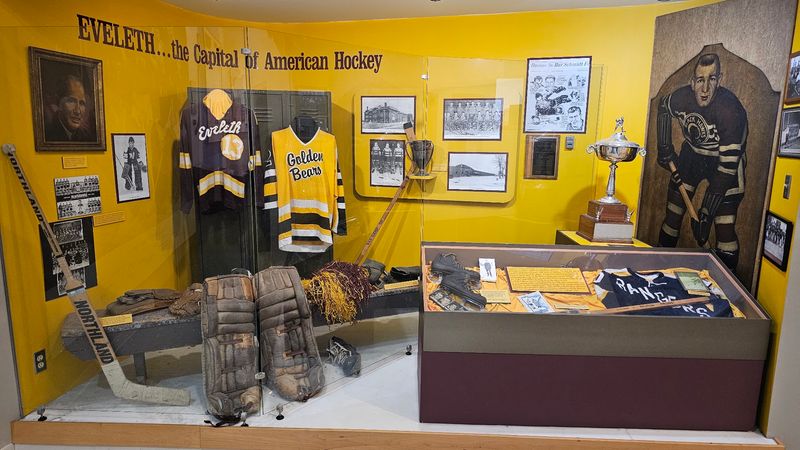
Old-school goalies were a tougher breed. The vintage leather goalie pads on display make that pretty clear in about two seconds.
Those pads represent hockey’s earlier glory days, long before modern equipment rules. Next to today’s gear, they look almost charmingly simple.
Vintage equipment shows up throughout the museum. Sticks, skates, and protective gear help explain how the sport, and its safety, changed over the decades.
Goaltending history carries a special Iron Range connection. Frank Brimsek, nicknamed Mr. Zero, made his mark in the net back in the 1930s.
His story fits perfectly in a Minnesota museum. A shutout nickname like that deserves a place of honor close to home.
Equipment exhibits might sound dry on paper. In person, they’re among the most fascinating corners, since every scuffed piece hints at the players who once wore it.
Women’s Hockey Gets the Spotlight It Deserves
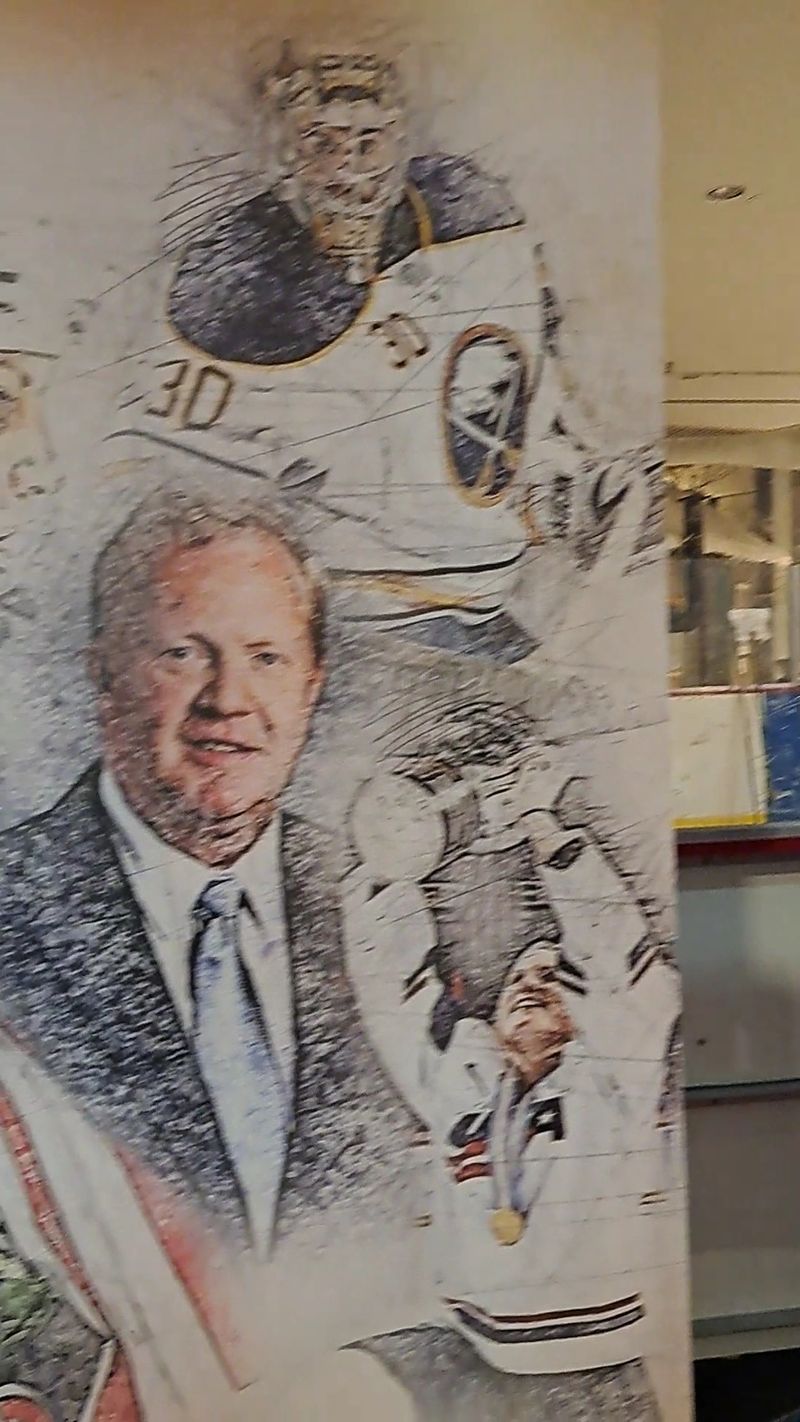
Good news for anyone who grew up idolizing women’s national team stars. The museum covers the success of women’s hockey, not just the men’s side of the story.
Exhibits highlight the growth of the women’s game across the country. Minnesota, with its strong girls’ programs, fits right into that narrative.
The newer Professional Women’s Hockey League also earns a place in the displays. Its inclusion shows the museum keeps pace with where the sport is heading.
Young players can see real role models here. That kind of representation matters for kids lacing up skates at their local rink.
Families often appreciate this balance. Daughters and sons can both find heroes on the walls.
Hockey in Minnesota belongs to everyone, and the hall reflects that. It’s a refreshing reminder that the sport’s future looks bigger and brighter than ever.
Sled Hockey, Rebel Leagues, and the World Stage
Hockey’s family tree has more branches than you might expect. The museum explores several of them in ways that surprise even longtime fans.
Sled hockey, played at the Paralympics, has its own exhibit. It showcases athletes who compete with incredible skill and speed while seated on specially built sleds.
The old World Hockey Association also gets attention. That league brought colorful history and plenty of personality to the professional game.
International tournaments round out the picture. They show how American hockey measures up when the whole world comes to play.
Together, these exhibits widen the lens beyond the usual highlight reels. You leave with a better sense of how many paths lead into the sport.
That variety helps the visit stay interesting. Just when you think you know the story, another chapter shows up around the corner.
Your Slapshot Finally Gets Measured
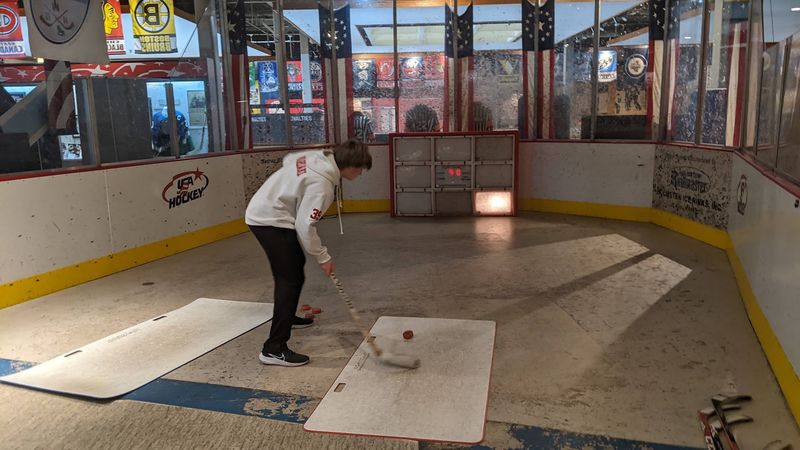
Bragging rights are on the line. One interactive station measures exactly how fast your slapshot travels.
Another challenge asks you to hit different sections of the net in a timed race. It sounds easy until the clock starts ticking.
Other hockey-themed games and simulators keep the energy up. They give restless kids a break from reading displays and let grown-ups relive their glory days.
These hands-on features come up again and again as a favorite part of the visit. Even non-hockey families tend to have fun taking turns.
Expect a little friendly trash talk between siblings. Parents may quietly hope nobody compares their speed to a teenager’s.
The replica rink adds to the experience too. It ties all that history upstairs to the simple joy of stick, puck, and ice that started it all.
From the Zamboni to the Hansen Brothers
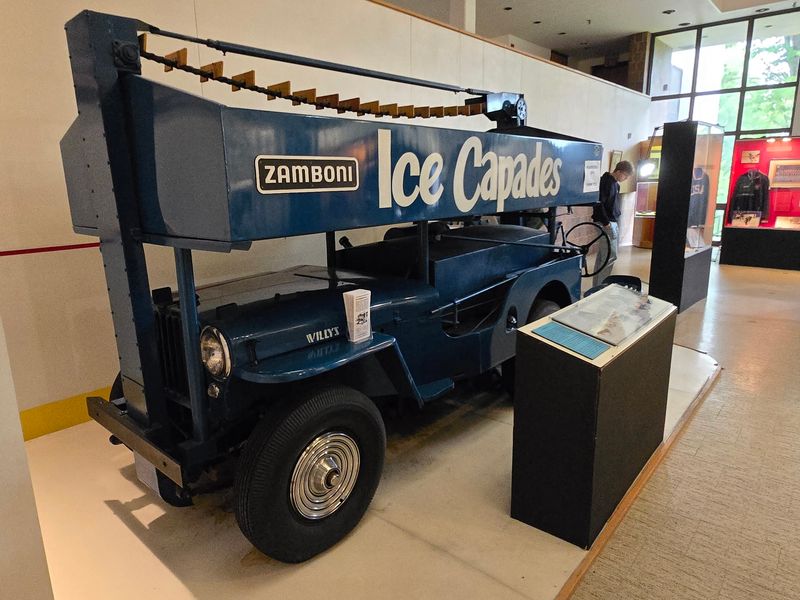
Hockey culture isn’t only about goals and trophies. The museum makes room for the quirky side of the sport as well.
One display explores the creation of the Zamboni. That trusty ice resurfacer is a beloved part of every game night intermission.
Fans of classic hockey movies will spot a nod to the Hansen brothers. Their place in the exhibits brings a grin to anyone who knows the reference.
These lighter touches balance the more serious history. They remind visitors that hockey has always had a playful personality.
Little discoveries like these make the museum feel personal. You never quite know what fun piece of trivia is waiting in the next case.
Go ahead and snap a photo for your group chat. Somebody in your circle will absolutely appreciate the Zamboni history lesson, whether they admit it or not.
Who Will Love This Place Most
True hockey fans are the obvious audience. Still, the crowd that enjoys this museum is wider than you’d guess.
Minnesota hockey families will feel right at home. Seeing local high school and college history on display hits close to the heart.
Kids stay busy thanks to the simulators and shooting games. Grandparents get nostalgia from the vintage gear and the 1980 tributes.
Even families who aren’t big into hockey usually leave smiling. The mix of history and hands-on fun works for all ages.
The staff often earns praise for being friendly and welcoming. Some team members share stories that bring the exhibits to life.
Not every visitor expects a massive complex, and that’s fair. Anyone hoping for a giant metro-style attraction may find it modest, but most people find its size part of the charm.
Planning Around a Weekend-Only Schedule
Timing matters for this trip. The museum typically opens only Friday through Sunday, so a Tuesday drive could end in disappointment.
Friday hours usually run from 10 AM to 5 PM. Saturday often starts earlier at 9 AM and also wraps up at 5 PM.
Sunday tends to be shorter, running roughly 10 AM to 3 PM. Monday through Thursday, the doors are generally closed, so double-check before heading out.
Plan for at least an hour inside. Bigger fans may want ninety minutes or more to soak it all in.
Admission is a small entrance fee that many consider very reasonable. It’s the kind of value thrifty Minnesota families appreciate.
Save a few minutes for the gift shop on your way out. A souvenir puck or shirt makes a fine reminder of your Iron Range road trip.
The World’s Largest Hockey Stick Is Just Down the Road
Your hockey pilgrimage doesn’t have to end at the museum door. Eveleth has more to show off nearby.
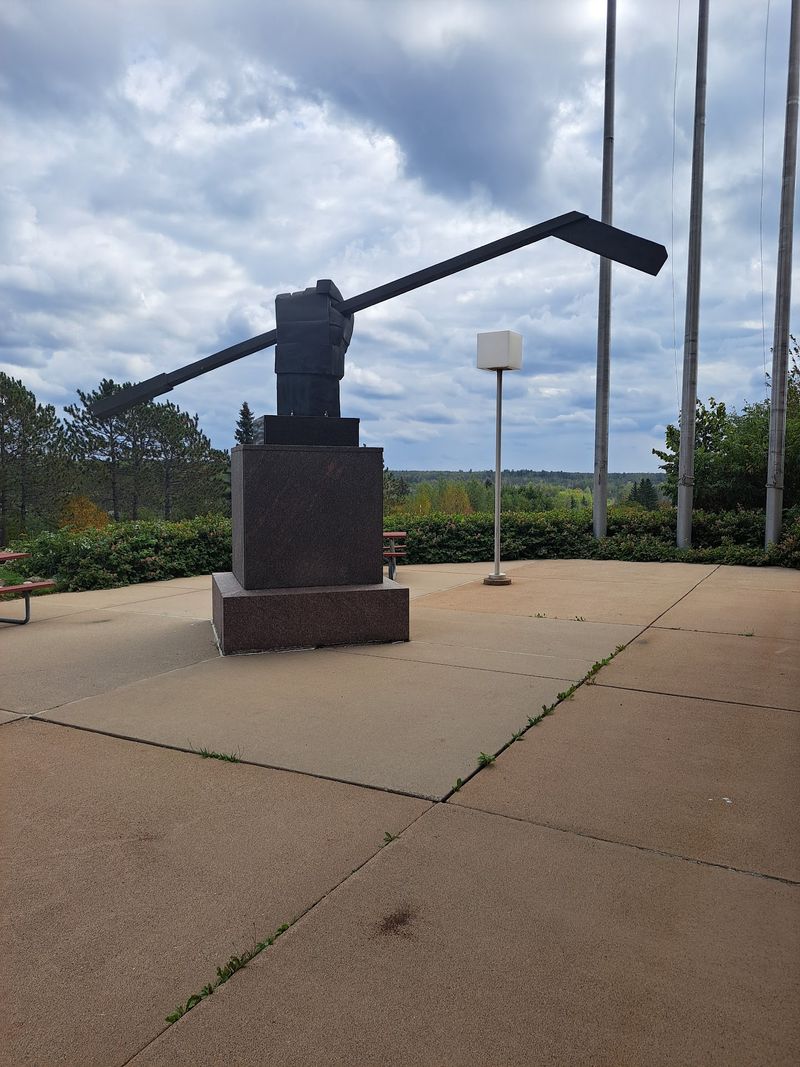
Downtown, you’ll find what’s billed as the world’s largest hockey stick and puck. It’s a classic Minnesota roadside photo stop, and nobody will judge you for posing with it.
A few blocks away sits the Eveleth Hippodrome. That historic arena features more museum-quality displays worth browsing.
Stringing these stops together turns a quick visit into a full hockey afternoon. It’s an easy way to make the long drive feel even more rewarding.
The whole town seems to wear its hockey heritage proudly. Few places in the country can claim this many puck-related landmarks within a short walk.
Bring a camera and comfortable shoes. Between the giant stick and the old arena, you’ll have plenty to share with friends back home.
A Drive That Ends With Minnesota Winning Again
Some road trips are about the destination. This one is about pride, and Minnesota has plenty to be proud of here.
The United States Hockey Hall of Fame packs national history into a small-town setting. That combination feels uniquely Minnesotan in the best way.
You get Herb Brooks tributes, vintage leather pads, and a wall of honorees. You also get slapshot challenges and a giant hockey stick nearby.
It isn’t a sprawling big-city attraction, and it doesn’t need to be. Its charm comes from heart, history, and a modest price that respects your wallet.
So gather the hockey lovers in your life and pick a weekend. Tag the friend who still talks about 1980 like it happened yesterday.
The Iron Range is waiting, and so is America’s hockey story. Honestly, I can’t think of a better reason to fill the tank and head north.
Share this story