Michigan has a quiet talent for turning a simple bike ride into something genuinely memorable. The state is loaded with former railroad corridors, paved lakeside paths, and smooth recreational routes that stay flat enough for anyone still getting comfortable in the saddle.
You do not need clippy shoes, a carbon-fiber frame, or a training plan to enjoy these trails. What you do need is a bike, a little free time, and a rough idea of where to go.
That is exactly what this list provides. From the sandy shores of Lake Michigan to the iron-mining history of the Upper Peninsula, these 13 trails cover some of the most scenic and accessible riding in the Midwest.
Each one is beginner-friendly by design, with easy grades, manageable distances, and enough variety to keep the miles from feeling like a chore. Pick one and go.
William Field Memorial Hart-Montague Trail State Park, Hart, Michigan
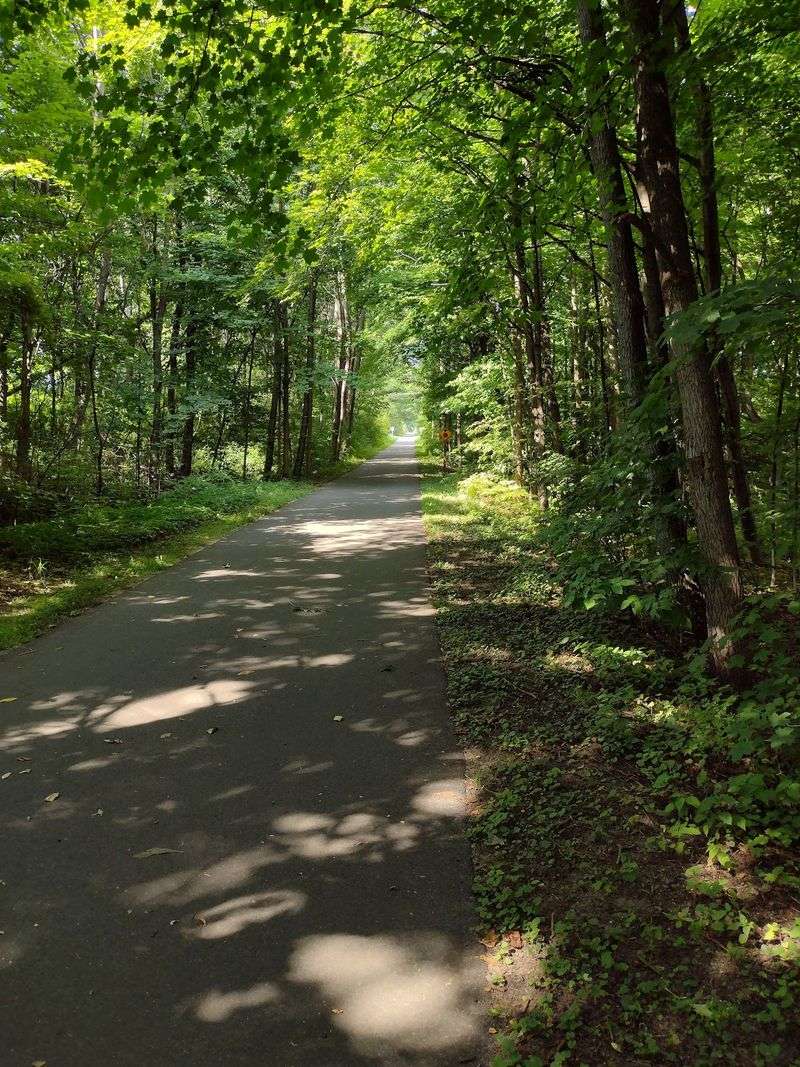
Michigan’s very first official rail-trail has had decades to get things right, and it shows. The Hart-Montague Trail stretches 22.7 paved miles between its namesake towns, cutting through orchards, Christmas tree farms, woodlands, and small communities at a grade gentle enough to feel more like a Sunday stroll than a workout.
The trail was resurfaced and widened to ten feet in 2016, so the pavement is in solid shape. Near the midpoint, the village of New Era offers a trailside dairy bar during summer months, which is reason enough to plan your turnaround point carefully.
From the Montague trailhead, a short 0.2-mile detour leads to the world’s largest working weathervane, a 48-foot structure topped by a replica 19th-century schooner. That kind of roadside curiosity is hard to find on a treadmill.
Macomb Orchard Trail, Shelby Township, Michigan
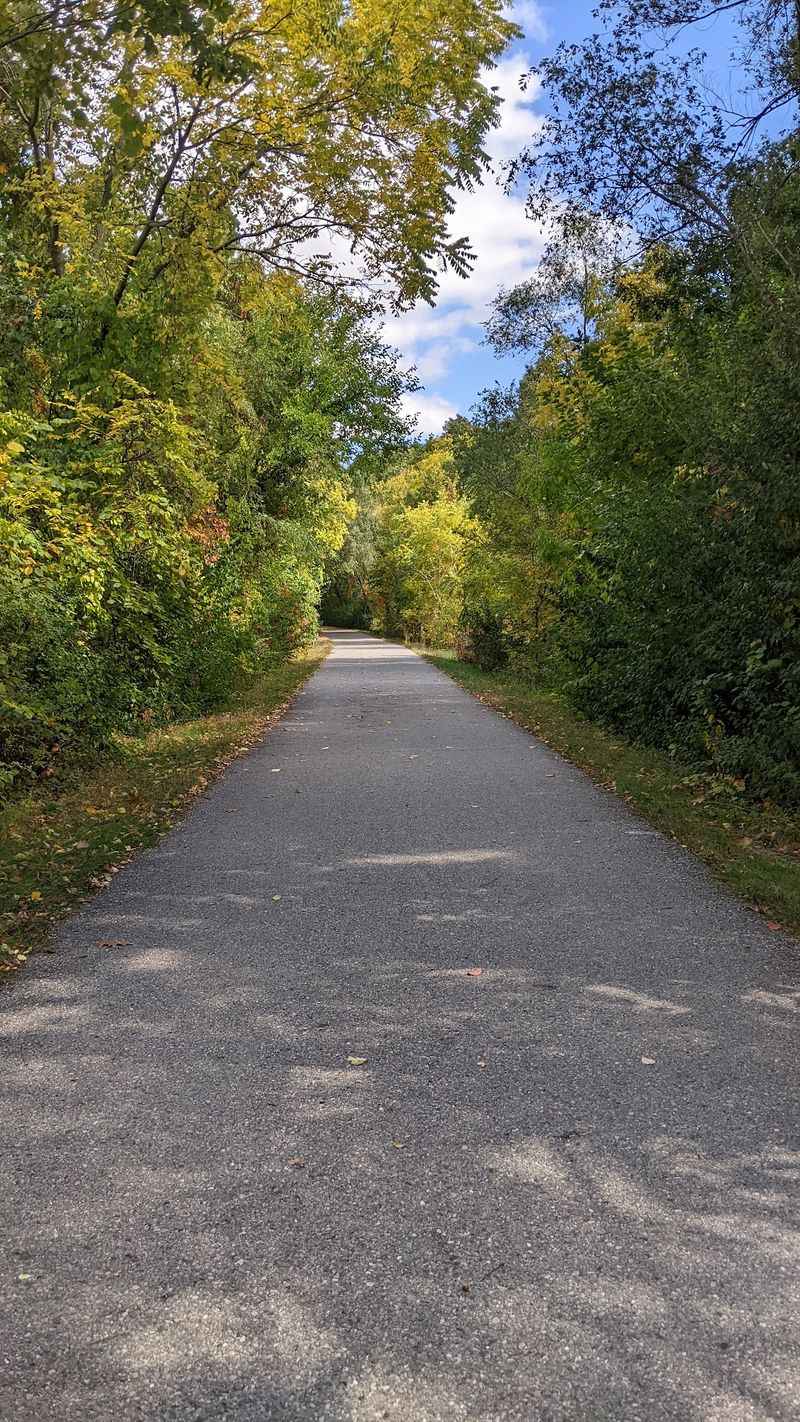
Twenty-four miles of smooth pavement through orchards, open farmland, and small Michigan towns: the Macomb Orchard Trail earns its name and then some. The route follows a former railroad corridor from Shelby Township to Richmond, passing through Romeo and Armada along the way on a surface that mixes asphalt and concrete into a consistently comfortable ride.
Bike repair stations are scattered along the route, which is a practical touch for riders who have not yet memorized the mechanics of a flat tire. Benches, restrooms, and parking areas at multiple access points make the logistics of a longer outing much simpler.
The trail is a good fit for cyclists who want pavement underfoot but prefer countryside views over city traffic. Tree-covered sections, working farms, and actual orchards make it feel distinctly Michigander in the best possible way.
Paint Creek Trail, Rochester, Michigan
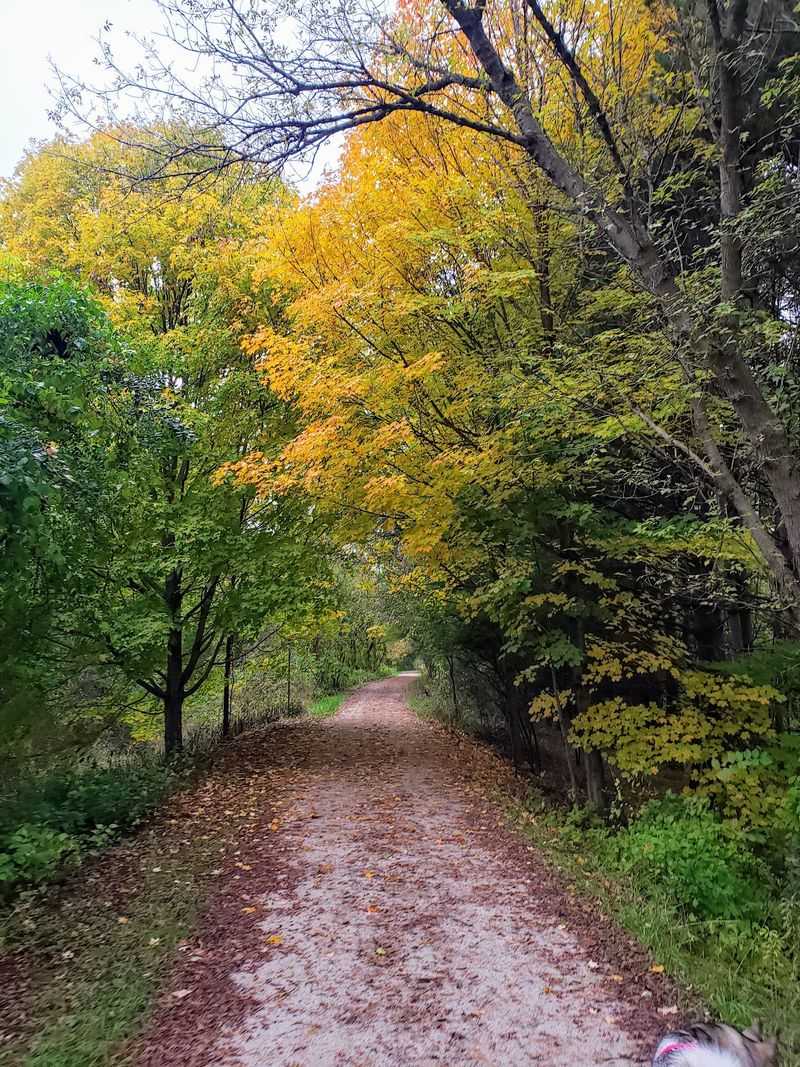
Michigan’s first crushed-limestone rail trail has been welcoming cyclists since before most people knew what a rail trail was, and it still delivers a reliably pleasant outing. The Paint Creek Trail runs 8.9 miles from Rochester toward Lake Orion on a former railroad bed, crossing Paint Creek twelve times along the way on a route that stays gentle with a roughly 2% grade from south to north.
The natural surface gives the ride a quieter character than a paved path, without crossing into mountain-bike territory. Fields, wetlands, woodlands, and occasional wildlife sightings, including herons and muskrats, keep the scenery varied throughout.
Mileage markers inherited from the old railway days add a quirky historical detail for observant riders. At 8.9 miles, the trail is short enough that beginners can plan an out-and-back distance that actually makes sense for their current fitness level.
Fred Meijer White Pine Trail State Park, Comstock Park, Michigan
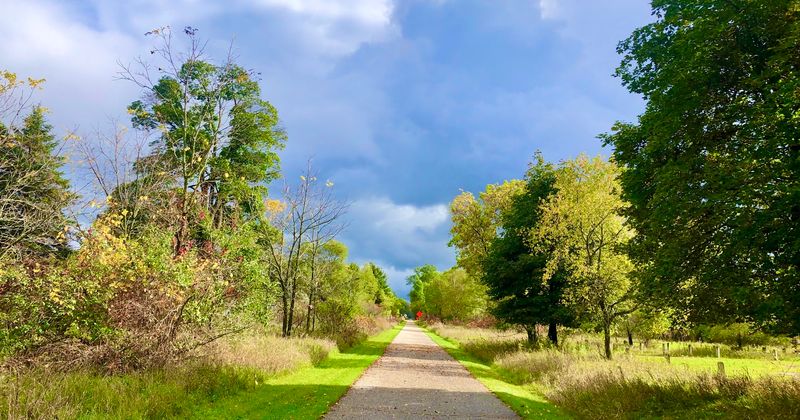
At 92 miles, the Fred Meijer White Pine Trail is not asking beginners to tackle the whole thing, and that is precisely the point. The trail runs from the Grand Rapids area north to Cadillac, following the historic Grand Rapids and Indiana Railroad corridor through farmland, woods, and a string of trail towns connected by pavement with a grade that rarely exceeds 5%.
Fourteen bridges dot the route, including a 319-foot span over the Muskegon River. With roughly 15 communities along the way, there is never a shortage of places to stop, refuel, or simply turn around and head back.
One note for trip planners: a construction closure is currently in effect near Paris, with a detour in place through fall 2026. Choosing a section away from that stretch keeps the ride straightforward and uninterrupted.
Mike Levine Lakelands Trail State Park, Hamburg Township, Michigan
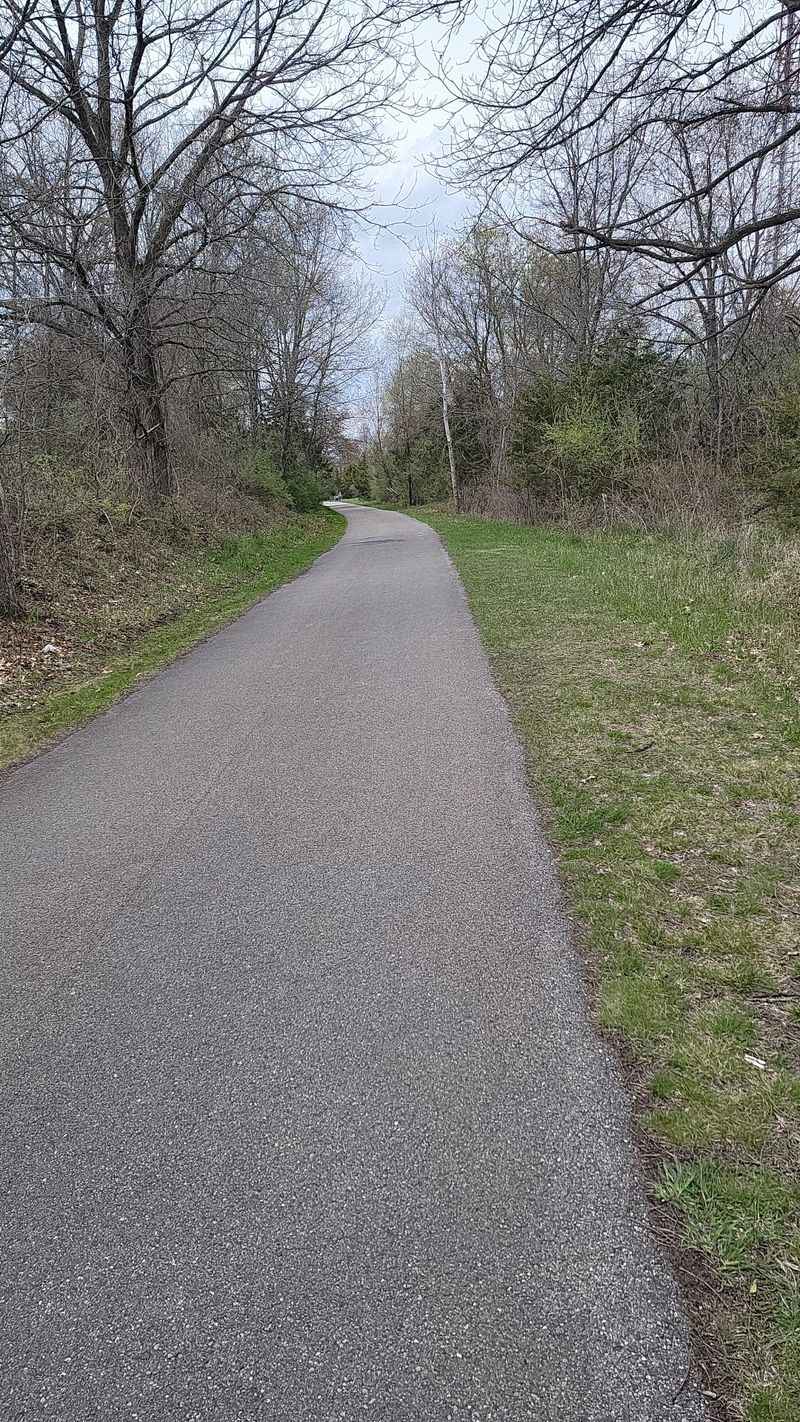
Southeastern Michigan can feel surprisingly rural once you get off the main roads, and the Mike Levine Lakelands Trail State Park makes that point with a 34-mile former railroad corridor through woods, pastures, wetlands, and sections of the Huron River. The whole thing has a quiet, unhurried character that is easy to appreciate on two wheels.
For beginners, the paved stretch between Hall Road in Hamburg Township and M-36 near Pinckney is the most accessible starting point. That section offers a smooth, consistent surface that lets newer riders focus on enjoying the surroundings rather than managing the terrain.
The rest of the trail uses compacted limestone, giving more confident riders room to extend their outing without dramatically changing the difficulty. As beginner-to-intermediate progressions go, this trail handles the transition fairly naturally.
Kal-Haven Trail State Park, South Haven, Michigan
One of Michigan’s oldest rail-trail conversions, the Kal-Haven connects South Haven on Lake Michigan with Kalamazoo over 33.5 miles of packed limestone and slag through woods, farms, streams, and small communities. The grade stays mostly below 2%, with only a few gentle rollers to keep things honest.
Hybrids, gravel bikes, and mountain bikes handle the surface well, though road bikes with narrow tires will find it a bit crunchy. Near the midpoint, Bloomingdale offers a historic caboose, a depot museum open for tours, and a vault toilet, making it a natural stopping point.
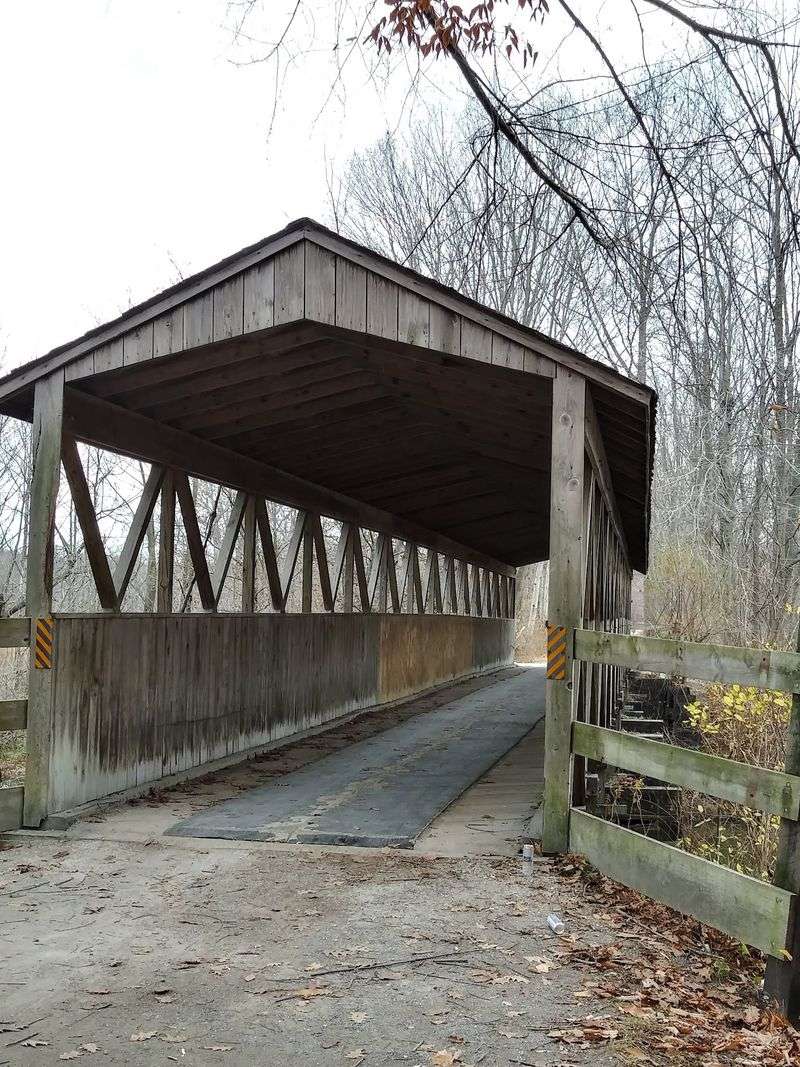
Thirty-one interpretive panels along the route explain the natural and cultural history of the corridor, which turns the ride into something closer to a moving history lesson. A covered bridge over the Black River and a unique camelback bridge east of Grand Junction are worth slowing down to appreciate.
Pere Marquette Rail Trail, Midland, Michigan
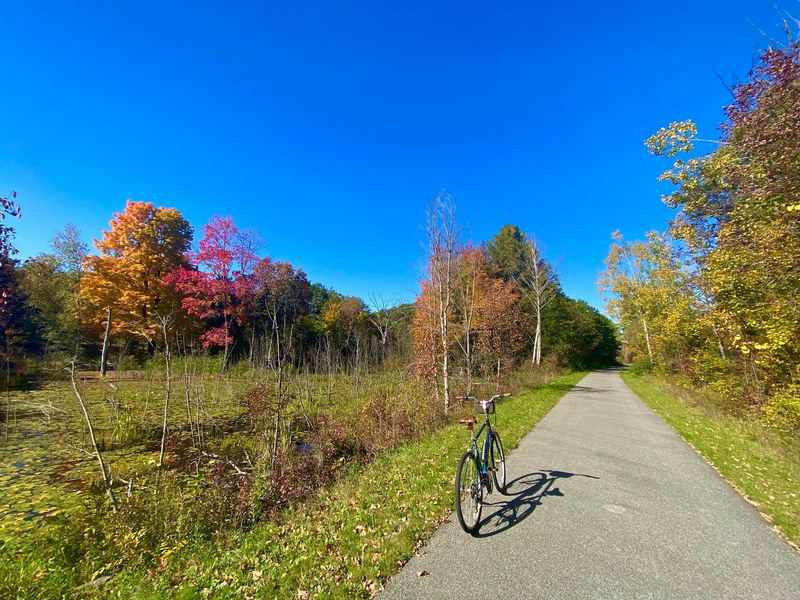
Michigan’s Rails-to-Trails Hall of Fame has exactly one entry from the Midland area, and it earned that spot for good reason. The Pere Marquette Rail Trail covers 30 paved miles between Midland and Clare, following a former railroad corridor so flat that a runaway shopping cart could probably make it most of the way.
The route passes rivers, bridges, and small communities including Sanford and Coleman, giving riders plenty to look at without demanding any real climbing. Starting near Midland’s Tridge, a three-way footbridge that serves as the trail’s unofficial headquarters, cyclists can pick any segment they like.
Multiple trailheads make shorter out-and-back rides easy to arrange, so beginners never feel trapped by distance. Connections to the Chippewa Trail at the Tridge add bonus mileage for anyone feeling ambitious.
TART Trail, Traverse City, Michigan
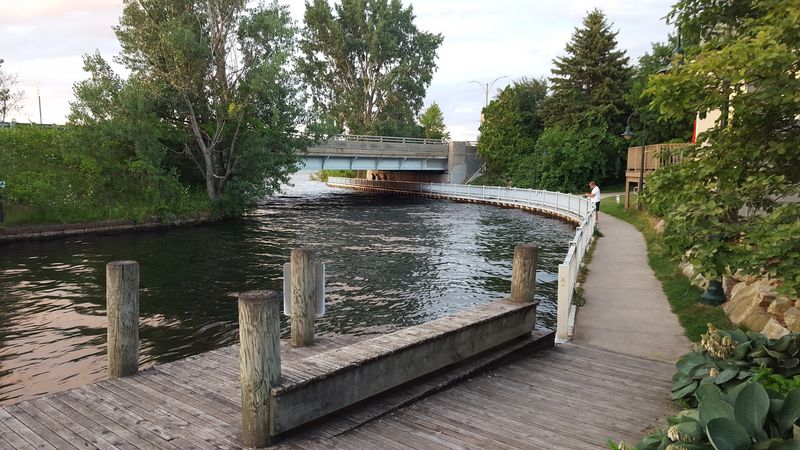
Ten and a half miles of flat, paved trail running through one of northern Michigan’s most popular cities: the TART Trail is about as beginner-friendly as it gets without putting training wheels back on. The Traverse Area Recreation Trail connects beaches, parks, and neighborhoods around Traverse City, giving riders frequent excuses to stop and explore rather than grinding through isolated countryside.
Access to Grand Traverse Bay views, local dining, and the city’s broader trail network makes the TART more of an experience than a simple workout. Connections to other regional pathways also mean there is room to extend the ride once confidence builds.
A construction project is currently affecting the Hastings Street to 3 Mile Road segment, so checking the latest detour information before heading out is a smart move. The unaffected sections still offer a complete and enjoyable outing.
Chippewa Trail, Midland, Michigan
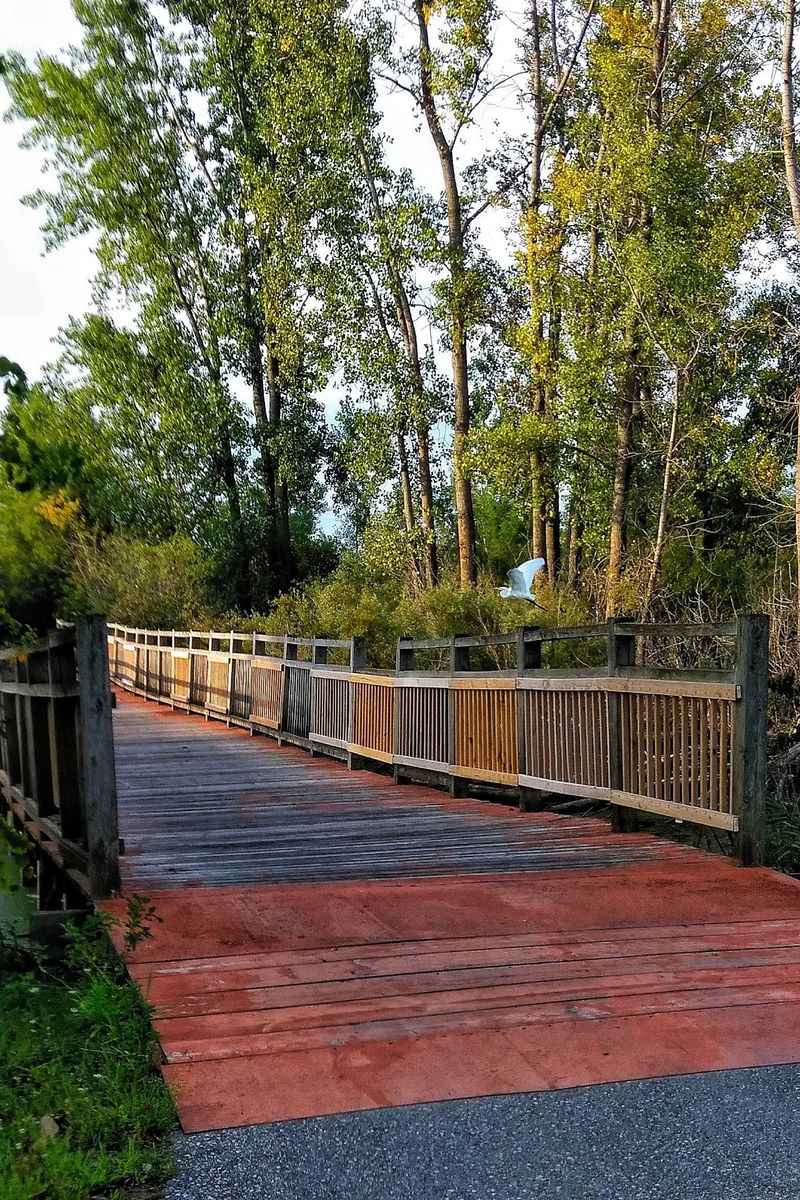
Midland is generous with its trail infrastructure, and the Chippewa Trail is a prime example of why the city keeps showing up on beginner cycling lists. The paved route runs roughly four miles southwest from the Tridge toward the Chippewa Nature Center, passing wetlands, open fields, and wooded stretches that make the distance feel shorter than it is.
An eight-mile out-and-back is a realistic goal for riders who are not ready to commit to something longer, and the flat terrain keeps the effort predictable. Interpretive signs along the path point out historical and natural features, so there is always something to read if you need an excuse to slow down.
At the Chippewa Nature Center end, a wildlife viewing area and river overlook offer a satisfying finish. The connection back to the Pere Marquette Rail Trail at the Tridge means adding mileage is always an option.
Huron Valley Trail, South Lyon, Michigan
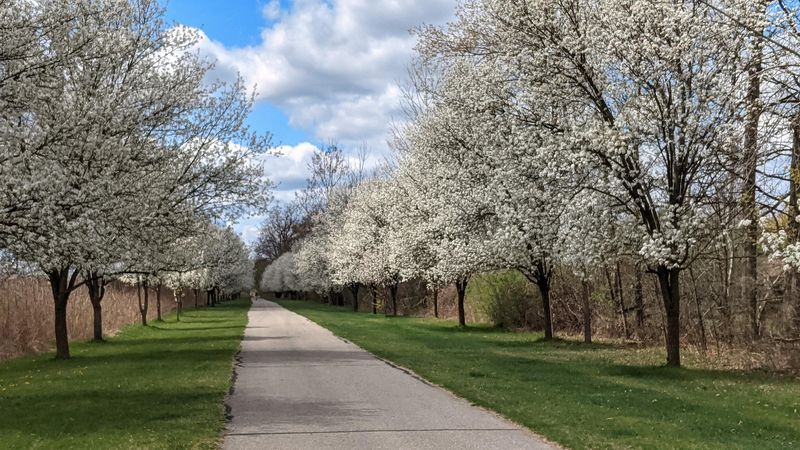
Resurfaced in 2022, the Huron Valley Trail gives southeast Michigan cyclists a smooth, 13.5-mile paved corridor that connects South Lyon to Kensington Metropark and Island Lake State Recreation Area. The sections through Lyon and Milford Townships stay largely flat, making them a comfortable choice for riders still calibrating their pace and endurance.
Wooded stretches alternate with suburban green space, keeping the scenery varied without turning the ride into a geography lesson. Parking and access points at McHattie Park, Lyon Oaks County Park, and Kensington Metropark make it easy to start from whichever end suits your schedule.
The trail connects to over 25 miles of adjoining paths, positioning it as a useful on-ramp to a much larger regional network. One practical note: helmets are mandatory within Kensington Metropark, and a few road crossings warrant extra attention, especially for younger riders.
Clinton River Trail, Rochester Hills, Michigan
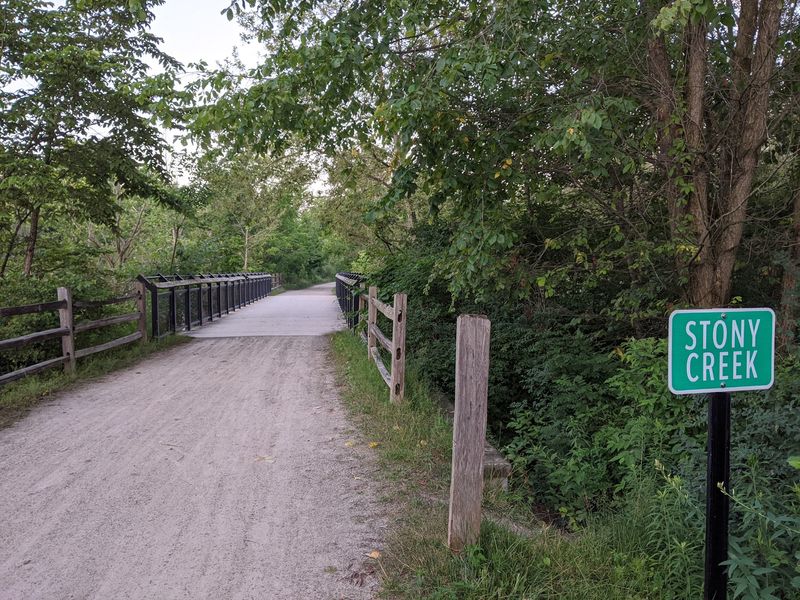
A former rail corridor repurposed into a community connector, the Clinton River Trail threads through several Oakland County communities, linking neighborhoods, parks, wooded sections, and downtown districts in a way that feels genuinely useful rather than purely recreational. For new cyclists, the mostly straightforward terrain lets them focus on building a comfortable rhythm instead of managing technical challenges.
The trail’s real strength is its connectivity. It links directly with the Paint Creek Trail to the north and the Macomb Orchard Trail to the east, making it a central piece of one of southeast Michigan’s most practical recreational cycling networks.
Beginners who start here can gradually expand their range by following those connections, adding mileage in manageable increments as confidence grows. Few trails in the region offer that kind of built-in progression without requiring a car shuttle or a detailed map.
Sleeping Bear Heritage Trail, Glen Arbor, Michigan
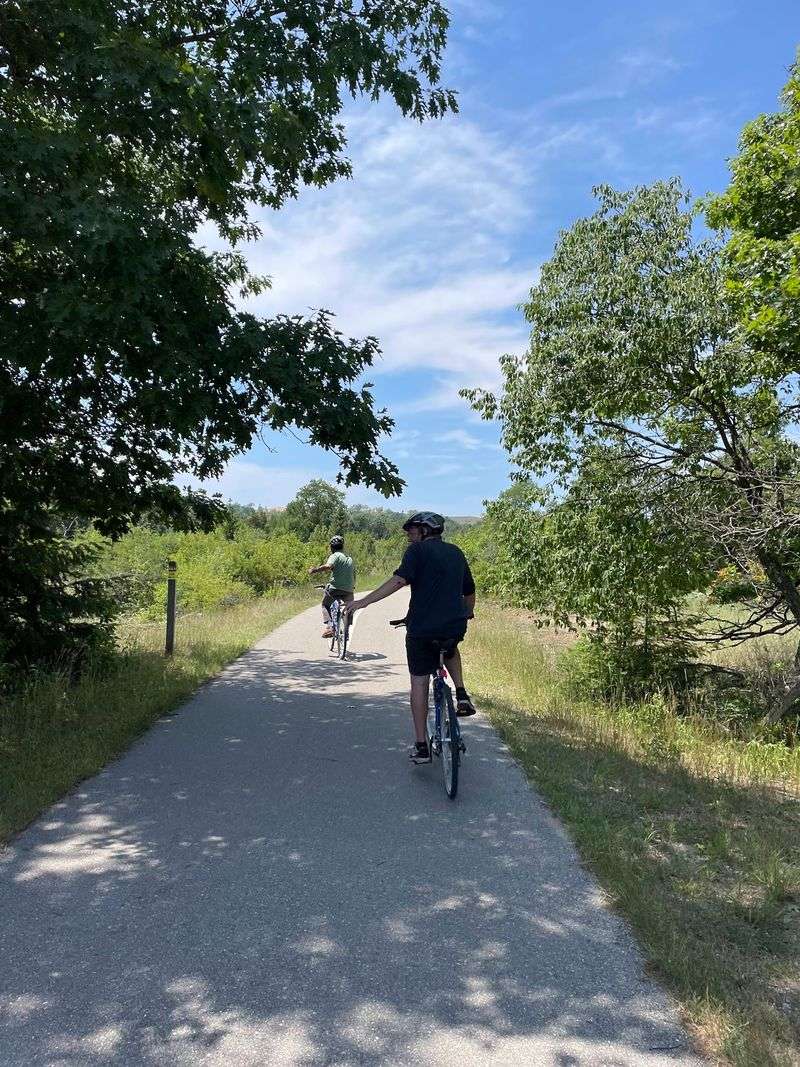
Very few beginner-friendly trails come with a National Lakeshore as the backdrop, which is what makes the easier sections of the Sleeping Bear Heritage Trail genuinely stand out. The mostly paved route crosses Sleeping Bear Dunes National Lakeshore, connecting Glen Arbor, Glen Haven, the Dune Climb, and surrounding forests across roughly 20 to 22 miles between Empire and Bohemian Road.
Beginners should know upfront that not every section is equally flat. Steep grades do appear along the route and are marked with warning signs directly on the path, so riders are not caught off guard.
The Crystal River trailhead is the smartest starting point for newer cyclists, since the National Park Service describes the trail in both directions from there as relatively flat for several miles. Trail Ambassadors in orange vests are often on hand to answer questions and point riders in the right direction.
Iron Ore Heritage Trail, Marquette, Michigan
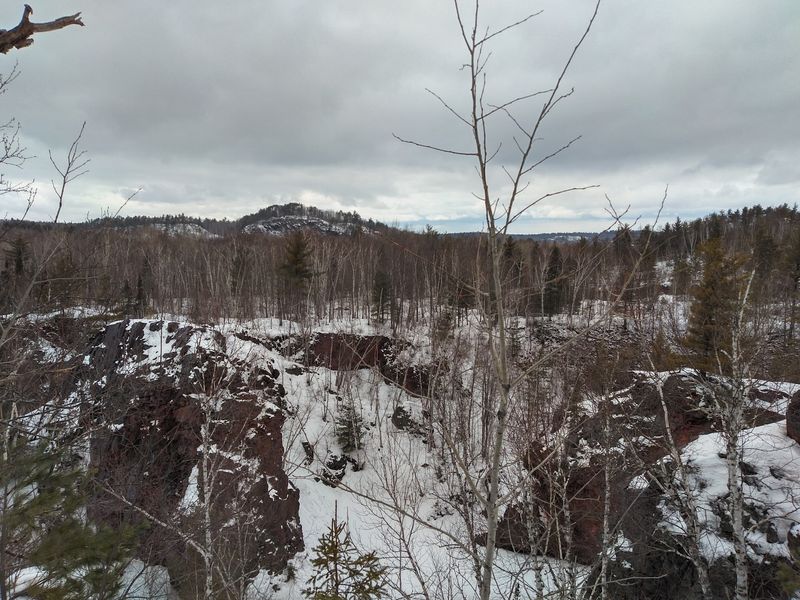
No other trail on this list doubles as an outdoor history museum quite like the Iron Ore Heritage Trail. The 47-mile corridor runs from Lake Superior through Marquette-area communities, forests, and wetlands, tracing the very rail lines once used to haul iron ore from the mines to the harbor docks.
Designated a National Recreation Trail in 2018, it connects iconic concrete mine shafts in Ishpeming with the large ore docks on Marquette’s waterfront.
Beginners should stick to the paved and crushed-limestone sections around Marquette, where the trail is most developed and approachable. Some stretches farther west involve unimproved dirt and sand surfaces that require a different skill set entirely.
Interpretive signs, public art, and connections to the Michigan Iron Industry Museum and the Cliffs Shaft Mine Museum in Ishpeming add depth to the ride. History and exercise rarely combine this efficiently.
Share this story