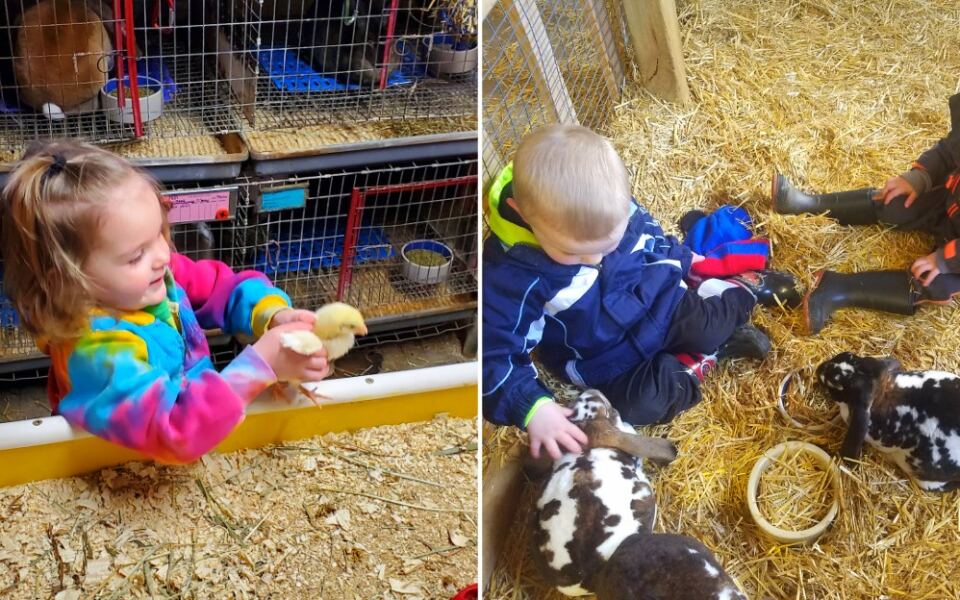
At this West Michigan farm, kids can meet hundreds of animals, get close to baby chicks and rabbits, and learn what life on a real farm looks like.
Michigan Farmstead in Zeeland, formerly known as Critter Barn, is a 36-acre nonprofit educational farm just outside Holland. Goats, sheep, pigs, cows, and other barnyard animals are part of the experience, with hands-on activities that make the visit especially appealing to younger children.
The farm also has a youth volunteer program, accessible facilities, and opportunities to learn about animal care. It’s the kind of outing where kids can spend hours exploring while picking up a few lessons about farming along the way.
A Country Farm Just Outside Holland
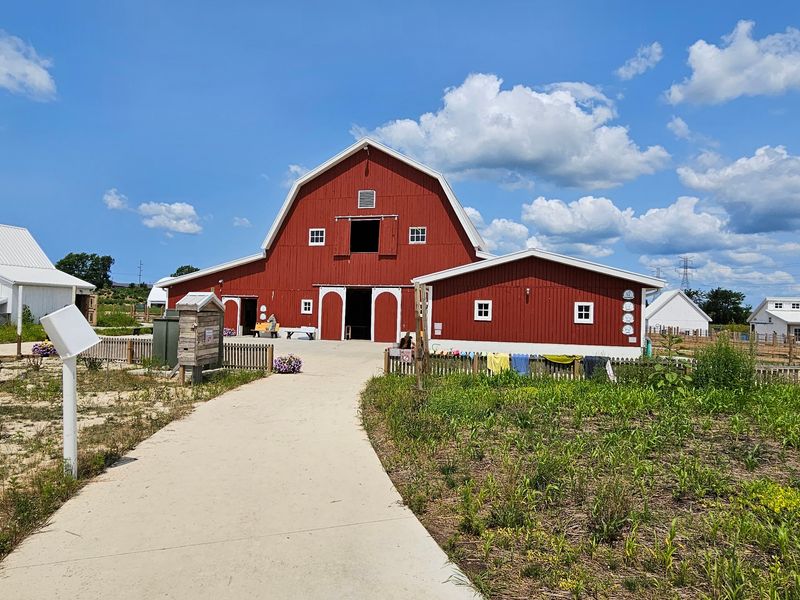
Farm life in West Michigan gets a friendly, kid-sized welcome at Michigan Farmstead. The nonprofit farm sits at 2950 80th Ave in Zeeland, Michigan, a short drive from Holland.
Many families still know it by its longtime name, the Critter Barn. You’ll likely hear both names used, so don’t be confused if a friend mentions one or the other.
The idea behind the place is simple. Children and adults get close to real farm animals, learn how farms work, and spend time outside in the countryside.
I find the location part of the appeal. Zeeland sits in a farming region, so the drive itself passes open land before you ever reach the barns.
The farm keeps a steady weekday and Saturday schedule. It closes on Sundays, which is helpful to know before you load the kids into the car.
Because it runs as a nonprofit, admission helps support the animals and the programs. That makes a simple family outing feel a little more meaningful.
Once you’re through the gift shop and onto the grounds, the first thing that grabs attention is the sheer number of animals waiting to meet you.
Meet the Whole Barnyard Cast
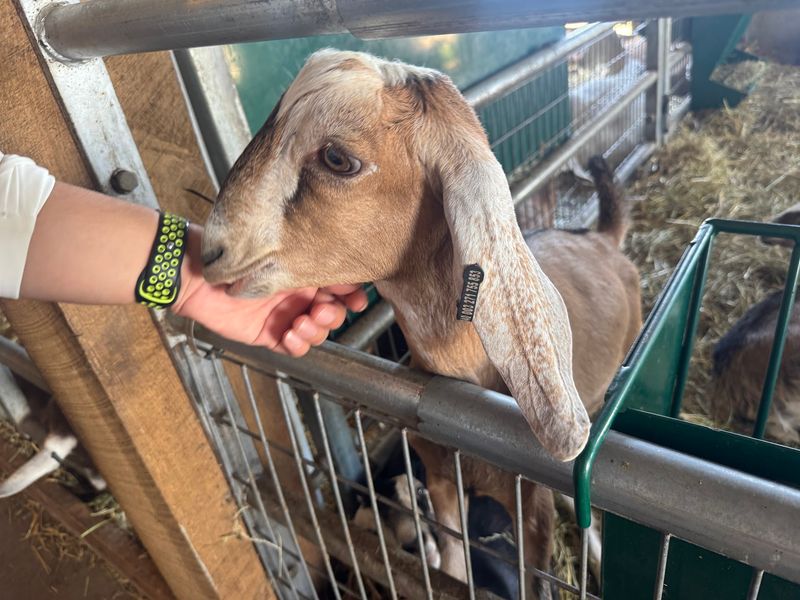
Goats get plenty of fans here, but they have serious competition. The farm is home to a wide mix of animals that covers almost every barnyard favorite.
Cows, pigs, sheep, and goats fill the larger pens. Horses and donkeys have also been part of the lineup, along with a llama that tends to surprise first-time guests.
Birds get their own spotlight too. Chickens, ducks, and geese share space on the farm, and the fluffy baby chicks are a big hit with little ones.
What catches my attention is how close everything sits together. Families can wander from pen to pen without a long hike, so revisiting a favorite animal is easy.
Many animals are housed inside barns, which helps on cooler or rainy Michigan days. You can see some animals up close from inside the shelters or from outdoor viewing spots.
Informative signs near the pens explain each animal and its role on a farm. Kids who love facts will have plenty to read.
Of course, looking is only half the fun. The real excitement starts when the softer residents come out for a cuddle.
Bunnies and Chicks You Can Actually Hold
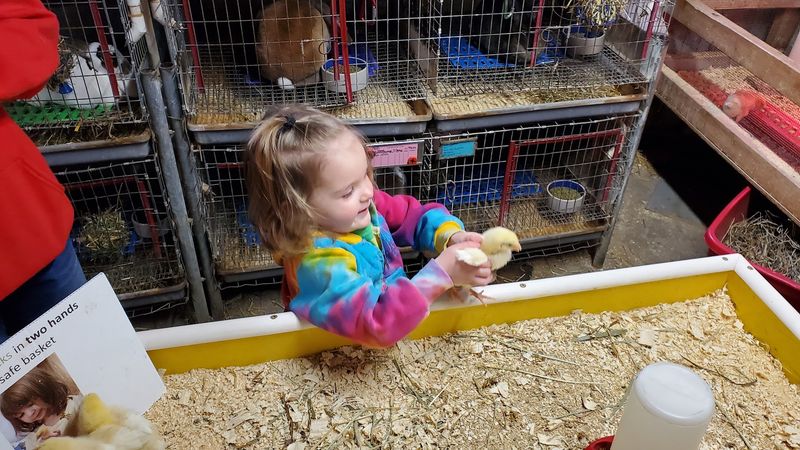
Rabbits might be the quiet celebrities of this farm. They come up again and again when families talk about their visits, and it’s not hard to understand.
Holding animals is a regular part of the experience. Kids can cuddle rabbits and gently hold baby chicks, which feels very different from watching through a fence.
Chickens are also available for touching. For many children, this may be the first time they’ve felt soft feathers or a bunny’s twitchy nose up close.
Here’s a practical tip for parents of toddlers. Show your child how to use two hands and stay calm before the animal is handed over.
Volunteers usually help with the holding stations. They know how to position each animal so both the child and the critter stay comfortable.
I’d start a visit right here with younger kids. Small animals are less intimidating than a big cow, and they build confidence for the rest of the farm.
Larger animals like cows and horses have been known to enjoy a good scratch too. Just remember to give the goats a little warning, since a surprised goat is a jumpy goat.
Young Volunteers Run the Show
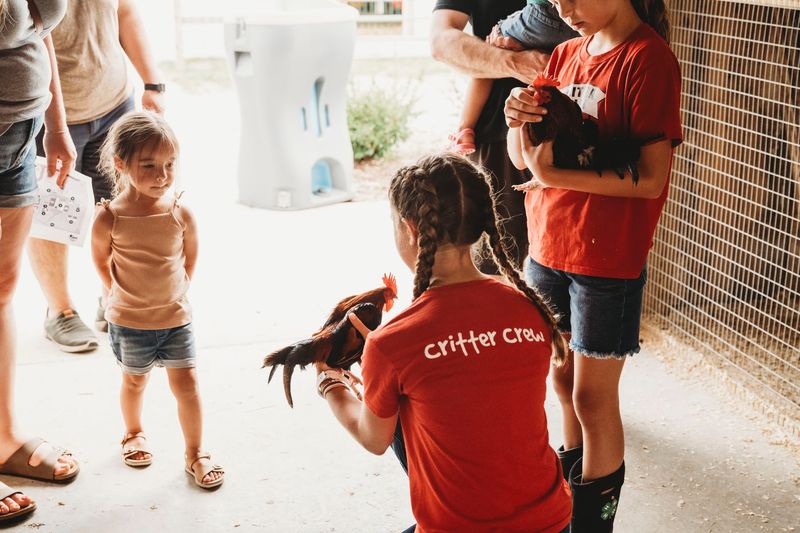
Some of the most helpful people on the farm are still in middle school. Young volunteers play a big part in daily life at Michigan Farmstead.
They help care for the animals and guide visitors at the petting stations. When a child walks up, a volunteer will often pick up a rabbit or chick and bring it right over.
I really like this setup. It gives local kids responsibility and real animal care skills, while visiting kids see someone close to their age doing important work.
The volunteers also share fun facts about the animals. Ask a question, and there’s a good chance you’ll get an eager answer.
Adult staff are around too, and they get frequent praise for being friendly and helpful. Together, the team keeps the barns running smoothly on busy days.
This volunteer spirit fits the farm’s nonprofit roots. The place depends on its community, and the community clearly shows up.
For some families, that’s a quiet lesson worth noticing. Kids may leave wondering if they could volunteer someday, which is a pretty great takeaway from a farm trip.
Kittens Looking for Forever Homes
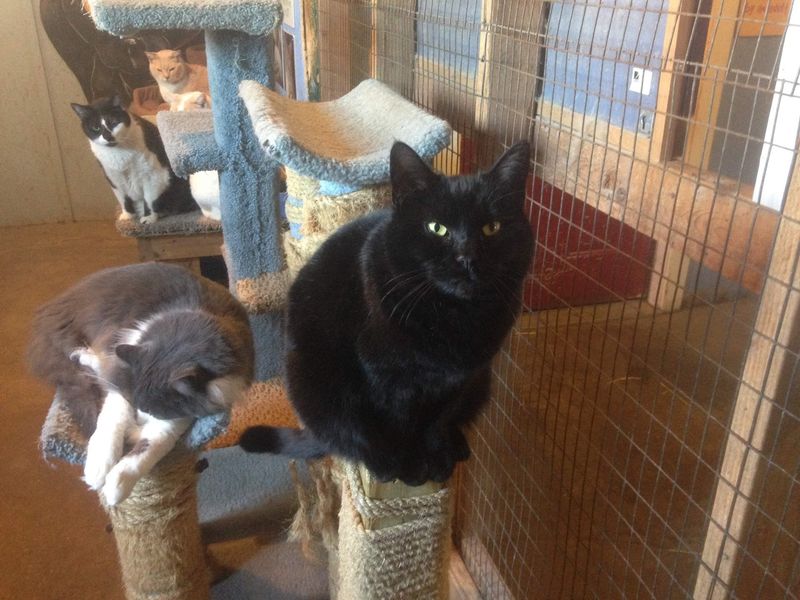
Not every animal here is a farm animal. The farm added a cat area, and some of these furry residents are available for adoption.
That twist makes a visit feel a little different. Families come to see goats and pigs, then end up falling for a sleepy tabby.
The cat space has a playful setup where guests can watch and interact with the cats. Even adults who claim they’re not cat people tend to linger.
Before you go, have a family talk if adoption is even possible. A child meeting a cuddly kitten without a plan can lead to a very long ride home.
If you’re seriously thinking about adopting, ask staff about the process during your visit. They can explain what’s needed and which cats are ready.
I like that this area connects animal care to real life. It shows kids that pets need homes, food, and long-term attention, not just a quick pat.
Whether or not a cat goes home with you, this room offers a calm break. After that, many kids are ready to burn off energy somewhere much louder.
A Corn Pit, Sandbox, and Brand-New Playground
Corn kernels make surprisingly good play material. The farm’s play area includes a corn pit where kids can dig, pour, and bury their feet.
Nearby, a sandbox and ride-around toys keep little ones busy. A fenced yard with toy trucks and giant logs gives children room to climb and explore.
Parents of kids who lose interest in animals quickly will appreciate this. Some children want ten minutes with the pigs and an hour with the trucks.
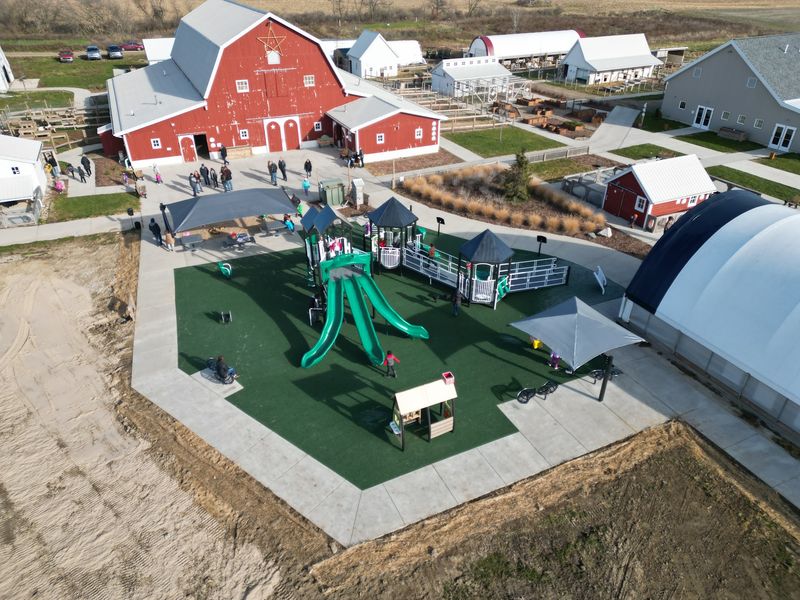
The farm also added a large new playground. It’s wheelchair accessible, so more kids can join in the fun without being left on the sidelines.
Benches near the play spaces let adults rest while keeping an eye on everyone. That’s a small detail that makes a big difference by mid-afternoon.
Hula hoops and simple games have also been part of the play area. It’s old-fashioned fun that doesn’t need a screen or a charger.
One tip from me: shake out shoes before getting back in the car. Corn kernels have a sneaky way of traveling home in socks and pockets.
Built So Everyone Can Join In
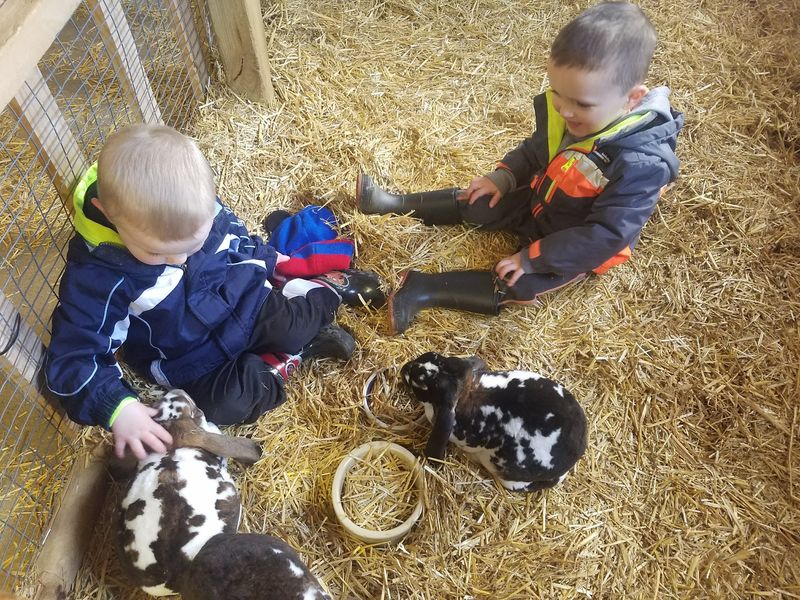
Accessibility isn’t an afterthought at Michigan Farmstead. The farm describes itself as an inclusive place, and the layout backs that up.
Paved sidewalks connect the barns, so wheelchairs, walkers, and strollers can move around easily. The barns themselves are roomy enough for comfortable navigation.
Viewing and petting the animals is designed to be easy for everyone. Volunteers will often bring smaller animals directly to guests who can’t reach the pens.
That matters for so many families. Grandparents, kids with disabilities, and parents pushing double strollers can all share the same experience together.
Cleanliness is another strong point. Handwashing stations sit throughout the grounds, and large wash areas make cleanup simple after petting sessions.
The restrooms are kept clean too. Anyone who has toured a farm with a toddler knows how welcome that is.
I find this part of the farm quietly impressive. It’s easy to build a fun attraction, but building one where nobody gets left out takes real planning and care.
With everyone able to roam, the next question is what kids actually learn along the way.
Sneaky Lessons About Where Food Comes From
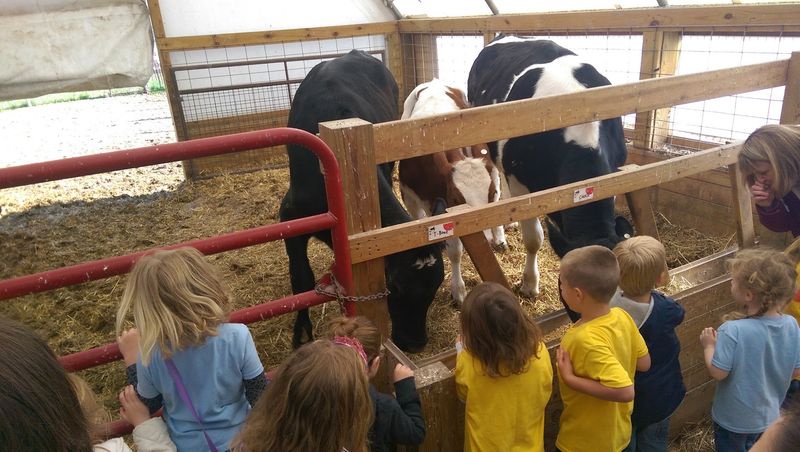
Learning happens here without anyone calling it a lesson. Signs throughout the farm explain farm animals and agriculture in easy-to-read language.
Kids can learn what each animal does on a working farm. A cow is suddenly more than a big animal, it’s connected to the milk in their cereal.
An educational area adds even more chances to explore. Families who want deeper information about farming will find plenty to read and talk about.
The farm is also a popular spot for school field trips. Teachers like that students can see, touch, and learn in one place.
For parents, this is a chance to ask good questions. Try asking your kids which animal gives us wool or eggs, then let them hunt for the answer on the signs.
I like this low-pressure approach to teaching. Children remember facts better when they’ve just held a chick or scratched a sheep.
Many West Michigan kids live close to farms but rarely visit one. A trip here helps close that gap, and it might even inspire a future farmer.
Picnic Tables and Open Country Views
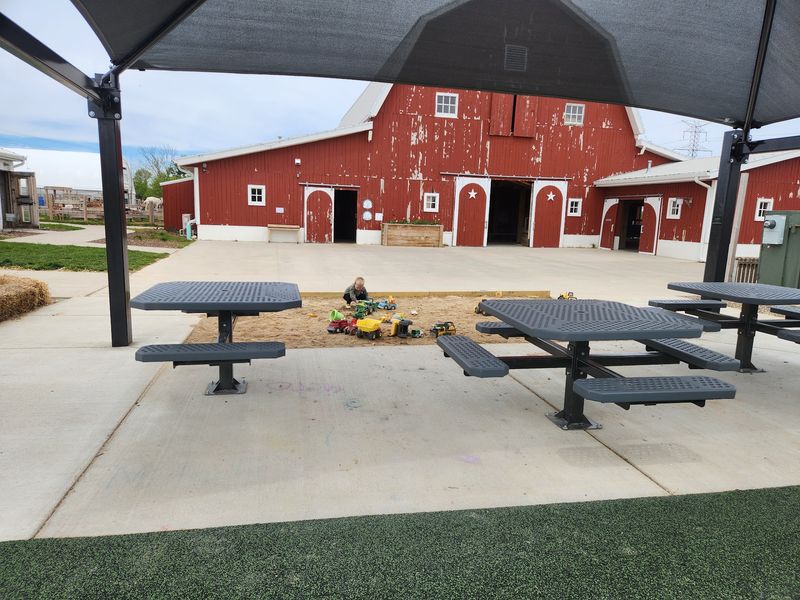
Packing a lunch is welcome here. Guests are allowed to bring their own food and eat at the picnic tables provided on the grounds.
That’s great news for families on a budget. It also means you can stay longer without rushing off to find a restaurant.
The picnic area sits on a nice stretch of country land. Parents can sit, eat, and look out at the open countryside while kids play nearby.
I’d plan for a relaxed pace here. A sandwich, some fruit, and a quiet view can turn a quick animal visit into a full afternoon.
The overall mood of the farm is calm. It’s a peaceful place, which is refreshing compared to crowded amusement parks.
Remember that handwashing stations are everywhere. Make a habit of washing up before lunch, especially after petting the pigs and goats.
Parking is generally easy, though it can fill up during busy times like field trip days. Arriving earlier in the day may help if you want a quieter visit.
After lunch, many families make one last stop before heading home, and it smells faintly of soap.
Goat Milk Soap and Farm Souvenirs
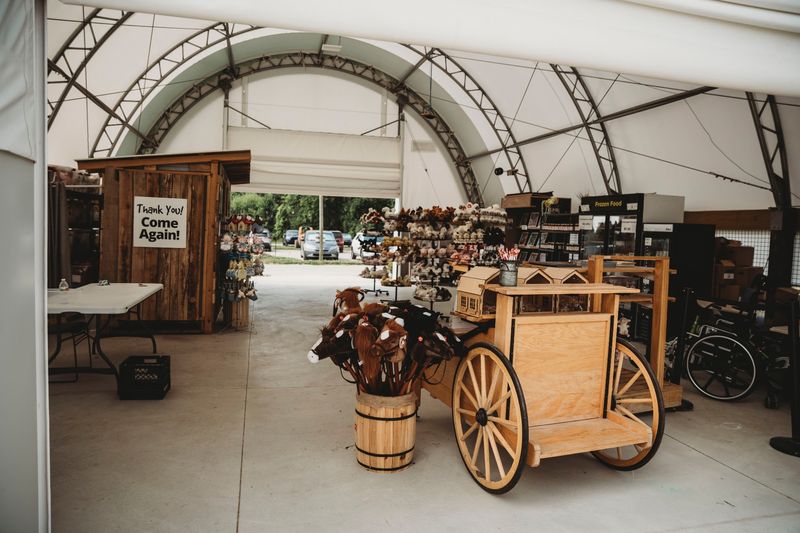
Goat milk soap might be the most fitting souvenir on the property. You’ll find it in the gift shop, where visitors also pay their admission.
The shop carries a fun mix of items. Shirts, stickers, stuffed animals, honey, and salsa have all been on the shelves.
Kids usually head straight for the stuffed animals. A plush goat or bunny makes a nice reminder of the real ones they just held.
Since the farm is a nonprofit, purchases help support animal care and programs. That makes buying a sticker feel a little more rewarding.
Families who plan to come back often may want to ask about a membership. Some visitors buy a yearly family pass so they can return through the seasons.
I like the idea of visiting more than once. Baby animals arrive, the playground fills with laughter, and the countryside changes color as the year rolls on.
Just remember that the farm closes on Sundays. Plan your trip for another day of the week.
Leaving with soap in one hand and a sleepy child in the other is a pretty good sign of a well-spent day on the farm.
Share this story