Tucked away in Bull Valley, Illinois, Boger Bog Conservation Area offers visitors a rare glimpse into an ancient wetland ecosystem that once covered much of the Midwest. This small but remarkable nature preserve features a wooden boardwalk that winds through one of the last remaining calcareous fens in the region, a habitat so uncommon that only a handful exist in the entire state.
Whether you’re a nature enthusiast, a casual hiker, or simply looking for a peaceful escape from everyday life, this hidden gem delivers an unforgettable experience that connects you with a landscape unchanged for thousands of years.
A Boardwalk Through Time
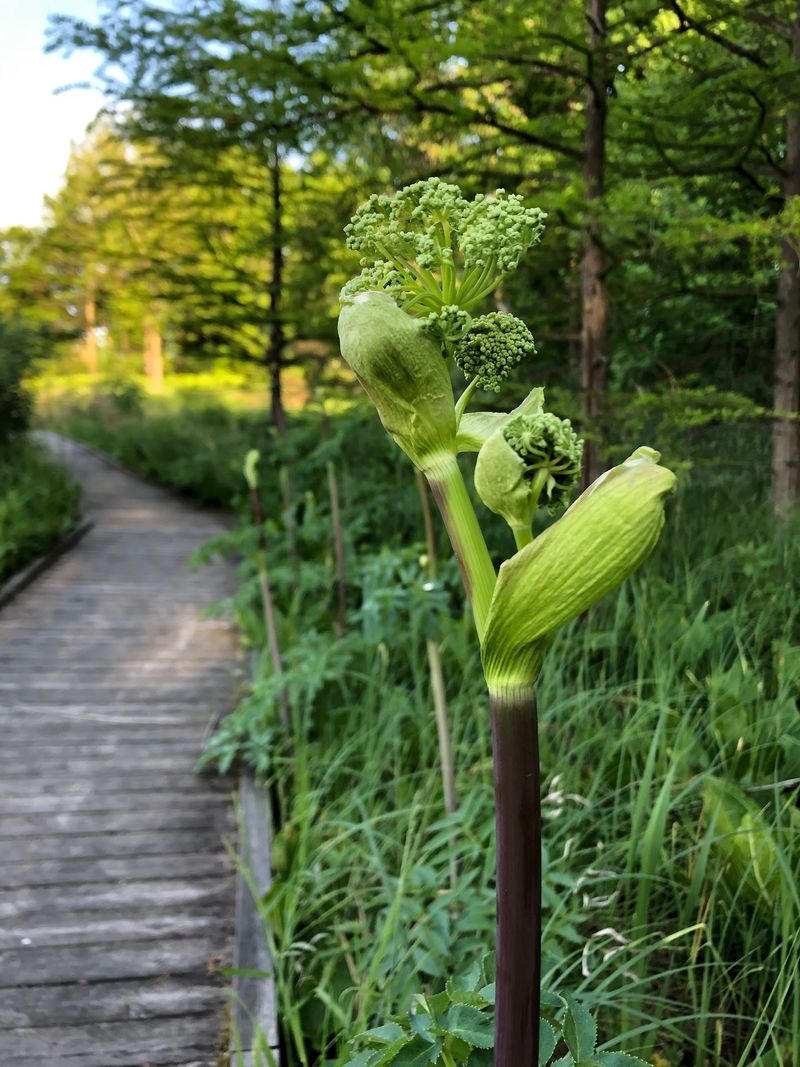
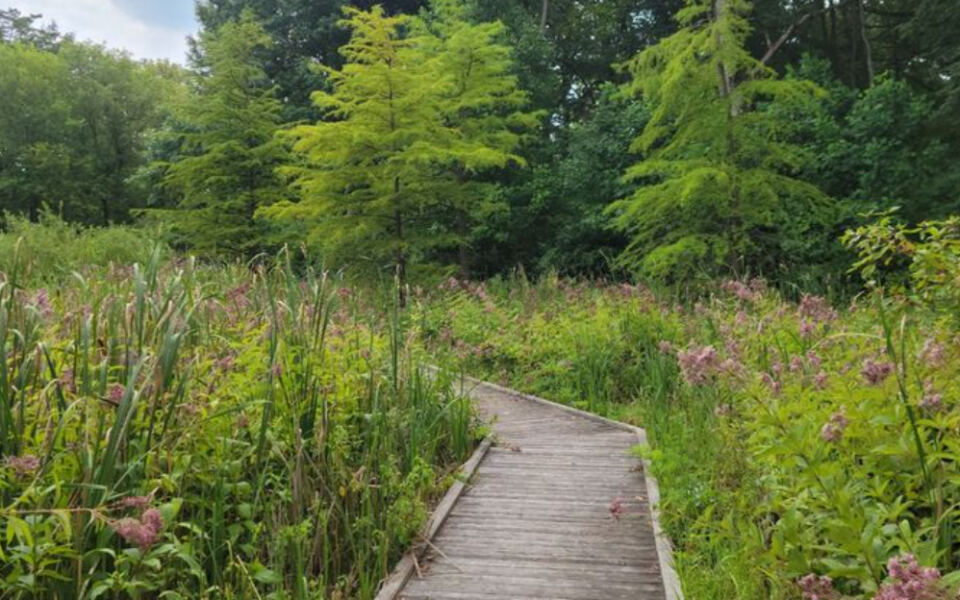
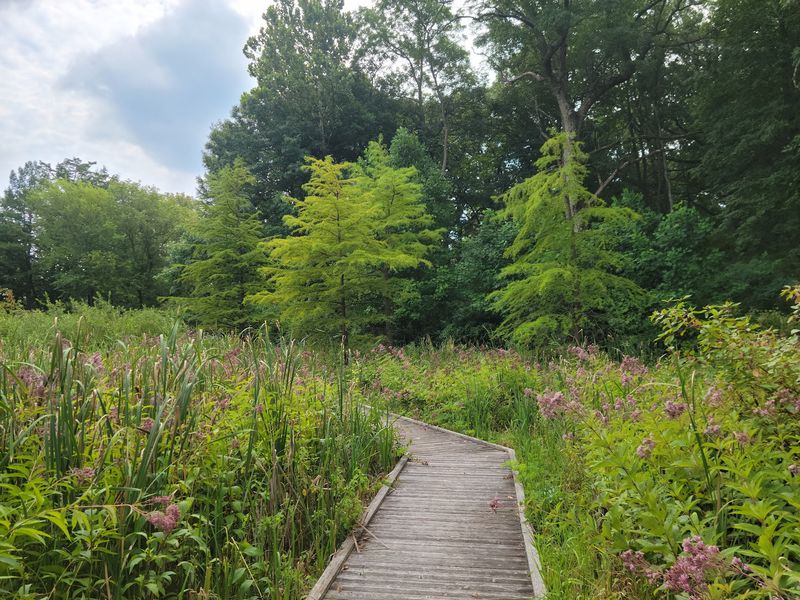
Walking along the elevated boardwalk at Boger Bog feels like stepping into a nature documentary. The wooden planks keep your feet dry while you explore a wetland ecosystem that has existed since the last ice age retreated from Illinois.
The boardwalk stretches through the heart of the bog, offering up-close views of rare plants and wildlife without disturbing the delicate habitat. You’ll notice how the path curves naturally around ancient trees and through patches of wild vegetation.
The construction is sturdy enough for all ages, making it accessible for families with young children or visitors who prefer an easier walking surface.
What makes this boardwalk special is how it brings you right into the middle of the action. Unlike viewing wetlands from a distance, you’re immersed in the sounds of frogs, the rustle of cattails, and the sight of water pooling beneath the planks.
Early morning visits often reveal mist hovering over the bog, creating an almost magical atmosphere.
The entire boardwalk section takes about 15 minutes to traverse at a leisurely pace, though you’ll likely want to stop frequently to observe the unique surroundings and read the informative signs placed along the route.
Bald Cypress Trees Stand Guard
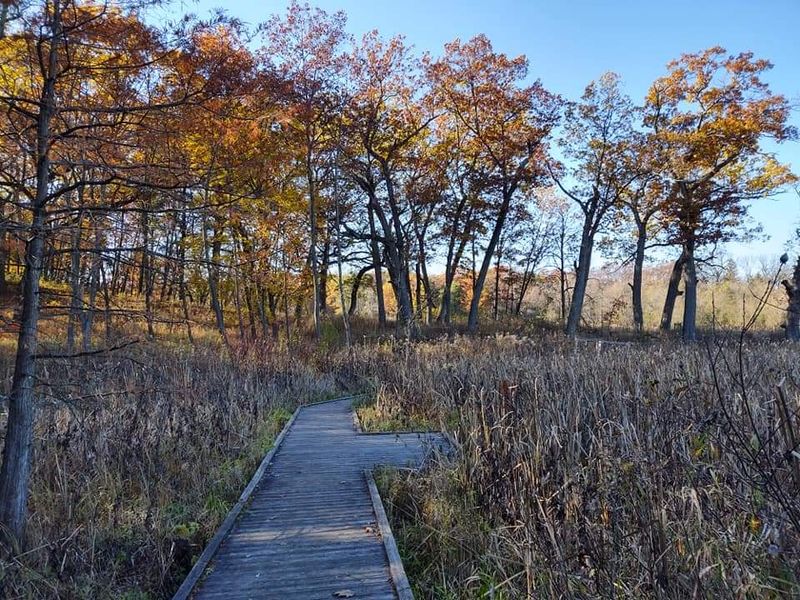
Bald cypress trees rise dramatically from the wetland floor, their distinctive flared trunks creating an almost prehistoric landscape. These southern natives are unusual this far north, making their presence at Boger Bog particularly noteworthy for botanists and tree enthusiasts alike.
During spring and summer, the feathery green needles create a soft canopy overhead, filtering sunlight into dappled patterns on the water below. Come autumn, these deciduous conifers transform into shades of rust and copper before dropping their needles entirely.
The bare winter silhouettes reveal the trees’ true architectural beauty, with their buttressed bases and knobby knees poking above the waterline.
Visitors often pause to photograph these impressive specimens, which can live for hundreds of years in the right conditions. The cypress grove provides critical habitat for birds, insects, and amphibians that depend on this specific wetland environment.
Information signs near the cypress stand explain how these trees adapted to survive in standing water, developing specialized root structures that allow them to breathe even when submerged. It’s a living lesson in plant adaptation that makes the bog more than just a pretty place to walk.
Spring Wildflower Explosion
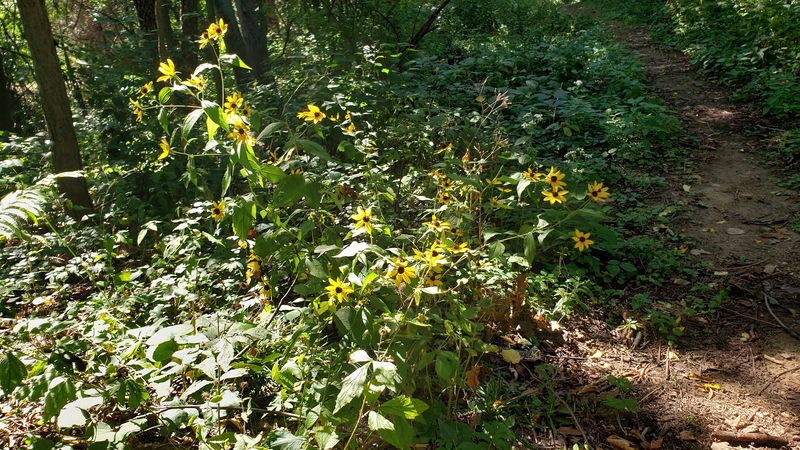
Skunk cabbage pushes through the last patches of snow in late winter, announcing the arrival of spring with its peculiar mottled purple flowers. This unusual plant actually generates its own heat, melting the surrounding snow and releasing a distinctive odor that attracts early-season pollinators.
By April, the bog transforms into a wildflower showcase. Yellow daffodils naturalized along the trail edges add cheerful splashes of color, while delicate white trilliums carpet the wooded hillsides.
Ferns unfurl their fiddle-heads, and marsh marigolds glow golden in the wettest areas.
The diversity of blooms continues through late spring, with different species taking their turn in the spotlight. Visitors who come specifically for wildflower viewing often make multiple trips to catch the various waves of color.
The best viewing happens before the tree canopy fully leafs out, allowing maximum sunlight to reach the forest floor.
Photography enthusiasts love this season at Boger Bog, as the combination of water reflections and vibrant flowers creates stunning compositions. The conservation district’s informative signs help identify the various species, turning a casual walk into an educational botanical adventure that appeals to curious minds of all ages.
Rolling Hills Meet Flat Wetlands
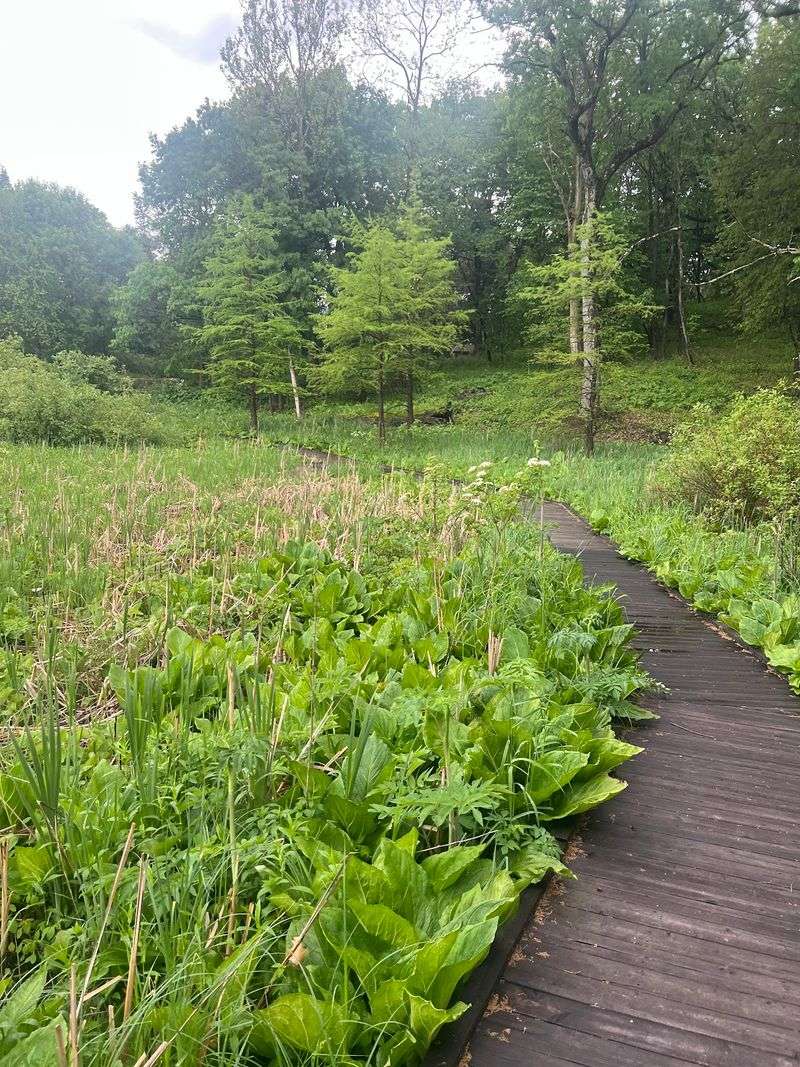
The topography at Boger Bog tells a geological story millions of years in the making. Glaciers carved out the landscape during the last ice age, creating the rolling hills that surround the flat wetland basin where water naturally collects and creates the bog environment.
Hikers appreciate the variety this terrain offers in such a compact area. The trail climbs gentle slopes through oak and hickory woodlands, offering elevated viewpoints over the wetland below.
Then it descends back to boardwalk level, where the ground becomes saturated and specialized wetland plants thrive.
This elevation change isn’t dramatic enough to be challenging, but it adds visual interest and provides different perspectives on the ecosystem. From the hilltops, you can see how the bog nestles into the surrounding landscape like a natural bowl collecting rainwater and groundwater seepage.
The contrast between dry upland forest and wet bog habitat means you’ll encounter completely different plant and animal communities within a short walk. Oak trees give way to willows, woodland birds yield to marsh dwellers, and the very feel of the air changes as you move between these distinct zones, making the experience far richer than a simple flat trail would provide.
Historic Artifacts From The 1933 World’s Fair
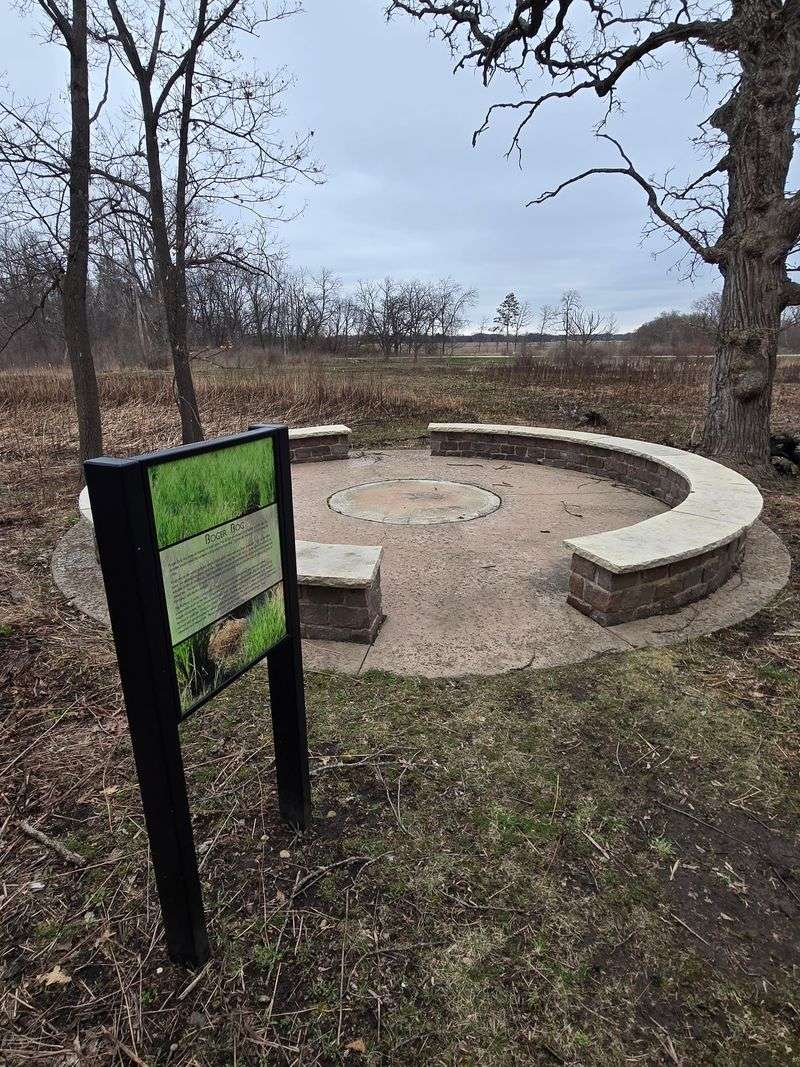
History buffs get an unexpected bonus at Boger Bog in the form of salvaged materials from the 1933 Chicago World’s Fair. The small covered picnic area and pit toilet feature distinctive terracotta tile roofs that once adorned buildings at the famous Century of Progress International Exposition.
These tiles traveled from Chicago’s lakefront to this quiet conservation area, giving them a second life nearly a century after they were first installed. The warm orange-red color of the terracotta creates a charming aesthetic that blends surprisingly well with the natural surroundings.
Even more impressive is the council ring made from antique granite pavers salvaged from old Chicago streets. These heavy stones once felt the rumble of streetcars and the footsteps of countless city dwellers.
Now they form a circular gathering space perfect for group activities or quiet contemplation in nature.
The McHenry Conservation District deserves credit for creatively repurposing these historic materials rather than letting them end up in a landfill. It adds a layer of cultural significance to the natural beauty, connecting visitors to both ecological preservation and Chicago’s rich history in an unexpected and delightful way that sparks conversations and photo opportunities.
Autumn Colors Paint The Landscape
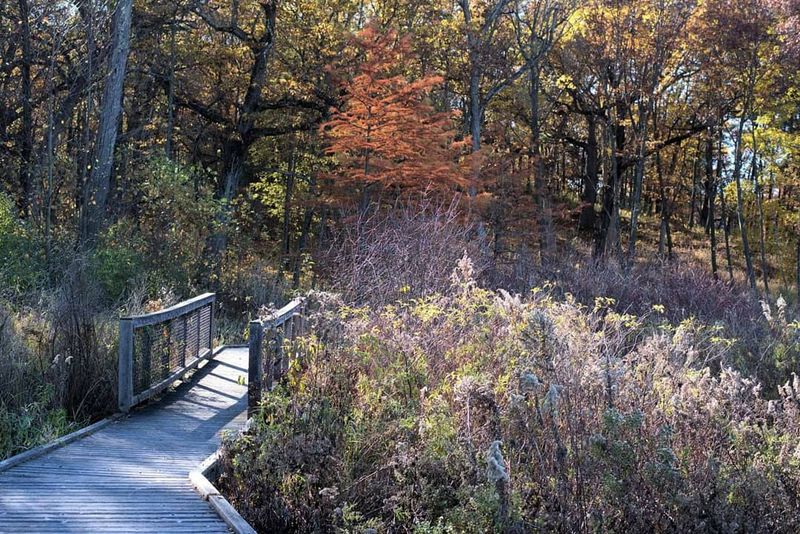
October transforms Boger Bog into an artist’s palette of warm colors. The deciduous trees surrounding the wetland blaze with reds, oranges, and yellows, while the bald cypress needles turn rusty brown before dropping into the water below.
Foggy autumn mornings create especially atmospheric conditions, with mist rising from the warmer water and swirling around the tree trunks. Photographers arrive early to capture these moody scenes, when the combination of fog, fall color, and soft morning light produces almost ethereal images.
The cooler temperatures also mean fewer bugs, making autumn an ideal time for leisurely walks without the mosquitoes that can be bothersome during summer months. The crunch of fallen leaves underfoot adds a satisfying soundtrack to your hike through the upland portions of the trail.
Wildlife activity increases during fall as animals prepare for winter. You might spot migrating birds stopping to rest and refuel, or notice squirrels frantically gathering acorns from the oak trees.
The seasonal changes make each visit feel unique, but autumn holds special appeal for those who appreciate nature’s grand finale before winter arrives and transforms the landscape once again into stark beauty.
Educational Signs Enhance The Experience
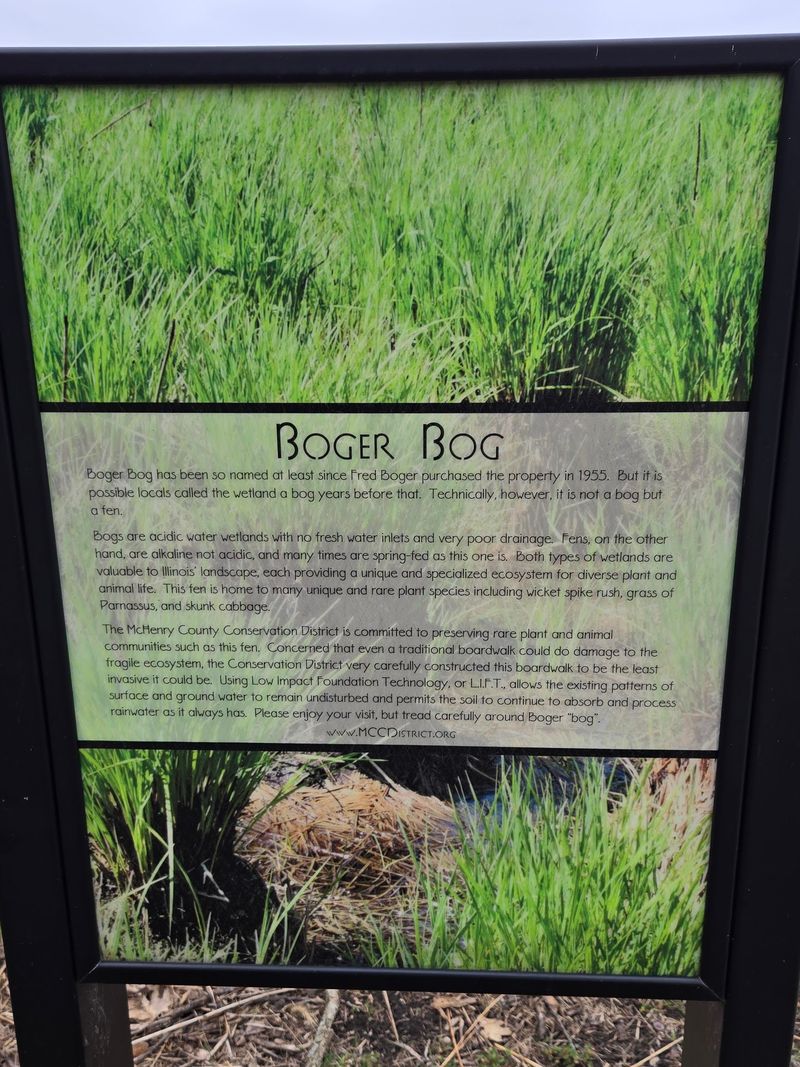
Knowledge transforms a simple walk into a meaningful learning experience, and the McHenry Conservation District understands this perfectly. Throughout the trail system, well-designed interpretive signs explain the ecology, history, and unique features of the bog environment.
These signs aren’t just dry scientific text. They’re written in accessible language that helps visitors of all ages understand why this habitat matters and what makes it so rare.
You’ll learn about the calcareous fen ecosystem, how groundwater chemistry creates the specialized conditions, and which species depend on this environment for survival.
Children especially benefit from these educational elements, as they answer the inevitable “why” questions that arise during family hikes. Parents appreciate not having to know all the answers themselves, while kids enjoy the scavenger hunt aspect of finding and reading each new sign.
The signs also highlight seasonal changes, helping visitors understand what they might see during different times of year. This encourages repeat visits as people return to observe the spring wildflowers mentioned in winter, or to spot the migrating birds described during summer.
It’s environmental education done right, creating informed advocates for conservation without feeling preachy or overwhelming visitors with too much information at once.
Perfect Size For A Quick Nature Fix
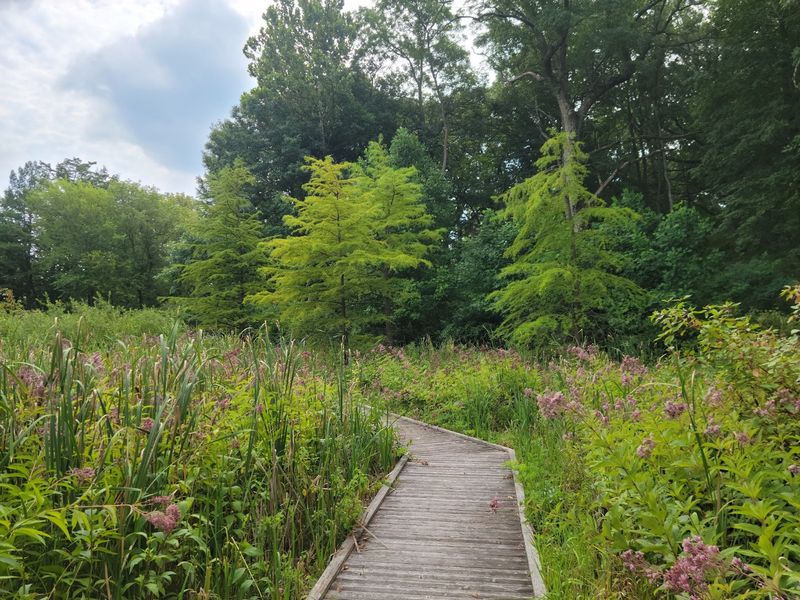
Not every nature outing requires an all-day commitment, and Boger Bog delivers maximum impact in minimum time. The entire trail system covers less than a mile, making it perfect for a quick escape during lunch breaks, before dinner, or when you have limited time but need a nature recharge.
Families with young children find this length ideal, as little legs can complete the loop without complaints or needing to be carried. The trail takes about 20 to 30 minutes at a casual pace, though nature lovers often spend an hour or more stopping to observe wildlife and read the informative signs.
The compact size means the site never feels crowded, even though parking is limited to just a few spaces. Most visitors appreciate the intimate scale, which creates a sense of discovery rather than feeling like you’re walking through a heavily trafficked park.
Some hikers wish the trails were longer, but the brevity actually works in the bog’s favor. It concentrates the most interesting features into a small area, ensuring you don’t waste time on filler sections.
Every part of the trail offers something worth seeing, making it an efficient use of time for busy people who want quality outdoor experiences without dedicating their entire day.
Wildlife Watching Opportunities Abound
Binoculars become your best friend at Boger Bog, where the diverse habitats support an impressive variety of wildlife. The wetland areas attract frogs, toads, and salamanders, while the wooded hillsides provide homes for songbirds, woodpeckers, and owls.
Spring mornings echo with frog calls as males compete for mates, creating a natural symphony that drowns out any distant traffic noise. Patient observers might spot turtles sunning themselves on logs or water snakes gliding through the shallows.
Dragonflies and damselflies patrol the wetland edges during summer, their iridescent bodies catching the sunlight.
Bird diversity changes with the seasons as migrants pass through during spring and fall. Warblers flit through the tree canopy, herons stalk the shallow water, and hawks soar overhead looking for prey.
Winter brings its own specialties, including species that prefer the quieter cold-weather months.
Some visitors encounter less pleasant wildlife, including ticks that lurk in the tall grasses waiting for passing hosts. Checking yourself thoroughly after visiting is essential, especially if you venture off the main trail.
Despite this minor drawback, the abundance of wildlife makes every visit unpredictable and exciting, as you never know what creatures you might encounter during your walk through this thriving ecosystem.
A Peaceful Escape From Modern Life
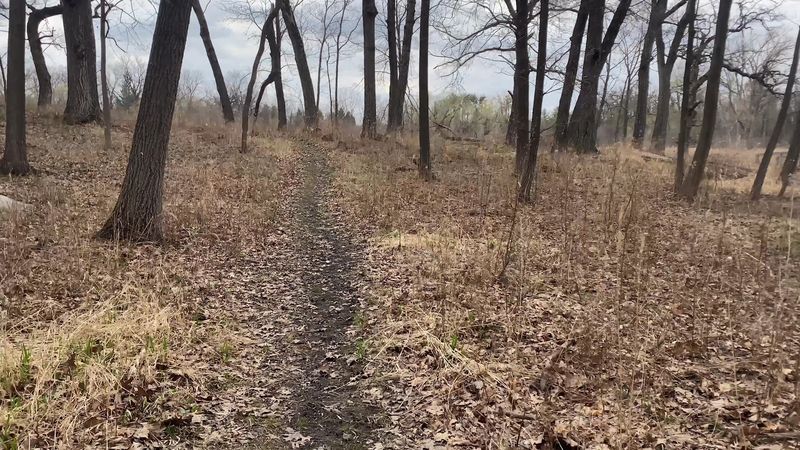
Silence has become a rare commodity in our noisy world, making Boger Bog’s tranquility especially valuable. Once you leave the small parking area behind, the sounds of civilization fade away, replaced by birdsong, rustling leaves, and the gentle movement of water.
Visitors consistently mention the peaceful atmosphere in their reviews, describing it as a perfect spot to decompress and reconnect with nature. The limited parking naturally controls visitor numbers, preventing the overcrowding that can diminish the experience at more popular locations.
Many people use the bog as a meditation spot or a place for quiet contemplation. The council ring provides a designated gathering space, but solitary visitors often find their own favorite spots along the trail to sit and simply be present in nature.
The lack of amenities beyond basic facilities actually enhances the experience rather than detracting from it. There are no playgrounds, no concession stands, no distractions from the natural environment.
It’s just you, the trail, and the ecosystem that has existed here for millennia. In a world of constant stimulation and demands on our attention, this simplicity feels refreshing and restorative, offering exactly what stressed-out modern humans need most: a chance to slow down and remember we’re part of something larger than our daily concerns.
Share this story